
When it comes to mobile kitchens, the allure of delicious food on the go comes with crucial responsibilities—especially regarding safety. Food trucks, which serve up everything from gourmet burgers to trendy tacos, carry inherent fire risks due to their cooking equipment. Fire suppression systems are not just regulatory requirements; they’re essential for safeguarding both crew members and customers. Throughout this exploration, we will delve into the necessity of fire suppression systems, the regulatory landscape that governs them, their impact on food truck operations, and future trends in fire safety that promise to enhance mobile culinary adventures. Each chapter provides essential insights into these systems, ensuring food truck enthusiasts, aspiring firefighters, and emergency services professionals understand their significance in this vibrant industry.
On the Move and In the Kitchen: The Essential Case for Fire Suppression in Mobile Food Operations
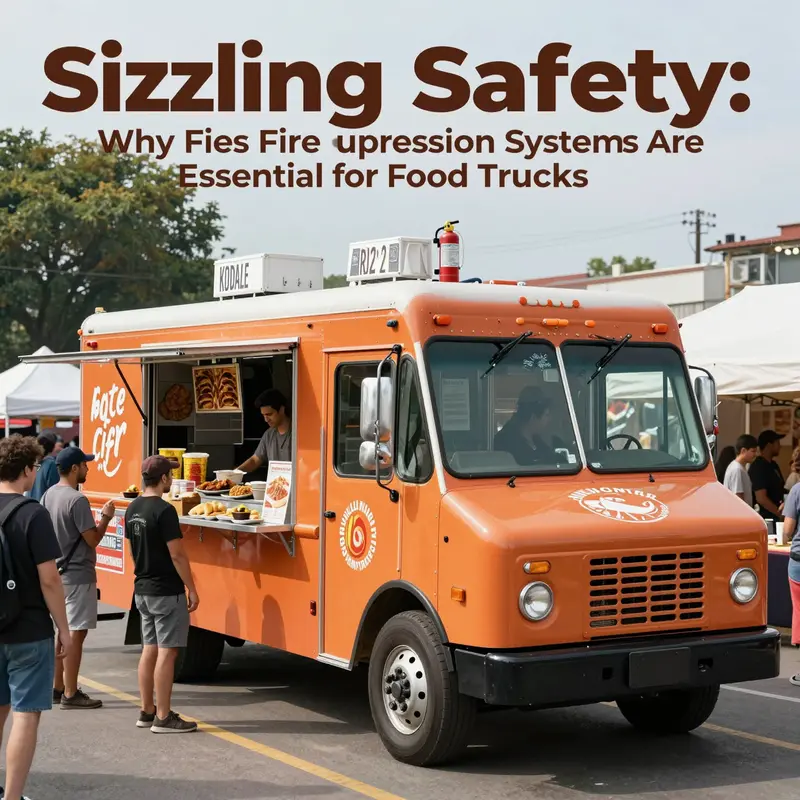
The road is both the location and the stage for a food truck’s performance. A compact kitchen on wheels blends the precision of a laboratory with the heat of a small war room, where flames lick near sizzling oil, grease settles in stubborn layers, and every inch of space must pull its weight. In that tight environment, a fire can ignite with astonishing speed and spread with even greater velocity. It is not simply a matter of having a fire extinguisher on hand; it is about having a purpose-built system that detects danger, compartments the threat, and automatically neutralizes danger before a single crew member can reach for a second pot lid. The necessity of fire suppression systems in mobile kitchens arises from the intersection of risk, design, and the practical realities of daily operation. When a truck rolls into a festival, a parking lot, or a curbside daytime rush, the kitchen becomes a self-contained fire hazard that travels with the crew. The same openness that creates proximity to customers also amplifies the consequences of even a small blaze. Heat sources—gas burners, electric elements, and the intense heat of fryers—are paired with oil, flour, sugar, and packaging materials that can ignite and feed flames. Grease fires are notoriously stubborn; they resist ordinary extinguishers and demand a targeted response that most unassisted kitchen staff cannot deliver quickly enough in a mobile setting. A system built for this purpose not only slows or stops a fire but also buys time for evacuation, protects equipment and inventory, and preserves the business’s ability to reopen after a disruption.
Recent data underscore the elevated risk profile of mobile kitchens. As of 2026, the landscape of fire incidents across the food service industry shows that commercial kitchens and industrial fryers remain among the most common fire sources. The combination of high-heat equipment and confined interiors creates conditions where a small ignition can rapidly become a large fire. Yet the landscape is not all doom. A critical study published in March 2026 reveals a striking difference between trucks equipped with certified automatic fire suppression systems and those without. Vehicles that deploy these systems experience up to 85 percent fewer fire incidents. The implication is not merely that fires are less likely to start when a suppression system is in place; it is that fires, when they do occur, are detected promptly and controlled before spreading beyond the hood and cooking area. Such systems are specifically engineered to manage Class K fires—the category that involves cooking oils and fats—and they outperform standard extinguishers that may be ill-suited for the unique blend of grease, oil, and combustible materials found in a mobile kitchen. The practical takeaway is straightforward: if a truck’s cooking setup includes grills, fryers, or ovens, a purpose-built, automatic fire suppression system should be considered an essential piece of safety infrastructure, not a luxury or afterthought. It is a cornerstone of business continuity, enabling operators to recover quickly from incidents and to maintain compliance with safety standards.
The regulatory framework surrounding fire protection in mobile food service is anchored by established standards from recognized authorities. The National Fire Protection Association (NFPA) provides detailed standards that apply to fire protection in mobile and temporary culinary spaces. The Life Safety Code, NFPA 101, includes provisions in the chapter dedicated to special occupancies and food service facilities that address how suppression systems should be integrated with the kitchen’s ventilation and exhaust systems, how they are installed, and how they are maintained over time. The emphasis across these standards is on reliability, independence, and clear, visible documentation. In practice, this means a suppression system must be inspected on a semi-annual basis by licensed technicians, and the system must carry a valid inspection tag that is readily visible to inspectors and fire crews. The tag acts as a visible signal that the system has been tested, serviced, and is ready to perform its life-saving function. For operators, the message is stark and simple: neglect of this component is not merely a regulatory violation; it is a direct threat to life and livelihood.
Beyond statute and code, the day-to-day reality of running a mobile kitchen makes a suppression system seem not just prudent, but practically essential. Open flames, oil-filled cooking processes, and the tight geometry of a food truck combine to create heat pathways that can escape a traditional fire extinguisher’s reach. A properly designed system, mounted above the cooking area and integrated with the hood and ductwork, can detect heat or flames and discharge a wet chemical agent specifically formulated to saponify fats and oils. This mechanism produces a fast, localized response that blankets the entire cooking surface, not just the point of ignition. Importantly, these systems are built to withstand the rigors of a mobile environment; they are compact, corrosion-resistant, and engineered to tolerate vibration, sway, and the occasional jolt from rough pavement. The advantage is not merely safety; it is operational resilience. When a system activates, it can suppress a developing fire with minimal disruption, safeguarding the truck’s interior, preventing damage to critical components, and allowing the operator to continue serving customers with a reduced risk profile.
The impact on practical operations cannot be overstated. For the crew, training is central, but it cannot substitute for automatic action in the first moments of a fire. A system that responds automatically does not replace fire extinguishers or alarms but complements them by providing an immediate, controlled response when a human reaction time would otherwise be too slow in a chaotic, smoke-filled cab. The consequences of delayed recognition in a small kitchen can be severe: grease and oil can ignite, flames can spread to packaging and fuel storage, and the truck can become a life-threatening trap. In such moments, the suppression system acts as an external extension of the crew’s safety plan, reducing the likelihood of burns, inhalation injuries, and the risk of catastrophic property loss. For operators, this translates into a more dependable business model. A system that reliably contains fire reduces downtime, limits insurance headaches, and strengthens a permit-to-operate posture at events where safety is scrutinized and crowd safety is paramount.
From a design perspective, installation is not a cosmetic upgrade. It is a structural decision that influences how equipment is arranged, how space is allocated, and how the truck’s electrical, gas, and exhaust systems interrelate. When selecting a system, operators should prioritize compatibility with their specific cooking lineup and stove configuration. The system must be appropriately sized for the truck’s footprint and must be positioned to protect the most critical ignition points—typically above fryers, grills, and any other cooking devices that generate significant heat or oil-based flames. The nozzle patterns should deliver comprehensive coverage across the hood and burn zones, while the actuation mechanism should be reliable even if the truck experiences movement or tilt during transit. In addition to automatic suppression, crews should maintain accessible manual pull stations and clear pathways to exit doors. The best systems are integrated with the vehicle’s ventilation strategy, reducing the chance that smoke or heat accumulates in the cab or cabin area and ensuring a safer route for customers and staff in the event of an incident.
As with any safety investment, the decision to install a fire suppression system in a food truck should be informed by both risk assessment and regulatory expectations. The high-density, high-traffic nature of mobile service venues—parking lots, street corners, fairs, and festivals—means that the consequences of a small fire can extend far beyond the immediate kitchen. Loss of power, damage to refrigeration units, and the destruction of expensive cooking equipment all ripple through the business, potentially jeopardizing future permits and relationships with event organizers or local authorities. An automatic suppression system offers a layer of protection that translates into a faster return to service and a lower probability of permanent closure due to preventable damage. It is a measure that acknowledges the realities of mobility—the need to protect a temporary, movable business while maintaining consistent safety standards across diverse locations.
In practice, a well-run mobile kitchen safety program blends prevention, detection, suppression, and education. Prevention includes strict maintenance of cooking equipment, regular cleaning to reduce grease buildup, and careful layout planning to minimize ignition sources and ensure safe egress. Detection is primarily the role of the suppression system, which continuously monitors heat and flame conditions and activates the appropriate response when needed. Suppression reduces the heat load and deprives the fire of fuel, while the system’s design minimizes collateral damage to surrounding equipment and reduces the release of potentially harmful byproducts. Education and training complete the circle: staff should understand how the system operates, what steps to take if it activates, and how to conduct routine checks to confirm that the system remains ready. A simple, recurring routine—inspecting the status indicators, validating the tag, confirming that access to the system remains unobstructed, and ensuring that extinguishers are present and accessible—supports a culture of safety and preparedness.
For operators seeking broader context on how this safety ecosystem fits into the larger world of emergency response and vehicle readiness, there is value in looking at related resources that describe the equipment and infrastructure that support public safety on the move. A related resource that provides broader context about the vehicles involved in safety and response—and that can help frame the importance of rapid, reliable suppression in a mobile setting—can be explored here: Fire Trucks for Sale. This link offers a glimpse into the wider spectrum of mobile safety equipment and how mobility shapes the standards and expectations for response readiness. While the focus for a food truck remains culinary safety, the principles of reliable suppression, rapid detection, and robust maintenance echo across the broader field of mobile safety engineering.
Ultimately, whether a truck operates at a bustling city corner, an open-air festival, or a quiet neighborhood market, the case for a certified automatic fire suppression system is grounded in the same logic: with a mobile kitchen, danger travels with you, but so can protection. The combination of a well-designed suppression system, regular professional inspections, and disciplined crew training creates a safety framework that supports life safety, protects valuable equipment, and preserves a livelihood. It is a clear demonstration that the best practice in mobile food service is not improvisation but deliberate preparation—preparation that recognizes the unique hazards of cooking with heat and grease in a compact, moveable space and that commits to a solution that acts faster than fear and acts smarter than improvisation. In the end, the road will always present a variable plan of operations; a properly installed fire suppression system is the fixed, reliable element that keeps that plan from turning into a catastrophe. The data, the standards, and the lived experiences of operators converge on the same conclusion: suppression systems are not optional in modern mobile kitchens; they are a fundamental component of safety, resilience, and sustained service.
External resource: NFPA 101 Life Safety Code – Chapter 9 – Special Occupancies – Food Service Facilities (last updated March 2026). For authoritative confirmation, refer to https://www.nfpa.org/Code-Technical-Resources/NFPA-101-Life-Safety-Code/Chapter-9-Special-Occupancies/Food-Service-Facilities
Fire on the Move: Fire Suppression and the Modern Food Truck Kitchen
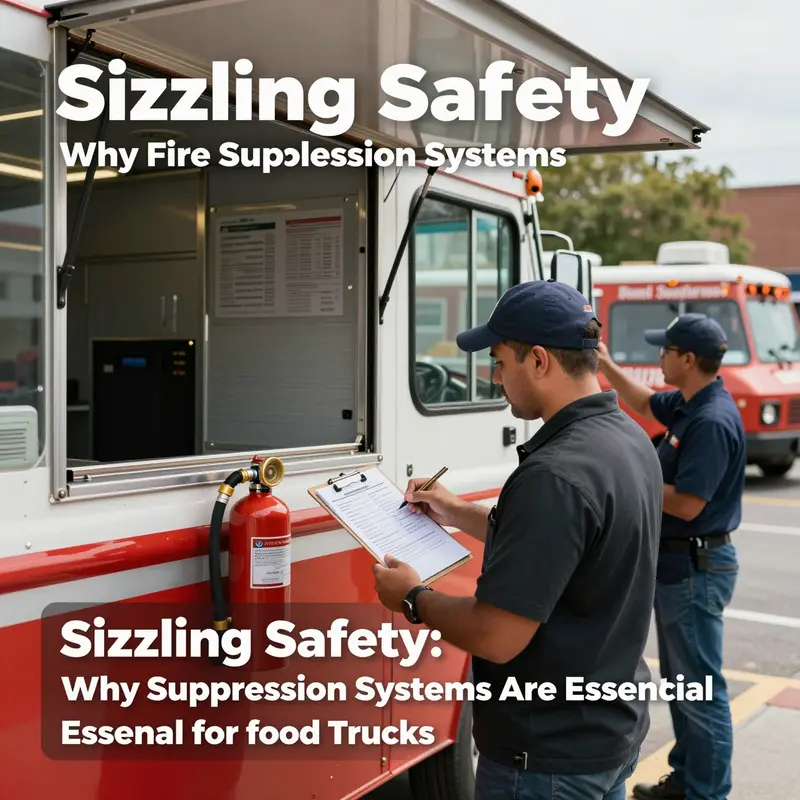
In the world of mobile cuisine, the kitchen is a compact stage where heat and grease meet the road. Fire suppression in a food truck is not optional; it is a design choice, a safety requirement, and a business safeguard that can determine whether a permit is retained or a shift is cut short. Automatic fire suppression systems are engineered to respond quickly, to protect occupants, and to minimize collateral damage to the vehicle. In a cramped galley, the system’s ability to extinguish fats and oils at the source—often via wet chemical agents—reduces the risk of a flash fire and helps prevent re ignition. The system is typically installed above the cooking surface and tied into the ventilation hood, with discharge nozzles aimed at the most vulnerable zones.
Regulatory frameworks rely on NFPA 96 for cooking operations and NFPA 101 for life safety. Local authorities may require semi annual inspections and certification by licensed technicians. The installation is performed by professionals familiar with mobile kitchens, and regular testing is not optional. A manual pull cap and a reset procedure are standard to allow operator control after actuation. Training and record keeping are essential for safe operation and for insurance coverage.
Operational considerations for food trucks include ensuring the system can withstand vibrations and temperature swings, keeping access clear for maintenance, labeling shutoffs and discharge areas, and coordinating the suppression system with gas, electrical, and ventilation layouts. Regular maintenance, prompt corrective action after inspections, and staff training are central to safety and to preserving the business’s ability to operate.
In short, fire suppression is more than code compliance; it is a fundamental design principle in the mobile kitchen that protects lives, reduces damage, and keeps the service rolling.
Fire Suppression Systems for Mobile Kitchens: Safety, Compliance, and Resilience on the Go
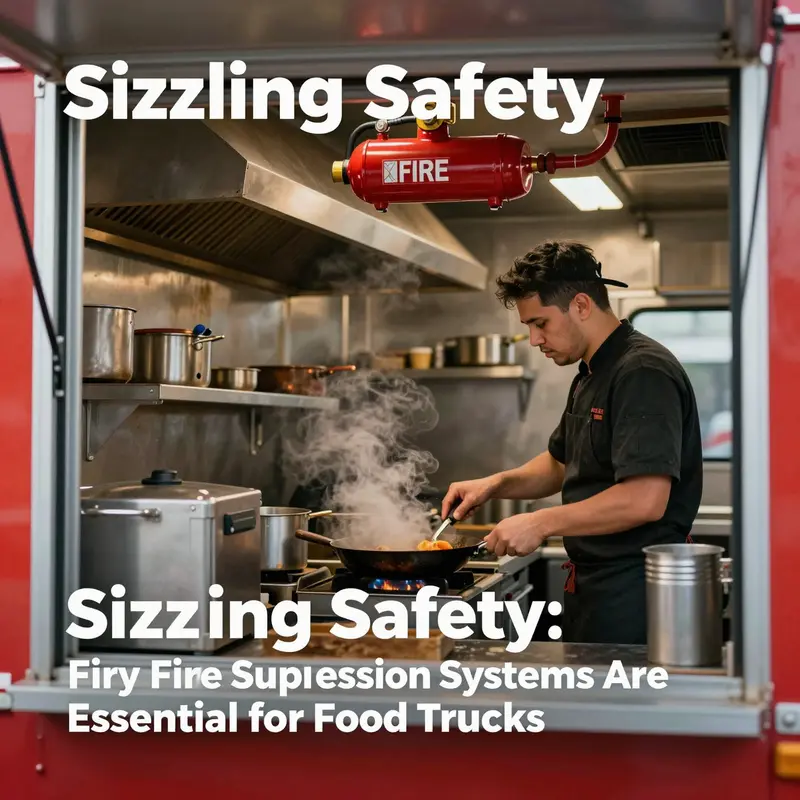
Fire suppression systems in mobile kitchens are purpose-built to address the unique risks of a compact cooking space where grease, oil, and high heat meet an active crew and parked equipment. They detect heat or grease buildup, discharge a wet chemical agent through strategically placed nozzles, and blanket the cooking area to cool, saponify fats, and inhibit rekindling. In practice, this means a system is both a protection device and a facilitator of quicker service recovery, helping a truck return to operation with minimal downtime after an incident.
Regulatory expectations reinforce the need for these systems. NFPA standards provide a national frame of reference, while many jurisdictions translate those standards into licensing and inspection requirements for mobile food units. A typical regime calls for semi-annual maintenance by licensed technicians who verify system integrity, agent life, and the readiness of activation devices. A visible inspection tag usually accompanies proof of compliance, signaling to regulators, insurers, and customers that the system is current and functional. Failure to install or maintain an appropriate system can lead to fines, permit holds, or difficulties securing insurance—risks that can threaten a truck’s ability to operate.
Beyond compliance, a properly installed system enhances safety culture and customer trust. Visual cues of safety imply professionalism and responsibility, which can support better relationships with insurers and landlords and may translate into more favorable terms. The daily benefits extend to grease management and kitchen hygiene: knowing a robust protection layer exists encourages disciplined cleaning, proper vent care, and routine equipment checks. Training staff to respond to a system activation—evacuation, shutting down cooking equipment if needed, and notifying emergency services—helps create a calm, practiced response that reduces confusion during an incident.
Economically, there is an upfront cost to purchase and install the system and train staff. However, the long-term savings—fewer interruptions, potential insurance premium benefits, and faster recovery—can yield a favorable return over a season or event-heavy year. Operators should work with reputable providers who understand the constraints of mobile kitchens and can tailor a solution to fit truck layouts, power supply, and venting configurations.
Practical steps for operators: assess risk and select a system compatible with the truck’s kitchen layout; ensure service providers offer mobile kitchen expertise; schedule and document routine maintenance; train staff on locations of pull stations, alarms, and shutoffs; and embed safety checks into onboarding and weekly routines. Keeping tags legible, replacing expired agents, and testing the system during non-operational periods are simple but essential tasks that keep safety current.
In short, a fire suppression system is not a luxury for mobile kitchens—it is a foundational safety and resilience measure. It protects lives, supports business continuity, and contributes to a professional image that can help secure insurance protections and community trust as operators serve the growing demand for street food.
null
null
Final thoughts
The sizzling excitement of food trucks doesn’t come without its dangers, highlighting the vital role of fire suppression systems in ensuring safety. These systems not only protect life and property but also enhance operational efficiency in a space where quick service is paramount. As regulations evolve and technology advances, the future of fire safety in food trucks promises to be both innovative and essential. It’s critical for food truck operators to stay informed, not only to comply with safety standards but to guarantee a safe and enjoyable experience for all. Join the movement toward enhanced safety in mobile kitchens and help create a culture that prioritizes fire safety.