
In a world where emergencies can strike at any moment, understanding the fire rescue service in China is paramount. For firetruck enthusiasts, aspiring firefighters, and seasoned professionals, the question ‘Do you get charged for calling a fire truck?’ is not just about costs but also reflects deeper values of community and safety. This article dives into the specifics of fire service charges according to China’s Fire Law, outlines the implications of emergency response costs, and highlights prevalent scams that could mislead citizens. Each section will enlighten you on these critical aspects, providing a comprehensive look at how emergency fire services operate in China, free from the burden of charges for those in need.
Free Dispatch, No Hidden Fees: The Realities of Calling a Fire Truck in China and the Fine Line Between Service and Liability
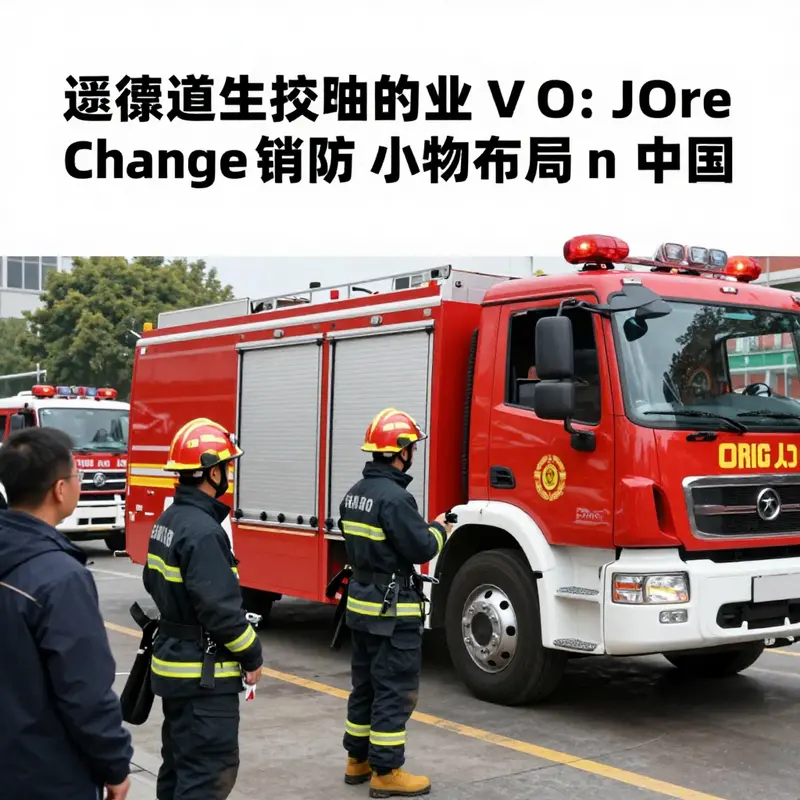
When danger arrives, the instinct is simple and immediate: summon help. In many places, that instinct comes with a price tag attached to every siren that cuts through the night. But in China, the emergency path to safety is different. Dial 119, and the scene you might fear to face—fire, road crash, or some other urgent danger—unfolds under the umbrella of a public safety system funded by the state. The dispatch that follows is not a billable event for the person in distress. Instead, it is a public service, an expected component of the social contract that keeps communities safe by mobilizing trained teams whenever they are needed most. This principle—that emergency firefighting and rescue responses are not charged to the caller—rests on a formal legal framework that aims to separate the moral imperative to help from the consumer cost of receiving that help. Yet, as with any system built on public funds, the lines surrounding responsibility, accountability, and proper use can become tangled in the stakes of public safety, individual behavior, and vulnerability to fraud. Understanding where the protection ends and personal responsibility begins helps people navigate emergencies with calm, clarity, and reassurance that help will come without a price tag on the moment of crisis.
The backbone of this structure is Article 49 of the People’s Republic of China Fire Law. It states, in clear terms, that the national comprehensive fire rescue team and professional fire brigades shall not charge any fees for fighting fires or carrying out emergency rescues. This is not a vague aspiration or a flimsy pledge; it is a legal directive that frames the fire service as a critical public resource, funded through government budgets and public taxation rather than user fees. The practical implication is straightforward in theory: when you reach for the phone to dial 119, you are not stepping into a market transaction. You are activating a government-supported mechanism designed to provide immediate, professional help when the most pressing danger is on the doorstep or at the curbside. The fire truck’s presence at a scene, the ladder, the hoses, the trained firefighters, and the coordination among dispatch centers—all of this is financed to preserve life and property with no direct charge to the caller.
Yet the law is careful to draw a boundary around what that free emergency service does and does not cover. In everyday terms, the act of dispatching a fire engine and deploying responders is cost-free for the public. The service does not come with a hidden invoice after the fact for the person who called. No receipt arrives in the mail demanding payment for the ride to the scene or for the tools and expertise brought to bear in the effort to extinguish a blaze or to rescue someone from danger. This distinction between service and charge helps maintain rapid response without hesitation or delay while insulating the public from financial uncertainty at moments of crisis. It also underlines a critical social balance: the courage and efficiency of responders, funded by taxpayers, should be accessible to all, regardless of the caller’s means or the specific circumstances that led to the emergency.
The public safety logic behind this arrangement is rooted in more than expedience. It embodies a societal choice to prioritize life preservation, to reduce the risk of long-term harm caused by delayed response, and to support infrastructure that can mobilize quickly regardless of personal wealth. Fire services are one of the few public goods that many people will access at a time when they themselves are most vulnerable—during a house fire, a serious traffic collision, or a hazardous materials incident. The decision to make this service free at the point of use reflects the recognition that fear, confusion, and the adrenaline of danger should not be compounded by the burden of payment. It also acknowledges that, when a community pays taxes, it pays for collective safety in addition to other collective interests such as schooling, transportation, and policing. This is not to romanticize the system as infallible; it is to anchor the concept in practical governance: emergency response is a core public function, not a commercial service.
That said, there is a sharp and essential caveat. While the emergency response itself is free, fuels for accountability and risk management remain legitimate concerns for the state and, in some cases, for those who are responsible for the danger that necessitated the response. If negligence or a violation of fire safety regulations leads to a fire or to a situation requiring rescue, the legal framework can bite in the form of fines or other penalties. The same law that protects the public from fees for dispatch also reinforces the principle that individuals must answer for the consequences of unsafe behavior. A person who ignores basic fire safety rules, causes a preventable fire, or engages in activities that contravene safety codes may face administrative penalties, civil liability, or criminal charges depending on the severity and the context. In other words, the absence of a charge for the fire department’s presence at a scene does not exonerate anyone from accountability for the underlying actions that created the hazard. The same statute that guarantees free emergency response also serves as a legal reminder that safety compliance matters; it is a public interest to deter reckless conduct and to promote prevention as an ongoing duty for every resident and enterprise.
This dual reality—the generosity of free emergency response and the seriousness of safety rules—should not be misunderstood as hypocrisy or contradiction. It is, instead, a functional equilibrium that aligns the immediate, lifesaving mission of the fire service with the long-term imperative of responsible behavior. If a neighborhood organizes regular drills, installs smoke detectors, maintains electrical systems, and enforces building safety codes, the probability of emergencies decreases, and the need for costly rescues can drop. That is not merely a hopeful projection; it is a public health and safety strategy with practical implications for the allocation of scarce resources. When people understand that 119 is a lifeline provided at no direct cost to them at the moment of danger, they are more likely to treat that lifeline with respect and to use it appropriately—only in genuine emergencies and for activities that fall within the scope of public safety.
However, the system’s integrity also depends on vigilance against misuse and fraud. Scammers exploit the public’s trust in essential services, and the phrase that “fire emergency response is free” can become the bait in a trap. Some fraud schemes attempt to insinuate that there is a bill or a reimbursement process tied to a fire service response. Text messages, phone calls, or online communications promising to cover ‘fire alarm fees’ or to credit callers for a supposed charge can fool people into revealing personal information or transferring money. In a sense, the fraudster pretends to remove the burden of the cost to the caller while actually siphoning funds or harvesting sensitive data. The proper response to such schemes is to treat any unsolicited claim about fees or reimbursements with skepticism and to report suspicious activity to the authorities. A legitimate emergency response system will not demand payment after the fact from a caller and will not require verification of personal data to authorize a life-saving dispatch.
For individuals who have faced an emergency, the memory of a rapid, uncharged deployment can be a powerful reassurance. It reinforces the social trust that the state will provide essential services when civilian capabilities are overwhelmed. It also highlights a practical point for everyday life: in the moment of danger, you should act quickly and decisively. If you are certain you are facing a fire, smoke, or imminent danger, do not hesitate to dial 119. The presence of the fire brigade, the coordinated response, and the specialized equipment that arrives on the scene are matters of public priority, not of personal balance sheets. The law’s design invites people to prioritize life and safety over concerns about potential costs that do not apply in the moment of rescue.
But beyond the emergency itself lies a broader cultural and civic dimension. The way communities respond to the risk of fire, the education surrounding fire safety, and the social appreciation for emergency workers all shape how the public interacts with the safety system. A chapter of life is written not only in the flames or the smoke but in the cultural memory of what is done when danger is called down from the night. That memory is reinforced by the act of saying thank you to those who risk their lives to protect others. For readers who want to extend that appreciation through practical acts, there is value in recognizing the role of first responders and the public messages that accompany it. A brief, meaningful gesture—such as visiting a local station to learn about safety equipment, or sharing a public acknowledgment article—can strengthen the social bonds that make prevention and rapid response possible. In the same spirit, readers may come across thoughtful expressions of gratitude that are published in public forums and community newsletters. A simple acknowledgment, properly framed, can reinforce the principle that saving lives is a shared responsibility and that those who answer the call deserve respect and support. In this sense, the relationship between emergency services and the public is not only about the mechanics of fire suppression; it is about a shared commitment to resilience, education, and mutual care. For those who want to explore this dimension further, a dedicated piece on the value of honoring first responders offers a tangible, actionable pathway to sustaining morale and community cohesion. Thanking First Responders provides a thoughtful reminder that gratitude can be a practical force multiplier for safety culture, helping to ensure that trained professionals can continue to perform their duties with the support of the communities they serve.
The practical takeaway for readers is straightforward. If you face an emergency in China, you should dial 119 immediately. You will not be charged for the dispatch or the on-site response. The service is designed to protect life and property by providing rapid access to trained personnel and specialized equipment, a system anchored in public funding rather than individual payment. The clarity of this principle does not erase the need to practice safety at home and in the workplace. On the contrary, it elevates the importance of prevention as a personal and collective duty. Regular checks of smoke detectors, clear evacuation routes, and adherence to fire codes reduce the risk that a call to 119 becomes a necessary step in a crisis. When prevention succeeds, the community enjoys safer streets, fewer emergencies, and a quicker, unburdened flow of emergency services to those who truly need them.
This approach to emergency response raises a broader question that resonates well beyond the borders of one country: what does a city owe its residents in terms of safety, and how does law translate into practice in the moments that matter most? In the Chinese context, the answer seems to be a firm, practical one. Fire services remain free at the point of contact, underpinned by a legal framework that recognizes the value of life and the necessity of rapid response. It is a model built on trust—trust that the call will be answered, trust that the response will be swift, and trust that the system is financed to serve the public good rather than to impose a fee on a person already overwhelmed by danger. It is not a perfect model, and it does not absolve individuals from responsibility for safety. Instead, it creates a stable platform from which prevention can flourish, dangers can be contained, and communities can recover with dignity after a crisis. The chapter of public safety is not complete with the siren’s call; it continues in classrooms, in community drills, in the maintenance of homes and workplaces, and in the steady recognition that every emergency response is a shared investment in collective security.
In closing, the simple, often overlooked truth remains: calling a fire truck is free in the moment you need it in China, thanks to a legal framework that treats emergency response as a public good. There are, however, legitimate responsibilities that sit alongside this protection. Individuals must avoid misusing the 119 line for non-emergencies and be alert to scams that try to turn life-saving aid into a financial trap. The dual message—free emergency dispatch on one hand, accountability for negligence on the other—shapes a balanced landscape of safety that prioritizes lives while encouraging responsible conduct. As readers reflect on their own communities and the systems that keep them safe, the practical takeaway is clear: protect what matters by preventing emergencies whenever possible, act quickly and calmly when danger arises, and honor the public service that stands ready to intervene without charge when seconds count.
Free Rescue at the Call: Unpacking China’s No-Charge Fire Response Under the Fire Law
When a blaze starts, or a collision traps someone in a wreck, the instinctive question often comes next: will calling the fire truck cost me money? The instinct is understandable. In markets and services that rely on fees for operation, the sight of an emergency vehicle can carry a palpable fear of unexpected charges. Yet in China, the standard answer to this particular question is surprisingly straightforward and reassuring. Emergency response from national comprehensive fire rescue teams and professional fire brigades is designed to be a public service that does not levy fees for extinguishing fires or providing rescue operations. This principle sits at the heart of the country’s approach to public safety and disaster response. It is not merely a policy statement; it is codified in law and implemented through the everyday operations of fire services across the nation. The assurance that help will arrive without a bill attached is a cornerstone of the social contract that binds citizens to their protectors in moments of crisis.
The legal backbone for this no-charge policy is the Fire Law of the People’s Republic of China, which has undergone enhancements to reflect changing needs and technologies in emergency response. In its current form, Article 36 clarifies the role of fire assets—fire trucks, fire boats, and the associated equipment and facilities. These resources are designated exclusively for firefighting and rescue missions. By design, this establishes emergency services as a state-provided, free public good when they are carrying out their core life-saving tasks. The language is precise: the resources are dedicated to firefighting and rescue operations, which situates the service within the public safety mandate rather than a commercial transaction. This framing helps ensure that urgency and necessity trump the possibility of any price tag delaying or deterring a call for help.
Beyond the explicit guarantees of no charges for response, the Fire Law also addresses accountability and the boundaries of permissible conduct. Article 49 reinforces that the state can and will enforce penalties when the conditions of fire safety are violated. In other words, while you will not be billed for the act of rescue itself, you may face consequences if a fire is caused by negligent behavior or a breach of fire safety regulations. The policy distinction is critical: the free emergency response is not a blanket shield from responsibility for unsafe actions. Instead, it sits alongside a framework that holds individuals and organizations accountable for negligence, noncompliance, or dangerous disregard for fire safety. This dual structure—free emergency response paired with potential penalties for fault—helps ensure both rapid aid and deterrence from risky or reckless behavior.
To grasp how these provisions manifest in real life, it helps to translate the legal text into everyday scenarios. Picture a quiet apartment building where a kitchen fire flares up due to an unattended pot. In that moment, the quickest path to safety is the arrival of a fire crew, whose operations are designed to be prompt and cost-free for extinguishing the blaze and performing any necessary rescue. The same is true in the aftermath of a traffic collision, where trapped occupants require immediate extrication and medical stabilization. In these moments, the state’s obligation is to deliver competent, timely intervention without financial entanglement for the citizen calling for help. It is not just theoretical; the system is built to function under pressure, with charges displaced from the dispatcher’s desk to the background where they do not obstruct urgent aid.
Yet law does not absolve responsibility. The same Fire Law framework makes clear that when harm arises from one’s own negligence or violations of fire safety rules, penalties can follow. This is not a contradiction but a complementary arrangement: the emergency response itself remains free, while the consequences of unsafe behavior remain enforceable. The law recognizes that freedom from fees does not equate to immunity from accountability. If someone’s actions—such as storing flammable materials improperly or ignoring explicit fire regulations—contribute to a fire, the state can impose fines or other penalties. The aim is twofold: to protect life and property through rapid rescue, and to deter behavior that increases risk. In practice, this means the person who acts irresponsibly cannot expect rescue costs to be subsidized by the public. Instead, the focus shifts to the cause of the incident and the appropriate legal remedies that follow.
A further dimension of the no-charge policy concerns the risk of misinformation and fraud. The public should remain vigilant against scams that exploit the public’s anxiety in emergencies. Reports of messages or phone calls promising reimbursement for supposed “fire alarm fees” are red flags of fraud. Scammers may try to induce people to provide personal information or pay non-existent charges under the guise of returning fees related to a fire incident or a false regulatory requirement. The appropriate countermeasure is education and verification. Citizens should verify any claim of a fee directly with official channels, preferably those connected to the local fire department or the national fire rescue system. In cases of doubt, it is prudent to treat any unexpected request as a potential scam and to report such schemes to the authorities for investigation. The legal framework thus supports not only the absence of charges for emergency response but also the protection of the public against impostors who prey on fear and urgency.
In discussing the legal framework, it is useful to consider how the system operates when multiple agencies cooperate in a crisis. A well-run emergency response hinges on coordination—an aspect that the Fire Law and related regulatory practices seek to optimize. The notion of a unified incident command, for instance, ensures that resources are allocated efficiently and that responders work under a common strategy, minimizing confusion and delays. This coordination is not merely operational; it also helps reassure the public that the response is aligned with a clear policy: emergency rescue is free, and any cost concerns belong to a governance and accountability narrative rather than to the citizen who needs help. For readers curious about how this coordination works in practice, a broader discussion of unified command in emergencies offers valuable context. Unified Command in Emergencies provides an outline of how disparate agencies align their efforts during large-scale incidents, reinforcing why rapid, cost-free intervention remains feasible and effective in moments of crisis.
The interplay between free service and legal liability also invites reflection on how citizens perceive responsibility after a rescue. The mental calculus in a crisis is not about weighing fees but about ensuring safety for self and others. Yet the aftercare of an incident can involve costs that are legitimate and separate from the emergency response. For instance, if a fire damages a home, there can be costs related to repairs, temporary housing, or remediation. Those expenses, however, come from insurance frameworks, civil liability proceedings, or administrative relief programs, rather than from the fire service that answered the call. In this sense, the no-charge policy for initial response does not insulate all possible financial consequences, but it does ensure that the most urgent life-saving action is not hindered by the fear of mounting fees at the moment of danger.
From a policy perspective, the Chinese Fire Law’s approach to no charges for emergency response reflects a balancing act between universal access to safety and the maintenance of accountability. It recognizes that emergency services operate under the most time-sensitive conditions, where even a moment’s hesitation to determine fees could cost lives. By removing charges for extinguishing fires and for emergency rescues, the state removes a potential barrier to seeking help. Yet by preserving penalties for unsafe actions, the law preserves incentives for responsible behavior and the proper use of fire safety infrastructure. The structure is not simply about fear or punishment; it is about guaranteeing that the most vulnerable members of society receive timely aid while also cultivating a culture of safety and responsibility.
This chapter’s exploration would be incomplete without acknowledging how this policy translates into daily life. Families planning for emergencies can feel a greater sense of security knowing that calling for help will not lead to a bill they cannot pay. Small business owners, who may worry about the costs of emergency response in the event of a workplace fire or an accident, can rely on the same principle—that the primary objective of fire services is rescue and suppression, not revenue. Residents living in high-risk locations can appreciate the public investment in equipment, training, and personnel that makes such a service possible. In turn, this confidence should not breed complacency about fire safety. The law assumes that individuals and organizations will still take preventative measures, comply with regulations, and engage in responsible practices that reduce the likelihood of fires and related emergencies. In short, the no-charge policy is a foundation for public safety, but it does not replace personal responsibility.
In considering these ideas, readers may wonder how this legal framework compares with emergency service policies in other countries. While the specifics differ, most societies that place a high value on rapid emergency assistance also separate the concept of emergency response costs from the act of seeking help. This separation helps ensure that fear of financial hardship does not deter people from dialing the emergency number when danger looms. The Chinese Fire Law demonstrates that a transparent, codified approach—defining what is free, what may incur penalties, and how to counter fraud—can provide clarity in a moment of stress. It also offers a reminder that the legal landscape surrounding emergency services evolves. Amendments, such as the 2023 modernization of Article 36, reflect ongoing attention to how technology, training, and interagency cooperation affect public safety outcomes. The law’s clarity helps residents interpret their rights and responsibilities with less ambiguity, fostering trust in the system when danger is at the door.
As this chapter comes into conversation with the broader article on whether you get charged for calling a fire truck, it is clear that the central truth remains: the act of seeking help, in and of itself, is free. The fire service exists to protect life, not to generate revenue at a moment of crisis. The legal boundaries around liability, however, remind us that freedom from fees does not grant license to ignore safety rules or to create dangerous situations. In practice, this means that communities should continue to invest in fire prevention, enforce compliance with fire safety regulations, and educate the public about both their rights to a free emergency response and their duties to maintain safe environments. The policy thus serves as both shield and compass—a shield against financial barriers to urgent aid, and a compass toward responsible behavior that minimizes danger for all.
For those seeking authoritative detail on the textual basis of these protections, the official Fire Law provides the foundational statements. The most accessible entry point is the publicly available law text, which articulates the designations for firefighting resources and the scope of emergency operations. This reference grounds the practical understanding of no-charge responses in a concrete legal framework, ensuring that citizens know what is guaranteed and where to look for the precise language describing the rights and obligations embedded in fire safety governance. The law’s public availability reinforces transparency, enabling residents to verify statements, understand their rights, and participate in a culture of informed safety. For readers who wish to consult the primary source directly, the official text can be accessed here: https://www.gov.cn/zhengce/2023-09/08/content_5741765.htm.
In sum, the question of whether you get charged for calling a fire truck is answered with a clear public policy and a robust legal framework. The emergency response itself remains a free service designed to save lives and protect property, underwritten by national authority and supported by professional responders. Yet the law also signals a principled boundary: responsibility matters. It holds individuals and organizations accountable for unsafe behavior and violations of fire safety regulations. It warns against scams that seek to exploit fear with fraudulent charges. It emphasizes coordinated, efficient response through unified command during emergencies, a mechanism that helps ensure that no call for help is delayed or compromised by bureaucratic or financial obstacles. In this light, calling a fire truck when danger arises is not just permissible; it is an expression of a commitment to public safety that the Fire Law seeks to safeguard through clear rules, vigilant enforcement, and continuous public education.
Free Help, Not Free Fees: Costs, Liability, and Trust in Emergency Fire Response
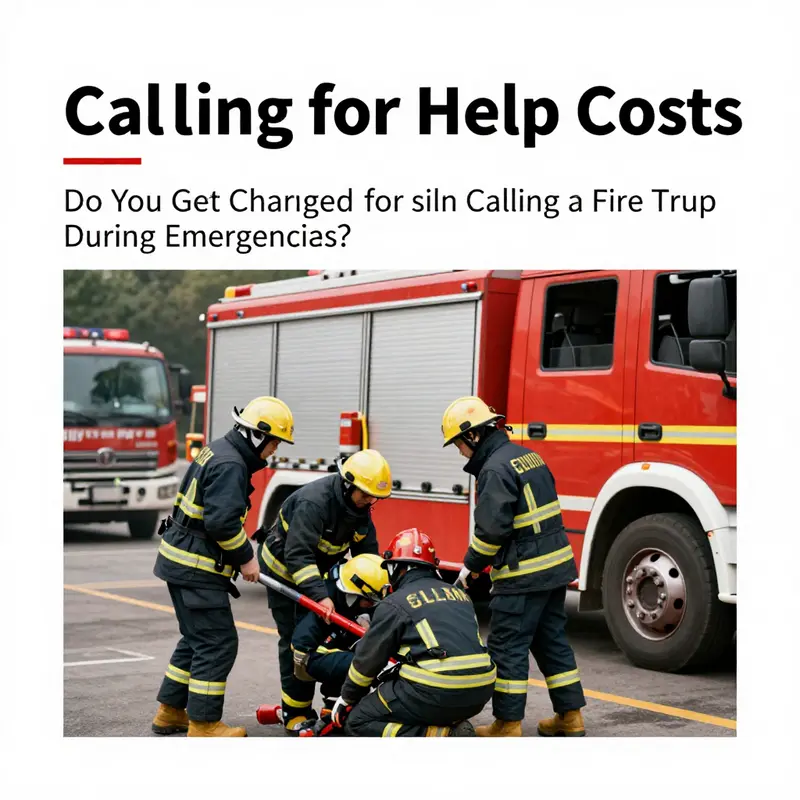
When flames rise or smoke thickens, the impulse is simple: call for help and hope responders arrive swiftly. In most places, the emergency response is funded through public budgets, taxes, and a shared investment in safety, not billed directly to the caller. The goal is to ensure that a person in danger won’t be deterred by a looming invoice when time is of the essence. In many systems, the call itself does not trigger a bill at the scene; public funds cover deployment, diagnostic work, and urgent interventions. This arrangement embodies a principle: safety is a public good, and help is available to all regardless of wealth or insurance status.
But a simple rule hides complexities. Free emergency response does not erase accountability. If negligence creates a hazardous situation—such as failing to maintain smoke detectors or ignoring basic fire safety rules—the responsible party may face penalties or civil liability. The aid arrives, but consequences may follow the actions that precipitated the emergency. The fire service thus acts as a shield for the vulnerable while reinforcing that responsible behavior remains essential for the whole community.
Beyond the scene, the day-to-day funding of fire services rests on long-term streams: taxes, budgets, and bonds that support personnel, gear, training, and facilities. The result is a capable force that can respond rapidly with trained teams and specialized equipment, without asking for immediate payment at the moment of rescue. This balance between readiness and accountability requires transparent governance and ongoing public education so people understand when help is free and when charges may apply for misuse or non-emergency requests.
Non-emergency calls or misuses of the system can trigger cost-recovery mechanisms in some jurisdictions. Jurisdictions may define non-urgent situations differently, and repeated false alarms can lead to penalties designed to protect scarce resources and keep responders available for real emergencies. The underlying logic is straightforward: preserve the capacity to save lives while deterring abuse that wastes time and risk.
For readers seeking a broader economic lens, external resources provide context on how fire departments are funded and what those costs look like in practice. The National Fire Protection Association offers a comprehensive overview of fire department costs, helping to illuminate the financial underpinnings of emergency response without charging the caller during crises. See the NFPA overview for a fuller picture of costs and funding mechanisms behind modern fire services: https://www.nfpa.org/News-and-research/News/2023/Fire-department-costs
First on the Scene: Debunking Fees, Fakes, and Freedom from Charge
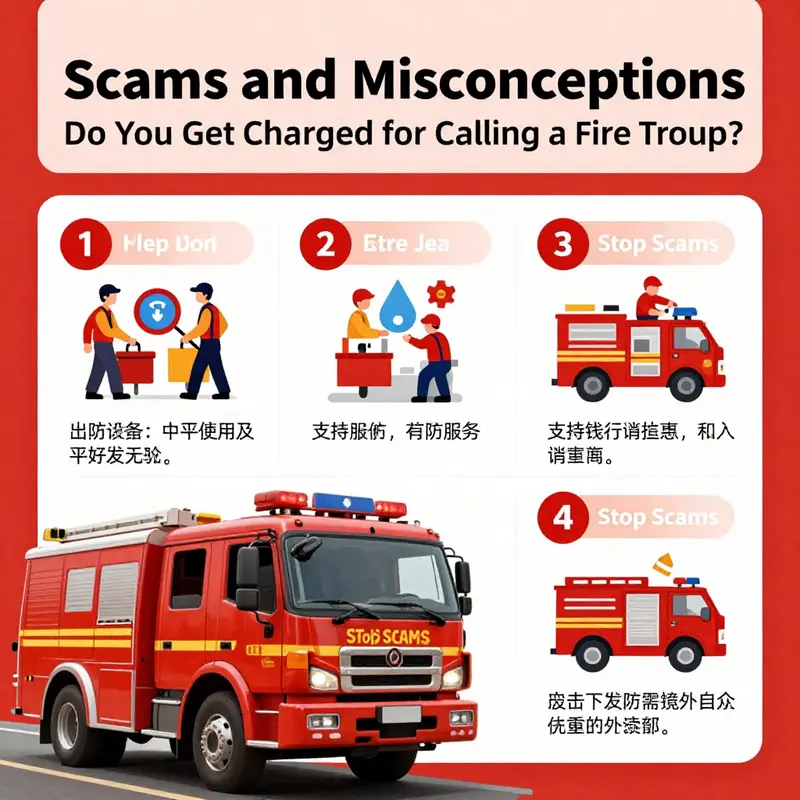
When a fire emergency erupts, people instinctively reach for their phones. In most jurisdictions, calling for help does not generate a bill at the moment of rescue; emergency response is funded by public budgets, taxes, and fire-service allocations. The essential action—the dispatch, arrival, and initial suppression—remains a public good. Post-rescue services such as medical transport or specialized investigations may incur separate charges with their own billing rules. The core principle is simple: the core rescue is free, while some follow-on services may have costs. The Chinese Fire Law example in Article 49 clarifies that extinguishing fires or providing emergency rescues should not charge fees, reinforcing the public safety promise. Scammers may impersonate emergency services and demand payment; never provide bank details or personal information, end the call, and report the attempt. To avoid confusion, know that non-emergency questions should use non-emergency lines, and understand that separate post-emergency services are governed by different regulations. This chapter offers guidance on recognizing legitimate costs, preserving resources for genuine crises, and staying vigilant against fraud while appreciating the public nature of life-saving responses. For further context, readers can consult official resources on emergency communications and fire-service technology to understand how rapid, coordinated response is achieved without charging callers in the moment.
Final thoughts
Ultimately, calling for a fire truck in China is a crucial lifeline for anyone in distress and should not come with a financial burden. This insight into fire service charges underscores the commitment of fire services to serve the community selflessly. As you dive deeper into the chapters, remember that while access to emergency services is free, neglecting fire safety regulations can lead to serious consequences. Staying informed helps ensure safety for everyone. Be vigilant against scams, and always report any suspicious claims regarding fees for emergency services.