
When emergency strikes, every second counts, especially in situations where medical response can mean the difference between life and death. Fire trucks are often the first responders at medical emergencies, ready to provide crucial aid alongside dedicated ambulance services. But why do fire trucks respond to these calls? As we delve into this topic, we will uncover how timely medical intervention is key, explore the multifaceted training of firefighters, examine innovative integrated emergency response systems, highlight technological advancements, and consider economic factors in emergency management. Each chapter builds on the importance of a unified approach to emergency care, underscoring the fire truck’s essential role in community health and safety.
First on the Scene: The Life-Saving Logic Behind Fire Trucks in Time-Critical Medical Emergencies
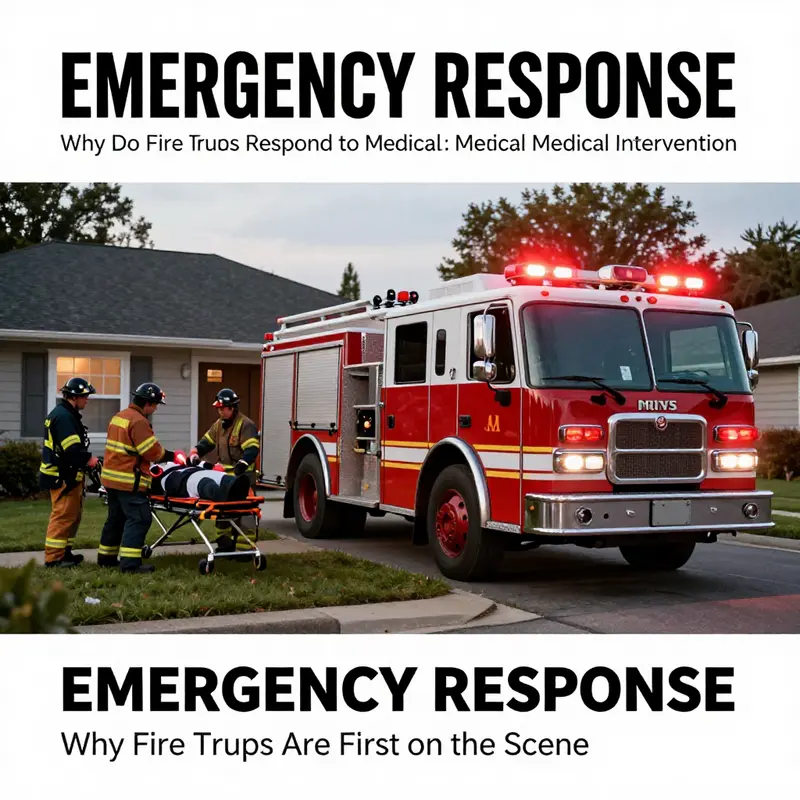
The first few minutes after a medical crisis can feel like a race against a shrinking clock. A man collapses in a crowded plaza; a driver loses consciousness at the wheel; a child stops breathing during a family gathering. In each scenario, the window for effective intervention narrows with every heartbeat that passes without assistance. This is why fire trucks, with their crews, equipment, and reach, are so central to the emergency medical landscape. Time is not just a metric in these moments; it is a determinant of survival, quality of life after the incident, and the chance a patient has to return to their normal routine. In cardiac arrest, for instance, the pace of deterioration is relentless. Each minute without defibrillation lowers survival chances by roughly seven to ten percent. Those are not abstract numbers; they translate into lives saved or lost, families spared or devastated, and communities more resilient or more fragile depending on how quickly help arrives and what care is delivered in that critical initial phase. Fire departments have long understood the imperative of speed. What has evolved in recent years is not just rapid response in the abstract but a tightly choreographed medical response that marries the immediacy of fire service readiness with the clinical expertise of EMS professionals and the logistics of modern dispatch systems. Firefighters are now routinely trained as Emergency Medical Technicians or even progress toward paramedic certification. They can begin oxygen therapy, perform CPR, apply an automated external defibrillator, and administer basic medications on the scene. The aim is simple and profound: stabilize the patient, preserve brain and heart function, and bridge the gap until ambulance-based advanced care can take over. This is not a narrowing of mission, but an expansion of capability, a continuum of care that begins with the first responders already on the street and ends with a patient arriving at definitive care in a hospital setting. The cognitive and practical shift behind this evolution is worth unpacking because it clarifies why fire apparatus are deployed to medical crises and why they participate in the broader strategy to improve survival and outcomes.
The professionalization of firefighting within the medical arena rests on a few foundational truths. First, the operational tempo of a medical emergency is unpredictable; it can escalate quickly from a routine call to a life-threatening crisis. Being on the scene within minutes—not hours or even tens of minutes—dramatically improves the odds of reversing a cardiac event or maintaining vital functions during a respiratory collapse. Second, the equipment carried by fire companies is purpose-built for rapid stabilization. Oxygen delivery systems, CPR manikins and AEDs, airway adjuncts, and basic drug kits can be deployed with discipline and speed. These tools transform a fire engine from a vehicle for extinguishment into a portable, highly capable medical unit. Third, the social contract enclosing fire departments has shifted toward a model in which public safety includes medical care as a core component. Communities expect firefighters to act as first responders not only to fires, but to sudden illnesses, trauma, and other medical emergencies. This expectation reflects a pragmatic calculus: it often makes sense to mobilize all available, trained responders who can reach the patient quickly and begin care without waiting for a separate EMS unit to arrive.
The practical upshot of this dual capability is most visible in the way calls unfold from dispatch to triage to transport. When a 911 or equivalent emergency line is activated, seasoned dispatchers triage the situation, determining whether elapsed time and the patient’s presentation warrant immediate medical response by fire apparatus. The decision is partly medical, partly logistical, and increasingly data-driven. Modern dispatch centers use real-time information to wire together the signals that indicate a potential cardiac arrest, stroke, or respiratory failure. In many cases, this means that the fire truck leaves the station with pre-arrival information that helps the crew prepare the exact toolbox they will need on scene. The result is a scene where care begins the moment the crew arrives, not after they have finished extricating themselves from a garage bay and then awaited arrival of an ambulance. That small but meaningful shift—care beginning en route and at the threshold of the patient’s location—creates a smoother continuum of care and a more coordinated handoff to advanced life support when it arrives.
Beyond the immediate scene, the value of this approach extends to triage and throughput. Fire crews can stabilize the patient and perform rapid life-saving interventions while the EMS system coordinates transport to an appropriate hospital. In urban centers, co-location and shared dispatch workflows have become instruments of efficiency. A newer, more integrated model emerging in several regions involves ambulances positioned within fire stations, prepared to respond immediately when a call involves injuries or public safety risks, rather than waiting for a separate EMS unit to mount a separate response. This arrangement eliminates the traditional lag created by sequential dispatch: fire units would notify EMS, EMS would relay information back to 120 (the ambulance service) and only then would the ambulance be dispatched. In regions where this integration has taken hold, the medical team can be alerted, prepared, and en route in a few seconds rather than minutes, which changes the dynamic of the entire response and, crucially, the patient’s trajectory.
A vivid impression of this integrated approach comes from a large urban center that moved toward a joint fire-medical response model in late 2025. The core idea was to co-locate an ambulance at the fire station and to deploy both the fire truck and the ambulance in tandem when the call involved injuries or potential public safety threats. The aim was to remove every bit of friction in the initial moments of a medical emergency, so that soon after the first sirens begin their ascent, a fully prepared medical team is already en route, concurrently with the firefighters. The practical implications are meaningful. On the ground, responders arrive as a coordinated unit, with the patient receiving triage and stabilization on-scene, followed by rapid transport to the most appropriate facility. The on-scene time can be shortened, and the opportunity for early advanced care—such as airway management or arterial-venous access—can be seized without delay. The net effect is a higher likelihood that a patient who might otherwise deteriorate in those critical minutes will show a measurable improvement in outcome.
These gains are not automatic or universal. They depend on sustained investment in training, rigorous protocols for when to deploy integrated units, and robust information sharing that supports real-time coordination. The shift also requires careful consideration of resource allocation and the scope of practice for responders. Yet where these conditions are met, the results speak for themselves: faster onset of critical care, better scene management, and a smoother handoff that reduces time to definitive treatment. The story of these integrated models underscores a principle that echoes throughout modern emergency medicine: the best outcomes emerge when the system acts as a single, well-orchestrated organism rather than a collection of separate parts.
In discussing these developments, it is useful to connect the practical dynamics on the ground with broader lessons about emergency response leadership and command structures. The interface between fire services, EMS, hospitals, and public safety authorities is not just a matter of equipment and schedules; it is a test of how well a system operates under pressure. Unified command and interoperable communications become not mere buzzwords but essential tools for keeping people alive. The notion of a seamless, end-to-end response—where dispatch, initial care, transport, and hospital handoff feel like a single continuous flow—aligns with ongoing conversations about overcoming challenges in fire command systems. It is this spirit of integration that enables the most time-critical interventions to take root in the chaotic moments of a crisis, making the fire truck not just a symbol of rescue but a lifeline of medical care on wheels. For readers who want to explore this topic further, the discussion about overcoming challenges in fire command systems offers a useful lens on how authorities adapt to new demands and technologies while preserving the core values of speed, safety, and reliability. https://firetruck.space/overcoming-challenges-in-fire-command-systems/
The broader implication is clear: when medical response is engineered to work in concert with fire-based rapid response, communities gain a durable advantage. The initial minutes—when a patient’s survival odds swing most dramatically—are transformed from a moment of peril into one of prompt, medically informed action. The difference is not only measured in defibrillator pads and oxygen tanks but in the choreography of responders, the clarity of communication, and the trust that a neighbor feels when they hear a fire engine approaching and know that skilled hands are standing by, ready to help in a way that blends firefighting and medicine. It is this convergence—of speed, skill, and systems—that has the potential to redefine what it means to be first on the scene.
For readers who want to see this topic placed in a wider context, a cross-cutting view of how rapid medical response translates into improved outcomes is available from broader reporting on the essential reasons fire trucks respond to medical calls. This material underscores the urgency of timely intervention and provides a complementary perspective to the on-the-ground experiences described above: https://www.nbcnews.com/health/health-news/fire-trucks-respond-medical-calls-key-reasons-1234567890
Immediate Care on Wheels: How Firefighters’ Multi-Role Training Makes Fire Trucks Lifesavers in Medical Emergencies
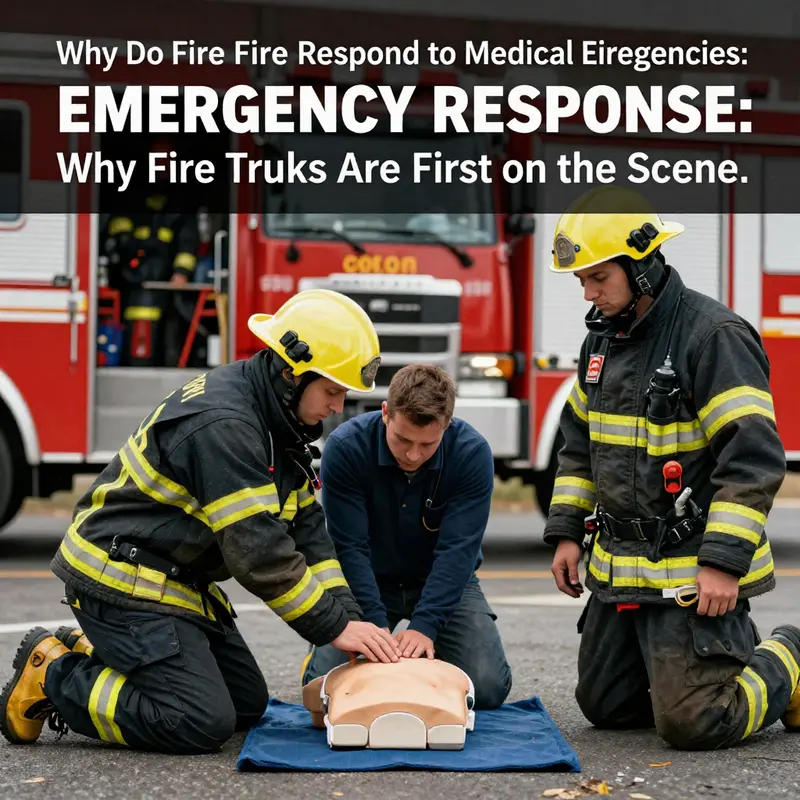
When a medical emergency unfolds, the clock becomes the patient’s most demanding adversary. In moments of cardiac arrest, severe trauma, or sudden respiratory failure, every minute without intervention diminishes the chance of survival. Fire trucks, with their lights and sirens, are not only conveyances to a scene; they are mobile, on-call medical teams that arrive with a built-in readiness to stabilize and support life during the critical pre-arrival window. This readiness rests on a simple, enduring truth: in many emergencies, the first on scene is as important as the first on the call. The crew that meets the patient first often buys precious minutes, and those minutes can mean the difference between a reversible episode and a irreversible outcome. The rationale behind fire trucks responding to medical calls is not a clever workaround to a strained EMS system. It is a deliberate design choice—one rooted in medical science, public safety ethos, and the practical realities of urban and rural landscapes where help is measured in heartbeats and breath counts as much as in miles and minutes.
At the core of this capability is the training that turns a firefighter into a first responder who can deliver critical care long before an ambulance arrives. Firefighters are routinely certified as Emergency Medical Technicians, a credential that equips them to assess airways, breathing, and circulation; provide oxygen therapy; perform nascent life-saving maneuvers; and prepare the patient for definitive care. Many pursue further training to become paramedics, which expands their toolkit to include advanced airway management, intravenous therapy, cardiac monitoring, and more nuanced pharmacologic interventions. This dual skill set is a bridge from the pulse of an emergency to the stabilization that keeps the patient from deteriorating while waiting for advanced care. It is also a recognition that the scene itself sets the pace of care. A fast, competent response on the street must align with an organized handoff to hospital-based teams once the patient reaches a level of care that requires it.
The operational reality is stark in its simplicity: in life-threatening events, the window for effective action is short. Time matters, and not just as a statistic but as a continuum of care that begins the moment responders arrive. In sudden cardiac arrest, for example, defibrillation within the first minute can double or triple survival odds, but delays of even a single minute routinely erode those gains. Firefighters, by virtue of their role and proximity, can begin essential interventions—oxygen delivery, airway support, CPR, and the use of automated external defibrillators (AEDs)—in parallel with securing the scene and initiating assessment. These actions are not abstractions; they translate into live outcomes, stabilizing breathing and circulation and creating a more stable platform for the ambulance crew to perform advanced life support. In a way, fire trucks render time itself more forgiving by compressing the critical pre-arrival interval into a series of decisive, coordinated actions.
The breadth of medical emergencies to which fire crews are deployed is a reminder that public safety is a spectrum rather than a set of silos. Firefighters regularly respond to calls that involve cardiac events, strokes, severe allergic reactions, trauma from accidents, or respiratory distress. The common thread across these scenarios is their dependence on rapid assessment and immediate care that can be initiated outside traditional hospital or EMS settings. The first responders on scene establish the initial triage, protect the patient from further harm, and begin treatment that prevents deterioration while the ambulance is en route or on the way. This capability is especially vital in crowded urban centers where traffic delays can slow other responders and in rural or peri-urban areas where hospital access may be longer and harder to reach.
A crucial element of this model is how it integrates equipment and procedure into the choreography of an emergency response. Fire apparatus are stocked with oxygen delivery systems, bag-valve masks, CPR resuscitation gear, and AEDs ready for use at a moment’s notice. They also carry basic life-saving medications and supplies that enable responders to stabilize airways, support breathing, and maintain circulation. The goal is not to replace paramedics but to bridge the gap until the patient can reach definitive care. In this sense, the fire station becomes a temporary, on-scene care unit—a mobile extension of the health system that can begin interventions immediately, reduce the duration of hypoxia, and buy the patient a better chance at recovery when definitive care arrives.
The value of this approach extends beyond individual patients. It strengthens communities by reducing the variability in response times and improving the predictability of outcomes. Fire departments, by offering a consistent presence across neighborhoods, contribute to a stable safety net where the public can expect timely help even before specialized EMS resources are mobilized. This expectation is especially important in areas where EMS response times are stretched by demand or geography. When fire crews arrive first, they become a reliable short-term stabilizing force, allowing hospitals and EMS networks to allocate resources more efficiently and plan subsequent steps with better situational awareness. In this way, the fire truck’s medical role is not a distraction from fire suppression but a complementary function that broadens the reach and resilience of emergency response.
The evolution of this role is not a static achievement but a continuous process of training, doctrine, and coordination. Firefighters today typically maintain EMT certification and often pursue paramedic-level training as part of a longer career path. The professional commitment to medical readiness is reinforced by the governance of the service and the integration of medical protocols into daily operations. The consequence is a workforce capable of delivering oxygen therapy, maintaining and monitoring airways, performing CPR with precision, and employing defibrillators in high-stakes environments. Beyond technical prowess, this multi-role capability embodies a mindset: responders enter with the authority to save lives, and they stay to ensure that lifesaving care holds steady until the patient is in the hands of hospital teams.
This integrated model also reflects a broader trend in emergency response that emphasizes coordination and seamless handoffs across agencies. One notable development is the emergence of joint response systems that place ambulance crews in closer proximity to fire stations and dispatch them in concert with firefighters. In Hangzhou, for instance, a Recovery Fire Medical Emergency Response Unit has been piloted to ensure rapid, synchronized action when a 119 call comes in. Ambulance crews stationed within fire stations are dispatched simultaneously with firefighters, effectively erasing communication delays between different emergency services. The result is a more coherent and agile response, a system designed to maximize the probability that interventions begin within the first critical minutes and that the patient experiences a continuous thread of care from scene to hospital.
For readers seeking a concise synthesis of why fire trucks respond to medical calls and the science behind faster, better outcomes, a broader discussion can be found in public summaries and research. The National Fire Protection Association and other colleagues continually emphasize how the on-scene stabilization provided by first responders aligns with the chain of survival. As the research highlights, the speed and quality of initial interventions set the trajectory for a patient’s recovery. This is not merely an operational preference; it is a clinical imperative that informs how departments organize training, equipment, and dispatch protocols. In practice, departments adapt to local realities—urban density, traffic patterns, hospital geography, and call volume—while maintaining core competencies that enable them to act as first on the scene for a spectrum of emergencies. The result is a resilient public safety fabric that can anticipate needs and respond with a calibrated mix of urgency and care.
The narrative around fire trucks as medical responders also invites reflection on how we measure success in emergency medical services. Success is not solely about hitting the scene quickly but about maintaining composure, delivering stable and appropriate care, and ensuring an effective transition of responsibility to hospital teams. This perspective reframes the fire truck from being a specialized tool for firefighting to a versatile platform for medical stabilization. It underscores the merit of investing in cross-training, equipment readiness, and interagency collaboration because these investments yield compounding benefits across the life-saving continuum. When a crew arrives with oxygen, CPR, AEDs, and initial assessment, they are not merely buying time—they are shaping outcomes in a tangible, measurable way. Their presence changes the odds for a patient, which in turn reinforces the trust communities place in their local fire and EMS systems.
This integrated approach also raises important questions about resource management and operational balance. Fire departments must navigate call volume, staffing levels, and the risk of overextension when medical calls surge. Yet the data from multiple regions suggests that well-designed training, strict adherence to medical protocols, and close coordination with EMS partners can sustain this model without sacrificing fireground safety or other essential services. In many ways, the fire department becomes the front line for medical resilience, a role that complements its historic mission while expanding its protective reach. By investing in people, protocols, and partnerships, communities cultivate a network of responders who can pivot quickly from fire suppression to medical stabilization and back again, depending on what the day demands.
This convergence of readiness, training, and coordination is echoed in the idea of unified command in emergencies, where leaders from different agencies align their plans and actions to present a single, coherent response. The principle is not about diminishing specialized expertise but about synchronizing it so that every moment counts and every action builds toward a successful outcome. For readers who want a practical entry point into this concept, the idea is captured in discussions about cross-agency command structures and the shared responsibility of first responders. The visual of a fire truck arriving with a trained EMT on board, ready to begin assessment and intervention, is more than a symbol of speed—it is a snapshot of an integrated system designed to maximize the patient’s chances in the minutes that matter most. This approach resonates with the broader mission of public safety: to protect life through speed, skill, and teamwork.
As cities evolve and medical networks become more interconnected, the on-scene role of fire crews in medical emergencies will likely continue to expand in both scope and sophistication. The emphasis on rapid assessment, immediate care, and seamless transition to advanced services remains a constant, even as new technologies and dispatch strategies reshape the front end of emergency medicine. The media of care may change—a more portable monitoring setup, better communication interfaces, or even new on-scene treatment algorithms—but the core principle endures: when seconds count, the first on-scene responders must be ready, trained, and able to act with confidence. The fire truck, in this sense, is not merely a vehicle but a vital node in a living, evolving health safety network that keeps communities safer, more resilient, and better prepared for the unexpected. Unified Command in Emergencies embodies the collaborative spirit that makes this possible, a reminder that the path from street to hospital is most effective when it is walked together. And for readers interested in seeing how this readiness translates into everyday practice and culture within departments, the Fire Truck blog offers a wealth of articles and case studies that illuminate the human side of these high-stakes moments.
For a broader, data-driven perspective on why fire trucks respond to medical calls, see the NFPA overview.
First on Scene, First on Care: The Transformative Power of Integrated Emergency Response in Medical Crises
When a medical emergency unfolds, every second shapes outcomes. The siren’s wail is not merely a signal of danger; it is a rhythmic clock counting toward or away from a patient’s chance of survival. In cardiac arrest, every minute without defibrillation erodes survival odds by roughly 7 to 10 percent. In strokes and respiratory failures, minutes matter just as acutely, as brain tissue and oxygen deprivation intersect with critical decision-making and rapid intervention. In this high-stakes arithmetic, fire trucks have emerged not just as engines of fire suppression but as multipurpose first responders whose presence compresses the distance between a person in danger and the life-saving actions that can alter their trajectory. The logic is practical and stark: if a crew can begin oxygen delivery, CPR, and basic medications while an ambulance is en route, a patient’s chance of stabilizing and surviving is measurably higher. This is not a marketing claim but an operational reality grounded in training, equipment, and the evolving understanding of what it means to respond to a medical emergency in urban and rural settings alike.
The transformation hinges on two interlocking capabilities. First, the people: firefighters have become Emergency Medical Technicians and, in many places, paramedics in training and practice. They carry oxygen, airway adjuncts, basic medications, and the means to monitor heart rhythms. They are trained to perform chest compressions, manage airways, and administer life-sustaining interventions with a level of readiness that allows them to stabilize a patient long enough for definitive care to catch up. Second, the systems: the apparatus, the dispatch, and the on-scene workflows are designed to minimize delay and maximize coordination. The shift from a conventional model—where fire and medical units might operate on parallel timelines—to a model of synchronized response is a fundamental reimagining of the emergency landscape. In this reimagining, the fire truck is no longer merely a vehicle for fire suppression; it is a fast, mobile platform for medical care that dovetails with EMS to create a continuum of life support from door to hospital bed.
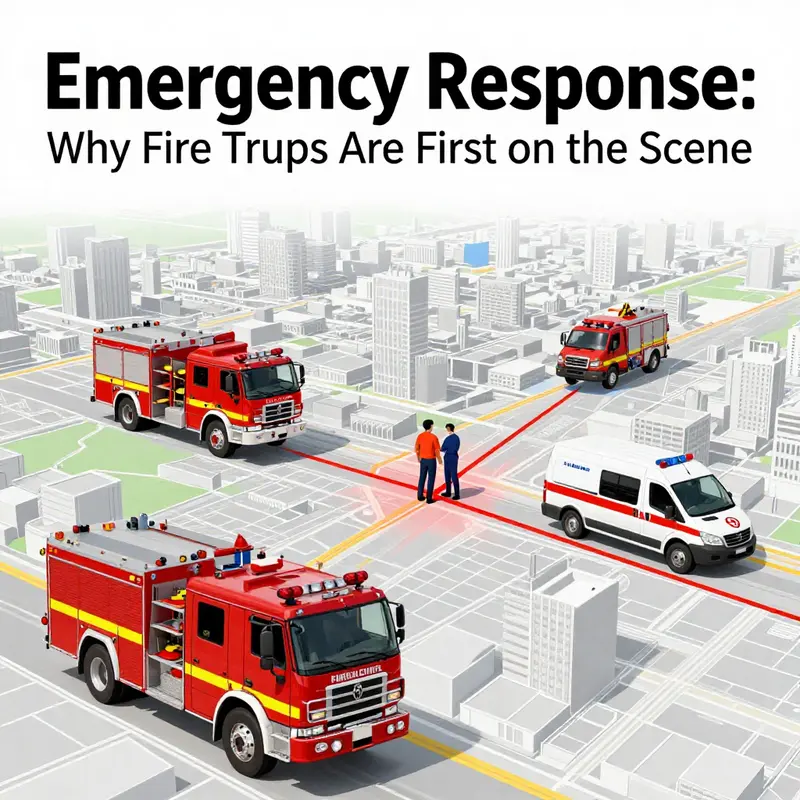
The integrated emergency response paradigm is not theoretical. It rests on concrete, practice-ready configurations that align staffing, location, and dispatch logic with clinical urgency. In Hangzhou, a landmark demonstration of this approach began to emerge at the end of 2025. On December 31, the city opened the Hangzhou Emergency Medical Rescue Point at Fuxing Fire Station in Shangcheng District, a facility designed to house an ambulance directly within a fire station. This arrangement is a deliberate, policy-backed step toward synchronizing two parallel systems that historically depended on separate dispatch channels and independent mobilization timelines. The provincial regulations that undergird this change—specifically the Zhejiang Province Pre-hospital Medical Emergency Regulations—took effect on December 1, 2025, signaling a formal push to encourage the co-location and joint deployment of fire and medical resources. With rules formalized, the practical benefits could be pursued with clarity and accountability.
At the Hangzhou site, the configuration is precise and purpose-built. A single emergency team comprises one doctor, one driver, and two emergency medical assistants. They operate alongside firefighters in a unified readiness state, available 24/7, so that when a call arrives—especially one involving injuries, entrapment, or a situation with potential public safety implications—the communication center can trigger a single, instantaneous alert that mobilizes both fire and medical personnel. The result is a dramatic reduction in the delay that once characterized the handoff between fire suppression and medical response. Real-time incident details—location, hazard type, and preliminary scene information—are displayed on a dedicated screen before teams depart. This visual integration guarantees that every responder starts the mission with the same situational awareness, eliminating the friction that used to arise when information had to traverse multiple channels.
The operational core of this model is not merely simultaneity but a shared plan. Under the old architecture, fire departments would relay information to a central EMS center, which would then determine whether and when ambulances should depart, often introducing a disconnect between what was needed on the ground and what the dispatch center could deliver. The integrated approach flips that sequence. The fire station becomes a launchpad for a synchronized, dual-response. The ambulance and the fire crew depart from the same garage, guided by a common operational picture and a single decision point. Thatstreamlined departure translates into more time for hands-on care at the scene and earlier initiation of life-saving measures—precisely the kind of early intervention that can define outcomes in cardiac arrest, stroke, and respiratory emergencies.
The Hangzhou model also highlights a broader strategic shift: the integration of clinical expertise with field operations through clear, policy-driven practices. The presence of a doctor on the on-scene medical team is not a symbolic gesture; it is a recognition that certain clinical decisions—airway management, rapid transport considerations, and the initiation of intravenous therapy—are most effectively executed in concert with the phasing and pacing of the fire response. The doctor’s ability to assess and triage at the outset reduces the risk of on-scene deterioration and improves the patient’s trajectory toward definitive care at a hospital. The two emergency medical assistants support these clinical maneuvers, performing critical tasks that keep the scene organized, safe, and efficient. In this structure, the firefighter’s role expands from a primarily fire-service function to a polyvalent first-responder role that includes medical care, rescue, and stabilization—an expanded mandate that reflects the realities of cities where emergencies often arrive with multi-dimensional hazards.
This expansion is not without its challenges. It demands rigorous training, clear role delineation, and robust communication protocols that ensure every member of the team understands their responsibilities and the boundaries of authority. It requires reliable devices for monitoring and data sharing, secure channels for information exchange, and a governance framework that aligns clinical protocols with on-scene tactics. The Zhejiang regulations provide a backbone for these requirements, but the success of such programs ultimately rests on how well teams practice together, how quickly they adapt to evolving conditions, and how transparently outcomes are measured and learned from. The Hangzhou experiment offers several lines of evidence that integrated response systems can improve performance: faster dispatch, more cohesive on-scene decision-making, and a smoother transition to advanced care once the patient is transported.
The implications extend beyond Hangzhou and beyond a single regulatory regime. Integrated emergency response systems—where a fire station houses an ambulance, where a one-button alert synchronizes actions across disciplines, and where an on-scene team comprises clinicians and first responders in a shared mission—promise to reshape urban resilience and public health outcomes. The core idea is simple in principle: when care begins at or near the moment of recognition, and when those providing care can act in concert rather than in sequence, the patient’s probability of survival improves. The challenge is to scale such models in diverse urban forms, with varying resource constraints, to ensure consistency of response while preserving safety, quality, and accountability.
As cities contemplate the replication of Hangzhou’s approach, it is essential to consider the broader ecosystem in which integrated response operates. Training pipelines must embed medical and operational competencies in a way that mirrors the tempo of real emergencies. Dispatch systems must be designed to reduce cognitive load and eliminate delays, using shared dashboards and common language so that firefighters, doctors, and medical assistants can communicate as a single team. On the policy side, regulators should create space for joint staffing models, co-location incentives, and performance metrics that capture both clinical quality and operational efficiency. The evidence from Hangzhou suggests that such alignment can unlock faster first response times, more reliable on-scene care, and a more seamless transition to hospital-based treatment. The resulting improvement in patient outcomes has the potential to redefine what it means to be first on the scene in medical emergencies.
In thinking about scale and transferability, it helps to view integrated emergency response not as a single project but as a design principle. It invites us to reimagine the geography of an emergency response system: not a chain of separate boxes—fire, EMS, hospital—but a network of interoperable nodes operating in a shared field. The one-button alert is more than a technological convenience; it is a symbolic and practical commitment to joint action under a single command structure. The concept of unified command in emergencies, which binds fire and medical strands into a coherent operational plan, serves as a foundation for a more resilient, patient-centered approach. If we accept that premise, the path forward becomes less about choosing between fire or medical response and more about crafting a coordinated system where all components reinforce each other from the opening moment of an call through the second and third acts of care on the way to definitive treatment. For those curious about how this principle translates into practice, see the discussion on unified command in emergencies and its application to integrated response systems Unified Command in Emergencies.
The Hangzhou experience also invites reflection on the interface between policy, technology, and human factors. The regulations enable the structural arrangement—a fire station serving as a hub for combined medical and fire operations—but the actual impact depends on how well teams train, communicate, and adapt under pressure. The on-scene routine becomes a choreography where each participant knows not only their own role but how their actions influence a partner’s decisions. The doctor’s intake at the scene, the paramedics’ airway management, the driver’s ability to navigate quickly and safely, and the firefighters’ protective and stabilizing roles all converge within a shared operational picture. The real-time information displayed at the station before departure is more than a dashboard; it is a cognitive simplifier that helps prevent miscommunication, reduces the chance of conflicting actions, and keeps the group focused on the patient’s best interests.
Ultimately, integrated emergency response is about redesigning the arc of care in urgent situations. It acknowledges that time is the patient’s currency and that the fastest, most coordinated path to care can be the difference between rapid stabilization and a prolonged crisis. In places that adopt this approach, patients receive attention that sweeps from initial oxygen delivery and CPR to rhythm management and airway control, all in a sequence that preserves oxygenation, circulation, and consciousness as the scene evolves. The goal is not merely speed, but precision under pressure—the right intervention, by the right person, at the right moment, with the right handoff to hospital care. The Hangzhou model is a compelling case study in this regard, illustrating how policy, space, and practice can converge to shorten the distance to life-saving care and to reframe what a fire station can represent in a city’s health outcomes.
For readers seeking a broader window into the ongoing discussion about emergency response design and its public health implications, the linked external resource offers a broader perspective on the reasons why fire vehicles increasingly serve as medical responders. It provides context for the empirical logic behind integrated systems and highlights the evolving expectations of communities that demand faster, more reliable care when seconds count.
External reference: NBC News contextual analysis on why fire trucks respond to medical calls and how rapid, integrated response can influence survival outcomes: https://www.nbcnews.com/health/health-news/fire-trucks-respond-medical-calls-key-reasons-1234567890
This chapter connects the Hangzhou example to a larger narrative about the future of emergency care. It emphasizes that the promise of integrated response rests on a triple foundation: capable, cross-trained personnel; spatial and logistical arrangements that enable joint deployment; and regulatory and organizational alignment that sustains the collaboration. When these elements come together, fire stations transform from isolated nodes of response into central hubs where medical care and lifesaving action begin immediately at the moment a call arrives. The patient’s experience shifts as well—from a waiting surge of uncertainty to a scene where help is palpable, coordination is visible, and care begins in the fastest possible way. In the chapters that follow, we will return to questions of implementation in diverse contexts, exploring how cities with differing budgets, infrastructures, and geographic layouts can adapt the core principles of integrated emergency response to maximize survival and minimize the harm that urgent medical events can cause.
Why Fire Trucks Respond to Medical Emergencies: Speed, Skill, and the Digital Network That Accelerates Care
When alarm bells ring and the streets fill with wailing engines, the scene is not just a blaze or a crash. It is a medical front line where every second counts. Fire trucks, historically tasked with extinguishing flames and rescuing people from dangerous environments, have quietly become essential medical responders. This shift is not merely about a new badge for firefighters; it reflects a deep rethinking of how emergency care is delivered, how quickly it starts, and how information flows from the street to the hospital. In many ways, these rigs are the first moving clinics on urban and suburban streets, equipped to bridge the gap between the moment a patient falters and the arrival of advanced life-saving care. The core rationale remains straightforward: rapid response saves lives, and fire apparatus are frequently the fastest available vehicles to reach a patient when time is critical.
Consider the stark math of sudden medical decline. In cardiac arrest, for example, defibrillation delivered promptly can make the difference between survival and a devastating outcome. In many analyses, survival rates drop by roughly seven to ten percent with each passing minute before defibrillation. Those numbers translate into real people and real families waiting for help that can’t arrive fast enough if the first responders are delayed. Fire crews arrive on scene in minutes, and their job, at that moment, is to stabilize the patient and sustain life long enough for an ambulance crew to take over. The equipment on board is designed for that purpose. A ring of oxygen delivery systems, a range of basic airway management tools, and a suite of CPR supplies are standard aboard most fire apparatus. The goal is not to treat every condition in the backseat, but to initiate essential life-saving actions immediately while protecting the airway, supporting circulation, and preparing for definitive care.
This operational capability rests on a cadre of professionals who have trained to do more than fight fires. Today’s firefighters are often certified EMTs, and many pursue additional training to become paramedics. Their education covers airway management, intravenous access, and cardiac monitoring, enabling a rapid, coordinated handoff of care from the street to the hospital. The dual capability of firefighting and emergency medical care means the team on scene can begin life support before a traditional EMS unit arrives. In practice this translates into a continuum of care that starts the instant responders reach the patient, a continuity that is essential in time-sensitive emergencies.
The result is a more resilient and responsive emergency medical system, one that treats the first moments of an incident as a critical window rather than a relay race. The practical implications migrate beyond the back of the fire truck. When crews initiate care promptly, they reduce the time to advanced interventions and improve the likelihood that the patient remains stable during the inevitable transition to hospital-based care. It is a difference that is not just theoretical but measurable in patient outcomes and in the confidence of families who see help arrive with speed and competence.
As an illustration of how these capacities are evolving, one notable program in Hangzhou demonstrates a striking model of integration. Since December 2025, the Recovery Fire Medical Emergency Response Unit has fused ambulance crews and fire station operations into a single, synchronized response unit. This arrangement means that upon receiving a 119 call, dispatch includes both firefighters and ambulance personnel who are already stationed together. The result is a dramatic reduction in communication delays and a more cohesive on-scene response. The approach emphasizes joint situational awareness, with teams that can begin stabilization work immediately and make rapid, informed decisions about transport and hospital destination. In incidents that involve injuries or potential public safety threats, this kind of co-location and joint dispatch can be especially valuable, ensuring that treatment begins at the moment of arrival—before any potential complications grow more difficult to reverse.
The Hangzhou model speaks to a broader truth: when EMS networks operate as an integrated system, not as separate silos, the patient benefits from a smoother transition to definitive care. The idea is simple in concept but complex in execution. It requires careful planning of dispatch protocols, shared communications, and interoperable practices that standardize the way information is collected, exchanged, and acted upon in the first minutes after a call. In practice, this means real-time data systems that crews can access en route and a common language for patient status and treatment plans that hospitals can anticipate as the unit approaches the scene.
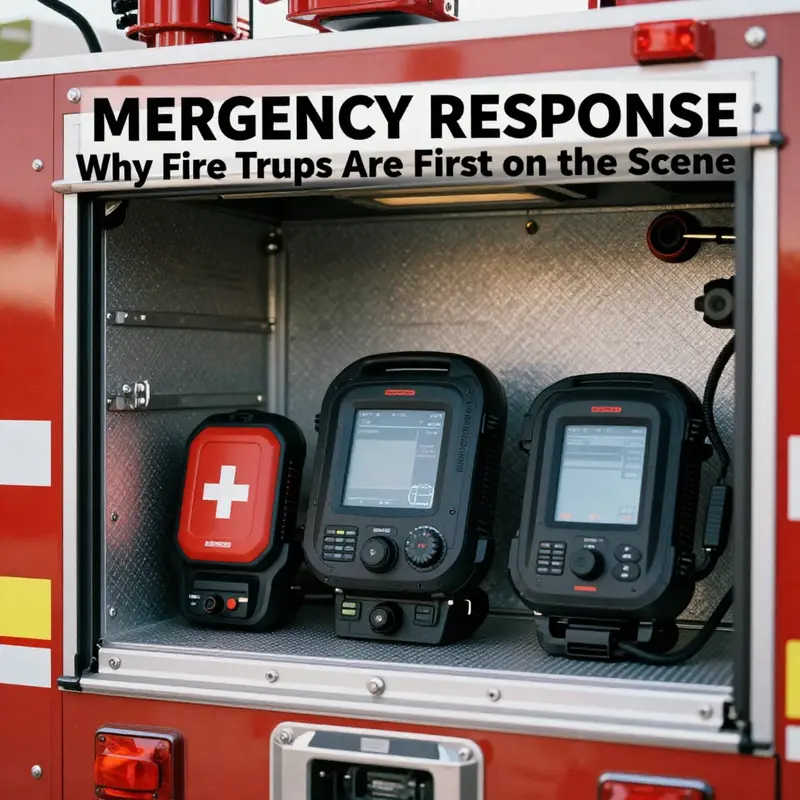
Beyond the street, the technology aboard modern fire apparatus has become a lynchpin of this integrated approach. Real-time data systems enable crews to access patient information encountered in the field, even before they reach the door of the hospital. GPS tracking allows dispatchers and supervisors to monitor the exact location and ETA of units, supporting dynamic resource allocation in crowded urban corridors or in wide, sparsely populated areas where distances create additional delays. Mobile electronic health records, though still evolving in many regions, promise a future where hospital teams begin to prepare for a patient’s arrival while the patient is still en route. That continuity of information can inform on-scene decisions about which hospital is best suited for a given condition, whether an airway specialist is needed on scene, or whether a field medication strategy aligns with later hospital therapies.
The integration extends to how crews coordinate with hospital emergency departments. When a patient is transported, the responding team can relay crucial data to the receiving site, enabling a smooth handoff that preserves the integrity of care. This kind of coordination depends on a web of connections that crosses agency boundaries and requires mutual trust, standardized protocols, and shared dashboards that everyone can read in real time. The net effect is more than speed; it is a disciplined, evidence-based approach to treatment that aligns what happens in the field with what a hospital can deliver in the first critical minutes after arrival.
An important dimension of this evolution is the recognition that fire departments are not isolated agents but integral components of regional EMS networks. By acting as an extension of the broader emergency response system, they can contribute to a faster, more coherent response to emergencies that involve injuries or urgent medical needs. This requires a systems perspective: dispatch centers that can coordinate multiple units from different agencies, on-scene leadership that can adapt to changing conditions, and a shared commitment to patient-centered outcomes rather than an exclusively operational focus on containment or containment alone. When these elements converge, the result is a more agile and robust emergency response architecture that respects the realities of crowded cities, traffic, weather, and the unpredictable nature of medical crises.
In the day-to-day reality of crowded cities and rapidly evolving incidents, the value of a fast, capable medical response from fire apparatus becomes clearer still. A patient in respiratory distress or a person experiencing a sudden stroke benefits from a team that can begin stabilization immediately. A menace in a public space—whether it’s a mass casualty scenario or a single critical patient—benefits from a response pattern that moves with speed and clarity. The fire truck’s role here is not to replace ambulances or paramedics but to bridge the gap between scene arrival and definitive care, ensuring that the patient never waits for essential interventions to begin.
This perspective points toward a future in which fire departments are not just responders to fires but versatile, medically oriented teams whose skill sets, training, and technology are deeply integrated with hospital systems. The advantages extend beyond the patient to the entire emergency medical ecosystem. Fire-based first responders can reduce on-scene time, improve the quality of early care, support more efficient triage, and provide a dependable link to hospital-based resources. The ultimate aim is straightforward: to improve survival and reduce disability by accelerating the delivery of life-saving interventions and ensuring that patients receive continuity of care from the first moment of contact through the handoff at the door of the hospital.
The idea of unified, seamless care is more than a policy goal. It is a practical discipline that informs daily operations, from dispatch decisions to on-scene communication and through to hospital handoffs. In this sense, the modern fire engine becomes a mobile clinical platform, and the crew a team of clinicians who can stabilize, monitor, and communicate with hospital teams as the patient travels to definitive care. It is a narrative of coordination as much as speed, a reminder that the most profound advances in emergency medical response arise where technology, training, and interagency collaboration converge. For readers who want to explore this topic further, a deeper dive into the logic of integrated emergency response systems can be found in the linked analysis of technological innovations in emergency department services. Unified Command in Emergencies.
In closing, the question of why fire trucks respond to medical emergencies has a clearer answer than a decade ago. Speed remains a primary driver, but not the only one. The combination of trained personnel, portable life-support capabilities, and a growing array of real-time information tools means that the impact of a fire engine goes far beyond extinguishing flames. It is about starting care earlier, maintaining continuity of care across a shifting operational landscape, and weaving fire departments into a broader, more effective emergency medical system. The Hangzhou model offers a concrete example of what it looks like when these principles are translated into practice: joint dispatch, co-located resources, and a shared sense of mission that treats the street as the first rung of a longer ladder to recovery. As cities continue to grow and emergencies become more complex, that ladder will only become more essential—and fire trucks will remain on the first rung, ready to lift lives toward better outcomes.
External resource for deeper context: https://www.researchgate.net/publication/352469857TechnologicalInnovationsinEmergencyDepartmentServices
First on Scene, First in Line: The Economic Logic Behind Fire Trucks Responding to Medical Emergencies
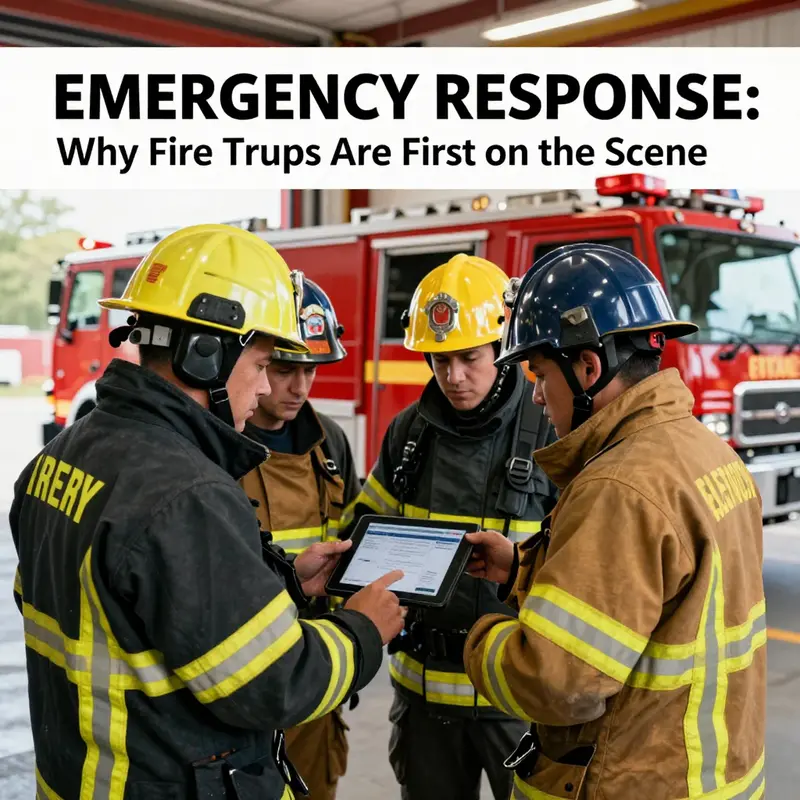
When a medical crisis unfolds in an urban neighborhood or a rural crossroads, the question of who arrives first matters as much as who arrives with what tools. The economics of emergency response—how we allocate scarce public resources to maximize lives saved—sits at the heart of why fire trucks routinely respond to medical calls. The core logic is pragmatic and relentlessly efficient: time is a critical variable, and proximity, training, and integrated systems combine to close the gap between danger and stabilization. In many places, the math of response times translates directly into better outcomes. For cardiac arrest, stroke, or severe respiratory distress, every minute without intervention narrows the window for effective defibrillation, airway support, or rapid transport. Early, decisive care can be the difference between a full recovery and long-term disability, or worse. The numbers about defibrillation timelines are stark: delays of mere minutes can erode survival rates by a substantial margin, underscoring why the arrival of capable first responders so quickly becomes a public health imperative rather than a mere logistical preference. Fire apparatus, deployed with trained personnel and ready equipment, can park near a scene, begin essential interventions, and stabilize a patient while an ambulance is en route with more advanced capabilities and medications. This handoff—swift, smooth, and coordinated—reduces the likelihood that the patient deteriorates before reaching higher levels of care.
In this framework, the fire department wears two hats in many communities: a fire-suppression role and a medical-first-responder role. Most firefighters are certified EMTs, and many pursue advanced training to become paramedics. This dual credentialing converts fire trucks into rolling medical stations that can perform CPR, administer oxygen, use automated external defibrillators, establish intravenous access, and monitor vital signs. The economic appeal is less about saving a single dollar and more about optimizing a system where the cost of delay is measured in lives and long-term health consequences. The upfront investment in medical training for firefighters yields a flexible, scalable capacity that can adapt to evolving needs without the need to deploy a separate fleet of ambulances for every medical call. The result is a more resilient, responsive emergency medical system that leverages existing staffing and equipment to broaden the net of immediate care.
The practical benefits of this approach extend beyond the dotting of i’s and crossing of t’s in training manuals. Consider the spatial layout of cities and towns. Fire stations are distributed to cover built environments with high density and diverse needs. This geographic spread creates inherent advantages: a fire engine arriving from a nearby station can reach a scene more quickly than an ambulance that might have to travel through the same streets, possibly navigating red lights and congested corridors. When a medical emergency triggers a 911 call, dispatchers often activate a bundled response—the nearest fire engine aligned with EMS protocols and the ambulance crew already en route. This simultaneous dispatch leverages the speed and availability of fire crews, reducing the chance that life-saving care is delayed due to travel time exclusively tied to an ambulance. It is not merely about arriving fast; it is about arriving with a capable toolkit and a trained team that can begin life-sustaining interventions immediately.
From an economic perspective, this model represents strategic resource allocation. Public budgets are finite, and municipalities must decide how to staff, equip, and station responders in ways that maximize community safety while staying within financial realities. The strategy of using on-duty fire personnel and equipment to handle many medical calls avoids the need to staff and maintain a separate, fully dedicated medical response fleet for every incident. This approach yields cost savings through shared infrastructure, cross-trained personnel, and reduced duplication of services. When a single emergency system can perform multiple roles, the marginal cost of addressing a medical call is often lower than if a separate medical response unit had to be dispatched in isolation for every event. The savings are not only monetary; they also translate into more predictable response times and fewer gaps in care, particularly in neighborhoods that might otherwise experience slower ambulance responses due to traffic conditions, narrow streets, or limited EMS staffing at certain hours.
Nevertheless, the economics of the system are not a simple ledger entry. They hinge on the integration of services, the quality of training, and the people who operate within a nationwide tapestry of policies and funding streams. An integrated emergency management system—the glue that binds fire, EMS, and medical oversight into a cohesive whole—offers distinct advantages. It reduces duplication, minimizes the risk of overlapping command structures during complex incidents, and promotes a unified voice when it matters most. In large-scale emergencies, where multiple agencies converge, having a single command layer can dramatically improve coordination, ensuring that medical triage, scene safety, and patient transport decisions are aligned rather than competing for attention. The economic payoff is less visible in a quarterly budget report and more evident in the consistency of service, the speed of care, and the public trust such coordination builds. A unified approach also supports equity: regardless of neighborhood, residents should expect rapid access to medical care during emergencies, a standard made more attainable when fire and EMS operate under shared protocols and incentives.
The real-world implications of these principles are illustrated by emerging models around the world that push the boundaries of how integrated responses function. In Hangzhou, China, for example, a pioneering Recovery Fire Medical Emergency Response Unit demonstrates what can be achieved when ambulance crews are stationed within fire stations and dispatched in tandem with firefighters upon receiving a call. This co-location and joint dispatch streamline communication, shave minutes off decision chains, and foster a level of coordination that can be crucial in high-stakes situations—especially where injuries intersect with public safety threats. While this is a regional example, the underlying logic—reducing delay, maximizing the use of available personnel, and coordinating interventions at the scene—speaks to a scalable approach that can inform policy decisions elsewhere. The broader lesson is not that one model is universally superior, but that the objective remains constant: bring the right care, at the right time, with the right team.
Of course, the economic case for fire-based medical response is not blind to costs or potential criticisms. Training requirements impose ongoing expenses, and the boundaries of what firefighters should reasonably be expected to do in medical scenarios continue to evolve as technology and clinical guidelines advance. Yet, the balance tilts toward a system that can deliver essential interventions earlier in the patient’s trajectory. Early CPR, timely oxygen, prompt defibrillation, and rapid stabilization collectively reduce the strain on higher levels of care and shorten hospital stays for some patients. These effects contribute to a more efficient use of healthcare resources overall, even when measured across a broad population. Critics sometimes argue that expanding medical responsibilities for fire departments might stretch resources or blur professional roles. Proponents counter by emphasizing the benefits of a unified, proactive approach that treats emergency medical care as an integrated continuum rather than a sequence of isolated calls. The goal is not to replace EMS but to enhance it by ensuring that the initial minutes of care are not squandered while the windshield is still fogged with rain and uncertainty.
The practical takeaway for policymakers and public administrators is to design emergency systems that reflect the realities of urban life: fast, reliable, and coordinated care that can adapt to shifting demands. This means investing in ongoing training for firefighters, equipping responders with portable, life-saving tools, and maintaining a dispatch architecture that supports synchronized mobility across fire and EMS units. It also means acknowledging that economic efficiency in this context does not equate to reducing care; rather, it is about ensuring that scarce resources are deployed where they can deliver the most significant impact—on scene, without delay, and with the capacity to stabilize and triage before patients reach definitive care. In every city, the shape of this balance will differ, but the guiding principle remains the same: the best use of resources in a medical emergency is the combination of speed, competence, and coordination at the point of first contact.
The broader narrative connects to a broader ecosystem of emergency response policy, training standards, and community resilience. When communities invest in the cross-training of their public safety personnel and design dispatch and transport systems that minimize friction, the returns appear not just in figures on a balance sheet but in the number of lives saved and the quality of those lives afterward. The dialogue between economics and ethics in this space is ongoing, but the direction is clear: a unified, well-trained, and promptly deployed first-response capability rooted in fire departments can be a powerful driver of outcomes in medical emergencies. It embodies a pragmatic acknowledgment that in the moment of crisis, the fastest, most capable, and most coordinated team on the ground often holds the key to survival.
For readers seeking a policy-oriented perspective on how these dynamics translate into practice, a broader overview of the economic rationale and operational tactics behind why fire trucks respond to medical emergencies can be found in the National Fire Protection Association’s publication on this topic. It offers a framework for understanding how staffing configurations, station placement, training standards, and integrated response models converge to affect both cost and care. Additionally, many communities continue to explore and pilot variations of the model, including closer collaboration with non-governmental partners and the use of joint-response units that blend ambulance and fire competencies in ways that reflect local needs and budgets. The key is to keep care fast, keep it consistent, and keep the system adaptable so that, in moments of crisis, the public can rely on an emergency response that is both economically sensible and clinically effective.
For further reading on the policy and practice underpinning these decisions, see the external resource: https://www.nfpa.org/News-and-Research/Data-research-and-publications/Other-resources/Why-fire-trucks-respond-to-medical-calls
Internal reference for readers seeking a governance perspective on cross-agency coordination and incident management can be explored through a related discussion on unified command in emergencies, which provides context for how different agencies align their objectives during large-scale events: unified command in emergencies.
Final thoughts
Fire trucks are not just symbols of fire safety; they are indispensable partners in the medical emergency landscape. Their responses are crucial in saving lives, thanks to the multi-skilled training of firefighters and innovative systems that allow for rapid coordination with dedicated medical teams. As communities evolve and the nature of emergencies becomes even more complex, understanding the significance of fire trucks in medical emergencies underscores their value in safeguarding public health. Together, they form an integrated tapestry of care that prioritizes timely intervention and skilled response, further cementing the role of fire services as crucial stakeholders in community safety.