
When emergency strikes, seconds can mean the difference between life and death. It’s a race against time, especially during critical situations like cardiac arrests. Fire trucks accompanying ambulances isn’t just a logistical decision; it’s a well-thought-out strategy aimed at optimizing emergency response. This article delves into the crucial reasons behind this practice, exploring the enhanced emergency response protocols, the lifesaving potential in rapid cardiac arrest intervention, the effectiveness in urban and rural settings, the emerging integrated emergency response systems, and the comprehensive care offered during complex emergencies. Join us as we uncover how this vital duo works together to prioritize survival and swift action in the face of danger.
Racing the Golden Minute: How Fire Trucks Multiply an Ambulance’s Lifesaving Reach
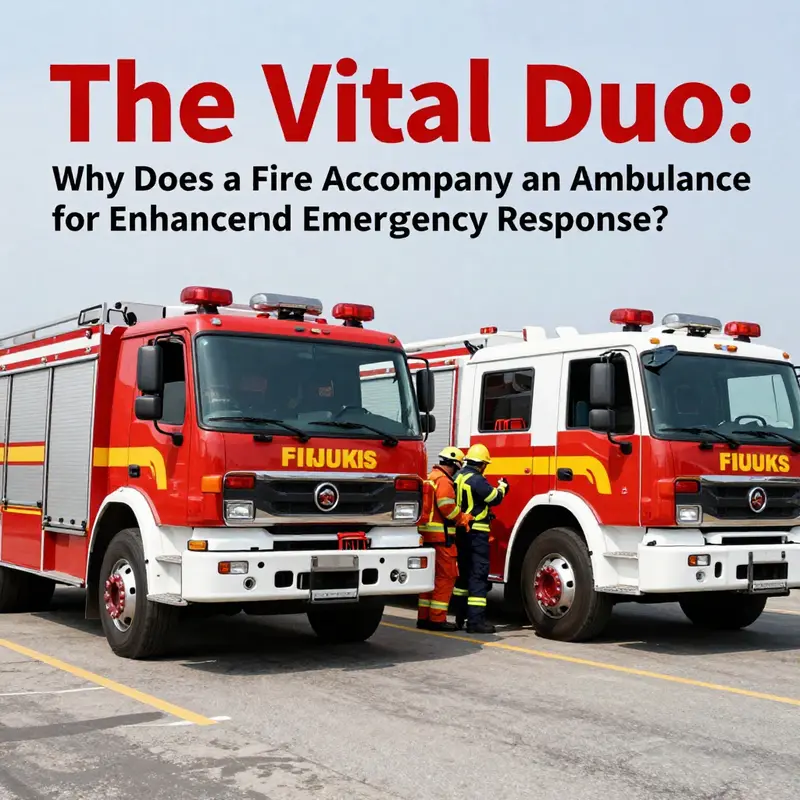
In the fractured rhythm of a city at dusk, the first sounds of danger often arrive as a murmur before the loud crash of reality: a bystander’s gasp, a street corner’s sudden silence, a siren’s wail that cuts through the hum of traffic. When someone collapses or becomes unconscious, the clock doesn’t just tick. It climbs in accordance with every breath that a patient fails to take, every heartbeat that slips toward silence. In those crucible moments, a fire truck’s presence alongside an ambulance is not a mere courtesy or a logistical nicety. It is a deliberate, studied orchestration of speed, skill, and shared purpose—the kind of alliance that turns a scene of uncertainty into a sequence of precise, lifesaving actions. The rationale is as practical as it is humane: when time is the most fragile currency, multiplying the number of high-capacity responders who can act immediately dramatically improves the odds of survival and recovery.
To understand why a fire truck frequently accompanies an ambulance, one must first recognize how emergency response systems are typically built. In most urban and suburban regions, dispatchers operate under a tiered model that prioritizes the closest and most capable units for the call. Fire stations are more numerous and more evenly distributed than bases housing emergency medical teams, which means engines often reach the scene first. This isn’t a setup intended to replace medical personnel but to bridge the critical gap that exists before the patient can be stabilized. In those early minutes, even a few moments of decision and action can shift the trajectory of a medical emergency. A fire crew, trained as Emergency Medical Technicians or paramedics, can initiate life-saving interventions immediately—before the ambulance can fully arrive, crews can begin CPR, establish an airway, administer oxygen, and deploy an automated external defibrillator (AED). The concept is simple and profound: better access, faster care, and more hands ready to act.
Consider the physics of a response scene in a dense downtown corridor, a residential block with narrow streets, or a neighborhood that grows impassable under heavy rain. A fire engine’s size and maneuverability are assets that help it thread through traffic, park in a stable and accessible location, and set up a commandable base of operations where other responders can coordinate. Fire apparatus are built with a readiness that ranges beyond basic rescue. They carry tools for pre-hospital care that extend well into the realm of life support: advanced airway equipment, pumps for early medication delivery when indicated, and devices to monitor and assist breathing. The firefighter who arrives on the scene is not just a deliverer of muscle and equipment but also a trained clinician ready to start critical interventions. The data supporting this approach is consistent across many jurisdictions: defibrillation delayed by even a few minutes in sudden cardiac arrest translates into a steep decline in survival probability, often described in medical literature as a 7–10 percent drop in chance of survival for each minute of delay. In that sense, the close cooperation of a fire engine with an ambulance has a direct and measurable impact on outcomes.
Another layer of the rationale rests in the realities of the scene. When a patient experiences a life-threatening event, the environment can become a factor in care—hazards such as fire, structural instability, or a crowded space can complicate both immediate care and the safety of responders. Fire crews bring an additional set of capabilities that dovetail neatly with medical tasks. They can clear a safe path, stabilize the environment, and manage potential hazards so that the patient remains in a climate where life-support efforts can proceed without interruption. In the best of circumstances, the ambulance team uses that stabilizing work to focus on advanced care, while the fire crew maintains scene safety and supports the patient with the tools they arrive with. It is a division of labor that respects the strengths of each unit while preserving a unity of purpose.
Moreover, the mere presence of two well-coordinated teams on arrival reduces the cognitive load and communication friction that can emerge when multiple agencies converge independently on a high-stress scene. When the fire crew and the medical crew are trained to operate with shared situational awareness, they can synchronize actions in real time. In many systems, this is facilitated by shared alerting and dispatch protocols that notify the medical team on the station floor as soon as a call is received, allowing on-site responders to begin moving toward the field almost in tandem. In places where the model has progressed to more integrated forms of operation, fire stations may house dedicated ambulance units that operate directly with fire crews from the same base, effectively enabling two teams to deploy from the same location with a single, unified sense of timing. This is not only a practical improvement in response times but also a symbolic shift toward recognizing that public safety lifesaving is a joint mission rather than a sequence of parallel tasks. A practical expression of this is seen in modern, joint operational models that treat the fire-medical response as a single, cohesive system rather than two separate services racing to a call.
If one surveys the broader landscape of emergency response, it becomes evident that the fire truck’s added value is not limited to medical care alone. In scenarios like structural collapse, flood, or post-disaster environments, firefighters bring critical rescue capabilities that are essential to reaching patients who might be physically inaccessible or trapped. A collapsed doorway, a stairwell filled with debris, or a corridor of compromised air quality can all impede access for medics who arrive with only one or two crew members. Here, the fire truck acts as a multiplier of capability: the heavier equipment, the extrication tools, and the ability to ventilate or clear obstructed passages are all instrumental in creating a window in which life-sustaining care can be properly delivered. In that sense, the presence of a fire truck with an ambulance is a calculated decision to preserve time and safety, ensuring that the patient experiences a continuum of care from the moment the first responders arrive to the moment they leave the scene for definitive care in a hospital.
There are jurisdictions where the concept has evolved into a formalized co-response or fire-medical integration. In these models, the fire department and medical teams operate with a shared doctrine of response. They use a unified command structure that aligns resources, clarifies roles, and minimizes the friction and delays that can arise when agencies attempt to coordinate from separate command posts. The effect is a more predictable, rapid deployment that can save precious seconds. When a call is dispatched, the on-site medical team can be alerted in advance and begin preparing for patient care while the fire crew handles scene safety and structural assessment. The end result is not merely faster arrival but a more comprehensive initial intervention that leverages the dual strengths of firefighting and medical care. In some cities, the on-site practice includes mobilizing from the same fire station, so the transport to a hospital is supported by a known, trusted medical partner who has already begun the patient’s stabilization. This approach helps to reduce dispatch delays and eliminates the need to bridge the gap between two independently operating units.
A key point that emerges from both practice and study is that the fire truck’s arrival does not signal a transfer of care away from medical professionals. It signals the recognition that time is of the essence and that an integrated response can yield a higher probability of positive outcomes. Firefighters bring much more than a wedge and a hose to the scene; they arrive equipped with the tools, training, and the discipline of emergency medicine, enabling them to perform critical care tasks in the crucial minutes before the patient can be safely loaded into an ambulance. This is especially vital in cardiac emergencies or when respiratory failure threatens to eclipse the airway. The science behind these interventions is consistent: early CPR, early defibrillation, and prompt oxygen delivery can preserve brain function and improve survival odds. The synergy created by having both teams present—one focused on stabilization, the other on definitive care—often defines the difference between a life saved and a life lost.
From a systems perspective, the integrated approach also streamlines coordination with hospital-based teams. When the patient is ready for transport, the ambulance crew already has a foundation of on-scene care to build upon, and the hospital receiving team gains a more complete picture of the patient’s status. In this way, the collaboration extends beyond the street and into the transition to definitive care, a continuum that increasingly depends on the seamless flow of information and expertise. There is growing evidence that such integrated models can reduce scene time, improve the consistency of care, and bolster the safety of responders as they manage complex environments. The ultimate aim is straightforward: to maximize every moment of life-saving opportunity and to ensure that the patient moves from the earliest pre-hospital interventions to the earliest hospital-based therapies with as little interruption as possible.
Within this collective framework, the idea of a single, seamless response gains traction. It is not merely about the mechanics of arrival but about the philosophy guiding every decision on the ground. A team on the move, with two complementary skill sets, embodies a broader commitment to resilience and adaptability in the face of uncertainty. The more that emergency services can synchronize their actions, the more they can anticipate the needs of a patient who is suddenly vulnerable and dependent on others for life-sustaining support. That is the core of why a fire truck accompanies an ambulance: to create a shared space of capability where time, talent, and equipment converge to maximize the chances of survival and the potential for a full recovery. When the two teams act as a unified system, they can deliver rapid, precise care in the most demanding conditions and begin a journey toward healing that begins in the earliest minutes after a call.
For readers who want to explore the organizational dimension of this approach, the concept of unified command in emergencies offers a useful lens. The idea is to align multiple responders under a single, coherent framework that prioritizes rapid assessment, clear roles, and real-time communication. This alignment can help prevent duplication of effort and ensures that every available resource is directed toward the patient’s immediate needs. Unified Command in Emergencies is a practical illustration of how this coordination translates on the ground, shaping the choreography of arrival, stabilization, and transition to hospital care. It is this choreography that makes the presence of a fire truck alongside an ambulance more than a logistical detail; it is a deliberate design choice rooted in the science of speed, teamwork, and patient outcomes. As systems continue to refine and expand these integrated models, the shared mission remains clear: save time to save lives, and treat the scene as a living, evolving environment where every action is calibrated to preserve function, protect responders, and honor the trust placed in public safety services by the communities they serve.
External resources illuminate the practical rationale behind these practices. For a broader perspective on why fire trucks respond to medical calls and how such responses shape outcomes, see the National Fire Protection Association’s overview of why fire trucks respond to medical calls: https://www.nationalfireprotectionassociation.org/news-and-resources/fire-safety-information/why-fire-trucks-respond-to-medical-calls. This background helps underscore that the decision to pair an engine with an ambulance reflects a convergence of engineering, training, and policy designed to maximize life-saving potential when every second counts. It is a reminder that the courage and skill of responders meet a framework of systems thinking, where speed is not merely a virtue but a measurable determinant of survival and recovery for patients who rely on the mercy of timely intervention.
In sum, the fire truck’s accompaniment of an ambulance is a deliberate amplification of medical response. It brings immediate, on-scene medical care, enhances scene safety, expands capacity to manage complex environments, and strengthens the coordination between responders and hospitals. It embodies a growing belief in emergency medicine: that speed, when coupled with trained hands and the right tools, can transform an unpredictable moment into a controlled sequence of lifesaving steps. The city’s streets, with their lanes, lights, and uncertainties, are not merely passively navigated by a lone ambulance; they are traversed by a paired force that carries both the urgency and the assurance needed to give every patient the best possible chance at life. As these integrated models evolve, they may redefine the pace and shape of emergency care, turning what used to be seen as a relay race into a true, unified sprint toward healing.
The Dual-Response Advantage: How Fire Trucks Back Ambulances to Save Hearts in Minutes
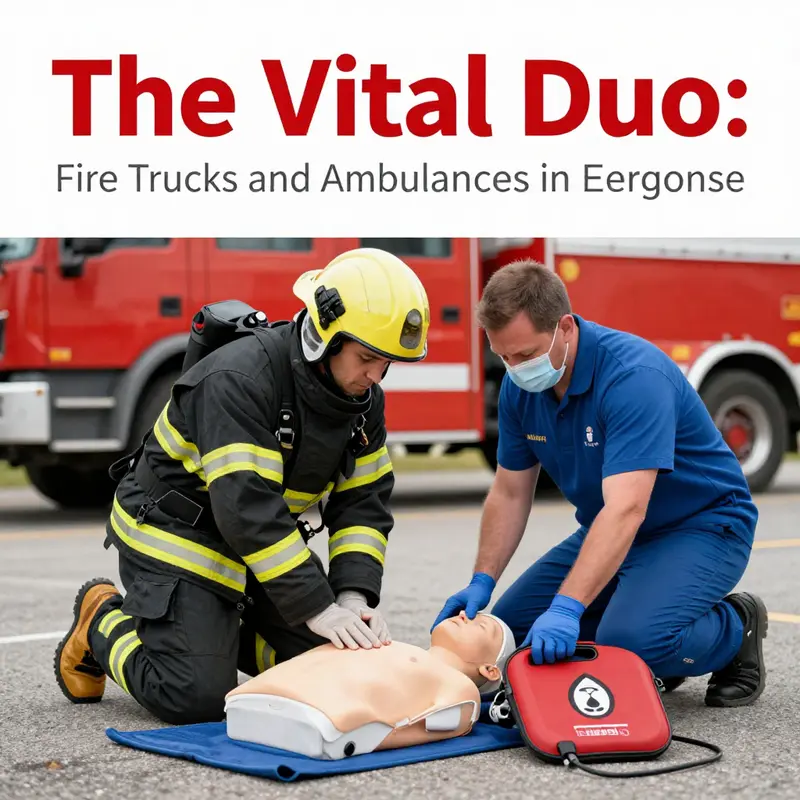
When an emergency strikes and a person’s heart falters, every passing second tightens the margin between life and death. The context of a cardiac arrest is not only a medical crisis but a test of how quickly a city’s safety nets can converge on a single scene. In many urban and rural settings alike, a fire truck follows closely behind or arrives alongside an ambulance, not to replace medical care but to accelerate it. This is more than a matter of speed; it is a reimagining of how rescue resources can be coordinated to maximize the chances of survival. The central idea is simple in principle but complex in practice: by merging the fire service’s reach, mobility, and technical capabilities with the ambulance’s medical expertise, responders can begin life-saving interventions at the very moment they reach the patient, turning what used to be parallel efforts into a synchronized relay where the baton is handed off seamlessly from scene arrival to on-the-ground care. The result is a public safety model that treats time as a critical variable and treats every second as a potential life saved.
A key reason this dual-response approach has gained traction is the sheer speed with which a fire truck can close a gap that often slows a medical convoy. Fire apparatus navigate dense traffic, negotiate crowded sidewalks, and maneuver through narrow streets with a agility that is not always shared by ambulances, especially in congested centers or disaster zones. Their onboard equipment—lines of rescue tools, ventilation gear, and robust electrical and hydraulic systems—also doubles as a portable toolkit that can support immediate life-saving actions when a scene is complex or a building is involved. Yet the true catalytic shift lies not only in the machine or the muscle but in the organizational design that makes the two teams feel like one unified unit. In this design, the fire truck acts as a mobile extension of the medical team’s capabilities and a rapid lever to accelerate critical interventions.
The concept is most visible in innovative systems that physically co-locate an ambulance with a fire station or house a dedicated medical unit within the fire department’s ecosystem. In Hangzhou, China, the Recovery Fire-Medical Emergency Coordination Point has become a salient case study. Here, the ambulance is not parked in a separate medical garage far from the firehouse but operates as a unified emergency response unit from within the fire station. When a call comes in, the dispatch system triggers a synchronized alert to both the fire crew and the on-site medical team. The result is a dramatically shortened path from alarm to action: the fire and medical teams surge out together, guided by a shared situational picture rather than two parallel sequences that risk diverging timelines. The practical effect is “zero-delay activation” of the on-site ambulance, a phrase that underscores the elimination of one of the most stubborn bottlenecks in pre-hospital care: the delay between the moment a call is answered and the moment responders reach the patient.
Behind this operational harmony lies a carefully designed information flow. A real-time incident screen at the firehouse provides location data, hazard type, and patient condition, allowing medical personnel to anticipate the needs they will face upon arrival. This pre-activation preps the team to initiate lifesaving steps without waiting for transport to occur or for further instructions to arrive. In the context of cardiac arrest, where the interval before defibrillation is a decisive factor, the ability to position an AED and prepare high-quality chest compressions before stepping out of the door can matter as much as the exact moment the first responders touch the patient. High-quality chest compressions, which can be sustained more consistently with mechanical devices, can be introduced earlier, increasing the likelihood of return of spontaneous circulation when defibrillation is deployed as soon as possible. This is not merely a refinement of technique; it is a reconfiguration of the entire moment of first contact.
The philosophy underpinning this approach is captured in a broader set of regulatory and systematic changes designed to knit together emergency medical points with fire stations. In Zhejiang Province, a regulatory framework effective from December 1, 2025, explicitly encourages the co-location of emergency medical resources with fire services. The aim is to create integrated response systems where ambulances can reach the scene within minutes of the initial alarm, often arriving virtually in tandem with the fire crew. This regulatory push is not a bureaucratic flourish. It reflects a growing evidence base that in life-threatening emergencies, the speed of initial care correlates strongly with survival odds. In cardiac arrest, estimates around the impact of every minute without CPR or defibrillation point toward substantially reduced survival as time elapses. When a response system can compress the timeline from discovery to intervention, the chance of a favorable outcome rises accordingly. The integration also supports a more resilient public safety posture: a city can mobilize its life-saving resources with fewer friction points, reducing the likelihood of miscommunication that often accompanies multi-agency responses.
The ecological logic of this arrangement is further reinforced by the notion that the fire truck is more than a vehicle; it is a mobile command hub. In addition to basic life support and defibrillation capability, fire crews often carry ventilations devices, airway management tools, IV supplies, and monitors that can be deployed en route to the scene. When combined with the ambulance, which brings advanced medical expertise, medications, and a staffed clinician, the pair creates a more robust pre-hospital platform. This platform can support interventions that are time-critical and technically demanding in the moments immediately following collapse. Even when the casualty trajectory remains uncertain—for example, in a scenario where a person is unconscious but pulseless—a rapid, well-coordinated dual response ensures that resuscitation efforts begin within the window in which they are most effective. The combined action reduces the gap between recognizing the emergency and delivering the first definitive life-support measures, transforming what used to be a sequential process into a tightly choreographed sequence of actions.
Yet the strategic value of this approach extends beyond the immediate medical craft. It speaks to a broader reorganization of emergency response, one that foregrounds speed, coordination, and shared situational awareness. When the ambulance is already on-site and the team is pre-positioned for action, communication difficulties between separate dispatch channels tend to diminish. The shared alerting system links fire and medical sides in a way that minimizes the risk of misrouting, missed messages, or delayed responses. In the more complex emergencies—such as Building fires with trapped occupants or hazardous materials incidents—the fire truck’s technical rescue capacity becomes crucial. It can stabilize the scene, facilitate safe access, control hazards, and create safer pathways for medical care. In these moments, the ambulance is not just delivering patient care; it is leveraging the fire service’s structural, technical, and logistical competencies to ensure that medical care is delivered under the best possible conditions.
To visualize the deeper implications, consider the safety-net this model creates for communities. When you see a fire truck arrive with an ambulance in tow or arriving in parallel from a co-located station, you are witnessing a method that treats time as a resource to be conserved rather than a constraint to be managed. The immediate defibrillation of a patient in ventricular fibrillation or pulseless ventricular tachycardia, followed by rapid high-quality CPR and airway management, can be facilitated by the on-scene accessibility of equipment and trained staff. In this sense, the integrated system does not claim to replace specialized medical care later in the patient’s trajectory; it ensures the earliest possible interventions occur without delay, thereby setting the stage for subsequent treatment and transport to a hospital where definitive care can continue.
For readers seeking a broader lens on how these dual-response mechanisms fit into modern emergency governance, the concept aligns with evolving ideas about unified command in emergencies. A unified framework emphasizes coordinated action across agencies and disciplines, reducing redundant or conflicting actions while maintaining clear roles and shared goals. The Hangzhou model illustrates how a unified command posture can manifest in practice: with a shared dispatch, a common operational picture, and a synchronized departure that places medical care and rescue operations on a common timetable. This is not merely a logistical tweak; it represents a shift toward an adaptive system designed to harness the strengths of each service without diminishing the unique expertise each brings to the scene. As cities explore and expand such arrangements, the emphasis remains on speed, precision, and the seamless flow of information across teams. For a deeper look into how unified command structures are shaping emergency responses, see Unified Command in Emergencies.
In the end, the reason a fire truck accompanies an ambulance is not about hierarchy or branding. It is about creating a cohesive, rapid, and flexible response capable of meeting the most demanding early-phase needs of someone whose heart has stopped beating. It is about embedding the medical impulse within the kinetic reach of the municipal fire service so that the clock never starts ticking from scratch. It is about acknowledging that in emergencies, time is a patient’s ally or adversary, and the best chance of turning the outcome toward life lies in reducing the time from alarm to first action. The Hangzhou example, the Zhejiang regulations, and the practical realities of urban and rural frontlines converge on a simple but powerful truth: when the fire truck and ambulance ride together as a coordinated force, the community gains an essential margin—the margin of minutes—and with it, a greater likelihood of survival for those who need care most urgently. External resources that dig into the specifics of this model, such as regional coverage and policy implications, provide complementary perspectives that help frame how such dual-response systems may evolve in other settings.
For readers who want to explore related concepts and frameworks, a deeper dive into unified command and integrated response systems can offer a broader understanding of how these practices fit into contemporary emergency governance. Please refer to external materials that discuss the integrated approach and its implications for training, data sharing, and cross-agency collaboration. External resource: https://www.chinadaily.com.cn/local/2026-01/29/content_43528746.htm
If you are interested in the practical, on-the-ground implications of these integrated models, consider how a city’s existing dispatch workflows might be adapted to support a unified, faster response. The idea is not to replace EMS or firefighting, but to fuse their strengths into a single, coherent mission: to reach the patient quickly, to deliver high-quality life support without delay, and to pave the way for definitive care that will determine the patient’s trajectory after the initial minutes. In a world where the clock is a critical variable, the dual-response model offers a compelling blueprint for saving lives when every second counts. For a concise overview of how unified emergency resources can be coordinated in practice, see Unified Command in Emergencies.
Speed, Synergy, and Survival: How Fire Trucks Extend the Reach of Ambulances in City Streets and Country Roads
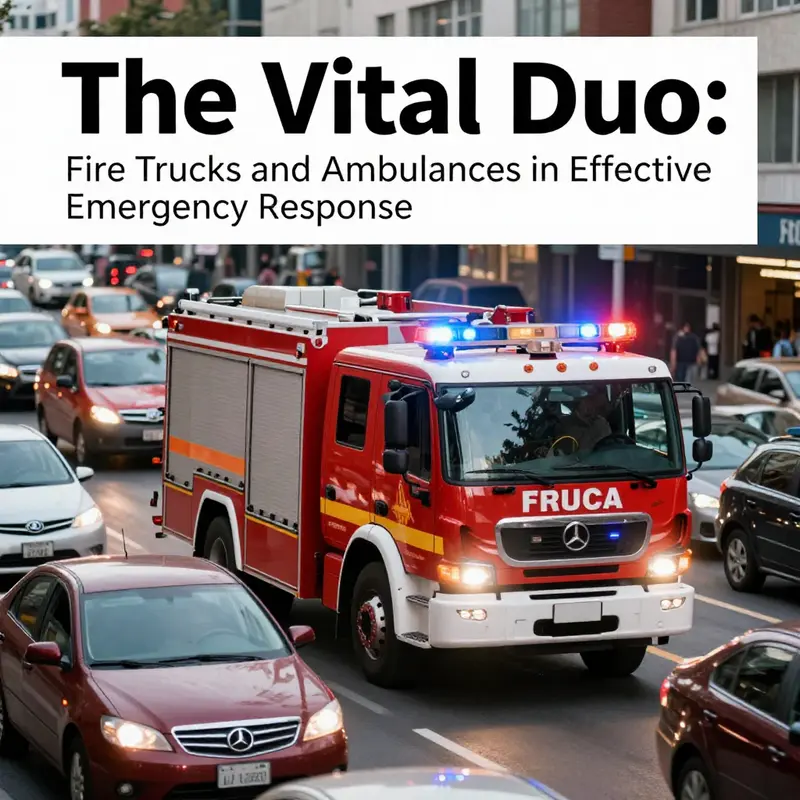
Inquiries into why a fire truck would accompany an ambulance touch the heart of modern emergency response: the aim is not to replace medical care but to maximize every moment available to save a life. When a person collapses, or when a scene smells of urgency rather than certainty, the clock starts ticking in earnest. The medical literature and field experiments across urban and rural landscapes underscore a simple truth: in emergencies, there is a narrow window in which interventions like CPR, defibrillation, and rapid stabilization can determine whether a patient regains a heartbeat, begins to breathe on their own, or makes it to a hospital in time to receive definitive care. This is the domain of the “golden minutes,” and it is where fire trucks have increasingly found a role that complements, rather than competes with, the ambulance system.
In dense urban centers, the traffic heartbeat often slows to a stutter when an emergency call comes in. Streets that can carry thousands of vehicles a day become chokepoints the moment a siren slices through dawn, rush hour, or a rainstorm. The fire department’s fleet, crafted for mobility and agility, can navigate through tighter lanes and maneuver around obstacles with a deftness that many standard ambulances cannot claim. Fire crews arrive with trained eyes for life support and the engines of early intervention already humming in their hands. They carry automated external defibrillators and oxygen, and they are trained to initiate CPR and airway management within minutes of arrival. This means that the first responders at the doorway can begin life-saving steps while paramedics are still in transit or just arriving, providing a critical bridge to the hospital’s more advanced capabilities.
The logic of speed grows even clearer when we look at models that intentionally blur traditional boundaries between fire and medical services. In Hangzhou, for example, fire stations are expanding beyond the classic remit. They house dedicated ambulance units that operate alongside fire crews. When a call comes in, both the fire truck and the ambulance are dispatched from the same station in a synchronized departure. The effect is measurable: the time from incident detection to on-scene medical intervention shrinks, and the window during which a patient’s brain and heart require support remains open longer. Firefighters trained in CPR and AED use can begin crucial interventions within minutes, even as the ambulance team follows with more advanced procedures and transport. The objective is not dual dispatch but a single, coordinated surge toward relief and stabilization.
This integrated approach rests on a broader understanding of how information flows in emergencies. Unified command platforms, shared alert systems, and real-time communication are essential threads in the fabric of rapid response. When the fire station acts as both a medical hub and a rescue operations hub, dispatch officers can characterize a scene not as a single mission but as a spectrum of threats and needs: airway, circulation, and safety in the foreground; the patient’s trajectory to definitive care in the background. The result is a system that moves as a single organism, rather than as a collection of separate parts reacting at different speeds. The model’s promise extends beyond city blocks into rural landscapes, where geography and distance compound delay.
In rural and remote areas, the logic of accompaniment becomes even more explicit. Large geographic footprints daunt the best-structured EMS networks, and distances can mean that a hospital is hours away by road. Fire departments, with their broad geographic reach and ubiquitous presence, can serve as the first line of response, arriving sooner at a patient’s side with life-saving equipment, basic trauma care, and stabilization techniques. In these settings, the fire truck is not a luxury; it is a mobile emergency unit that expands the front line of care. It carries AEDs, oxygen, basic trauma kits, and supplies that enable clinicians to stabilize a patient during transport or await the arrival of more specialized teams. Training matters here: firefighters who have received basic life support education, and in some programs advanced cardiac care training, become an essential part of the patient’s early journey. In such regions, the difference between survival and death can hinge on whether lifesaving care begins within the first four minutes, before the patient reaches a hospital capable of advanced resuscitation.
The reality of several recent years reveals how weather and terrain intensify the value of cross-department cooperation. Extreme weather events—the floods that submerged roadways or the blizzards that capped rural routes—test the resilience of EMS networks. Ambulances may be unable to traverse waterlogged streets or cross disrupted bridges. Fire trucks, with their more robust ground clearance and specialized off-road capacity, emerge as reliable platforms to reach patients who otherwise would be stranded. They can perform rescue operations, carry life-support equipment beyond the reach of conventional ambulances, and transport patients out of dangerous zones when traditional means falter. This resilience underpins a broader strategic shift toward integrated emergency response systems that anticipate risk and plan for it, rather than reacting to it after delays have multiplied.
What supports this shift are not merely trucks rolling out of stations, but a set of policy, training, and operational changes that reframe the entire mission. A landmark development in this regard has been legislative and regulatory updates designed to align fire and medical services more closely. Consider the Zhejiang Province Pre-hospital Medical Emergency Regulations, which took effect in late 2025. These rules explicitly encourage the co-location of fire stations and medical emergency points and advocate for standardized, real-time information sharing through unified command platforms. The aim is to reduce the distance between incident detection and the earliest possible medical intervention, circumventing the delays that can arise from siloed dispatch processes. In practice, this means engines and ambulances are not just dispatched together; they are deployed with a shared sense of purpose, a shared map of the patient’s needs, and a shared commitment to keep lines of communication open at every moment.
The case studies from Hangzhou and the broader regulatory environment illuminate a future in which the fire-medical partnership is normalized rather than exceptional. The on-scene reality supports these improvements: firefighters perform CPR, manage airways, and operate AEDs within minutes of arrival; paramedics provide advanced interventions and prepare for rapid transport; and hospital staff are prepared to receive a patient who has already begun resuscitation efforts. The synergy is not an abstract ideal; it translates into measurable outcomes—reduced response times, earlier initiation of life support, and clearer handoffs at the edge of the hospital system. When every minute is a continuation of care and every second counts, the joint operation becomes less a matter of jurisdiction and more a matter of shared life-saving responsibility.
Yet, as with any model that reshapes core professional roles, this approach invites careful attention to challenges. Training needs to be comprehensive and ongoing, covering not just the mechanics of CPR and AED use, but also interprofessional communication, safety protocols, and the limits of practice for each team. Resource allocation must balance the deployment of engines and ambulances so that neither front line is depleted in rural stretches or urban bottlenecks. The public must also understand the evolving dynamics of emergency response. Clear messaging is essential to prevent confusion about who is in charge on any given call and to ensure seamless cooperation between responders and clinicians. In short, integration works best when it is underpinned by mutual respect, shared goals, and continuous evaluation of how speed translates into outcomes.
The overarching narrative here is not a romance of speed for speed’s sake but a disciplined adaptation to the realities of modern emergencies. Urban centers show the power of geographic agility and synchronized departure; rural zones reveal the critical importance of reach and stabilization in the most challenging terrains. Together, they illustrate a broader truth: a fire truck accompanying an ambulance is a practical, evidence-based strategy designed to close the gap between the moment a crisis begins and the moment definitive care begins. It represents a reimagined emergency system that values speed, coordination, and the strategic deployment of all available resources. The result is a more resilient, more responsive network capable of delivering life-saving care in environments that vary from congested streets to flood-prone byways.
As this evolution continues, the story of the accompanying fire truck becomes a narrative about how communities design systems around the needs of the patient. It is about anticipating barriers to care, whether they are traffic, distance, weather, or bureaucratic friction, and removing those barriers through intelligent design. It is about empowering first responders—both firefighters and EMS clinicians—with the tools, training, and authority to act immediately. And it is about cultivating a culture where time is recognized as a precious resource, not a vague measure to be tolerated. In that sense, the presence of a fire truck alongside an ambulance embodies a practical philosophy: when seconds matter, every asset on the ground deserves to shoulder the load. The joint response becomes less about who gets there first and more about how quickly a team can stabilize a patient, communicate a clear plan for the next steps, and move in concert toward a better outcome.
For readers seeking a deeper look into the public discourse and the documented evidence behind these practices, the linked reporting on the Hangzhou initiative provides a concise account of the milestones and the broader implications for emergency response policy. It situates the local innovations within a global conversation about how best to marshal diverse emergency capabilities into a cohesive, life-saving force. The narrative here intentionally centers on the patient’s journey—from the moment of collapse to the moment of hospital-based care—and on the ways that integrated fire and EMS operations can shorten that journey without compromising safety, professionalism, or care quality. The argument rests on a simple proposition: when the clock is against a patient, speed must be matched by coordination, and the most effective way to achieve that is through a well-designed, cross-disciplinary mobilization that treats fire and medical services as two halves of a single response machine.
External resource: https://www.scmp.com/news/china/society/article/3401297/fire-trucks-join-ambulances-emergency-response-china
For further exploration of the practical strategies behind cross-department coordination in emergencies, see the internal perspective on overcoming challenges in fire command systems, which offers a concise look at the barriers and solutions involved in aligning protocols, training, and communications across agencies. You can read more about this topic here: overcoming challenges in fire command systems.
null
null
Ahead of the Curve: How Fire Trucks Extend Ambulance Care in Complex Crises
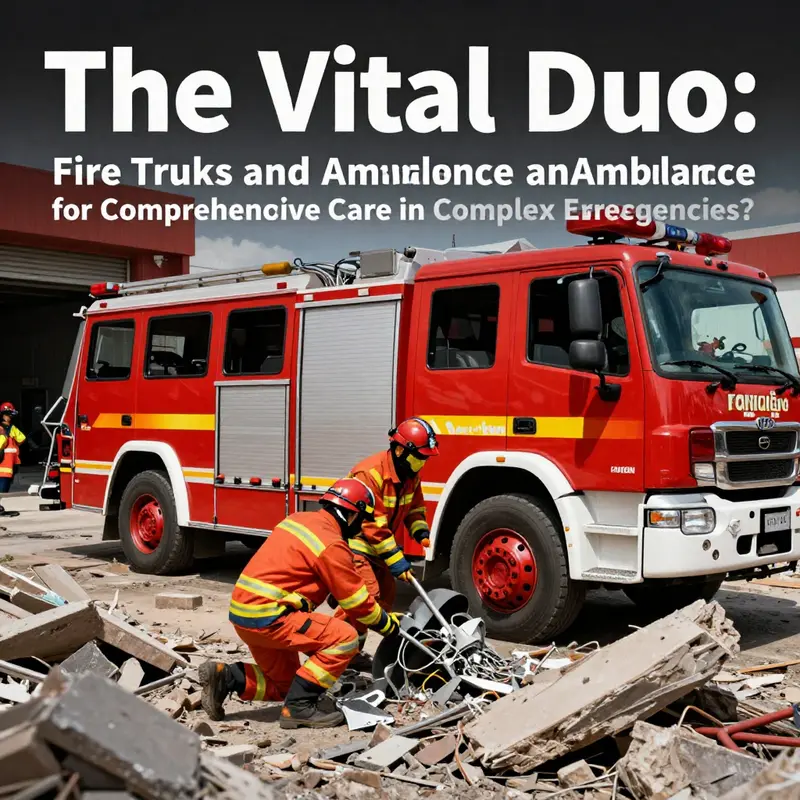
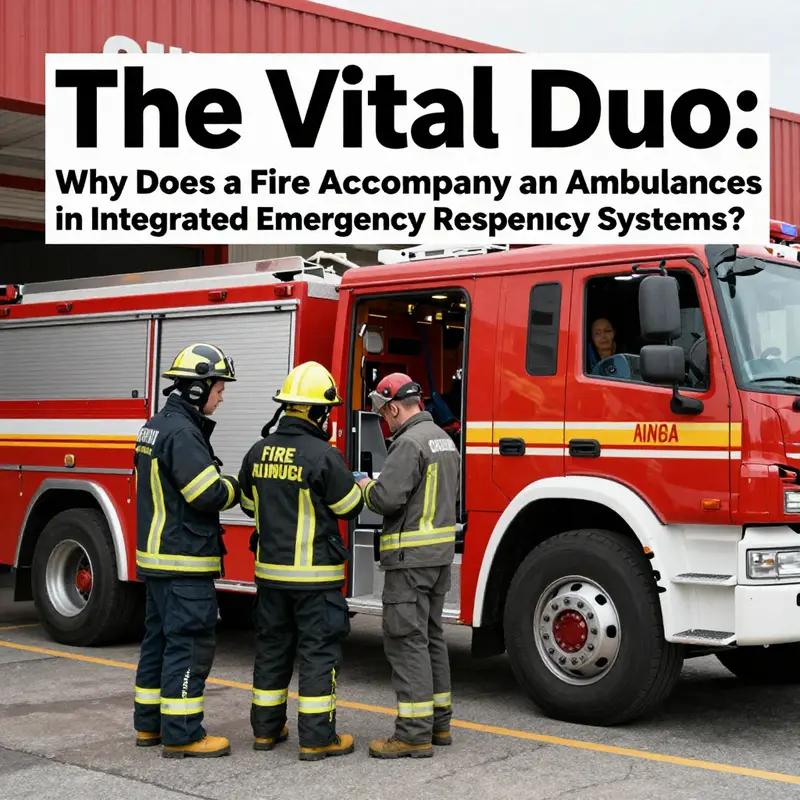
In the orchestra of an emergency scene, the sirens do more than announce a crisis. They signal a coordinated cadence where speed, safety, and scalable capability converge. When a fire truck accompanies an ambulance, it is not simply a matter of more bodies arriving faster; it is a deliberate integration of tools, training, and tactics designed to widen the window of time in which a patient can survive and recover. The overarching question—why do these vehicles move together—resonates with a straightforward answer: in complex emergencies, every second matters, and the combined strengths of fire and medical teams create a seamless, capable front line that neither service could provide alone. The result is a more reliable channel from the moment a call is received to the moment a patient reaches definitive care, and the difference can be measured in lives saved, injuries mitigated, and a system that behaves less like a relay and more like a unified mission.
The critical importance of time in medical emergencies is well established. In cases of cardiac arrest, the notion of the “golden four minutes” carries a weighty truth: rapid CPR and defibrillation within a tight window can drastically improve survival odds. A fire truck’s early arrival helps address this imperative by bringing additional hands and more immediate access to life-support tools. Firefighters often arrive with basic life support capabilities and automated defibrillators, enabling them to initiate life-saving interventions en route or during the brief interval before the ambulance crew attains the scene. This early intervention is not about substituting EMS; it is about extending the reach of life-saving care, so that when the ambulance team arrives, the patient is already stabilized and further treated.
Beyond speed, the fire truck’s value lies in its broader toolset and its capacity to navigate challenging terrain. Urban congestion, narrow streets, and collapsed or flooded environments require mobility and access that can be superior to a standard ambulance. Fire apparatus are designed to maneuver through tight spaces, to park quickly near the focal point of an incident, and to deploy a wide array of rescue equipment. In many systems, this equipment is ready to go the moment responders reach the scene: oxygen delivery systems, airway management devices, and a reservoir of trauma supplies. The on-scene presence of both a fire unit and an EMS unit helps synchronize patient care with scene safety, enabling medical actions to proceed in parallel with rescue operations rather than in sequential handoffs. In this configuration, the scene becomes less a stage for competing priorities and more a coordinated workspace where rescue, stabilization, and evacuation occur in a single, uninterrupted flow.
The integration of fire and medical services also expands the concept of on-site assessment and stabilization. Fire crews are trained not just to suppress or extinguish hazards but to manage a multiplicity of risks that can complicate medical care. They assess structural integrity, identify potential ignition sources, and address environmental threats such as hazardous materials or downed power lines. This safety net protects patients and responders alike, enabling EMS personnel to perform advanced interventions with greater confidence. The combined team thus has the capacity to maintain a secure corridor for the patient, control the environment, and stabilize the situation so that definitive care can be delivered with minimal delay. This isn’t a matter of layering functions one on top of the other; it is a collaborative framework in which each unit complements the other’s strengths.
The specialized tools that fire trucks typically carry contribute to a more comprehensive on-scene capability. What is commonly known as the “jaws of life” represents a family of hydraulic tools used to extricate victims from vehicles and debris. This capability is indispensable in scenarios like major vehicle crashes or structural collapses where time spent on extrication directly impacts the patient’s chances. By allowing responders to access patients more quickly, these tools shorten the time from injury to treatment. The same vehicle often carries cutting, prying, and lifting devices, as well as stabilization gear, lighting setups, and ventilation equipment. Such resources empower responders to create a safe space for treatment, to maintain a stable airway and breathing, and to manage potential delays caused by environmental hazards. In effect, the fire truck extends the ambulance’s surgical precision with a breadth of technical rescue capability.
A concurrent layer of medical sophistication accompanies the fire truck on many fronts. Fire departments increasingly incorporate advanced life support capabilities into their teams. Paramedics and emergency medical technicians bring a specialized subset of skills that enhance airway management, oxygenation, and circulation management at the earliest moments of contact. It is not unusual for fire crews to coordinate with EMS personnel in real time, sharing information that sharpens decision-making and accelerates care plans. By merging these medical competencies with rescue expertise, responders can begin advanced procedures—such as airway control, rapid sequence intubation when appropriate, and tailored fluid resuscitation—in the field with greater confidence. This dual capacity—technical rescue alongside advanced medical care—expands the patient’s chance of a positive transition from incident to hospital.
However, the value of a fire truck to an ambulance goes beyond the medical realm. The safety and suppression equipment carried on these vehicles can be essential in incidents where hazardous conditions threaten both victims and responders. Water pumps and foam systems, for example, help manage fuel spills, gas leaks, or the possibility of ignition in a volatile environment. Even when no fire is present, the presence of firefighting equipment communicates preparedness and resilience—two qualities that help reduce risk exposure during complex rescues. In that sense, the fire truck acts as a multipurpose asset that strengthens the entire incident command structure rather than merely adding body count to EMS efforts. The coordination of safety gear, ventilation tools, and fire suppression capabilities ensures that the scene remains secure long enough for medical teams to complete stabilization and prepare for transport.
Crucially, the synergy between fire and EMS is a step toward a more unified approach to emergency response. In many regions, the integration is formalized through models that remove delays in communication and dispatch by situating medical teams in closer proximity to fire crews. The Hangzhou model in particular exemplifies a forward-thinking arrangement where fire stations host dedicated ambulance units and operate in tandem with fire crews. When a call comes in, the medical team on site is automatically activated, and both teams move together from the same station. The result is a dramatic reduction in response time and a more synchronized sequence of actions on arrival. This unity of purpose—where responders arrive as a single, coherent unit—minimizes the friction that can occur when separate agencies converge from different locations and with different dispatch protocols. It also reinforces a shared mental model: a patient-centered, speed-focused, safety-conscious response that treats the incident as a continuous care pathway rather than a series of discrete steps.
The broader implications of this integrated approach extend to more complex emergencies where the interplay of rescue and medical care becomes even more critical. In building collapses, for instance, fire trucks provide not only access to victims but essential technical rescue capability—stabilizing debris, creating ventilation paths, and enabling safe extraction. In hazardous materials incidents, responders must isolate the threat while ensuring patient exposure remains minimal. In such cases, the ambulance team can focus on immediate clinical care, while the fire crew handles threat mitigation and environmental control. The combined response thus supports a more thorough, systematized method of care that spans from the moment the scene is secured until the patient is admitted to hospital care. This holistic approach reduces the fragmentation that can occur when two separate teams operate in parallel without an integrated plan.
The outcomes associated with such integrated responses are meaningful and measurable. When fire and EMS teams work in concert, patients experience faster access to life-saving measures, shorter times to definitive care, and a more stable transition from scene to hospital. The data suggest improvements in survival rates and reductions in preventable complications, particularly in time-critical emergencies. The unified approach also fosters more effective triage and load management, ensuring that resources are allocated where they can have the greatest impact. Even when the case ends in a non-survivable outcome, the coordinated effort often reduces secondary injuries and ensures that responders exhaust every viable option to stabilize and evacuate safely.
This collective approach is not about claiming that medical services are interchangeable with firefighting; rather, it is about recognizing that emergencies demand a flexible, robust, and technologically reinforced response. The fire truck’s presence does not replace the ambulance; it augments the ambulance’s capacity to deliver care earlier, more safely, and more comprehensively. By combining scene safety, rapid extrication, advanced life support, and environmental control with unified command and rapid deployment, emergency responders create a continuum of care that begins the moment the call is answered and continues with the patient’s transport to the hospital. The outcome is a system that treats survival as a shared responsibility and treats time as a resource that must be safeguarded at every juncture.
In conversations about modern emergency response, it is easy to overlook the human dimension behind these operational decisions. Firefighters and EMS professionals train together, rehearse together, and often ride together in the field. This repetitive, joint practice builds mutual trust, shared vocabulary, and an instinctive understanding of each other’s roles. Such familiarity translates into smoother handoffs, fewer miscommunications, and faster, more accurate assessments on the ground. When lives hang in the balance, trust can be as decisive as any piece of equipment. The result is a system that looks less like two agencies operating within the same incident and more like a single, mission-driven team responding to a patient’s needs with precision, compassion, and resilience.
For readers seeking a deeper theoretical or policy view of this integrated approach, the principle of unified command in emergencies provides a conceptual anchor. It emphasizes coordinated decision-making across agencies, shared situational awareness, and a common operational picture that keeps every responder aligned toward patient-centered outcomes. This alignment is not merely conceptual; it shapes dispatch protocols, training curricula, and daily practice on the ground. The ultimate aim remains constant: shorten the time to care, protect the vulnerable, and deliver a comprehensive field response that supports the patient’s whole journey from incident to definitive care. The combined fire-and-EMS model illustrates how a well-orchestrated partnership can be greater than the sum of its parts, offering a template for cities and regions seeking to optimize their own emergency response systems.
As systems continue to evolve, the push toward integrated responses will likely expand in both scope and sophistication. The core reasons—scene safety, rapid access to extrication tools, advanced life support in the field, and a unified, streamlined command—will remain central. The ongoing refinement of dispatch practices, interagency training, and cross-functional protocols will further reduce response times and improve outcomes. In this sense, a fire truck accompanying an ambulance is more than a practical arrangement; it is a deliberate strategy to maximize the chance that every patient receives timely, comprehensive care when it matters most. It reflects a growing recognition that effective emergency response requires a seamless blend of rescue prowess and medical precision, delivered in a way that respects the urgency and complexity of real-world crises.
To explore related concepts of integrated emergency response, you can read more about the broader framework of unified command in emergencies and how it shapes practical coordination on the ground: Unified Command in Emergencies.
For a broader understanding of why fire departments respond to medical emergencies and how this collaboration translates into real-world outcomes, see the NFPA discussion on this topic: https://www.nfpa.org/News-and-Research/News/2023/January/Why-fire-departments-respond-to-medical-emergencies
Final thoughts
The partnership between fire trucks and ambulances is more than just an operational necessity—it’s a life-saving alliance that enhances emergency response significantly. By prioritizing swift intervention, improving accessibility in diverse environments, and facilitating collaborative care, this dynamic duo is integral to modern emergency services. As we witness advancements in integrated response systems, it’s clear that the strength of first responders lies not just in their individual expertise, but in their ability to work together for the common goal of saving lives. Whether you’re a firefighter, an emergency services professional, or a passionate enthusiast, understanding this relationship underscores the importance of every role in our collective safety.