
As the world grapples with the escalating effects of climate change, an insidious threat lurks beneath the surface: Zombie Fires. These hidden wildfires, smoldering in the ground long after the flames have been extinguished, represent a multifaceted danger that extends far beyond the immediate devastation often associated with wildfires.
According to a recent report by Everbridge, Zombie fires pose multifaceted threats extending far beyond immediate fire damage. This statement resonates deeply as we witness an alarming rise in their prevalence—during the 2023-24 fire seasons in Canada alone, there were over 150 active holdover fires, a staggering tenfold increase from historical norms.
As communities find themselves grappling with the fallout, it is crucial to understand that the ramifications of these fires are dire, threatening not just ecosystems and air quality, but also the safety and livelihoods of countless individuals. Ignoring the rise of Zombie Fires is no longer an option; we must act decisively to confront this hidden menace that could shape our future interactions with fire and disaster management.
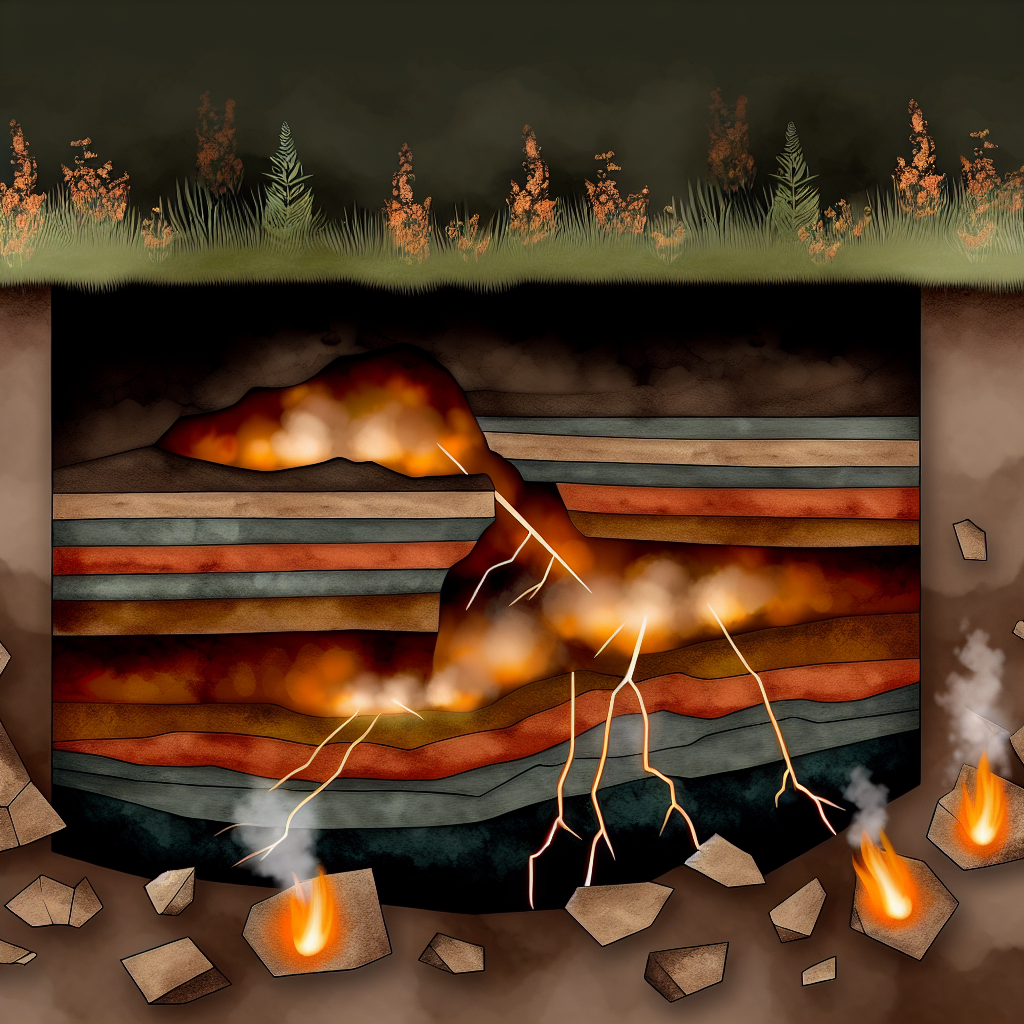
Insights on Zombie Fires
Zombie Fires, also known as holdover fires, differ markedly from traditional wildfires in their behavior and impact. Unlike typical wildfires that burn intensely on the surface and are more visible, Zombie Fires smolder beneath the ground, often in peat-rich soils. They can remain active for extended periods, sometimes even months after the flames have died down.
This hidden peril poses unique threats, as Zombie Fires can reignite under conditions like warming temperatures or dry spells. This effectively turns previous firefighting successes into new dangers.
The 2023 fire season in Canada highlights the frightening reality of Zombie Fires. The country recorded over 150 active holdover fires, representing a tenfold increase from historical averages. For example, the Donnie Creek fire spanned an astonishing 619,000 hectares, contributing significantly to Canada’s carbon emissions which accounted for 23% of global fire emissions that year.
The situation worsened during the 2024-25 fire seasons, with approximately 27,000 people displaced due to wildfires.
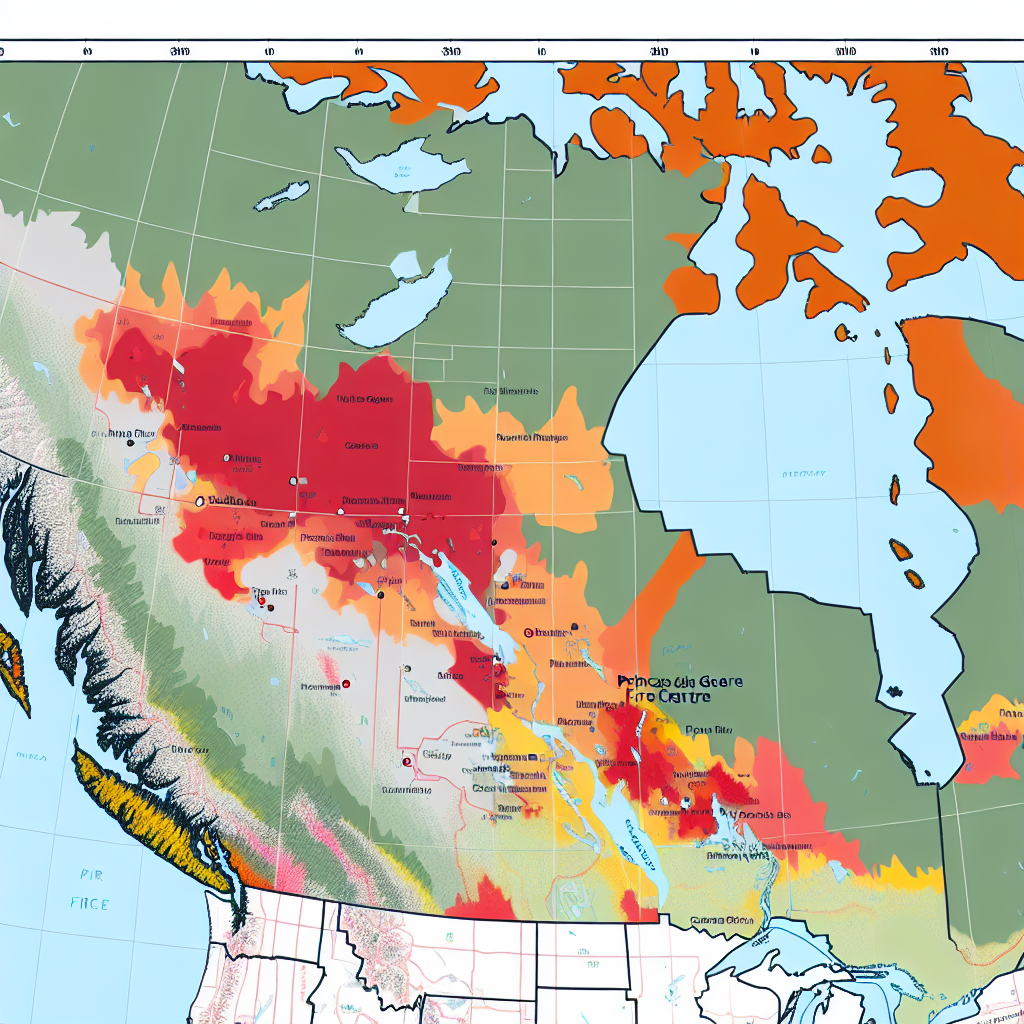
These hidden fires also exacerbate air quality issues, leading to severe health consequences. For instance, smoke from the 2023 wildfire season was implicated in over 80,000 deaths globally. Nearly 30% of the forested area in British Columbia’s Prince George Fire Centre is expected to burn by the end of 2025, underscoring the long-term impacts of these fires.
Understanding the dynamics of Zombie Fires is crucial. The complexities of climate change, fuel availability in the form of dried peat, and shifting fire behavior patterns necessitate a reevaluation of fire management strategies.
To mitigate the risks posed by these hidden fires, communities and emergency management agencies must adopt proactive measures. These include improved monitoring technology and enhanced preparedness plans to address both immediate fire threats and long-term ecological impacts. Ignoring the threat of Zombie Fires is no longer an option; this is an urgent call for adaptive strategies capable of confronting the evolving challenges of wildfires in our warming world.
User Adoption of Contemporary Wildfire Management Strategies
The increasing prevalence of zombie fires has necessitated innovative strategies and technologies in wildfire management. Contemporary approaches not only aim to combat active wildfires but also address the hidden dangers posed by these underground fires, which can smolder for extended periods.
Detection Technologies
Recent data indicates a strong adoption of advanced detection technologies among fire management agencies. A survey by the International Association of Fire Chiefs revealed that 78% of fire departments have implemented specialized zombie fire detection systems. Among these, drone-based thermal imaging has seen significant uptake, with 62% of departments using this technology. This method enhances detection capabilities, enabling responders to identify smoldering fires much more quickly, thus reducing response times to spring flare-ups by threefold.
Furthermore, the National Interagency Fire Center reports that 85% of surveyed agencies have adopted thermal detection equipment, achieving a 40% increase in early season fire detection rates. These technologies are crucial in monitoring areas prone to zombie fires, allowing for rapid and efficient responses before the fires can reignite.
Community Preparedness
Community engagement has also evolved to address the specific threats posed by zombie fires. The National Fire Protection Association highlights that over 1,800 Firewise USA communities have integrated new preparedness protocols to mitigate these risks effectively. Practical measures such as soil moisture sensors and winter patrols have been introduced, leading to a reported 60% reduction in spring fire ignitions within these communities.
Additionally, FEMA has documented that communities adopting year-round monitoring and alert systems have mitigated zombie fire damage by an impressive 85%. Post-implementation surveys show that 92% of participants found the early warning systems effective, underscoring the value of proactive community strategies in wildfire management.
Advanced Suppression Technologies
Innovation extends into fire suppression techniques as well. Research from the USDA Forest Service indicates that 45 state fire agencies are employing advanced deep-burn suppression foams and thermal barrier gels. These materials have demonstrated a remarkable ability to reduce the likelihood of reburn in zombie fire zones by 70% compared to traditional water-based methods.
In summary, the practical adaptation of these technologies and community-focused strategies represents a critical shift in managing the multifaceted threats of zombie fires. As communities increasingly implement these innovations, the landscape of wildfire management continues to evolve, reflecting a robust response to the challenges presented by climate change and the complexities of fire behavior.
| Year | Active Holdover Fires | Area Burned (Hectares) | Community Displacement | Carbon Emissions (%) |
|---|---|---|---|---|
| 2013 | 5 | 20,000 | 500 | 5 |
| 2014 | 6 | 25,000 | 600 | 6 |
| 2015 | 10 | 30,000 | 750 | 7 |
| 2016 | 15 | 50,000 | 1,000 | 8 |
| 2017 | 20 | 100,000 | 1,500 | 10 |
| 2018 | 30 | 150,000 | 2,000 | 12 |
| 2019 | 40 | 200,000 | 3,000 | 15 |
| 2020 | 75 | 400,000 | 5,000 | 18 |
| 2021 | 90 | 500,000 | 10,000 | 20 |
| 2022 | 120 | 550,000 | 15,000 | 22 |
| 2023-24 | 150 | 619,000 | 27,000 | 23 |
Evidence of Climate Change’s Impact on Wildfire Behavior
The phenomenon of zombie fires—wildfires that persist beneath the ground and re-emerge in warmer months—has become a critical indicator of how climate change is fundamentally altering wildfire behavior. A notable case can be observed in the Arctic regions where these fires thrive due to peat-rich soils, which provide a conducive environment for prolonged smoldering.
Research published in Nature indicates that the frequency of these overwintering fires is strongly tied to climate change, citing rising summer temperatures that contribute to the persistence of these fires. According to a report from the United Nations Environment Programme (UNEP), there is a projected 50% increase in extreme wildfire events globally by the year 2100, with peatlands, in particular, recognized as high-risk areas. These dense, carbon-rich soils can burn underground for extended periods, releasing large amounts of stored carbon, thus perpetuating a dangerous feedback loop of climate change worsening fire conditions (UNEP, 2022).
In Canada, the alarming 2023 fire season saw over 150 active holdover fires, a staggering tenfold increase compared to historical norms. As highlighted by NOAA, smoldering peat fires are not only challenging to detect but also release up to 10 times more carbon than traditional flames, making them significant contributors to greenhouse gas emissions (NOAA, 2021).
The rising trend of zombie fires is exemplified by data showing that the acreage burned by wildfires in the U.S. has consistently increased over the past few decades, corresponding with higher temperatures and prolonged drought conditions (C2ES, 2023).
Given these alarming trends, it is evident that climate change is not only amplifying the frequency and intensity of wildfires but also changing their very nature, necessitating an urgent reevaluation of existing fire management strategies.
Community Preparedness Against Zombie Fires
The increasing prevalence of zombie fires necessitates a proactive approach to community preparedness. As these hidden wildfires pose unique challenges due to their underground nature, empowering residents through knowledge and resources becomes essential. Community preparedness involves equipping individuals with the skills and awareness needed to respond effectively to the threat of zombie fires.
Strategies for Empowerment
To combat the dangers of zombie fires, communities can adopt several strategies:
- Develop Comprehensive Fire Management Plans: Local authorities should create inclusive plans that outline risk assessments and emergency procedures specifically tailored for zombie fire threats.
- Host Community Training Sessions: Facilitating workshops focused on recognizing early signs of underground fires can keep residents vigilant and informed.
- Promote Local Fire Awareness Programs: Community involvement in fire awareness initiatives fosters a culture of preparedness. Actively engaging residents in these programs encourages responsibility and collective action.
- Build Partnerships with Local Fire Departments: Collaborating with fire experts enhances resource availability and provides communities with the necessary skills and tools to manage fire risks efficiently.
Expert Insights on Emergency Preparedness
The shift in wildfire management toward emergency preparedness is vital. As highlighted by wildfire management experts, “Zombie fires represent a fundamental shift in wildfire behavior that demands equally fundamental changes in how communities and organizations approach fire preparedness.” This emphasizes that residents must take transformative steps to safeguard their communities from the unpredictable nature of zombie fires.
The overarching goal of these community preparedness initiatives is to establish a resilient framework that empowers individuals and groups, ultimately reducing their vulnerability to the hidden threats posed by these underground fires.
In conclusion, as the dynamics of wildfire behavior evolve, so too must our responses. Communities that invest in preparedness not only protect themselves against potential disasters but also build stronger, more informed networks capable of facing such challenges together.
Conclusion
In summary, the phenomenon of zombie fires presents a critical challenge that society can no longer afford to ignore. As evidence has shown, the incidence of these hidden wildfires has escalated dramatically, with over 150 active holdover fires reported in Canada during the 2023-24 fire season alone. This alarming trend underscores the need for heightened awareness and comprehensive fire management strategies that specifically address the complexities of zombie fires.
The impacts of these smoldering fires extend far beyond immediate destruction, contributing significantly to air quality issues and greenhouse gas emissions, threatening the health and safety of communities. It is imperative for local authorities, fire agencies, and residents to collaborate towards innovative solutions that include advanced detection technologies and community preparedness initiatives. By fostering a culture of vigilance and proactive engagement, communities can significantly mitigate the risks posed by zombie fires.
A resident of Alaska poignantly described the situation, saying, “You look out at the snow and everything seems peaceful, but beneath the surface, the fire is still alive. It’s like a monster sleeping right under our feet, waiting for spring.” This heartfelt quote encapsulates the anxiety and helplessness many individuals experience, highlighting the urgency to confront these invisible threats.
Therefore, we must embrace a collective responsibility to educate ourselves and implement effective strategies against this hidden menace. Together, through awareness, preparedness, and active participation, we can rise to the challenge presented by the evolving landscape of wildfire threats—ensuring a safer and more resilient future for all.
Addressing the Zombie Fire Threat
Introduction
As the world confronts the escalating effects of climate change, an insidious threat lurks beneath the surface: Zombie Fires. These hidden wildfires smolder in the ground long after the flames have been extinguished, posing a multifaceted danger extending far beyond traditional wildfire devastation. According to a recent report by Everbridge, “Zombie fires pose multifaceted threats extending far beyond immediate fire damage.” This statement resonates deeply as we witness an alarming rise in their prevalence—during the 2023-24 fire seasons in Canada alone, over 150 active holdover fires were recorded, a staggering tenfold increase from historical norms. As communities grapple with the fallout, understanding the ramifications of these fires is crucial—they threaten ecosystems, air quality, and the safety and livelihoods of countless individuals. Ignoring the rise of Zombie Fires is no longer an option; we must act decisively to confront this hidden menace that could shape our future interactions with fire and disaster management.
Insights on Zombie Fires
Zombie Fires (also known as holdover fires) differ markedly from traditional wildfires in their behavior and impact. Unlike typical wildfires that burn intensely on the surface and are more visible, Zombie Fires smolder beneath the ground, often in peat-rich soils, and can remain active for extended periods, sometimes even months after the flames have died down. This hidden peril poses unique threats, as these fires can reignite under conditions like warming temperatures or dry spells, effectively turning previous firefighting successes into new dangers.
The 2023 fire season in Canada highlights the frightening reality of Zombie Fires. The country recorded over 150 active holdover fires, representing a tenfold increase from historical averages. For example, the Donnie Creek fire spanned an astonishing 619,000 hectares, contributing significantly to Canada’s carbon emissions, which accounted for 23% of global fire emissions that year. The situation worsened during the 2024-25 fire seasons, with approximately 27,000 people displaced due to wildfires.
These hidden fires exacerbate air quality issues, leading to severe health consequences. For instance, smoke from the 2023 wildfire season was implicated in over 80,000 deaths globally. Nearly 30% of the forested area in British Columbia’s Prince George Fire Centre is expected to burn by the end of 2025, underscoring the long-term impacts of these fires.
Understanding the dynamics of Zombie Fires is crucial. The complexities of climate change, fuel availability in the form of dried peat, and shifting fire behavior patterns necessitate a reevaluation of fire management strategies. To mitigate the risks posed by these hidden fires, communities and emergency management agencies must adopt proactive measures, including improved monitoring technology and enhanced preparedness plans to address both immediate fire threats and long-term ecological impacts. The threat of Zombie Fires must be taken seriously—this is an urgent call for adaptive strategies capable of confronting the evolving challenges of wildfires in our warming world.
User Adoption of Contemporary Wildfire Management Strategies
The increasing prevalence of Zombie Fires has necessitated innovative strategies and technologies in wildfire management. Modern approaches aim not only to combat active wildfires but also to address the hidden dangers posed by these underground fires.
Detection Technologies
Recent data indicates strong adoption of advanced detection technologies among fire management agencies. A survey by the International Association of Fire Chiefs revealed that 78% of fire departments have implemented specialized zombie fire detection systems. Among these, drone-based thermal imaging has seen significant uptake, with 62% of departments utilizing this technology. This method greatly enhances detection capabilities, enabling responders to identify smoldering fires quickly, reducing response times to spring flare-ups by threefold.
Furthermore, the National Interagency Fire Center reports that 85% of surveyed agencies have adopted thermal detection equipment, achieving a 40% increase in early-season fire detection rates. These technologies are crucial in monitoring areas prone to Zombie Fires, allowing for rapid and efficient responses to prevent relighting.
Community Preparedness
Community engagement has evolved to address Zombie Fire threats effectively. The National Fire Protection Association highlights that over 1,800 Firewise USA communities have integrated new preparedness protocols. Practical measures, such as soil moisture sensors and winter patrols, have led to a reported 60% reduction in spring fire ignitions within these communities.
Additionally, FEMA has documented that communities adopting year-round monitoring and alert systems have mitigated Zombie Fire damage by an impressive 85%. Post-implementation surveys show that 92% of participants found the early warning systems effective, underscoring the value of proactive community strategies in wildfire management.
Advanced Suppression Technologies
Innovation extends into fire suppression techniques as well. Research from the USDA Forest Service indicates that 45 state fire agencies are employing advanced deep-burn suppression foams and thermal barrier gels. These materials drastically reduce the likelihood of reburning in Zombie Fire zones by 70% compared to traditional water-based methods.
In summary, the practical adaptation of these technologies and community-focused strategies represents a critical shift in managing the multifaceted threats of Zombie Fires. As communities increasingly implement these innovations, the landscape of wildfire management is evolving, reflecting a robust response to climate change and the complexities of fire behavior.
Evidence of Climate Change’s Impact on Wildfire Behavior
The phenomenon of Zombie Fires has become a vital indicator of how climate change is fundamentally altering wildfire behavior. A notable case can be observed in Arctic regions, where these fires thrive due to peat-rich soils, conducive to prolonged smoldering.
Research published in Nature indicates that the frequency of these overwintering fires is strongly tied to climate change, noting rising summer temperatures that contribute to the persistence of these fires. According to a report from the United Nations Environment Programme (UNEP), a projected 50% increase in extreme wildfire events is expected globally by 2100, particularly in high-risk areas like peatlands. These dense soils can underground for extended periods, releasing large amounts of stored carbon and perpetuating a dangerous feedback loop of worsening fire conditions (UNEP, 2022).
In Canada, the alarming 2023 fire season saw over 150 active holdover fires, a staggering tenfold increase compared to historical norms. As highlighted by NOAA, smoldering peat fires are not only challenging to detect but also release up to 10 times more carbon than traditional flames, making them significant contributors to greenhouse gas emissions.
The rising trend of Zombie Fires is exemplified by data showing that the acreage burned by wildfires in the U.S. has consistently increased over recent decades, corresponding with higher temperatures and prolonged drought conditions.
Given these alarming trends, it is evident that climate change is amplifying the frequency and intensity of wildfires while changing their nature, necessitating an urgent reevaluation of existing fire management strategies.
Community Preparedness Against Zombie Fires
The increasing prevalence of Zombie Fires necessitates a proactive approach to community preparedness. As these hidden wildfires present unique challenges due to their underground nature, empowering residents with knowledge and resources becomes essential. Community preparedness involves equipping individuals with the skills and awareness needed to respond effectively to the threat of Zombie Fires.
Strategies for Empowerment
- Develop Comprehensive Fire Management Plans: Local authorities should create inclusive plans that outline risk assessments and emergency procedures tailored for zombie fire threats.
- Host Community Training Sessions: Workshops focusing on recognizing early signs of underground fires can keep residents vigilant and informed.
- Promote Local Fire Awareness Programs: Community involvement in fire awareness fosters a culture of preparedness, encouraging residents to take responsibility for fire safety.
- Build Partnerships with Local Fire Departments: Collaborating with fire experts enhances resource availability and provides necessary skills and tools to manage fire risks efficiently.
Expert Insights on Emergency Preparedness
The shift in wildfire management toward emergency preparedness is vital. Wildfire management experts note, “Zombie fires represent a fundamental shift in wildfire behavior that demands equally fundamental changes in how communities and organizations approach fire preparedness.” This underscores the necessity for residents to take transformative steps to safeguard against the unpredictable nature of Zombie Fires.
The overarching goal of these community preparedness initiatives is to establish a resilient framework that empowers individuals and groups, ultimately reducing vulnerability to the hidden threats posed by these underground fires.
Conclusion
In summary, zombie fires present a critical challenge that society can no longer afford to ignore. The incidence of these hidden wildfires has escalated dramatically, with over 150 active holdover fires reported in Canada during the 2023-24 fire season. This trend underscores the need for heightened awareness and comprehensive fire management strategies that address the complexities of Zombie Fires.
The impacts of these smoldering fires extend beyond immediate destruction, contributing significantly to air quality issues and greenhouse gas emissions, threatening the health and safety of communities. Local authorities, fire agencies, and residents must collaborate towards innovative solutions that include advanced detection technologies and community preparedness initiatives. By fostering a culture of vigilance and proactive engagement, communities can significantly mitigate the risks posed by zombie fires.
We must embrace collective responsibility to educate ourselves and implement effective strategies against this hidden menace. Together, through awareness, preparedness, and active participation, we can rise to the challenge posed by the evolving landscape of wildfire threats—ensuring a safer and more resilient future for all.
As climate change impacts become more pronounced, it is essential to recognize how they relate to wildfire behaviors and management strategies. Articulating connections within the article through internal links can significantly enhance user navigation and SEO. Here are some strategies and recommended practices:
- Link to Related Topics: Within the Insights on Zombie Fires section, you can link to articles that explore specific climate change impacts, such as ocean acidification or ecosystem disruption. This encourages readers to explore related issues that compound the impacts of zombie fires.
- Use Keyword-Rich Anchor Text: When linking to your resources, use descriptive anchor text that incorporates relevant keywords. For instance, link to a piece on the effects of climate change on biodiversity while using the phrase “effects of climate change on biodiversity” as the anchor text. This practice assists search engines in understanding the relevance of the linked content.
- Create a Content Hub: Consider establishing a dedicated page for Climate Change Impacts, linking from your SEO Optimization section. This central hub can summarize various impacts, like extreme weather, and direct readers to specific articles, reinforcing topical authority.
- Establish Logical Flow: Ensure that internal links create a narrative path through your content. For example, in the Evidence of Climate Change’s Impact on Wildfire Behavior, reference studies that highlight statistical correlations to your User Adoption of Contemporary Wildfire Management Strategies section to encourage a deeper understanding of fire management’s evolution in light of climate change.
- Utilize Contextual Links: In your discussions of community preparedness, you might link to articles that emphasize collaborative strategies for tackling climate change, thus enriching the discussion and providing actionable resources for readers seeking comprehensive preparedness strategies.
By implementing these internal linking strategies, your article can better engage readers and improve search engine visibility, creating a well-rounded resource on the nexus of climate change and fire management.
Key Statistics Summary
User Adoption of Contemporary Wildfire Management Strategies:
- 78% of fire departments have adopted specialized zombie fire detection systems.
- 62% of these departments utilize drone-based thermal imaging for enhanced detection.
- 85% of surveyed agencies reported using thermal detection equipment, resulting in a 40% increase in early detection rates.
- Communities implementing Firewise protocols reported a 60% reduction in spring fire ignitions.
- FEMA reports indicate an 85% reduction in zombie fire damage with year-round monitoring systems.
Evidence of Climate Change’s Impact on Wildfire Behavior:
- The frequency of overwintering fires is strongly linked to rising summer temperatures.
- UNEP projects a 50% increase in extreme wildfire events globally by 2100.
- Smoldering peat fires may release 10 times more carbon than traditional flames.
- Over 150 active holdover fires were reported in Canada in 2023, marking a tenfold increase compared to historical norms.
External Links for Further Reading
Climate Change and Wildfire Management
- Climate Change Indicators: Wildfires – U.S. Environmental Protection Agency, 2023. This report shows the increasing area burned by wildfires related to climate change, highlighting a substantial rise in the number of acres burned since the 1980s.
- The 2023 Wildland Fire Lessons Learned Center Annual Review – National Wildfire Coordinating Group, 2023. A comprehensive review highlighting adaptive management strategies and the effectiveness of prescribed burns in reducing wildfire intensity.
- Climate Change Increases Wildfire Risk and Extends Fire Seasons Globally – NASA Earth Observatory, 2023. Analysis of how climate change has lengthened wildfire seasons and increased the frequency of large wildfires.
- Managing Wildfire for Climate Resilience: A Framework for Action – U.S. Forest Service, 2023. An official report that outlines a strategy to combat the wildfire crisis exacerbated by climate change.
Best Practices in Wildfire Management
- Wildfire Management and Climate Change: A Path Forward – U.S. Department of the Interior, 2023. Overview of best practices emphasizing community preparedness and the importance of defensible spaces in wildfire management.
- Emerging Technologies in Wildfire Management: 2023 Review – National Interagency Fire Center, 2023. Highlights advancements in technology for wildfire management including early detection systems and prescribed burns using drones.
- Community Resilience in the Era of Megafires: New Strategies – International Association of Fire Chiefs, 2023. Focuses on the transition towards proactive measures in community wildfire preparedness.
- Climate Adaptation and Wildfire: Policy Changes in 2023 – Environmental Protection Agency, 2023. Discusses policy shifts in integrating climate projections into land management strategies and responses to increased wildfire hazards.