
When a crisis unfolds, it is the first responders who step forward with unwavering courage. Firefighters, EMTs, and police officers play an indispensable role in preserving the safety and well-being of our communities. Their work is not just about executing their duties; it’s about forming bonds and strengthening the very fabric of society, often in the most challenging circumstances. It is essential to recognize that these individuals do more than respond to emergencies; they build community ties through actions underscored by compassion and dedication.
In a world that can sometimes feel divided, the importance of these heroes grows ever clearer. Their commitment creates a sense of security and unity, reminding us that we are all interconnected. As community members, it is our responsibility to express gratitude and appreciation—not just during emergencies, but consistently throughout the year. As aptly stated, “Showing appreciation isn’t about grand gestures — it’s about consistent recognition that the people answering 911 calls are human beings with families and have immense pride in what they do.” This article will explore several meaningful ways to thank first responders, fostering a culture of appreciation that can enhance our bonds with those who serve selflessly.
Join us as we delve into practical and heartfelt strategies to acknowledge their dedication and heroism, ensuring that our gratitude resonates within the community for years to come.
Significance of National First Responders Day
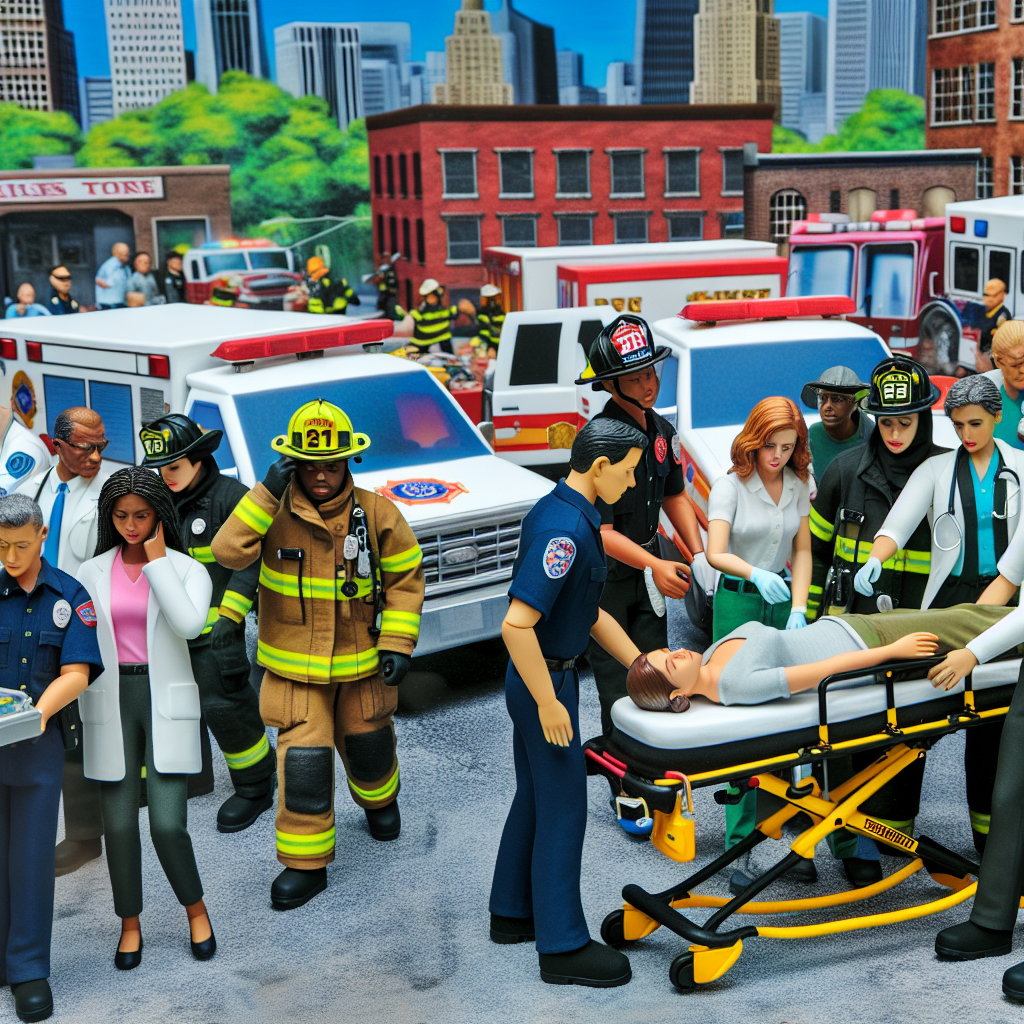
National First Responders Day, observed on October 28th each year, serves as a powerful acknowledgment of the courage, dedication, and essential service rendered by first responders—paramedics, EMTs, firefighters, police officers, and 911 dispatchers—who tirelessly put themselves on the line for public safety. This day is not merely a date on the calendar, but a collective moment where communities can pause to reflect on the sacrifices these brave individuals make every day, often at great personal risk.
Historical Context
The establishment of National First Responders Day was propelled by grassroots advocacy following the tragic events of the 2013 Boston Marathon bombing. In memory of Sean Collier, a police officer who was killed during the ensuing manhunt, his brother, Andrew Collier, campaigned for a national day of recognition for all first responders. This campaign garnered significant momentum, resulting in a bipartisan Congressional resolution that was passed in 2017, officially marking October 28 as a day to honor these heroes. Over the years, additional support further cemented this occasion in our national conscience, demonstrating a profound commitment to recognizing the sacrifices made by public safety personnel.
Importance of Recognizing First Responders
The observance of National First Responders Day emphasizes the critical role these professionals play in ensuring community safety and resilience. Acknowledgement on this day fosters appreciation, goodwill, and respect between first responders and the citizens they protect. Studies reveal that a large percentage of first responders experience mental health challenges, including post-traumatic stress disorder (PTSD), due to the high-pressure situations they regularly encounter. As such, public acknowledgment not only boosts morale but also plays a pivotal role in promoting mental well-being, especially regarding first responder mental health challenges.
Expressing Gratitude
Communities can express their appreciation for first responders in numerous impactful ways. Here are eleven actionable suggestions inspired by the commitment to supporting these heroes:
- Send Handwritten Thank-You Cards: Personalized notes can mean a lot, showing first responders that their efforts are valued.
- Organize Community Appreciation Events: Host events at local fire stations or police departments, inviting discussions and fostering connections between citizens and responders.
- Volunteer with Local Agencies: Offer time and skills to help fire departments or EMS agencies with community outreach, fundraising, or administration.
- Social Media Acknowledgments: Share stories online about positive interactions with first responders, showcasing their impact and courage.
- Participate in Charity Events: Join or organize charity runs and fundraisers that support first responder causes, reinforcing community support.
- Support Mental Health Resources: Advocate for increased funding and resources dedicated to the wellness of first responders, emphasizing their mental health needs.
- Promote Local Safety Events: Engage in events such as “Coffee with a Cop” to encourage open dialogue and understanding between citizens and law enforcement.
- Corporate Sponsorship: Businesses can provide discounts or sponsorships for meals and equipment that support local first responder units.
- Formal Ceremonies: Participate in or organize recognition ceremonies that honor first responders for their dedication and bravery.
- Community Education: Facilitate educational sessions about first responders’ roles and contributions, increasing community awareness and empathy.
- Engage with Local Legislators: Advocate for policies that prioritize public safety funding, mental health resources, and adequate staffing for emergency services.
In conclusion, National First Responders Day is a vital reminder of the sacrifices made by those who protect our communities. By actively expressing gratitude and advocating for their needs, we contribute to a culture of appreciation and support that enhances the resilience of our public safety services.
| Actionable Way | Description | Potential Impact |
|---|---|---|
| Send Handwritten Thank-You Cards | Personalized notes convey appreciation and gratitude. | Boosts morale and strengthens personal connections. |
| Organize Community Appreciation Events | Host local gatherings to acknowledge first responders. | Fosters community bonds and allows for direct interactions. |
| Volunteer with Local Agencies | Offer skills and time to support first responder initiatives. | Enhances community support and resource availability. |
| Social Media Acknowledgments | Share positive experiences online regarding first responders. | Raises awareness and promotes public appreciation. |
| Participate in Charity Events | Join or organize events that benefit first responder causes. | Directly supports funding for necessary resources. |
Community Outreach Programs
Community outreach programs play a crucial role in bridging the gap between first responders and local residents. Here are several initiatives that can enhance community engagement and strengthen ties with first responders:
Community Policing Initiatives
These programs emphasize direct interactions between police officers and community members through foot and bicycle patrols, regular community meetings, and neighborhood engagement. They foster trust and collaboration, allowing officers to address local concerns more effectively.
Educational Programs
Citizen Police Academies and youth engagement initiatives foster understanding of police operations, providing citizens with insight into law enforcement. Programs like crime prevention seminars empower communities with crucial safety knowledge.
Community Paramedicine
EMT programs that provide non-emergency care directly in neighborhoods foster trust as paramedics engage with residents regarding health concerns. This continuous interaction ensures community members feel supported, leading to enhanced public health.
Fire Safety Education
Fire departments often host educational programs in schools focused on fire prevention, safety measures, and emergency preparedness. These initiatives build awareness and cultivate proactive safety habits among residents.
Open Houses and Community Events
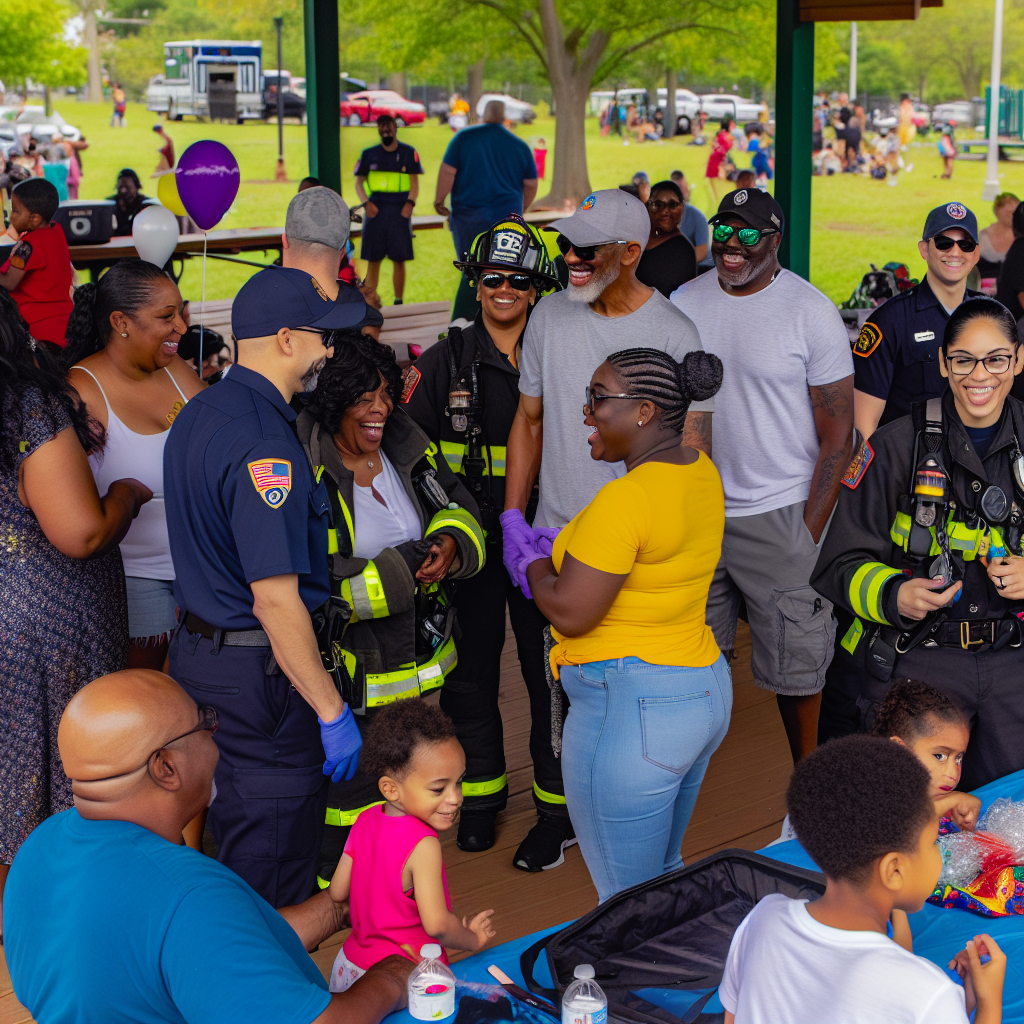
Informal events like open houses and community safety days allow citizens to meet first responders, learn about their roles, and engage in casual conversations. These personal interactions humanize first responders and strengthen community bonds.
By participating in these outreach programs, community members can actively support first responders while creating a safer, more engaged neighborhood.
For more information on effective community outreach, explore additional resources about fire safety outreach programs and community involvement strategies.
Mental Health Resources for First Responders
First responders are consistently exposed to traumatic events, which puts them at a significantly higher risk for mental health challenges compared to the general population. Conditions like Post-Traumatic Stress Disorder (PTSD), depression, anxiety, and burnout are prevalent among these dedicated individuals. Recent studies indicate that approximately 30 percent of first responders struggle with various behavioral health conditions, and alarming statistics reveal that over half may screen positive for probable PTSD. In New York State alone, 68 percent of first responders reported experiencing stress, with 59 percent suffering from burnout. Furthermore, up to 22 percent of law enforcement officers endure severe PTSD symptoms, and rates of suicidal ideation among first responders are reported to be four times higher than the general public.
To address these critical issues, it is imperative to provide mental health resources tailored to the unique needs of first responders. The following are essential support systems:
| Resource Type | Service/Provider | Description | Contact/Website |
|---|---|---|---|
| Crisis Support | 988 Suicide & Crisis Lifeline | 24/7 support for mental health crises, connecting to trained counselors. | Call or Text 988 |
| Peer Support Programs | Various Networks | Trained first responders offering emotional and practical support to colleagues. | Typically agency-specific |
| Specialized Mental Health Programs | Survive First | Focuses on reducing first responder suicide through education, peer support, and resource provision. | survivefirst.us |
| Organizational Support | SAMHSA | National programs addressing behavioral health concerns, including suicide prevention. | samhsa.gov |
| Professional Therapy | Various Therapists | Specialized therapy approaches (e.g., Trauma-Focused CBT, EMDR) available through licensed providers. | Consult local mental health professionals |
| Community Resources | NAMI | Provides resources and support specifically for public safety professionals and their families. | nami.org |
While the statistics underscore the urgency of addressing mental health in this profession, it is just as vital to cultivate a culture where these individuals feel safe seeking help. This includes reducing stigma through open conversations, training, and proactive leadership within agencies. The community should play an integral role by advocating for support, encouraging first responders to utilize available resources, and showing appreciation for their invaluable service.
Experiences of First Responders
Gratitude and community support play a vital role in the emotional resilience of our first responders. Many express that while genuine appreciation can uplift their spirits, it does not replace the urgent need for funding and proper staffing. As one responder put it, “Gratitude can’t replace funding or proper staffing, but it can go a long way toward letting responders know their work matters.” This highlights the reality that while we can recognize their courage and commitment, tangible support is equally necessary to ensure their wellbeing.
First responders often report feeling valued when their sacrifices are acknowledged, but they also emphasize the need for systemic changes. “We face high-pressure situations every day, and while a thank-you means the world, knowing that our staffing concerns are being taken seriously is essential to continue serving our communities effectively,” shared another responder. These sentiments remind us that community support must address both the emotional and practical aspects of first responders’ needs.
Conclusion
In conclusion, fostering a culture of appreciation for first responders is vital for strengthening community bonds and ensuring the well-being of those who protect and serve us. Their dedication often goes unnoticed, and our gratitude can provide a powerful sense of recognition. Throughout this article, we have explored many ways individuals and communities can express thanks—whether through handwritten notes, community events, or supportive mental health resources.
By participating in these efforts and advocating for their needs, we can contribute meaningfully to the narrative surrounding public safety personnel.
Community support programs are crucial in addressing the mental health needs of first responders, yet significant barriers inhibit their adoption. Key findings indicate that there is a strong perceived need for mental health support among first responders; however, many do not engage with available resources. A striking 80% of respondents identified stigma as a primary obstacle to seeking help, and 78% cited not recognizing their own need for assistance as an additional barrier. This suggests that even when programs are accessible, low participation likely occurs.
Concerns regarding confidentiality and provider competence also play a role in hindering engagement. Approximately 75% of first responders reported a lack of mental health professionals who understand the unique challenges of their roles, and 72% expressed doubts about the confidentiality of support services. This can erode trust and discourage participation in mental health programs.
Moreover, the culture within first responder professions often emphasizes resilience and self-reliance, leading to a resistance to acknowledging vulnerability and seeking external support. Despite these challenges, qualitative reports highlight the perceived benefits of peer support programs, which are recognized for offering culturally relevant assistance and normalizing mental health discussions.
Finally, there is a pressing need for rigorous evaluation of these support programs. Tracking adoption rates and correlating them with measurable improvements in mental health and job satisfaction metrics are essential for validating the effectiveness of community initiatives. In conclusion, while the need for mental health support is evident, systemic barriers significantly restrict engagement, indicating an urgent call for community outreach and resource development to improve participation rates.
| Year | Event/Development | Description |
|---|---|---|
| 2013 | Boston Marathon Bombing | The tragic events prompted discussions about recognizing the sacrifices of first responders. |
| 2017 | Bipartisan Congressional Resolution | The resolution passed to establish National First Responders Day on October 28. |
| 2018 | First National Observance | The inaugural National First Responders Day was observed, highlighting the contributions of first responders. |
| 2021 | Increased Awareness and Support | Growing community events and initiatives to honor first responders and mental health resources became available. |
| 2023 | Continued Advocacy | Ongoing efforts to enhance recognition and support for first responders across the United States. |
Call to Action
As a community, we have the power to uplift our first responders through consistent appreciation and support. By participating in local events and initiatives, we can foster stronger bonds with those who serve us selflessly. Let’s take action to advocate for their well-being by engaging with programs aimed at mental health support, public awareness, and community safety.
Here are some valuable resources to explore:
-
Understand the significance of mental health support for first responders:
Peer Support Programs for First Responders -
Learn how community education supports first responders:
How Community Education Supports First Responders -
Find out more about crisis intervention and behavioral health response strategies:
Connection and Community: Strengthening Wellness for Public Safety -
Explore community responder programs and their definitions:
Developing a Common Definition for Community Responder Programs
Together, we can create a culture of gratitude and appreciation for our first responders that not only honors their sacrifices but also addresses their vital needs.