
Fire trucks are not just vehicles—they’re symbols of bravery and critical tools in emergency response. As we dive into the world of fire trucks, you’ll discover their key components, differences from fire engines, and the vital role they play in saving lives. From aerial ladders and hydraulic rescue tools to high-pressure pumps and cutting-edge technology, each chapter will expand your knowledge and appreciation for these complex machines. Whether you’re a collector, an aspiring firefighter, or a professional in emergency services, this comprehensive guide aims to deepen your understanding of fire trucks and their evolution over time.
Inside the Engine of Rescue: A Close Look at the Core Components of What a Fire Truck Is
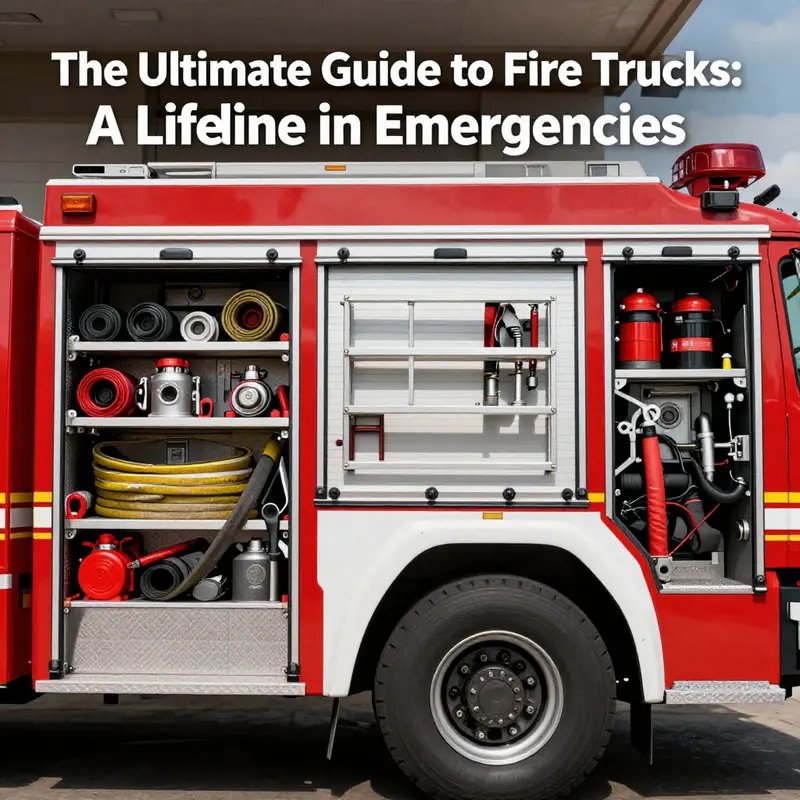
When the siren cuts through the night and the doors swing open, a fire truck becomes more than a vehicle. It is a compact, purpose-built workplace on wheels, a moving intersection of water systems, lifting mechanisms, tools, and life-saving equipment. The understanding of what a fire truck actually is begins with a simple premise: at the scene of danger, pressure and reach matter as much as courage and speed. A modern fire truck is designed to turn a volatile situation into a managed operation. It carries the gear and systems that let firefighters move from awareness to action with precision, from the first report of smoke to the last rescue or the final extinguishment. To grasp how it accomplishes so much, it helps to walk through its core components and the ways they work together, not as isolated gadgets but as parts of a cohesive system built for rapid, adaptable response.
Central to the truck’s mission is water delivery. The onboard water tank and pump system form the backbone of firefighting capability. The tank holds a substantial amount of water, enough to begin suppression before a reliable external supply is secured. The pump takes that water and increases its pressure, pushing it through hoses and out through nozzles with a deliberate, controllable flow. This combination—stored water plus a high-pressure pump—enables responders to initiate firefighting even before a hydrant is found or a reserve source is connected. In many layouts, the pump is calibrated not just for raw force but for the kinds of fires a crew expects to encounter, with settings that help maintain a steady stream that can reach a long distance without losing reach or effectiveness. The dynamic balance between water on board and the ability to draw more from an outside source is a crucial design consideration. It means that the truck functions as both a portable reservoir and a relay station, ready to spark a broader water network to the scene the moment the first line is laid.
Hoses and nozzles are the connective tissue between this power and the flame. Long hoses coil neatly on reels or racks, accessible to the crew as soon as they arrive. They can be connected directly to the pump, allowing water to move from the tank to the nozzle with minimal delay. The nozzle itself is more than a simple outlet; it is a precision instrument. Firefighters choose a spray pattern—straight stream for distance and reach, fog or spray for cooling and smoke control, or a solid jet when penetration is needed—based on the fire’s size, location, and fuel. The hose network must therefore be robust, flexible, and reliable. It is common to see a blend of large hard sleeves for durable, high-volume flow and smaller, more maneuverable hoses for tight spaces and rapid repositioning inside a building. The ability to adapt the hose layout quickly during a changing scene is a fundamental skill taught in training but also engineered into the truck’s design through hose beds, reels, and compartments that keep gear organized under pressure.
When the fire ramps up to a higher, more inaccessible area, the ladder and aerial components come into play. An extendable ladder or platform provides access to upper floors, enabling rescue of occupants and direct attack from above when ground access is blocked or insufficient. The aerial reach must be reliable and controllable, with stabilizing features that keep the crew and their equipment safe while they operate at height. Yet the ladder is not just about climbing; it is a line of retreat and a vantage point. From the elevated position, firefighters can translate information from ground crews to the people trapped inside and support operations through better visibility and smoke management. The ladder also serves as a conduit for gear and people, an elevator of sorts in the most literal sense, allowing rapid movement of responders when time is the critical factor.
A broad set of firefighting tools sits alongside these primary systems. Fire trucks carry axes, prying tools, and hydraulic cutters that enable entry when doors are barred, walls are collapsed, or debris blocks the way. The term hydraulic cutters refers to power-assisted tools that exert great force to release trapped victims or to separate metal components in wreckage. By design, these tools are compact but potent, and their effectiveness hinges on the operator’s skill and the truck’s readiness. The tools work in concert with ventilation devices that are deployed to clear smoke and heat from a structure. Ventilation is essential for improving visibility, reducing heat, and creating safer conditions for occupants and firefighters alike. A well-planned ventilation approach can dramatically alter the pace of an operation, turning a chaotic environment into a series of manageable spaces where risk is mitigated and progress can be measured.
To ensure the team remains coordinated and visible amid the confusion of a fire scene, the truck is equipped with emergency lights and audible signals. These devices are not mere accessories; they are the enabling technology that moves responders and other road users out of danger in real time. The lights illuminate the path, highlight the truck’s location to other drivers, and help crew members work more effectively at a dangerous site. Sirens provide the audible cue that time is of the essence and that the team needs space to operate. Beyond firefighting, many modern fire trucks carry medical equipment to support immediate life-saving interventions. Basic life support devices, such as automated external defibrillators and trauma kits, are part of the dual mission many departments carry out—extinguishing flames and stabilizing patients in the crucial minutes before hospital care arrives. In this sense, the vehicle acts as a mobile medical unit as well as a fighting machine against fire.
The architecture of a fire truck is a study in purposeful redundancy. Every system is designed to compensate for the others’ limits, ensuring that if one pathway falters, another remains usable. The onboard water supply can buy time while a hydrant supply is established; the ladder can provide rescue options even when access is compromised; and the array of tools and ventilation equipment can adapt to a range of structural challenges. This redundancy is not a luxury but a necessity, given the unpredictable nature of emergencies. It reflects a broader philosophy of firefighting: prepare for the worst, move decisively, and maintain control of the scene through a well-integrated set of capabilities. The vehicle’s compartments and mounting points are therefore not mere storage spaces; they are part of a disciplined workflow that preserves speed, organization, and safety.
An important distinction within the firefighting world helps illuminate why a fire truck is different from a fire engine, even though casual conversation often blurs the line. The fire engine, or pumper, is typically the first responder trained and equipped to deliver water to the scene using its onboard pump and hose system. A fire truck, especially those built as ladder trucks, arrives with the specialized equipment for high-level access and complex rescue operations. This separation of roles reflects a practical division of labor that aligns with the evolving needs of urban and rural communities alike. In practice, a scene may begin with the engine’s water flow and quickly pivot to the truck’s reach and tools for a multi-story or structurally challenging scenario. Yet the term fire apparatus remains the umbrella term used in technical documents to describe all such vehicles and the systems they carry, even as everyday language narrows to familiar phrases.
The synergy of these components is best understood not as a catalog of parts but as a narrative of response. When a call comes in, crew members evaluate the building, the risk to occupants, and the available water supply. They deploy the onboard tank while scouting for hydrants or external sources. They extend the ladder to create access and rescue routes, all while listening for indicators from the interior teams, who move through doorways with tools and breathing apparatus that keep them safe in smoky, dangerous air. The ventilators push out the smoke, revealing clearer zones for both inside responders and for civilians seeking refuge. In this choreography, every element has a purpose that extends beyond its individual function. The water system keeps flames at bay; the ladder unlocks vertical routes; the tools pry, cut, or lift obstacles; the ventilation improves the working environment; lights and sirens command attention and keep the team moving in harmony; and medical equipment ensures that life-saving care can begin immediately. This is the essence of what a fire truck is: a specialized, highly integrated platform that makes a crisis navigable rather than merely survivable.
For readers curious about how these configurations appear in the real world, it helps to visualize the diversity of layouts and equipment. The essential concept remains consistent: a truck is built to extend reach, sustain water supply, and provide immediate access to critical tools, while still acting as a mobile base of medical readiness. Departments tailor these details to their local conditions, budgets, and response strategies, but the underlying logic of readiness remains constant. As budgets, terrain, and incident types shift, so too do the configurations, yet the fundamental trio of water delivery, elevated access, and versatile tools continues to anchor the design. When a community contemplates upgrading or expanding its fleet, it often weighs these core elements against expected response patterns, considering how each component contributes to faster, safer, and more effective outcomes on the ground. And for anyone tracking the evolution of firefighting technology, the picture is not static; it reflects ongoing refinements, from increased water efficiency and lighter materials to smarter tool integration and better crew ergonomics.
In the broader arc of fire service knowledge, appreciating the components of a fire truck is appreciating the discipline of emergency response itself. Each feature tells a part of the story: water and pump systems are the lifeblood that begin control of a fire; the ladder and aerial reach open pathways to safety and rescue; and the array of tools, ventilation, and medical equipment translate training into tangible action. Together, they form a single, coordinated system designed to convert fear and chaos into organized, life-preserving activity. As responders roll toward danger, the vehicle embodies a commitment to readiness, a promise that even the most daunting environments can be approached with skill, strategy, and a shared dedication to saving lives. For those who want to explore how such machines are brought to life in the field, the ongoing dialogue about equipment layouts and procurement decisions offers a window into the evolving priorities of public safety, steering toward configurations that better serve communities now and in the years ahead. As you move to the next chapter, consider how the interplay of these components shapes not just a response to fire, but the broader culture of readiness that underpins every call for help. And if you are curious about how these configurations translate into real-world purchasing and customization options, you can explore examples in the market, such as listings that showcase current fire-truck configurations and capabilities. fire-trucks for sale.
For a visual breakdown that complements this description, see The Anatomy of a Fire Truck infographic. It offers a quick reference to how the pieces fit together and why each serves a critical role on scene. https://www.trucksite.com/fire-truck-anatomy-infographic/
Rising to the Call: How Fire Trucks Extend Reach, Rescue, and Support Firefighting Beyond the Engine
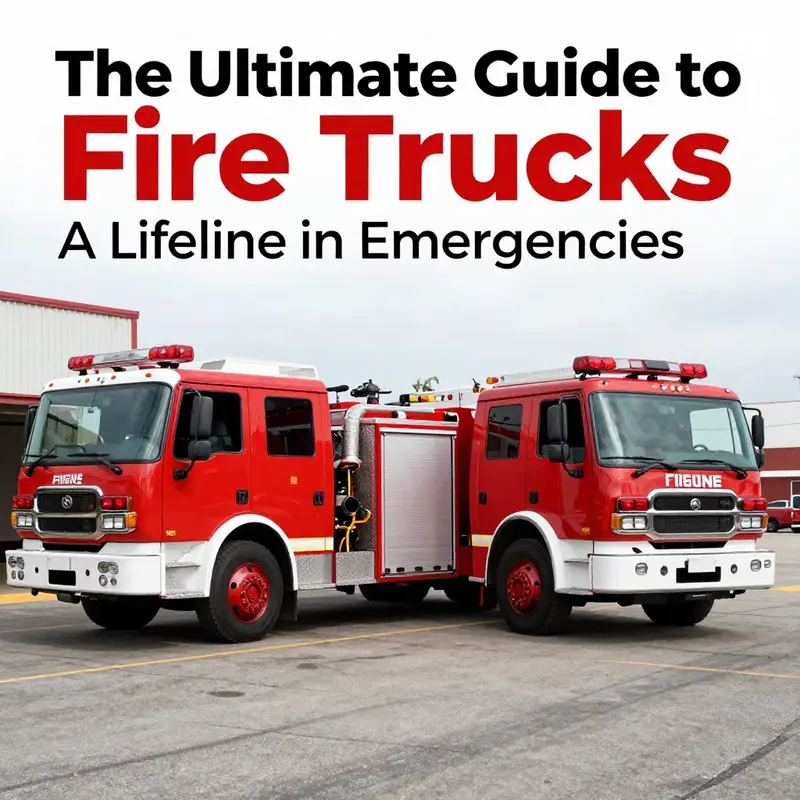
When people hear the term fire truck, they often picture a gleaming vehicle rolling toward a blaze with sirens wailing. In truth, the phrase labels a broader category of specialized fire apparatus, each built to perform a distinct set of tasks. The everyday conversation sometimes treats fire truck and fire engine as interchangeable, yet in the fire service, the distinction matters because the two types contribute different capabilities to a coordinated emergency response. A chapter on what a fire truck is would be incomplete without recognizing that, at the scene, it does not stand alone. It must work in concert with the engine, the pump, the ladder, and the crew to move from danger to rescue and back to safety. The vehicle you call a fire truck, in effect, is a platform for access, rescue, and structural intervention, while the fire engine is the workhorse for water supply and suppression. Understanding this division helps illuminate how firefighters approach a building fire, a collapse, or a vehicle crash with a strategy that prioritizes both entry and egress, as well as life safety for those trapped inside.
A fire engine, in its most common form, is a pump-and-tump vehicle designed to deliver water where it is needed. It carries a substantial onboard water tank, commonly ranging from several hundred to a thousand gallons, and a high-capacity pump to move that water through hoses at pressure suitable for extinguishing flames. The engine’s core purpose is to bring water to the scene and maintain a steady flow as firefighters attack the fire from the safest possible position. It is often the first apparatus to arrive, providing the initial water supply, the basic suppression lines, and the tools necessary for rapid attack, such as hoses, nozzles, and a variety of adapters. In many urban contexts, the engine is the workhorse of suppression: it lays out the supply lines, establishes the attack, and forms the bedrock around which a larger operation can pivot. Yet the engine’s strength lies in its ability to move water efficiently, to push it through tight hose bundles, and to adapt to changing conditions on the ground.
The fire truck, by contrast, is a vehicle designed to reach elevated areas and to support search, rescue, ventilation, and structural stabilization. Its primary tool is the aerial ladder or platform, which can extend up to significant heights to provide access to upper floors, rooftops, and other hard-to-reach spaces. The ladder opens doors to rescue those stranded above ground, but it also enables dangerous work to proceed from a protected height. Firefighters can use the platform to perform roof ventilation, where hot gases and smoke are released to improve visibility and reduce backdraft risks, or to create a safer path for occupants by signaling egress routes. The truck’s equipment complement often includes axes, forcible-entry tools, ventilation fans, ropes, lighting, and rescue gear designed to reach, lift, and maneuver. While some fire trucks carry water tanks or pumps, their central mandate is not rapid water delivery. Instead, the vehicle acts as a specialized support element—an elevated platform for access, a staging area for rescue operations, and a center for structural assessment and life safety tasks.
Inside and behind these two roles lies a shared commitment to readiness. A fire truck carries breathing apparatus and safety gear for use in hazardous conditions, where smoke, toxic fumes, or unstable structures can threaten both those inside and those attempting to rescue them. The onboard equipment is selected to support search-and-rescue operations, vertical access, and the tactical needs of the incident commander. In a multi-story fire, the ladder truck’s reach becomes a critical advantage, allowing firefighters to locate victims, stage rescue teams, and coordinate an orderly egress path. At the same time, the engine remains indispensable for securing a continuous water supply if hydrants are nearby or if a portable water source is required. The interplay between engine and truck is not about one replacing the other; it is about synchronizing a spectrum of capabilities to control the scene and reduce risk to both civilians and responders.
This distinction, though crisp in theory, becomes more nuanced in practice as departments vary in their organization and equipment. Some urban departments maintain separate engines and ladders to ensure dedicated capabilities are always available, while others deploy modern apparatus that blend functions into hybrid platforms. In places with limited space or stringent budgets, crews may rely on vehicles that perform a blend of water delivery and elevated access. Even when a truck carries a pump, the flow is often designed to support rescue work and ventilation rather than to serve as the primary suppression unit. The essential point remains: the truck’s strength is access, rescue, and structural intervention, while the engine’s strength lies in establishing water supply and applying extinguishing force. The distinction helps explain why a high-rise response requires both a ladder truck and an engine, with command coordinating their separate but complementary missions.
From a design perspective, the two vehicles reflect their expected environments. Ladder trucks are built to bear the weight of an articulated lift, stabilize a long aerial formation, and carry a crew ready for vertical operation. Their cabs are roomy enough for a team, and their chassis must endure extended reach and frequent deployment under load. Onboard tools emphasize entry, egress, and rescue: hydraulic cutters and spreaders for vehicle extrication, forcible-entry gear for locked doors or barricaded spaces, ventilation equipment to adjust air flow, and lighting to illuminate a scene when natural light fades. The crew’s protective gear, including breathing apparatus, is always close at hand because hazard exposure grows as operations transition from suppression to rescue.
In contrast, fire engines are optimized for water management. They house large hoses, a wide array of nozzles, and a powerful pump that creates a pressurized stream capable of reaching a flame front. The water supply is the engine’s lifeblood; without it, suppression work stalls. This is why the engine’s crew prioritizes rapid water deployment and the ability to move water from a hydrant or other source to the fire area with minimal delay. A typical response sequence might begin with an engine arriving to establish water flow, followed closely by a truck bringing its elevated access to the upper floors for search, rescue, and ventilation. The two vehicles, working in tandem, create a dynamic that can shift as the incident evolves. As conditions change—smoke thickens, floors collapse, or victims are found—the truck’s reach and the engine’s water delivery converge to secure the best possible outcome.
The public often learns about these vehicles through demonstrations or dramatic scene footage, which can obscure the underlying complexity of modern firefighting. Fire apparatus are not static tools; they are flexible platforms designed to adapt to a wide range of emergencies, from high-rise fires to vehicle crashes and structural collapses. The broader category, sometimes called fire apparatus, encompasses all vehicles and systems that support firefighting and rescue. This umbrella term reminds us that every response is a team effort, with engines and trucks serving complementary roles. Even when a department uses mixed platforms or hybrid designs, the same fundamental logic applies: water delivery versus access, suppression versus rescue, and the continuing need for careful scene management and crew safety.
For readers seeking greater context on the evolving definitions and the technical nuance behind these distinctions, a deeper technical overview can be found through broader resources that describe how different apparatus types fit within standard fire service practices. If you want a concise path to related discussions, consider exploring general fire service content on the broader fire-truck knowledge space, which can offer additional perspectives and historical context. A useful starting point is a general fire service blog that frames these ideas in accessible terms and connects readers with broader topics about apparatus design, maintenance, and deployment. firetruck.space/blog.
As conversations about preparedness and safety continue to shape public understanding, the distinction between fire engine and fire truck remains a practical shorthand for a complex reality. The engine provides relentless water supply and suppression capability, the truck provides elevated access and rescue capacity, and together they represent a coordinated clinical approach to fireground operations. In this light, the question ‘what is the fire truck?’ moves beyond simple labeling. It becomes an invitation to recognize how protective systems, engineering prowess, and disciplined teamwork converge at the moment of ignition to control a threat, protect life, and preserve property. The chapter you just read is a reminder that the fire service, at its core, is a living practice in which terrain, building design, urban density, and weather all shape the way apparatus are chosen, equipped, and deployed. The best way to appreciate this is to observe the scene, listen to the cadence of the crew, and notice how the vehicle that carries the ladder or platform is just as vital as the one that carries the water and power. Each vehicle has a role to play, and each role is essential for turning fear into safety and chaos into order.
External resource for deeper technical context: https://www.nfpa.org/About-the-NFPA/What-We-Do/Fire-Prevention-and-Safety/Types-of-Fire-Apparatus
On the Front Lines: The Fire Truck’s Central Role in Coordinated Emergency Response
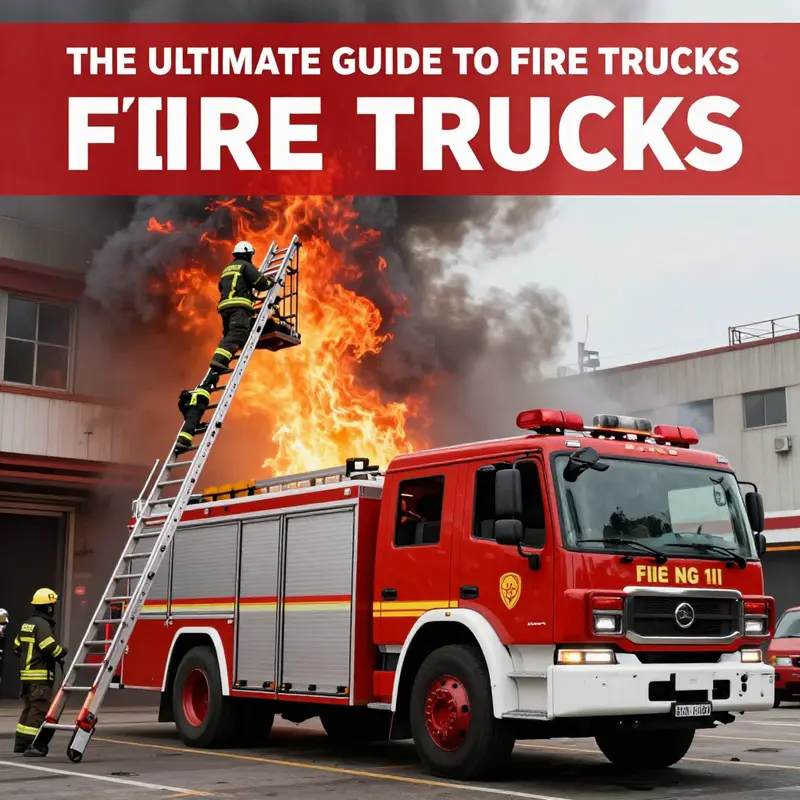
Siren songs aside, the fire truck is more than a loud signal of danger. It is a carefully engineered instrument of readiness designed to transform fear into a container of options at the moment of crisis. In the broad arc of emergency response, the fire truck occupies a central position. It is the first responder with a built-in toolbox for rapid suppression, delicate rescue work, and the kind of on-the-ground system thinking that keeps residents safe while longer, heavier tasks are organized in the background. The vehicle itself is a floating workshop on wheels, a rolling command post that carries a line of tools, a core of people, and a plan that unfolds in real time as the situation reveals itself. The concept is simple in principle: bring essential capabilities to the scene as quickly as possible, then adapt those capabilities to the evolving needs of the incident. Yet the execution is anything but simple. It depends on precise coordination, dependable equipment, and crews trained to think clearly under pressure.
A fire truck represents a synthesis of power and precision. Its most visible features—the tall aerial ladder or platform, the rugged chassis, the breathing apparatus, and the array of hydraulic and mechanical tools—work in concert to accomplish tasks that would be impossible by foot or by hand. The aerial ladder is a defining tool because it extends the firefighters’ reach beyond the ground, granting access to upper floors, rooflines, and elevated rescue envelopes where people may be trapped. A sudden collapse, a high-rise fire, or a stalled elevator door can require a vantage point that ground-level operations simply cannot provide. The ladder becomes both a means of escape for trapped occupants and a vantage for rescuers to monitor heat, smoke, and structural cues from a safe, controlled angle.
The hydraulic tools tucked aboard are another pillar of the truck’s versatility. In the language of rescue, these tools translate the raw pressure of a pump into decisive action. They enable space to be created in wreckage, doors to be pried, or metal debris to be moved in ways the human body cannot. The goal is to extricate without compounding injuries or creating new hazards. Because time is a volatile resource, the efficiency of these tools—how quickly they can cut, spread, or compress—often becomes a deciding factor in outcomes. To speak plainly, the fire truck embodies the principle that modern rescue hinges on converting energy into controlled, purposeful movements.
A high-pressure water pump and hoses are the third pillar. Even when a truck carries a limited onboard water supply, its real power lies in the ability to connect to hydrants or external water sources, maintaining a continuous flow that can flood away heat and suppress flames with rapid, sustained application. The water capacity varies from one apparatus to another, and the numbers can be a reminder of the practical limits that crews must manage in the heat of the moment. The core idea remains: water, directed with skill, buys time, reduces danger, and limits the spread of fire. Firefighters must balance water flow, heat release, and the structural integrity of the scene, a balance that requires both experience and a reliable mechanical system.
Breathing apparatus and protective gear are not luxuries but lifelines carried on every call. The air supply, filters, and protective clothing enable responders to operate inside environments that would otherwise be toxic or lethal. The equipment is designed to withstand heat, smoke, and chemical exposure while maintaining mobility. Each piece of gear is part of a larger safety system, a quiet, careful counterweight to the chaos around the blaze. The crew members trained to use this gear are more than technicians; they are decision-makers who must interpret evolving conditions, communicate clearly, and adapt tactics as conditions change. This emphasis on human judgment under pressure is a reminder that the fire truck is as much about people as it is about parts.
In North American terminology, the distinction between a fire engine and a fire truck is not merely linguistic. It reflects distinct roles within the same critical mission. A fire engine, often called a pumper, is typically the first responder focused on delivering water to the scene and suppressing the fire with its onboard pump and hose lines. The fire truck, or ladder truck, arrives when there is a need for elevated access or specialized rescue equipment. The separation of duties helps ensure that the most efficient resource is deployed for the challenge at hand. Yet in everyday conversation, the lines blur, revealing how a well-coordinated team relies on both vehicles to function as a unified system of response. In the policy and regulation world, the broader term fire apparatus is used to describe all these vehicles and their interlocking systems.
Beyond the familiar streets, the role of the fire truck has grown in surprising directions, reflecting an expansive view of emergency response. In some regions, a railway variant—the fire train—has emerged as an adaptive solution for rail networks. The concept is not simply about transporting water to a distant site; it is about transforming a moving asset into a multifaceted emergency response unit. A railway fire unit can convert into a firefighting platform, a rapid-water supply vehicle, or even a cleaning unit that maintains rail infrastructure in the aftermath of an incident. Its emphasis on rapid deployment along rail corridors addresses access challenges posed by remote routes, dense urban rail yards, or sections of track obscured by terrain or weather. The mobility of such systems mirrors the broader trend toward integrated, cross-domain response capabilities.
The rail-based example also highlights how the fire service adapts to new kinds of hazards. When a passenger train faces a medical emergency, the response team must blend firefighting readiness with medical care protocols. Stopping a train at a station or a safe turnout becomes a tactical decision that can save lives by providing quicker access to advanced medical support. The narrative around these moments—such as a scenario where a train halts briefly to permit medical assistance—illustrates how fire and medical services coordinate under real-time conditions. Real-time communication systems, pre-established procedures, and trained staff who can mobilize onboard safety equipment become as essential as the physical tools on the vehicle.
This broader view of the fire truck as a flexible, multi-mission platform underscores its central place in preparedness. Backups are a standard feature of modern operations: power sources, living facilities, and storage for supplies enable crews to sustain extended operations during major disasters. Regular drills, interagency exercises, and scenario-based training ensure that teams move with confidence rather than hesitation. The goal is not only to suppress flames but also to stabilize scenes, protect civilians, and preserve the integrity of essential infrastructure. In this sense, the fire truck stands for readiness—an embodiment of the maxim that every second counts. Its equipment and the people who operate it are a living testament to the careful balance between speed, control, and compassion when crises unfold.
To appreciate how deeply the fire truck is woven into the fabric of emergency response, consider its role within the entire system of public safety. The vehicle is a node in a network that includes dispatch centers, command staff, medical teams, and utility responders. The efficiency of this network depends on clear communication, shared terminology, and interoperable procedures. When a fire truck arrives, it does so with a plan, a team, and a readiness to adjust that plan to the realities on the ground. The result is a coordinated, flexible response that can scale from a small dwelling fire to a mass-casualty incident, all while maintaining the core principle of protecting life and property.
For readers seeking a more nuanced look at cross-cutting command challenges, an accessible exploration of how agencies navigate complex command structures can illuminate the less visible, but equally critical, layers of effective response. Overcoming challenges in fire command systems offers a thoughtful discussion of how decisions are made under pressure, how information is prioritized, and how teams keep communication lucid when stakes are highest. This thread of coordination is not a tangent; it is the backbone that keeps the entire apparatus—from the engine to the truck, from rail to road—moving in concert.
In the end, the fire truck is not merely a machine with hoses and ladders. It is a compact, efficient sanctuary of capability assembled to restore control in moments of fear. It embodies a philosophy of response that treats time as a resource to be managed with precision. It is a symbol of the human impulse to act, to organize, and to protect. As the world continues to urbanize and new hazards emerge—from structural instability to the complexities of large-scale transit networks—the fire truck will continue to evolve. Yet at its core remains a simple truth: when danger arrives, the fire truck is there to meet it with trained hands, purposeful tools, and a plan that keeps people safe. The next chapter will explore how these principles translate into the design and deployment of specialized firefighting vehicles in diverse environments, further revealing how the fire service adapts its craft to the places where communities live. External resource: https://www.chinanews.com.cn/gn/2018/10-27/8655867.shtml
Beyond the Hose: How Technological Innovations Reframing What a Fire Truck Is
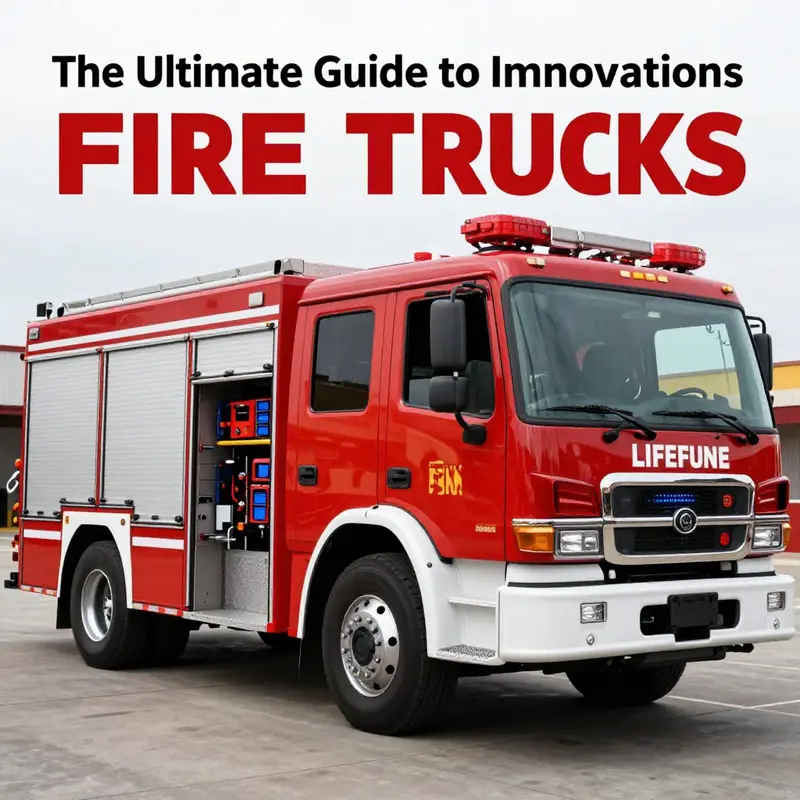
A fire truck, even in the most traditional sense, is more than a vehicle meant to deliver water. In the common American English usage, it has long signified a heavy, specialized apparatus built to support firefighting and rescue operations. Yet the modern fire service increasingly views the fire truck as part of a broader, integrated system. It is not just a means of delivering water or raising an ladder; it is a mobile command post, a platform for rapid access to high places, a standalone power unit, and a guardian for the people inside a burning building or stranded in a collapsed space. As this view expands, the distinction between a fire engine and a fire truck—between the first line of water delivery and the second line of high-access, specialized capability—becomes a lens for understanding how technology is reshaping emergency response. The vehicle’s mission remains the same in spirit: to save lives, protect property, and reduce harm. But the tools, the data, and the ways crews interact with the machine have grown more sophisticated, turning a complex machine into a connected, intelligent system that can adapt under pressure and across terrains that once posed insurmountable obstacles.
To appreciate the present, it helps to recall the core components that have long defined a fire truck. Aerial platforms extend reach to upper floors, enabling rescues and allowing firefighters to direct their water streams with precision from elevated angles. Heavy hydraulic tools, designed for cutting through metal and prying apart wreckage, give responders the leverage needed to free trapped victims. High-pressure water systems and hoses remain central, while onboard breathing apparatus and safety gear are essential for maintaining crew safety in hazardous atmospheres. In the North American fire service, these elements sit alongside the expectation that the vehicle can function as a mobile hub for incident command, communications, and coordination across multiple agencies. The result is a formidable platform whose capabilities extend far beyond the simple presence of a pump or a ladder.
As the industry evolves, one of the most visible shifts is toward electrification and greener manufacturing. Manufacturers are pursuing fuel-efficient designs and cleaner production processes, reducing environmental impact while preserving or enhancing performance. Hybrid and electric propulsion concepts promise lower emissions at idle and during stationary operations and can lead to quieter, less congested layouts at roadside scenes. The move toward greener design is not merely about compliance; it is about long-term cost efficiency. Fewer moving parts, advanced battery management, and smarter energy chains can shorten maintenance cycles and extend vehicle life, translating into predictable budgets for public safety fleets that often operate under tight financial constraints. Such improvements also dovetail with broader municipal goals for sustainability and resilience, reinforcing the fire department’s role as a modern institution that aligns public safety with responsible stewardship of resources.
At the heart of these changes lies a technology ecosystem that turns a fire truck into a living data platform. Digital twins—the virtual replicas of a truck or its components—are increasingly used to monitor performance in real time and to simulate a wide range of operating scenarios. Through digital twins, departments can anticipate wear, forecast failures before they disrupt a mission, and plan maintenance around actual usage patterns rather than just arbitrary schedules. This approach improves safety by ensuring critical systems function when needed and supports fleet management by optimizing downtime and parts stocking. The concept is not about replacing human judgment; it is about giving crews and fleet managers a clearer, data-driven view of how the apparatus behaves under stress, enabling more informed decisions about readiness, deployment, and lifecycle planning.
The integration of robotics and artificial intelligence marks another substantial leap. At expos and in prototypes, smart rescue robots have demonstrated autonomous flame detection, decision-making, and task execution in environments that would be too dangerous or inaccessible for people. Such devices can navigate uneven terrain, crawl through rubble, and operate in extreme heat for extended periods, expanding the reach of a firefighting operation beyond what a human crew could safely endure. The key advantage lies in remote coordination: a command center can control multiple units, share situational intelligence, and synchronize actions across distant teams. Multimodal communication systems allow information to pass through smoke, through walls that parch the line of sight, and across meters of obstacle, forming a networked approach to rescue that reduces exposure risk for responders and accelerates response times. Industry analyses note that these capabilities have the potential to raise rescue efficiency by significant margins, while preserving or enhancing crew safety in the most challenging scenes.
These developments also reshape the very design philosophy of the fire truck. The vehicle remains a tool for extinguishment and extraction, but it is increasingly conceived as a platform for technology rather than a single mode of operation. Durability remains a priority—frames and chassis must withstand the rigors of urban streets, rural roads, and high-stress rescue tasks. At the same time, the steady push toward modularity means that interiors can accommodate evolving tools and sensors without sacrificing reliability. Durability discussions often touch on material choices and structural design, and readers curious about the specifics may explore discussions on steel-based apparatus architectures in related resources. For example, attention to sturdy construction and realistic maintenance cycles is reflected in the way modern platforms are described and evaluated in sources that emphasize durable, reliable steel framing. Steel Fire Apparatus provides a tangible look at how critical the foundation is when the rest of the system is built to be flexible and forward-looking.
The practical implications of these trends reach into every phase of a call. When a fire engine arrives first, it remains the primary player in water delivery, but the clocking of data begins the moment the siren wails. Onboard pumps and hoses continue to function as the core lifeline, but now they operate within a networked ecosystem where power usage, pump speed, hose reel health, and line pressure can be monitored, adjusted, and logged in real time. In parallel, aerial ladders and platforms unlock access to spaces that would otherwise require dangerous human climbs. The combination of these capabilities means crews can map ingress routes, set up dynamic fire suppression strategies, and coordinate victim access with a degree of precision that was unimaginable a generation ago. The result is a more nuanced, layered approach to emergencies—one that blends human agility with machine precision to optimize outcomes while limiting risk.
This evolution also reframes the relationship between the public and the fire service. Communities expect faster response times, more transparent assessments of readiness, and improved outcomes across every kind of emergency—from structural fires to complex rescue operations in urban canyons or rural hazards. The modern fire truck, powered by greener propulsion, enhanced by digital twins, and extended by autonomous support tools, represents a response architecture that can adapt to varied incident landscapes. It is not merely about having more gadgets on board; it is about harnessing a coherent system of tools, data, and tactics that can inform decisions in the heat of the moment. The emphasis on interoperability and data-driven planning means departments can harmonize operations with other responders, share lessons learned, and continuously refine their deployment models for faster, safer, and more effective interventions.
The trajectory toward intelligent, connected fire apparatus is not a speculative fantasy. It is already unfolding in the field as departments pilot digital monitoring, adopt energy-conscious designs, and experiment with robotic assistance. The human element remains central—the crew’s training, judgment, and teamwork determine the success of any operation. Technology augments these capabilities by providing deeper visibility, reducing uncertainty, and extending the reach of each responder. Across scenes of flame and smoke, the next generation of fire trucks promises to be less a single-purpose machine and more a living, responsive system that can adapt on the ground while maintaining a clear line of sight to safety, strategy, and outcomes. This is how the fire truck is redefining itself: not as a relic of past practice, but as a modern, resilient platform built to meet the demands of increasingly complex emergencies.
As chapters in this article unfold, the conversation will continue to explore how these shifts influence training, governance, and the everyday experiences of those who serve. The core question—what is the fire truck?—expands to encompass not only its mechanical capabilities but also the data flows, the energy choices, and the collaborative intelligence that now animate it. The vehicle remains a lifesaving tool, but it is also a node in a broader network of safety, efficiency, and shared readiness that modern communities rely on during their darkest hours. In that sense, the fire truck has become a symbol of how public service evolves in step with technology, without losing sight of the human stories at the center of every incident.
External resource: https://www.linkedin.com/pulse/2026-north-america-fire-truck-market-how-ai-robotics-transform-emergency-response-7d5a8/
From Leather Hoses to Skyward Ladders: Tracing the Long History of the Fire Truck
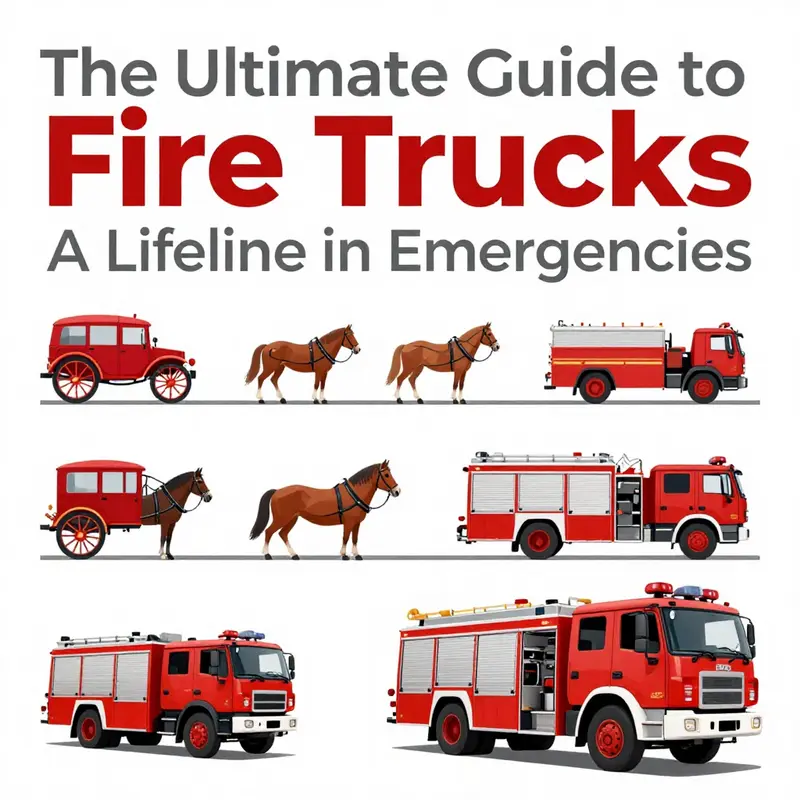
To understand what a fire truck is, one must trace a long arc of invention, urban growth, and evolving public safety needs. The fire truck is the product of centuries of tinkering – moving from bucket brigades to purpose-built, multi-functional vehicles that combine propulsion, water delivery, rescue gear, and communications. Its story begins with simple responses and ends with modular platforms that can reach high places, carry specialized tools, and serve as mobile command posts. The journey moves from leather hoses to hand-pumped engines, then to steam-powered apparatus, and finally to motorized trucks equipped with ladders, pumps, and hydraulic rescue tools. The modern fire truck is a hybrid instrument designed to deliver water, perform rescues, and coordinate complex operations from a single chassis. The color red has become a traditional signal of urgency, though visibility research shows other hues can be effective in certain contexts. Understanding the differences between a fire engine (pumper) and a fire truck (ladders, aerials, tools) helps clarify the vehicle’s role within the broader fire apparatus category. As cities grew, so did the need for coordinated rescue missions, integrated equipment, and adaptable platforms. Today’s trucks blend engineering, training, and public service to respond quickly, reach difficult locations, and support crews in dangerous environments. The ongoing evolution – from wooden rigs to steel bodies, modular fittings, and interoperable systems – reflects a commitment to safety, efficiency, and readiness in the face of evolving risks.
Final thoughts
Fire trucks are the backbone of fire and emergency response services, blending advanced technology with centuries of history. Understanding their components, functions, and the innovations that drive them not only highlights their role in safeguarding lives but also inspires the next generation of firefighters. Whether you’re a budding firefighter or an avid collector, the journey through the world of fire trucks underscores their significance in our communities—a true celebration of courage and service.