
Aerial ladders serve as essential tools in emergency response, specifically designed for fire trucks to reach towering heights in urban environments. Whether you’re a firetruck enthusiast, an aspiring firefighter, or a seasoned emergency services professional, understanding the intricacies of these impressive ladders is crucial. In the following chapters, we will explore various aspects of aerial ladders, including their technical specifications, tactical roles, safety standards, and future innovations. Each section aims to deepen your appreciation for the ladder on a fire truck, often referred to as the aerial ladder, and its undeniable significance in firefighting operations.
Reaching for Safety: The Aerial Ladder and the Reach of Modern Firefighting
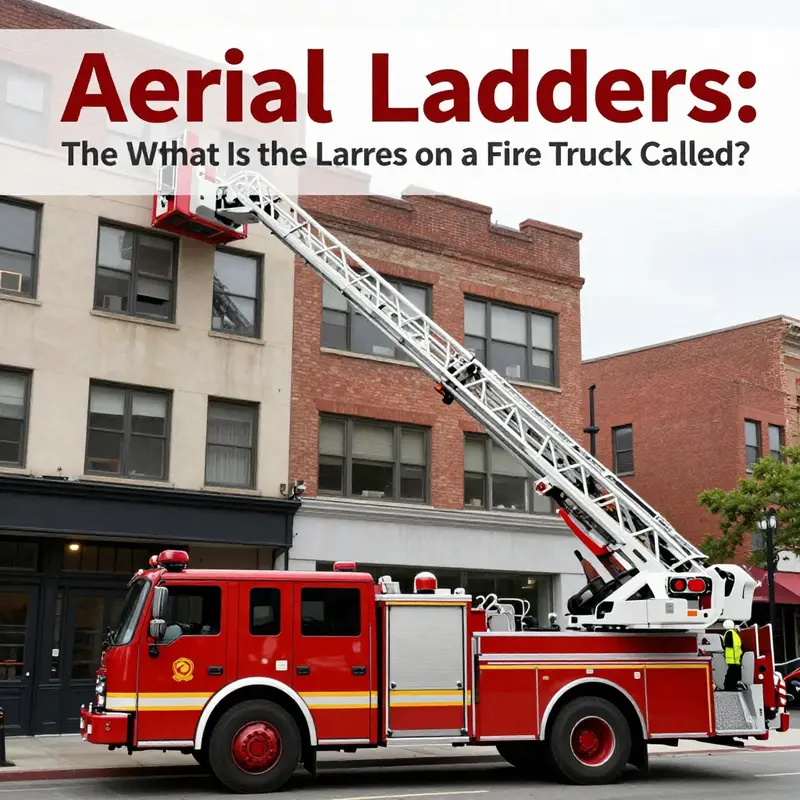
When people ask what the ladder on a fire truck is called, the answer is precise and practical: an aerial ladder. This term is more than a label; it identifies a cornerstone of urban firefighting and rescue. The aerial ladder is designed to extend upward and outward with exceptional control, allowing firefighters to reach upper floors, rafters, or balconies that ground crews cannot access from the street. In dense cities, where streets are narrow and buildings rise close together, the aerial ladder becomes the bridge between danger on high floors and the potential for safe evacuation or targeted suppression. Its reach is not only about height but also about the ability to position a crew and equipment at the exact spot where help is most needed. The ladder’s value is most obvious during complex rescues, escape of occupants from smoke-filled rooms, and the critical moments when seconds determine outcomes. The term aerial ladder also signals that the apparatus is more than a simple climbing tool; it is a carefully engineered system that integrates hydraulics, stabilization, and operating consoles to transform height into a controlled acting space for both rescue and firefighting tasks.
The core function of the aerial ladder rests on its extendable, multi-section design. Most modern ladders can telescope in and out, allowing firefighters to tailor the reach to the specific building’s height and the scene’s geometry. A hydraulic mechanism drives the extension, while another set of controls manages the ladder’s angle, rotation, and elevation. This combination gives operators a precise degree of freedom, so the ladder can kiss a third-floor window or stretch toward a rooftop with steady, predictable motion. The operator’s vantage point within the accompanying cab is crucial; intuitive controls paired with real-time feedback help prevent overshoot, sway, or sudden jolts that could endanger occupants or crew members. The ability to tilt the ladder uptilt provides a practical advantage when the base of the ladder cannot be outrigged to align perfectly with a window. Uptilt optimization, studied in recent engineering work, demonstrates how a slight tilt can dramatically improve reach while maintaining stability under load. The ladder’s platform, when present, becomes a floating stage for rescues, casualty care, or the delivery of hoses and tools into an upper-floor corridor.
Beyond height, the aerial ladder embodies a suite of features that expand its functional envelope. Many ladders are designed to accept a rescue platform or basket, enabling firefighters to extract individuals who cannot descend stairs or who are trapped behind barriers. This platform can also serve as a staging area for decontamination, medical care, or the quick transfer of equipment between levels. The ladder’s upper sections often house racks for hoses, nozzles, forcible entry tools, and life-safety gear, ensuring that responders can stage their operation at the exact point of need. In addition to the structural elements, the ladder is anchored to the fire truck by outriggers and automatic leveling systems. Those outriggers press firmly into the ground, creating a stable tripod that resists the forces generated when the ladder bears weight and carries equipment aloft. The precision of this stabilization is essential; a single misalignment can compromise a rescue, especially when waterways or wind gusts interact with elevated loads.
The ladder’s interface with the broader fireground strategy highlights its role as a link between access and action. Reaching a contaminated upper story is not enough; rescuers must be able to maneuver people to safety, deploy life-saving equipment, and support suppression efforts from an elevated position. The aerial ladder thus becomes a versatile tool. It supports rescue operations by enabling quick egress from windows, creates access routes for water supply lines into upper floors, and provides elevated vantage points for monitoring fire progression. In urban settings, where stairwells may be blocked by smoke or fire, the ladder can serve as a critical passage, guiding occupants toward safe egress or providing a controlled route for medical teams to reach those in need. Operationally, the ladder also offers tactical flexibility. Fire crews can extend or retract sections to adapt to shifting conditions, rotate the ladder to align with openings on different facades, and adjust the elevation as the scene evolves. The result is a dynamic balance of reach, stability, and maneuverability—an equilibrium that sits at the heart of effective high-rise response.
From a safety perspective, the aerial ladder is built to withstand high-pressure scenarios without compromising control or structural integrity. The hydraulic systems must respond predictably under load, and the ladder’s joints require meticulous maintenance to avoid binding or corrosion. Fire departments implement rigorous inspection routines, test lifelines, and load-bearing assessments to ensure the ladder remains dependable during emergencies. Operators undergo extensive training to master the choreography of deployment: from verifying ground conditions and stabilizing the base to selecting the correct ladder angle and coordinating movement with other units on scene. This training emphasizes not just speed but reliability. The goal is to minimize risk to both the rescuers and the people being helped. In practice, the aerial ladder’s safety profile also relies on adherence to established standards and best practices that guide every phase of its use, from pre-incident planning to post-incident review.
In addition to its primary function, the aerial ladder embodies advances in design that respond to the evolving demands of modern firefighting. The structural materials, for instance, balance lightness with strength, enabling longer, more resilient extension without sacrificing maneuverability. The inclusion of integrated tool racks and specialized compartments helps crews optimize their on-scene efficiency. A well-designed aerial ladder can reduce set-up time, which is crucial when every second matters during a rescue. The ladder also accommodates a range of attachments and configurations, allowing departments to tailor their apparatus to local needs: older urban cores with tight street geometry, newer developments with mixed-use high-rises, or sprawling communities with multi-story municipal buildings. Even with such versatility, the fundamental purpose remains unchanged: to provide a reliable, elevated pathway for people to reach safety and for responders to deliver life-saving actions from above.
For readers curious about the technical frontier, recent systematic work on uptilted aerial ladders adds a layer of nuance to this discussion. The research examines how tilting the ladder can improve reach and control on variable terrains, informing safer and more efficient firefighting practice. While the broader principles of the aerial ladder are consistent across fleets, this line of inquiry helps designers and operators optimize performance in specific urban contexts, where street layouts, wind exposure, and building setbacks pose unique challenges. The practical takeaway is not that one design is universally superior, but that engineers continuously refine how height, angle, and stabilization converge to support critical mission tasks. This ongoing refinement underscores the aerial ladder’s standing as a living component of firefighting technology, one that evolves with urban form and responder experience.
For readers who want a quick touchpoint with the broader apparatus ecosystem while contemplating procurement or career considerations, exploring listings for fire apparatus can be a helpful step. A well-rounded search can reveal how departments balance cost, functionality, and local needs when selecting an aerial ladder-equipped vehicle. For example, a reference point in the market is the broader catalog of fire trucks for sale, which often highlights apparatus that emphasize reach, reliability, and integration with rescue capabilities. If you’re considering options for a department or a training program, you might begin with a broad view of available configurations and then narrow to those that align with your urban footprint and response priorities. Fire service planning requires harmonizing equipment capabilities with response goals, crew readiness, and budget realities. In practice, the aerial ladder stands as a visible testament to a city’s commitment to safeguarding life and property, a flexible instrument that translates height into humane outcomes when every second counts.
For further technical context on the design and analysis of uptilted aerial ladders, researchers have published detailed analyses that enrich this conversation. And for readers exploring real-world procurement options and program considerations, practical listings and market insights remain a useful companion resource: Fire trucks for sale.
External note: to deepen the technical understanding of aerial ladder physics and uptilted configurations, a foundational study offers rigorous modeling and experimental results exploring how elevation, tilt, and load interact under dynamic conditions. See the uptilted aerial ladder study at the following resource: https://www.mdpi.com/2076-3478/15/2/194
Above the Street, Into the Sky: How the Aerial Ladder Defines Fire Truck Capability
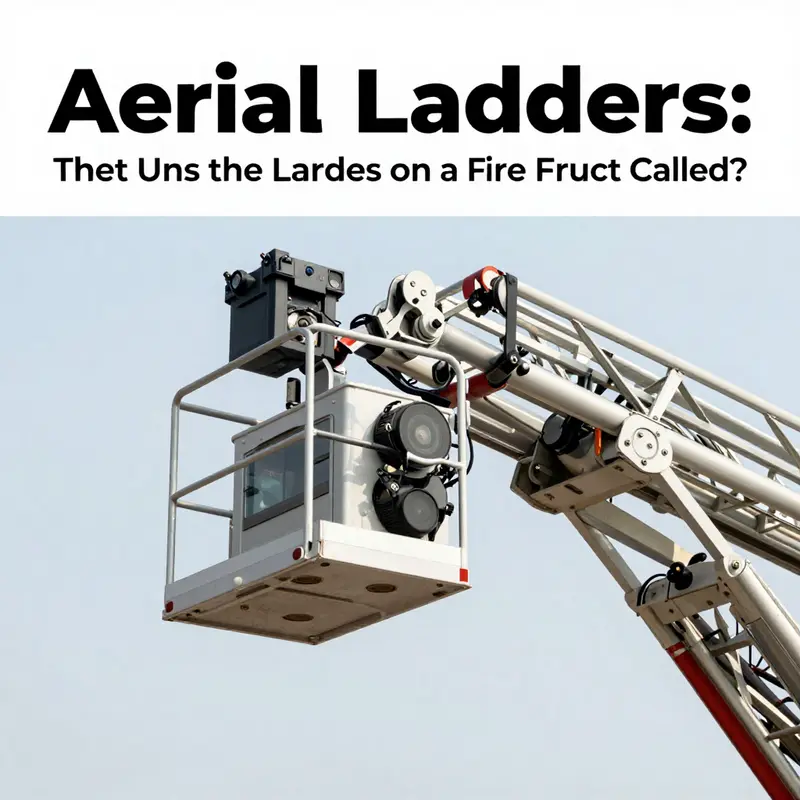
When the alarm sounds and the bay doors roll open, the street below begins to shrink while the world above comes into sharp focus. In that moment, the ladder on the fire truck is more than a metal staircase. It is an engineered lifeline, a moveable arm that translates urban geometry into ascent, rescue, and firefighter control. The device the crew deploys is commonly called the aerial ladder, and it embodies a convergence of mechanical design, hydraulic power, and disciplined practice that makes modern urban firefighting possible. The term itself foregrounds one essential truth: this ladder reaches into the air, far beyond ground access, and into the spaces where danger concentrates. It is not merely a longer rung stack; it is a purpose-built, extendable system mounted on a vehicle, capable of spanning streets, bending to align with building walls, and presenting a stable platform from which teams work under pressure.
In practical terms, the aerial ladder is a hydraulically operated, extendable structure that can be raised, rotated, and shortened to accommodate different architectural geometries. Its reach is designed to surpass several stories, allowing firefighters to access upper floors, rescue occupants, and direct water streams from above when ground access is blocked or impractical. Urban environments especially highlight the capability: narrow streets, tightly packed facades, and alleyways require a tool that can stretch higher than the average staircase while staying maneuverable enough to be positioned precisely at the needed angle. The ladder’s height, extendability, and loading capacity define what a crew can accomplish from above, influencing whether a rescue is possible and how effectively a fire can be attacked from the most advantageous position.
Mounted on the chassis of a fire engine, the aerial ladder integrates with the truck’s overall hydraulic and control systems. The operator communicates with a crew to extend the ladder, apply stabilization, and align the platform with windows, balconies, or roof edges. Stabilization is a critical companion to elevation. Outriggers extend to anchor the vehicle to the ground, resisting the moment created by gravity, wind, and the ladder’s own mass as it extends. This stabilizing action is what keeps the ladder steady when its sections become long and light, and when firefighters stand on a platform that feels almost suspended between earth and air. The choreography of deployment—engineers unfolding the sections, the hydraulics pushing outward, the turntable rotating to bring the ladder into the desired facing—reads like a carefully rehearsed sequence. Every movement must be deliberate because misalignment could place crews in danger or compromise a rescue.
The ladder’s design emphasizes extendable length and robust construction. Modern aerial ladders often reach well beyond 100 feet, providing access to upper-story windows and rooflines that would otherwise be inaccessible. Yet height alone is not the sole criterion. Each section of the ladder must lock securely, resist twisting, and maintain rigidity under load. The platform or basket at the end of the ladder becomes a working space, not just a rest area. It can hold firefighters, rescue equipment, and sometimes water delivery accessories, enabling operations that require time, stability, and space. The ladder’s sisters—the tools and hose lines stored along the apparatus, the ground crew coordinating lines and ladders below—form an integrated system. The ladder does not stand alone; it interacts with hoses, adaptors, cut tools, and breathing apparatus, all working in concert to maximize the chances of rescue while minimizing danger.
From the street to the window, the ladder changes the math of a rescue. Before its advent, firefighters relied on ground ladders or improvised means to reach upper floors. The aerial ladder introduces a defined geometry: it can extend to a known height, reach out to a known distance from the building, and present a known load-bearing platform. This predictability matters when wind gusts tug at the structure, when crews must work at awkward angles, and when occupants depend on a swift, precise maneuver. The geometry also shapes strategy. Firefighting often unfolds in a sequence: assess the safest approach, deploy the ladder, confirm stabilization, access the interior through a window or balcony, and then conduct rescue or offensive operations from above. The aerial ladder enables this sequence to be executed with a degree of confidence that is not possible with ground access alone.
Safety standards and ongoing training underpin every lift. The ladder system is designed to meet rigorous safety criteria, including electromagnetic alignment, mechanical locking, and predictable performance under load. Fire departments emphasize regular inspection, maintenance, and practice drills so that when the real call comes, operators know how the ladder behaves in wind, heat, or vibration. The human element remains central: the best equipment cannot substitute for disciplined teamwork, clear communication, and precise command decisions. A well-drilled crew can move from setup to rescue with a rhythm that minimizes exposure time for occupants and responders alike. In that sense, the aerial ladder is a tool whose effectiveness rests as much on training and seam-free collaboration as on hydraulic reach and structural strength.
Beyond reach, the ladder embodies adaptability. High-angle rescues, roof access, upper-floor ventilation, and even rapid evacuation scenarios have all benefited from its versatility. Where narrow streets impede large chassis, the aerial ladder can maneuver around corners, negotiate tight facades, and present a stable work surface where other options fail. This capacity to function within crowded urban canyons makes it a strategic asset in modern firefighting doctrine. The ladder’s compact footprint when stowed, its ability to be extended in controlled increments, and the option to rotate the platform give crews the latitude to operate in complex environments without abandoning speed or safety.
For readers seeking a broader, lay-friendly explanation of how this system is described and described again in the field, the Fire Truck blog offers approachable insights into the everyday realities of firefighting equipment and practices. See firetruck.space/blog/ for more accessible perspectives and visuals that accompany the technical explanations presented here.
As the city breathes in and out with every siren, the aerial ladder remains a symbol of how engineering translates danger into opportunity. It is a bridge between ground and sky, between urgency and control, and between the unknowns of a burning building and the predictable sequence that keeps people alive. The term aerial ladder captures more than the physical form; it names a functional philosophy: reach without compromising safety, extend with control, and elevate with purpose. In that sense, the ladder on a fire truck is not just a tool for climbing; it is a calibrated line of action that makes high-stakes operations possible where they matter most. The next time a crew places that platform against a window frame or braces it against a balcony rail, it is worth pausing to recognize the blend of hydraulics, steel, and human skill that turns ascent into rescue. The aerial ladder stands as a quiet testament to the way modern emergency response blends science, engineering, and teamwork to keep urban life aquatinted with hope rather than fear.
External reading can deepen understanding of the standards and evolving best practices governing aerial ladder use. For a rigorous technical exploration, see this external resource: Exploring Fire Truck Aerial Ladder: Composition, Standards, and Best Practices for Applications.
Aerial Reach, Urban Rescue: Understanding the Ladder on a Fire Truck and Its Critical Role in Modern Firefighting
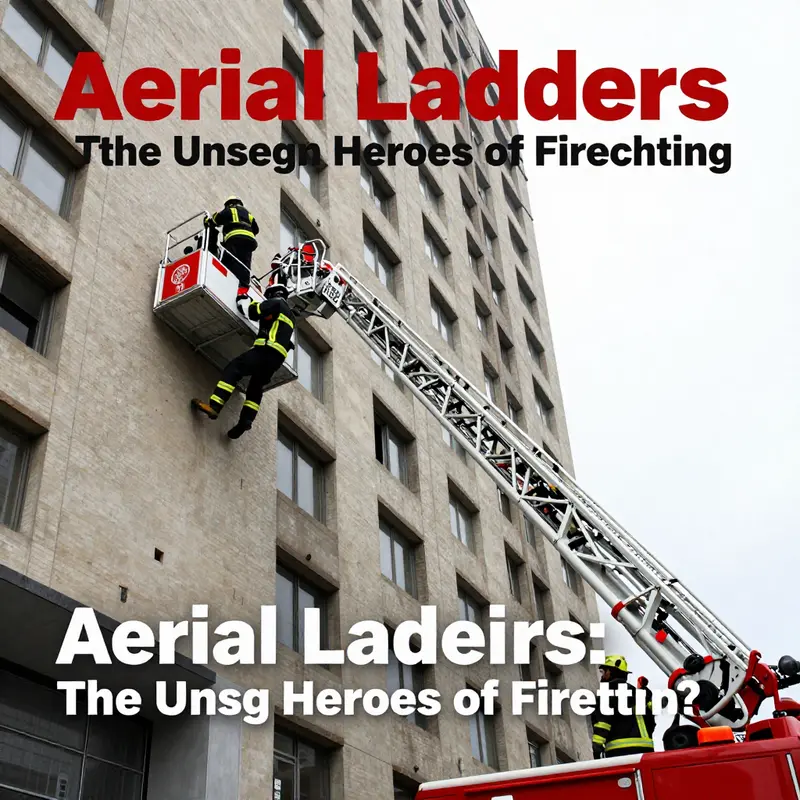
When people imagine a fire truck’s long extension reaching toward a high window, they are picturing one of the most studied tools in urban emergency response. The ladder on a fire engine is more than a prop for dramatic rescues; it is a carefully engineered piece of equipment that shapes how firefighters approach fires, perform ventilations, and execute rescues above street level. In common parlance it is called an aerial ladder, but many crews also refer to it as a turntable ladder. Both names point to a single purpose: a power-operated, extendable ladder mounted on a chassis that can be raised, rotated, and deployed to connect ground operations with higher floors. The distinction between terms emerges from historical design and the way the device is mounted, yet in practice the ladder functions as a single, integrated system that expands a fire department’s reach in crowded cities where ground access is limited and time is life.
At its core, the aerial ladder is a hydraulic concert of precision. Operators command a sequence of hydraulic cylinders and telescoping sections that push the ladder outward and upward from the fire engine, while outriggers or stabilizers plant firmly on the ground to counterbalance the weight and movement of the platform. This stabilization is essential; in urban environments, wind, the ladder’s mass, and the heat of a blaze all combine to challenge balance. The ladder’s ability to extend to several stories is not a mere length measure; it is a controlled, finite motion governed by load limits, wind speed, and the structural integrity of the vehicle. Crews train to couple restraint with reach, because a miscalculation in extension can compromise safety not only for those on the ladder but for people trapped in upper floors below.
The ladder’s extendable sections are designed to lock into place, providing a rigid spine that can support a firefighter, a patient being evacuated, or a nozzle operator directing water from height. Modern aerial ladders are equipped with a stable platform or basket at the top that functions as a small, secure working area. This space becomes a command post for operations above the ground, allowing firefighters to move hoses, equipment, and even a relief line with relative ease. The platform also serves as a shelter from heat and debris when the situation demands a pause in external fire attack or rescue. The architectural ingenuity behind the ladder lies not only in its length but in its ability to deliver a controlled degree of elevation without sacrificing mobility or safety.
Beyond mere elevation, the ladder is a moving toolkit. Platforms at the ladder’s end can host an elevated nozzle, a monitor, or feed lines for water to be directed from above. Monitors and nozzles integrated into the ladder give crews the option of delivering a master stream from an elevated position, which can be more efficient in suppressing flames that threaten upper-floor assemblies. The ladder’s rungs, safety rails, and anti-slip surfaces are chosen to withstand heavy use in volatile conditions, while the ladder itself is built from materials tuned to resist heat, corrosion, and fatigue. In practice, the ladder becomes a multifunctional workstation where rescue, ventilation, and suppression converge.
In urban firefighting, reach often determines the difference between a successful rescue and a tragedy. The aerial ladder enables firefighters to access upper floors through windows, balconies, or roof openings that would otherwise be unreachable. This reach is critical for evacuations when stairwells are compromised or blocked by flames, smoke, or collapsing debris. The ladder’s capacity to pivot and rotate on a fixed turntable further enhances its utility. Operators can adjust the line of attack without repositioning the entire apparatus, a feature that is particularly valuable in tight streets where maneuvering space is limited. In a single operation, firefighters can align the ladder with an affected unit, create a breech for ventilation on the roof, and direct water onto the seat of the fire, all while maintaining a secure working posture for crew members.
Ventilation is another domain in which the aerial ladder proves its worth. Access to the roof, a window, or an overhead opening enables crews to expel heat and smoke, improving visibility and reducing the likelihood of backdraft conditions. The ladder provides a controlled path to these access points, allowing teams to set up positive pressure or exhaust openings with minimal disruption to the interior environment. The ability to perform ventilation from above not only cools the fire and slows flame spread but also creates safer conditions for interior teams who are advancing lines or conducting searches. In this sense, the ladder is a critical element in a broader strategy of controlling heat, smoke, and fuel sources from a vantage point that only height can offer.
No discussion of the aerial ladder is complete without acknowledging the balance it strikes between reach and stability. High-rise environments demand stability in the face of wind gusts and the dynamic loads generated by water delivery, hose lines, and personnel movement. The ladder’s design incorporates wind resistance features and countermeasures that help maintain a steady platform during extended operations. At the same time, the vehicle’s weight distribution, outriggers, and chassis design must coordinate with the ladder to preserve maneuverability on street routes that are narrow or uneven. Fire chiefs and operators plan every deployment with this balance in mind, recognizing that the ladder’s safety and effectiveness depend as much on control and judgment as on mechanical capability.
Aerial ladders have evolved into more than simple vertical access tools. Integrated firefighting equipment—hoses, lighting systems, and even small racks for tools—are often arranged along the ladder structure or within the platform to keep essential gear within arm’s reach. This integration reduces the need to descend to the ground for every tool switch or hose adjustment, speeding up response times and enabling more continuous operations at height. The result is a compact, mobile command post that can adapt to a wide range of emergency scenarios, from rapid evacuations of victims in upper units to the need for extended attack lines that must reach beyond the reach of conventional ground ladders.
The ladder’s role in an urban fire response also hinges on training and standards. Fire departments emphasize safety, reliability, and repeatable performance under pressure. The ladder is maintained to exacting specifications, with periodic inspections of hydraulics, railings, harness points, and control systems. Operators undergo rigorous training in ladder operation, including extension sequences, rotation control, water delivery from elevated positions, and rescue techniques from height. Through simulations and live drills, crews internalize the choreography of deployment, ensuring that when real alarms sound, the sequence unfolds with precision and calm. This discipline—combining mechanical capability with human skill—underpins the ladder’s effectiveness when every second counts.
It is worth noting that the nomenclature around these devices reflects historical and regional variations. Some departments still prefer the term turntable ladder, a nod to the rotating platform that sits atop the truck’s chassis. Others simply call it the aerial ladder, emphasizing its elevated reach. Either way, the ladder’s purpose remains clear: to extend a safe, reliable pathway from ground to upper stories, to create access for rescue and ventilation, and to support aggressive, efficient fire suppression from above. In the complexity of modern cities, this tool embodies a bridging of ground and sky, a tactical asset that translates the power of a fire engine into height, safety, and rapid control of a chaotic scene.
For readers who want a deeper technical perspective on its composition, standards, and best practices, a detailed resource is available online. Exploring the technical construction and operational guidelines of aerial ladder systems offers insights into how departments balance weight, reach, stability, and safety in real-world deployments. See the external reference at https://www.fireengineering.com/fire-truck-aerial-ladder-composition-standards-best-practices/ for a technical overview and professional guidance on best practices. Additionally, to connect with ongoing discussions about fire apparatus design, maintenance, and field readiness, you can explore the Fire Truck Blog, which provides practical perspectives and updates on apparatus that support urban firefighting. firetruck.space/blog/
In sum, the ladder on a fire truck, whether called an aerial ladder or a turntable ladder, is a defining instrument of modern firefighting in dense urban environments. Its capacity to extend, rotate, and provide a stable working platform elevates the fire department’s ability to reach, rescue, and suppress at heights where conventional ground operations would fail. It sits at the intersection of engineering precision, human judgment, and strategic deployment. When a fire demands strategic access to a building’s higher levels, the ladder becomes the bridge that turns urgency into control, danger into safety, and chaos into a pathway toward resolution.
Ascending to Safety: How the Aerial Ladder Shapes the Fire Truck’s Reach and the Language of Urban Rescue
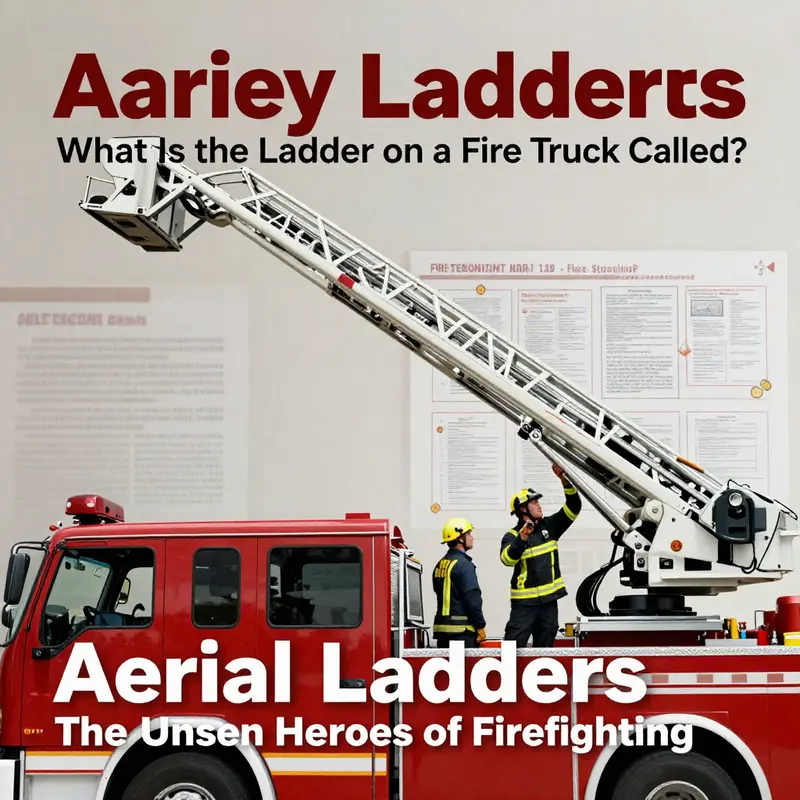
When people ask what the ladder on a fire truck is called, the answer is straightforward in everyday language: an aerial ladder. Yet the term belies a more nuanced reality. The aerial ladder is not just a long piece of metal; it is a precisely engineered tool that translates a truck’s mobility into vertical access, enabling crews to reach upper windows, balconies, and rooftops with deliberate control. In dense urban environments, where space is at a premium and streets are often lined with obstacles, the aerial ladder stands as a bridge between ground-level containment and rooftop egress. It is raised, extended, and rotated by hydraulic systems that require careful calibration and disciplined operation. The ladder’s reach can span several stories, and its ability to sweep from side to side allows firefighters to survey a façade, assess the spread of a blaze, and position a platform for rescue—or for directing water streams from above. The term aerial ladder, then, is a shorthand for a broader function: a deployable, height-enabled extension of the fire service’s reach that redefines how urban fires are fought and how lives are saved in moments of crisis.
This equipment is not used in isolation. It is deeply integrated into the choreography of a firefighting operation, where the ladder’s height, angle, and horizon must be orchestrated with precision. Aerial ladders are designed to be raised, extended, and rotated to provide access to upper floors while the apparatus remains stable on the ground. In practice, firefighters evaluate not only the ladder’s vertical reach but also its lateral reach, the terrain on which the truck is parked, and how level the ladder can stay once extended. Modern aerial ladders are built to maintain stability even when deployed on uneven pavement, thanks to automatic leveling systems that compensate for slope or irregular terrain. The operator’s role is both technical and strategic: to judge when to extend and how to position the ladder so that occupants can be rescued without compromising the safety of the crew. The ladder’s extendable length, its robust construction, and its ability to accommodate hoses, tools, and rescue equipment make it an indispensable component of urban firefighting and emergency evacuation strategies.
Beyond the mechanics of raising and extending, the nomenclature reflects a history of specialized design that responds to the realities of city life. Aerial ladders are often paired with platforms or baskets that provide a level working surface at height. These platforms enable firefighters to perform interior checks, ventilate spaces, and deploy rescue lines while remaining tethered to a secure point. The ladder’s rotation and articulation allow for flexible positioning around balconies, cornices, and façades, turning what once might have been a simple vertical ascent into a controlled and multi-directional operation. In practice, this means crews can reach windows that would otherwise be inaccessible, facilitate rapid evacuation from upper floors, and deliver critical equipment through the same access point used by occupants attempting escape. The versatility of the aerial ladder lies in its capacity to function as a ladder, a crane, and a lifting platform all in one asset, a convergence that has shaped urban fire response as cities have grown taller and more complex.
Safety, of course, is the throughline that connects every aspect of the aerial ladder’s design and use. The safety standards governing these ladders are stringent and are anchored in national and international guidelines, with the National Fire Protection Association (NFPA) playing a central role in the United States. The NFPA 1917 standard, titled the Standard for Automotive Fire Apparatus, codifies the design, construction, testing, and maintenance requirements that ensure aerial ladders can perform under the most demanding conditions. These standards address a spectrum of concerns, from structural integrity to the limits of load capacity, from hydraulic system reliability to emergency lowering procedures. They recognize that when a ladder is extended, the forces acting on it change dramatically; the structure must remain capable of supporting firefighters, equipment, and rescuers as a single cohesive system. The emphasis on structural integrity is not merely about preventing collapse; it is about ensuring predictability in high-stress environments. A well-designed aerial ladder is intended to behave in a known, manageable way, even as it contends with wind, weight, and dynamic movement during operation.
Load capacity is another pillar of safety. The maximum permissible weight on the ladder considers not only the firefighters themselves but also their protective gear, rescue tools, and any occupants who might be supported during evacuation. This careful accounting helps to prevent overstressing the ladder and the hydraulic cylinders that extend it. Hydraulic system reliability follows closely behind. The systems that raise and extend the ladder must operate consistently under pressure, with mechanisms in place to detect leaks, manage temperatures, and safeguard against unexpected failures. Fire crews train to respond to hydraulic anomalies and to implement emergency lowering procedures that can be executed with precision, even in the most challenging circumstances. Operator training is a central component of safety, ensuring that those who manipulate the ladder understand the equipment’s limits, its corrective options, and the sequence of steps required to achieve a safe outcome for all involved.
As technology has progressed, aerial ladders have adopted advanced safety features that further reduce risk. Automatic leveling systems stabilize the ladder on uneven ground, an essential capability in older neighborhoods where pavements vary or where curbs create subtle inclines. Anti-rollback mechanisms prevent the ladder from sliding downward when it is extended, a scenario that could endanger both firefighters and occupants. Overload sensors provide real-time feedback to operators, offering a warning before the equipment approaches its safe operating threshold. These features are not decorative add-ons; they are integral to the ladder’s performance in real-world emergencies, where seconds count and the margin for error is razor-thin.
Maintaining compliance with these standards is not a one-time effort but a durable process of ongoing inspections, testing, and certification. Regular maintenance checks verify that each component—from the hydraulic lines to the attachment points, from the base stabilizers to the rotating joints—functions as intended. The goal is not merely to pass an annual test but to cultivate a culture of readiness: to train crews to recognize early signs of wear, to perform preventive maintenance, and to rehearse emergency procedures so that the ladder’s operation becomes almost instinctual in the heat of a fire or the pressure of a high-stakes rescue.
The aerial ladder’s role in modern firefighting is inseparable from the broader command and control environment that shapes how incidents are managed. The ladder provides a high vantage point from which incident commanders can assess fire behavior, identify potential hazards, and direct resources with enhanced visibility. When used in conjunction with other apparatus and ground operations, the ladder becomes part of a synchronized response that blends containment, rescue, and medical oversight. For readers curious about how command systems interact with critical apparatus tasks, a deeper exploration can be found in Overcoming Challenges in Fire Command Systems. This linkage highlights how the safety and effectiveness of the aerial ladder are enhanced when operators, engineers, and commanders share a common framework for decision-making and risk assessment.
Ultimately, the aerial ladder embodies a philosophy of resilience: the belief that urban fires can be met with height, precision, and a calm, practiced rigor. It is a reminder that a fire truck is more than a vehicle with hoses and pumps; it is a mobile platform for ascent, a carefully engineered conduit between ground and higher spaces where communities seek safety. The chain of safety standards, mechanical reliability, and disciplined operation converges in every deployment of the ladder, reinforcing the idea that even as buildings rise taller and streets become more congested, humanity’s capacity to reach, rescue, and restore remains anchored in thoughtful design and steadfast training. For anyone who wants to explore the topic further or connect it to broader discussions of firefighting technology, the literature on safety standards and apparatus design offers a comprehensive road map to understanding how the aerial ladder continues to evolve while staying true to its core purpose: enabling safe, effective, and timely emergency operations at height. For a deeper dive into official standards governing this critical equipment, refer to the NFPA 1917 resource available through the official standards body.
Beyond the Reach: The Aerial Ladder on Fire Trucks and the Frontiers of Innovation
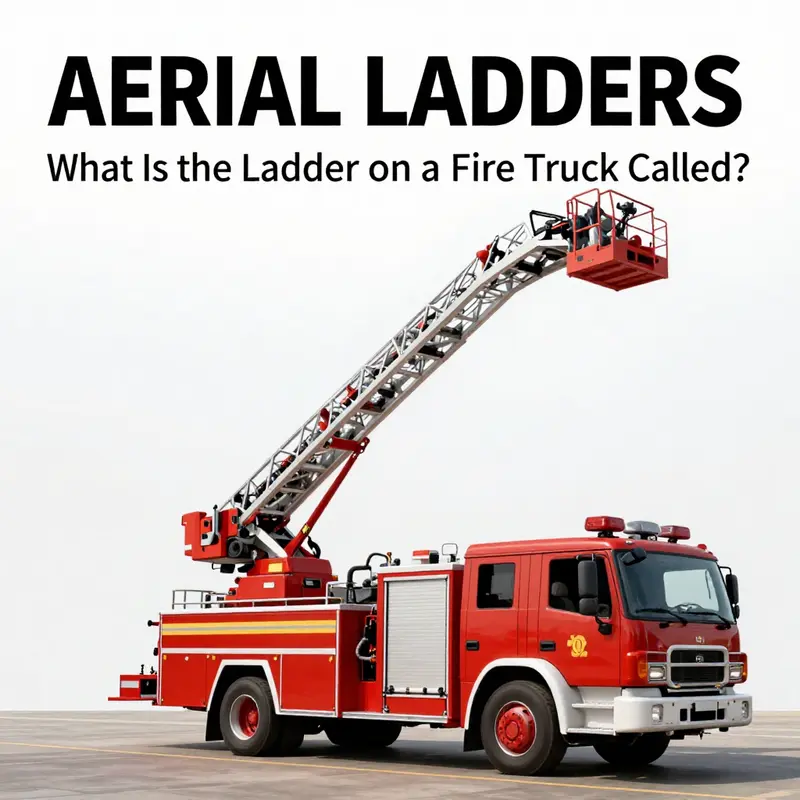
Across the city skyline, a fire truck’s long, gleaming arm rises toward a burning building. The tool’s name is almost as universal in the fire service as its purpose: the aerial ladder. This isn’t merely a piece of equipment; it’s a lifeline that translates the truck’s power into height and reach, turning a two-story crisis into a solvable rescue. An aerial ladder is designed to extend and elevate through careful hydraulics, maintaining stiffness and balance while powered by the vehicle’s formidable engine. It serves multiple roles—access, rescue, ventilation, and even controlled water application from above when conditions demand unconventional angles. In the urban density typical of modern cities, where ground maneuvering is hampered by narrow streets, parked vehicles, and the clutter of a crowded skyline, the aerial ladder becomes the strategy for higher floors and upper windows. It is the centerpiece of many rescue operations, offering firefighters a stable perch from which to guide hoses, anchor life lines, and communicate with people trapped above the fire line.
To understand what the ladder on a fire truck is called and why its name holds so much weight, one must look beyond the word itself and into how it is built to function. The core idea is straightforward: a platform that can reach great heights and angles must be both light enough to maneuver and strong enough to support a crew, with safety features that keep every movement controlled under pressure. This balance is achieved through a combination of design choices and engineering discipline. The ladder typically attaches to a rotating control base on the truck, allowing operators to steer the arm as it extends. Beneath the operator’s eye, hydraulic systems power each segment of the ladder, smoothly unfurling it to its full length. The result is a tool that can be aimed with precision, not just lifted into the air.
What makes an aerial ladder a standout in emergency response is not only its reach but its adaptability. Some ladders are straight, others are articulated, and many feature multiple sections that telescope outward like the fingers of a well-oiled hand. The longer and more flexible the ladder, the greater the reach, but also the greater the need for stabilization. Stability is achieved through a combination of outriggers that anchor the vehicle to the ground and advanced control systems that adjust weight distribution as the ladder moves. The ladder’s surface and internal components are engineered to handle the weight of firefighters, hoses, tools, and sometimes rescue equipment. Materials chosen for these parts emphasize rigidity, corrosion resistance, and fatigue strength, ensuring that a ladder can perform reliably across many deployments and a long service life.
Inside the modern fire service, the ladder also doubles as a platform. Some configurations include a small work area at the top with room for a firefighter to operate from a height in relative safety. This platform is not merely a stand; it is a working station outfitted with racks for hoses, axes, and other essentials, as well as an anchor point for life safety gear. The presence of a platform changes the dynamics of high-altitude operations, allowing crews to perform tasks such as roof venting, window entry, and victim rescue in a controlled environment rather than from the ground. In addition to access, the ladder’s height unlocks new avenues for communication with occupants, directing them to safe egress routes while maintaining a clear line of sight for responders below.
Looking ahead, the field is increasingly defined by innovations that sharpen safety, efficiency, and operational flexibility. One major thread is the evolution of materials. Traditional ladders relied on sturdy aluminum alloys that offered a reliable balance of weight and strength. Today, engineers are exploring advanced composites and carbon fiber blends. These materials promise higher strength-to-weight ratios, enabling longer ladders without compromising balance or fuel efficiency. The weight savings translate into faster, more precise deployments and reduced wear on the vehicle’s hydraulic system. For urban departments facing tighter budgets and longer response times, material innovation represents a practical path to expanded capability without a proportional increase in fleet size.
Another pillar of progress is smart technology. Modern aerial ladders begin to incorporate real-time load monitoring, which gives operators feedback on how much weight is on each segment. This data supports safer extensions and helps prevent overextension in difficult wind conditions or uneven ground. Automated stabilization features can adapt in real time, compensating for soft pavement or slope to maintain a steady platform angle. GPS-guided positioning helps crews deploy the ladder with greater precision in dense urban environments where line-of-sight is limited and obstacles are numerous. Together, these systems reduce the cognitive load on the operator and increase the likelihood of a successful outcome when seconds matter.
Flexibility underpins much of the innovation in ladder design. Articulating ladders—those with multiple hinged sections that can bend and navigate around obstacles such as power lines, narrow building recesses, or protruding cornices—are increasingly favored for city blocks where space is at a premium. The ability to bend and pivot around impediments allows a single ladder to reach windows and egress points that previously required a larger, less maneuverable vehicle. For many urban districts, articulating ladders turn constricted streets into workable routes for rescue and ventilation. The benefit is not just reach but the capability to thread a path through tight corridors where a conventional straight ladder would struggle.
Remote-control capabilities are also entering the conversation. As crews push toward safer operations, the idea of commanding the ladder from a portable console or a tablet-based interface offers a way to position the arm with greater precision from a safer distance. Remote operation reduces the operator’s exposure to heat, smoke, and falling debris while maintaining exact control over the ladder’s trajectory. The technology is evolving toward a more intuitive, tactile feel that mirrors the skill of an experienced line officer, yet with the added consistency of sensor feedback and automated safeguards. In practice, this means a crew can stage a rescue more quickly and with fewer adjustments after the initial placement.
These emerging capabilities do not arise in isolation. They intersect with established safety standards, training, and standard operating procedures that govern every deployment. The aerial ladder’s effectiveness rests on a culture of continuous improvement—layers of checks that begin with installation, go through routine maintenance, and culminate in practice drills. Fire departments emphasize load testing, hydraulic integrity checks, and regular calibration of stabilization and rotation mechanisms. They also stress the importance of communication, ensuring that crews coordinate ladder movements with ground teams, spare people for rope rescue, and maintain a clear voice channel for occupant guidance. When these elements combine, the aerial ladder becomes more than a tool; it becomes a reliable extension of a firefighter’s decision-making process during a life-or-death moment.
For those curious about the broader context and the evolving standards that guide these innovations, a deeper technical exploration can be found in the Fire Truck Blog, where discussions about apparatus composition, standards, and best practices are shared in accessible terms. This resource provides a practical complement to the technical insights discussed here, helping readers connect the theory of aerial ladder design to real-world field performance.
As the cityscape continues to evolve, so too will the aerial ladder’s role in safeguarding lives. Its name remains a concise reminder of its function: a ladder that travels with purpose, extending the firefighter’s reach when ground access is insufficient and time is scarce. The future of this essential tool lies in the ongoing quest to balance reach with safety, weight with strength, and autonomy with human judgment. In that balance, the ladder on a fire truck remains a testament to engineering that serves courage, enabling responders to rise to challenges that would otherwise overwhelm them. For readers seeking a broader sense of how firefighting equipment evolves within a changing urban landscape, the journey through innovations in materials, sensing, and control promises both practical improvements and a clearer path to safer outcomes for the communities they protect.
Internal reading suggestion: explore related discussions and updates at the Fire Truck Blog for a broader perspective on how equipment like the aerial ladder integrates with the wider toolkit of modern fire services. Fire Truck Blog
External resource for deeper technical context: for an in-depth look at composition, standards, and best practices for aerial ladders, see the resource on composition and standards. https://www.trucksite.com/fire-truck-aerial-ladder-composition-standards-best-practices/.
Final thoughts
Aerial ladders have proven to be indispensable tools in urban firefighting, bridging the gap between safety and effective emergency response. Their design and technology have evolved to meet the demands of challenging rescue missions and diverse environments. From understanding their construction and capabilities to recognizing their crucial role in firefighting tactics and compliance with safety standards, it’s clear that aerial ladders are not merely equipment but lifelines in perilous situations. As innovations continue to emerge, these remarkable systems will only become more adept at enhancing the safety and efficacy of firefighters everywhere.