
Fire trucks, also known as fire engines, are the backbone of firefighting and emergency response efforts. Equipped with specialized tools like hoses, ladders, and pumps, these vehicles are designed to combat fires and assist in rescue operations, showcasing the bravery and efficiency of firefighters everywhere. For firetruck enthusiasts, young aspiring firefighters, and emergency services professionals, understanding fire trucks goes beyond just their mechanical features; it includes their pivotal role in emergency situations, their cultural significance in media, and how historical innovations have shaped modern firefighting. Throughout this article, each chapter will unfold distinct aspects of these remarkable vehicles, offering a comprehensive look at their importance in society and the thrill they inspire.
What Is a Fire Truck? Unpacking the Engine That Powers Modern Firefighting
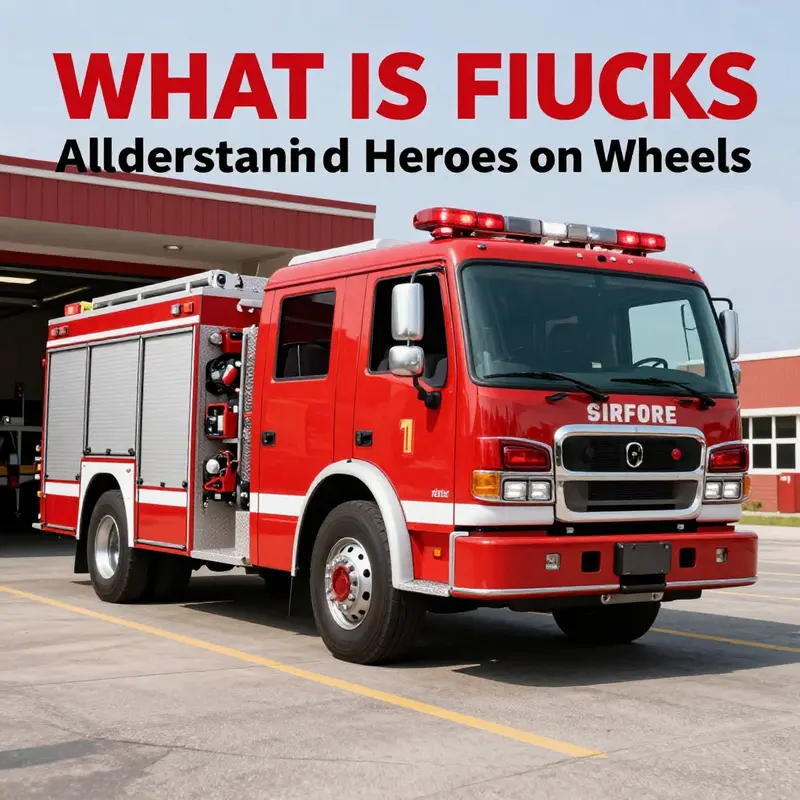
Across firehouses around the world, the sight of a rapid emergency vehicle signals more than speed. It signals a prepared, disciplined response to danger, a team ready to transform chaos into order, and a blend of tools and know-how that makes a complex mission possible. A fire truck, also commonly called a fire engine, is not just a single machine but a purpose built platform designed to deliver water, extend reach, and support the many tasks that accompany an emergency. At its core, the vehicle is a mobile workshop, a living command post, and a lifeline for people in peril. Its presence on the street is the visible face of an entire system geared toward protection, rescue, and rapid decision making in high pressure situations. The feat it represents is not just mechanical; it is organizational. Crews train relentlessly to use every feature on board under the stress of a live incident, turning equipment into action in seconds rather than minutes. This is the essence of what a fire truck is: a highly specialized tool built to translate planning into real time response when every moment counts.
The primary functions of a fire truck spring from the set of problems a crew faces on arrival. First, the vehicle must transport firefighters and their equipment quickly to the scene. Time matters, and the chassis is designed to be maneuverable through traffic, with systems in place to alert other road users so that the vehicle can find the fastest route. Second, it must provide a reliable water supply. The traditional model carries onboard water tanks and a powerful pump, enabling firefighters to begin suppression activities even before a hydrant is secured. When hydrants are available, the truck becomes a conduit between the municipal water system and the fire scene, capable of delivering steady flow and pressure to hoselines that can reach flames in both low and high rise environments. Third, it carries an array of tools that expand what a team can do once they reach the scene. Fire trucks are outfitted with ladders to gain vertical access, breathing apparatus to sustain crews in smoke filled spaces, and a spectrum of hand tools, forcible entry devices, and recovery gear to facilitate rescue and overhaul operations after the fire is under control. In a sense, the truck is a floating toolkit, a moving workshop that enables an on site decision making process to unfold with both speed and precision.
The modern fire truck is a synthesis of power, reach, and durability. Its power comes from a rugged drivetrain and a high capacity pump that can move hundreds of gallons of water per minute. The reach comes from ladders and aerial devices designed to extend firefighters’ access to upper floors, roofs, and other elevated hazards. The durability comes from a build that must endure rough roads, variable weather, and the literal wear of operating in demanding environments. Inside the cab, crews coordinate with dispatchers and incident command on scene, while outside, the apparatus speaks through light, sound, and a carefully choreographed routine of deployment. The bright color and bold markings that most people associate with fire apparatus are not mere style. They are functional signals intended to optimize safety and visibility in chaotic environments. The glare of emergency lighting, the staccato of sirens, and the conspicuous silhouette all contribute to ensuring that the vehicle is given the space it needs to operate and the respect required to protect those nearby.
Behind the visible exterior lies a carefully chosen set of capabilities designed to cover a broad range of emergencies. Water supply remains central to most firefighting scenarios, but not all fires require water alone. Some situations call for specialized fluids, such as foam concentrates, to mix with water and improve fire suppression on certain chemical or aviation hazards. Other calls may require a rapid rescue, where hydraulic tools, sometimes colloquially referred to as the jaws of life, can pry open doors or collapse resistant barriers to reach trapped individuals. Thermal imaging cameras scan smoke filled rooms to locate hot spots and human silhouettes, while advanced breathing apparatus permits crews to operate in environments that would otherwise be untenable. Each tool on the truck has a defined role, and the layout of the equipment is arranged to anticipate what will be needed in the first moments after arrival. In practice, this means compartments and panels that are logically organized, so a firefighter can retrieve the right tool under stress and in near silence, moving through the scene with confidence rather than fumbling through a maze of gear.
A closer look at the design reveals a careful balance between speed, capacity, and ergonomics. The size of a typical fire truck is a compromise: large enough to carry essential equipment and a substantial water supply, yet compact enough to maneuver through urban canyons and tight alleyways. Cab ergonomics matter just as much as horsepower; seats are shaped to handle long shifts, and dashboards are arranged to present critical information with minimal distraction. The onboard water tanks vary in capacity, and pumps are designed to deliver consistent pressure while the circulation system remains ready for hydrant operations as soon as a connection is secured. In many departments, the truck’s exterior and interior are reinforced to withstand the physical demands of rescue work, including the possibility of passively securing spouse equipment during rough rides or sudden stops.
The world of fire services also recognizes that not all engines are created equal, and departments often specialize based on local needs. Some units are configured with specialized aerial ladders that extend high above city streets to combat high rise fires, while others are built to optimize water supply for rural areas or industrial facilities with unique risks. Foam tenders, for example, carry larger quantities of foam concentrate to address chemical fires and incidents where water alone would be insufficient. Rescue trucks and heavy rescue units carry a different array of tools forextricating people from smashed vehicles, collapsed structures, or other scenarios where standard access is blocked. The diversity among apparatus reflects the range of environments in which fire services operate, and the same principles of speed, adaptability, and reliability govern every design choice.
The people who operate these machines are as important as the machines themselves. A fire truck does not work in isolation; it is part of a larger system that includes dispatch, on scene command, and an ensemble of personnel who rely on disciplined training and clear communication. The crew often works in teams where roles are defined but flexible enough to adapt as incidents evolve. The command structure on site may shift rapidly as new information becomes available, requiring the driver operator to balance vehicle handling with the needs of the team and the evolving priorities of the incident. In practice, this means rehearsed procedures for deployment, continuous risk assessment, and the capacity to improvise when the situation changes. The synergy between the crew and their vehicle is what allows a fire department to convert a potentially overwhelming event into a managed operation with measurable outcomes, including preserving life and protecting property.
The versatility of fire trucks extends beyond firefighting. On many calls, a truck is the first responder for medical emergencies, providing rapid transport and essential first aid while awaiting paramedics. It can also respond to hazardous material spills, natural disasters, and other emergencies where specialized equipment or supplies are needed on the ground. This adaptability is not accidental; it is the result of thoughtful design and ongoing collaboration between fire service professionals and engineers who translate on the job experience into practical improvements. The result is a fleet of vehicles that can be reconfigured to meet shifting threats and evolving standards, ensuring that no single incident drives a department to improvise with inadequate resources.
As technology and training continue to advance, the fire truck remains a focal point for the integration of new capabilities. Modern apparatus may incorporate better safety systems, more efficient pumps, improved hydraulics, and smarter, lighter materials to extend performance without sacrificing durability. The role of data and feedback from active service is crucial in guiding upgrades, and the ongoing dialogue between manufacturers, departments, and personnel helps ensure that each new generation of fire trucks contributes meaningfully to lifesaving and protection efforts. In this sense, the vehicle stands at the crossroads of engineering and public service, a tangible embodiment of a community’s commitment to preparedness and resilience. For readers curious about how steel and hydraulic systems come together to form the backbone of urban response, a deeper look at the broader category of steel fire apparatus can offer useful context and illustrate the evolution of design principles over time. If you would like to explore a representative example, see the dedicated overview of steel fire apparatus for more details on construction, materials, and typical configurations.
For a concise, practical reference to the basic terminology and definitions commonly used when discussing emergency vehicles, a reputable dictionary entry can be helpful. The Cambridge Dictionary’s entry on fire truck provides a clear definition and usage guidance that complements this lived, on the ground understanding of what these vehicles do and how they fit into the larger emergency response ecosystem. As you continue reading, you will see how the fire truck sits at the heart of a coordinated response that blends equipment, training, and teamwork to deliver rapid, effective help when it is needed most. (External resource: https://dictionary.cambridge.org/dictionary/english/fire-truck)
What is a Fire Truck? Inside the Equipment and Features that Power Emergency Response
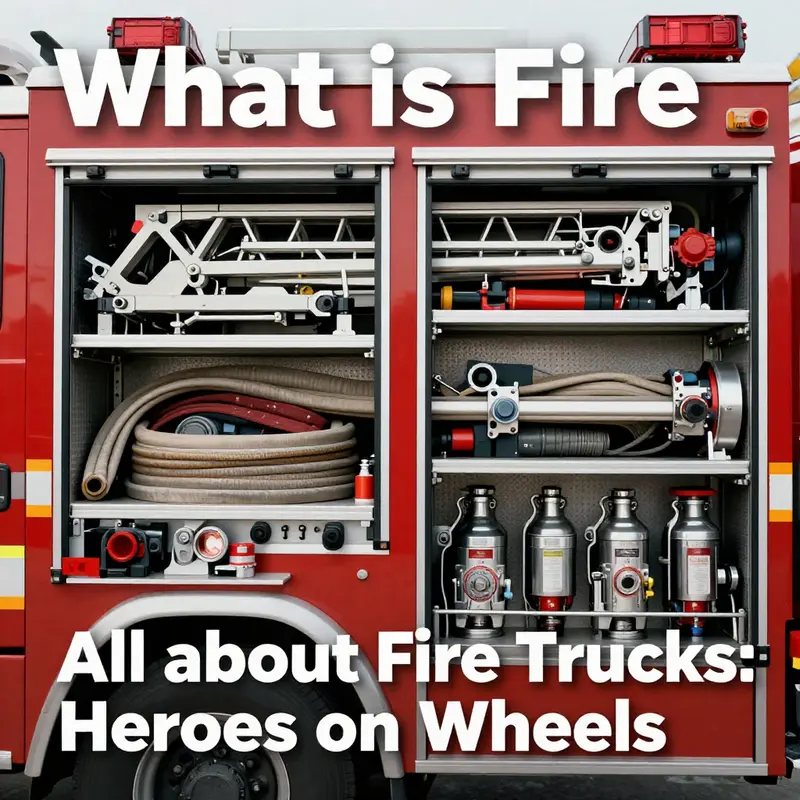
A fire truck is more than a vehicle that rushes to danger; it is a portable command center built around water, tools, and communication. Its purpose is simple in statement but complex in execution: arrive quickly, begin control of the scene, and support firefighters as they confront flames, rescue people, and manage hazardous situations. The chassis and body carry a carefully chosen spread of equipment that can be deployed in a fraction of a minute, yet must be organized enough to remain reliable after years of use. When one looks past the siren and the bright paint, the fire truck reveals a philosophy of readiness: every component serves a precise need at the exact moment it is required. The result is a vehicle that blends power with practicality, providing both the means to fight a fire and the ability to adapt to the unpredictable nature of emergencies.
At the heart of most fire trucks lies the water pump system. This pump is the core engine of firefighting capability, capable of delivering water at high pressure to push through hoses and into the seat of a blaze. In many departments, the pump capacity is measured in gallons per minute (GPM). A typical small fire truck can produce between 250 and 500 GPM, while larger models may exceed 1,000 GPM. This range matters because it determines how quickly water can be applied to a fire, how long it can be sustained without pausing for a refill, and how many hoselines can be operated at once. The pump’s performance is tied to the vehicle’s powertrain and plumbing layout, which must resist heat, vibration, and the demands of long shifts in challenging environments. The ability to switch between different pressure levels and nozzle patterns also allows firefighters to tailor their attack to the fire’s size, fuel class, and configuration of the building. In practice, the pump is not a solitary piece of machinery but a node in a network that includes the water source, hydrants, and the downstream distribution of lines that reach the front door, the stairwell, or the roof.
A built-in water tank provides an immediate, on-scene water resource before connection to a hydrant or another supply point. Tank size varies widely depending on the vehicle class and the mission profile. Small to mid-size urban engines may carry 150–300 gallons (roughly 568–1,136 liters) of water, enough to begin suppression while crews set up a connection to a hydrant. In rural or remote areas, larger water-carrying units—often referred to as tanker or rescue pumpers—may carry anywhere from several thousand liters up to 10,000 liters (roughly 2,640 gallons). These larger tanks are essential when a reliable water supply is scarce or distant from a public water system. The combination of a pump and tank allows a sequence of actions: begin with direct application from the tank, draft water if needed, and then sustain a steady flow as the incident evolves. The equipment is deliberately chosen to minimize delays, so that suppression starts sooner and chances of escalation diminish.
Hoses and nozzles form the worker’s toolkit for shaping the stream and reach of water across a burning space. Fire trucks typically carry substantial lengths of reinforced rubber hose, often 50 to 100 feet long, designed to resist abrasion and high pressure. A crew can lay multiple hoses in parallel, targeting different areas of the fire or providing a backup line if conditions change. Nozzles come in a range of configurations—straight streams for penetration and reach, and fog patterns for cooling and flashover control. The choice of pattern hinges on several variables: the fire’s fuel source, room layout, occupancy risk, and whether occupants need rapid cooling to slow the fire’s spread. The hose system is not merely about water; it also enables firefighters to maneuver around obstacles, navigate stairwells, and maintain pressure as the hose length increases away from the pump.
Ladders and rescue tools extend a fire truck’s capability from suppression to rescue. Aerial ladders or platforms can reach upper floors, allowing firefighters to apply water from above while rescuing people who may be trapped by heat and smoke. Ladders can tower well above the ground in tall structures, enabling a safer, more controlled approach to upper-story operations. In addition to ladders, fire trucks carry hydraulic rescue tools, rope systems, flashlights, and devices such as thermal imaging cameras. These tools help crews locate victims through smoke, assess structural integrity, and perform rapid extrication when vehicles or debris impede access. The emphasis is on enabling safe and timely action, not just on overcoming the fire but on preserving life and reducing further danger.
The crew layout and compartmentalized storage on a fire truck are designed for speed and efficiency. A typical truck accommodates 3–4 firefighters who can split tasks across several zones: attack, search and rescue, ventilation, and support. The specialized compartments keep tools organized and protected from the elements, with quick-access latching and predictable locations. This level of organization matters in the heat of the moment when seconds count and a misplaced tool can cost time or safety. In practice, the truck’s interior becomes a living map of the mission plan, guiding the crew through deployment sequences—from donning PPE and grabbing a charged hose to deploying an aerial ladder and coordinating with other units on the scene.
Beyond the core functions, fire trucks come in specialized variants designed to meet distinct operational needs. Foam fire trucks, for example, can mix foam concentrates with water to blanket flammable liquid fires in the early stages, reducing ignition risk and improving knockdown efficiency. Fire hose trucks emphasize rapid deployment and high-pressure pumping in urban environments where hydrants are plentiful and close by, enabling swift, disciplined attack lines. Rural or off-road engines—the Type 3 class in many regions—are built for rugged terrain and often feature larger water tanks and rugged suspensions to reach remote incidents. These variants demonstrate how the equipment is not a one-size-fits-all solution but a family of platforms tuned to the geography, fuel hazards, and response patterns of a community.
Safety and communication systems are woven throughout the vehicle’s design. Sirens and flashing lights announce arrival and help clear space for responders. Two-way radios keep the crew in constant contact with the dispatch center and with other units at the scene. Modern fire trucks may incorporate GPS navigation, onboard computers, and digital mapping to support better incident command and situational awareness. This integrated approach is crucial when multiple agencies converge on a scene, or when a building’s layout forces crews to adjust tactics on the fly. The result is a vehicle that not only carries water and tools but also serves as a mobile hub for decision-making and coordination under pressure.
The overall effect of these features is to create a reliable, adaptable platform that can perform under the stress of real emergencies. The design philosophy balances power with control: enough water and reach to suppress a fire, enough mobility to arrive quickly and maneuver in crowded streets, and enough resilience to operate across shifting conditions. This balance is why the fire truck remains central to firefighting and emergency response. It embodies a philosophy of readiness that remains constant even as technology advances and response paradigms evolve. In many communities, this equipment is paired with ongoing training, maintenance, and governance that ensure every component works as intended when it is needed most.
For readers seeking to connect these ideas to broader standards and practice, the discussion of equipment and features often intersects with formal guidelines set by national and international authorities. These standards help ensure that pumps perform at predictable levels, tanks retain water safely, hoses withstand repeated use, and rescue tools operate with consistent safety margins. They also guide the design of specialized variants and the integration of new technologies into existing fleets. In this sense, a fire truck is not just a machine; it is a carefully engineered platform that embodies a community’s commitment to safety, preparedness, and rapid response. To explore these standards in depth, practitioners and enthusiasts can consult authoritative resources such as NFPA, which outlines requirements for vehicle design, equipment, and operation. For further reading, see the standard references at NFPA’s official site.
For a concise look at how the hardware translates into everyday practice, consider the durable, all-purpose frame of steel fire apparatus. This perspective highlights how the physical construction supports reliability across shifts, calls, and weather conditions. In short, a fire truck is a compact, purpose-built ecosystem: a moving workshop that carries water, power, and life-saving capability to every incident. Its statuesque presence on the street signals not only emergency action but also the promise that trained crews have the right tools to move quickly from assessment to action, from threat to containment, and from danger to safety. As communities grow and the demands of urban and rural incidents diversify, the fire truck’s equipment and features continue to evolve—yet the core idea remains the same: a vehicle that brings essential resources where they are needed most, exactly when they are needed, with the discipline and coordination that make life-saving work possible.
External resources to deepen understanding of these standards and practices can be found at NFPA’s official site, which provides comprehensive guidance on vehicle design, equipment requirements, and safe operation (https://www.nfpa.org/).
null
null
Fire Truck as Cultural Sentinel: Symbol, Service, and Story in Public Life
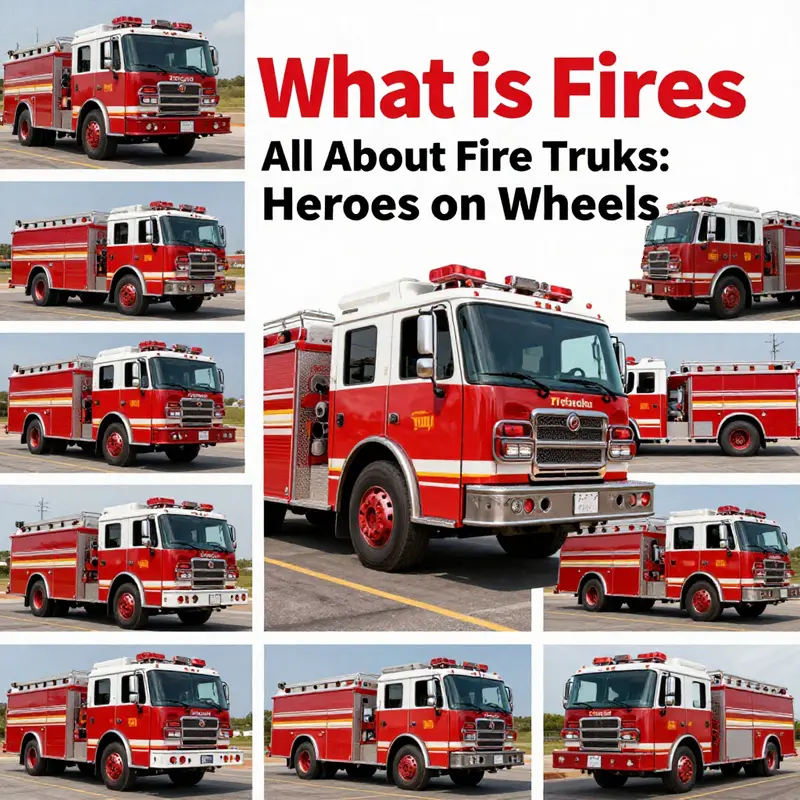
Fire trucks rise from the curb like a bright arrival of safety. They are not merely machines; they are portable reminders that danger can be met with order, training, and teamwork. A fire truck moves people and power to the scene of trouble. It carries firefighters, yes, but it also transports the equipment that makes rescue possible. The core trio—transport, equipment, water supply—defines both the vehicle’s job and its everyday presence in urban life. When a siren cuts the air, residents know a team is en route to a problem that could affect anyone. In that moment, the vehicle becomes a symbol of collective protection.
The practical heart of the fire truck lies in its mobility and toolkit. It is built to ferry crews quickly to a scene while offering a mobile workshop for firefighting and rescue. The pumps deliver water at high pressure, a cornerstone of extinguishing methods. Hoses coil in compartments, ready to spray through heat and smoke. Ladders stretch to reach windows and balconies, enabling rescues and access to tall structures. On board, a range of tools supports forcible entry, ventilation, lighting, and medical response. The design emphasizes readiness and coordination: every compartment has a purpose, every crew member knows where to find what they need, and the vehicle’s layout supports rapid teamwork under pressure. In practice, the truck is more than a conveyance; it is a moving command post that sustains a coordinated response.
Culturally, fire trucks inhabit a brighter space than their technical function might imply. They stand for courage, selflessness, and service to the common good. Their presence at parades, open houses, and fundraisers turns a municipal service into a public celebration of safety and solidarity. Children and adults alike learn to associate the sight and sound of a fire engine with help arriving in moments of crisis. The image of red bodywork, flashing lights, and a crew in uniform captures a narrative of protection that communities carry in memory and conversation. In popular culture, these vehicles recur as heroes in stories, films, and books, reinforcing the sense that rescue is possible when people work together under a disciplined plan.
Color and form amplify the symbolism. Red, long linked with urgency and action, signals that attention is required. Yet color meanings vary across cultures, and the symbolism of a fire department vehicle has grown to include factors like city markings, ladder gauges, and beacon patterns that communicate specialized roles. The broader point is that the fire truck is a language in steel and chrome, speaking to a shared understanding of risk, response, and care. Cultural connections extend beyond the stove or the station because the fire engine threads itself into rituals, anniversaries, and community storytelling. Even broader associations appear in cultural references that connect energy, vitality, and renewal with fire’s dynamic force. The fire truck thus becomes both a sign of danger faced and a pledge of resilience.
Media and public life deepen these meanings. News coverage of emergencies often frames the truck as a symbol of swift, organized action, while local events give real faces to its work. Open houses let residents peek into the cab, examine the equipment, and ask questions about training and safety. These moments transform the apparatus from remote instrument to approachable ally. The social life of the truck depends on its crews, who train together, respond together, and often share stories about why they chose this path. In turn, communities recognize that readiness is an ongoing practice, not a one-time spectacle. The relationship between community and responders becomes a mutual trust, reinforced each time a vehicle rolls out to protect neighbors, extinguish flames, or assist during a medical emergency.
Within this ecosystem, gratitude and remembrance play key roles. Acknowledgment of service—through ceremonies, school visits, or simply a neighbor saying thank you—cements the emotional bond between people and the engine that serves them. Such acts of appreciation translate abstract admiration into practical support for safety programs, preventive education, and equipment maintenance. To reflect this ongoing conversation about service, consider how communities acknowledge first responders in everyday life Thanking First Responders. This link points to a broader discussion of how public gratitude sustains the morale and professionalism that keep streets safer.
The fire truck’s significance, then, is not only about what it does but about what it represents. It embodies the commitment to protect, to train, and to act with competence under pressure. It invites publics to participate in safety through awareness, prevention, and respectful recognition of the people who carry the responsibility. In many ways, the vehicle helps translate a city’s readiness into a cultural script that nonexperts can access and trust. It becomes a focal point where policy, practice, and civic feeling intersect. The story of the fire truck is a living narrative—one that continues to evolve as cities grow, as threats diversify, and as communities reaffirm their duty to one another. The more people understand its dual nature—the practical tool and the symbol of protection—the more meaning the engine will carry in everyday life.
For readers seeking deeper context, authoritative safety and standards bodies provide technical foundations that ground these cultural meanings in practice. See the National Fire Protection Association for comprehensive safety standards, training resources, and data on emergency response. https://www.nfpa.org/
In other parts of the world, the concept of the fire truck adapts to local circumstances without losing its core identity. In smaller towns with tighter budgets, the same vehicle often doubles as a rescue unit and a mobile command post during major incidents. In rapidly urbanizing regions, crews must contend with varied terrain and water access, prompting modular configurations and smarter water management strategies. Across these differences, the essential idea endures: a reliable partner that translates preparedness into action and uncertainty into reassurance. The vehicle remains a public symbol, yes, but it also evolves as technology, policy, and community needs change. The result is a dynamic instrument of safety that continues to tell a story of courage, care, and collaboration, a story that invites every resident to imagine being part of a protective network rather than a distant spectator to risk.
From Horse-Drawn Pumps to Electric Powertrains: A History of Mobile Firefighting
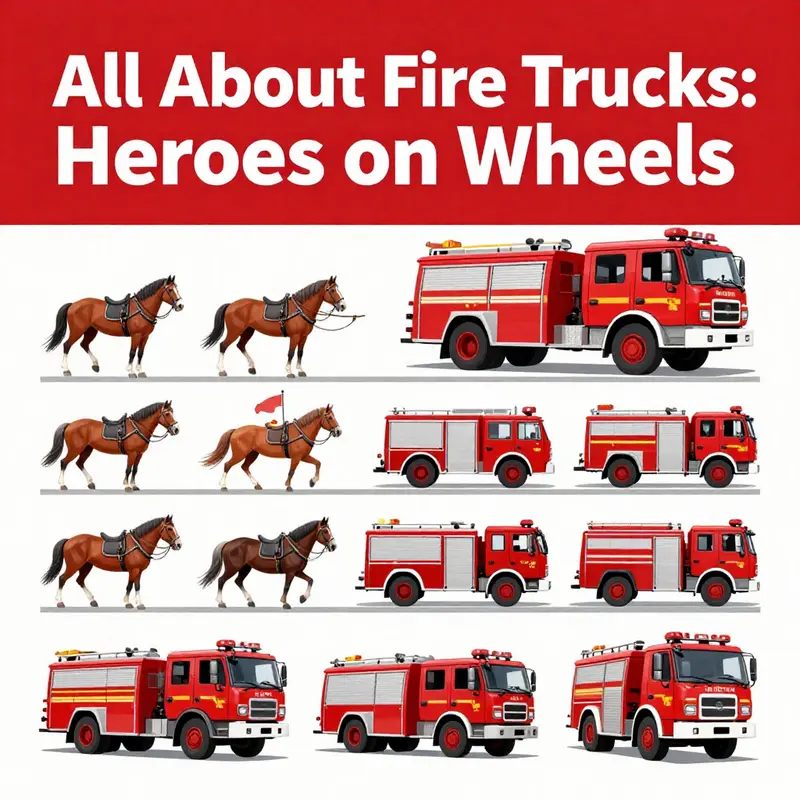
Fire apparatus began as simple wagons with hand pumps. Communities relied on volunteer brigades, water drawn from wells and rivers, and hoses hauled to the scene. The horse drawn pumper embodied early mobility and teamwork. The pivot to steam in the 19th century increased water flow and pressure, and designs grew larger and more capable, yet required careful maintenance. In the 20th century internal combustion engines freed apparatus from horse power, enabling faster response and more standardized configurations, with red paint becoming a public symbol of readiness. The mid century added aerial ladders and platform systems, transforming the truck into a versatile platform for access and rescue. Later generations integrated hydraulics and onboard power for lighting, communications, and power tools, turning the vehicle into a mobile workshop. In the 21st century electrification and hybrids promise lower emissions and smarter fleets while preserving the core mission to deliver water, reach the scene quickly, and protect life and property. Across eras, design has balanced performance with operator needs, safety, and maintenance, making the fire truck a continually evolving tool for public safety.
Final thoughts
Fire trucks are more than just vehicles; they are a symbol of safety, courage, and community support. Their innovative features and substantial historical legacy have made them indispensable during emergencies. By understanding the broad scope of what a fire truck represents—from its mechanical components to its cultural presence—we can appreciate the hard work that goes into protecting lives and property. Whether you’re a firetruck enthusiast, an aspiring firefighter, or a professional in emergency services, recognizing the depth and significance of these vehicles enhances our respect and admiration for the firefighting community.