
The cost of ladder fire trucks is an essential consideration for fire departments, firetruck enthusiasts, and aspiring firefighters. With prices varying widely based on model, specifications, and manufacturer, understanding how these factors contribute to the overall investment can aid in informed decision-making. From premium models like the Sitrak YT42 to entry-level trucks such as the HOWO 12cbm, each option reflects a different set of capabilities and pricing. This article will explore the various cost factors influencing ladder fire truck pricing, provide a comparative analysis of different models, offer budgeting advice for fire departments, and discuss the economic implications of such investments in fire safety.
Rising Ladders, Real Budgets: The Price Architecture of Aerial Fire Trucks
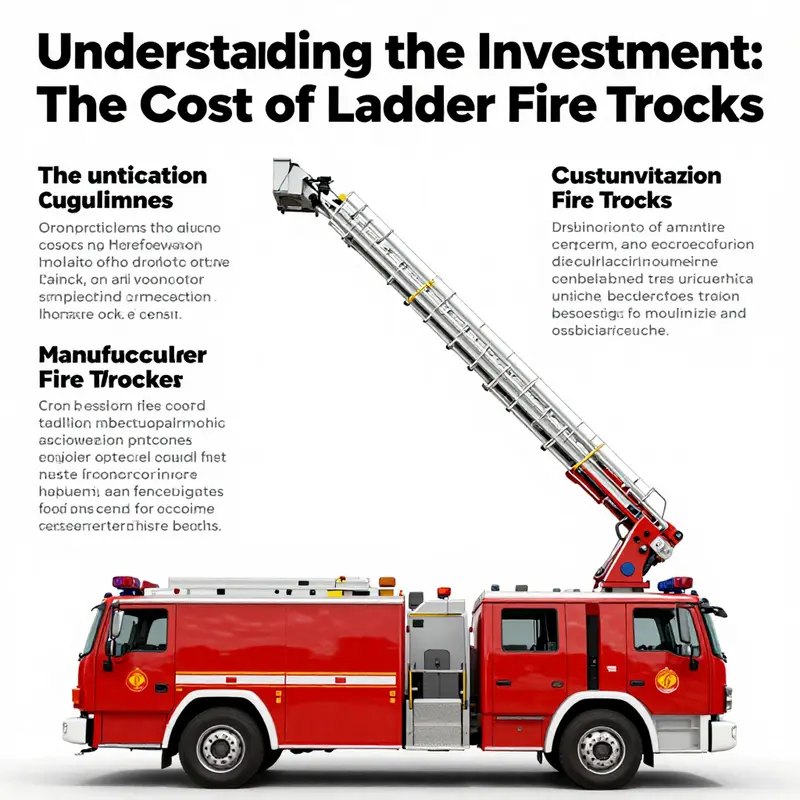
When communities plan for emergency response, the ladder fire truck often sits at the intersection of availability, capability, and budget. The sticker price on a 20-meter or longer aerial unit is not simply a single number stamped on a tag; it is the end result of a complex negotiation between reach, ruggedness, technology, and the unique demands of the departments that rely on them. To understand why the cost of a ladder truck can swing across a broad spectrum, one must move beyond the headline price and into the architecture of what makes these machines expensive, or, in some cases, surprisingly affordable. The most obvious driver is size and reach. A ladder truck’s boom is not a mere metal scaffold; it is a precisely engineered, hydraulically actuated structure that must perform reliably under load, in wind, and at heights where precision can mean the difference between life and casualty. Vehicles designed for longer reaches—those with booms extending into the 90, 100, 135 feet and beyond—carry higher production costs. The longer the reach, the more sophisticated the hydraulic architecture, the more stringent the calibrations for load, extension, and counterbalance. In practical terms, these trucks demand higher-strength materials, more robust joints, and tighter tolerances in manufacturing. The result is a higher price tag that reflects the added engineering, testing, and quality assurance required to protect both operators and civilians who depend on the apparatus during tense, high-stakes operations. Beyond raw reach, the aerial apparatus often includes features such as articulating booms and elevated platforms. These capabilities expand the scope of rescue and firefighting techniques that the truck can perform, from able to advance around obstacles to delivering personnel to mezzanines or exposed windows. Each added articulation joint, each additional axis of motion, introduces not only more components but also more control systems and safety interlocks. The cost climbs accordingly because the equipment must be engineered to coordinate complex movements with precision. The price dynamics also reflect the presence of high-capacity water pumps and integrated firefighting systems that are built into the ladder platform. A modern ladder truck may combine elevated reach with substantial water flow, designed to deliver sufficient pressure to fight fires from above while also supporting rescue operations. The hydraulic and pumping systems must withstand continuous usage, endure rugged conditions, and be reliable under the demanding cycles of a fire incident. The result is a package where firefighting capability and vertical reach are inseparable from the vehicle’s core price. As a consequence, the chassis that carries the aerial apparatus becomes a pivotal determinant of cost. A ladder truck’s chassis is not a standard passenger vehicle but a heavy-duty platform rated for the combined workload of pumping water, extending a boom, and carrying personnel. Manufacturers frequently base these trucks on commercial heavy-duty framework or on purpose-built platforms designed to handle high torque loads, long service life, and the safety margins demanded by emergency operations. The chassis choice matters not only for performance but also for serviceability and total cost of ownership over the life of the truck. A well-engineered chassis can reduce maintenance downtime and extend the interval between major overhauls, but it typically comes with a higher initial investment. The next layer in the cost equation is customization. Fire departments come with distinct geographies, response profiles, and facility layouts. Some departments require additional tool storage, specialized rescue equipment, or extra water capacity within the same vehicle footprint. Others might need enhanced cab ergonomics for long shifts, improved cab climate control, or advanced lighting and communication systems tailored to their dispatch environment. Custom features can include enhanced safety protections, remote-control functions for the aerial platform, and more sophisticated operator interfaces. Each customization adds design, testing, and integration work, all of which push the price upward. It is worth emphasizing that these specifications are often finalized through a careful balancing act between the department’s wishes and the vendor’s engineering findings. In some cases, pricing is only provided upon request, reflecting the bespoke nature of the configuration and the time required to tailor a solution to exact needs. This reality is not a sign of opacity but rather a reflection of how aerial ladders are built to order, with specialized components, certification requirements, and on-site training considerations that must align with the department’s procurement processes. The numbers commonly cited by industry sources illustrate the broad spectrum of possible configurations. At the lower end, there are entry-level ladder trucks with modest water-carrying capacity and basic aerial features where the price can be in the tens of thousands of dollars. While such figures may seem surprising given the critical functions these vehicles perform, they reflect a market segment that prioritizes affordability and rapid deployment for smaller departments or developing regions where budgets are constrained. On the other hand, there are premium configurations that command well into the hundreds of thousands, and in some cases beyond the million-dollar mark. A 20-meter class aerial ladder with a comprehensive suite of safety, control, and ergonomic features sits in the higher end of the spectrum, often tied to the most rigorous performance standards and longer-term durability expectations. It is not unusual for these high-end units to be priced in the several hundred thousand to low seven-figure range, depending on the specifics, the level of customization, and whether additional capabilities, such as advanced lighting systems, radiation protection, or digital integration with command platforms, are included. Industry data indicate that ladder trucks can generally be found within a broad band of approximately $750,000 to over $900,000 under standard configurations, with room for significant deviation on either side depending on the exact build. And there exist specialized multi-functional ladder trucks that are designed to meet a broader set of rescue and firefighting roles, which can be priced around modest six figures for more basic iterations and higher for those that integrate additional payload, rescue tools, or hybrid powertrain solutions. The important point for buyers is to recognize that these numbers are not merely numbers; they are the result of a disciplined pricing ecosystem where reach, pump capacity, chassis heft, and customization all converge. In today’s market, prospective buyers should anticipate that precise quotes will reflect the department’s scope, geographic considerations, and delivery or installation terms, with the supplier providing detailed cost breakdowns once the specific configuration is defined. Those who are shopping can expect to see the price evolve as the design moves from a concept to a production-ready specification. When a department begins reviewing options, the process typically involves a comparison of two broad classes: basic, purpose-built ladder trucks with essential aerial features and moderate water capacity; and more specialized, premium configurations that emphasize the aerial platform’s reach, control sophistication, safety systems, and long-term serviceability. The market also includes entirely different configurations that blur the line between firefighting and rescue operations, such as ladder trucks integrated with water-t tanker capabilities or those designed for extremely rugged terrain. These vehicles reflect a strategic choice by some departments to consolidate equipment into a single platform capable of addressing multiple incident types. For readers exploring current market options, practical steps include requesting detailed quotations that break out the avionics, hydraulics, chassis, and structural components, as well as the cost of any required training, commissioning, and after-sales support. It is common for price guidance to arrive in a format that requires interpretation: base price for the chassis and aerial package, plus options for materials, customization, and service plans; then a final quote that includes delivery, mounting, testing, and a warranty package. To illustrate the diversity in the pricing landscape without naming specific products, consider the broad categories that typically appear in supplier catalogs. Entry-level ladder trucks with moderate reach and modest water capacity can be priced in the lower six figures to the mid six figures, depending on the region and the negotiation parameters. Mid-range configurations with enhanced safety features, ergonomic cabs, and more robust hydraulics generally sit in the higher six figures, while premium, high-reach, multi-functional units with integrated safety automation, advanced lighting, and sophisticated pre-incident planning capabilities tend to land in the seven-figure territory for certain builds. Among the most notable price signals is the fact that some 20-meter class aerial ladder units are publicly shown with pricing details available only upon request, highlighting how much customization and negotiation can influence the final tag. In contrast, more basic ladder-equipped water-tanker combinations, intended for departments that need a cost-conscious solution, may fall into the mid-to-lower six-figure range, illustrating how diversification within the class of aerial apparatus can produce markedly different total costs. Prospective buyers often tell the same story: a primary hurdle is translating a list of technical specifications into a realistic total cost that also covers maintenance, repairs, and potential modernization needs over a multi-decade service life. This is where total cost of ownership begins to matter as much as the initial price. A ladder truck is not simply a one-off purchase; it is a long-term asset that requires regular maintenance, software updates for control systems, inspections of hydraulics, cab sensors, and the structural integrity of the boom, all of which contribute to ongoing costs. Departments must account for parts availability, technician training, and potential upgrades to keep pace with evolving safety standards and mission profiles. The decision-making process is also shaped by procurement cycles and funding constraints. Some districts operate with multi-year capital plans that spread the cost over several fiscal periods, while others pursue grant programs or cooperative purchasing arrangements to optimize value. In addition to the financial calculations, an informed buyer weighs the operational implications of each configuration. A longer reach can expand the range at which crews can operate effectively, enabling safer access to higher floors and more diverse incident types. But it also requires careful placement at the scene, driver training for unfamiliar maneuvers, and consideration of the vehicle’s turning radius, weight distribution, and response time. These practical factors influence not only the perceived value but also the eventual return on investment. For readers who want a snapshot of how the market translates into numbers, consider a practical frame of reference: base configurations may open at several hundred thousand dollars when the unit’s emphasis is on core ladder performance, while premium packages that integrate enhanced water delivery, cutting-edge safety features, and multi-tool rescue capacity are more likely to approach or exceed the half-million-dollar mark, and in some cases escalate into seven-figure territory when the configuration is truly specialized. Even with such a wide spread, the underlying principle remains consistent: the cost reflects a careful balance of performance, safety, durability, and the department’s anticipated usage patterns. The more a department negotiates to tailor a unit to its exact needs, the more the price will converge toward its own unique equilibrium. In short, the price architecture of aerial fire trucks is not a fixed ladder but a spectrum shaped by reach, power, control, and customization—the very aspects that determine how quickly a vehicle can reach a blaze, how safely it can operate at height, and how effectively it can support rescuers and civilians alike. For those exploring the market, the practical next step is to engage with suppliers to obtain formal quotations based on clearly defined requirements, and to compare these quotes not only by price but by the value embedded in equipment, training, service commitments, and long-term reliability. A thoughtful buyer will also consult broader market listings and case studies to gauge how similar configurations have performed in real-world deployments, recognizing that the optimal choice balances cost with mission readiness and lifecycle support. If you’re curious about current listings and market options, browsing dedicated marketplaces can provide context and examples of what departments have acquired and at what scale. For a broader sense of available options, you can explore ongoing market offerings here: fire trucks for sale. The landscape is large and nuanced, but with a clear specification sheet, a realistic budget, and a focus on long-term value, a department can align its capital plan with a configuration that reliably supports the full spectrum of firefighting and rescue operations. External references and manufacturer catalogs further illuminate the range of configurations and the rationale behind the pricing, giving buyers a frame of reference that helps anchor decisions in both capability and fiscal responsibility. For those who want to broaden their understanding beyond a single vendor or region, a detailed external resource provides insight into how aerial apparatus are engineered and tested, underscoring the engineering rigor that underpins the higher end of the market. External reference: https://www.piercemfg.com/products/aerial-apparatus/
Raising the Price Bar: How Ladder Fire Truck Costs Are Determined
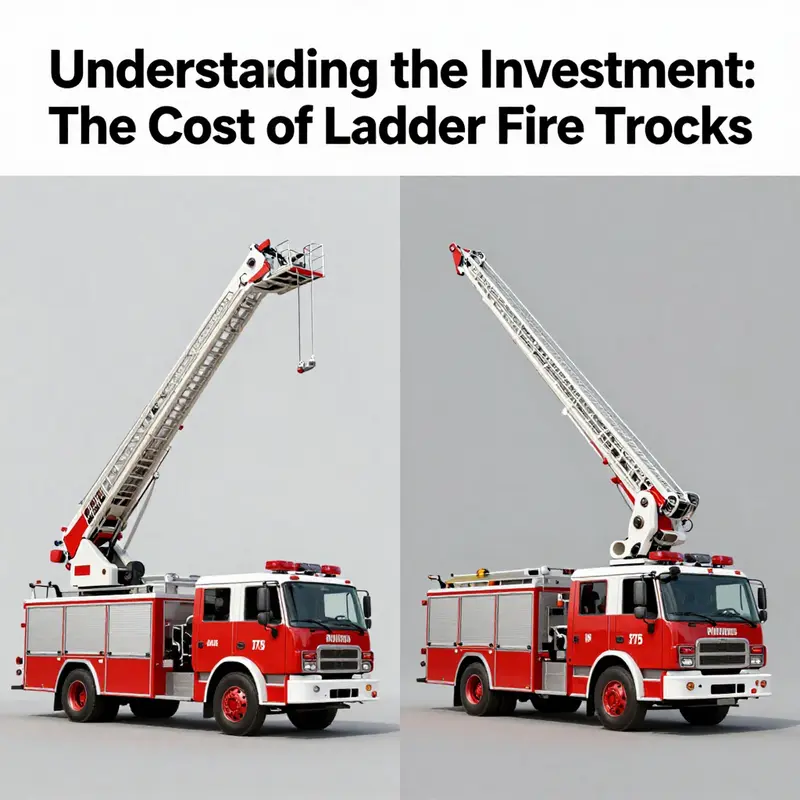
Pricing ladder fire trucks is a function of size, features, and lifecycle costs. The base price depends on ladder length, reach, and the level of specialization. The longer and higher the ladder, the more demanding the hydraulic system, chassis integration, and safety features become, driving up the upfront cost. Beyond the ladder, factors such as pump capacity, water tank size, foam or dry chemical options, stabilization gear, and cab amenities add to the quote. Customization can further raise the price, including specialized lighting, bodywork, electronics, and training services. Electric propulsion adds another layer, with higher upfront costs but potential long term savings in fuel and maintenance. Used or refurbished units offer cost advantages but come with considerations about remaining service life. External conditions such as currency, tariffs, and shipping influence delivered price, especially for international buyers. The best way to estimate total cost is to compare formal quotes that itemize chassis, ladder, pump, body, and options, and to evaluate maintenance costs and downtime across the fleet life. In practice, buyers benefit from clear specifications, robust warranties, spare parts availability, and a realistic plan for ongoing service. The bottom line is that price signals capability and total cost of ownership over a 12 to 15 year service life; a cheaper sticker price may incur higher maintenance or replacement costs later. For procurement teams, a needs assessment, multiple quotes, and a disciplined evaluation framework help align purchases with mission requirements and budget realities. For a practical view of options, consider market listings and vendor catalogs to understand typical configurations and price ranges; final quotes will reflect exact configurations, delivery terms, and support packages.
Budgeting the Ladder: How Fire Departments Weigh Cost, Value, and Long-Term Commitment When Procuring Aerial Ladder Trucks
When a fire department contemplates adding an aerial ladder truck to its fleet, it is rarely a decision based solely on the sticker price. The chapter on the economics of ladder trucks rests on a simple truth: cost is a function of capability, reliability, and lifecycle, not just a single moment of purchase. These vehicles sit at the intersection of life-safety missions and municipal budgeting, which means the numbers that finally land in an approved purchase order come after a careful weighing of needs, risk, and the long arc of ownership. Aerial ladder trucks are among the most specialized pieces of equipment a department buys. They must reach high into urban skylines, deliver crews safely to elevated points, and operate in environments where precision and dependability matter more than flash. All of this drives price, but it also drives value, particularly when a department inventories not only the upfront cost but the ongoing costs that accumulate over a 15- to 20-year lifecycle.
Price ranges for ladder trucks vary widely because the market includes a spectrum of configurations. On the entry side, a basic ladder truck outfitted with a water tank and the essential firefighting tools can be found in the lower tens of thousands, with practical discussions placing entry-level options around the $37,800 to $39,800 range. Those figures reflect models designed for smaller departments or mixed-use missions where the need for a long aerial reach is balanced by tighter budgets. In contrast, mid-range options—those with a proven multi-functional platform, an aerial ladder, and extendable reach—often sit in the neighborhood of about $60,980, a price point that captures the core combination of reach, platform stability, and hydraulic reliability that many urban departments require. Yet even this is not the ceiling. For departments serving dense urban cores with high-rise risks, for units intended to perform complex rescues and high-rise firefighting, the market presents premium offerings that can easily crest the $400,000 mark. These figures reflect longer booms, higher lift capacities, advanced hydraulic systems, onboard safety technologies, and sometimes bespoke detailing such as custom paint or branding—characteristics that contribute to performance in the most demanding environments but also push price into the upper ranges.
What drives these price differences? The simple answer is capability, and the longer answer is a blend of reach, capacity, systems complexity, and the level of customization. A public-safety vehicle is not a consumer appliance; it is a machine built to operate under harsh conditions, often across decades, with crews depending on it not just for access but for life-saving outcomes. Longer booms, say 100 feet or more, demand more robust structural engineering and heavier hydraulic systems. Higher lift capacities translate into heavier, more capable platforms and more sophisticated stabilization subsystems. Onboard safety technology—from restraint systems and operator protection features to integrated control systems that monitor pressure, angle, and load—adds another layer of expense but yields direct safety dividends. Custom finishes, branding, modular interior layouts, and equipment bays designed around department-specific couplings, hoses, and tool inventories further tailor the price. In practical terms, the more a department needs to do with a ladder truck—urban high-rise rescue, rural access, or a combination of tasks—the higher the cost of the vehicle and the more pronounced the premium attached to sophisticated features.
At the same time, the market offers choices that reflect differing priorities. Some departments aim to maximize unit life by prioritizing reliability and ease of maintenance, opting for slightly simpler hydraulics or standardized components that reduce downtime and spare-parts costs. Others emphasize the latest safety interlocks, remote diagnostics, and ergonomic cab designs to lessen operator fatigue and improve performance in demanding shifts. The result is a broad spectrum of configurations and price tags, with a general trend: basic, smaller-capability units are affordable, mid-range models deliver a balance of reach and versatility, and high-end configurations deliver top-tier performance at premium prices.
Beyond the base purchase price, the total cost of ownership expands quickly when maintenance, inspections, and component replacements are considered. A ladder truck is not a one-and-done purchase; it requires ongoing attention to keep it ready for service. Departments should anticipate regular inspections to ensure compliance with safety standards, routine servicing to preserve mechanical integrity, and the eventual replacement of equipment such as hoses, nozzles, and various attachments that experience wear. Even fuel and energy consumption become an ongoing consideration, especially for trucks in districts with long response times and frequent exercises. Training costs also accumulate, as operators and maintenance personnel must stay current with the vehicle’s systems and safety protocols. Taken together, these factors push total cost of ownership well above the initial price tag, and they should inform every procurement deliberation with a robust financial forecast.
To illustrate how departments approach budgeting, consider a comprehensive financial analysis that projects total ownership costs over the typical lifespan of a ladder truck. A future-focused budget would include depreciation, potential resale value, and the possibility of phased procurement. In some cases, a department may begin with a smaller, less expensive ladder or even a refurbished unit to bridge a gap while a longer-term plan is developed. This approach aligns with the argument that strategic buying—prioritizing essential capabilities first, then expanding or upgrading as funds permit—often yields higher overall value than a single, large purchase. It is not merely about minimizing upfront cost; it is about aligning the fleet’s capabilities with the department’s risk profile, service area, and anticipated incident patterns.
Financing strategies play a central role in turning planning into action. Government grants, such as federal or regional programs designed to support public-safety needs, can be transformative. In favorable circumstances, grants can cover a substantial portion of the cost, sometimes up to the full purchase price for eligible acquisitions, depending on the rigor and public-benefit demonstrated in the application. Municipal bonds are another common path, enabling communities to spread the cost over time while maintaining capital investment in critical equipment. Low-interest loan programs, often administered by state agencies or national development banks, also provide favorable terms for municipal purchases. For departments that prefer to avoid large capital outlays, leasing arrangements present an alternative that spreads payments across several years, easing immediate budget pressures while maintaining access to the most capable units achieved through the life cycle of the lease.
One takeaway here is that the financial language surrounding ladder trucks is not a single equation but a portfolio of options. The right mix depends on the department’s capital envelope, the reliability of the existing fleet, and the expected demand for high-rise response within the service area. A strategic planning mindset—defining essential capabilities first, evaluating alternatives like used or refurbished units, and building a staged procurement plan—can deliver meaningful public-safety outcomes without locking the department into a single, onerous debt obligation. It is a disciplined approach to a capital-intensive asset, one that acknowledges both the public’s need for immediate readiness and the prudent stewardship expected of public funds.
In a practical sense, the budgeting conversation begins with clear specifications and a grounded understanding of the market. Departments that begin with the fundamental question—what is the minimum aerial reach needed to service the community’s structural environment?—are better positioned to avoid overcapitalization on unnecessary features. Urban areas with dense high-rise development may justify longer booms and more sophisticated stabilization, whereas smaller towns might find a shorter reach suffices for their emergency profiles. This distinction informs both the initial request and the subsequent negotiation with suppliers, who will present a range of configurations and price points tied to those specifications.
The decision to pursue new versus used equipment is another critical axis in budgeting. Some departments find that a carefully inspected, refurbished unit can deliver substantial savings while still providing reliable performance and a suitable service life. However, the risk profile of used equipment requires rigorous assessment of key wear items, hydraulic systems, structural integrity, and the availability of spare parts and certified maintenance histories. The choice between pursuing a clean, new build with maximum warranty and future-proofing versus a more affordable, used option often boils down to the department’s tolerance for risk, the reliability of the supply chain, and the anticipated intensity of use in the coming years.
Within this budgeting framework, the concept of total value becomes central. A ladder truck’s value is not defined solely by its ability to reach a certain height. It is measured by how effectively it enables crews to perform rescues, how quickly the apparatus becomes available for service after routine maintenance, and how well it integrates with other elements of the department’s command and control architecture. Features such as onboard safety technology, intuitive controls, and compatibility with existing digital platforms for maintenance and diagnostics contribute to a lower total cost of ownership by reducing downtime and extending service life. In the end, the calculation is about utility over time: does the investment translate into more consistent readiness, safer outcomes, and lower lifecycle risk?
For readers navigating current market listings, the practical path often begins with a inventory scan at local dealers and national marketplaces that specialize in public-safety apparatus. For many departments, this step is followed by a more detailed needs assessment and a formal request-for-proposal process that codifies the required specifications and invites supplier competition. The goal is not simply to select the lowest price but to balance price with performance, availability, and the supplier’s track record for service support. A well-structured procurement process will include references from other departments, service histories, and a clear plan for integration with the department’s training programs and maintenance schedules. If you are exploring options, a clear starting point can be found in the broader market listings and sales platforms, which provide a snapshot of what is presently available and how pricing responds to different configurations. For readers who want to explore options in greater depth, the Fire Trucks for Sale platform offers a consolidated view of current opportunities and configurations that align with different community needs.
As the market evolves, departments may also consider the value of planned maintenance partnerships and extended service agreements. These arrangements can shift some of the maintenance cost risk away from the budget in exchange for stable, predictable expenses. They can be particularly advantageous for departments with tight operating margins or those that rely on shared facilities, where maintenance staffing and access to certified technicians may be constrained. A scalable approach to maintenance—one that leverages preventive inspections, scheduled component replacements, and data-driven diagnostics—can help predict and manage expenses, reducing unexpected downtime and extending the usable life of the fleet. In this sense, budgeting is not a one-time event but an ongoing discipline that requires regular review and adjustment as utilization patterns, regulatory requirements, and supplier terms evolve.
The chapter’s conclusion is practical as well as aspirational. Budgeting for ladder trucks is less about chasing the highest possible capability and more about aligning the fleet’s performance with the community’s risk profile, while ensuring a sustainable financial pathway for maintenance and modernization. The numbers tell a story: entry-level units offer affordability with adequate reach for smaller territories; mid-range configurations deliver broader capabilities with balanced cost; high-end, feature-rich platforms command premium prices but can yield significant life-cycle value in urban, high-rise environments. Between initial price, ongoing maintenance, and the options for financing or grants, departments are equipped with a spectrum of strategies to meet public-safety needs without compromising fiscal responsibility. In every case, the goal remains the same: to ensure that when the bell sounds, the ladder truck is ready to rise, support, and save lives with reliability that stands the test of time. For readers who want to dig deeper into market dynamics, the broader supplier listings can provide ongoing context about how prices shift with demand, technology, and regional requirements. External resources such as supplier listings underscore the importance of robust due diligence and careful contract terms in any procurement decision. External resource: https://www.alibaba.com/product-detail/Verified-Supplier-Ladder-Fire-Truck-Efficient_1600482234834.html
Rising to the Challenge: The Financial Architecture Behind Ladder Fire Trucks and Fire Safety
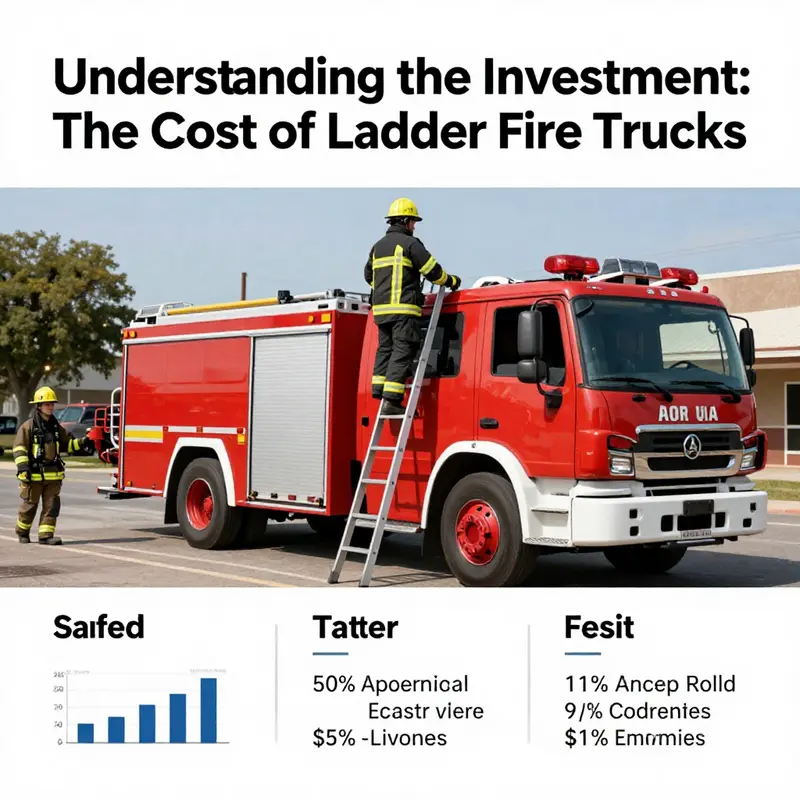
When a community considers adding or replacing an aerial ladder truck, the decision unfolds as a careful balance of public safety, financial stewardship, and long-term resilience. The ladder truck is more than a wheeled tool; it is a strategic asset that expands a department’s reach, capability, and surge capacity during high-rise incidents, rescues, and complex hazard mitigation. Yet the cost of such apparatus, and the ongoing expenses that accompany it, forces every decision maker to weigh immediate needs against the fiscal realities of a city, town, or county. The price tag on a modern aerial ladder reflects a spectrum as wide as the tasks the vehicle is asked to perform. On one end of the spectrum lie specialized, high-reach configurations endowed with advanced technology, telemetry, and rescue capabilities that push the price well into the several hundred thousands and sometimes beyond a million dollars. On the other end, listings and configurations marketed as entry-level or basic rescue ladders can appear at far lower price points. In practice, the market demonstrates that price is a function of reach, payload, onboard systems, and the level of customization demanded by a department. A typical modern aerial ladder truck sits in a range that commonly starts around the half-million-dollar mark and can exceed a million dollars, depending on the specifics. These ranges are not merely numbers; they signal the scale of the investment a community must authorize, finance, and maintain over decades. In one corner of the market, broader equipment packages that emphasize versatility and multi-functionality sometimes price around the higher end of the spectrum, reflecting the added value of integrated pumps, water handling, and specialized gear. In another corner, more basic configurations or smaller-scale ladders can be listed at considerably lower prices, illustrating how the same core capability—elevated rescue and reach—can be tailored to different mission profiles and budget realities. It is important to acknowledge that, in the literature and in supplier listings, there are occasional misprints or data points that do not align with the real-world costs of full-scale apparatus. For instance, a figure as small as 27.90 is clearly an error when discussing a complete firefighting vehicle designed for aerial operations. Such discrepancies underscore the need for careful due diligence and direct quotes from manufacturers or dealers to anchor budgets in the actual scope and features desired. Beyond sticker price, the financial landscape for ladder trucks encompasses the broader concept of lifecycle cost, which many budgets must address from the outset. The lifecycle approach recognizes that the purchase is the first of many financial commitments. Fuel consumption, routine and major maintenance, inspections, tires and components, insurance premiums, and depreciation all accumulate over the vehicle’s operating life. The challenge for departments is to forecast these costs with enough precision to avoid budgetary shortfalls that could compromise readiness. A well-funded procurement does not exist in a vacuum. It interacts with planning cycles, personnel development, and other essential line items that sustain a robust response capability. The budgetary impact is not merely a line item; it is a driver of policy, staffing decisions, and long-run public safety outcomes. In many communities, the decision to acquire or replace a ladder truck is layered within multi-year capital plans, debt financing strategies, and sometimes competitive grant programs. The procurement process itself becomes a test of governance—how to align the city’s risk profile with its willingness to incur debt, how to balance the lure of advanced capability against the opportunity cost of other critical services, and how to ensure that the equipment remains available and reliable for decades. In smaller or underfunded municipalities, the disparity becomes more pronounced. Economic constraints can limit access to high-end ladder trucks, which in turn can affect the speed and effectiveness of responses to high-rise incidents, emergency rescues, and hazardous material scenarios. These gaps reverberate through the community, potentially translating into higher property damages, longer incident durations, and increased risk to residents and responders. The chapter’s core insight is that the cost of an aerial ladder truck is not merely a purchase price; it is a gateway to a broader debate about public infrastructure, community resilience, and the social contract that underwrites emergency services. The initial investment, however daunting, often yields long-term benefits that justify spending when viewed through the lens of risk reduction, faster incident containment, and the ability to perform complex operations at height. Agencies that commit to modern ladder trucks frequently report improvements in operational efficiency, better crew safety, and reduced exposure to costly outcomes in high-risk scenarios. These benefits align with broader public safety objectives, including rapid rescue operations, effective ventilation and access on difficult façades, and the capacity to manage evolving tactical needs in dense urban environments. But the positive case rests on prudent planning and collaboration. The economic conversation cannot ignore the trade-offs that come with financing such equipment. Funds allocated to ladder trucks compete with investments in personnel, training, and maintenance infrastructure. The timing of a purchase matters: if the replacement cycle is too aggressive, departments may strain local resources; if too conservative, they may fall behind in performance benchmarks and community expectations. Financial planners often advocate for a blended approach that combines prudent capital budgeting with ongoing maintenance reserves, ensuring the fleet remains dependable without forcing abrupt, disruptive funding spikes. When considering equity, the chapter recognizes that not all communities can afford premium ladder trucks, and this reality has implications for regional resilience and safety equity. Economic disparities can lead to uneven access to high-capacity equipment, which can, in turn, affect the outcomes of fires and rescues in different neighborhoods. The literature on public safety infrastructure emphasizes that equitable investment is not merely a moral stance but a strategic one. An effective approach includes strategic funding mechanisms, inter-agency cooperation, and sustained federal or state support that helps smaller jurisdictions access technology and training that might otherwise be out of reach. Transparent budgeting processes, clear justifications for the chosen specification, and long-term planning are essential to maintain a safe and responsive fire service infrastructure. A thoughtful procurement strategy also embraces the realities of maintenance and lifecycle costs. It is not enough to purchase the ladder truck with the longest reach or the most advanced optics if the department cannot fund the upkeep, parts supply, and timely inspections needed to keep the vehicle mission-ready. The most sustainable outcomes arise when agencies factor in a maintenance cadence aligned with manufacturer recommendations, robust supply chains for spare parts, and service agreements that protect against unplanned downtime. In this context, the role of governance becomes central. Procurement decisions must be transparent, with stakeholder input from front-line crews, financial officers, risk managers, and elected representatives. The goal is to align technical capability with fiscal prudence, ensuring that communities do not overextend in ways that undermine other critical services while still securing the capacity to protect lives and property when the alarms sound. The narrative also invites reflection on the strategic value of shared resources. Inter-agency cooperation, collaborative purchasing partnerships, and regional maintenance consortia can help smaller departments access higher-specification equipment at more favorable terms. Such collaborations extend beyond the immediate purchase; they can include joint training programs, standardized maintenance protocols, and coordinated capital cycles that reduce duplication and increase reliability across a region. Markets for new and used apparatus show broad options, including listings that illustrate the diversity of configurations and price points. For readers exploring options, it is helpful to keep a few guiding questions in mind: What is the primary mission profile for the unit—high-rise fire suppression, rescue, or mixed duties? What is the expected service life, and how will the maintenance plan support it? How will financing be structured to balance current needs with future obligations? What provisions exist for upgrades or retrofits as technology evolves? The interplay of these considerations underscores the central thesis: the cost of a ladder truck is a governance and policy question as much as a mechanical one. It requires careful forecasting, negotiation, and stewardship to ensure that the investment yields consistent capability without compromising other essential services. For readers seeking additional context or practical guidance, the market contains a range of sources detailing procurement strategies, market trends, and cost analyses that can inform decision-making. In addition to the price ranges and example configurations discussed, it is prudent to consult authoritative guides and professional analyses as part of due diligence. Markets, policy, and safety outcomes are intertwined; a responsible buyer will approach the process with a clear understanding of both the engineering complexity of the vehicle and the fiscal discipline required to sustain it. Internal market references can be useful, and one practical route is to explore current listings and options in the broader firefighting equipment marketplace at fire-trucks-for-sale. The same exploration may reveal regional price variations, compliance considerations, and available service options that align with a department’s operational realities. In this sense, the chapter’s message extends beyond numbers. It is about how communities chart a course through cost, risk, and resilience to secure a fleet capable of protecting lives in the places where people live, work, and gather. Ultimately, the financial architecture that underpins ladder truck acquisitions is a reflection of a community’s values: willingness to invest in protection, belief in preventive approaches, and commitment to ensuring that high-stakes emergency response remains robust across time and circumstance. The journey from initial price quotes to a funded, fully commissioned asset is a path that travels through planning documents, grant applications, bond issuances, and, importantly, the lived experience of responders who depend on reliable elevation capabilities during critical moments. In this light, the economic implications of ladder truck costs become not merely a matter of accounting, but a public statement about how a society chooses to allocate scarce resources to safeguard its members today and in the years ahead. External resources for further policy discussion include authoritative guides on procurement and public safety investment. For instance, FEMA’s Fire Apparatus Procurement Guide provides structured guidance on the procurement process, standards, and best practices that help align financial planning with safety outcomes. https://www.fema.gov/sites/default/files/2023-08/FEMA-FFA-Fire-Apparatus-Procurement-Guide.pdf
Final thoughts
Understanding how much a ladder fire truck costs is critical not just for budgeting but for ensuring that fire departments can effectively serve their communities. By exploring the various cost factors, conducting a comparative analysis, and considering budget strategies, stakeholders can make informed decisions that balance quality and functionality against fiscal responsibility. Additionally, recognizing the broader economic implications highlights the importance of these investments in enhancing public safety. Ultimately, the right ladder fire truck is worth every penny spent when it comes to saving lives and protecting property.