
For fire truck enthusiasts, young aspiring firefighters, and emergency services professionals, finding a fire truck in GTA 5 is an exciting part of the gameplay. With a variety of ways to unlock this unique vehicle, players can explore the vivid streets of Los Santos while embracing their passion for firefighting. From calling the Fire Department to finding the best fire stations to visit, each chapter in this guide will arm you with insights and strategies to enhance your gaming experience, ensuring you not only find a fire truck but also understand the broader context of firefighting within the game. Whether you’re looking for fun stunts or just to enjoy the ride, this guide is your ultimate resource.
Calling for the Sirens: Securing a Fire Truck in GTA 5 Through a Fire Department Dispatch
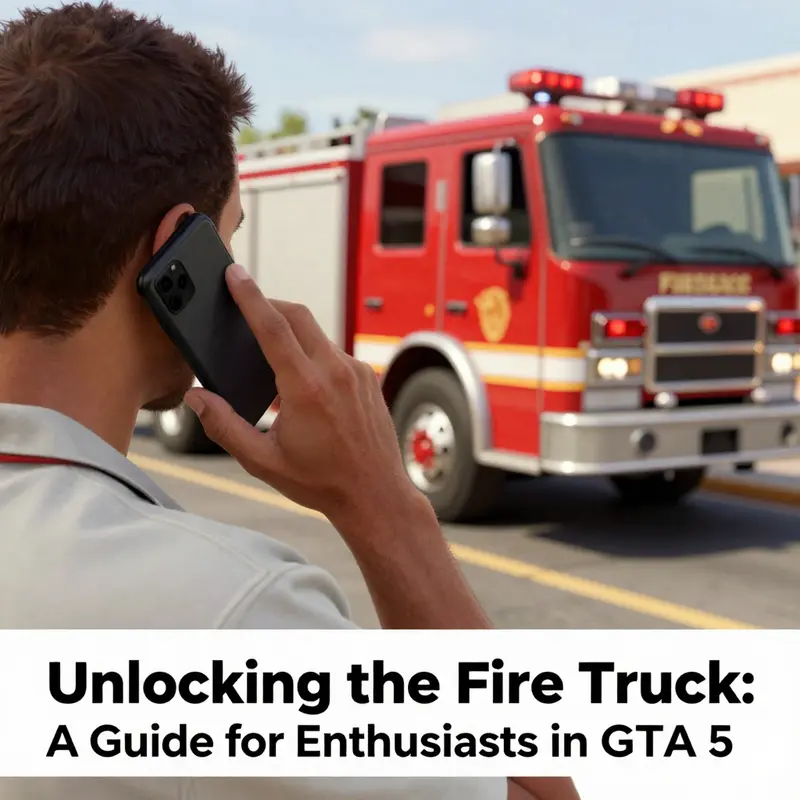
When players set out to grab a fire truck in GTA 5, the option to summon one via the Fire Department adds a layer of realism and a unique set of challenges. It is more than a simple vehicle fetch; it is a small, mission-like moment that blends timing, location, and risk. For those aiming to use a fire truck for stunts, rescue sequences, or just to explore the city from a different angle, summoning the department is a deliberate choice. The approach mirrors how a player might seek a dramatic, authentic entry point into a scene where speed and maneuverability matter. The method is straightforward, but its outcomes can ripple through your plans for the session. The sensation of waiting as sirens echo closer, the moment the truck rolls into view, and the decision to press the interaction key at exactly the right moment all contribute to a memorable GTA moment. This is not merely about acquiring a vehicle; it’s about orchestrating a small, cinematic sequence within the game world. If you want a deeper look into how emergency-themed vehicles fit into the wider GTA ecosystem, you can explore resources that discuss the broader lore and practicalities of specialized fleet operations in game settings, including a dedicated Fire Truck Blog, which offers context and related tips at Fire Truck Blog.
To embark on the dispatch, start by bringing up your in-game cellphone. On PC, this means pressing the up arrow on your keyboard or using the mouse wheel to cycle through the quick actions until the phone is active. The Fire Department is tucked behind the Emergency Services option in the contact list. When you navigate to this menu, choose Fire Department. In most cases, you will be presented with a confirmation that an emergency dispatch has been initiated. A fire truck will be allocated to your current position, and the clock starts ticking immediately. The arrival time is generally short, typically within a minute, though it can vary with your location in Los Santos or Blaine County. If you are far from the city center, expect the response to take a little longer; if you are near the downtown corridor or a fire station, the truck may appear almost instantly. This immediacy is part of the thrill, but it also ushers in a caveat: you are about to begin a chase with law enforcement if you decide to seize the vehicle as soon as it arrives.
The moment the truck noses into view, the game shifts from anticipation to action. You should be ready to step forward and claim it by pressing the interaction key. On PC, that key is E. The act of boarding and driving away is treated like any other vehicle theft in GTA 5, but it comes with a unique consequence. The police will be alerted, and a wanted level will be triggered. The degree of pursuit depends on how you handle the escape, your driving skill, and the location you choose for departure. In practice, this means you may face a range of responses—from a light pursuit that tests your ability to weave through traffic to a full-on manhunt that includes roadblocks and aerial support in some moments of heightened chaos. The realism of the encounter adds texture to the chase: you must balance speed with control, choosing routes that minimize risk while keeping your target within reach. If your goal is a clean, low-profile extraction, you’ll need to plan an exit strategy that leverages the city’s layout—alleys, backstreets, and a few clever detours can make the difference between a successful theft and a long, tiresome pursuit.
The practical side of this method hinges on preparation and situational awareness. Before you call, map out your least congested path to a secluded corner of the map. If you want to minimize the attention of bystanders and law enforcement, pick a route that goes through lesser-trafficked zones or uses tight turns to throw pursuing units off your path. A well-timed acceleration through a narrow corridor can slow down the encroaching police and buy you crucial seconds. If you manage to evade the initial response, you may even shake off the tail and reach a quieter stretch of road where the truck’s bulk becomes a liability to pursuers who rely on open space to chase efficiently. It’s a game of patience as much as speed; a well-timed drift or a short pause behind cover can disrupt the pursuit long enough to complete your objective. Throughout this process, keep an eye on your health and ammunition, particularly if you anticipate a long chase or if you’ll need to perform stunts shortly after the theft. In cases where a mission or stunt demands a quick vehicle swap, you might prefer to keep a low profile while the smoke clears and the sirens fade to avoid unnecessary complications.
If your plan involves avoiding police confrontation altogether, an alternative approach offers a different flavor of risk and reward. Instead of calling emergency services, you can seek a fire truck from a fire station. Fire stations are scattered across Los Santos and Blaine County, and in many cases, the vehicles parked outside can be claimed without drawing immediate police attention. This option is particularly appealing when your aim is to perform stunts or to have a vehicle for exploration without triggering a chase. It’s worth noting that accessing a station may still attract attention from law enforcement in some circumstances, but the immediate escalation to a chase is typically delayed compared with a direct theft from a dispatch. The locations that players commonly consider include the Rockford Hills Fire Station, the Davis Fire Station in South Los Santos, the Pleasant Gardens Fire Station along the coast, and the Sandy Shores Fire Station by the beach town. While these stations are easy to reach, the game’s map system provides another reliable guide: the red fire station icons printed across the map. Opening the map (F1 by default) allows players to pinpoint the nearest station, gauge surrounding traffic, and plan the best entry route. This map-based approach can be especially useful for players who want a predictable pickup point without the headstart of a police chase. For a broader sense of how to navigate emergency response systems in game settings, players can consult a wider range of resources that discuss unified command in emergencies and mental readiness for fire service professionals, which can provide strategic insights into rapid response workflows in virtual simulations.
In practice, summoning the Fire Department to deliver a truck is a compact, self-contained scenario. It tests your timing, your risk tolerance, and your ability to improvise under the pressure of an approaching siren. The thrill isn’t just in obtaining a heavy vehicle; it’s in the moment you decide to press that key, the moment you decide which direction to bolt toward, and the split-second calculation that decides whether you emerge on top of the pursuit or lose the tail in a river of traffic. It’s a microcosm of the game’s core appeal: the fusion of speed, urban geography, and the improvisational logic that defines GTA 5’s open world. For players who want a more contextual exploration of vehicle procurement within the game’s larger ecosystem, the Fire Truck Blog offers additional context on vehicle lore and practical tips you can carry into other in-game encounters where specialized fleet vehicles play a role. As you move between the chapters of this guide, keep the Fire Department dispatch in view as one of several reliable pathways to secure a fire-aligned transport, each with its own flavor of challenge and payoff. For readers who prefer to consult official guidance, Rockstar Games Support provides a comprehensive overview of emergency services interactions and vehicle spawns that may illuminate nuances not immediately evident through in-game experimentation.
Note: The Fire Department dispatch method emphasizes a balance between authenticity and practicality. If your objective is a straightforward, low-risk pickup, you might lean toward the station-based option. If your aim is to recreate a dramatic sequence or to fulfill a mission requirement with a believable sequence of events, the dispatch method is a fitting choice. The choice ultimately shapes how you experience the city’s geography and the police response, turning a simple vehicle search into a tightly choreographed moment in the game’s rhythm. As you refine your approach, you can revisit map references and practice the escape route that suits your play style. And if you want a grounded reference point for how emergency response planning translates into real-world simulations, you can read more via official channels and in-depth resources that explore the broader context of emergency response logistics.
External reference: For official guidance, see Rockstar Games Support. https://support.rockstargames.com
Finding Fire Trucks in GTA 5: Navigating Fire Stations, Spawns, and Emergency Calls
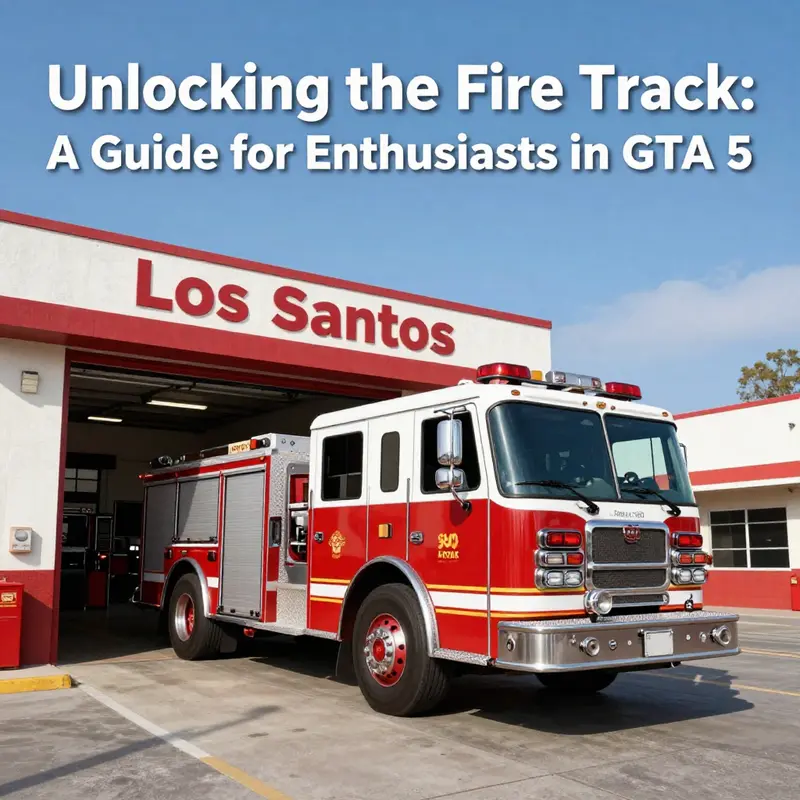
The thrill of driving a fire truck in GTA 5 comes from more than the vehicle itself. It’s a chance to navigate the dense map of Los Santos and Blaine County with a heavy, purposeful rig that feels almost cinematic as you roll past neon-lit avenues, desert backroads, and coastal towns. The game rewards a player who treats the fire truck not as a random find, but as a vehicle with a precise path: you can locate one by visiting official fire stations, or you can summon one through the emergency services system. Both routes are built into the city’s fabric, and each suits different kinds of gameplay—whether you’re chasing a stunt, planning a mission, or just enjoying a rare, sturdy machine on four wheels. The simplest, most reliable route starts with the map itself. In GTA 5, fire stations are marked by a bold red icon—usually a fire department shield with the letter F—that stands out amid the busier icons of Los Santos. This is not just decoration; it’s your invitation to walk the city’s backbone, to see how the infrastructure of emergency services is mirrored in the game world. The map is a friendly guide, but the real flavor comes from the neighborhoods where these stations hide in plain sight. Downtown Los Santos and East Los Santos anchor the most active patches of the map, where stations sit near commercial districts, schools, and busy streets. Seeing a station on the map is one thing; approaching it is a different kind of moment. When you arrive, you’ll typically find fire trucks parked outside or inside a garage, their red bodies gleaming under the streetlights or the sun as you walk up. The design is straightforward: these trucks are there for you to use, no complex heist required. Step forward, enter a vehicle, and you’re free to drive away. The city’s designers have given you a clean, almost cinematic exit: there’s no need to steal the truck from a garage and risk a siren-filled chase if you can simply take what’s clearly parked for that purpose. This is one of the chapter’s underlying truths—trust the station to be cooperative, not hostile. The process, when you’re at a fire station, feels almost ceremonial in its simplicity. You locate the red F icon, you hit the road toward the station, and you pull into the lot with a sense of belonging, as if the city itself has opened the door for you to borrow its most iconic rescue machine. The practical advantage is plain: no sudden police attention, no last-ditch escapes through back alleys. You’re walking onto property that is part of the game’s designed flow, and the vehicle can be yours in a few smooth seconds. This clarity becomes especially meaningful if you’re planning a stunt or a mission where timing matters. If your objective is to feature a specific maneuver or to demonstrate a particular driving sequence, locking in a fire truck from a station gives you predictable handling and a stable platform for complex moves. In many cases, you’ll find fire trucks stationed in recognizable districts across Los Santos and Blaine County, with stations positioned to cover the city’s varied terrain. For players who prefer a direct, low-risk approach, this is the sweet spot: arrive, borrow, and be on your way. If your aim is more about the thrill of spontaneous action, you can also call the Fire Department from your phone and have a truck sent directly to your current location. This method introduces an entirely different rhythm. You open your in-game phone, navigate to the emergency services option, and request a fire truck to appear where you stand. The moment you confirm the call, a truck starts its journey toward you. The anticipation builds as the sirens begin to echo in the distance, and when the vehicle arrives, you step into the cab, and the world shifts from a routine drive to a scene of controlled urgency. The upside here is the immediacy: you don’t need to drive across town to a station or rely on nearby parked rigs. The downside is the potential for pushback. Depending on your trajectory and the number of vehicles you’ve involved in the chase, the police may respond to the incident, adding a layer of challenge to the moment you try to drive away. In the game’s sandbox design, that dynamic may be exactly what you’re after, but it’s useful to know what to expect before you press that call button. For players who want a clear distinction between these two routes, the station option offers reliability and a quiet, distraction-free exit, while the emergency call introduces a narrative arc—arrival, response, and an added edge to your run. The choice comes down to your current goals: is your scene about seamless entry, or is it about tension and timing under pressure? Either way, the map remains your compass. Open the map—on PC that’s typically the F1 key—and look for the red “F” icon to identify fire stations. Plan your route with the city’s varied topography in mind. A station tucked near hills might require a longer drive, but you’ll be navigating a more direct escape route once you’re in the truck. In contrast, a station near the coast can offer a dramatic exit along the water, with a quick transition from urban streets to open highways. The decision to pursue a station-bounded pickup versus a summoned vehicle can also align with how you want to present the moment to your audience, if you’re sharing clips or streaming your gameplay. The former speaks to a grounded, methodical approach; the latter, to a cinematic spontaneity. There’s an additional layer worth noting for those who, at times, want to extend the life of their fire truck beyond a single mission. If your exploration drives you toward broader vehicle strategies, there are related avenues you can explore that complement your GTA 5 adventures. For instance, you can check out specialized resources that catalog fire apparatus and related gear, which provide context for the kinds of trucks you might role-play or simulate owning. This external resource can be a helpful companion as you map out future in-game purchases or role-play narratives. And for players who enjoy connecting their GTA experiences with broader industry conversations, you can consider browsing internal resources that discuss diverse procurement options. If you’re curious about related options, see fire-trucks-for-sale-2.
In practice, the choice between calling in a fire truck and visiting a station also depends on how you like to balance risk and reward. When you call a truck, you might enjoy the dramatic moment of arrival and the sense that you’ve summoned power itself to your location. It’s a tilt toward spontaneity, and it can become a signature beat in a montage or a story beat in a longer gameplay narrative. Visiting a station, by contrast, grounds the moment in a routine of city life: the station as a persistent waypoint that anchors your route, your timing, and your control over the scene. It’s less about spectacle and more about reliability—a dependable, repeatable process that rewards preparation and familiarity with the city’s geography. The city itself becomes a teacher: you learn where the stations cluster, how long it takes to reach them from different neighborhoods, and which routes yield the smoothest exit once you’re behind the wheel. It’s a quiet kind of mastery, one that grows with repetition and observation, and it translates well into longer play sessions, community storytelling, or shared challenges with friends who want to synchronize stunts or rescue missions. The practical tips that emerge from this approach are straightforward. First, leverage the map to identify a station that minimizes your travel time to the area where you plan to perform. Second, when you arrive, move with purpose: the trucks are visible, and hesitation can waste valuable seconds. Third, if you decide to drive away with a truck that you’ve parked outside, be mindful of traffic and nearby NPC drivers who may react to the sudden presence of a heavy vehicle on the street. A calm, practiced exit helps keep the moment cinematic rather than chaotic. Finally, remember that every route has its own rhythm and story. The same city block can feel different on a calm afternoon versus a night when the neon signs flicker and the city hums with activity. The fire truck becomes less a collectible and more a narrative tool—part vehicle, part character, part instrument of your GTA 5 storytelling. In the end, whether you choose the straightforward station route or the dynamic emergency call, you’ll have a reliable way to secure a fire truck that fits your play style. The city offers both paths, and your choice can shape not only how you complete missions but how you tell your own GTA 5 story to friends and followers who watch your runs, stunts, or chaos unfold on screen. If you’re seeking broader guidance on the game’s emergency services and related systems, the official support resources provide practical details and updates that can inform future adventures. For an official overview, see the GTA 5 FAQs on Rockstar’s support site: https://support.rockstargames.com/hc/en-us/articles/360051897751-GTA-5-FAQs.
Mapped Firepower: Locating Fire Trucks in GTA 5 by Reading the Map
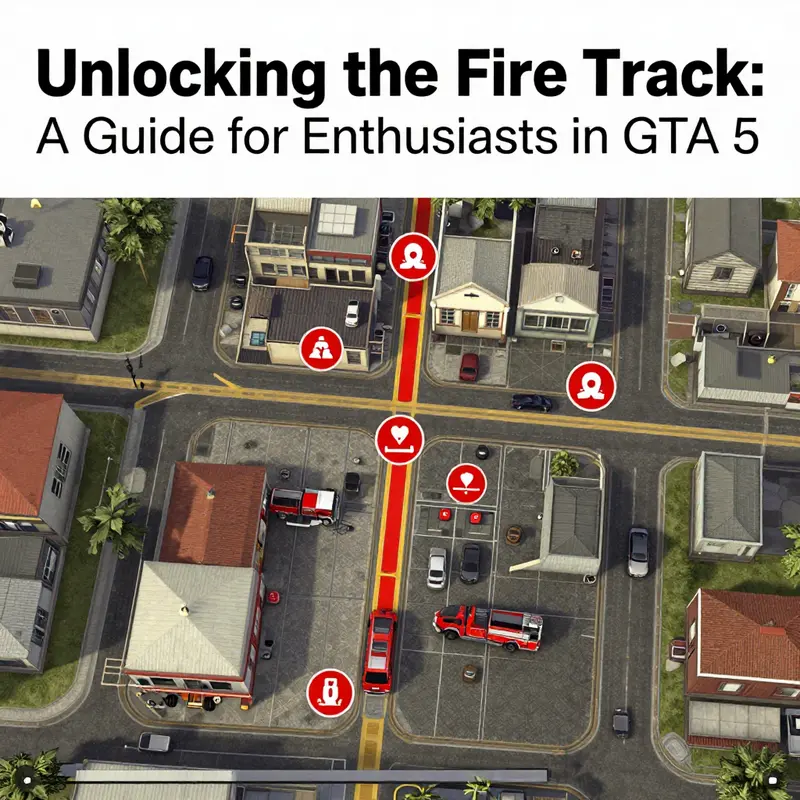
In the world of Los Santos, a fire truck is a tool for spectacle and practical missions. The quickest path to a truck often lies in reading the map rather than chasing spawns. The map’s red fire station icons signal where a truck tends to wait outside, ready for pickup when you approach calmly. By identifying these markers you gain a reliable shortcut to speed and control.
Key hubs include Rockford Hills, Davis, Pillar Point, San Fierro’s military perimeter, and the Los Santos International Airport. Each location carries practical realities: Rockford Hills sits on higher ground with straightforward routes to the curb; Davis offers street-level access with broad driveways; Pillar Point brings coastal roads and open escape paths; San Fierro Military Base can yield a rarer but valuable spawn; LAX Fire Station provides a wide apron and high-traffic throughput.
Approach to a station is a simple rhythm: drive toward the red insignia, confirm the exterior truck, and ease the vehicle away from the curb with smooth handling. If you linger with urgency, a chase can follow. The map teaches restraint as well as initiative, yielding a clean pickup and a controlled exit.
For variety, you can also summon a fire truck via the Fire Department call by dialing 911 and selecting Fire Department, which yields a more cinematic spawn but a different pacing. The choice between map-based pickup and emergency spawn is about tempo and purpose, not failure of one method over another.
Reading the grid turns the city into a narrative partner. The icons invite you to practice route planning, minimize attention, and maximize momentum. They become a dependable framework for stunts, missions, and spontaneous moments you want to choreograph in Los Santos.
Siren on the Move: A Cohesive Guide to Tracking Fire Trucks Across GTA V’s Los Santos
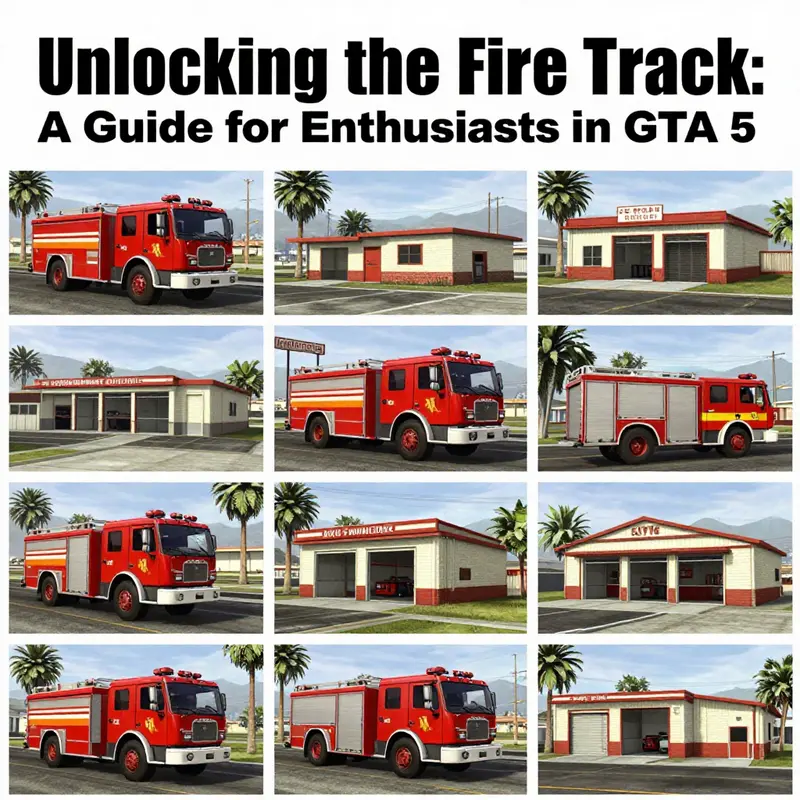
Driving through Los Santos and its surrounding Blaine County feels like chasing a moving mirror of the city’s own energy. The moment you hear a siren, you’re reminded that a fire truck is more than a vehicle; it’s a tool for speed, protection, and spectacle. In GTA V, locating and securing a fire truck is less about luck and more about reading the city’s rhythms—the way stations sit on rough terrain and highways, how emergency services respond to calls, and where the map quietly marks red silhouettes that tell you where metal and flame meet. The pursuit begins with an understanding of what you’re really after: a sturdy, fast, and maneuverable vehicle that can ferry teammates, carry heavy equipment, or simply carve a dramatic path through Los Santos’ sprawling avenues. It’s a practical objective, but it can also be a satisfying mini-quest that blends exploration with the subtle thrill of a heist film—especially when you time your approach with the city’s daily flux of traffic, activity, and cops’ patrol patterns. When you approach this task with patience and a touch of flair, the fire truck becomes a reliable follow-through for long drives, dash stunts, and mission setups that demand a resilient workhorse rather than a flashy car.
In terms of where to begin, the map itself offers a quiet, almost ceremonial guide to the city’s most dependable sources of fire trucks. The Rockford Hills Fire Department sits high in the hills above Los Santos, its white-and-red silhouette a familiar beacon to any driver who enjoys a clean, direct route through the upscale quarters. This station is a reliable anchor because its location is both accessible and pleasantly inconspicuous, blending into a neighborhood that invites a slow approach rather than a hurried, chaotic grab. The Davis Fire Department, perched in South Los Santos near the edge of the downtown zone and the coastal strip, presents a different flavor of access. There’s a certain practicality to driving from the city core toward the south, a motion that echoes the real world’s own pattern of service routes that traverse the more densely populated neighborhoods before widening into the arid stretches toward the county line. Then there’s Perrito Bay’s Percy Fire Department—an option that feels almost cinematic. Nestled along Perrito Bay’s breezy shoreline, the Perrito Bay station offers a maritime backdrop to the routine of a fire station. It’s a reminder that the game’s geography isn’t merely for aesthetics; it shapes how you move, how quickly you can exit a scene, and how you avoid the more congested corridors that can slow a getaway. Finally, Sandy Shores (the San Fierro Fire Station in that region’s scope) is a reminder that even in the desert’s heat, a reliable truck can be found just beyond the dunes’ edge. Each of these stations—Rockford Hills, Davis, Percy in Perrito Bay, and Sandy Shores—has a pattern you can rely on: trucks parked outside or inside the garage, often ready for a straightforward commandeering if you approach with the right balance of speed and caution. By keeping a mental map of these zones and their time-tested routines, you’ll reduce aimless searching and invest more effort into planning, timing, and the occasional responsibly executed distraction, should you be playing in a story-driven mode.
If you want a quick mental model for how to obtain a fire truck, there are two broad paths that most players rely on, and both have a distinct rhythm. The first path is a direct call to the Fire Department via the in-game phone. Open the phone and navigate to Emergency Services, then Fire. From there you select Send Fire Truck, and within moments the vehicle will come to your current location. When the truck arrives, you simply walk up to it and press the interact key to climb inside and drive away. This route mirrors real-world emergency logistics in its predictability: a target, a response, and a vehicle that becomes yours after a brief moment of interaction. The second path is the more hands-on method: drive to a fire station and take the truck directly from the premises. The Rockford Hills, Davis, Percy Bay, and Sandy Shores stations are all good bets for this approach. Enter the building, make your way to the bay or parked truck, and claim it. This method is efficient because you bypass the queue that can sometimes form around a call response, but it does carry the risk of attracting law enforcement attention. The logic here is simple: a station is a resource, and a resource can be taken if you aren’t careless about how you take it. If you’re stealthy and careful—avoiding reckless driving, unnecessary collisions, and the routes that attract the most attention—you’ll find the response is more forgiving than you might expect. The game will broadcast a wanted level, especially if you drive aggressively or hit other vehicles, so your approach matters as much as your end goal. The crucial balance, then, is to decide how you want to approach the situation: do you prefer the straightforward, almost ceremonial contact with the Fire Department’s dispatch, or do you prefer the direct stakeout of a fire station, where the truck sits waiting in relative calm? Each option has its distinct pleasures and risks, and each can be the right choice depending on your mission, mood, and the level of tension you want to introduce into your playthrough.
Within that context, the best strategy for maximizing your chances of success is to combine a few practical habits with a patient appreciation for Los Santos’ map. First, keep the map open as you drive. The game’s iconography marks fire stations with a clear red symbol, a cue you can use to steer toward a nearby source without interrupting your flow of movement. This approach makes the search feel less like a random hunt and more like a purposeful traversal through a city that is always surveilling itself, always ready for something to happen. Second, be prepared for the police response that follows when you claim a fire truck. Even if you plan a clean grab, the moment you take to drive away can trigger a pursuit if your route involves high-speed turns or collisions with bystanders. The best safeguard is to keep your driving tight and controlled, using the truck’s durability to your advantage and avoiding crowded streets when possible. The siren is your tool for dramatic effect, but it’s also a reminder that you’re operating within a narrative of public safety, which includes an inevitable trade-off: speed comes with attention, attention with risk, and risk with chase scenes that can shape the rest of your gameplay session.
For players who enjoy staging scenes or completing missions that require a fire truck as part of the setup, the fire truck’s ability to spare you the friction of regular traffic is invaluable. Its heavy build and strong acceleration can help you traverse long distances quickly, while its siren and bright lights contribute a cinematic flair that is hard to replicate with a standard sedan or SUV. The vehicle’s robustness makes it an excellent platform for stunt sequences or dramatic entries into a mission area. Yet the same characteristics that make it useful in these contexts—its speed, its protection, and its imposing presence—also demand respect. The roads are busy, other drivers may panic or react unpredictably, and you’ll want to avoid turning a routine retrieval into a chaotic incident that draws more attention than you want. As a practical matter, this means choosing your moments. If you’re racing to a mission’s drop-off point, the fire truck can serve as a reliable, long-range transporter that reduces the risk of being caught in a traffic jam. If you’re in pursuit of a stunt sequence or a daring escape, its heavy mass provides a brake on the adrenaline that makes reckless driving feel like a shortcut. In every case, the key is to stay deliberate: plan your route, anticipate potential obstacles, and allow yourself the space to recover if a plan starts to slip.
The chapters that follow in this guide will benefit from a clear sense of how to incorporate these vehicles into broader play. A fire truck is not just a vehicle; it is a tool that can dramatically alter how you navigate Los Santos and the surrounding counties. It enables faster crossing of large distances, which is especially valuable when you’re timing objectives that require arrival before a window closes or when you need to reposition a crew for a mission. It also serves as a visual symbol within the game’s world—a statement that you’ve embraced a particular role in the city’s ongoing story. If you’re seeking further context, you can consult broader resources that discuss fire trucks in gaming and their role in player experiences. For more context, visit the Fire Truck blog.
The vitality of the GTA V experience rests on this subtle balance between exploration, acquisition, and execution. With a little strategy, you can find a fire truck efficiently, bring it into your orbit, and put it to work in ways that enrich both your planning and your action. The next phase of this guide will build on that foundation by helping you align your vehicle choice with your mission goals, your risk tolerance, and the particular cityscape you’re navigating at any given moment. Remember that the map is your ally, the stations are your doors, and the call button is a doorway to a fast, practical payoff when used with care. This multi-route approach ensures you don’t rely on a single path for every situation, letting you adapt to the city’s shifting rhythm as you play. For a broad, community-sourced perspective on vehicle spawns and reliable patterns, you can explore the GTA V vehicle resources that detail how emergency vehicles appear across the world. External reference: https://gta.fandom.com/wiki/FireTruck(GTA_V)
Stealth on Wheels: Mastering the Fire Truck Hunt in GTA V Without a Full Police Chase
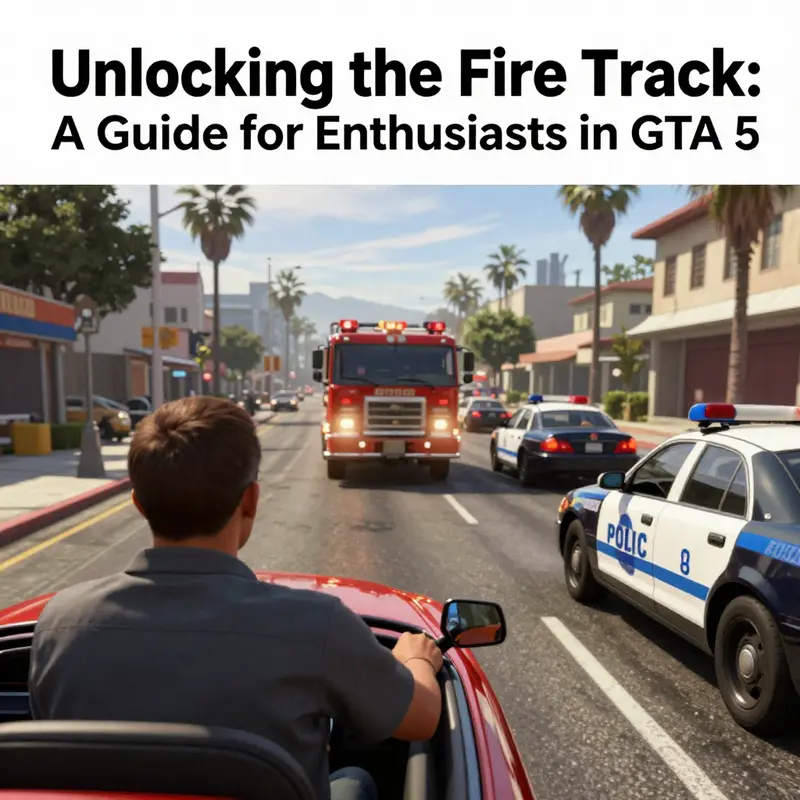
In the sprawling neon labyrinth of Los Santos and the desert expanse beyond, a fire truck is more than a vehicle in GTA V. It is a rare tool that can unlock new stunts, missions, and moments of chaotic fun. The challenge, however, is to obtain one without inviting the full wrath of the police. The game rewards patience, timing, and a light touch more than brute force. The hunt for a fire truck becomes a lesson in planning, terrain sense, and knowing when to act. Rather than a simple grab, it is a sequence that blends opportunity and restraint, where every choice affects the risk of a chase and the flow of the story you want to tell on the streets of Los Santos.
The most reliable approach starts with a clear understanding of the two primary avenues: requesting a fire truck to come to you via the emergency services feature, and driving to a fire station to seize one directly from the curb. Both methods have their own rhythm and risk profile, and which you choose will depend on your location, your current wanted level, and the kind of vehicle you are already piloting. In both cases you should be mindful of the clock and the road. The physics in GTA V can turn a simple pickup into a spectacular slide if you push too hard through a corner with a vehicle that does not handle well at high speed. Patience first, speed second.
The emergency services route is a staged event. You open the in game phone, dial the emergency number for the Fire Department, and request a fire truck to your current location. The dispatch will arrive on a timer, and when the truck rolls up, you can walk up and hop into the driver seat to take control. This sequence is clean in the sense that the vehicle will not be lying around for long, and there is an element of unpredictability because you do not fully control the arrival path of the truck. You should approach with a plan to exit quickly once you are inside, because even though the act of boarding the truck itself may not trigger an immediate police response, the moment you depart or begin aggressive driving in the wake of the vehicle can. If the chase begins, you will want to navigate with a lighter touch, using the truck’s mass and turning radius to your advantage rather than attempting high speed escapes through crowded streets.
Another pathway is to visit a fire station directly. Fire stations dot the map across Los Santos and Blaine County, and many park a fire truck just outside, ready for a quick steal. This option can be faster in the right circumstances, especially when you are already near a station or when you need to secure a truck in a hurry. The downside is that entering a fire station draws police attention, and the moment you take a vehicle from a station, you begin a chain of events that can escalate quickly if you have any level of wanted status already. Yet the immediate access to a ready engine, uncharmed by a timer, can be worth the risk if you time your approach carefully and avoid signaling the police with reckless driving from the outset.
When you are mapping your approach, your eyes should drift toward the in game map. The map is not just a decorative overlay; it is a working tool. It shows where fire stations are most likely to be found and where a truck might be waiting. The red fire station icons offer a visual cue for the quickest routes. In the heat of a mission or a stunt sequence, time spent studying the map can save you minutes spent circling blocks, and those minutes matter when you are trying to complete a challenge within a given window. You can open the map quickly with a single action and zoom in to confirm the exact location of a station before you commit to a route. If you are aiming to avoid police attention after you steal the truck, consider how your chosen start point intersects with patrol patterns, traffic density, and alleyways that can be used to mask your exit.
If you want a broader context about the topic, you can explore more on the Fire Truck blog. It offers a broader discussion of vehicle tactics and real world analogues that translate into game play, giving you a deeper appreciation for how to maneuver through crowded spaces without tipping your hands. firetruck.space/blog/
As you weigh the two main options, it helps to remember a practical distinction. If your goal is a stunt or a mission that requires a fire truck as a prop rather than as a getaway vehicle, using the emergency services route can be more forgiving. The process is built into the game’s systems, and the arrival can be slower or faster depending on where you stand at the moment you call. If your aim is to film or choreograph a sequence that plays out with minimal police interference, obtaining a truck from a station on a quiet street gives you a cleaner canvas to stage your moment before the sirens start. In either case, being ready to react is essential. Have a plan for exiting the truck quickly after boarding, and know your preferred escape route from a few blocks away, in case the universe decides to throw a few extra cars into the mix.
The search for a fire truck is as much about timing as it is about choice of location. If you are in a densely populated area, a theft from a parked station will almost certainly attract attention the moment you break your line of sight from the gate. In those cases a stealthy approach tends to work best. You can position a vehicle with a high top speed or the mobility of a helicopter to reach a quieter area, and you can use the cover of hills or warehouses to reduce your exposure as you close in on a possible fire truck. Helicopters, in particular, offer a different toolkit: they allow you to scout the terrain from above, see how traffic flows in a particular district, and plan a drop that minimizes the chance of a rapid police response as you land and bolt for the truck. This is the kind of technique that separates the quick grab from a chaotic chase that ends with your character weaving through traffic under the electric glare of streetlights.
But even with a plan, the police may become involved if you drive too aggressively after you steal a vehicle. The general rule is straightforward: the fire truck itself does not automatically pull a wanted level on theft, but reckless driving, collisions, or aggressively cutting in and out of traffic will. This is where your choice of route becomes crucial. Opt for roads that offer long straights and wide shoulders where you can decelerate and regain control without forcing others off the road. When you take a fire truck from a station, your first few blocks should be spent easing into a controlled pull away from the building. Avoid reverse maneuvers or tight loops that could draw the eye of law enforcement and the attention of nearby drivers. The more controlled your exit, the less likelihood you will provoke a chase that spirals into a citywide pursuit.
If you are navigating toward the more remote corners of the map, the mountains or the desert, you can often slip away with less interference. The outskirts of Los Santos and Blaine County are dotted with lower traffic volumes and fewer patrols, which makes it easier to sheer off with the engine in a dignified glide rather than a frantic sprint. In such locations you can still be mindful of the wanted level and choose a route that reduces the number of intersections and traffic lights you must traverse. The key is to maintain speed while reducing sudden turns and unnecessary collisions, which are the two fastest ways to reel in the attention of passing police.
As you practice, you will develop a sense for when to call for a truck and when to simply take one from a station. If you want a precise, stealth minded approach, start by selecting a remote area on the map and setting your route to a station that sits on the edge of the map. From there, call for the truck and wait for the response to arrive. If you already see a route that will allow you to slip away safely after boarding, commit to it with a calm pace rather than a burst of speed that could draw attention. If you are already in the middle of a mission or a set of challenges that require you to be discreet, you may also choose to reset your wanted level before you attempt the theft; this can be done by waiting for the timer to tick down, visiting a hospital or safehouse, or completing a separate mission that resets your bounty. The goal is to keep your approach clean and your exit quiet, so the chase stays within the realm of play rather than spiraling into a full scale police pursuit.
For more detailed guidance that expands on the tactics mentioned here, you can consult an official resource that covers broader gameplay mechanics and safety nets within the game world. support.rockstargames.com
In sum, the path to a fire truck in GTA V is a blend of method and mindset. The emergency services route introduces a controlled arrival timeline, while a station grab offers immediate access with the risk of a station entry. The map becomes your ally, with cool and distant locations offering the best conditions for a clean escape. The key to success lies in reading the terrain, choosing a route that minimizes exposure, and keeping your wanted level as low as possible as you seize the vehicle. When you balance these factors, the ride that follows is not merely a chase but a carefully choreographed balance between speed, space, and restraint. And as you fine-tune your approach, you may find that the fire truck becomes less an obstacle and more a movable prop that helps you stage the stunts and missions you have in mind. The brushstrokes of this approach shape your GTA V experience, turning a simple vehicle grab into a moment of calculated craft that feels both cinematic and earned.
As you continue exploring the city and its landscapes, remember that the hunt for a fire truck is just one thread in a broader tapestry of vehicle based play. It sits alongside other pursuits that test timing, patience, and spatial awareness. If you want to deepen your understanding of related topics, follow the ongoing conversation on the site by visiting the Fire Truck blog. firetruck.space/blog/
This chapter connects with the broader arc of finding and utilizing specialized vehicles in GTA V, and it sets the stage for more advanced techniques in the chapters to come. The next sections will expand on how to repurpose such vehicles for missions, stunts, and fast travel, while preserving the sense of stealth that makes the process feel like a game within a game rather than a simple theft. As always, practice, observation, and careful pacing will turn your fire truck hunt into a reliable, repeatable strategy rather than a moment of luck. By keeping your head cool and your foot steady, you turn every pursuit into a story you tell with control rather than chaos, and you keep the city’s sirens a chorus you listen to rather than a scream you run from.
External resource note: For deeper insight into official guidance, visit the external support page at support.rockstargames.com.
Final thoughts
Finding a fire truck in GTA 5 is not just about navigating the game’s map; it’s about immersing yourself in a vibrant world that celebrates firefighting culture. Whether you decide to call the Fire Department or visit one of the many fire stations scattered across Los Santos, each method offers a unique adventure. By understanding the best locations and having tips to avoid police pursuits, you can ensure that your experience is not only thrilling but also enriching. So grab your phone, check out the local fire stations, and get ready for an exhilarating ride in the heart of the action!