
Fire trucks are not just impressive machines; they are pivotal in saving lives and protecting communities. For enthusiasts, aspiring firefighters, and emergency professionals, understanding how much a fire truck costs is essential. The price of a fire truck varies significantly based on its type, features, and condition, causing many to wonder about the factors that influence these costs. This article dives deep into the financial breakdown of basic fire trucks, explores the costs associated with specialized vehicles, and examines how age and condition can impact pricing. By the end, readers will be well-equipped to navigate the world of fire truck purchasing with confidence.
Breaking Down the Price: What a Basic Fire Truck Really Costs
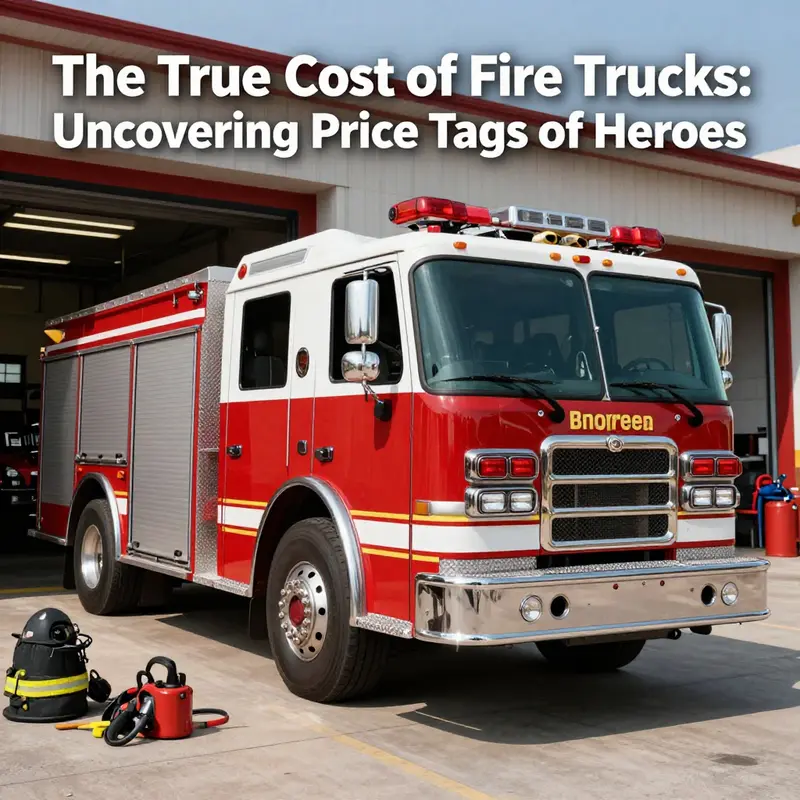
A community’s fire apparatus budget often begins with a single number: the sticker price of a pumper. Yet that number tells only a portion of the story. Understanding how much a basic fire truck costs requires looking past the headline figure and into the assembly of parts, labor, optional systems, and ongoing expenses that together define value. A typical new pumper falls between $300,000 and $500,000, but that range hides sharp differences in capability, longevity, and total cost of ownership. This chapter walks through those differences, explaining what drives price, how departments decide where to spend, and what additional costs can significantly change the financial picture.
At the core of every pumper are a few essential components. The chassis carries the weight and supports all systems. The pump transfers water from onboard tanks or external sources. The water tank provides the initial extinguishing supply. Storage compartments hold hoses and tools. Each of these core elements has a base cost, and each can be specified at higher or lower levels. A heavier-duty chassis with a higher-capacity engine costs more up front. A pump rated at 750 gallons per minute costs less than one rated at 1,500 gallons per minute. Tanks vary by material and capacity, and larger or reinforced tanks raise the price. Those choices determine a baseline price, and they also shape the vehicle’s performance across its service life.
From that baseline, customization rapidly multiplies cost. Departments frequently request features tailored to local needs. Off-road suspension, larger-diameter intakes, and reinforced bumpers add material and build time. Integrated foam systems, specialized valves, and automatic pressure control systems add engineering complexity. Lighting packages, scene illumination arrays, and extendable floodlights increase electrical load and require more advanced alternators and wiring. Communications gear, scene management displays, and vehicle-network integration add further expense. Each addition seems small on its own, but the cumulative effect can push a pumper well above the base range.
Labor and manufacturing standards shape the price as well. Fire apparatus builders follow rigorous manufacturing processes. Skilled technicians assemble pumps, install plumbing, wire electronics, and test systems under pressure. Fabrication of custom compartments and mountings is time intensive. Those labor hours are reflected in the final price. When compliance with stricter safety or emissions standards is required, fabrication and testing increase again. Material costs also fluctuate, so a period of high steel or electronics prices will increase bids from manufacturers. For these reasons, two trucks with similar technical specifications can carry noticeably different price tags from different builders or at different times.
Procurement choices influence cost beyond the vehicle itself. New apparatus typically comes with factory warranties. Extended warranties and service contracts increase upfront cost but reduce some long-term risk. Departments often purchase training packages so crews learn to operate new pumps and systems safely. Training may require dedicated instructor time and simulator use. Those expenses are real and often necessary when new technologies are introduced. Insurance premiums, registration, and initial outfitting with department-specific tools and medical gear also add to the first-year cost.
Maintenance and lifecycle costs often exceed the purchase price over the vehicle’s life. Engines, pumps, valves, and electronics require regular inspection and service. A more complex truck with many integrated systems can cost more to maintain. Replacement parts for nonstandard components can be more expensive and have longer lead times. Routine maintenance such as pump testing, brake service, and corrosion control is ongoing. Departments weigh these ongoing costs when choosing between a simpler, cheaper unit and a more capable, higher-cost apparatus. A lower initial purchase price can be offset by higher maintenance expenses and shorter useful life.
Resale and depreciation matter too. Fire apparatus often hold value well compared to many vehicle classes. However, specialized or highly customized vehicles can be harder to sell on the secondary market. Standardized, modular designs typically attract more buyers and therefore retain value. When departments expect to trade or sell apparatus in the future, they may prefer configurations that balance capability with broad appeal.
Budgeting for a new pumper also requires accounting for contingencies. Delivery timelines can stretch, and change orders during the build add cost. Departments should include buffer funds for unexpected additions. Grants, state funds, and shared purchasing agreements help many communities bridge budget gaps. Cooperative purchasing allows multiple departments to leverage pooled demand. Those strategies can reduce unit cost through volume discounts or lower administrative overhead.
A few concrete examples clarify where the dollars go. A basic specification might include a standard chassis, a 1,000-gallon tank, and a pump rated at 750 gallons per minute. Such a configuration typically sits at the lower end of the $300,000 to $500,000 band. Stepping up to a larger pump, heavier chassis, and more advanced electronics moves the price closer to or beyond $500,000. Adding a foam system, advanced thermal imaging units integrated into vehicle wiring, and a heavy-duty winch can add tens of thousands of dollars. Though each option is valuable, the price climbs one decision at a time.
Buying used is an option for some budgets. Pre-owned apparatus can be found under $200,000. But lower purchase cost often comes with trade-offs. Older trucks may require pump rebuilds, engine overhauls, or corrosion remediation. They may lack modern safety features or modular storage. If a used truck requires extensive refurbishment, the combined cost of purchase and repair can approach or exceed the price of a newer, better-specified unit. Decision-makers must compare immediate savings with expected repair and downtime costs.
Operational context shapes what “basic” should mean. Urban departments may prioritize high-capacity pumps and compact turning radii. Suburban or rural services may value larger water tanks, remote-ignition heaters, and off-road packages. Volunteer departments often favor simpler, reliable systems that are easy to maintain. Each choice has a price. What looks extravagant in one place is essential in another. The right balance produces the most effective use of limited funds.
Insurance and compliance considerations influence both specification and cost. Safety features such as reinforced driver compartments, improved seat restraints, and advanced lighting enhance protection. Those additions cost money but can reduce the risk of crew injury. Similarly, added emissions controls for engines may be required by regulatory authorities. Meeting evolving standards can require newer engines or additional exhaust treatment systems, which increase both purchase price and maintenance demands.
Technology has become a growing line item. Modern trucks often include onboard diagnostics, GPS-linked mapping, and remote monitoring systems. These improve response times, maintenance scheduling, and fleet oversight. Yet the integration of electronics demands specialized wiring, redundant power supplies, and cybersecurity considerations. Those requirements increase both initial cost and the need for trained personnel to manage the systems.
When departments plan acquisitions, they must consider total cost of ownership, not just the invoice. That includes the amortized purchase cost, fuel consumption over years of service, routine maintenance, major component replacements, and the residual value on resale. A higher-priced truck with better fuel efficiency or longer intervals between major service events can be cheaper over a 15- or 20-year lifecycle. Financial models that include these factors often show that the cheapest initial bid is not always the most economical long term.
Procurement strategies can influence final cost. Choosing standard, off-the-shelf configurations reduces custom fabrication time. Cooperative purchasing contracts allow departments to compare qualified vendors under predefined specifications. Competitive bidding creates downward pressure on price but requires careful specification writing to avoid scope creep. Some departments use lease-purchase models to spread cost across budget cycles. Others prioritize saving for a cash purchase to avoid financing expenses. Each approach affects how much a department ultimately spends and the timing of that expense.
Communities with constrained budgets sometimes pursue alternative solutions. Converting commercial vehicles or using smaller tactical units can provide targeted capability at lower cost. In international or developing contexts, manufacturers offer simplified, ruggedized units optimized for limited maintenance infrastructure and budget constraints. Those vehicles trade some features for affordability and durability. For departments focused on basic fire suppression, those trade-offs can be a responsible choice.
The market shows a steady increase in prices. Material and labor costs have risen in recent years. Enhanced safety standards and emissions rules add engineering work. The current median price for a new fire engine sits around $425,000, illustrating the combined weight of modern requirements and technology. For a deep dive into current industry pricing trends, see the analysis by a leading industry source at the end of this chapter.
Making a practical decision requires clear priorities. Define operational needs, set minimum pump and tank capacities, and identify non-negotiable safety items. Build a realistic total-cost model that includes training and maintenance. Compare new and used options with lifecycle calculations. Use cooperative purchasing where possible, and keep contingency funds for unexpected costs. Balancing performance, durability, and fiscal responsibility will yield the best value for any given budget.
For departments actively searching for available vehicles, reviewing current listings can be informative. A regularly updated marketplace shows the variety of configurations and price points in circulation, from surplus units to newly listed apparatus. Explore listings for comparative sizing, ages, and specification levels to see how market offerings line up with your needs: fire trucks for sale.
Industry reporting and periodic surveys help purchasers stay informed about pricing shifts and supply chain factors. Those reports consolidate dealer data, manufacturing lead times, and average bids. Staying current with this information helps departments time purchases to avoid peak price pressure and better negotiate specifications. For a recently published industry overview of apparatus costs, use the source referenced below for a fuller perspective.
External resource: https://www.firerescue1.com/article/fire-apparatus-costs-2023/
This chapter aims to clarify the many layers behind the cost of a basic pumper. The purchase price is a starting point, not a complete story. When departments match specification to mission, account for training and maintenance, and plan for the entire lifecycle, they make fiscally responsible choices that sustain public safety. Thoughtful procurement turns a single purchase into long-term readiness for every call.
null
null
How Age and Condition Shape the True Price of a Fire Truck
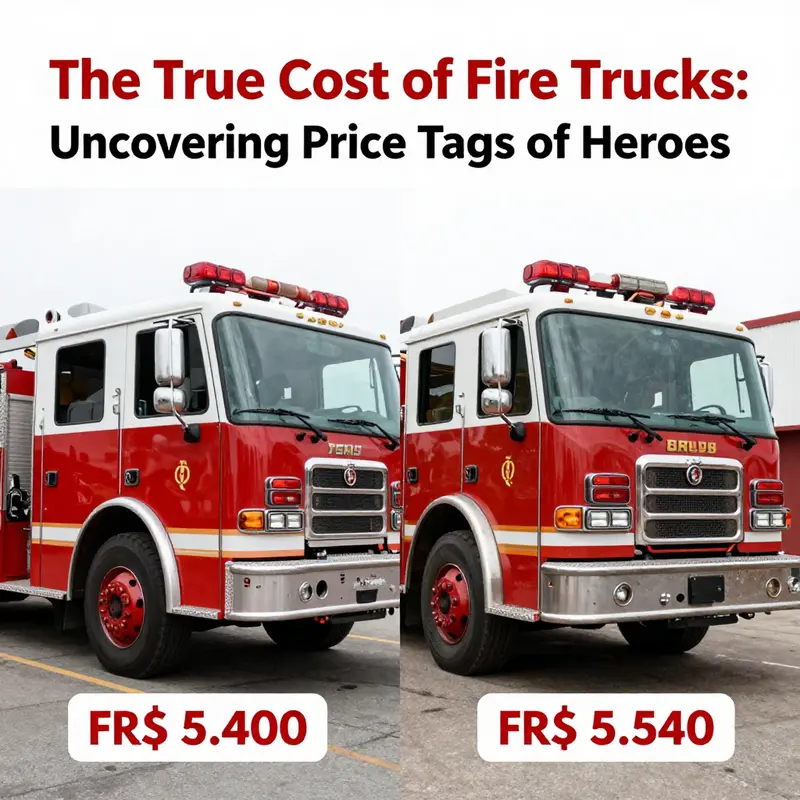
How a truck ages and the state it’s kept in often determine far more than the sticker price.
Chronological age gives buyers a quick reference point. It tells you how long the apparatus has been in service and where it sits relative to typical operational lifespans. But age alone is a blunt instrument. The physical and mechanical condition reveals the real story about future expenses, reliability, and safety. When departments, municipalities, or private buyers compare options, they must weigh upfront cost against long-term value. That balance depends on maintenance history, actual wear, regulatory compliance, and how much work will be needed to keep the vehicle in service.
A newer chassis and recent model year usually command higher market prices. Newer trucks tend to include modern safety features, more efficient engines, and updated electrical systems. Those attributes lower operating cost and risk. They also support longer service life, which buyers factor into their valuations. Conversely, older units show depreciation that accelerates as they near or pass common operational thresholds. For many departments, a 15–20 year span is a practical marker. Past that point, mechanical systems such as engines, transmissions, pumps, and hydraulic components often require major overhauls. The prospect of extensive repairs pulls resale values down.
Condition amplifies or mitigates age. Two trucks of the same model year can have drastically different market values depending on how they were used and maintained. A decade-old apparatus that lived on a low-call, well-serviced rural department may be worth far more than a newer vehicle subjected to heavy urban duty and deferred maintenance. A comprehensive maintenance log can be decisive; it gives buyers confidence about the integrity of the pump, the state of the chassis, and the likelihood of concealed damage. Records of regular servicing, parts replacements, and documented pump tests add measurable value.
Operational history matters as much as calendar years. Hour meters, odometer readings, and pump hours tell different parts of the truck’s workload. Pump hours reflect firefighting workload and wear on the pump and engine. High pump hours signal more wear on seals, bearings, and control systems, even if chassis miles are low. Conversely, high chassis miles on a highway unit may correlate with wear in the driveline and suspension. Buyers should examine both sets of numbers because they indicate different maintenance needs and costs.
Rust and corrosion are silent value killers. Fire trucks operate in wet, salty, or corrosive environments. Undetected frame rust or deterioration in structural elements can make a truck unsafe and expensive to repair. Corrosion can hide under body panels and inside compartments. A visual inspection alone is not enough. Structural inspections and, when in doubt, an expert’s assessment of frame integrity should be part of any purchase decision. A vehicle that requires frame work or major body repairs will often cost more over time than a somewhat newer, well-preserved unit.
Pump and plumbing condition drive repair costs and operational reliability. The pump is the heart of a pumper truck. Wear in seals, valves, and couplings can lead to leaks and pressure loss. A pump test that shows reduced capacity or unstable pressure indicates forthcoming repairs. Replacing or rebuilding a pump is expensive and can exceed a large fraction of the purchase price for a used truck. Buyers who rely on the apparatus for active response must weigh the risk of immediate pump work against savings at purchase.
Electrical systems and modern electronics are another decisive factor. Older wiring, outdated control modules, or compromised grounding can cause intermittent failures in lights, radios, or critical controls. Modern apparatus often include integrated command systems and diagnostics. Retrofitting older trucks with new electronics and communication gear can be costly and complex. That cost should be considered alongside purchase savings. A truck with a clean, updated electrical system will be more appealing and sell for more than a candidate needing a full rewire.
Availability of replacement parts influences value, too. As models age, parts can become scarce. Manufacturers discontinue parts, or the cost of sourcing them rises. If critical components for the engine, transmission, pump, or body are difficult to obtain, repair times lengthen and expenses increase. For specialized or discontinued models, parts scarcity can reduce a truck’s resale price dramatically. Buyers need to confirm parts availability and factor likely lead times into operational planning.
Regulatory changes erode value silently. Safety standards, emissions rules, and equipment mandates evolve. A truck that fails to meet current safety or environmental standards may need costly upgrades. For example, an engine that does not meet present emissions requirements could require replacement or retrofit. Cab and occupant safety standards also change. If a vehicle lacks required modern safety systems, upgrades may be mandatory for certain jurisdictions. Those modifications add to the total cost and reduce the initial appeal of lower-priced, older units.
Cosmetic condition matters more than many buyers expect. Exterior paint, compartment seals, and interior wear influence perceived care. A well-maintained exterior usually signals disciplined maintenance practices. Buyers often pay a premium for trucks that look cared for. Conversely, missing compartment doors, damaged ladders, or faded paint suggest neglect and hidden problems. Cosmetic repairs can be expensive but are generally less costly than mechanical overhauls. They remain an important bargaining point in negotiations.
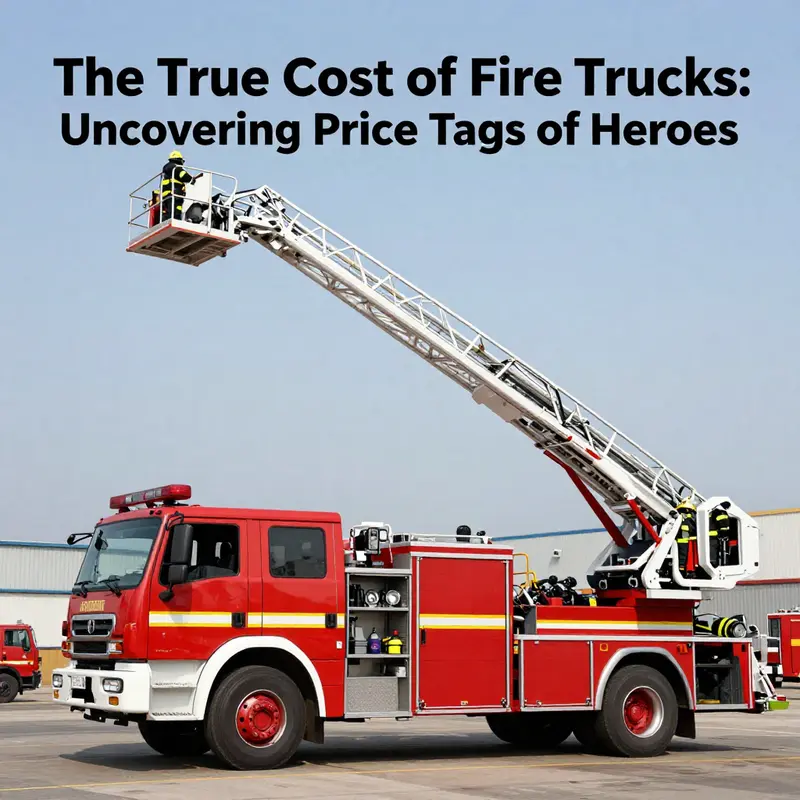
Consideration of equipment and custom features is essential. Fire apparatus often include mission-specific gear: foam systems, specialized pumps, ladder systems, or custom storage arrangements. If those features are operational and well maintained, they add value. If they are obsolete or nonfunctional, they are liabilities. Upgrading or replacing specialized equipment can be expensive and time consuming. Buyers should verify functionality of onboard water tanks, foam proportioning systems, valves, and ancillary gear. A truck with functional, modern equipment is worth more than one requiring extensive retrofits.
A documented history of warranty work and recalls is valuable. Even used trucks sometimes retain transferable warranties. Records that show recall issues were addressed correctly and promptly build buyer confidence. Conversely, missing recall repairs or a history of deferred warranty work lowers perceived reliability and reduces price. Buyers should request details on any manufacturer or component recalls and proof of corrective actions.
Insurance and liability considerations affect ongoing cost and therefore influence purchase decisions. Insurers charge based on age, condition, and equipment. A vehicle with compromised safety systems or structural issues may have higher premiums. Prospective owners should consult insurance providers early to estimate premium differences. The insurance delta between a newer, well-equipped truck and an older, marginal unit can sway the total cost calculation.
Total cost of ownership perspective changes the conversation from purchase price to lifecycle cost. Fuel efficiency, frequency of repairs, availability of technicians, and downtime all affect the economics of a truck. A cheaper truck with poor fuel economy and frequent failures might cost more over five years than a more expensive, modern unit. Departments need to model expected fuel consumption, average repair intervals, and anticipated overhaul costs. Those projections require reliable data from maintenance logs and local service providers.
Timing of major component replacements matters. Rebuilding an engine, replacing a transmission, or overhauling a pump are capital events. A buyer should estimate the timing and cost of such events based on age and condition. If a truck will likely require a major overhaul within two years, negotiations should reflect that reality. Conversely, if a truck has recent major component work documented, its market value increases.
Refurbishment and retrofitting costs should be explicitly budgeted. Many departments buy older vehicles intending to refurbish them. That can be cost-effective when done deliberately. Replacing outdated radios, adding modern scene lighting, installing thermal imaging cameras, or fitting new foam systems can bring an older truck closer to operational standards. But each retrofit adds cost and complexity. A realistic budget should include parts, labor, and unplanned contingencies. Often, a thoughtfully restored older truck will serve well for many years, but the buyer must plan and fund the process.
Resale expectations influence buying strategy. Departments that plan to hold trucks for long service lives may accept older units with a maintenance plan. Entities that expect to resell within a shorter window should consider how quickly value will decline. Market demand for used apparatus fluctuates by region and time. An older truck may be in high demand for training or for niche uses in one area and nearly unsellable in another. Understanding local secondary markets helps set realistic expectations.
Pre-purchase inspections are non-negotiable. A qualified inspector should examine frame integrity, pump performance, engine compression, transmission behavior, and electrical systems. They should also test equipment and verify documentation. A thorough inspection reduces risk and clarifies repair expectations. Buyers equipped with inspection reports have leverage in negotiations and can avoid hidden costs.
A practical decision framework helps buyers make informed choices. Start by comparing the asking price to expected near-term repairs. Identify the age-related components likely to fail and estimate their costs. Factor in fuel and insurance differences. Add the cost to bring electronics and safety systems up to requirement. Finally, consider expected service life after purchase. The result provides a total cost of ownership estimate that reveals the true value.
When buying used, consider certified pre-owned programs when available. Some vendors and municipal auctions offer units with inspected and repaired systems. Those trucks often cost more up front but reduce uncertainty. If certification isn’t available, demand detailed maintenance records and attach contingencies to the sale to allow rectification for hidden defects.
Ultimately, the interplay between age and condition defines whether a truck is a bargain or a liability. Older age increases the probability of expensive repairs, but exceptional care can preserve value. Likewise, a newer vehicle with neglect can present serious risks. Smart buyers read the records, inspect thoroughly, and budget for foreseeable major repairs. They weigh the purchase price not as a single number, but as one component of a program budget that covers operation, maintenance, and eventual replacement.
For departments and buyers seeking used apparatus listings and marketplace context, reviewing available inventory helps calibrate expectations. See current listings for a sense of market pricing and condition distribution: fire trucks for sale.
For guidance on apparatus usage patterns, operating costs, and recommended inspection practices, consult industry research and standards from authoritative organizations: https://www.nfpa.org/News-and-Research/Reports-and-Studies/Fire-Apparatus-Use-and-Cost
Final thoughts
Understanding the costs associated with fire trucks is crucial for anyone passionate about firefighting, whether as a collector, an aspiring firefighter, or an industry professional. With prices ranging from affordable to exorbitantly high, the financial landscape of fire trucks is influenced by multiple factors such as type, specialized features, age, and overall condition. This knowledge empowers prospective buyers and enthusiasts alike to make informed decisions, ensuring that they invest wisely in these essential emergency vehicles. Safety and preparedness begin with understanding—knowledge that may one day save lives.