
Introduction
Have you ever wondered just how many gallons per minute a fire truck can pump? This seemingly straightforward question opens the door to an exciting world of fire truck capabilities and firefighting efficiency. For fire truck enthusiasts and aspiring firefighters, understanding this metric is crucial as it highlights the power and speed at which these formidable machines can combat flames. The capabilities of a fire truck go beyond mere pumping rates; they represent the lifeblood of firefighting efforts, enabling quick responses in critical emergencies. Whether you’re a firefighter, a collector, or just someone fascinated by these powerful vehicles, knowing the gallons per minute a fire truck can pump can significantly enhance your appreciation of their role in saving lives. Let’s dive into the world of fire trucks and discover what makes them such integral tools in our fight against fire emergencies. Learn more about fire truck capabilities and how they play a vital role in firefighting.
Types of Fire Trucks and Their Pumping Capabilities
When it comes to firefighting, understanding the types of fire trucks is crucial not just for enthusiasts, but also for professionals in the industry. Each type is designed for specific functions and has varying pumping capabilities, typically measured in gallons per minute (GPM). Let’s explore some common fire truck categories:
1. Pumper Trucks
Pumper trucks are the backbone of most fire departments. Equipped with powerful pumps, they can typically deliver 1,000 to 2,000 gallons per minute. These trucks have large water tanks and can connect to fire hydrants to draw additional water as needed. Pumper trucks are essential for initial fire suppression efforts, ensuring a continuous water supply.
2. Aerial Trucks
Aerial trucks are designed for high-rise firefighting and rescue operations. They often feature an extended ladder or platform which can reach heights of 100 feet or more. While aerial trucks usually pump 1,000 to 1,500 GPM, their primary purpose is to provide access and support rather than outright pumping. They often work alongside pumper trucks to enhance firefighting efforts from above.
3. Tanker Trucks
Tanker trucks are equipped to transport water to areas without hydrant access. They can carry anywhere from 1,000 to over 3,000 gallons of water. Although these trucks might have lower pumping rates, typically around 500 to 1,000 GPM, their significant water capacity makes them invaluable in rural firefighting scenarios.
4. Wildland Fire Engines
Specifically designed for battling wildfires, wildland fire engines can pump around 500 to 1,000 GPM. They often feature four-wheel drive and short wheelbases for maneuverability over rough terrain. Their tanks can carry up to 500 gallons of water, making them efficient for extinguishing grass and brush fires.
Each fire truck plays a pivotal role in firefighting operations. Understanding these differences can help aspiring firefighters and fire truck enthusiasts appreciate the equipment that saves lives and protects properties. Learn about fire trucks for sale to find the right type for your needs!
| Fire Truck Type | Average GPM | Typical Uses |
|---|---|---|
| Pumper | 750 | Structural firefighting, hydrant-based operations, supplying water to other apparatus |
| Aerial | 500-750 | High-rise building fires, ladder operations, elevated water delivery, rescue operations |
| Tanker | 400 | Wildland firefighting, areas without hydrants, transporting water to remote locations |
Historical Trends in Fire Truck Pumping Capabilities
Fire trucks have come a long way since their primitive beginnings. Historically, the pumping capabilities of fire trucks have drastically improved, reflecting both technological advancements and the evolving demands of firefighting procedures. Let’s dive into how fire truck pumping capacities have progressed over the decades and the pivotal role technology has played in this evolution.
Early Days: The 1800s
In the early 1800s, fire trucks relied on hand pumps that could deliver a mere 5 to 10 gallons per minute (GPM). Firefighters would actively operate these pumps, which limited the flow due to their manual nature. Additionally, the small diameter hoses and low-pressure systems further restrained their effectiveness. Learn more about various fire trucks available for sale.
Mid-20th Century: A Leap Forward
Fast forward to the mid-20th century, and the landscape began to change dramatically. The introduction of motorized fire apparatus saw pumping capacities jump significantly to around 500-750 GPM. This transition was fueled by mechanical pumps powered by internal combustion engines, larger-diameter hoses, and improved pump designs. The result was a marked increase in efficiency and response capacity for firefighting teams.
The 2000s to Present: Modern Innovations
By the year 2000, the average GPM hovered around 750. However, the past two decades have witnessed unprecedented advancements. As of 2023, modern fire apparatus can often achieve pumping speeds of 1,500 GPM or more. This advancement can be attributed to high-efficiency centrifugal pumps, variable-speed drives, and integrated computerized control systems that optimize performance in real-time.
Advancements in materials science have also played a significant role, with fire trucks now featuring composite components and enhanced structural integrity that allow for high-pressure applications without added weight. Furthermore, the use of telemetry and direct pressure monitoring systems offers firefighters unprecedented control over water flow, increasing both safety and effectiveness.
Conclusion
The evolution of fire truck pumping capabilities reflects an exciting journey shaped by innovation. From hand-pumped engines to today’s sophisticated machinery, the fire service has become more equipped to tackle challenging situations effectively. With future technologies on the horizon, who knows how much further these capacities will improve?
For more information about advanced firefighting equipment, visit this page about customizable fire truck solutions.
Understanding the importance of GPM in firefighting is crucial for enhancing firefighting effectiveness, safety, and the development of operational strategies. Gallons per minute (GPM) refers to the rate at which water is delivered during firefighting operations and is a key factor that influences the suppression of fires. When firefighters have a clear understanding of how GPM affects their action, they can employ the correct nozzle type, hose diameter, and pump pressure to adequately match the size and intensity of a fire. This level of precision is pivotal, especially in high-stakes situations where every second can make a difference in saving lives and property.
In practical terms, higher GPM rates allow firefighters to control large-scale fires more swiftly and effectively, reducing the time spent in hazardous conditions and minimizing the risk of dangerous phenomena such as flashovers and backdrafts. This not only protects the crew but also significantly enhances the overall safety of any individuals in the vicinity of the fire. Furthermore, adopting standardized GPM-based tactics across fire departments leads to improved incident resolution times and lower injury rates among first responders. By training firefighters to assess and apply the proper GPM based on various factors like fire load and building structure, we fortify our frontline defense against fire emergencies, ultimately safeguarding both crew and community. learn more about operational strategies
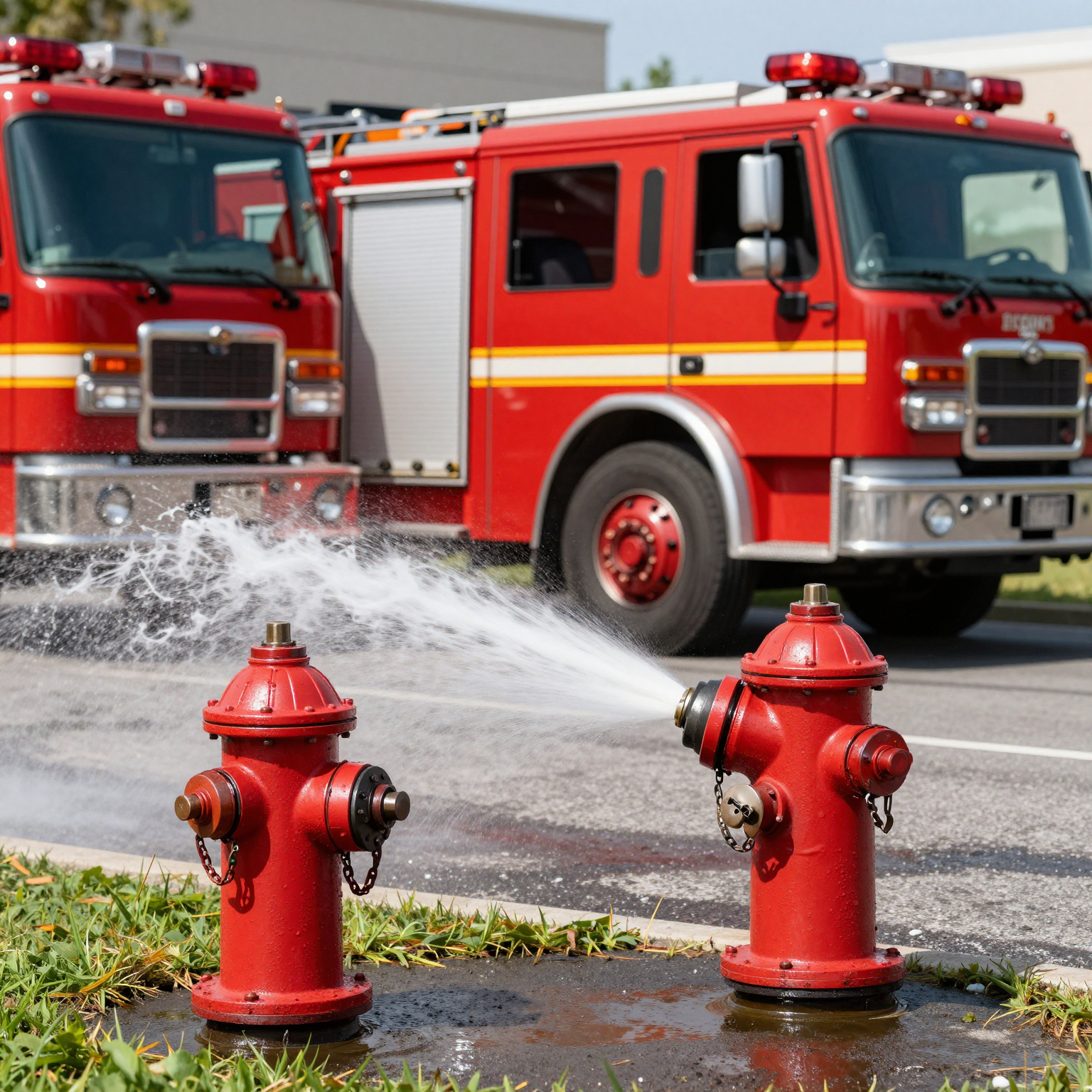
“GPM-gallons per minute-is the cornerstone of effective firefighting. It determines how quickly water can be delivered to control or extinguish a fire. A higher GPM means faster suppression, especially in high-heat environments like commercial kitchens or structural fires. Without adequate GPM, even the most skilled firefighters cannot effectively manage a blaze.”
-Captain James Reed, Fire Suppression Systems Expert
To dive deeper into how GPM affects firefighting efficiency, check out the insights from Fire Engineering Magazine.
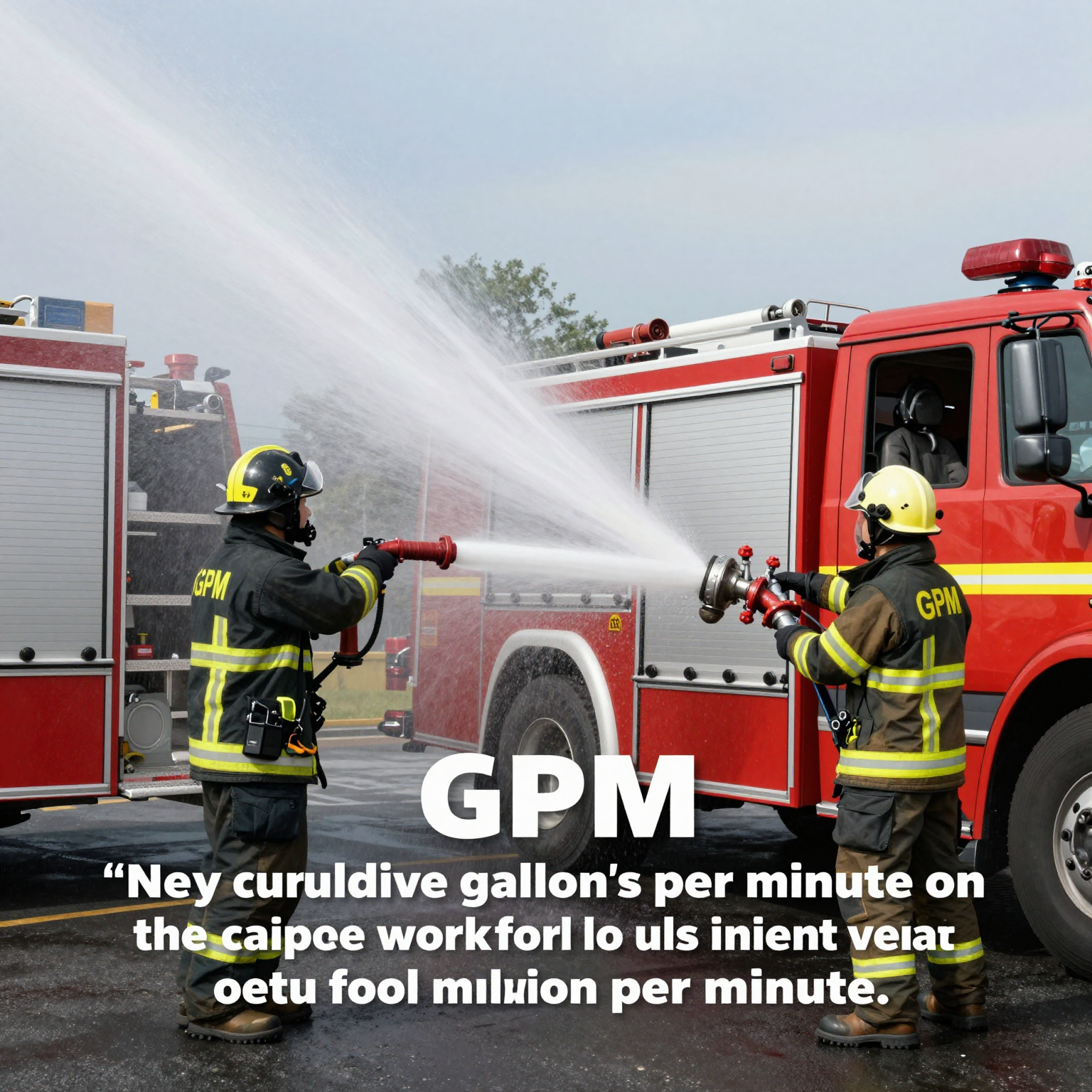
In summary, understanding the gallons per minute that a fire truck can pump is crucial for both firefighters and fire prevention strategies. It enhances operational effectiveness within various scenarios.
For more on purchasing fire trucks, explore our available fire trucks for sale.
Tips for Aspiring Firefighters: Understanding Fire Truck Operations
Becoming a firefighter is an exciting journey, and understanding fire truck operations is vital to your success. Here are some essential tips to help you on your path:
-
Learn About GPM: Gallons per minute (GPM) indicates how much water a fire truck can pump. Familiarize yourself with how GPM impacts firefighting effectiveness, especially for different fire types. For serious blazes like Class B fires, lower GPM with foam might be necessary, while Class A fires require moderate flow. Learn more about GPM here.
-
Master the Equipment: Know the basic components of fire trucks, including pump systems, hoses, and nozzles. Conduct pre-operational checks to ensure everything is ready for action.
-
Practice Safe Maneuvering: Fire trucks are large and require more space. Practice driving in different conditions to develop the skill to navigate safely.
-
Participate in Drills: Regular training and drills boost your confidence and teamwork skills. Engage in exercises that mimic real-life scenarios to build your operational understanding and quick response capabilities.
Stay passionate and committed to learning; your journey is just beginning!
Fire Truck Pump Capacities
To understand the pumping abilities of fire trucks, it’s essential to refer to the current industry standards for gallons per minute (GPM). The capacity varies significantly across different truck types, especially depending on their intended use and size.
Here’s a summary of the current standards:
| Fire Truck Type | Minimum Pump Capacity (GPM) | Typical Range (GPM) |
|---|---|---|
| Pumper Trucks | 1,000 | 1,250 – 1,500 |
| Quint Trucks | 1,000 | 1,500 – 2,000 |
| Aerial Trucks | 1,000 | 1,500 – 2,500 |
| Tanker Trucks | 750 | 1,000 |
Note: Values are based on industry standards and typical operational specifications for fire apparatus in the United States.
Sources: NFPA (National Fire Protection Association) Standards, Fire Apparatus Manufacturers’ Association (FAMA), and U.S. municipal fire department procurement guidelines.
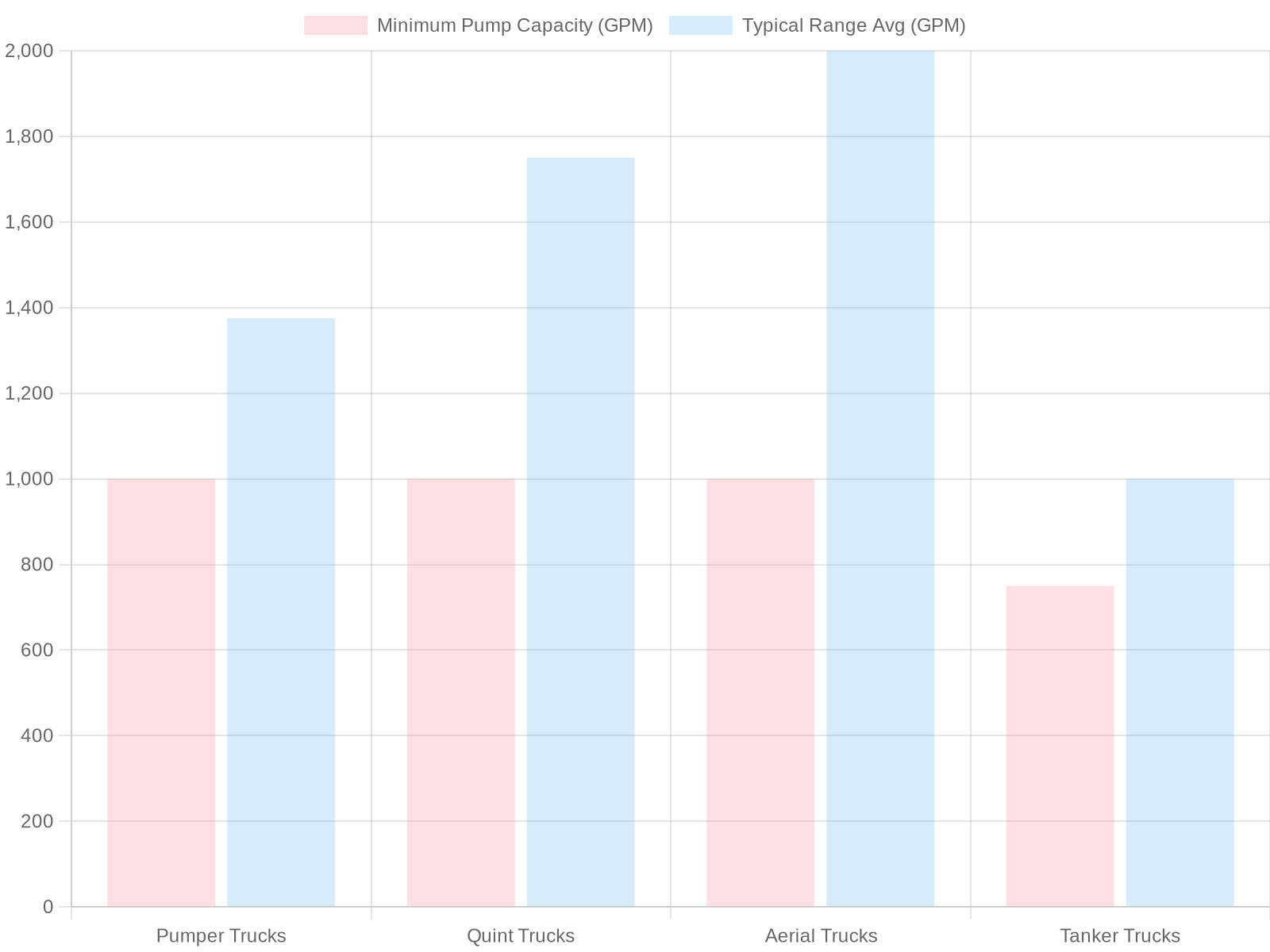
This chart visually represents the standards for pump capacities, highlighting the minimum and typical ranges across various types of fire trucks. Understanding these capacities helps in assessing the operational effectiveness of fire apparatus in real-world fire emergencies.
Conclusion
In this exploration of fire truck pumping capacities, we have uncovered the fascinating world behind the statistics that fuel these essential firefighting vehicles. On average, modern fire trucks can pump anywhere from 1,000 GPM for light-duty units, up to a staggering 4,000 GPM for specialized airport foam tenders. These variations underline the complexity and technological advancement within fire apparatus, as it adapts to meet the diverse needs of firefighting across different environments. Firefighters are tasked not just with combating fires but with understanding the detailed mechanics of their equipment-a critical aspect of their training and effectiveness.
For firetruck enthusiasts and aspiring firefighters, diving into these intricate details enriches your appreciation for the art and science of fire suppression. There are also innovations continually emerging in this sector that enhance safety and effectiveness. Read more about innovations in fire safety if you’re interested in how these advancements are transforming firefighting response.
As you nurture your passion for fire trucks and the heroic efforts of the first responders, consider how Summit Fairings can contribute to your journey. Offering customizable fire truck solutions, they ensure that every piece of equipment meets the specific needs of your firefighting team or collection. Don’t miss out on the opportunity to enhance your experience; check out how Summit Fairings can meet your needs today!