
As climate change reshapes our natural landscapes, a new fire safety crisis is emerging in the form of ‘zombie fires.’ These fires smolder unseen beneath the surface for extended periods, often igniting years after their initial outbreak, when conditions become suitable for re-emergence. Unlike traditional wildfires, which are typically visible and contained to certain seasons, zombie fires can reignite under the right environmental factors, posing an increasing threat to communities.
The alarming rise of these holdover fires significantly contributes to air pollution and carbon emissions, highlighting their potential danger not just locally, but also globally. With the frequency of these incidents rising—evidenced by the record-setting fire seasons in regions like Canada—addressing the unique challenges posed by zombie fires has never been more urgent.
It’s imperative that we implement innovative fire management strategies tailored to tackle this emerging phenomenon, ensuring community safety and environmental preservation.
Community Adaptation to Managing Fires
Recent studies illustrate how various communities are adapting to manage fires, including the elusive zombie fires that smolder underground. Here are three key insights from the latest research:
-
Community Adaptation Strategies in California
A 2023 study from PubMed examined fire preparedness in Nevada County, California, revealing diverse strategies influenced by social factors. After conducting 73 semi-structured interviews with local residents, emergency professionals, and community organization members, researchers found that shared identities and relationships with landscape professionals significantly shaped community responses to wildfire risks, particularly concerning safe evacuation during fire events. This signifies that understanding community dynamics plays a crucial role in effective fire management strategies.
Source -
Impact of Preparedness on Property Damage Costs in Greece
Research published by MDPI in August 2024 investigated how community preparedness affects property damage during wildfires. A survey of 384 residents in Greece indicated that proactive measures like early warning systems and fire-resistant landscaping led to significantly lower property damage costs. This finding emphasizes the crucial role of community preparedness in minimizing financial losses and highlights the importance of implementing effective fire management practices that can be adapted to the specific needs of each community.
Source -
Social Capital’s Role in Fire Adaptation in Southern Greece
A study published in 2023 by Ecology & Society explored the influence of social capital on wildfire adaptation in various villages in Southern Greece. The researchers found that tightly bonded communities exhibited more effective collective actions for fire mitigation. However, depopulation and changing social norms posed significant challenges. This highlights the necessity for building trust and community cohesion in enhancing fire management efforts, especially in areas prone to the resurgence of zombie fires.
Source
These insights reveal that effective community engagement, social dynamics, and preparedness play pivotal roles in managing and mitigating the impacts of emerging fire threats, such as zombie fires, that demand innovative solutions and tailored strategies.
The quote, “Zombie fires represent a fundamental shift in wildfire behavior that demands equally fundamental changes in how communities and organizations approach fire preparedness,” comes from an expert emphasizing the urgent need to evolve fire management strategies. This assertion reflects the stark realities faced by communities dealing with the covert threat of zombie fires, which can smolder undetected for extended periods. Traditional approaches to fire preparedness may no longer suffice as these hidden dangers resurface unpredictably, revealing vulnerabilities in outdated systems.
As fire seasons grow longer and the occurrence of holdover fires continues to increase, it is essential for organizations and community leaders to reevaluate and adapt their complex frameworks for managing wildfire threats. The rise in zombie fires necessitates not only awareness but also innovation in fire safety strategies, especially as obstacles such as climate change exacerbate these risks. As communities rebuild their preparedness plans, integrating comprehensive education and community engagement in fire risk management becomes imperative for fostering resilience against this emerging fire phenomenon. The growing body of research highlights that effective preparation and proactive measures can significantly mitigate the impacts of these troubling fires, making them integral to modern fire safety protocols.
Effective zombie fire management requires comprehensive strategies that address detection, suppression, and community preparedness. This quote emphasizes the complex nature of addressing the challenges posed by zombie fires, which smolder silently for long durations and can reignite unexpectedly. As traditional wildfire management techniques may fall short in tackling this new threat, it’s crucial for communities and organizations to adopt holistic approaches that not only focus on fire suppression but also incorporate early detection systems and community engagement. Such comprehensive strategies will ensure that communities are prepared to face the unpredictability of zombie fires, ultimately enhancing their resilience against these hidden threats.
In a 2021 article from Imperial College London, Professor Guillermo Rein emphasized the importance of innovative solutions for combating zombie fires, stating:
“This magical suppressant could make it easier to put zombie fires to rest for good.” (imperial.ac.uk)
This quote reinforces the urgent need for updated strategies in preventing and managing these persistent underground fires, complementing the existing expert voices and highlighting the shift required in fire management practices.
The Impact of Climate Change on Zombie Fires
Climate change is reshaping our world in unprecedented ways, one of the most alarming being its contribution to the increasing frequency of zombie fires. Also known as overwintering fires, these wildfires smolder beneath the surface during winter months and can unexpectedly reignite in the spring, posing significant threats to communities and ecosystems alike.
In Canada, the evidence of this trend is striking. The 2023 wildfire season was the most destructive on record, with over 6,551 fires scorching nearly 71,000 square miles across the country. This alarming situation was exacerbated by the persistence of 149 wildfires that continued burning through the winter, notably 92 in British Columbia and 56 in Alberta.
One illustrative case is the Donnie Creek fire, which ignited on May 12, 2023, near Fort Nelson, British Columbia. This fire became the largest on record in the province’s history, covering approximately 619,072.5 hectares. While it smoldered underground through the winter, it reignited in May 2024 and continued to burn until August, demonstrating how climate conditions can facilitate the resurgence of these hidden fires.
The role of climate change in this scenario cannot be overstated. Warming temperatures and extended droughts have led to longer fire seasons. In 2025, Canada experienced its second-worst wildfire season, with 7.8 million hectares burned by August, prompting fears that such fires could become a year-round threat.
Furthermore, zombie fires contribute significantly to global carbon emissions, creating a feedback loop that exacerbates climate change. Between March 2023 and February 2024, forest fires globally released an estimated 8.6 billion metric tons of carbon dioxide, with Canadian fires accounting for a quarter of this total, marking a 16% increase compared to the previous two decades.
The urgent need for action is clear. The rising prevalence of zombie fires, fueled by climate change, underscores the pressing necessity for robust adaptation and mitigation strategies to protect communities and our environment. Addressing climate issues is no longer an option but a critical imperative for the safety and sustainability of our ecosystems.
Recommended Strategies for Community Preparedness Against Zombie Fires
-
Education and Awareness Campaigns
Develop comprehensive educational programs for residents focusing on the nature of zombie fires, how they ignite, and effective safety measures. Utilizing workshops, informational pamphlets, and community events can empower residents with knowledge essential for early detection and response. Incorporating fire management strategies into these campaigns can significantly enhance community resilience. -
Community Fire Watch Groups
Establish local fire watch groups that consist of volunteers trained to monitor community areas for signs of underground smoldering. These groups can work in collaboration with fire departments to enhance surveillance and reporting capabilities, improving early detection of potential zombie fires. This initiative is a critical component of community fire management strategies, promoting local involvement in fire safety. -
Fire-Resistant Landscaping Initiatives
Encourage and incentivize homeowners to adopt fire-resistant landscaping practices. This can include using fire-resistant plant species, creating defensible space around properties, and removing dead vegetation that fuels fire risks, especially those linked to zombie fires. These practices are essential fire management strategies that mitigate fire threats at the community level. -
Emergency Response Drills
Regularly conduct community emergency response drills that include scenarios involving zombie fires. Practicing evacuation procedures and emergency responses enhances community readiness, ensuring that residents know how to act quickly and safely when faced with potential fire threats. Such drills are integral to effective fire management strategies. -
Collaboration with Local Authorities
Foster strong relationships with local and state authorities to create unified fire management plans that incorporate the specific risks posed by zombie fires. This collaboration can improve resource allocation, response times, and community resilience. Together, these partnerships can strengthen comprehensive fire management strategies that prioritize community safety.
| Firefighting Method | Traditional Firefighting | Technological Solutions |
|---|---|---|
| Detection | Manual lookout and surveillance | Drones with thermal imaging |
| Response Time | Slower due to access constraints | Rapid response using GPS and UAVs |
| Fire Suppression Techniques | Water, fire retardants | Remote sensing and targeted ignition |
| Monitoring | Ground inspections | IoT sensors and satellite monitoring |
| Community Involvement | Local volunteer fire brigades | Community mobile alert systems |
| Cost Efficiency | High operational costs | Reduced long-term costs through prevention |
| Adaptability | Limited to seasonal changes | Real-time data analytics for adaptive strategies |
This table provides a clear comparison between traditional firefighting methods and new technological solutions for managing zombie fires, highlighting the advantages that technological interventions can bring in the fight against these hidden threats.
Conclusion
In summary, the emergence of zombie fires presents a critical challenge that reflects the evolving nature of wildfire threats in our changing climate. With the alarming rise of these hidden fires, which smolder beneath the surface and can reignite unexpectedly, the urgency for innovative fire safety solutions has never been more pronounced.
The facts discussed indicate that traditional fire management techniques are insufficient to combat the unpredictable behavior of zombie fires. As demonstrated by the unprecedented fire seasons in Canada and significant displacement of communities, proactive community preparedness and strategic adaptation are essential.
Insights from recent studies highlight that engaging communities through education and collaboration with local authorities can enhance readiness, while adapting fire management systems to include technological advancements is crucial. Moreover, expert perspectives underline the necessity for a paradigm shift in how we approach fire safety, advocating for comprehensive strategies that combine detection, suppression, and increased community resilience.
Therefore, at this pivotal moment, it is imperative that stakeholders at all levels adopt innovative strategies that prioritize the unique challenges posed by zombie fires. By fostering a proactive mindset and implementing tailored solutions, we can safeguard our communities and create a more sustainable future in the face of evolving fire threats.
The 2023-24 wildfire seasons have demonstrated a dramatic escalation in fire activity, significantly impacting communities across various regions. Here are some critical statistics and insights that shed light on these changes:
- Record-Breaking Fires in Canada: The 2023 wildfire season in Canada set unprecedented records, with over 150,000 square kilometers burned—more than double the previous record and over seven times the annual average. This season also saw holdover fires that posed increased risks of re-ignition throughout the colder months.
- Severity in the U.S.: The United States reported a total of 64,897 wildfires in 2024, which burned approximately 8.9 million acres. This marked a 231% increase in acreage burned compared to 2023, which had closer to 2.7 million acres consumed.
- Displacement of Residents: Over 150,000 residents were displaced throughout the 2023-24 wildfire seasons due to evacuations, particularly in California and Oregon, leading to significant disruptions in local communities. The American Red Cross provided shelter to more than 100,000 individuals affected by these fires.
- Economic Impact: The federal government allocated over $5 billion in disaster relief to aid recoveries, while local businesses in affected areas experienced an average revenue decline of 30%. The overall economic impact of the wildfires reached approximately $12 billion when accounting for property loss, infrastructure damage, and firefighting expenses.
- Emissions Contribution: Wildfires globally released over 8 billion tons of carbon dioxide from March 2023 to February 2024, contributing significantly to climate change and associated health risks. In fact, the 2023 Canadian wildfires were linked to over 87,000 premature deaths worldwide due to the resulting air pollution.
- Challenges in Agriculture: In agricultural sectors, the wildfires caused over $2 billion in losses, impacting crop production and livestock due to damage to farming infrastructure.
The cumulative effects of these statistics emphasize the urgent need for enhanced community preparedness and adaptive strategies against wildfire risks, particularly as climate change continues to drive these fire seasons towards unprecedented extremes. Addressing these issues through innovative fire safety measures can mitigate some of the devastating impacts observed in recent years.
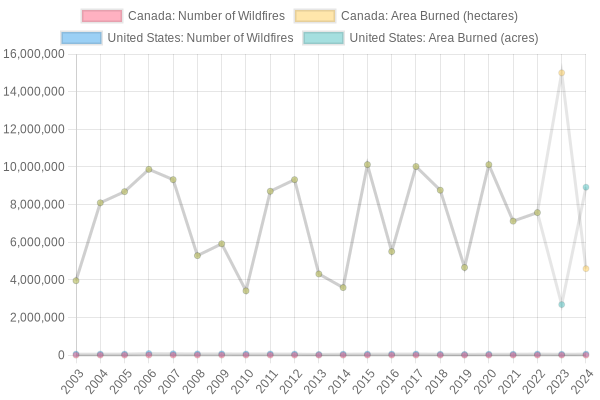
This graph illustrates the increase in wildfire incidents over the years, highlighting significant data from both Canada and the United States. The trends reveal alarming growth, especially in recent years, emphasizing the urgent need for community preparedness and innovative management strategies.
As climate change reshapes our natural landscapes, a new fire safety crisis emerges: zombie fires. These hidden fires smolder unseen beneath the surface, often reigniting years after they first broke out. Unlike traditional wildfires, which flare up in direct view and during specific seasons, zombie fires can reignite whenever conditions are right, presenting a growing threat to communities worldwide.
The increase in these holdover fires not only contributes to local air pollution but also escalates global carbon emissions, emphasizing their widespread danger. The rise in zombie fires has reached alarming levels, especially seen in record fire seasons across regions like Canada. Addressing the unique challenges posed by these persistent flames is more urgent now than ever. We must implement innovative fire management strategies tailored specifically to this emerging phenomenon to ensure community safety and protect our environment.
Recommended Strategies for Community Preparedness Against Zombie Fires
-
Education and Awareness Campaigns
Develop comprehensive educational programs for residents focusing on the nature of zombie fires, how they ignite, and effective safety measures. Utilizing workshops, informational pamphlets, and community events can empower residents with knowledge essential for early detection and response. Incorporating fire management strategies into these campaigns can significantly enhance community resilience. -
Community Fire Watch Groups
Establish local fire watch groups that consist of volunteers trained to monitor community areas for signs of underground smoldering. These groups can work in collaboration with fire departments to enhance surveillance and reporting capabilities, improving early detection of potential zombie fires. This initiative is a critical component of community fire management strategies, promoting local involvement in fire safety. -
Fire-Resistant Landscaping Initiatives
Encourage and incentivize homeowners to adopt fire-resistant landscaping practices. This can include using fire-resistant plant species, creating defensible space around properties, and removing dead vegetation that fuels fire risks, especially those linked to zombie fires. These practices are essential fire management strategies that mitigate fire threats at the community level. -
Emergency Response Drills
Regularly conduct community emergency response drills that include scenarios involving zombie fires. Practicing evacuation procedures and emergency responses enhances community readiness, ensuring that residents know how to act quickly and safely when faced with potential fire threats. Such drills are integral to effective fire management strategies. -
Collaboration with Local Authorities
Foster strong relationships with local and state authorities to create unified fire management plans that incorporate the specific risks posed by zombie fires. This collaboration can improve resource allocation, response times, and community resilience. Together, these partnerships can strengthen comprehensive fire management strategies that prioritize community safety.

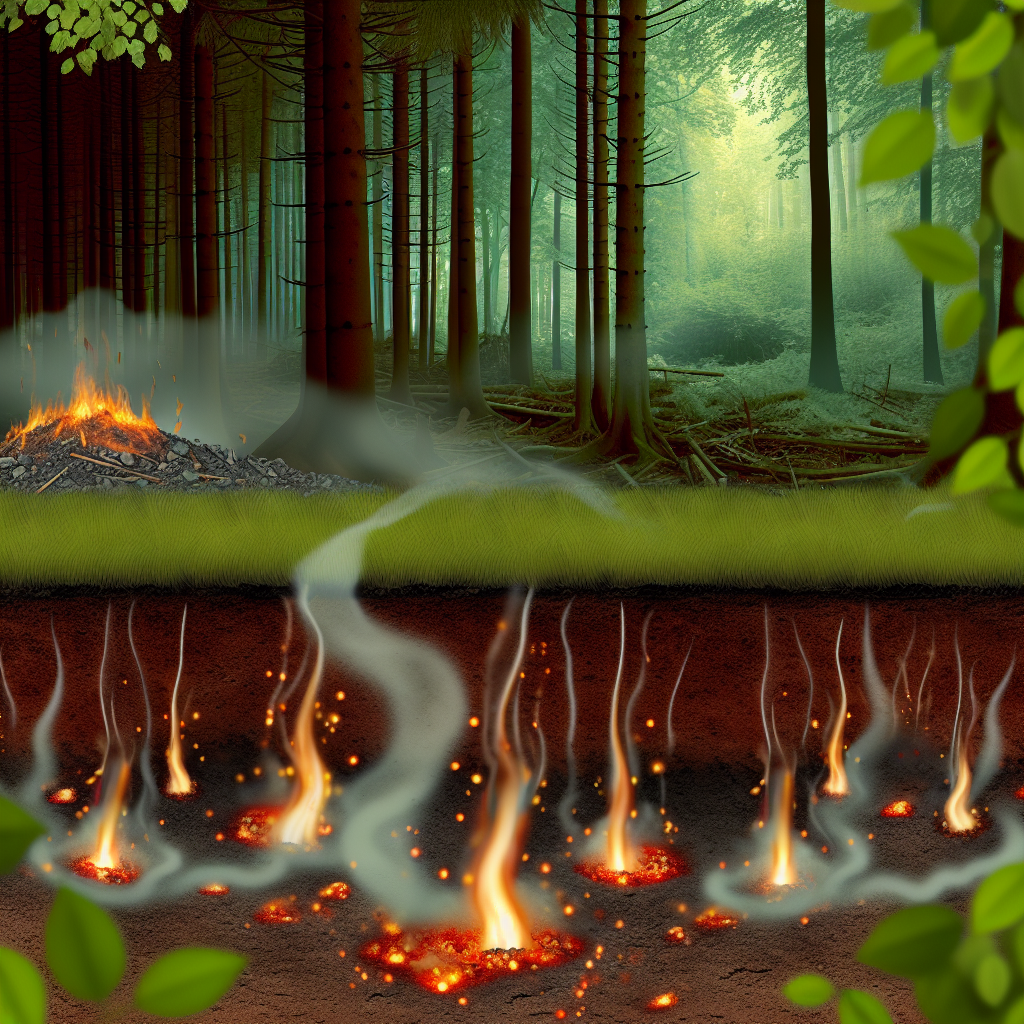
An illustration depicting the concept of zombie fires, showcasing underground smoldering dynamics and surface fire processes set against a forest background.
| Firefighting Method | Traditional Firefighting | Technological Solutions |
|---|---|---|
| Detection | Manual lookout and surveillance | Drones with thermal imaging |
| Response Time | Slower due to access constraints | Rapid response using GPS and UAVs |
| Fire Suppression Techniques | Water, fire retardants | Remote sensing and targeted ignition |
| Monitoring | Ground inspections | IoT sensors and satellite monitoring |
| Community Involvement | Local volunteer fire brigades | Community mobile alert systems |
| Cost Efficiency | High operational costs | Reduced long-term costs through prevention |
| Adaptability | Limited to seasonal changes | Real-time data analytics for adaptive strategies |
The cumulative effects of these changes emphasize the urgent need for enhanced community preparedness and adaptive strategies against wildfire risks, particularly as climate change continues to drive these fire seasons towards unprecedented extremes. Addressing these issues through innovative fire safety measures can mitigate some of the devastating impacts observed in recent years.
In summary, the emergence of zombie fires presents a critical challenge that reflects the evolving nature of wildfire threats in our changing climate. With the alarming rise of these hidden fires, which smolder beneath the surface and can reignite unexpectedly, the urgency for innovative fire safety solutions has never been more pronounced.
The facts discussed indicate that traditional fire management techniques are insufficient to combat the unpredictable behavior of zombie fires. As demonstrated by the unprecedented fire seasons in Canada and significant displacement of communities, proactive community preparedness and strategic adaptation are essential.
Insights from recent studies highlight that engaging communities through education and collaboration with local authorities can enhance readiness, while adapting fire management systems to include technological advancements is crucial. Moreover, expert perspectives underline the necessity for a paradigm shift in how we approach fire safety, advocating for comprehensive strategies that combine detection, suppression, and increased community resilience.
Therefore, at this pivotal moment, it is imperative that stakeholders at all levels adopt innovative strategies that prioritize the unique challenges posed by zombie fires. By fostering a proactive mindset and implementing tailored solutions, we can safeguard our communities and create a more sustainable future in the face of evolving fire threats.
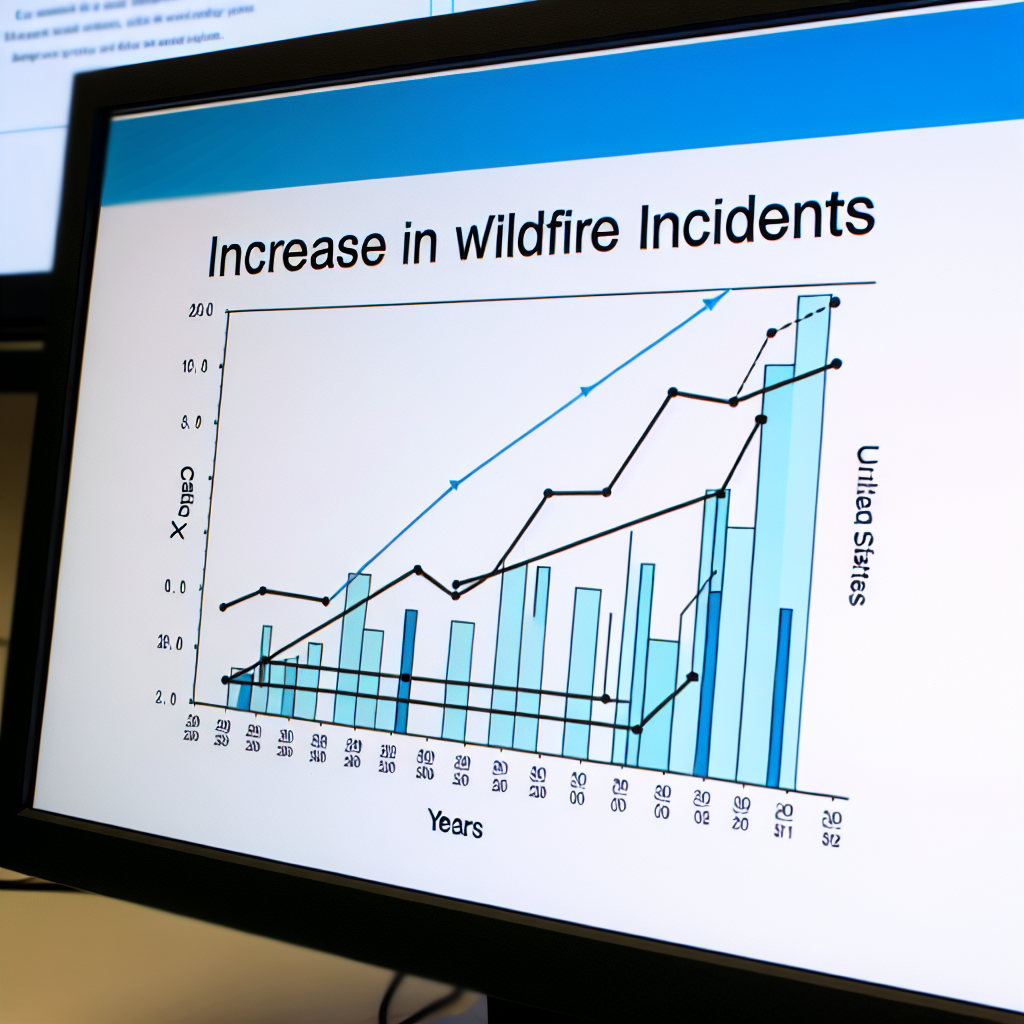
This graph illustrates the increase in wildfire incidents over the years, highlighting significant data from both Canada and the United States. The trends reveal alarming growth, especially in recent years, emphasizing the urgent need for community preparedness and innovative management strategies.