
In the vibrant tapestry of emergency services across the United States, fire trucks hold a special place of honor. These magnificent firefighting vehicles are not just machines; they are lifelines that come roaring into action at a moment’s notice, embodying the courage and commitment of firefighters dedicated to protecting lives and property. With a dazzling array of designs and capabilities, fire trucks in the US serve as symbols of safety, embodying advanced technology and design innovation geared towards swift and effective responses in emergencies. They are integral to community safety, transforming chaos into order, and inspiring young aspiring firefighters and passionate enthusiasts alike. As you delve deeper into the world of fire trucks, you’ll discover not just vehicles, but a tradition that unites communities in the bravest fight against fire and disaster. From heroism on the front lines to the historical legacy embedded in their frames, every fire truck tells a story worth exploring!
Types of Fire Trucks in the US
Firefighting vehicles are essential tools in combating fires and protecting communities. In the United States, various types of fire trucks serve distinct roles in emergencies. Here’s an ordered list of the primary types you’ll find:
-
Pumper Trucks
Pumper trucks, also known as engine trucks, are fully equipped with water pumps and hoses designed for structural firefighting. They typically hold a significant amount of water and are essential for initial fire suppression. -
Ladder Trucks
These trucks feature extendable ladders that provide access to high-rise buildings and elevated areas. Ladder trucks are vital for rescue operations from upper floors and for spraying water on tall structures, making them critical in urban fires. -
Wildland Fire Trucks
Designed for rugged terrain and forest environments, wildland fire trucks (or brush trucks) are equipped with four-wheel drive and large water tanks. They are used in forest fire suppressions and carry specialized equipment to fight wildfires. -
Rescue Trucks
Rescue trucks carry essential tools and equipment used in emergency medical services and technical rescues, including hydraulic rescue tools (often called “Jaws of Life”), lighting, and medical supplies. -
Tanker Trucks
Tankers transport large quantities of water to areas lacking hydrants, especially in rural regions. They are crucial when initial water supply is necessary for firefighting and typically can hold thousands of gallons of water. -
Command Vehicles
Serving as mobile command centers, these vehicles help coordinate operations during emergencies. They are equipped with advanced communication technology and mapping tools to manage large-scale incidents effectively. -
Specialty Units
This category includes various specialized apparatus, such as foam trucks for flammable liquids, hazardous material response units, and elevated platforms designed for particular rescue scenarios.
Understanding these various types of fire trucks and their roles in firefighting highlights the sophistication and readiness of our emergency services. For those interested in acquiring a fire truck for personal or professional use, check out our fire trucks for sale.
These fire trucks are not just vehicles; they are lifelines that reflect the commitment of firefighters to protect lives and property in times of crisis.
For more comprehensive insights about firefighting and truck solutions, you can also explore how different types of fire trucks play a role in ensuring effective emergency management at Unified Command in Emergencies.
How Many Fire Trucks Are in the US?
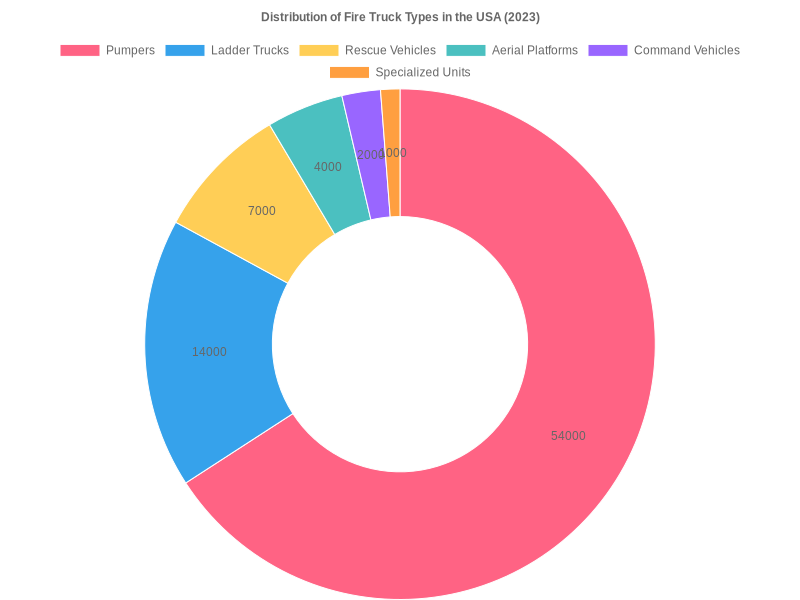
Fire trucks play a pivotal role in emergency response services across the United States, and their numbers are impressive! As of 2023, there are approximately 82,000 fire department vehicles actively serving in communities nationwide. According to the National Fire Protection Association (NFPA), this figure includes a diverse mix of fire apparatus designed for different firefighting scenarios:
- 54,000 Pumpers (68.7% of total): These are the most common fire engines, primarily used for water delivery in structural firefighting.
- 14,000 Ladder Trucks (17.0%): Essential for reaching high places during emergencies, especially in urban settings.
- 7,000 Rescue Vehicles (8.9%): Equipped for technical rescues and often carry advanced medical tools.
- 4,000 Aerial Platforms (5.1%): These provide extended reach for firefighters tackling elevated fires.
- 2,000 Command Vehicles (2.6%): Used for incident command and coordination during large emergencies.
- 1,000 Specialized Units (1.3%): Include vehicles specialized for hazardous materials or wildland firefighting.
The distribution of fire apparatus is uneven across states, reflecting factors such as population density and geographical risks. For instance, California leads with over 6,500 fire vehicles, followed closely by Texas with 6,000 and Florida with about 5,000 vehicles. States like New York, Pennsylvania, and Illinois also have significant numbers, contributing to the collective firefighting capability across the nation.
In recent years, there has been a notable rise in the adoption of electric and hybrid fire trucks, indicating a shift towards more sustainable emergency response solutions. This trend might reshape the landscape of fire service in the years to come. Curious to learn more about the innovations in the fire service? Check out our article on fire trucks for sale or explore the advancements in firefighting technology!
The Evolution of Fire Trucks in the U.S.
The history of fire trucks in the United States is a fascinating journey filled with innovation and advancements, reflecting the growing demands of urban safety and emergency response. It all began in the late 18th century with hand-pumped engines. Early fire brigades relied on community volunteers to haul these primitive devices, which were labor-intensive and limited in capabilities.
A pivotal moment occurred in 1835 when New York City established the first professional fire department. This transition heralded a new era of firefighting, leading to the introduction of steam-powered fire engines in the 1860s, which significantly improved water delivery efficiency and fire suppression capabilities. By the early 1900s, internal combustion engines revolutionized the fire service, with the first gasoline-powered fire trucks appearing and quickly adopted nationwide.
By the 1910s, the development of combination units, known as “quints,” allowed a single vehicle to perform multiple functions – covering pumping, laddering, and rescue operations. Innovations continued throughout the 20th century, with advancements in steering, braking systems, and hydraulic lifts improving both the safety and performance of fire trucks.
As we moved into the 21st century, fire trucks became equipped with sophisticated technology including GPS, thermal imaging cameras, and smart sensors to enhance operational efficiency. Modern fire vehicles also focus on environmental sustainability, with the introduction of electric models becoming more prevalent.
Today, nearly 90,000 fire trucks are in operation across the country, including pumpers, aerials, and specialized rescue vehicles. This extensive evolution highlights the critical role fire trucks play not just in firefighting, but in broad emergency response and disaster management. To explore more about fire trucks, check out customizable fire truck solutions and stay connected with the latest in firefighting technology.

Comparison of Major Fire Truck Manufacturers in 2023
Here is a detailed view of the major fire truck manufacturers, their market shares, popular models, and innovative technologies:
| Manufacturer | Market Share | Popular Models | Main Innovations |
|---|---|---|---|
| Oshkosh | 20% | Striker | Electric firefighting technology |
| Rosenbauer | 15% | Panther | Hybrid firefighting systems |
| Ziegler | 8% | Z-Class | Smart firefighting solutions |
| Magirus | 5% | TLF 4000 | Modular design |
| REV Group | 1% | Aerial units | Integrated drone technology |
Data Source:
- Oshkosh, Rosenbauer, Ziegler, Magirus, REV Group official releases and industry reports (2023)
This information provides a clear insight into the current state of the fire truck industry, highlighting key players and their contributions to enhancing firefighting capabilities.
“In a structure fire, every second counts. Our fire truck brings the necessary equipment-hoses, nozzles, hydraulic tools, and breathing apparatus-directly to the scene. It’s the difference between containing a fire quickly and losing a building or worse. The truck is our first line of defense.”
- A Captain from a major metropolitan fire department
Fire trucks are more than just vehicles; they play a crucial role in firefighting operations. This perspective reinforces the importance of these machines in saving lives and property. For more insights on this topic, check out this article.
If you’re looking to buy or explore fire trucks extensively, you might want to check out our collection here.
User Adoption of New Fire Truck Models in the U.S.
The U.S. firefighting community is embracing technological advancements in new fire truck models, albeit at a moderate pace. According to a recent report by the National Fire Protection Association (NFPA), only 34% of U.S. fire departments adopted a new fire truck model featuring significant technological upgrades by the end of 2023. This statistic highlights a slow but steady trend toward modernization, which is crucial for enhancing firefighting capabilities.
Key Innovations in Fire Trucks
In 2023, fire truck manufacturers introduced a variety of innovative technologies designed to improve efficiency and safety in firefighting operations. Some notable advancements include:
- AI-Powered Thermal Imaging: These systems help firefighters visualize heat signatures in smoke-filled environments, significantly improving situational awareness.
- Real-Time Data Integration: New models feature systems that connect with emergency response networks, allowing for faster and more coordinated responses.
- Modular Designs: Companies like Pierce and E-One have developed fire trucks that allow for customization based on departmental needs, enhancing fuel efficiency and functionality.
Despite these advancements, user adoption rates remain uneven across the country. Large metropolitan departments are leading the charge, while smaller rural departments often face budget constraints that hinder their ability to procure these state-of-the-art vehicles.
Reasons for Slow Adoption
Several barriers contribute to the slow adoption of new fire truck technology:
- High Upfront Costs: New technology often comes with a hefty price tag, deterring some departments from making the switch.
- Funding and Procurement Issues: Many departments operate under strict budget limitations, which complicate the acquisition of new vehicles.
- Training and Interoperability Challenges: Some departments are reluctant to adopt new technologies due to the additional training required and concerns about integrating with existing systems.
To illustrate the adoption landscape, here are some insights:
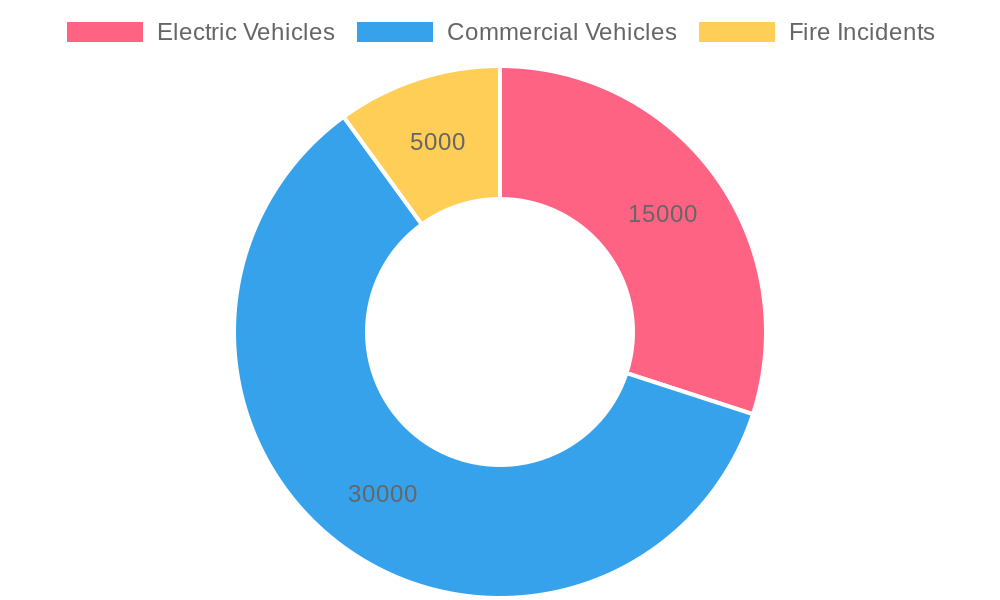
Adoption rate of new fire truck models across urban and rural departments.
Conclusion
As technology continues to evolve, it is clear that the firefighting industry must adapt to these changes to deliver better service. While innovations and new models are on the rise, addressing the barriers to adoption is essential. Fire departments must align their financial resources, training programs, and procurement processes to take full advantage of these advancements that promise safer and more effective firefighting operations.
For further insights into the market for new fire trucks, check out our fire trucks for sale page.
As we wrap up our exploration of the fascinating world of fire trucks, it’s clear these vehicles are not just machines; they’re a vital part of our communities, standing ready to protect us when it matters most. For firetruck enthusiasts, collectors, and aspiring firefighters, understanding the number of fire trucks in the U.S. opens the door to appreciating their historical significance and operational importance. Every fire truck tells a story of bravery, resilience, and commitment to safety.
Engaging with fire trucks is more than a hobby; it’s a journey that connects us with heroes and innovations in emergency services. Whether you’re looking to add a unique piece to your collection or simply wish to learn more about these remarkable vehicles, check out our customizable fire truck solutions to see how you can enhance your firefighting capabilities and honor the spirit of those who serve our communities!
The Future of Fire Trucks: Emerging Trends and Technologies
As we look ahead, the world of firefighting is poised for a transformative leap fueled by innovation and advanced technologies. The integration of electric vehicles, smart firefighting tools, and enhanced data systems are set to redefine how fire departments operate, improving response times, efficiency, and sustainability.
Electric Fire Trucks
One of the most exciting trends is the adoption of electric fire trucks. In 2023, several U.S. fire departments initiated pilot programs with fully electric models, such as the Pierce Volterra, which was deployed by Portland Fire & Rescue. Remarkably, these electric vehicles are effectively handling nearly every emergency call using only electric power. The shift towards electric fire trucks not only aims to reduce emissions but also works towards lowering long-term operational costs while minimizing noise pollution during operations.Learn more about electric fire trucks
As per the NFPA’s 2023 report, there has been a remarkable 40% increase in electric fire truck adoption across U.S. municipalities compared to 2022. The report noted advancements such as improved battery ranges exceeding 150 miles per charge, faster charging capabilities, and enhanced durability for rigorous firefighting scenarios.Explore more about electric vehicle trends
Advanced Firefighting Tools
Innovation goes beyond the vehicles themselves. Modern firefighting tools now utilize artificial intelligence and data analytics to optimize methodical approaches to firefighting. These advancements enable firefighters to access real-time data on fire dynamics, which allows for informed decision-making during an incident.
Smart firefighting tools, including drones equipped with thermal imaging, allow crews to survey danger zones swiftly. This enables them to identify hotspots and monitor fire behavior, ultimately leading to a more strategic response. Moreover, systems integrating Internet of Things (IoT) capabilities are being developed to streamline command and coordination during emergencies.
Conclusion
The future of fire trucks is not just about new models but innovative solutions that can save lives and property. As fire departments embrace electric vehicles and smart technologies, the firefighting landscape will evolve towards a more efficient and sustainable operation. With the pace of advancements, enthusiasts and professionals alike are excited to see how these innovations will shape firefighting for years to come.
Data on Electric Fire Truck Adoption Rates
A bar chart illustrating the increasing adoption of electric fire trucks in municipalities across the U.S. from 2021 to 2023 is showcased below:
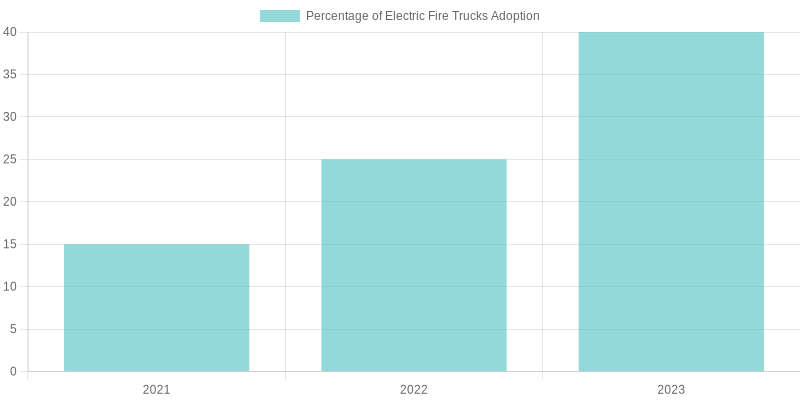
| Year | Percentage of Adoption |
|---|---|
| 2021 | 15% |
| 2022 | 25% |
| 2023 | 40% |
The ongoing evolution of fire trucks and firefighting technologies promises to create a more responsive, effective, and eco-friendly future for firefighting.