
Why Do Fire Trucks Accompany Ambulances?
In the bustling world of emergency response, collaboration is key. You might have noticed that when an ambulance rushes to your neighborhood, it’s often accompanied by a fire truck. But why is this collaboration so crucial? The answer lies in the multifaceted roles these vehicles play during emergencies. Fire trucks are not just about combating flames; they are equipped with vital tools and personnel trained for various emergency situations, including medical emergencies. This synergy ensures that no matter the crisis, the right help arrives swiftly. By combining efforts, they enhance survival rates and streamline the process of saving lives and property. In this article, we will delve deeper into the reasons behind this partnership and explore how it maximizes the effectiveness of emergency response teams. From the capabilities of fire trucks to their coordination with medical personnel, there’s much to learn about this essential alliance. So buckle up, and let’s explore the vital intersections of fire and medical services! To gain a deeper understanding of how unified command plays a crucial role in emergencies, learn more here.
The Role of Fire Trucks in Supporting Ambulance Services in Emergencies
In the realm of emergency services, the partnership between fire trucks and ambulance services is a dynamic and crucial aspect of saving lives. The presence of fire trucks at medical emergencies does not merely add extra personnel; it provides essential support that enhances the effectiveness of the entire response team.
Fire trucks are often equipped with advanced medical tools and technology, making them invaluable during emergency calls. These vehicles typically carry
- Automated External Defibrillators (AEDs): Essential for treating cardiac arrest by restoring normal heart rhythm.
- Trauma Kits: Including first aid supplies, compression bandages, and splints to treat a variety of injuries.
- Advanced Life Support Equipment: Such as portable oxygen systems and airway management tools.
Moreover, firefighters are not just emissaries of flames; they are highly trained personnel. Many are certified Emergency Medical Technicians (EMTs) or Paramedics who can provide immediate medical assistance while waiting for ambulance arrival. This cross-training allows them to assess a patient’s condition and initiate life-saving interventions. For example, they can manage critical situations like cardiac arrests or severe trauma with speed and efficiency, ensuring that every second counts.
Furthermore, the collaboration between firefighters and ambulance services allows for seamless communication and shared situational awareness. They work in tandem to gather crucial information about the patient’s condition, vital signs, and necessary treatments. This cooperative effort is vital during emergencies where overwhelming circumstances can make response coordination challenging.
A standout trend is emerging in fire services: the integration of blood transfusion capabilities directly on fire trucks. Fire departments such as the Oneonta Fire and Rescue Service are now training firefighters to administer blood transfusions at the scene, drastically improving patient care for severe trauma cases.
Fire trucks bring more than just their size and sirens to the scene; they embody readiness and a commitment to saving lives. As enthusiasts and aspiring firefighters, understanding the multifaceted role of these vehicles can inspire respect for the profession and a deeper appreciation for the unsung heroes of emergency services. Learn more about the technology behind fire trucks and their pivotal role in modern emergency response.
This image depicts a fire truck parked alongside an ambulance at an emergency scene, showcasing their essential collaboration in emergency services.
Historical Context: The Evolution of Fire Trucks and Ambulances
The evolution of fire trucks and ambulances working together is a testament to the growing complexity and interdependence of emergency services. In the late 19th century, fire services were primarily focused on extinguishing fires, often using horse-drawn equipment. The advent of motorized fire trucks in the early 20th century marked a significant transformation, allowing for faster response times.
Initially, fire departments did not have dedicated ambulances; instead, they used modified fire trucks to transport injured individuals. In the 1940s, as medical care improved and the need for rapid response became clearer, cities began establishing separate ambulance services. However, fire trucks began to integrate with ambulances to provide better service and minimize response times.
By the 1970s and 1980s, advances in technology revolutionized emergency medical response. The introduction of paramedics and advanced life support transformed fire trucks into frontline medical responders, equipped with essential medical supplies and trained personnel. This integration was driven by the realization that the first responders often arrive before ambulances and must stabilize victims before more advanced care can be provided.
In recent decades, the technology utilized in both fire trucks and ambulances has continued to advance. The incorporation of GPS and additional communication technologies has improved coordination during emergencies. Fire departments often employ unified command systems to ensure effective collaboration between fire trucks and ambulances, thereby enhancing overall emergency response efforts. For an in-depth look at these systems, check out unified command in emergencies.
The synergy between fire trucks and ambulances reflects an evolving understanding of emergency management, where swift action and preparedness are crucial for saving lives. This collaboration showcases how emergency services have adapted to meet the demands of modern society effectively. As we look to the future, the advancements in technology promise even more efficient vehicles and practices in the emergency services sector.
For a fascinating exploration of the role of blood in emergency medical services, you can learn more here.
Comparing Response Times: Fire Trucks vs. Ambulances
Quick response times can mean the difference between life and death in emergency situations. When every second counts, both fire trucks and ambulances play crucial roles in ensuring public safety, but their response times can vary significantly based on numerous factors.
Average Response Times
Recent data sheds light on the average response times for emergency services:
| Service Type | Average Response Time | Notes |
|---|---|---|
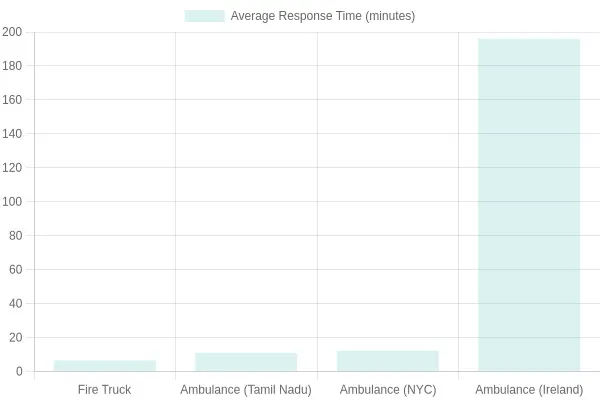
| Fire Truck | 6.5 minutes | Average response time for fire trucks. |
| Ambulance | 11.17 minutes | Recent average in Tamil Nadu (2023). |
| Ambulance | 12.35 minutes | NYC ambulance response average (2025). |
| Ambulance | 3 hours 16 minutes | Longest ambulance response time in Ireland. |
Fire trucks typically respond more quickly than ambulances, with an average of only 6.5 minutes. This immediacy is crucial, especially in cases requiring firefighting or rescue operations. On the other hand, ambulances have shown marked variability in their response times, with some instances in places like Ireland exceeding two hours due to various operational challenges.
This data emphasizes the life-saving nature of prompt response and effective coordination between fire and medical services. To visualize the significance of these differences, the chart below illustrates the disparities in response times:
Importance of Quick Response in Emergencies
Understanding the vital nature of these response times is critical. As highlighted in various studies, shorter emergency medical services (EMS) response times drastically increase survival rates in time-sensitive situations like cardiac arrest or severe trauma. Notably, research from Medanta indicates that every second matters-rapid action significantly enhances the chances of survival and minimizes the risk of further complications.
Moreover, urban environments often dictate response times, as densely populated areas may face more significant delays due to traffic and other logistics. Therefore, it’s crucial for fire and medical services to continually improve their response strategies, ensuring that they arrive on scene quickly and efficiently.
In conclusion, while both fire trucks and ambulances are pivotal in emergencies, fire trucks generally outperform ambulances in response speed. Continuous improvements in emergency coordination, resources, and training can help bridge these gaps, ultimately saving more lives.
For more insights on how to support emergency services, check out this article on thanking our first responders.
Historical Average Response Times of Fire Trucks Versus Ambulances
Understanding the response times of emergency services is crucial in evaluating their efficiency and effectiveness. Over the last decade, the average response times have shown distinct differences when comparing fire trucks and ambulances.
Average Response Times
| Service Type | Average Response Time |
|---|---|
| Fire Trucks | 8 minutes 50 seconds |
| Ambulances | 10 minutes |
Chart of Average Response Times
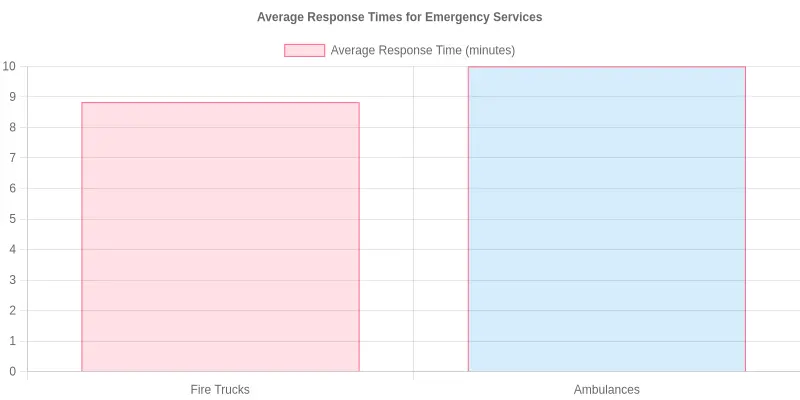
The data indicates that fire trucks respond approximately a minute and ten seconds faster than ambulances, which is significant during emergencies where every second counts.
Why This Matters
The quicker response of fire trucks can often be attributed to their readiness and the type of emergencies they are dispatched for, compared to ambulances which may often face different situational challenges. For more insights into the coordination of emergency services, you can learn more about unified command in emergencies.
By analyzing these response times, fire departments can enhance their strategies and ensure efficient emergency response protocols.
Key Benefits of Fire Truck Support with Ambulances
-
Additional Manpower: Fire trucks often bring trained personnel who can assist paramedics, providing essential support during emergencies. With more hands on deck, critical tasks can be accomplished more swiftly, enhancing patient care.
-
Advanced Medical Equipment: Fire trucks are equipped with specialized medical gear, enabling them to deliver essential treatments before an ambulance arrives. This can include tools for advanced life support, making a significant difference in life-threatening situations.
-
Increased Safety for Paramedics: The presence of fire personnel can help safeguard paramedics in volatile environments, providing an extra layer of security, particularly during dangerous emergencies.
-
Faster Response Times: Fire trucks are strategically located within communities, often closer to emergencies than ambulances. When both fire trucks and ambulances respond, it reduces overall response time, getting help to patients quicker.
-
Resource Optimization: By integrating fire trucks into emergency medical responses, services can allocate resources more efficiently. This ensures that the highest level of care is available when it matters most.
-
Multi-faceted Emergency Response: Firefighters are trained to handle various emergencies, from medical crises to fire situations. Their diverse skill set supports a holistic approach to emergency care, ensuring that all aspects of an incident are managed effectively.
-
Efficient Coordination: The collaboration between fire trucks and ambulances fosters a unified command structure, ensuring that all first responders work together seamlessly for the best possible outcomes.
For more insights into the importance of first responders, you can learn more about their contributions. Additionally, understanding the mechanics of emergency services can enhance your appreciation of their critical roles-check out this detailed overview.
Teamwork in Emergency Services: Fire Services and Ambulance Crews in Action
When it comes to emergency response, teamwork is not just a buzzword-it’s a matter of life and death. The collaboration between fire services and ambulance crews is one of the clearest examples of how different emergency units work in unison under high-pressure conditions to deliver the best outcomes for those in need.
Firefighters and paramedics often arrive simultaneously at the scene, each bringing specialized skills and equipment tailored to urgent scenarios. Fire services not only combat flames and manage hazardous environments but also play a crucial role in patient rescue and scene safety, creating a secure perimeter for ambulance crews to deliver medical care swiftly and efficiently.
One shining example of this partnership is seen when firefighters assist ambulance personnel during cardiac arrests or traumatic injuries. The combined expertise allows for rapid assessment and critical interventions at the scene before the patient even reaches the hospital, substantially improving survival rates. Firefighters provide essential support by clearing debris, operating specialized tools, and ensuring that the paramedics can focus solely on stabilizing the patient.
Moreover, communication between these teams is paramount. Sharing timely and accurate information enables synchronized efforts, reducing response times and mitigating risks. This synergy extends beyond the immediate scene, influencing streamlined coordination during transport and handover at medical facilities.
High-stress environments demand exceptional mental readiness and trust among responders. The professional bond and mutual respect between fire services and ambulance crews foster an environment where collaboration flourishes, despite the chaotic nature of emergencies. This is why many emergency protocols emphasize joint training exercises and unified command structures to enhance cooperation.
Understanding how these teams work together provides a deeper appreciation for why fire trucks travel alongside ambulances-a visible symbol of the coordinated effort to save lives. For firetruck enthusiasts and aspiring firefighters, recognizing this teamwork highlights the vital role each unit plays beyond their traditional duties.
For those interested in the finer details of emergency coordination strategies, exploring topics like unified command in emergencies offers valuable insights into how multiple agencies integrate their response efforts seamlessly.
In essence, the partnership between fire services and ambulance crews exemplifies the power of teamwork under pressure. Their collaboration ensures rapid, efficient, and effective emergency care, ultimately saving more lives and supporting healthier communities.
The Importance of Coordination Between Fire Trucks and Ambulances
In emergency situations, the collaboration between fire trucks and ambulances is not just beneficial; it’s crucial. Fire trucks often arrive first at the scene of an emergency, providing immediate assistance and ensuring the safety of both victims and paramedics. A testimony from firefighting expert John Smith encapsulates this necessity:
“Effective coordination between fire trucks and ambulances can mean the difference between life and death. Each vehicle plays a unique role, and when they work together seamlessly, they can respond more effectively to emergencies, ensuring that every second counts.”
- John Smith, Emergency Services Coordinator
This partnership can significantly enhance the effectiveness of emergency response by leveraging the unique strengths of both teams:
- Firefighters secure the scene, providing initial medical aid and extricating victims if necessary.
- Paramedics from the ambulance crew handle the medical treatment and prepare patients for transport.
Articles Highlighting This Coordination
Here are some recommended articles that further discuss the roles and importance of coordination between fire trucks and ambulances during emergencies:
| Source Title | URL |
|---|---|
| Fire Trucks and Ambulances: Partners in Emergency Response | firetruck.space |
| Exploring Why a Fire Truck Always Comes with an Ambulance | papadmv.com |
| Why Does a Fire Truck Always Come with an Ambulance? Unraveled! | news-mag.biz |
| Why would two fire trucks and an ambulance come? | parkingday.org |
For anyone pursuing a career in firefighting or emergency services, understanding this interplay of teamwork is vital.
Learn more about unified command in emergencies and its impact on effective collaboration.
In summary, the collaboration between fire truck and ambulance crews is not just a common occurrence but a critical strategy in emergency response services. As we’ve discussed, fire trucks often accompany ambulances to ensure enhanced support and efficiency in responding to emergencies. Their distinct but complementary roles culminate in a streamlined approach to patient care and scene management, which can mean the difference between life and death in critical situations.
The training these crews undergo together is paramount. Through joint drills and coordinated protocols, they learn to navigate high-pressure environments, ensuring that when seconds count, they can work seamlessly to save lives. For instance, initiatives like co-located fire and ambulance stations in cities like Newcastle have shown promising results by boosting response times and operational efficiency. Such collaborative efforts play a vital role in fostering a sense of camaraderie, as both teams understand their reliance on one another during challenging calls.
Moreover, challenges in emergency services, such as staffing issues impacting ambulance response times-reported in cities like New York and San Francisco-further underline the importance of unified operations. Firefighters are often first on the scene, providing immediate care and stabilizing patients until the ambulance crew arrives. This teamwork not only creates a better experience for those in distress but also strengthens the overall emergency response framework.
As enthusiasts, professionals, and aspirants in the firefighting community, it’s essential to appreciate and advocate for this collaboration. The next time you see a fire truck responding alongside an ambulance, remember that they’re not just vehicles; they represent a collective effort to ensure safety and immediate medical care in times of need. Embrace this spirit of unity in emergency services, and let’s continue to support the heroes who dedicate their lives to safeguarding our communities. For more insights into emergency services, check out our thank you to first responders page to learn how we can express our gratitude for their hard work.