
In moments of emergency, every second counts. Fire trucks and ambulances are often seen responding together, forming a formidable force in Emergency Medical Services (EMS). This article delves into why fire trucks accompany ambulances on their missions to save lives, highlighting the integration of their services, the importance of rapid response times, and the critical training and equipment that enable firefighters to function effectively as paramedics. We’ll explore how this dual-response system impacts patient outcomes, and the trends shaping the future of emergency services. Equipped with knowledge and insights, enthusiasts, professionals, and aspiring firefighters can appreciate the synergy behind these emergency responders.
Rapid Response Synthesis: The Strategic Alliance of Fire Trucks and Ambulances
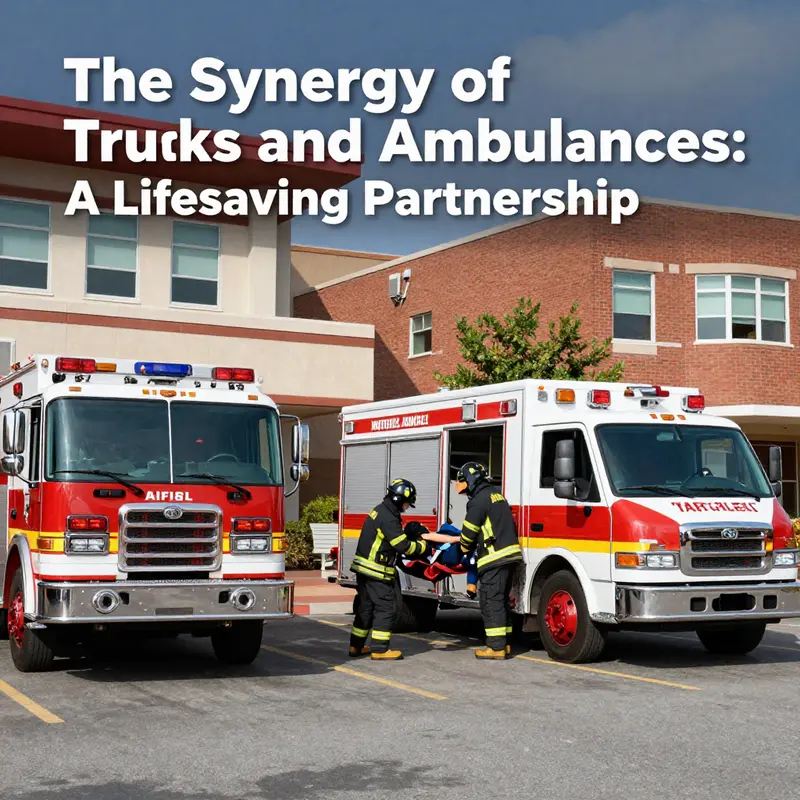
The integration of fire trucks and ambulances in emergency medical services represents a pivotal evolution in how we respond to life-threatening emergencies. This combined approach is not simply a matter of logistics; it is a strategic alliance that maximizes the strengths of two distinct responder teams in order to deliver essential care at critical moments. By merging the agility and widespread availability of fire trucks with the specialized medical training found in ambulance crews, emergency services are better equipped to address the relentless challenges posed by rapid-onset medical crises.
In many communities, firefighters are not solely tasked with combating flames but are also cross-trained as paramedics or emergency medical technicians. This dual qualification allows them to administer first aid, perform CPR, and deploy automated external defibrillators (AEDs) in instances of sudden cardiac arrest and other emergencies where every second counts. The philosophy that governs this integrated system is founded on one simple tenet: time saved can mean lives saved. When seconds matter, the early administration of life-supporting measures provided by a fire truck en route to a scene can be vital, especially when advanced care from a full ambulance team might be delayed by geographic or logistical challenges.
This collaborative model has emerged as a result of careful consideration of response times and the geographic distribution of emergency resources. Fire trucks are often stationed in more numerous locations throughout urban and suburban areas, which allows them to reach emergency scenes faster than ambulances in some cases. Their strategic positioning is essential when tackling issues like cardiac arrest, stroke, or severe trauma, where even a few minutes lost can lead to significantly poorer outcomes. The motto that permeates the thinking behind these practices—’time is muscle’ or ‘time is brain’—underscores the urgency that every emergency responder faces.
The dual-role capability of fire trucks means that these vehicles are outfitted with not just firefighting equipment but also an array of basic medical tools. Alongside axes and hoses, one might find oxygen tanks, AEDs, and a range of basic medications. This extraordinary preparation allows the first responders to begin stabilizing patients as soon as possible, giving the patient a better chance of survival while waiting for subsequent advanced life support services. The commitment to rapid, life-saving intervention emphasizes that the lines between firefighting and emergency medicine are becoming increasingly blurred as responders adapt to the needs of their communities.
These integrated emergency services also serve as a blueprint for inter-agency cooperation and comprehensive training programs. Firefighters undergo rigorous and continuous training in medical procedures to ensure that they are prepared to tackle diverse situations beyond the realm of firefighting. Their education in emergency medicine includes mastering techniques such as advanced airway management, the proper use of automated external defibrillators, and emergency trauma care. It is this consolidation of skills that ensures a seamless transition from the initial stabilizing efforts carried out by the fire crew to the advanced medical care provided by arriving ambulance personnel.
Moreover, the concept of integration extends beyond the mere sharing of equipment and resources. It also represents a systemic upgrade to the entire emergency management framework. By reducing the fragmentation between services, communities benefit from a unified approach to crisis management. This cohesiveness helps minimize the delays that might arise from having to mobilize separate units and ensures that patient care is not compromised during the vulnerable moments immediately following an incident. The effectiveness of this model has been widely recognized in multiple case studies and reports, which have shown that communities with integrated response strategies often enjoy higher survival rates and overall better patient outcomes.
One notable advantage is the ability to provide rapid, on-scene interventions that are not just limited to the primary role of firefighting or basic first aid. Fire personnel quickly assess the situation and use their skills to perform preliminary stabilizations, all the while communicating with the arriving ambulance team. This coordination allows for a smooth handoff of patient care responsibilities, effectively bridging the gap between immediate and definitive treatment. The technology and protocols available today further facilitate this communication, ensuring that all teams are synchronized in their approach to treating the patient. In many ways, the integration of services redefines emergency response by turning separate elements into a unified whole that is more efficient than its individual components.
In practice, this collaboration is supported by extensive training drills and joint exercises designed to refine the inter-agency communication that underpins successful emergency management. These carefully orchestrated scenarios underscore the importance of every team member understanding not only their own role but also the capabilities and limitations of their colleagues from allied services. By embracing a culture of shared responsibility, both firefighters and ambulance crews become better prepared to provide critical care in the fast-paced, unpredictable environment of emergency response. The practical benefits of this integration are most evident during incidents where fire trucks are first on the scene, offering immediate symptomatic relief while the more specialized ambulance team is still en route.
It is important to appreciate that the integration approach does not diminish the unique expertise offered by ambulance personnel. Instead, it complements and enhances their work by ensuring that patients receive vital, immediate assistance before the arrival of advanced medical care. This tandem operation is particularly crucial during events such as severe respiratory failure or traumatic injuries where delays in treatment could result in irreversible damage. In such instances, the initial medical intervention provided by firefighters—such as maintaining an open airway, administering oxygen, or providing CPR—serves as a critical bridge to the comprehensive care that ambulance teams are trained to deliver. The benefits of having both skill sets on the scene cannot be overstated, as it allows for a continuum of care that begins the moment an incident is reported.
The emphasis on rapid response is driven by the harsh reality of emergency medical conditions. For conditions like cardiac arrest, evidence suggests that survival rates drop significantly with even the slightest hesitation in treatment. Studies have demonstrated that the chances of survival decrease by an alarming 7–10% for every minute that defibrillation is delayed. This statistic reinforces the logic behind deploying fire trucks in roles traditionally reserved for ambulances: by arriving ahead of the ambulance, firefighters can administer early defibrillation and provide potentially life-saving interventions, giving patients a fighting chance even before more advanced therapies are applied.
Beyond the direct impact on patient survival, the integration of fire trucks and ambulances fosters a broader culture of preparedness and resilience within communities. Citizens come to recognize the presence of well-coordinated emergency services as a reassuring sign that help is always at hand. The visible collaboration between different emergency agencies strengthens community trust and underscores the commitment of these services to protect and serve, even under the most challenging circumstances.
Furthermore, integrated services are instrumental in optimizing resource allocation. With the dual deployment strategy in place, emergency managers can ensure that minimal redundancies occur and that every responder is used in the most efficient way possible. This efficiency is not only important in urban centers with high incident rates but also in more remote or resource-limited areas. By leveraging the widespread availability of fire trucks and the specialized training of firefighters in emergency medicine, communities can maintain a robust and responsive emergency care system without the need for additional, expensive infrastructure.
The seamless integration of services has also led to improvements in the overall communication and coordination mechanisms within emergency response systems. Modern emergency operations centers now routinely incorporate data from multiple sources, including inputs from fire departments, ambulance services, and even bystander reports, to create a comprehensive and real-time picture of the situation on the ground. This information is critical for decision-making and allows dispatched units to adjust their response as new details emerge about the nature and severity of the incident. With this approach, the proverbial gap between the time of the incident and the time of medical stabilization is significantly reduced.
In recent years, technology has played a pivotal role in enhancing this integration. The adoption of advanced communication tools and tracking systems has allowed emergency response teams to coordinate their efforts with unprecedented precision. Mobile data terminals, GPS tracking, and sophisticated dispatch software ensure that every responder is aware of the developments on the scene and that patient care is delivered in a timely and systematic manner. The synergy between these technological advancements and the human expertise of both firefighters and EMTs creates a dynamic and responsive system capable of meeting the demands of modern emergency medicine.
The integrated approach is not without its challenges, however. Coordinating across multiple agencies requires not only shared protocols and training but also a sustained commitment to communication and mutual support. Resources must be allocated not only for equipment and training but also for the maintenance of a collaborative culture that values teamwork over individual departmental autonomy. This challenge is met through regular joint training exercises and inter-agency meetings where best practices are shared and common goals are reinforced. By focusing on the common objective of saving lives, emergency services are able to overcome bureaucratic obstacles and work together for the greater good of the communities they serve.
One can observe the benefits of integration in real-world scenarios where the difference between life and death hinges on the speed and quality of the initial response. When a fire truck, fully equipped with basic life support tools, arrives at the scene moments before the ambulance, the immediate administration of treatment such as oxygen support or defibrillation can stabilize a patient who might otherwise succumb to the effects of prolonged oxygen deprivation. This proactive intervention provides a critical window during which the ambulance team can prepare for more advanced medical procedures, thereby significantly improving the patient’s prognosis. The harmonious operation of these teams is the cornerstone of what has become a truly modern approach to emergency care.
The benefits of this integrated system are also evident at a community level, where public education plays a significant role in emergency response. Citizens are increasingly aware of the fact that immediate care is not solely the responsibility of ambulance crews but is also a combined effort that involves the well-prepared fire service. This awareness not only helps in reducing panic during emergencies but also encourages community members to participate in basic first aid and CPR training sessions, thereby enhancing the overall resilience of the community. In many respects, the integration of fire trucks and ambulances serves as an inspiration for broader initiatives that aim to empower citizens and foster a culture of mutual aid and preparedness.
For those interested in understanding the broader implications of coordinated emergency response, further insights can be gleaned by exploring the concept of a unified command system. Such systems emphasize the importance of integrated communication and collaborative efforts in managing emergencies, ensuring that every unit – whether a fire truck, ambulance, or specialized rescue team – functions as part of a cohesive network. This unified approach is instrumental in addressing the multifaceted challenges inherent in emergency response and reinforcing the commitment of public services to safeguard human life. For additional detailed guidance on the coordination efforts that support this model, visit the article on unified command in emergencies.
Ultimately, the integration of fire trucks and ambulances within the framework of emergency medical services represents more than just a tactical advancement; it embodies the core values of responsiveness, efficiency, and collaborative spirit. As emergency response continues to evolve in the face of new challenges, the synthesis of these critical services stands as a testament to the ingenuity and dedication of first responders. Through continuous training, technological innovation, and a steadfast commitment to saving lives, the integrated model not only enhances patient outcomes but also sets a new standard in pre-hospital emergency care.
In conclusion, while the integration of fire trucks and ambulances is a complex operational strategy, its benefits are both immediate and enduring. By capitalizing on the strategic positioning and rapid-response capabilities of fire trucks, and combining them with the specialized medical training of ambulance crews, communities are provided with an emergency response system that is agile, comprehensive, and remarkably effective. The dedication to seamless collaboration and continuous improvement within this system serves as a beacon of hope for efficiently managing future crises. For those seeking further insight into the impact of coordinated emergency responses, the National Fire Protection Association offers extensive resources on the subject. More details can be found here: Fire Department Response to Medical Calls.
Rapid Response and Life-Saving Synergy: The Vital Role of Fire Trucks in EMS

In many emergency scenarios, every second plays a critical role in determining the difference between life and death. The rapid arrival of a fire truck, often the first to reach the scene, is a crucial factor that complements the work of ambulances. Across diverse environments—from urban congested streets and remote rural areas to disaster-stricken communities—fire trucks stand ready to mitigate the deadly consequences of delayed medical intervention. Their design, operational flexibility, and swift response times not only save lives but also bridge the gap in the continuum of pre-hospital care.
Emergency medical services have evolved significantly over the years. Fire trucks, once solely dedicated to extinguishing blazes, have become the front-line responders during medical crises. Many fire departments are now staffed by firefighters who are also certified paramedics or emergency medical technicians, granting them the skills necessary to perform essential medical procedures on the scene. This dual capability has proven invaluable in critical situations such as cardiac arrests, where survival rates decrease by as much as 7-10% with each passing minute without defibrillation or other life-saving interventions. With Automated External Defibrillators (AEDs), oxygen supplies, and essential life support equipment on board, fire trucks are capable of delivering immediate care that can stabilize patients until the arrival of an ambulance.
Consider the scenario where a patient experiences a cardiac arrest. Ambulance delays, often caused by heavy traffic, dispatch congestion, or geographic challenges, can critically hamper the prompt delivery of lifesaving medical treatment. In such instances, the fire truck’s ability to reach the scene within minutes becomes pivotal. Once on-site, firefighters are trained to administer rapid CPR and defibrillate as needed. This immediate action is vital, as timely application of an AED can mean the difference between recovery and irreversible damage. The rapid response provided by these specially equipped vehicles leverages the advantages of proximity to community hubs—fire stations are strategically placed, ensuring that a fire truck is often much closer to the emergency than the ambulance itself.
In recent years, many regions have moved towards a more integrated approach to emergency response, recognizing the benefits of having both fire and medical services arrive simultaneously. A notable example of this evolution comes from Zhejiang Province in China. The 2025 Zhejiang Province Pre-hospital Medical Emergency Regulations have institutionalized this integrative strategy by encouraging fire stations to serve as multi-purpose emergency points. In areas such as Hangzhou’s Fuxing district, fire stations now play a dual role; they not only serve as bases for firefighting but also house ambulances and medical personnel. This “one-click call” system minimizes the delay between the separate dispatches of fire and ambulance services, ensuring that both systems act in a synchronized manner. The unified approach minimizes the traditional lag time that arises when coordinating between two different agencies, thereby facilitating a cohesive emergency response where the presence of the fire truck is not merely supplementary but a vital extension of the overall medical care network.
This harmonization of services has far-reaching implications. The integration of medical services into fire department roles symbolizes a significant step forward in pre-hospital care. It evidences a commitment to ensuring that no moment is lost when lives hang in the balance. Firefighters, already skilled in the art of managing high-stress, life-threatening situations, undergo rigorous and continuous training in essential emergency medical techniques. These trainings include advanced first aid, CPR, and emergency response protocols that are critical when dealing with cardiac emergencies. The high level of competence and readiness among firefighters underpins their ability to provide immediate, effective care, transforming the fire truck into not just a vehicle, but a mobile critical care unit.
The operational flexibility of fire trucks is another dimension of their importance. Unlike ambulances, which prioritize rapid transit along designated routes, fire trucks are built to navigate complex urban environments and rugged terrains alike. Their robust construction and enhanced maneuverability enable them to maneuver through traffic snarls and traverse areas that may be inaccessible to larger, more specialized vehicles. This advantage is particularly evident in densely populated urban centers, where heavy traffic can significantly delay ambulances. In such cases, a fire truck’s superior speed and agile performance become essential elements in the emergency response equation.
Real-world scenarios provide substantial evidence of the life-saving impact of rapid fire truck interventions. One striking case took place in Tianjin in 2026, where a person suffered a cardiac arrest in a densely populated area. Due to traffic and dispatch delays, the ambulance was set to arrive later than ideal. However, the prompt arrival of a nearby fire truck, equipped with an AED and staffed by trained firefighters, allowed for immediate defibrillation. This intervention within a critical six-minute window greatly increased the patient’s chance of survival. Such instances underscore the importance of having a dual-response system in place, where the fire truck transforms into a bridge for lifesaving interventions while awaiting the dedicated medical team.
The conceptual shift regarding the role of fire trucks in emergency medical services has gradually altered the public perception. Instead of viewing these vehicles solely as instruments of firefighting, communities now recognize them as essential components of the emergency response system. By expanding their operational capacity to include basic medical care, fire trucks have become emblematic of community resilience and preparedness. They are a testament to the dedication of first responders who go beyond their traditional roles to ensure that every possible measure is taken in the face of an emergency. This shift is not simply a matter of changing jobs; it represents a systemic enhancement in the way emergency medical care is delivered on the ground.
The integrated model of emergency response has also cultivated stronger community relationships and improved public trust. Residents are reassured by the knowledge that emergency services are designed with flexibility and redundancy in mind. With fire trucks doubling as first responders for medical emergencies, communities are less vulnerable to delays that could occur when relying solely on ambulances. The strategic positioning of fire stations across neighborhoods means that help is never too far away, providing valuable security that is especially comforting in densely populated or high-risk areas.
Moreover, this evolution in emergency response has inspired broader discussions about resource allocation and public safety strategies. Municipalities now consider investments in advanced fire apparatus that are equipped with both firefighting and medical capabilities as economically sound measures. These investments are not just about acquiring new vehicles; they reflect a proactive approach to addressing the multifaceted challenges of modern urban living. When a single resource can serve multiple critical functions, it streamlines operations, reduces redundancies, and ultimately saves more lives. The strategic advantage of having a dual-role system is evident in the seamless coordination and enhanced efficiency that it brings to emergency management.
The benefits extend well beyond the immediate advantages of rapid response. The integration of emergency services also fosters ongoing improvements in training and technology. Firefighters now routinely participate in joint training exercises with medical professionals, ensuring that both groups are well-prepared to collaborate in high-pressure situations. The synergy between these disciplines has led to innovative approaches in emergency care, combining the technical proficiency of firefighting with the medical expertise of paramedics. For example, many fire departments now utilize simulation exercises that mimic real-life emergencies to evaluate and enhance response strategies. This continuous improvement cycle ensures that fire truck responders remain at the forefront of emergency care techniques.
In bridging the gap caused by ambulance delays, the fire truck’s role is cemented by its dual-focus on rapid deployment and immediate treatment. Its ability to provide crucial interventions in the initial moments following an emergency is a primary factor in enhancing patient outcomes. In many cases, these early interventions stabilize critical conditions and provide a vital window for more advanced medical teams to arrive and take over. The notion that fire trucks are merely ancillary to ambulances is increasingly outdated. Instead, they are recognized as an integral component of an interconnected emergency medical ecosystem designed to maximize the survival and recovery of patients.
Communities and policymakers alike have embraced this integrated approach, seeing it as a model for future innovations in emergency response. The success of systems such as those implemented in Zhejiang Province sets a precedent, showing that coordinated response systems not only save lives but also optimize resource use across emergency services. This approach paves the way for more sophisticated arrangements in other regions, where the flexibility of fire trucks can be harnessed to complement and enhance existing EMS protocols.
The adaptability of fire trucks may be further appreciated through the lens of operational advancements and technology integration. Modern fire trucks are equipped with state-of-the-art communication systems that allow real-time coordination with ambulances and hospital emergency departments. These systems ensure that vital patient information is transmitted even before the teams physically converge at the scene. As emergencies unfold, having a cohesive, synchronized approach allows for a more efficient allocation of resources on the ground. One notable example of this is the implementation of a unified command system that streamlines decision-making processes and shares real-time data. A detailed look at these developments can be found in discussions on integrated emergency management practices, such as those shared in articles on unified command strategies (see integrated emergency systems for further insight).
In weaving together these threads of rapid response, technological integration, and coordinated training, the role of fire trucks in emergency response is comprehensively redefined. The evolution from a singular focus on firefighting to a broader mandate that includes basic life support illustrates the dynamic nature of emergency services. The modern fire truck is a mobile extension of community health and safety, prepared to act decisively while ambulances are en route. Its multifaceted role is a response to the inherent unpredictability of emergencies, ensuring that every available resource is deployed in an effort to safeguard lives.
Each successful intervention by a fire truck reinforces the concept that the right equipment, strategic positioning, and skilled personnel can dramatically alter the trajectory of an emergency. Fire trucks exemplify a proactive approach to public safety, one where overlapping capabilities and rapid response are not just ideal outcomes but expected norms. Their contributions are a testament to the critical thinking and planning that go into modern emergency services—a robust system where every minute, every decision, and every coordinated effort counts.
The paradigm shift in emergency response is a reflection of the evolving understanding of what it means to provide holistic, time-sensitive care. By harnessing the dual strengths of firefighting and emergency medical intervention, fire trucks continue to be an indispensable asset. Their transformation is a clear indicator of how strategic changes in emergency management can lead to significant improvements in patient outcomes. In the landscape of public safety, fire trucks have transcended traditional roles to become veritable lifelines, delivering essential early interventions that pave the way for comprehensive on-site medical treatment when every second matters.
For anyone interested in exploring how strategic and unified emergency response systems are reshaping public safety, further insights and detailed case studies on these innovations can be found on various platforms, including resources from governmental regulatory bodies. One such valuable source is the Zhejiang Provincial People’s Congress Official Website which outlines the regulatory advancements in pre-hospital care (source).
In conclusion, the unparalleled readiness and multifaceted capabilities of fire trucks illustrate why they are so critical when ambulances are en route. Their capacity to initiate immediate life-saving measures, navigate challenging environments, and seamlessly integrate with dedicated medical teams underscores an important evolution in emergency response strategies. By acting as both early intervention units and integral components of a larger, unified system, fire trucks embody the proactive spirit of modern emergency services—a spirit that continues to adapt and innovate in order to save lives in the most critical moments.
Beyond the Flames: The Dual Life of Firefighter-Paramedics in Life-Saving Response

In many emergency situations, every second matters and the distinction between life and death can hinge on the speed and efficiency of the care delivered. The integration of paramedic skills with traditional firefighting expertise has transformed how communities receive emergency services. Firefighter-paramedics serve as a critical link in ensuring that both life-saving pre-hospital care and rapid fire suppression combine to craft a response that is as versatile as it is effective. This dual role, cultivated through rigorous training and supported by specialized equipment, has become a cornerstone of modern emergency management. In this evolving paradigm, the traditional boundaries between firefighting and ambulance services blur as professionals assume a multifaceted approach to crisis intervention.
At the heart of this integrated response system is a commitment to a broader vision of public safety, where personnel are equipped to handle a range of emergencies that extend from blazing infernos to critical medical episodes. This comprehensive model is not simply about combining two sets of skills; rather, it is an evolution in emergency response that leverages the strengths of both disciplines. Firefighter-paramedics undergo extensive education, learning fire suppression techniques, rescue operations, and, equally importantly, advanced medical training. Their curriculum frequently encompasses life-saving procedures such as cardiopulmonary resuscitation (CPR), trauma management, and the administration of medications critical in stabilizing patients. This extensive training ensures that they can seamlessly transition from battling flames to administering advanced pre-hospital care—a transition that is often the difference between a positive and negative outcome during emergencies.
The equipment on board modern fire apparatus further exemplifies this evolution. Ambulances staffed by firefighter-paramedics are not merely vehicles designed to transport patients; they represent mobile emergency rooms with the capability to address complex and dynamic situations. Standard equipment includes automated external defibrillators (AEDs), oxygen delivery systems, and an array of medications that can be administered en route to hospitals. Such specialized gear is frequently accompanied by technical rescue tools like hydraulic spreaders and cutters, famously known as the “jaws of life,” which are vital in extracting victims from severely compromised environments. This combination of medical and rescue equipment means that the firefighter-paramedic is often the first—and sometimes only—line of defense in scenarios where structural collapse, vehicular accidents, or hazardous material incidents occur concurrently with medical emergencies.
The emphasis on dual training and state-of-the-art equipment is validated by industry standards, such as the National Fire Protection Association’s NFPA 1917 guidelines, which set rigorous benchmarks for ambulance design and equipment. These protocols ensure that vehicles are both safe and optimally configured to handle the breadth of emergencies encountered in the field. With over 70% of fire departments in the United States now certifying some personnel as paramedics, it is evident that this integrated approach is not only beneficial but necessary in today’s complex emergency landscape. The NFPA standards underscore the essential nature of proper training and consistent equipment upgrades, reminding us that staying current with evolving demands is as critical as mastering initial rescue techniques.
In practice, the dual role of firefighter-paramedics transforms emergency response in tangible ways. Consider the scenario of a multi-vehicle collision on a busy roadway—a situation that presents with both traumatic injuries and potential vehicular fires. In such cases, a firefighter-paramedic’s ability to deliver immediate life-saving care while simultaneously preparing to mitigate fire-related hazards significantly reduces the risk factors for both patients and responders. Their early intervention could mean the administration of critical medications, stabilization of injuries, and rapid defibrillation for cardiac arrest victims. Meanwhile, traditional ambulance services, which might otherwise arrive later, are supported by the initial life-saving measures taken by those already on the scene. This interdependent system, where fire trucks and ambulances work in tandem, is particularly effective in urban environments, where response times and overlapping responsibilities are increasingly the norm.
The rigorous training that firefighter-paramedics receive is a testament to the challenges they face on a daily basis. Enrollees in these programs are put through demanding simulations that mirror real-life emergencies, bridging the gap between theory and practice. Their training encompasses not only technical skills but also critical decision-making under pressure. Real-life incidents often require rapid triage, where the ability to assess and prioritize patient needs in chaotic environments is paramount. This mental agility is honed through repetition and realistic scenario practice, ensuring that these professionals remain composed when seconds count. The blend of physical strength, technical knowledge, and mental resilience establishes firefighter-paramedics as unique assets within emergency services.
Moreover, the integration of advanced technology into these vehicles has dramatically enhanced the level of care that can be provided on-site. Modern ambulances operated by firefighter-paramedics frequently incorporate high-tech diagnostics equipment that allows for real-time monitoring of vital signs and rapid communication with receiving hospitals. This technology is often backed up by systems specifically designed to cope with hazardous or unpredictable conditions. For example, in industrial settings where chemical exposures are a concern, specialized protective gear and decontamination kits are incorporated into the standard equipment inventory. This technological synergy between medical device and rescue tool not only optimizes response efficiency but forms a critical foundation for reducing morbidity and mortality rates in emergency scenarios.
The evolution of emergency response through the dual role of firefighter-paramedics is as much about building trust within communities as it is about technical proficiency. Residents in many neighborhoods take great comfort in knowing that the emergency personnel rushing to their aid are prepared to address a wide array of dangers ranging from fires to severe medical crises. This trust is reinforced through regular community outreach and public education sessions, where these professionals share the rationale behind their dual training and the life-saving potential it offers. Community members are thus better informed about how the system works, and they gain insight into the complex procedures involved in modern emergency response. Such transparency fosters a sense of preparedness among the public and reinforces mutual support between emergency service professionals and the communities they serve.
The life-saving impact of this model is illustrated not only through statistics but also via countless individual stories of resilience and recovery. In instances of cardiac arrest, for example, every minute of delay significantly reduces the likelihood of survival. Here, the rapid response capabilities of fire apparatus—often arriving on scene faster than traditional ambulances—prove instrumental. Firefighter-paramedics, armed with their comprehensive training and a suite of critical equipment, provide immediate defibrillation and life support measures that sustain patients until more extensive care can be administered. Their ability to rapidly assess and act is a direct consequence of their integrated and intensive training programs.
The operational protocols of fire departments have evolved in tandem with advances in technology and medical science, creating a framework that is both adaptive and resilient. Emergency response teams are now more flexible, capable of scaling their operations to address incidents that can vary widely in scale and complexity. In many fire departments, a single call might trigger a response that covers everything from initial life-saving measures to managing hazardous conditions, coordinating with other services, and securing perimeters. This holistic approach minimizes the need for multiple agencies, thereby reducing the time taken for patients to receive critical care. The result is a streamlined process where specialized roles merge to form an efficient, all-encompassing emergency response strategy.
Although the concept of firefighter-paramedics has been widely adopted in various parts of the United States, it still represents a dynamic area of growth and innovation in many other regions. Ongoing research, evolving NFPA guidelines, and practical feedback from the field continually drive improvements in both training and equipment. This feedback loop ensures that the skills of emergency responders are continuously updated and that the equipment they rely on remains at the cutting edge of technology and safety. Moreover, the integration of new technologies such as telemetry and enhanced communication networks is likely to further enhance the response capabilities of these dual-role professionals in the years to come.
The mental and physical preparedness of these responders cannot be understated. Discipline and professional development are emphasized repeatedly during training sessions, as these traits ensure that actions taken during an emergency are both deliberate and effective. Numerous training modules focus on stress management and situational awareness, ensuring that firefighter-paramedics are not only physically prepared to handle emergencies but are also mentally equipped to navigate complex and high-pressure scenarios. This dual emphasis on technical skill and mental fortitude has become an integral part of the modern emergency response ethos. For those interested in delving deeper into the psychological aspects of emergency response, the topic of mental readiness in fire service offers valuable insights into how these professionals maintain composure and decisiveness.
As the landscape of emergency services continues to evolve, the model exemplified by firefighter-paramedics stands as a beacon of innovation and dedication. Their training and equipment are not static relics of past emergency response strategies but are continually refined to meet new challenges. Firefighter-paramedics embody a philosophy that prioritizes rapid, efficient, and holistic care, integrating advanced technologies with hands-on expertise to address critical situations. From the moment they receive an emergency call to the time a patient is safely handed over at a hospital, these professionals move through a sequence of actions that are meticulously planned, expertly executed, and deeply rooted in a commitment to preserving life.
In summary, the dual training and equipment carried by firefighter-paramedics form a revolutionary approach to emergency response. They operate under strict guidelines, such as those laid out in NFPA 1917, and adapt continually to an ever-changing emergency landscape. This integrated response model not only improves overall patient outcomes but also brings together the best elements of firefighting and emergency medical services, ensuring that no matter the nature of the crisis, help arrives swiftly and comprehensively. It is this dedication to evolving practices, rigorous training, and the strategic use of advanced equipment that makes the role of firefighter-paramedics indispensable in modern emergency response systems. For further guidelines on vehicle standards that underpin this life-saving model, please consult the National Fire Protection Association – NFPA 1917: Standard for Automotive Emergency Vehicles.
Rapid Response Synergy: How Dual Dispatch Systems Transform Emergency Outcomes
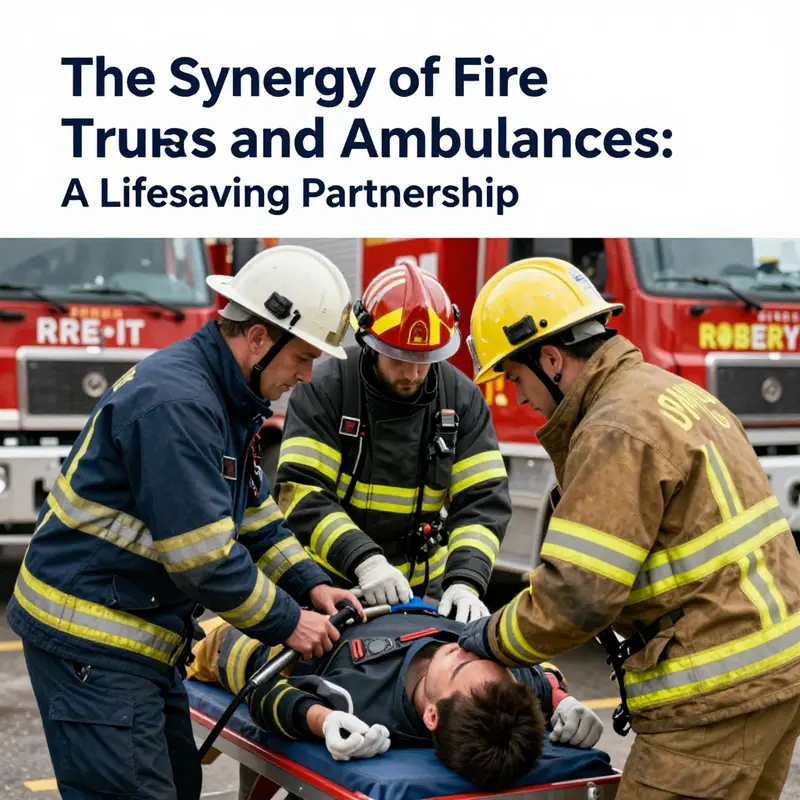
When emergencies strike, every second counts. The precision and rapidity of emergency response can mean the difference between life and death. In communities where fire services double as emergency medical responders, the integration of fire trucks and ambulances is more than just a logistical convenience; it represents a paradigm shift in how emergency care is delivered. The dual dispatch system has evolved into a powerful tool that ensures critically ill or injured patients receive timely, high-quality prehospital care, and it is this synergy that lies at the heart of improving patient outcomes during life-threatening incidents.
Over recent decades, fire departments have increasingly embraced their dual role, training firefighters as paramedics or emergency medical technicians (EMTs). This approach was born out of the recognition that the specialized skills of firefighters are indispensable when treating patients in crisis. Fire trucks, already designed to navigate through traffic and challenging terrains, often arrive on the scene faster than their dedicated ambulance counterparts. This speed, in conjunction with the expertise of trained EMTs and paramedics, directly addresses the critical need for rapid intervention. In situations like out-of-hospital cardiac arrest (OHCA), where the adage ‘time is muscle’ is more than a saying, every moment saved can significantly improve the likelihood of survival.
Studies have provided compelling evidence that dual dispatch systems play a key role in enhancing prehospital outcomes. Research, for example, reveals that when both firefighting and EMS resources are dispatched simultaneously, the interval before the initiation of cardiopulmonary resuscitation (CPR) is drastically reduced. This early intervention directly correlates with a higher rate of return of spontaneous circulation (ROSC). The concept of the ‘golden minute’ encapsulates the urgency required during cardiac arrest incidents; rapid, skilled intervention within the first 60 seconds can lead to better neurological outcomes, reduce potential organ damage, and improve overall survival rates.
The advantages of such dual responses are not merely anecdotal; they are backed by robust data. In one study examining dual-dispatch protocols, response times were significantly shortened, and the quality of CPR delivered was markedly improved. Firefighters, acting underneath their dual role, not only maneuver their apparatus quickly but also carry essential medical equipment such as automated external defibrillators (AEDs), oxygen supplies, and a range of basic life support materials. This comprehensive kit allows for immediate medical stabilization even before the arrival of a fully equipped ambulance or specialized hospital team.
In many communities, the dual response system is a critical component of the broader emergency network. This integration ensures that high-risk patients receive a continuum of care from the moment an emergency call is made. On arriving at the scene, these specialized responders can begin life-saving procedures almost immediately. For instance, in cases where a patient suffers an OHCA, the early initiation of CPR paired with the rapid application of an AED can stabilize cardiac rhythm, offering a window for more sophisticated interventions en route to a medical facility.
However, despite the evident benefits seen in prehospital outcomes, the impact of dual response systems on long-term patient survival remains an active area of research. Some studies have noted that while early interventions lead to higher ROSC rates and improved survival at the 30-day mark, these improvements do not always translate into significantly better long-term neurological outcomes or hospital discharge rates when compared to historical data. Such findings underline an important consideration: while reducing response time is crucial, the full continuum of patient care—including timely hospital interventions and specialized post-arrest treatments—must be optimized to translate early successes into long-term survival and recovery.
Beyond cardiac arrest, dual response systems have also shown promise in other critical scenarios. Emergency medical services are increasingly called upon to manage a wide array of crises, from trauma incidents to severe sepsis and septic shock. In such cases, the presence of highly trained medical professionals on fire trucks can facilitate immediate life-saving procedures. For instance, responders may initiate fluid resuscitation, begin administration of critical drugs, or even set up preparatory measures for invasive procedures. These actions can set the stage for successful advanced treatments once the patient reaches an intensive care unit. In some models of rapid response systems (RRS), the inclusion of dedicated physicians on dispatch vehicles has further enhanced the ability to deliver advanced interventions such as arterial line insertion or even initiating kidney replacement therapy on site. In turn, these robust prehospital interventions are often associated with lower rates of ICU admissions and improved overall survival odds.
One cannot discuss these advancements without acknowledging the real-world constraints that responders face. The variability in local protocols, resource availability, urban versus rural differences, and even individual responder training levels all contribute to the outcomes observed in dual dispatch scenarios. Carefully calibrated protocols and continuous training are essential for ensuring that the dual response system functions at its highest potential. When firefighters and paramedics work in concert under well-defined standards, the system’s built-in redundancies not only mitigate risk but also expand the range of conditions that can be addressed quickly and effectively.
The evolution of emergency response strategies reflects a broader understanding of the complex interplay between transport time, immediate intervention, and subsequent hospital care. The dual dispatch model is a prime example of innovation driven by necessity, harnessing the strengths of both firefighting and emergency medical services. This synergy is further enhanced when local agencies integrate coordinated command systems that unify their operational protocols. For instance, departments committed to a unified command approach ensure that all responding units, regardless of their primary designation, are guided by a single, overarching incident management strategy. This coherence is critical, as it eliminates delays caused by miscommunication or conflicting priorities among units.
This integrated strategy can be seen in action in regions where established protocols encourage simultaneous dispatch, as well as in ongoing training exercises aimed at refining interdepartmental coordination. The benefits of such a system were highlighted in studies that demonstrated not only improved patient outcomes during the initial response phase but also reductions in the overall burden on hospital resources. Patients who receive prompt, coordinated care from a dual-dispatch team are more likely to exhibit improved recovery trajectories, thus reducing the need for prolonged hospital stays and intensive post-resuscitation care.
For communities that have embraced dual dispatch, the results speak volumes. Emergency responders credited with the dual role often report a heightened sense of preparedness and professional satisfaction, knowing that their multifaceted skills are making a tangible difference at the moment that matters most. Furthermore, these systems foster an environment of continuous learning and process enhancement. Equipment and protocols are constantly updated to reflect the latest research and technological advancements. In many ways, the evolution of dual response systems is emblematic of the broader shifts in emergency medicine—where interdisciplinary collaboration and rapid adaptability are increasingly the cornerstones of effective patient care.
Practically, when an emergency call is logged into a dispatch center that operates under a dual response model, the process begins almost simultaneously. The call is triaged rapidly, and the system automatically triggers alerts to both fire and EMS units. This near-instantaneous mobilization is critical because it addresses the unpredictability and urgency of many medical crises. For patients experiencing life-threatening events, this means that skilled intervention is never more than a few minutes away. The benefits of rapid intervention are such that in many cases the arrival of the first responder not only stabilizes the patient but can also set the tone for the entire treatment process.
Consider, for example, a scenario where a patient is found unresponsive in a public area. A dual response team will provide not just mechanical assistance but also critical assessments that inform subsequent treatments. The presence of comprehensive medical equipment on the fire truck means that responders have immediate access to tools that can jumpstart resuscitation efforts before an ambulance even docks at the hospital. This is particularly significant in high-stakes situations where conventional ambulances may be delayed by traffic or distance. The initiative shown by dual response teams, thus, epitomizes the idea that a fire truck arriving with an ambulance is far more than a mere coincidence—it is a well-structured, strategic response aimed at maximizing patient recovery.
Beyond the dramatic rescues and life-saving interventions, there is a quieter, more profound impact of the dual dispatch system on public safety culture. Communities begin to understand that their emergency services are adapting to the evolving nature of crises. The integration of fire and EMS services reflects a proactive stance to public health and safety, one where fewer seconds lost translate into countless lives saved. Although not every study shows a perfect correlation between early intervention and improved long-term outcomes, the consensus is clear: early, coordinated care is a crucial factor in the survival chain.
Additionally, there is a growing impetus to standardize dual response protocols across regions. Integrating lessons learned from urban centers with experiences from rural areas is key to developing flexible, scalable models that can adapt to varied local challenges. This challenge is not merely academic; it is a practical necessity as emergency services strive to serve diverse populations with differing levels of infrastructure support. In some instances, tailored training programs and resource allocations have dramatically improved system efficacy. For instance, some fire departments have developed targeted training modules that emphasize not only technical medical skills but also interagency communication—an essential aspect of a successful dual dispatch system. This comprehensive approach has already been shown to contribute to fewer complications during the critical prehospital phase and smoother transitions to hospital care.
For those keen to explore further on how unified strategies can bolster emergency responses, learning more about the coordinated efforts can be insightful. One notable resource is the article on unified command in emergencies, which delves into the mechanisms of integrated emergency response frameworks.
In conclusion, the dual response system exemplifies how blending the strengths of fire services and ambulance care can overcome the limitations of traditional single-agency responses. By ensuring that professional skills, specialized equipment, and rapid mobilization come together under one roof, communities are better prepared to face emergencies where every second counts. This synergy fosters not only immediate patient stabilization but an enduring impact on overall survival rates and quality of care. While challenges remain in standardizing protocols and measuring long-term outcomes, the early data is promising. It underscores that when emergency responders function as a cohesive entity, the combined expertise and equipment can significantly tip the scales in favor of the patient.
Moreover, the dual response system is a testament to how ingenuity and coordinated training can revolutionize emergency medical services. By harnessing the rapid arrival and broad skill set of fire teams, communities can achieve heightened responsiveness that directly translates into improved outcomes in the field. This evolution in emergency service is grounded in solid research, including studies like the one available at PMC – Effectiveness of the Dual Dispatch to Cardiac Arrest Policy, which validate the efficacy of simultaneous dispatch strategies. As this paradigm continues to evolve, its success serves as a beacon of hope for communities worldwide, illustrating that when multiple agencies unite with a shared purpose, lives are invariably saved.
Ultimately, the fusion of fire and ambulance services in a dual dispatch system is not just a matter of policy but a reimagining of what modern emergency care can and should be. Its significant role in reducing time to treatment, enhancing immediate care, and fostering a culture of integrated emergency response underscores its value as an indispensable strategy in contemporary public health and safety. As we advance, continuous research and innovation will undoubtedly refine these systems further, ensuring that every emergency benefits from the collective strengths of a well-oiled, synchronized response team.
Integrated Response Dynamics: How Modern Fire Trucks and Ambulances Unite to Deliver Life-Saving Emergency Services
In an era where every second matters, the evolution of emergency services has taken a transformative turn by integrating the roles of fire trucks and ambulances. This merging of capabilities is not coincidental; it is a deliberate, forward-thinking adaptation within the emergency medical services (EMS) system. Modern fire trucks are increasingly equipped and manned to act both as fire suppression vehicles and as full-fledged emergency medical responders. The dual-role design is a response to the understanding that rapid intervention in life-threatening situations, particularly in the crucial minutes before an ambulance can reach a scene, can mean the difference between life and death.
Firefighters, who have long been synonymous with the rapid arrival at and effective handling of fires, now often hold certifications as emergency medical technicians (EMTs) or even paramedics. This integration of medical expertise has emerged from practical necessity and is underpinned by progressive training programs that empower firefighters to pursue advanced life support training. They are now adept in performing critical interventions such as cardiac monitoring, advanced airway management, defibrillation, and intravenous fluid administration. Through such training, fire service personnel are uniquely positioned to fill the gap that exists in emergency medical care during the precious moments before a dedicated ambulance unit arrives. Their capacity to deliver basic life support has a pronounced effect in the early management of incidents involving cardiac arrests, strokes, and severe trauma cases.
Moreover, the advancement in vehicle technology has propelled fire trucks into a new era of operational readiness. Modern fire apparatuses are no longer just vehicles meant for extinguishing flames; they have been transformed into mobile acute care centers. Outfitted with state-of-the-art medical equipment such as automated external defibrillators (AEDs), oxygen delivery systems, and comprehensive diagnostic tools, these vehicles secure a place as indispensable elements in the broader EMS framework. Their design is optimized not only for rapid response but also for ensuring that they remain functional under varied and often harsh environmental conditions. Whether facing adverse weather conditions or navigating challenging terrains where traditional ambulances may struggle, modern fire trucks continue to demonstrate a reliable performance.
A particularly compelling aspect of this integrated response strategy is the emphasis on dual-function personnel training programs. Fire departments across many communities have long recognized that preparing firefighters with medical qualifications extends their utility beyond traditional roles. This seamless blend of firefighting expertise and critical medical intervention creates a more agile and responsive system. The concept of “time is muscle” and “time is brain” underscores the imperative of immediate medical intervention, emphasizing that the few minutes saved by a rapid response can significantly influence patient outcomes. In many cases, by the time an ambulance is on scene, the critical window for administering initial care has already passed. Fire trucks, therefore, serve as a crucial stopgap, ensuring that preliminary emergency treatment is initiated almost instantaneously.
Looking at the broader perspective, this dual-response model is not a temporary fix but a lasting structural shift within modern EMS systems. As communities continue to grow and urban landscapes become increasingly complex, the challenges of reaching emergency scenes swiftly amplify. Given the imperative of providing efficient emergency care, the integration of advanced medical capabilities into fire trucks ensures that no moment is wasted. The capacity of these vehicles to operate under all weather conditions adds another layer of reliability to EMS response, thereby reinforcing the argument for a synergized system that leverages the strengths of both fire and ambulance services.
The modern integration of fire trucks and ambulances is also steering the future of emergency services toward a more unified and decentralized model. Fire-based EMS is rapidly evolving into the mainstream approach in many regions, signifying a departure from the siloed operation of fire and ambulance services. Instead, the two sectors now share common objectives and interoperable protocols, paving the way for smoother coordination in chaotic scenes. The introduction of advanced communication systems and networked response capabilities has further bolstered this trend. For instance, addressing challenges in emergency management can be seen in initiatives aimed at overcoming issues in fire command systems, highlighting the importance of effective communication and coordination among first responders. Interested readers can gain deeper insights on this subject by exploring issues related to overcoming challenges in fire command systems.
As technological advancements continue to reshape the landscape of emergency response, the dual-response paradigm is poised to gain even more prominence. Innovations in medical devices, vehicle design, and real-time communication are converging to create an environment where integrated response units rapidly become the norm. Computational technologies, for example, are being used to optimize routes, anticipate the progression of emergencies, and even predict potential hazards. The integration of these cutting-edge systems with the dual-role capabilities of modern fire trucks ensures that the overall EMS system becomes more effective and resilient. Such developments underline how a modern approach to emergency care is less about departmental boundaries and more about holistic community safety.
The dual response model not only enhances patient outcomes but also optimizes resource allocation during emergencies. With fire trucks executing critical medical interventions en route to an incident, resources that would otherwise be diverted or delayed can be more promptly focused on subsequent emergencies. This efficient use of available assets is particularly vital in high-density areas where multiple emergencies may occur simultaneously. The approach fosters a kind of operational synergy by making every unit on the ground as effective as possible. This strategic shift towards integrated response reflects a broader understanding that emergency care is as much about timely and accurate intervention as it is about the technology and expertise behind it.
Drawing upon the evolving nature of EMS, many experts now predict that the integration of fire truck and ambulance services is not merely a stopgap measure but is a lasting restructuring of public safety protocols. The blueprint for such an integrated model is laid out in historical and contemporary research that links the rapid response strategies of fire services with the precision of EMS care. As more municipalities invest in dual-role training programs and upgrade their fleets with modern, multi-functional vehicles, the flexibility and reliability of emergency services are expected to see a significant boost. The holistic approach to emergency response, where first responders are trained to manage both fires and critical medical incidents, has the potential not only to reduce fatalities but also to improve recovery rates through swift, on-scene medical intervention.
Furthermore, the reliability and robust nature of modern fire trucks add a distinct advantage when used in extreme conditions. In such circumstances, the capacity to rely on an all-weather, multi-functional vehicle often means that first responders are equipped with the tools they need regardless of the environment. The evolution of these vehicles into mobile acute care hubs underscores the broader commitment to enhancing EMS operations. As technical sophistication increases and the integration of advanced digital monitoring becomes more common, fire trucks stand out as exemplars of resilience and adaptability in a rapidly changing world. The continuous improvements in the design and functional capabilities of these vehicles have ensured that they are not only prepared for today’s challenges but are also well-equipped for the emergencies of tomorrow.
In concert with the modernization of vehicles and personnel training programs, the future of EMS is also being shaped by evolving administrative strategies and policies. Decision-makers are increasingly acknowledging that unified command and integrated response systems bring about a more effective and coordinated emergency care system. There is a renewed focus on cross-training, scenario-based drills, and inter-agency collaboration which further cements the role of fire trucks as essential components of modern EMS. In practical terms, the role of these vehicles is expanding well beyond their firefighting origins. They are now critical support units that provide an initial surge of medical care, stabilizing patients and managing the situation until additional resources can be mobilized.
The success of integrated EMS models is being mirrored in communities around the world. Rates of survival in cardiac arrest cases, trauma incidents, and other critical conditions have shown marked improvements where first responders are not solely dependent on traditional ambulances for initial medical intervention. In these settings, the dual function capacity of fire trucks has proven to be a groundbreaking development in emergency response dynamics. The strategic use of fire trucks as both firefighters and emergency medical responders is becoming an increasingly vital part of public safety infrastructures. This approach does not diminish the importance of ambulances but rather complements them by ensuring rapid preliminary care, thus significantly enhancing overall patient outcomes. Studies have affirmed the importance of immediate medical intervention, and this research can be further explored in resources such as Fire-based EMS: the trend of the future?.
Ultimately, the continued trend of fire trucks accompanying and, at times, substituting for traditional ambulances is a natural progression in emergency response strategies. The compounded benefits of reduced response times, enhanced medical capabilities, and operational resilience are too significant to overlook. As communities advance and the complexities of emergency scenarios evolve, the integrated model that combines firefighting expertise with emergency medical proficiency is set to play an even more central role in ensuring public safety. With a clear focus on continual training, upgrading of technology, and the streamlining of response protocols, the future of EMS appears robust and prepared to meet the demands of a rapidly changing society.
The trajectory of modern EMS signifies a steadfast commitment to innovation and improvement. By merging the rapid response skills of fire services with the medical expertise required for life-saving interventions, communities can leverage resources more efficiently and save lives more effectively. This evolution is not just a functional adaptation but a representation of our broader commitment to public welfare—a commitment that embraces change and advances with emerging technologies and smarter training methodologies. The synergy of integrated emergency services is paving the way for a safer, more responsive future in which every second, every decision, and every life-saving intervention is optimized for the maximum benefit of society as a whole.
Final thoughts
Fire trucks and ambulances symbolize a partnership that epitomizes efficiency in emergency medical response. Their integration in services not only accelerates response times but also enhances training and improves patient outcomes significantly. As the world of emergency services evolves, this collaborative effort is expected to grow deeper, fostering innovation and adaptability in the face of future challenges. For firetruck enthusiasts, aspiring firefighters, and medical professionals alike, understanding this dynamic delivers valuable insights into the vital function they serve in our communities.