
Discovering the Color of Fire Trucks: Why Does It Matter?
Have you ever wondered why fire trucks are often painted in bright red? Is it mere tradition, or does it have deeper implications? Fire trucks are critical components of our emergency services, designed not only to combat fires but to save lives in various emergency situations. This vibrant color isn’t just about aesthetics; it serves to increase visibility and alertness in high-stress scenarios, allowing first responders to arrive on the scene promptly. Whether you’re a fire truck enthusiast, an aspiring firefighter, or a professional in the emergency services, understanding the significance behind these iconic vehicles can enhance your appreciation for their role in our communities. Join us as we delve into this vibrant topic and unravel the fascinating history and practical considerations behind the color of fire trucks, vital vehicles that symbolize safety and bravery in our society. To explore more about unique fire truck options, check out our fire trucks for sale section or see some classic models like the American LaFrance fire engine for sale.
The Historical Context of Fire Truck Colors
Fire trucks have been a symbol of hope and urgency for centuries, and the colors they’ve donned tell an intriguing story. The tradition of painting fire trucks red dates back to the early 19th century. Volunteer firefighting brigades first used hand-pumped water carts, which transitioned to horse-drawn steam engines as urban areas expanded and the need for efficient emergency response grew.
Red became the dominant color because it was one of the least expensive options available at the time. Additionally, its vivid hue stood out against the predominantly black vehicles on the road, making it easier to spot during emergencies. By the early 1900s, red was synonymous with fire response, solidifying its place in firefighting tradition.
However, through the decades, the significance of color has evolved. Although modern research suggests that brighter colors-like yellow or lime green-may enhance visibility, red remains iconic in many regions. Consequently, more than mere functionality, fire truck colors represent a balance of tradition and visibility. For instance, some areas with higher safety regulations have begun adopting more modern palette choices, yet red persists as the emblem of firefighting heritage.
Fire enthusiasts can appreciate this blend of history and practicality, as the ongoing dialogue about colors reflects broader changes in firefighting techniques, technology, and community engagement. For collectors and aspiring firefighters, understanding the story behind fire truck colors offers a deeper connection to the legacy and significance of their passionate pursuit.
Interestingly, as fire departments continue to innovate, creative customizations are also making their way into the design of fire trucks, showcasing regional pride and identity while still maintaining core safety requirements.
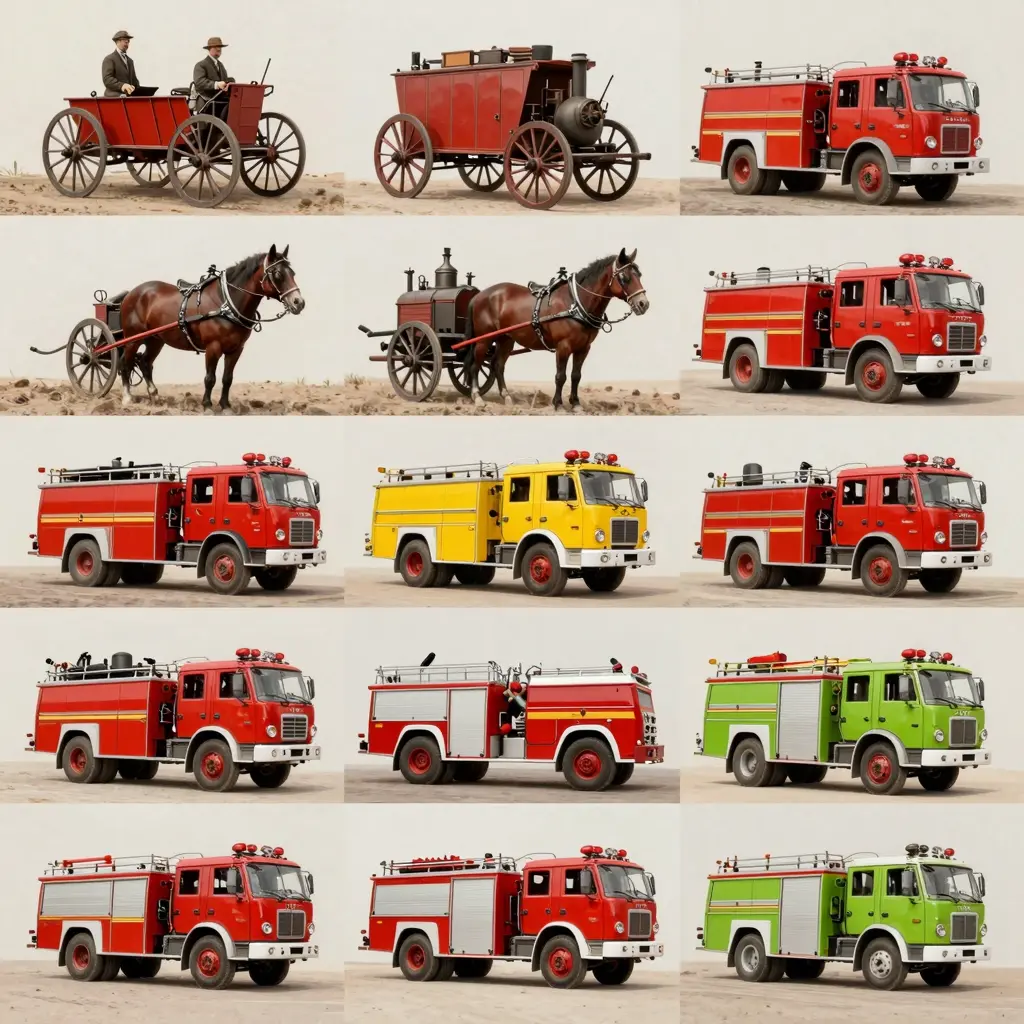
Image depicting the evolution of fire truck colors from historical to modern times.
If you’re searching for fire trucks with vibrant histories or cutting-edge features, check out fire trucks for sale to find the perfect addition to your collection!
Understanding the Colors of Fire Trucks Around the World
The color of fire trucks can be a fascinating topic, often steeped in cultural significance and practical reasons. While red is often the iconic color associated with fire trucks, particularly in North America, various regions around the world have adopted different colors based on visibility, tradition, and regulations. Let’s take a closer look at the common fire truck colors by region, along with any specific regulations or trends associated with these color choices.
Common Fire Truck Colors by Region
Here’s a comparison of some common fire truck colors used across different countries and regions, revealing the diversity and rationale behind these choices:
| Region/Country | Common Colors | Regulations/Notes |
|---|---|---|
| North America | Red, Yellow, White | Red is traditional; however, many departments are switching to yellow or white for increased visibility (source: NFPA). |
| Europe (e.g., UK, Germany) | Red, Yellow-Green | The UK uses red, but new regulations favor white with red trim. Germany prefers yellow for visibility (source: FireRescue1). |
| Australia | Red, White | Red is traditional; newer vehicles may have white bodywork for better visibility at night. |
| Japan | Bright Yellow, Orange | Bright colors are preferred for enhanced visibility during the day and at night. |
| Nordic countries (e.g., Sweden, Finland) | Yellow, White | Compliance with ISO standards often leads to the use of yellow for high visibility (source: ISO). |
Why Colors Matter
The choice of color for fire trucks is not just a matter of aesthetics; it plays a critical role in safety and operational efficiency. Studies indicate that bright colors like yellow and white are more visible under low-light conditions, making it essential for emergency response vehicles to be easily seen on the road, especially at night or in adverse weather conditions. As the fire service evolves, so does the understanding of the best practices for vehicle visibility, leading to a gradual shift in color standards across various regions.
For fire truck enthusiasts and professionals, understanding these differences can enrich your knowledge and appreciation for fire service operations worldwide.
Fun Facts About Fire Truck Colors
When it comes to fire trucks, color isn’t just about looks-it’s all about tradition, safety, and visibility. Here are some fun facts that might just ignite your curiosity:
-
Why Red? Red has been the traditional color of fire trucks for over a century. Historically, it was one of the most affordable colors to paint with. Plus, its association with urgency and danger makes it perfect for emergency response vehicles. Learn more about why fire trucks are red.
-
Visibility Matters: While red is iconic, modern fire departments are often opting for brighter colors like yellow or lime green. These colors enhance visibility-especially at a distance and in poor weather conditions. That doesn’t mean red is going away; it still remains a symbol of tradition and a quick response!
-
Local Traditions: Not every fire truck is red. Some departments choose colors based on local preferences or visibility requirements. For example, you might see white, black, or combinations thereof, particularly in areas with heavy traffic. Find out more about fire truck colors and their meanings.
-
A Spectrum of Choices: Even within the realm of red, there are variations-some trucks are a bright cherry red, while others are more muted. The color choice often reflects the personality of the community it serves!
Whether you’re a young aspiring firefighter or a seasoned professional, the colorful history of fire trucks adds a unique dimension to their heroic role in society.
When it comes to the classic image of a fire truck, one color springs to mind: red. However, a lively debate is unfolding in various online forums among firefighters, enthusiasts, and community members about the significance of fire truck colors, revealing a rich tapestry of opinions and practices.
The Tradition of Red
Many firefighters passionately defend red as a symbol of pride and tradition in their departments. As noted in a Popular Mechanics article, red became the go-to color due to its historical association with volunteer fire departments in the 19th century when it was the most affordable paint. On forums like Reddit’s r/Firefighting, some commenters emphasize that while visibility might be improved with colors like yellow or lime-green, red represents the identity of firefighting as a noble profession. One veteran put it succinctly: “It’s not just about visibility-it’s about pride.”
The Argument for Bright Colors
Conversely, numerous community discussions highlight evolving perspectives on safety and visibility. A recent survey by the National Fire Protection Association (NFPA) revealed that while 78% of fire departments continue to use red, nearly 40% have considered switching to brighter colors. Many departments are indeed moving towards high-visibility colors like yellow and lime-green, as these shades can be up to 30% more effective in low-light conditions, according to The Guardian. A mixture of younger and safety-focused members advocate for a radical change citing public safety as the primary concern.
A Visual Representation of Opinions
A growing trend in larger urban areas, as reported by NBC News, reflects these opinions. City departments such as those in Los Angeles have begun their transition to yellow fire trucks, driven by performance data that shows marked improvements in visibility and reaction times.
Conclusion
In summary, the discourse around fire truck colors offers insight into a community that balances tradition against the pressing demands of safety. While the iconic red continues to hold significant ground in public recognition, the tug-of-war between tradition and modern safety standards ensures that the debate is far from over. As this discussion evolves, fire truck enthusiasts and collectors will find it an exciting time to witness how colors may change the face of emergency services in their communities. For more on fire truck solutions and to explore vehicles on the market, check out our selection of fire trucks for sale.
What Color is a Fire Truck?
The iconic red color of fire trucks is not merely a matter of aesthetics; it carries a rich history intertwined with practical considerations. Fire trucks are traditionally painted red primarily due to historical, cultural, and practical reasons. In the early 20th century, fire departments often had limited budgets, and red paint was one of the most affordable options available. This made it a popular choice for many departments trying to create a bold and noticeable appearance against the backdrop of predominantly black automobiles of the time.
Beyond economic reasons, red vehicles stood out dramatically, ensuring that they would be seen clearly in an emergency. Though modern studies suggest that colors like yellow or lime green improve visibility in low-light conditions, red has since become an enduring symbol of emergency services. The deep-rooted cultural association of red with fire suppression remains strong today, making it the choice for many fire departments around the world.
Despite experimenting with other colors, the red fire truck has become an emblematic image recognized by communities and aspiring firefighters alike, sparking enthusiasm and nostalgia among fire truck enthusiasts and collectors. It’s fascinating to think about why fire trucks are painted red and how this tradition continues to evolve.
For those interested in exploring more about fire trucks, check out this article from FireRescue1 or take a look at unique options available in the market at Fire Truck Space.
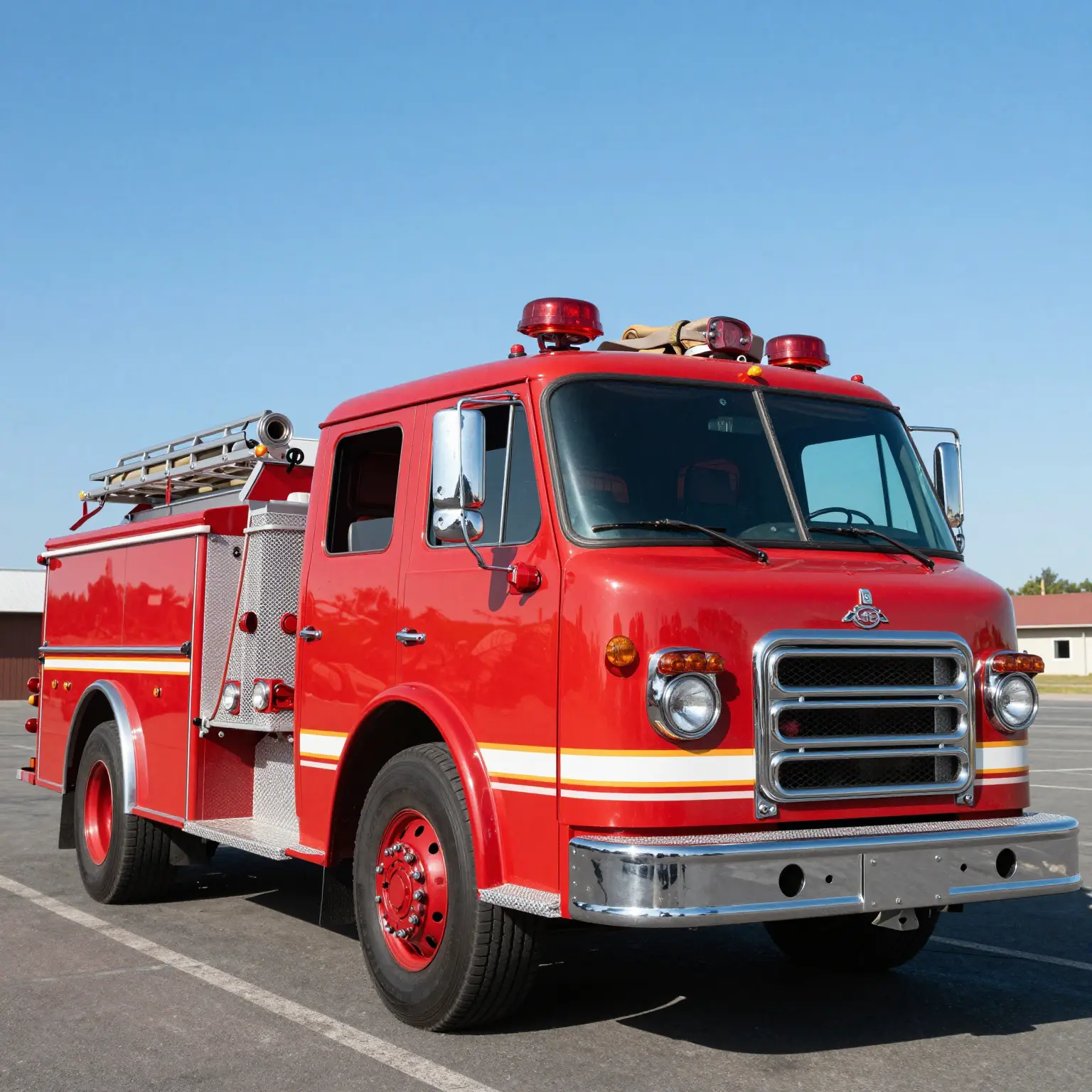
This image brilliantly showcases a classic red fire truck that is sure to evoke excitement among fire truck lovers!
Color Psychology and Fire Trucks
The color red is synonymous with urgency and safety, particularly when it comes to fire trucks. Psychologically, red evokes strong emotions such as excitement, energy, and even danger, which is why it is powerfully associated with emergency services. Its chromatic brilliance captures attention, effectively signaling the need for immediate action. In emergency situations, red can trigger physiological responses-like an increased heart rate and heightened alertness-preparing the community for urgent responses to crises.
As highlighted in a Journal of Emergency Medical Services review, the visibility of red enhances public awareness, ensuring that individuals recognize the need to yield the right of way or respond quickly.
Moreover, the consistent use of red not only allows firefighters to stand out but also instills a sense of urgency among the public, engendering a community-wide understanding of the critical nature of emergency operations. Its symbolism of danger and alertness ensures everyone knows a fire truck isn’t just a vehicle-it’s a vital tool in saving lives. Therefore, the psychological implications of using red are far-reaching, creating a noticeable emotional connection between fire trucks and community safety.
The Significance of Color in Fire Trucks
The color of fire trucks goes beyond mere aesthetics-it significantly impacts visibility and safety. According to Dr. Michael J. K. Jones, a human factors specialist with the National Fire Protection Association, “Color plays a critical role in emergency vehicle recognition-our eyes are more sensitive to yellow-green hues, especially under stress or at distance. This can mean seconds saved during response times.” This insight highlights the importance of choosing the right hues for fire trucks, particularly in emergency situations.
While traditional red fire trucks are iconic, there are compelling reasons to explore colors like lime-yellow or amber. Research indicates that these high-visibility colors can enhance detection during both daylight and nighttime operations. As noted by Chief Robert L. Taylor, a veteran firefighter, “Choosing a color that maximizes visibility can literally be the difference between life and death.”
For those interested in fire trucks, you can explore fire trucks for sale or even dive into the details of classic models with American Lafrance fire engines.
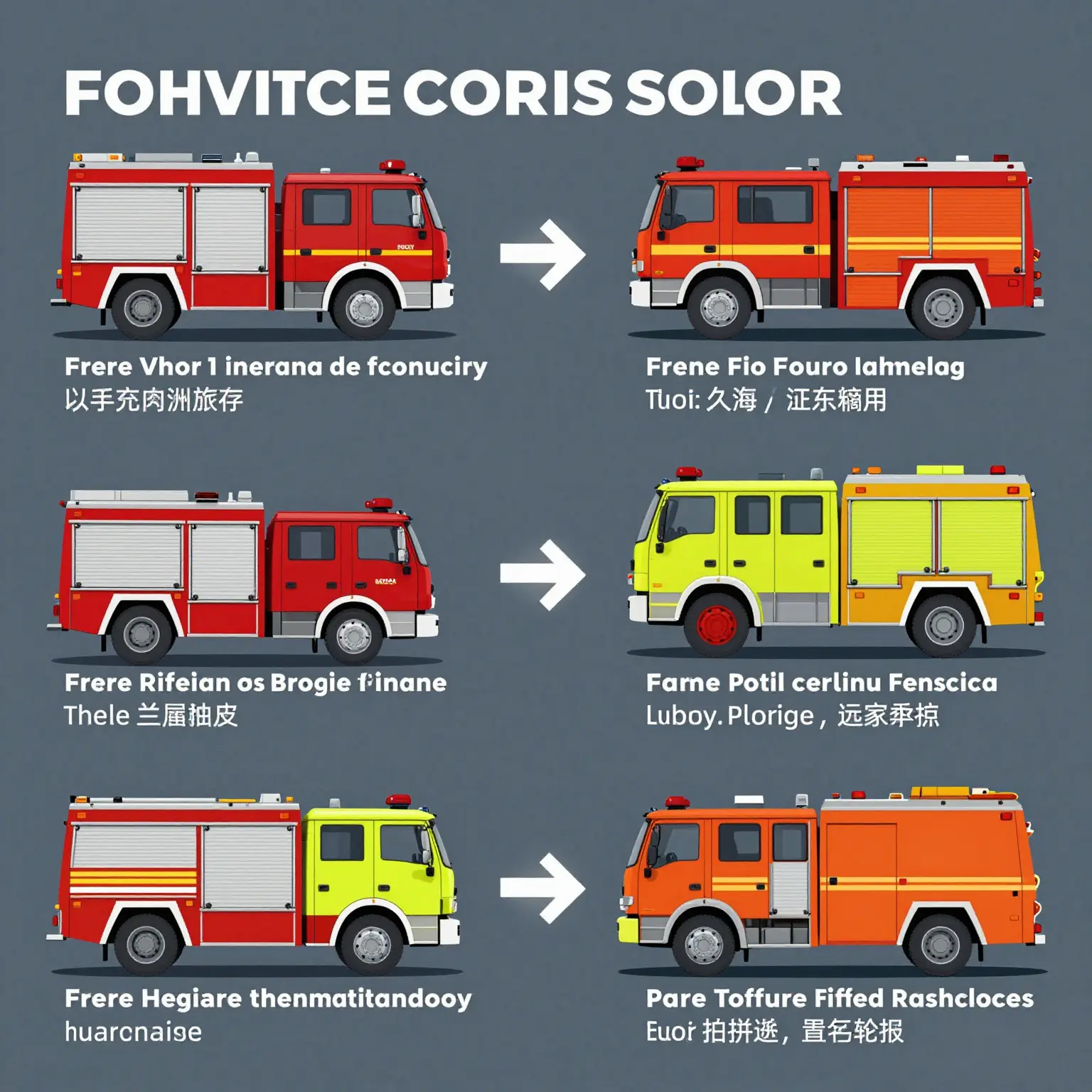
Image showing various colors of fire trucks with their significance in visibility and safety.
Trends in Fire Truck Colors Over the Decades
The color of fire trucks has historically been dominated by traditional red, but this trend has shifted significantly in recent decades as safety and visibility have become paramount concerns for emergency services.
Historical Overview
- 1900s: Red became the near-universal color for fire trucks. It was chosen for its low cost and high visibility.
- 1960s: The trend continued with about 90% of fire trucks maintaining their iconic red hue, although a small percentage began experimenting with alternative colors.
- 1980s: Yellow fire trucks started appearing due to studies showing improved visibility in low-light conditions, marking a significant turning point in color choices (30% yellow by the end of the decade).
- 2000s: By this time, the palette had evolved to a near 50/50 split between red and yellow, reflecting ongoing research advocating for high visibility.
- 2020s: Currently, only around 20% of fire trucks are red, while yellow and various other colors (like white and lime green) have more than taken their place, together making up about 80% of the market. This change is heavily driven by visibility research and safety standards, emphasizing the visibility needs in emergencies and low-visibility situations.

Trends in fire truck colors over the decades.
Learn more about fire trucks.
In conclusion, fire truck color preferences have significantly changed over time, with modern models favoring high-visibility options to enhance safety and logistical efficiency during emergencies.
As we delve into the vibrant world of fire truck colors, we’ve uncovered that these hues do more than catch the eye-they tell a story of tradition, safety, and innovation. While red remains a symbol of emergency and heritage, modern advancements highlight the benefits of brighter colors like yellow and orange, which enhance visibility and ultimately save lives.
To all young aspiring firefighters and passionate enthusiasts, it’s time to appreciate the significance of these emergency vehicles that protect our communities. Embrace the diversity in fire truck colors, as each one carries its own narrative contributing to firefighting effectiveness.
Let’s keep the conversation going about fire truck colors and their importance, celebrating both the heritage and future of these vital vehicles. If you’re interested in exploring customizable fire truck solutions or just want to admire these magnificent vehicles, visit our website and engage with our community of fire service professionals. Together, we can promote awareness and appreciation for the vehicles that keep us safe!