
Introduction
When the sirens blare and the bright red lights begin to flash, a wave of excitement and admiration courses through the crowd. Fire trucks, the stalwarts of emergency services, are more than just vehicles; they symbolize bravery, readiness, and the unwavering dedication of firefighters. These magnificent machines not only protect our lives and property from flames but also serve as a beacon of hope in our communities. With their distinctive designs and robust capabilities, fire trucks evoke a sense of respect and admiration among firefighting enthusiasts, aspiring firefighters, and professionals who dedicate their lives to saving others.
Their evolution over the years reflects advancements in technology, equipment, and strategies that enhance firefighting effectiveness. From heavy-duty pumping engines to aerial ladder trucks that ascend to heights unimaginable, the variety of fire trucks is both fascinating and indispensable. Aspiring firefighters and dedicated professionals alike are drawn to the unique aesthetics and engineering marvels behind these vehicles, which are designed to function in the most dire situations.
This article will dive into the captivating world of fire trucks, exploring their diverse designs, functionalities, and the vital roles they play in our society. Whether you are a collector looking to find the perfect model, a young individual dreaming of firefighting heroism, or a professional in the emergency services seeking to expand your knowledge, there’s something here for everyone. Join us as we unveil the intricate details of these life-saving machines that continue to inspire and captivate people around the world. Learn more about the various fire trucks available for sale and how they can enhance community safety.
The Evolution of Fire Trucks: From Hand-Drawn Carriages to Modern Marvels
Fire trucks have a storied history that reflects the technological advances and societal needs of their times. The evolution from simple hand-drawn carriages to sophisticated motorized vehicles is a fascinating journey that any fire truck enthusiast or professional should appreciate.
Early Beginnings: Hand-Drawn Innovations
The story of fire trucks dates back to the 17th century when the first fire-fighting equipment was hand-operated. Following the Great Fire of London in 1666, a pressing need arose for more effective firefighting methods. The first known fire pump was developed in England; it was a hand-cranked pump that could spray water, but it lacked mobility since it did not have wheels.
In 1721, Richard Newsham created the first wheeled horse-drawn fire engine, a pivotal moment in firefighting history. This innovation allowed teams of horses to pull the fire engine to blaze sites, greatly improving response times and mobility for firefighters. These horse-drawn engines became more common, allowing fire brigades to transport water and personnel more efficiently.
The Steam Era: Powering Up Firefighting
As the 19th century approached, advancements in steam technology brought about the next wave of fire truck development. In the late 1800s, steam-powered fire engines emerged. These engines could operate at higher water pressures and were often equipped with larger water tanks, though their bulky design and lengthy startup times made them relatively slower compared to horse-drawn models. They represented a significant leap in firefighting capabilities, enabling larger volumes of water to be delivered more forcefully.
The Motorized Revolution
The arrival of automobiles in the early 20th century marked the most significant transition in fire truck history. The first motorized fire truck appeared in New York City around 1905, utilizing internal combustion engines. Fire departments quickly recognized the benefits of faster response times and enhanced operational efficiency that motorized vehicles provided.
Notably, the Ford Model T became a popular chassis for many early fire trucks due to its availability and reliability. By the 1920s, cities across the United States began incorporating fully motorized, diesel-powered fire apparatus into their fleets, laying the foundation for the standard fire equipment we see today. This shift not only accelerated response times but also promoted standardized designs, which featured advanced features like hydraulic pumps and improved ladder systems.

Modern Innovations
Today’s fire trucks are marvels of engineering, equipped with advanced technologies that enhance their functionality. Features such as onboard computers, GPS systems, and hybrid or all-electric powertrains are becoming increasingly common in modern firefighting vehicles. The design is more specialized, allowing for different configurations that can include everything from rescue equipment to foam systems tailored for hazardous materials incidents.
This evolution mirrors ongoing innovations aimed at improving safety and efficiency for both firefighters and the communities they serve.
Continuing the Legacy
Fire trucks have indeed evolved dramatically over the centuries, and each innovation tells part of the story of our societies’ commitment to safeguarding lives and property. For those fascinated by the equipment, explore more about fire trucks for sale and consider what unique features suit your firefighting needs.
Whether you are a fire truck enthusiast, a young aspiring firefighter, or a seasoned professional, the history and continued evolution of fire trucks highlight not only technological advancement but the growing commitment to community safety and emergency response effectiveness.
Common Features of Modern Fire Trucks
Modern fire trucks have evolved into advanced machines equipped with a variety of specialized features designed to enhance firefighting capabilities and ensure the safety of both the crew and the public. Here’s a look at some of the common features found in these impressive vehicles:
-
Pump System: Fire trucks are equipped with powerful pump systems, typically centrifugal pumps, capable of delivering water at high pressures, essential for fighting structure fires. The pump capacities can range from 150 to over 300 HP, enabling efficient water delivery to the fire scene.
-
Water Tanks: Modern fire trucks usually carry large water tanks, with capacities varying from 500 to over 2,000 gallons. This allows firefighters to have an immediate supply of water while en route to the scene or in areas without hydrants.
-
Hydraulic Rescue Tools: Known as the ‘Jaws of Life,’ these hydraulic tools are vital for extricating victims from vehicles or debris during emergencies. Many fire trucks carry a complete set of these tools, including cutters, spreaders, and rams.
-
Ladders and Aerial Platforms: Many fire trucks are equipped with extendable ladders or aerial platforms to reach high places. These features are crucial for rescuing individuals from upper floors and for the effective application of water in vertical firefighting scenarios.
-
Thermal Imaging Cameras: Modern fire apparatus often includes thermal imaging cameras, which help firefighters see through smoke and locate hot spots in a fire, enhancing both safety and effectiveness.
-
Command Centers: Some fire trucks incorporate advanced communication systems and command centers, allowing for real-time data sharing with incident command and coordination with other emergency agencies, improving overall response times.
-
Emergency Medical Supplies: In addition to firefighting equipment, many fire trucks are outfitted with emergency medical supplies and equipment, providing initial medical response capabilities during emergencies.
-
Color and Visibility Features: Modern fire trucks often feature bright colors like red or yellow for visibility, coupled with flashing lights and sirens that alert civilians and other emergency personnel to their approach.
-
Onboard Computer Systems: These systems monitor the vehicle’s performance, including pump operations and equipment status, ensuring that all systems are ready for use at a moment’s notice.
These features work together to make modern fire trucks versatile, efficient, and vital to community safety. For those looking to explore fire trucks in detail, feel free to check out available fire trucks for sale or dive deeper into the mechanics of iconic fire engines like the American LaFrance Fire Engine.
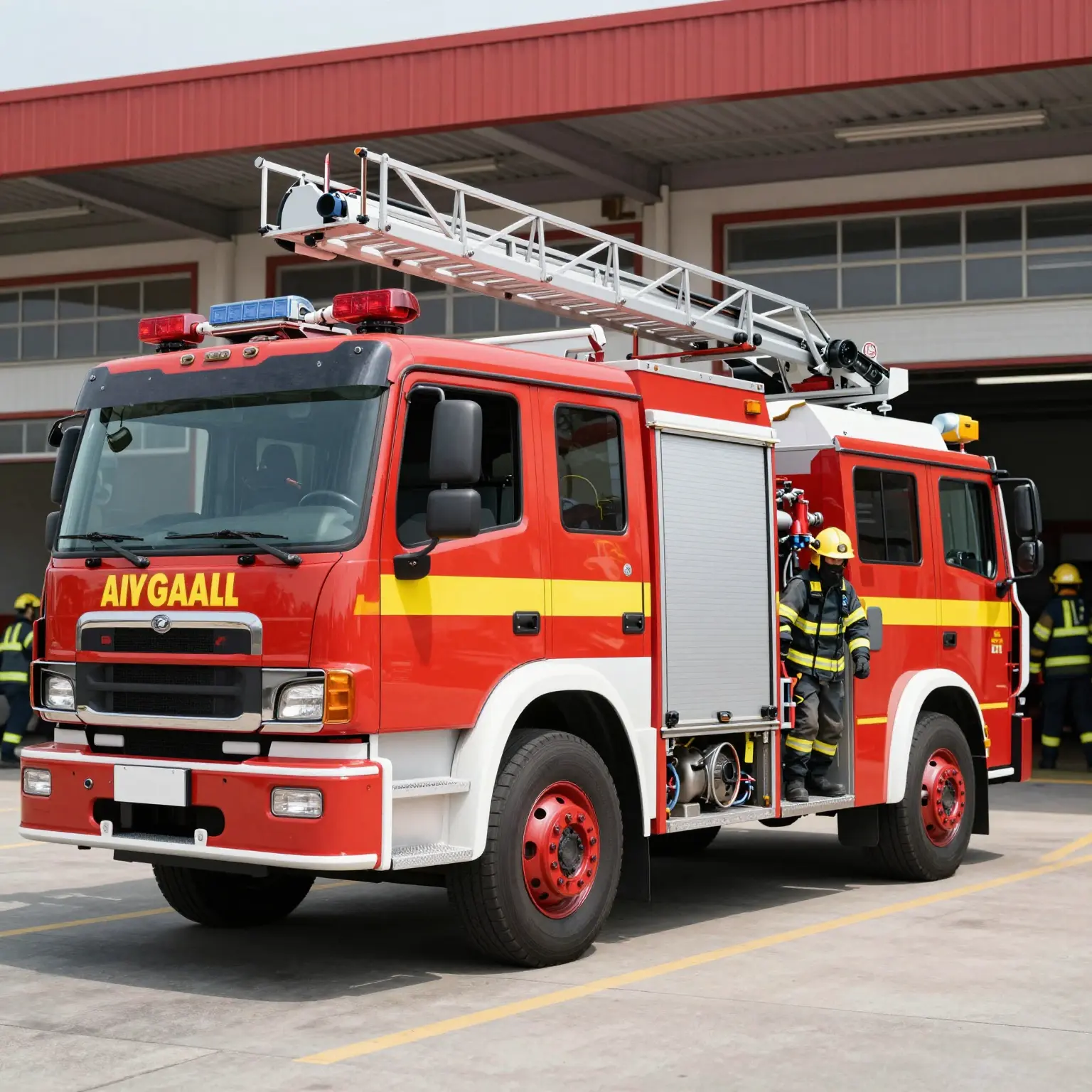
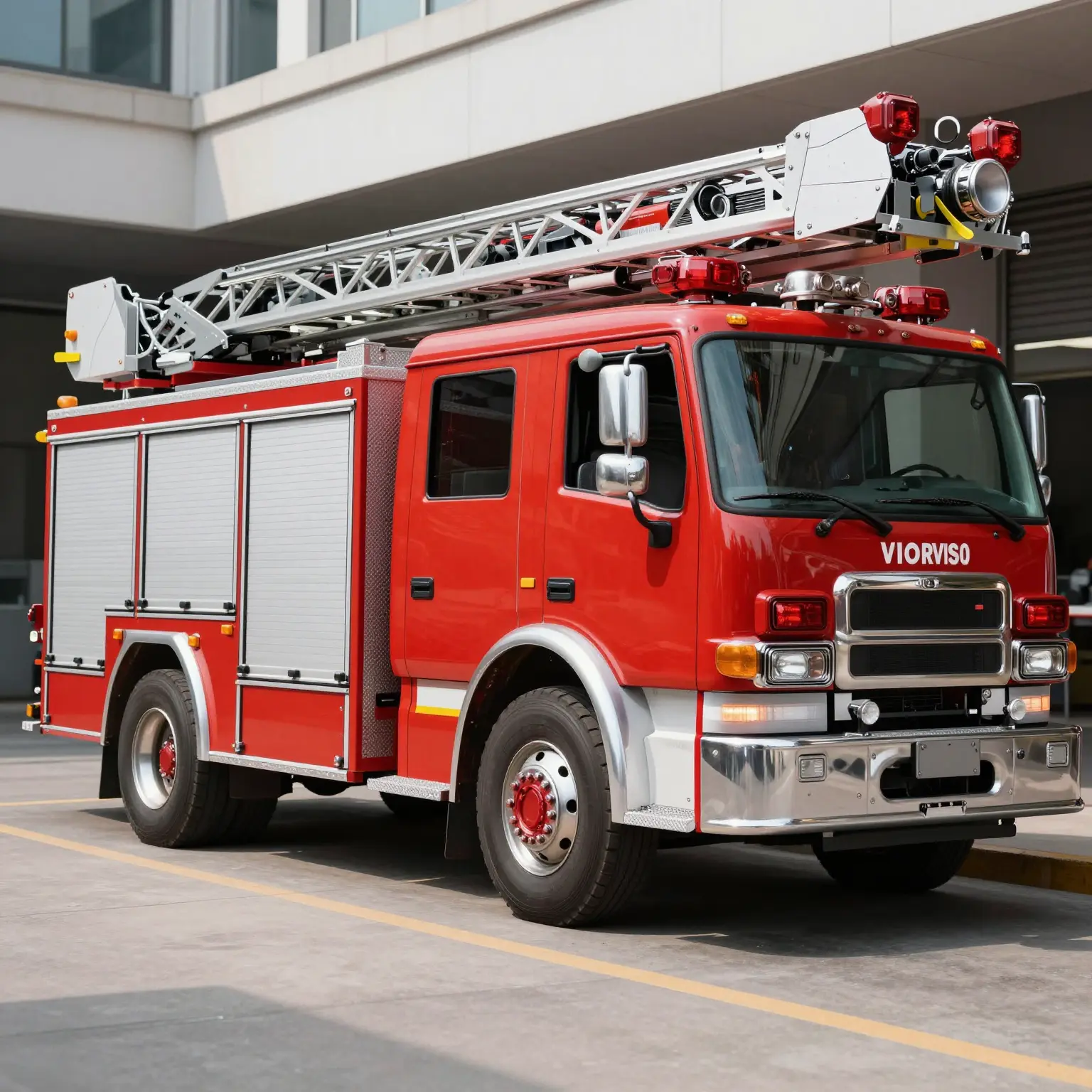
Notable Fire Truck Designs Around the World
Fire trucks are not just essential vehicles for emergency response; they are awe-inspiring designs that reflect innovation, technology, and purpose. Here are five notable fire truck designs from around the world that demonstrate the varied styles and functions these life-saving machines can embody.
1. Panther 8X8 by Rosenbauer (Austria)
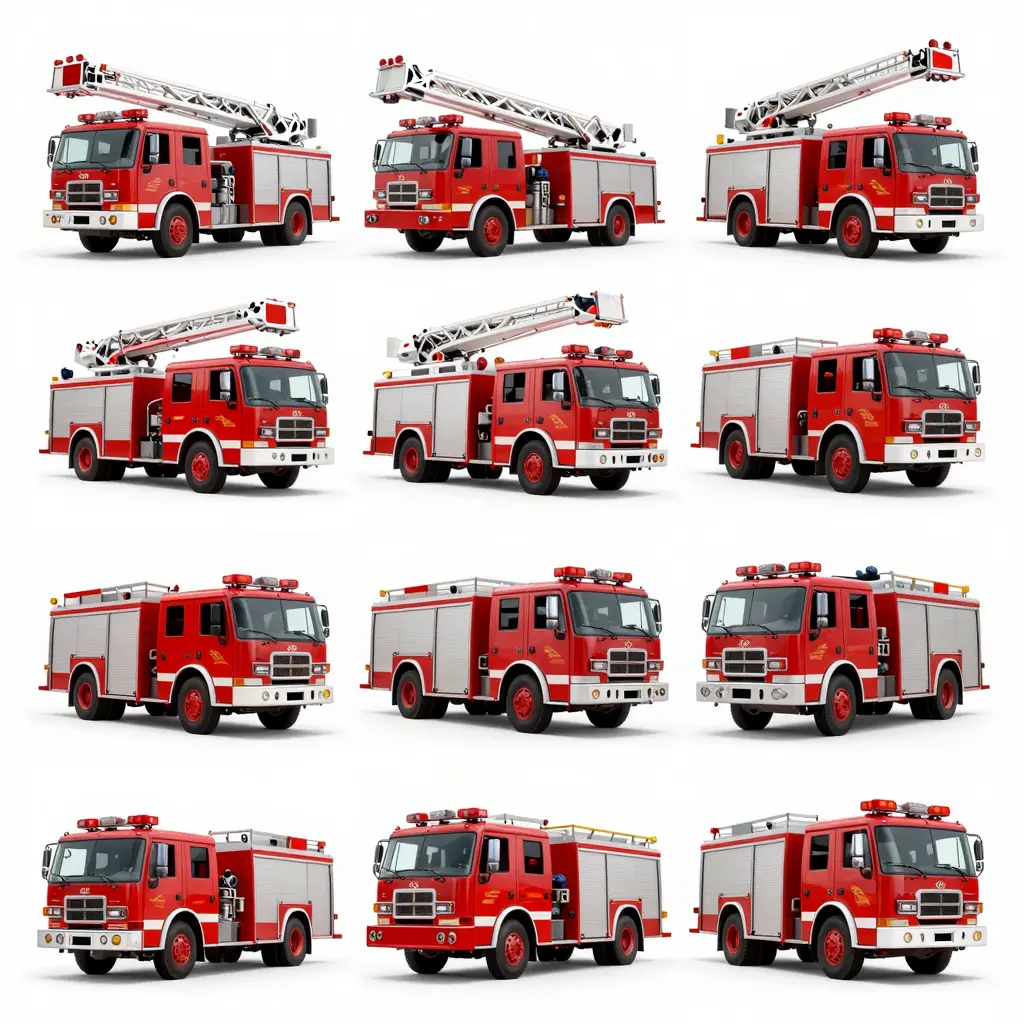
The Panther 8X8 is renowned for its exceptional firefighting capabilities and advanced technology. This heavy-duty fire truck features a massive 12,000-liter water tank, 1,500 liters of foam, and an incredible pumping capacity of 10,000 liters per minute. Measuring 12 meters in length and weighing 52 tons, it is designed for airport emergency response but can operate efficiently in other urban settings. The Panther’s robust construction makes it an icon in firetruck engineering.
2. Aerial Ladder Truck
Aerial ladder trucks are critical in urban environments where high-rise buildings dominate the skyline. These trucks feature extendable ladders that can reach over 100 feet, making them indispensable for rescuing people from intense fires at great heights. Many modern ladder trucks also include bucket platforms for firefighter safety and can maneuver through congested streets effectively. Notable models are continually evolving with technology, emphasizing adaptability and height accessibility for firefighting operations.
3. Waklond Fire Engine (China)
This innovative model from the 2023 China International Fire Exposition highlights the future of fire trucks with its electromechanical design. It boasts a 68-meter aerial ladder that can deploy in just seconds and is equipped with multiple advanced technologies to enhance rescue operations. Its electric system allows for low emissions and reduced noise, aligning with global trends towards sustainable firefighting solutions. The Waklond represents a shift toward more environmentally friendly practices in fire services while enhancing operational efficiency.
4. Wildland Fire Engine
Wildland fire engines are specially designed to tackle fires in rugged terrains and forested areas. These compact and agile vehicles feature high clearance, rugged off-road capabilities, and smaller water tanks ranging from 250 to 500 gallons. Their design priorities are mobility and navigability, ensuring they can reach remote areas to combat wildfires effectively. This category is crucial as it adapts to the unique challenges posed by natural landscapes, showcasing versatility in fire truck design.
5. Oshkosh Striker 8X8 (USA)
The Oshkosh Striker 8X8 is recognized as a leader in airport firefighting technology. This vehicle epitomizes strength and performance with its powerful 17,000-liter water capacity and 230 kg of dry chemical extinguishing agent. Designed to accelerate to speeds of 80 km/h in just 25 seconds, the Striker 8X8 is engineered for rapid response in critical situations, making it an operational powerhouse at airports. Its size and performance exemplify how fire trucks are engineered to meet specific yet demanding operational requirements.
Conclusion
These five examples of fire trucks illustrate the fascinating evolution in design, technology, and functionality. As fire services continue to embrace innovation and sustainability, the models highlighted here provide inspiration for collectors, enthusiasts, and aspiring firefighters alike. For those interested in acquiring these remarkable vehicles or learning more about their features, check out the fire trucks for sale page! Additionally, if you’re passionate about the history and evolution of fire apparatuses, you might enjoy our content on American LaFrance fire engines.
Fire Truck Classifications
Understanding the different classifications of fire trucks is essential for firetruck enthusiasts, aspiring firefighters, and emergency services professionals alike. Below is a comparison table of some common fire truck types, including their key specifications:
| Classification | Capacity (Gallons) | Hose Length (Feet) | Typical Use | Features |
|---|---|---|---|---|
| Pumper Truck | 500-1,000 | Multiple hoses (varies) | Urban firefighting, structural fires, initial response | Equipped with a high-pressure pump (up to 1,500 psi), onboard water tank, multiple hoses and nozzles for varied scenarios. |
| Aerial Ladder Truck | 500-1,000 | Multiple hoses (varies) | High-rise buildings, rooftop rescues, urban fire handling | Features an extendable ladder or platform (75-100+ feet) for vertical access; includes a bucket for personnel. |
| Brush Truck | 250-500 | Multiple hoses (varies) | Forests, grasslands, remote areas | Compact, rugged design with a 4×4 drive system for off-road capability; built for rapid response. |
Source: Easy Fire Truck
In addition to the table, the following bar chart compares the capacity of different fire truck classifications:
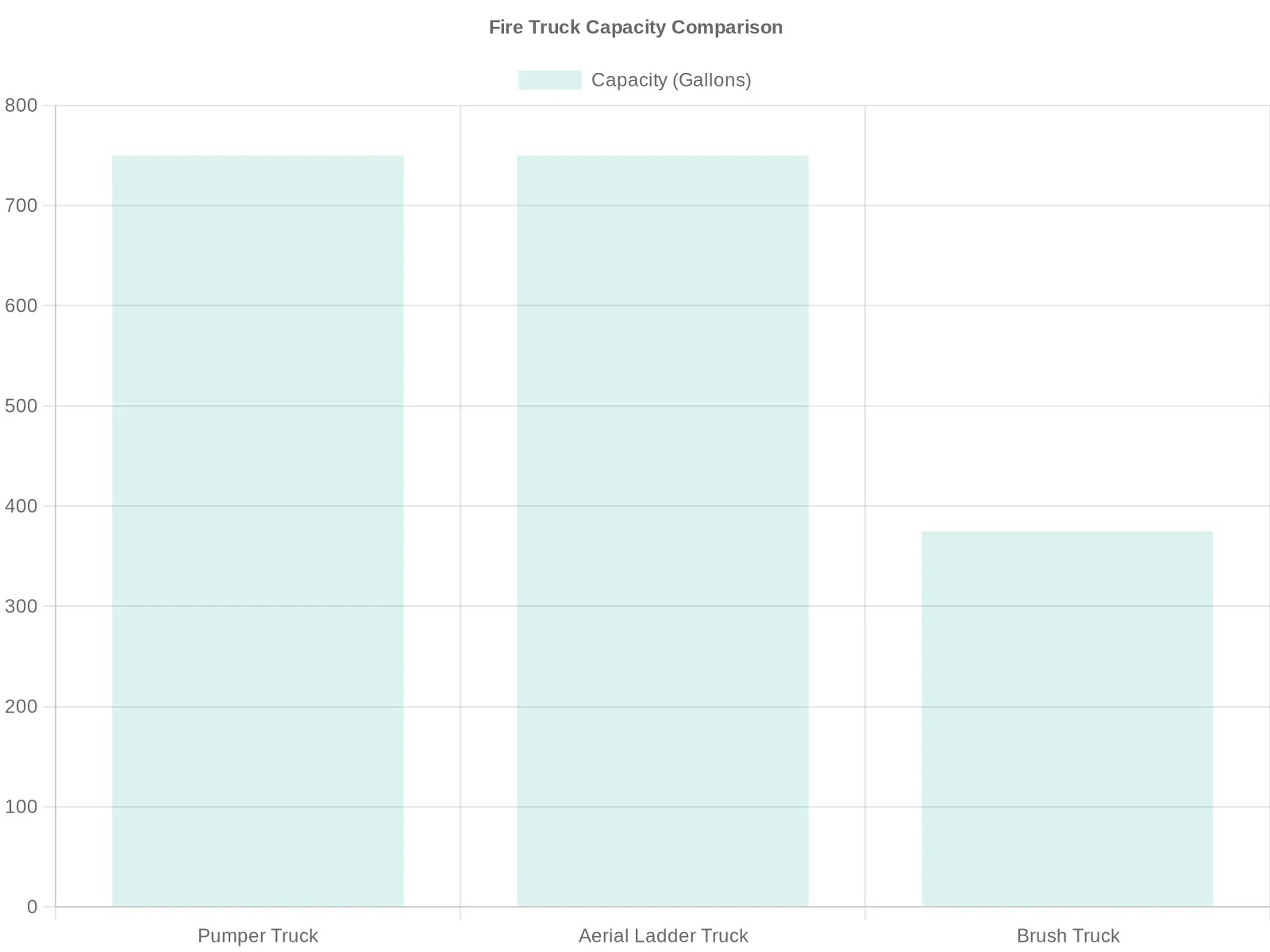
This visual representation emphasizes how various fire trucks differ in their water capacity, crucial for different firefighting scenarios.
The Operational Role of Fire Trucks in Firefighting
Fire trucks are integral to firefighting, serving as both a mobile command center and a potent tool for extinguishing fires. Each fire truck is equipped with a variety of essential equipment aimed at suppressing flames, rescuing victims, and ensuring the safety of firefighters. Understanding the operational role of fire trucks not only highlights their functionality but also emphasizes their importance in emergency services.
Key Functions of Fire Trucks
Fire trucks are designed to perform multiple functions during emergency situations:
- Water Supply: Equipped with large water tanks, fire trucks can carry anywhere from 200 to over 3,000 gallons of water, ensuring that firefighters have ample supply to combat fires.
- Fire Suppression: Many fire trucks possess powerful pumps and foam systems specifically intended for delivering water or foam to extinguish fires effectively. The water can be released through various types of nozzles to adjust the flow and pressure to suit different firefighting scenarios.
- Rescue Operations: Fire trucks are vital during rescue missions. They carry essential tools such as hydraulic rescue tools (like the “Jaws of Life”), which allow firefighters to extricate trapped individuals from vehicles or debris. This capability is crucial during traffic accidents and structural collapses.
Equipment Carried on Fire Trucks
Fire trucks are equipped with a diverse range of specialized tools categorized into four main types:
- Firefighting Tools:
- Fire Hoses: Fire trucks carry multiple hoses, including attack and supply hoses, ensuring they can tackle fires from various angles and distances.
- Water Pumps: These high-pressure pumps can deliver water at rates varying from hundreds to thousands of gallons per minute, crucial for both structural fires and wildland firefighting.
- Foam Systems: Used for fighting Class B fires involving flammable liquids, foam systems effectively suppress fire by creating a barrier between the fuel and the flames.
- Fire Cannons: Also known as master stream devices, these can shoot large volumes of water over significant distances, especially useful in controlling large fires.
- Rescue Tools:
- Hydraulic Tools: Essential for extricating victims from wreckage, these include spreaders, cutters, and rams that allow firefighters to expand, cut, or push apart materials to free trapped individuals.
- Medical Supplies: Many fire trucks also carry first aid kits, automated external defibrillators (AEDs), and oxygen tanks, allowing them to provide emergency medical care on-site.
- Personal Protective Equipment (PPE):
- Turnout Gear: This includes fire-resistant clothing, helmets, gloves, and boots designed to protect firefighters from heat, flames, and hazardous materials.
- Self-Contained Breathing Apparatus (SCBA): Firefighters use SCBA to ensure they can breathe safely in smoke-filled environments, giving them the ability to navigate through hazardous conditions to reach victims or extinguish fires.
- Communication Systems:
- Radios and Command Software: Equipped with two-way radios and mobile data terminals (MDTs), fire trucks ensure continuous communication between firefighters, dispatchers, and command centers, enhancing coordination during complex emergencies.
- Lighting Systems: High-intensity spotlights and strobe lights on fire trucks improve visibility during night operations or in dense smoke, assisting firefighters in their tasks.
Conclusion
The operational role of fire trucks in firefighting is multifaceted and vital for emergency response. With robust features that aid in firefighting, rescue operations, and crew safety, these vehicles are indispensable in ensuring community safety. Fire trucks are not just machines; they embody the dedication and bravery of firefighters who rely on this equipment to protect lives and property.
For those looking to learn more about different types of fire trucks and their functions, be sure to check out our fire truck listings and explore the unique attributes of fire engines like the American LaFrance fire engine.
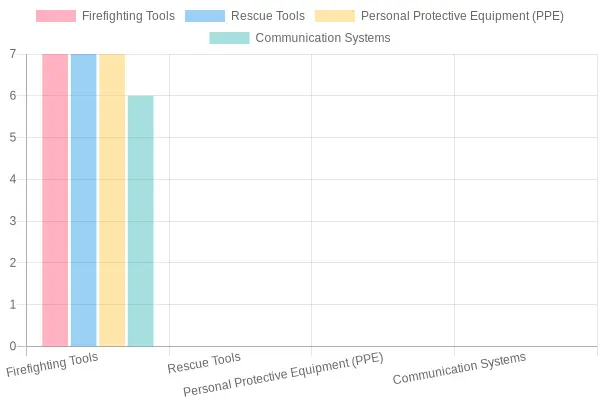
Chart Description: This chart illustrates the various types of firefighting equipment carried on fire trucks, highlighting their specific uses in emergency situations.
Firefighting Equipment Mounted on Fire Trucks
Understanding the equipment mounted on fire trucks is essential for fire safety and operational effectiveness. Here’s a chart illustrating the various types of firefighting equipment typically found on these lifesaving vehicles.
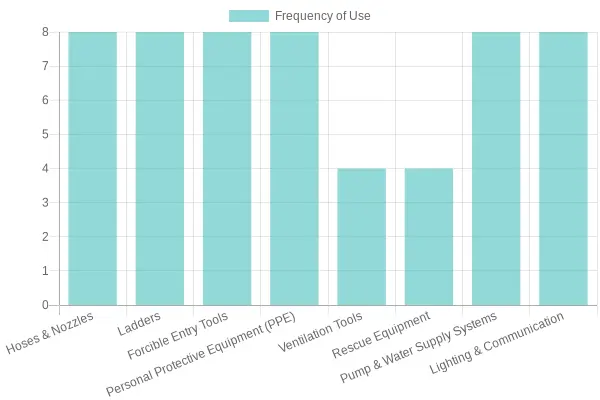
| Equipment Category | Typical Items | Frequency of Use | Notes |
|---|---|---|---|
| Hoses & Nozzles | Fire hoses (2.5″, 1.75″), nozzles (solid stream, fog, adjustable) | High | Essential for water delivery and fire suppression; used in nearly every structural fire response. |
| Ladders | Aerial ladders, platform ladders, folding/collapsible ladders | High | Used for access to upper floors, ventilation, and rescue operations. |
| Forcible Entry Tools | Halligan bars, axes, hydraulic spreaders | High | Critical for breaking through doors and walls during access and rescue operations. |
| Personal Protective Equipment (PPE) | Bunker gear, SCBA, helmets, gloves, boots | High | Mandatory for all firefighters on scene; essential for safety in hazardous environments. |
| Ventilation Tools | Roof hooks, power saws, ventilators | Medium | Used to control fire spread by removing heat and smoke. |
| Rescue Equipment | Ropes, extrication kits, thermal imaging cameras | Medium | Deployed during technical rescues and vehicle accidents. |
| Pump & Water Supply Systems | Onboard pumps, water tanks, hydrant connectors | High | Core function of pumper trucks; critical for delivering water supply at the scene. |
| Lighting & Communication | Emergency lights, portable lighting systems, two-way radios | High | Vital for scene safety, coordination during operations. |
For more information about fire trucks, browse our latest listings of fire trucks for sale.
The Importance of Fire Trucks
Fire trucks are not merely vehicles; they embody hope and courage in the face of danger. The fire service relies heavily on these lifesaving machines to navigate dangerous situations and protect our communities. As a young aspiring firefighter, understanding the significance of fire trucks can inspire you in your journey.
“Our engine doesn’t just carry water-it carries hope. Every mile we race toward the flames is a promise to someone’s family that we’re not leaving them behind.” – Source: Firefighting Ethics Institute
This quote perfectly encapsulates the role fire trucks play in emergencies. They are symbols of speed, agility, and dedication, ensuring that firefighters can reach those in need as quickly as possible.
If you’re passionate about fire trucks and their critical role in firefighting, consider exploring more through our listings of fire trucks for sale. Whether you’re a collector or aspiring firefighter, understanding these vehicles enhances your appreciation of their life-saving capabilities.
Join us in this exciting journey as we delve deeper into the fascinating world of fire trucks!
Conclusion: Dive Deeper into the Fascinating World of Fire Trucks
As we wrap up our exploration of fire trucks, it’s clear that these remarkable vehicles are not just machines; they are symbols of courage, resilience, and community service. From their iconic red color to the intricate systems that enable them to perform life-saving tasks, fire trucks have a unique charm that captivates enthusiasts, professionals, and aspiring firefighters alike.
If you’re intrigued by the variety and specifications of fire trucks, I encourage you to dig even deeper! There is a wealth of knowledge out there waiting for you. Explore more about fire trucks for sale to find the perfect vehicle for your collection or operational needs. Whether you’re a firefighter looking to understand the latest innovations in firefighting technology or a collector eager to uncover unique models, there’s something for everyone.
Additionally, did you know that motorcycle enthusiasts can also find high-quality solutions for their riding needs? Consider visiting Summit Fairings for customizable motorcycle fairings that blend performance with style. Just as fire trucks are designed for efficiency and safety, your motorcycle equipment can enhance your riding experience significantly!
Let your passion guide you-embrace your curiosity about fire trucks and motorcycles. Dive into resources, engage in communities, and never stop learning. The more you discover, the better you’ll understand the incredible impact these vehicles have on our lives. Join us in celebrating the bravery of firefighters and the engineering prowess behind fire trucks by continuing your journey of exploration!