
In the realm of firefighting, where every second counts, the efficiency of a fire truck’s pump could make the difference between life and death. Pump testing is not just a technical task; it’s a vital practice that ensures fire trucks are always ready to respond to emergencies at a moment’s notice. For firetruck enthusiasts and aspiring firefighters, understanding how to properly conduct pump tests can deepen your appreciation of these powerful machines and enhance your skills as future first responders. Likewise, seasoned professionals will find that mastering pump testing techniques can significantly improve their firefighting capabilities. Join us as we delve into the essentials of pump testing-empowering you to ensure that the heroes of emergency response are always equipped and prepared to battle the flames!
The Importance of Pump Testing for Fire Trucks
Pump testing is a critical component of fire truck maintenance, essential for ensuring operational readiness and safety. Regular testing of fire pumps guarantees that fire apparatus can perform effectively during high-stakes situations, making it a key part of fire safety protocols.
Ensuring Functionality and Safety
The National Fire Protection Association (NFPA) mandates that all fire trucks undergo annual hydrostatic and operational tests to verify their functionality. These tests check crucial performance parameters such as flow rate and discharge pressure, which are vital during emergencies. Without these assessments, equipment failures can occur at the worst possible time, potentially endangering lives and property.
Recent statistics show that approximately 35% of fire vehicle failures are caused by pump system issues. Regular pump testing helps prevent catastrophic failures by ensuring that every component operates as intended. The City of Houston Fire Department’s case study serves as a powerful reminder of this necessity; after a routine test revealed a seal leak, what could have become a disastrous mission was averted.
Adhering to Protocols
The NFPA also insists on the importance of maintaining records of test data for at least ten years to conduct trend analyses and improve proactive maintenance strategies. By keeping thorough records, fire departments can identify emerging reliability issues and ensure compliance with established safety standards. For instance, implementing AI-driven analytics in pump testing allows for real-time collection of critical parameters like pressure and temperature, further enhancing safety measures.
Consequences of Untested Equipment
Failing to regularly conduct pump tests has serious repercussions. Undetected equipment failures can lead to prolonged response times, escalating the severity of emergencies, and compromising public safety. Beyond the immediate threat to lives, insufficient testing can result in considerable financial liability and legal repercussions for fire departments. In essence, untested equipment could not only hinder operations but also lead to severe damage to community trust in firefighting services.
For firetrucks to serve their communities effectively, consistency in testing and maintenance is indispensable. Learn more about fire safety protocols here and how vital testing is in ensuring that every fire apparatus is always ready to spring into action!
Essential Tools for Pump Testing a Fire Truck
Conducting a pump test is crucial for ensuring that fire trucks are operating effectively and safely. To perform this task effectively, here’s a list of essential tools and equipment you’ll need:
- Water Source: A hydrant or a tank with a reliable water supply for the test.
- Flow Meter: To measure the water flow rate, ensuring that you get accurate readings.
- Pressure Gauge: Essential for measuring the discharge pressure during the test.
- Suction Hose: This is used for drawing water from a static source.
- Discharge Hose: Necessary for directing water away from the pump during testing.
- Pump Test Charts: These charts help in plotting the performance of the pump against the collected data.
- Calibration Weights: To ensure that gauges are calibrated correctly prior to testing.
- Field Notebook and Pen: Perfect for jotting down observations, readings, and test results.
- Personal Protective Equipment (PPE): Including gloves, helmets, and vests to ensure safety during the test.
- Communication Devices: Radios or phones to maintain communication between team members.
These tools not only enhance the accuracy of your pump testing but also ensure safety during the process. For more insights on fire testing standards, check out how to improve your equipment.
Step-by-Step Guide to Conducting a Pump Test on a Fire Truck
Pump testing is essential for ensuring fire trucks operate effectively during emergencies. Here, we provide a clear, step-by-step guide to conducting a pump test that every firefighter should follow.
Step 1: Prepare for the Test
- Inspect Equipment: Before starting, ensure all equipment, including the fire truck’s pump, hoses, and water source, are in good condition. Check for leaks, wear, or damage.
- Gather Supplies: You will need a reliable water source, hoses, flow meter, pressure gauges, and a stopwatch.
Step 2: Set Up the Water Source
- Connect to Water Supply: Attach the intake hose securely to the water source, ensuring it’s free of kinks or debris that could impede flow.
- Prime the Pump: Prime the pump to remove any air. This step is crucial for the pump to function correctly.
Step 3: Perform Preliminary Checks
- Set Controls: Ensure all control panels are in manual mode for initial tests. Check that gauges and alarms are functioning.
- Check Valves: Ensure all intake and discharge valves are operational and not obstructed.
Step 4: Conduct the Low-Pressure Test
- Start the Pump: Activate the pump and set it to a low-pressure output (20-40 psi).
- Monitor Conditions: Check for leaks, strange noises, or vibrations while keeping an eye on the pressure gauges.
- Record Data: Document initial pressure readings and any anomalies observed during the test.
Step 5: Perform Full-Flow Testing
- Increase the Flow: Gradually increase the pump’s capacity to meet the specified flow rate, usually between 500-1000 GPM.
- Maintain for Duration: Keep the pump running at this rate for at least 10 minutes, monitoring pressures and temperatures throughout the process.
- Check Backup Systems: Activate any backup systems to ensure they function as intended.
Step 6: Post-Test Evaluation
- Analyze Results: After testing, review all collected data-including flow rates, temperatures, and any issues encountered.
- Document Findings: Record all results and report any necessary maintenance or repairs needed.
- Safety Protocols: Ensure the truck is returned to service according to your department’s safety protocols.
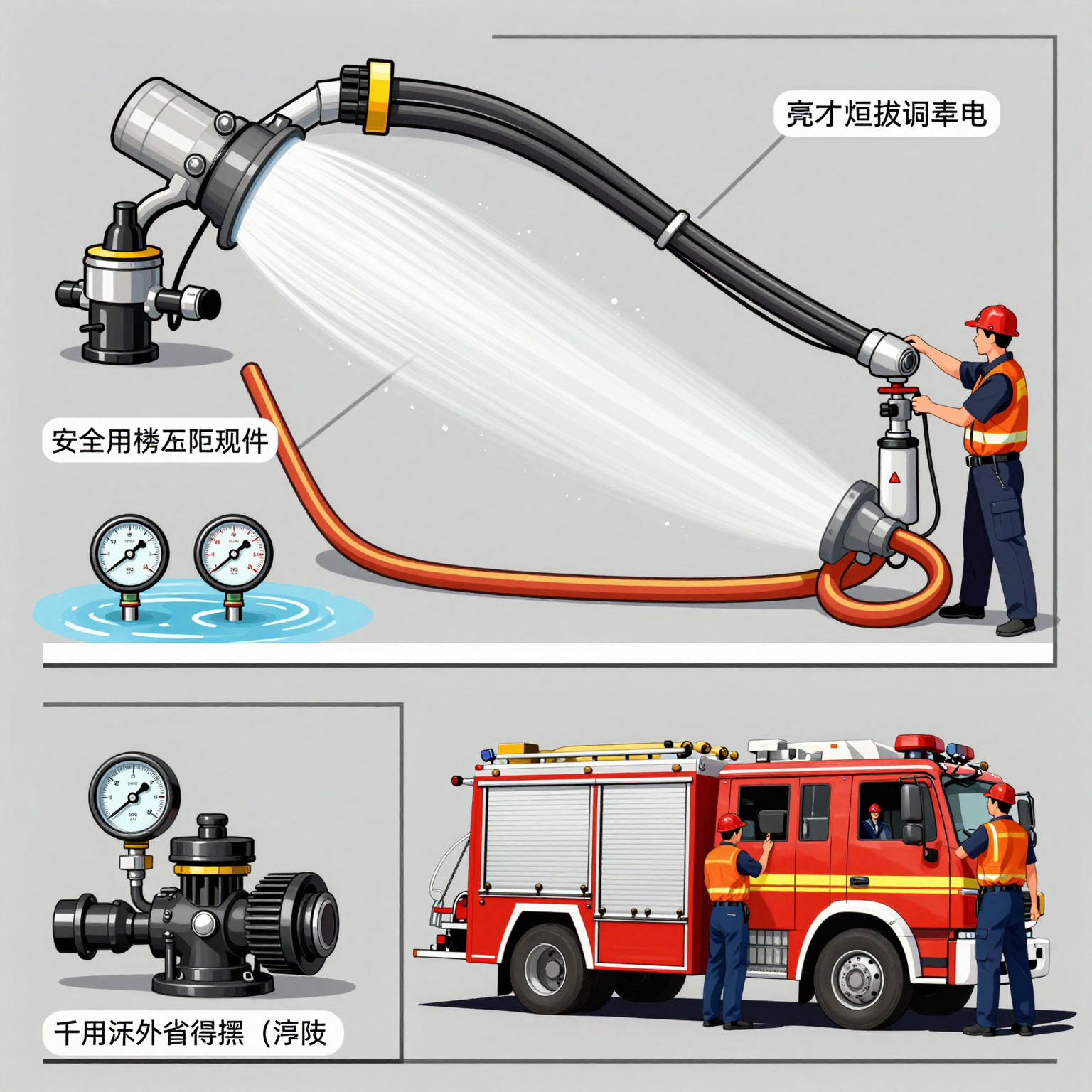
Conducting regular pump tests not only ensures that your fire truck is functioning optimally but also prepares your team for real-life emergencies. Learn more about fire truck readiness!
How to Pump Test a Fire Truck
Pump testing a fire truck is a vital procedure that ensures firefighting equipment is operational and ready for action. This testing process not only verifies the efficiency of the pump but also checks for any potential issues that could compromise performance during an emergency. Here’s how to properly conduct a pump test, along with some tools you will need:
Tools and Equipment Needed:
- Water Supply: Usually sourced from a hydrant or water tank.
- Flow Meter: To measure water flow accurately during the test.
- Pressure Gauge: Essential for monitoring pressure levels throughout the test.
- Hoses and Connections: Ensure you have sufficient hoses to connect to the water source and to discharge water.
Steps for Pump Testing:
- Preparation: Ensure the fire truck is in a suitable location with access to a water source.
- Set Up: Connect the hoses from the pump to the water supply and set up the flow meter.
- Conduct the Test: Start pumping and record the flow rate and pressure.
- Analyze Results: Compare the results to manufacturer specifications to ensure the pump is functioning correctly.
By following these steps, firefighters can keep their equipment in top shape. Regular pump testing is a proactive way to prevent equipment malfunction in critical situations. For more insights on fire safety, check our thank you to first responders page!
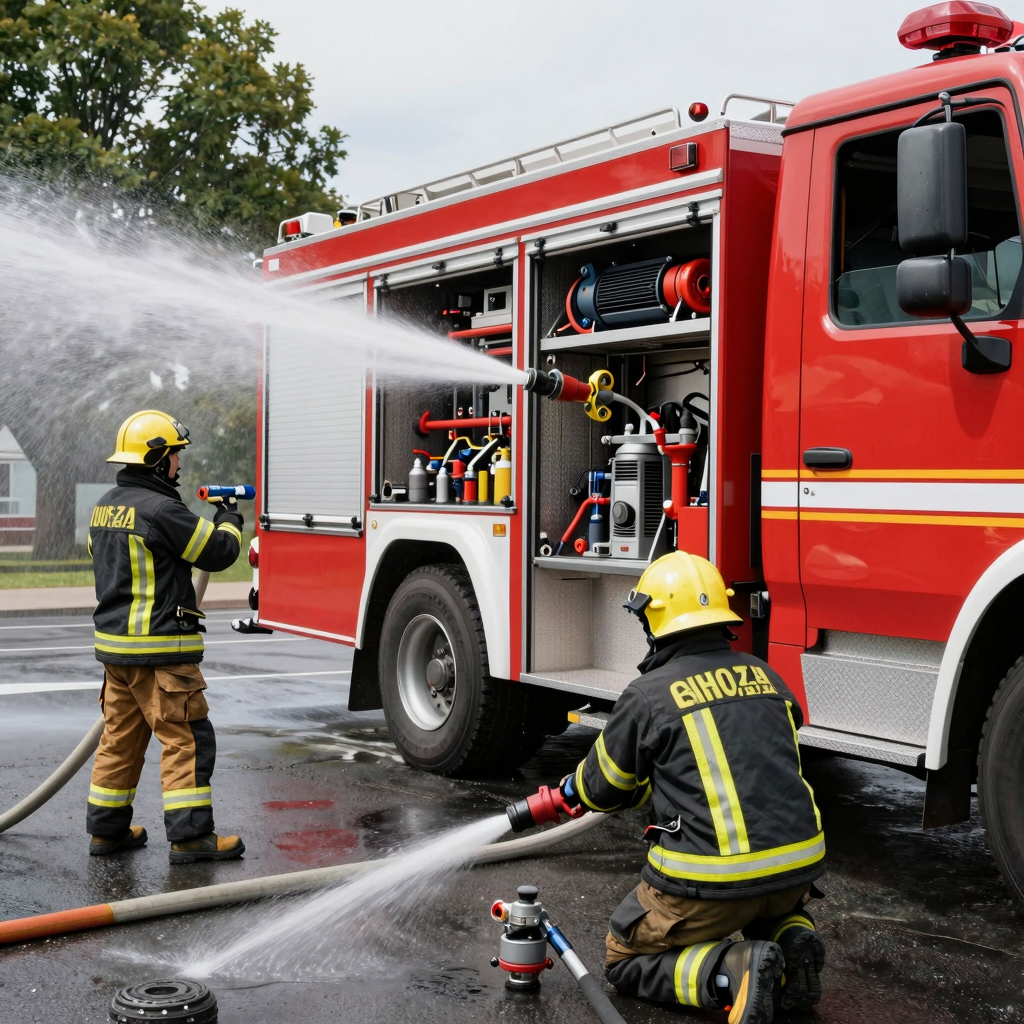
Interpreting Pump Test Results
Understanding pump test results is crucial for evaluating a fire truck’s performance. Key performance indicators to focus on include:
- Flow Rate: This should meet or exceed the truck’s design specifications. According to the NFPA, a fire pump must deliver at least 150% of its design flow rate.
- Pressure Measurements: Ensure the discharge pressure meets the minimum standard of 65% of the rated head. A proper assessment of these values helps clarify the pump’s operational effectiveness.
- Efficiency: Calculated as the ratio of output hydraulic power to input power, efficiency below 65% signals potential issues.
- Cavitation Margin: Check the NPSH (Net Positive Suction Head) to avoid air pockets that might damage the pump.
In real-world testing, compare actual data against expected performance benchmarks. If deviations exceed ±5% in flow or pressure, further inspection is warranted. Recording data accurately with calibrated instruments enhances reliability, ensuring your fire truck is always ready to respond. For further insights on firefighting equipment, explore our fire truck listings.
Regularly monitoring and interpreting these results keeps your equipment in top shape, boosting safety and effectiveness in emergencies.
Common Pump Testing Mistakes
Pump testing is a critical procedure to ensure fire trucks operate effectively in emergencies. However, various mistakes can compromise test results and affect performance during emergencies. Here are some common pitfalls, along with tips to avoid them:
1. Inadequate Pre-Operational Inspection
Failing to check pump seals, intake filters, and fluid levels can lead to pump failure during critical operations. To avoid this:
- Solution: Implement a standardized pre-operational checklist that includes visual inspections of hoses, pump components, and fluid levels. Digital inspection logs can aid accountability.
2. Improper Priming Procedure
Not correctly priming the pump before starting can create airlocks, hindering water flow. This is especially common with dry prime systems.
- Solution: Adhere to manufacturer-specific priming procedures and ensure that the priming system is maintained and functional.
3. Over-Pressurization
Exceeding the maximum allowable pressure ratings of hoses or the pump itself can cause catastrophic failures.
- Solution: Use and regularly calibrate pressure relief valves and train operators on safe operating pressures using calibrated gauges.
4. Ignoring Pump Flow Rate Limits
Running the pump beyond its rated flow capacity can lead to overheating and mechanical stress.
- Solution: Always operate pumps within their rated specifications, potentially utilizing digital controllers for real-time monitoring of flow and pressure.
5. Neglecting Routine Maintenance
Skipping scheduled maintenance can result in premature wear and potential failures.
- Solution: Establish a preventive maintenance schedule aligned with established standards, leveraging electronic management systems to track service intervals.
6. Using Contaminated Water Sources
Drawing water from dirty sources can clog filters and damage pump components.
- Solution: Install high-efficiency intake strainers and regularly clean filters. Avoid drawing water from heavily contaminated sources unless adequate filtration is in place.
Conclusion
Understanding and addressing these common mistakes can significantly improve the effectiveness of fire truck pump tests, ensuring that these essential vehicles are ready for action when needed most. For more insights on maintaining fire apparatus, check out the U.S. Fire Administration’s Technical Guidance. Additionally, don’t forget the importance of rigorous training for operators to enforce safety and performance standards.
Comparison Table of Fire Truck Pump Testing Standards
When it comes to ensuring the performance and safety of fire truck pumps, different regions and organizations have established a variety of standards for testing. Here’s a comprehensive comparison table showcasing the notable standards, helping fire truck enthusiasts and professionals understand key differences or similarities:
| Standard | Organization | Key Requirements | Region/Scope |
|---|---|---|---|
| NFPA 1901 | National Fire Protection Association (NFPA) | Specifies performance, construction, and maintenance of firefighting apparatus. | USA |
| NFPA 1911 | National Fire Protection Association (NFPA) | Focuses on pump testing procedures, ensuring reliability and compliance with safety measures. | USA |
| UL 448 | Underwriters Laboratories (UL) | Evaluates fire pump performance under various conditions, ensuring operational reliability. | USA |
| GB 6245-2006 | State Administration for Market Regulation | Addresses testing methods and performance standards for fire pumps used in fire vehicles. | China |
| Fire Pump Performance Testing | UL Solutions | Comprehensive testing to confirm compliance with NFPA 1911, includes assessments under real conditions. | International |
| Fire Apparatus Testing Standards | Intertek | Tests pump efficiency under standardized conditions; covers various NFPA standards. | International |
Understanding the Table
- NFPA Standards are widely recognized and ensure that equipment meets specific criteria for safety and effectiveness.
- UL Standards typically provide assurance of operational integrity in diverse situations.
- GB and other International Standards aim to align with global best practices, addressing unique needs and regulations of the respective regions.
For younger aspiring firefighters or enthusiasts, it’s crucial to understand these standards as they define the reliability and safety of fire trucks in times of crisis. If you want to dive deeper into the importance of quality equipment in firefighting, learn more about our offerings.
Lastly, remember that staying informed about standards is key for both safety and effectiveness in emergency situations. An understanding of fire truck pump testing standards helps ensure you are fully prepared!
The Importance of Pump Testing
Pump testing is crucial in ensuring that firefighting equipment operates reliably during emergencies. As firefighting expert, Captain Liu Feng from the National Fire Rescue Bureau, emphasizes:
“Every pump test is not just a check of the equipment; it’s a refinement of our firefighters’ operational capabilities. Accurate data leads to scientific strategies; reliable equipment ensures that lives are protected.”
This quote highlights how rigorous pump testing can make a significant difference in emergency responses. Regular checks can prevent equipment failures and ensure that every firefighter is equipped to handle crises efficiently. For more insights on firefighting strategies, check out our article on mental readiness in fire service.
Conclusion and Call to Action
In conclusion, understanding how to pump test a fire truck is crucial for ensuring reliable performance when it matters most. By following best practices, fire professionals can maintain optimal equipment readiness, ultimately safeguarding lives and property. We hope this guide inspires both enthusiasts and aspiring firefighters to deepen their knowledge and skills in fire safety.
For those looking to invest in reliable firefighting apparatus, consider checking out our fire trucks for sale. Summit Fairings offers a wide selection of high-quality equipment designed to meet the unique challenges faced by first responders. Don’t wait-elevate your firefighting capabilities today!