
Fire trucks are more than just big red vehicles that rush to put out flames; they embody bravery, teamwork, and a commitment to saving lives. For firetruck enthusiasts and young aspiring firefighters, these machines are a source of endless fascination, representing the phenomenal technology and craftsmanship that goes into each model. Imagine the thrill of watching a fire truck roar down the street, sirens blaring, equipped with advanced firefighting tools and a dedicated crew ready to tackle any emergency. In this article, we’ll dive into how fire trucks work, exploring their intricate systems, the vital role they play in emergency services, and why they inspire so many to pursue careers in firefighting. Whether you’re a collector admiring their design or a young dreamer envisioning a future in firefighting, understanding these incredible vehicles will deepen your appreciation for their capabilities and the heroes behind the wheel. Learn more about the firefighting community and the evolution of fire truck design as we embark on this exciting journey!
Major Components of a Fire Truck
Fire trucks are vital for firefighting and necessity for any fire department. Here’s a look at the key components that make these machines effective in emergency situations:
- Water Tank: Stores large volumes of water or foam for firefighting efforts.
- Fire Pump: The heart of the truck, responsible for drawing and pressurizing water.
- Hoses: Used to transport water from the pump to the fire scene; available in various lengths and diameters.
- Ladders: Essential for reaching high places, including aerial ladders that extend to building heights.
- Equipment Storage: Compartments designed to hold firefighting gear, tools, and rescue equipment.
- Communication Systems: For coordination and emergency response communication.
- Lighting: Ensures visibility at night and during rescue operations.
These components work together to ensure firefighters can effectively respond to emergencies. Learn more about fire truck systems!
The Evolution of Fire Trucks
The history of fire trucks is a fascinating journey that reflects both technological advancements and societal changes. Firefighting vehicles have evolved from simple horse-drawn carriages to sophisticated motorized machines equipped with high-tech gear.
Early Beginnings
In the 17th century, fire-fighting began with handheld pumps and buckets, but by the early 19th century, cities started to utilize horse-drawn fire engines. These horse-drawn apparatuses were often equipped with hand-pumped water systems, allowing firefighters to deliver water more effectively. The introduction of steam-powered fire engines in the 1830s brought a revolution in firefighting technology. The first self-propelled steam fire engine appeared in 1841 in New York City, significantly enhancing response times.
From Steam to Gasoline
The turn of the 20th century marked the shift from steam to gasoline-powered vehicles. By 1899, the Benz company produced the first motorized fire truck, solidifying the transition from horsepower to motors. By 1910, most major cities in the United States had replaced their horse-drawn units with motorized fire vehicles, paving the way for modern firefighting.
Modern Innovations
Modern fire trucks are a far cry from their early counterparts. Innovations like powerful hydraulic pumps, articulating ladders, and advanced onboard communication systems have transformed firefighting. Technologies such as thermal imaging cameras and smart sensing equipment now play critical roles in firefighting operations, enhancing safety and efficiency. Moreover, the recent technological revolution has seen the development of electric and hybrid fire trucks, demonstrating a commitment to environmental sustainability.
As we look to the future, fire trucks will undoubtedly continue to evolve, merging traditional firefighting capabilities with cutting-edge technology. This innovative spirit not only improves the effectiveness of emergency responses but also ensures a safer environment for both firefighters and the communities they serve.
For more on firefighting vehicle innovations, learn more about recent advancements here. To dive deeper into the historical context of fire trucks, check out this article on the history of firefighting vehicles.
Comparison of Fire Truck Types
Fire trucks come in various designs, each tailored to meet specific firefighting needs. Below is a comparison of three major types of fire trucks along with their features, uses, and specifications.
| Type of Truck | Typical Capacity | Primary Use | Key Features | Specifications |
|---|---|---|---|---|
| Aerial Ladder Fire Truck | 3001-5000 liters (water) | High-rise firefighting, urban rescues | Telescopic boom arm, firefighter platform, high reach | Engine: 251-350 hp diesel; Emission standard: Euro 5; Boom length: up to 32 m; Platform capacity: 2-3 personnel |
| Pumper Fire Truck | 1000-2000 liters (water) | Rapid fire suppression, structural fires | High-capacity pump, onboard water supply, quick deployment | Pump flow rate: 1000-2000 GPM; Engine: 250-400 hp diesel; Water tank: 1000-2000 liters |
| Tanker Fire Truck | 3000-6000 liters (water) | Supplying water in rural/hydrant-free areas | Large water storage, transportable water delivery | Water capacity: 3000-6000 liters; Typically equipped with auxiliary pumps for relay operations |
For more information on firefighting vehicles, you can explore our detailed selection guide or check out fire trucks for sale.
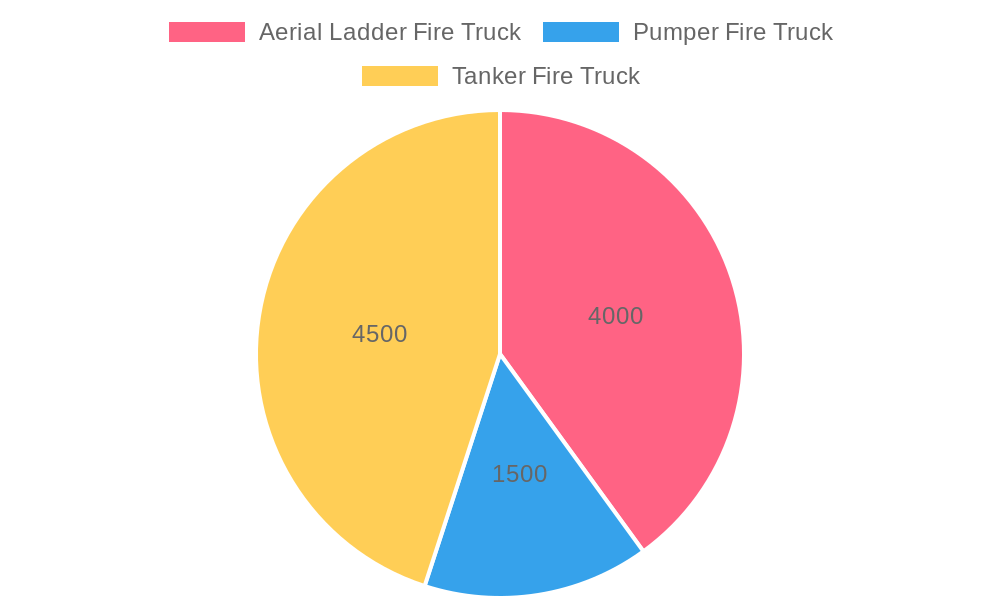
This chart shows the distribution of fire truck types by their typical capacity, highlighting the operational differences among them.
Understanding Fire Truck Engines and Their Mechanics
Fire trucks are marvels of engineering, designed to serve one of the most crucial functions in our communities: saving lives and property from the devastating effects of fire. But how do these specialized vehicles operate? Let’s delve into the mechanics, performance specifications, and unique features of fire truck engines.
Mechanics of Fire Truck Engines
At the core of a fire truck is its engine, often a powerful diesel variant, capable of delivering between 120 to over 600 horsepower. For instance, a Sinotruk HOWO 440HP fire truck harnesses the robust capabilities of a 6×4 drivetrain, which is suitable for various firefighting scenarios. These engines are built to perform:
- Consistent performance: High torque at low RPMs facilitates the heavy loads typical of fire apparatus.
- Tailored for flexibility: Engines are often paired with advanced gear systems, allowing them to adapt on different terrains and in emergency situations.
Performance Specifications
Depending on the make and model, fire truck engines can have impressive specifications:
| Engine Model | Horsepower | Water Tank Capacity | Pump Rate |
|---|---|---|---|
| Sinotruk HOWO | 440 HP | 10,518 ML | 2,500 L/min |
| Fire Fighting Truck 700P | 190 HP | 4,000 ML | 1,500 L/min |
| Npr 600p 4*2 | 120 HP | 1,000 ML | 500 L/min |
These specifications highlight the diversity in fire truck engine design, where pump rate is crucial for effective firefighting, ensuring a continuous flow of water.
Unique Features for Firefighting
Fire truck engines are equipped with features that enhance their ability to combat fires:
- Fire pumps: High-performance pumps are a hallmark of fire engines, capable of drawing water from hydrants or other sources at high pressures.
- Foam systems: Many fire trucks are equipped with systems that utilize foam agents to smother fires and prevent re-ignition.
- Advanced control systems: Modern fire trucks come equipped with intelligent systems that monitor pressure levels and flow rates in real-time, helping firefighters make informed decisions.
The design of fire truck engines not only focuses on power and efficiency but also emphasizes safety and reliability under extreme operational conditions.
For more insights on fire truck capabilities, you might want to check out fire trucks for sale or explore the latest in fire truck technologies.
Specialty Fire Trucks: Wildland and Rescue Vehicles
When we think of fire trucks, images of ladder trucks in urban settings may come to mind. However, the world of firefighting encompasses a range of specialized vehicles, particularly wildland fire trucks and rescue trucks, each designed with specific functionalities tailored to their operational environments.
Wildland Fire Trucks
Wildland fire trucks are built to tackle fires in remote and rugged terrains, often found in forests or grasslands. These vehicles boast powerful four-wheel or all-wheel drive systems (4×4 or 6×4) that allow them to navigate steep hills and uneven ground, making them essential for wildland firefighting. Key features include:
- High-Clearance Chassis: To avoid obstacles and navigate tough landscapes, wildland fire engines are designed with elevated frames.
- Water Capacity: Many of these trucks can carry up to 1,000 gallons of water and are equipped with pumps delivering between 500 to 1,000 gallons per minute (GPM).
- Lightweight Design: The focus on compactness allows for maneuverability in dense forests and brushy areas.
- Foam Systems: These trucks often include foam systems, essential for suppressing fires fueled by flammable liquids.
The combination of these features makes wildland fire trucks indispensable for firefighters combating blazes in areas where access is limited, often working on the frontline to prevent fire from encroaching on communities. For more insights about wildland fire apparatus, you can learn more here.
Rescue Fire Trucks
Rescue trucks fulfill a dual role in firefighting missions, focusing on both fire suppression and emergency rescue operations. These trucks are equipped with versatile tools and systems that aid in analyzing and responding to various emergencies, including structural fires and accidents. Typical characteristics include:
- High-Pressure Pumps: With capacities ranging from 1,000 to 2,000 GPM, these trucks can quickly provide water and foam in emergencies.
- Aerial Equipment: Many rescue trucks have integrating aerial ladders that can reach heights of up to 75 feet, enabling rescuers to reach trapped individuals in high places or extract them safely from dangerous situations.
- Modular Design: Rescue vehicles often feature customizable compartments for carrying emergency medical equipment, rescue tools, and firefighting accessories, adapting them to various scenarios.
The design and functionality of rescue fire trucks enable responders to carry out safe rescues in both urban and isolated disaster settings. The adaptability of these vehicles ensures that they remain prepared for any emergency climate they may face. To read more about rescue truck specifications, check out this resource.
Conclusion
Specialty fire trucks like wildland fire engines and rescue vehicles are crucial in the fight against fires in diverse environments. Understanding their specific designs and functionalities helps us appreciate the methods that firefighters employ to keep communities safe. Whether maneuvering through rugged terrain or ensuring safe rescues in urban settings, these specialized trucks represent the dual focus of modern firefighting-extinguishing fires and saving lives.
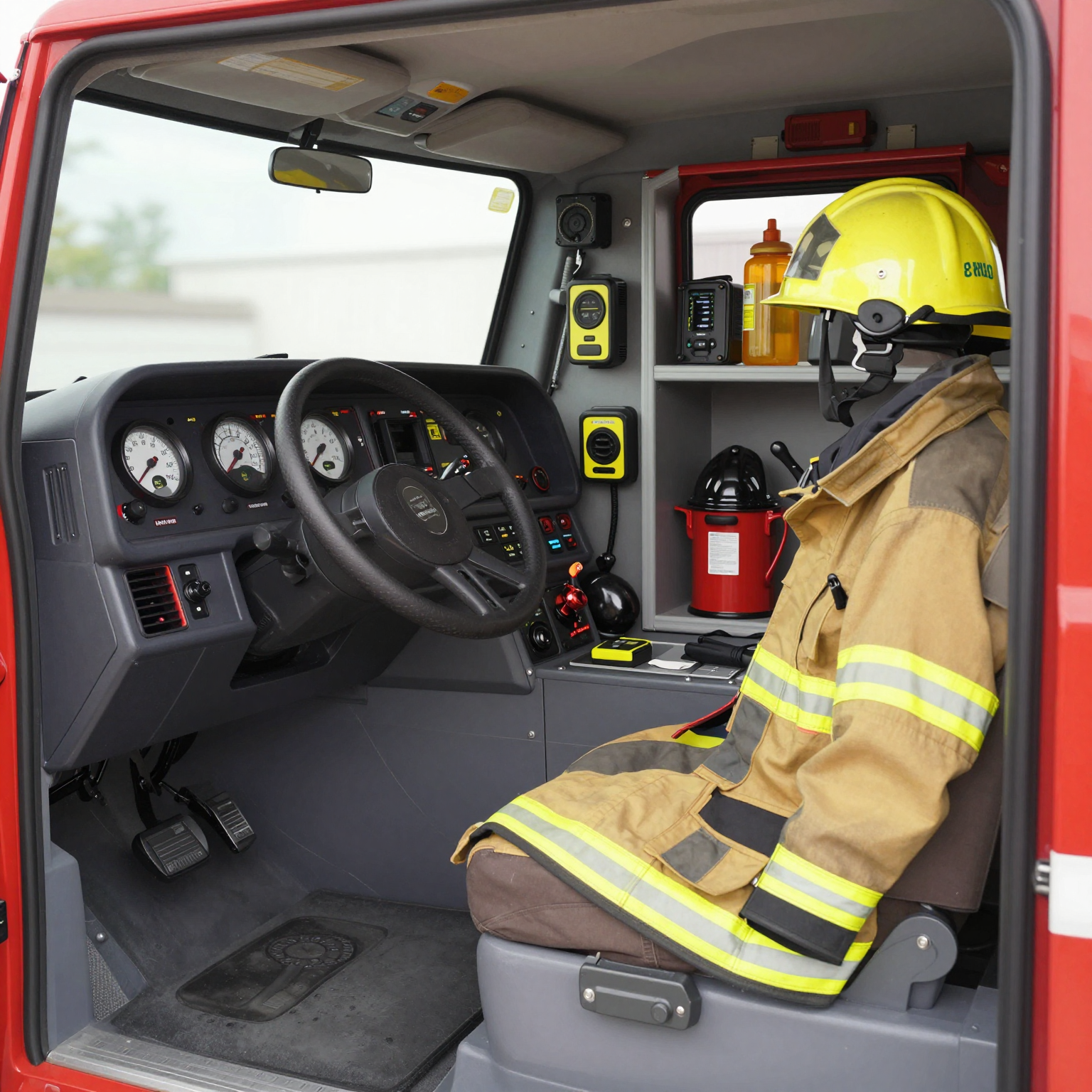
This image illustrates the interior cabin of a fire truck, focusing on key controls, equipment, and firefighter gear, providing an engaging look for enthusiasts and aspiring firefighters alike.
Fire Truck Response Times in Urban vs. Rural Settings
Understanding fire truck response times is crucial for evaluating operational efficiency in emergency services. Recent data indicates that fire truck response times significantly vary between urban and rural areas, affecting the overall effectiveness of emergency interventions.
Urban Response Times
According to a study published in 2023, the average fire truck response time in urban areas is approximately 15 minutes. This relatively quick response ensures that firefighters can reach the scene promptly, providing a critical advantage in urban emergency scenarios. This efficiency is often linked to better infrastructure, shorter distances to fire stations, and higher staffing levels.
Rural Response Times
In contrast, rural areas face unique challenges that contribute to longer response times, averaging around 22 minutes. These delays are primarily due to factors such as:
- Greater Distances: Rural fire stations can be significantly farther from emergency sites compared to urban settings.
- Infrastructure Limitations: Less developed road networks can impede travel times.
- Resource Availability: Limited personnel and apparatus can further delay response.
This 7-minute differential can have life-or-death implications, especially in situations where fires can spread quickly or when immediate medical assistance is needed. Studies, including those from PubMed, show that longer response times in rural areas correlate with a decrease in operational effectiveness, emphasizing the need for strategic improvements in fire service logistics and planning.
Visual Representation
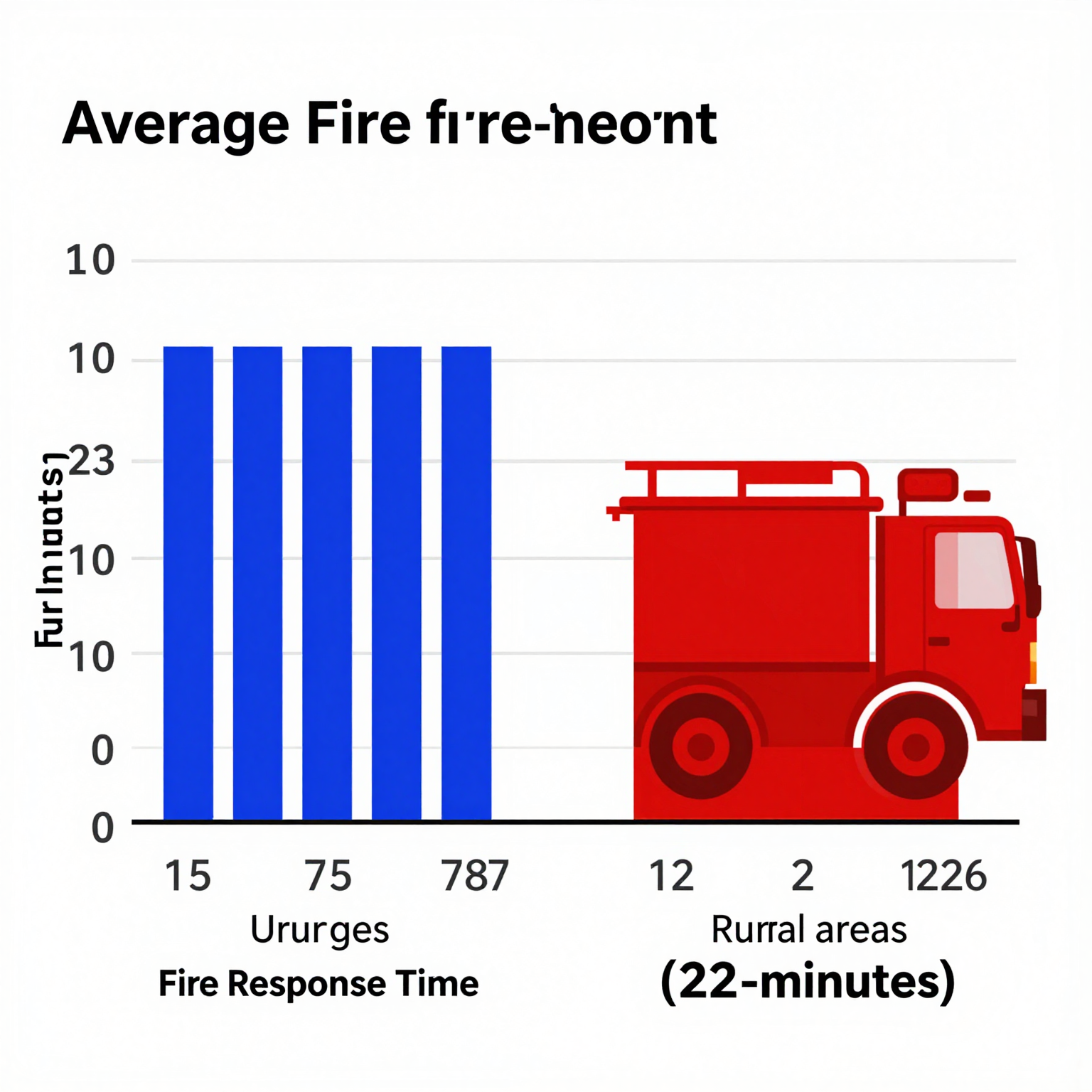
This chart illustrates the stark differences in average response times between urban and rural settings, clearly showing the need for enhanced response strategies in areas facing longer delays.
For more detailed insights into improving response times and infrastructure, check out our article on overcoming challenges in fire command systems.
Advancements in Fire Truck Technology Over the Decades
Fire truck technology has undergone significant transformations over the decades, enhancing the efficiency and safety of firefighting operations. Below is a chart that visualizes the key milestones that have contributed to the evolution of fire trucks:
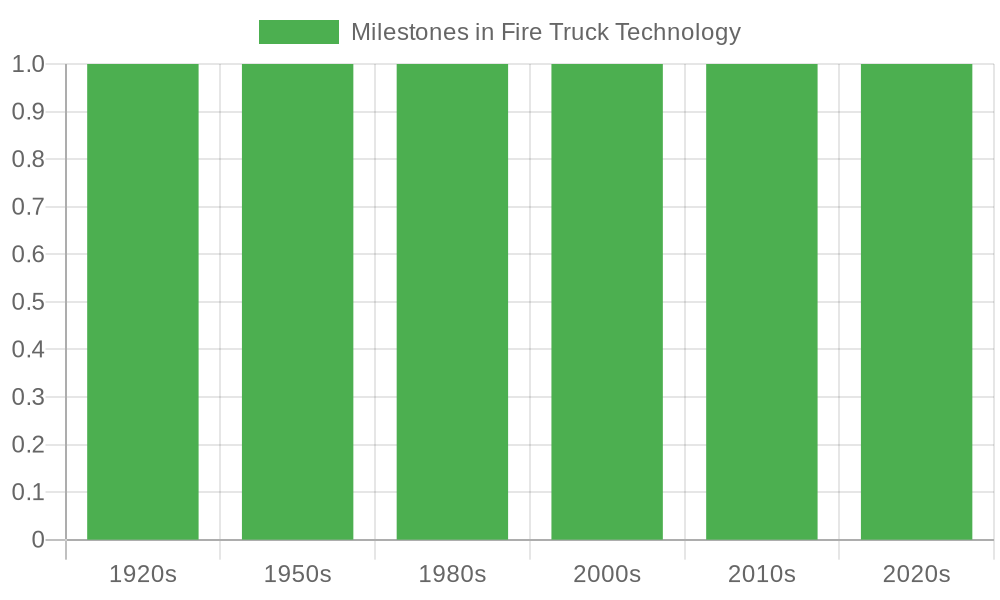
Milestones in Fire Truck Technology
| Decade | Milestone in Fire Truck Technology | Description |
|---|---|---|
| 1920s | Introduction of motorized fire trucks | Replaced horse-drawn apparatus, enabling faster response times and greater mobility. |
| 1950s | Integration of pumps and hoses | Standardized high-capacity water pumps and reinforced hose systems improved firefighting efficiency. |
| 1980s | Use of aerial ladders and hydraulic systems | Enabled firefighters to reach higher floors; hydraulic systems provided smoother, safer operation of ladders. |
| 2000s | Advanced communication technology | Introduced digital radios, GPS tracking, and real-time data sharing for coordinated emergency responses. |
| 2010s | Drones in firefighting | Used for reconnaissance, thermal imaging, and situational awareness during wildfires and structural fires. |
| 2020s | Smart fire trucks with AI and robotics | Incorporates AI-driven decision support, autonomous navigation features, robotic arms for hazardous material handling, and predictive maintenance systems. |
For more information about fire trucks, their technology, and the evolution of firefighting, check out our blog.
In conclusion, understanding how fire trucks work is essential not just for enthusiasts but for anyone passionate about firefighting and emergency services. Fire trucks are complex machines equipped with essential tools that support firefighters in their heroic endeavors. From the water pumps that supply critical fire-fighting efforts to the advanced communication systems that ensure coordinated responses during emergencies, each component plays a vital role in saving lives and protecting property.
Moreover, as technology evolves, so do fire trucks, becoming more efficient and versatile in tackling modern challenges. If you’re inspired by the commitment and bravery of firefighters and want to support their efforts, consider visiting our dedicated section where you can learn more about fire trucks for sale.
Additionally, if you’re also a motorcycle enthusiast, Summit Fairings offers premium, custom-fit motorcycle fairings that can enhance your ride. Explore their range and elevate your experience on the road!