
While fire trucks are iconic symbols of bravery and resilience, many enthusiasts wonder: are they truly fireproof? This intriguing question encompasses the materials used in their construction, limitations of their equipment, and real-world experiences that test their durability. In this exploration, we’ll dive into the fascinating world of fire truck engineering, detailing their resistance to extreme conditions and the innovations that continue to shape their capabilities. Join us as we uncover how fire trucks manage to combat fires rather than become victims of them, and what the future holds for these essential vehicles in firefighting efforts.
When Flame Meets Steel: How Fire Truck Materials Stand Up to Heat Without Claiming Fireproof Power
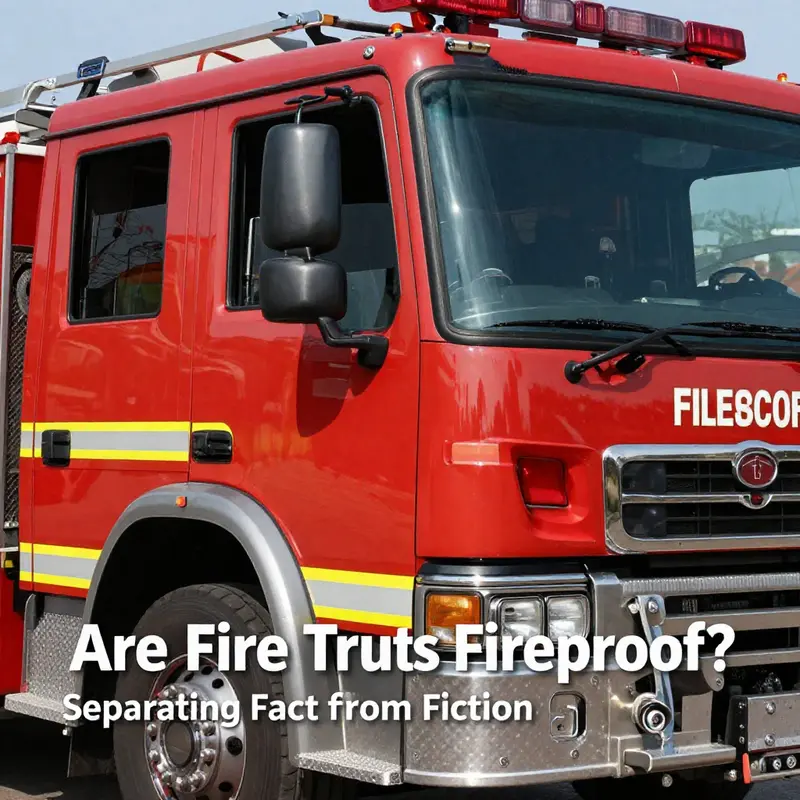
Fire trucks are often imagined as impervious blocks of steel that shrug off flames. In reality, they are built to endure heat long enough to save lives and bring fires under control, not to outlast a furnace. The line between heat resistance and fireproof is subtle, yet crucial. Materials engineers who design fire apparatus choose layers of protection that buy time, preserve essential systems, and protect the crew when every second counts. They do not promise invulnerability; they promise survivability for people, equipment, and mission-critical functions during an emergency.
At the core of that approach are the materials themselves. Heat-resistant coatings shield the outer shell from radiant and direct heat. These coatings can limit the rate at which surface temperatures rise, slowing the transfer of heat to sensitive components. Inside, intumescent coatings play a different role. When exposed to high heat, they swell, forming a thick, insulating barrier that acts like a cooling shield. This extra layer is especially valuable around panels that might otherwise warp or degrade quickly under flame contact. The goal is to keep the metal beneath from reaching temperatures that would bend, crack, or fatigue critical connections.
Another protective strategy centers on insulation that resists ignition. Fire-retardant insulation won’t burn readily, and it slows the spread of heat toward the cab and equipment bays. The insulation also reduces heat transfer to the crew, helping to maintain a safer environment inside the driver’s compartment and spare equipment bays from temperatures that could compromise seals, dashboards, or hydraulic lines. This is not merely about comfort; it is about maintaining control of the vehicle and ensuring that key controls remain responsive when firefighters need them most. The layering approach—coatings, barrier membranes, and robust insulation—creates an integrated system that resists heat rather than simply reflecting it away.
Materials chosen for the structure itself hinge on the demands of heat, vibration, and weight. High-temperature-resistant metals such as stainless steel and specialized aluminum alloys are common in critical load paths. Stainless steel offers durability under thermal stress and corrosion resistance, while aluminum alloys help manage weight without sacrificing rigidity. Neither metal makes a firetruck invulnerable; under sustained, intense flame exposure, even the tough metals can suffer warping, fatigue, or cracking if protective layers fail. The aim is to maintain structural integrity long enough for the crew to escape danger and for fire suppression operations to continue. In practice, engineers also consider how heat travels through joints, fasteners, and transition zones, recognizing that little gaps can become channels for heat transfer if not properly sealed.
Design details reinforce that logic across the cab and the engine compartments. The cab may incorporate fire-resistant composites and intumescent barriers at points where wiring and seals would otherwise be most vulnerable. Intumescent coatings extend beyond the exterior; they are integrated into certain panels to cushion heat intrusion into the cabin. Critical systems—pumps, hydraulic circuits, and electronic controls—are positioned with heat shielding and redundancy. They are designed to function under elevated temperatures for a defined window, a practical allowance that keeps water on the fire and electricity available for rescue. The goal is not to render the apparatus fireproof but to preserve essential functions long enough for responders to complete a life-saving operation and return to safety. Even with these protections, operators must respect the limits of heat exposure and practice rigorous, proactive maintenance to detect any weakening in those protective layers before a real incident occurs.
Yet there are clear limits. Prolonged exposure to direct flames or peak temperatures well beyond a thousand degrees Celsius can overwhelm even well-protected components. Heat penetrates through insulation layers, joints, and seals; wiring can deteriorate, hoses can soften, and critical pumps can lose efficiency. Structural members may warp or lose their alignment, compromising steering, braking, or ladder stability. In short, the more the fire endures and the hotter the flames burn, the greater the risk that the vehicle will suffer damage or partial failure. This reality underlines a simple truth: heat resistance buys time, but it does not offer a blank check against destruction. That limitation is an essential part of any planning and response strategy. It also highlights why ongoing inspection, testing, and adaptation remain central to how departments prepare for the unpredictable course of a real fire.
From a mission perspective, the reality shapes how departments choose equipment, train crews, and stage preventive maintenance. Fire apparatus are designed to maximize survivability of crew and core systems during the heat of a scene, and they are tested against rigorous standards that aim to quantify that resilience. Even with the most advanced materials and designs, the apparatus is a tool meant to support people, not a fortress immune to fire. The name fireproof would misrepresent what is achieved through careful engineering, redundancy, and protective barriers. When people ask whether fire trucks are fireproof, the answer is balanced: they are highly heat-tolerant, progressively more resilient under intense conditions, but not fireproof. This distinction matters not only for engineers and manufacturers but for firefighters who depend on these machines to remain responsive when the stakes are highest.
Those interested in the practical side of materials and construction can explore how steel and other metals contribute to durability in a dedicated discussion of steel fire apparatus. For a closer look, see steel fire apparatus.
Standards bodies and professional organizations provide authoritative guidance on material grades, heat tests, and allowable tolerances. The NFPA maintains codes and committee guidance that influence how manufacturers select materials, specify coatings, and test performance under heat stress. These standards help ensure that when a fire truck enters a burning building or a wildfire plume, the crew can rely on a vehicle whose critical systems remain functional for longer and whose structural integrity remains intact long enough to save lives. In practice, adherence to these standards translates into equipment that has been verified under controlled conditions to behave predictably when exposed to heat, while still accepting the fundamental reality that heat resistance is a protective feature rather than a guarantee of absolute endurance.
For those seeking official guidance and more technical detail, the NFPA Fire Apparatus page offers a comprehensive overview of how materials, construction, and testing requirements shape modern apparatus design. This external resource provides context for the standards that govern the kinds of heat protection discussed here and helps explain why even the most advanced fire trucks remain resilient rather than fireproof.
External resource: https://www.nfpa.org/Code-Development/Committees/Committee-List/Fire-Apparatus
Fire Trucks and Heat: What They Can and Can’t Withstand
Fire trucks are not fireproof. They are engineered to survive in hot, dangerous environments long enough to do their job: to bring water to the fire, protect firefighters, and save lives. The question isn’t whether a truck can endure an inferno without any compromise, but how long it can maintain critical functions and return to service after exposure. This distinction matters because it frames safety as resilience and reliability, not invulnerability.
From the outside, a fire apparatus wears protective armor: steel, aluminum, heat-resistant composites, and well-sealed enclosures. The goal is to resist distortion, keep doors operable, and prevent leakage of essential fluids. Yet materials have limits. At extreme temperatures or prolonged exposure, panels may warp, gaskets may fail, and electrical insulation can degrade. The chassis and frame are sturdy, but they are subjected to the same stresses as any vehicle that fights fire. A sustained blaze can force fasteners to loosen and components to drift from their design tolerances, potentially impacting safety and performance.
Inside the cab and equipment bays, the story continues. Hoses, pumps, valves, and water tanks are designed for high demand and rough handling, but heat, vibration, and mechanical wear can shorten their life. Wiring harnesses, sensors, and battery systems are also vulnerable. In practice, the apparatus is a complex, redundant system: multiple layers of protection and backup paths intended to ensure that, even if one part falters, overall operation remains possible. The firefighting team remains the decisive factor—training, judgment, and coordination—while the truck supplies power, water, and reach.
Standards and maintenance play a central role. Organizations such as the NFPA publish guidelines that describe required performance, recommended inspection intervals, and safe operating practices. The aim is to maximize reliability without promising an illusion of invulnerability. Regular inspection, preventive maintenance, and timely component replacement help ensure that when a tone alarm or a radio call goes out, the vehicle is ready to perform its critical functions. Readers curious about the technical boundaries can explore examples of how raw materials, engineering tolerances, and testing regimes shape real-world outcomes. Ultimately, fire trucks are tools that extend human capability; they reduce risk, but they do not eliminate it. A well-prepared department manages that risk through a combination of design, discipline, and ongoing learning.
Beyond Fireproof: How Modern Fire Apparatus Balance Fire Resistance with Operational Realism
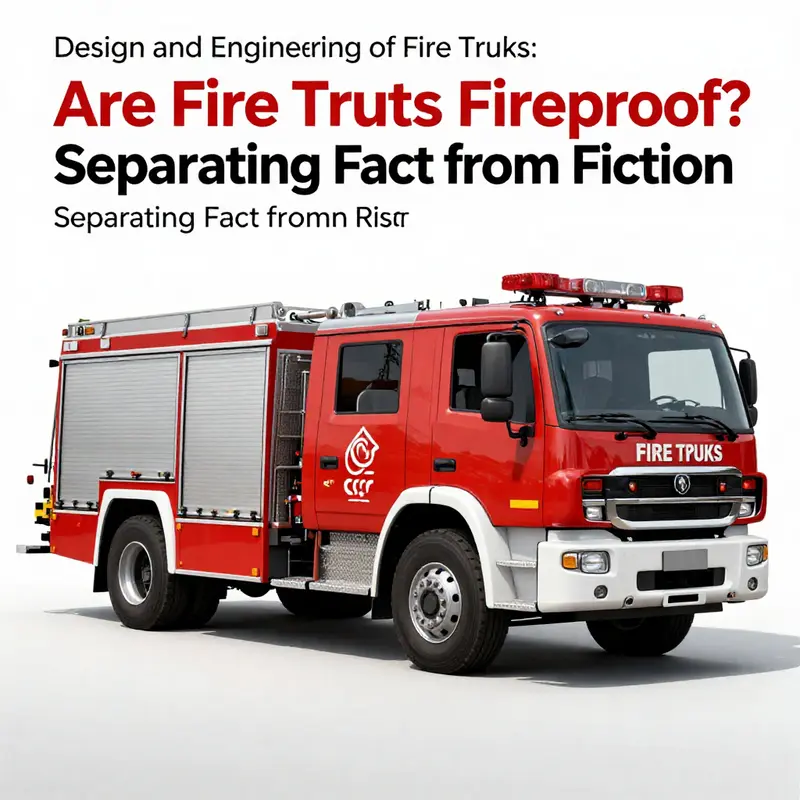
When people ask whether fire trucks are fireproof, the immediate image is of a vehicle that can weather a blaze without a scratch. In reality, the design philosophy is more nuanced. Fire apparatus are built to survive long enough in extreme heat to protect the crew, sustain essential functions, and allow firefighters to operate effectively. They are not invincible. The goal is to delay heat transfer, preserve critical systems, and keep the operator from being overwhelmed by flame and smoke. This distinction matters because it frames how these machines are used in the field, how they are built, and how maintenance teams think about performance under stress. The result is a machine that is exceptionally tough, with a clear boundary around fire endurance rather than fire immunity. The conversation about fire resistance on modern apparatus is really a conversation about resilience: how to survive the harsh conditions of a fire scene while maintaining control of a dangerous situation long enough to save lives and protect property.
A core principle in fire apparatus design is the protection of the crew. The cab, where the driver and crew spend long hours, is treated as a critical sanctuary. Materials chosen for the cab are selected for strength, durability, and heat resistance, but more importantly for their ability to insulate occupants from heat transfer. Exterior panels often incorporate high-temperature resistant coatings and metal alloys, with attention paid to how heat migrates through the skin of the vehicle. Stainless steel and certain aluminum alloys appear in key areas because they offer a favorable balance of strength and heat tolerance. Yet even these materials have limits; prolonged flame contact or extreme heat can compromise structural integrity, distort panels, or weaken mounting points. The design philosophy is to delay thermal penetration long enough for firefighters to complete urgent tasks and retreat if needed, not to guarantee perpetual survival in a full blaze.
Protection extends beyond the cab. The engine compartment, which houses the powerplant and essential pumps, is routinely isolated from the crew compartment by fire barriers and insulation. This separation reduces the likelihood that a spreading fire will disable the heartbeat of the apparatus at a critical moment. In higher-end configurations, this zone may be equipped with automatic fire suppression systems that automatically damp small engine bay fires before they have a chance to escalate. The logic is simple: if an engine can be kept running under heat duress, pumps stay primed, water can still be moved to the scene, and the apparatus remains a reliable tool in a chaotic firefront. All of this hinges on meticulous layout and protective barriers that make it possible for the machine to endure heat without becoming a hazard to its occupants.
Another central feature is the practical design of infrastructure that makes the truck useful during the firefighting operation. Fire hoses, pumps, and water tanks are the lifeblood of the mission, and their reliability under stress is nonnegotiable. Hoses are stored in compartments that are protected from direct flame exposure as much as feasible, with materials chosen for heat resistance and endurance under repeated use. The pump and water system, though engineered to perform under demanding conditions, are not built to be flameproof. Heat can degrade seals, warp fittings, and test the durability of couplings. This is why preventive maintenance and post-incident inspections are so important. A truck might emerge from a fire with some cosmetic damage, but the real concern is whether the pump remains airtight, whether the electrical panels function, and whether the braking and steering systems still meet safety standards. The emphasis is on operational continuity, not on a perfect, unblemished exterior after hours of flame exposure.
The electronics and instrumentation that guide a crew through the chaos of a fire are another area where fire resistance is critical yet not absolute. Modern apparatus carry sophisticated control panels, communication gear, and diagnostic sensors. These systems are designed to withstand heat and vibration, with protective housings and heat shields that shield sensitive electronics. Still, extreme conditions can overwhelm even robust enclosures. In practice, this means crews must adapt to the possibility that certain displays can momentarily misbehave, that warning lamps may flicker, and that soft failures can occur under duress. The design response is twofold: first, to minimize the likelihood of electronic failure through redundancy and shielding, and second, to train crews to operate effectively even when some indicators are unreliable. The aim is resilience, not invulnerability, and resilience becomes a repeated refrain in every facet of the vehicle’s build and use.
For readers who crave the material science behind these choices, attention to alloys and coatings matters. Exterior skins often employ high-temperature resistant coatings or alloys that delay heat transfer to the interior. These coatings are not beige versions of heat-proof paint; they are engineered barriers that slow heat conduction and reduce the rate at which structural temperatures rise. When heat does penetrate, the effects can be visible as warping or discoloration, but the deeper concern is the preservation of load paths and connection points that keep the vehicle’s frame intact long enough for tasks to be completed. Materials science informs where to place insulation, how thick to make a barrier, and where to incorporate reflective surfaces that deflect radiant heat. The goal is to keep critical corridors—between the crew compartment and the engine bay, for instance—cool enough to prevent a cascade of failures. If a truck is ever asked to endure a fully involved structure fire, the governing principle remains: protect life, protect critical systems, and preserve the ability to continue operations rather than endure the flame indefinitely.
The practical outcome of these design choices shows up in the field as a combination of tactical flexibility and durability. The apparatus is built to withstand a long exposure to heat and smoke while maintaining maneuverability and control. A truck must still accelerate, steer, and brake effectively, even as heat enshrouds its exterior. Its pumps must deliver water at the right pressure, its tanks must remain within operational limits, and its crew must be able to navigate through smoke and debris. To achieve this, engineers often calibrate the balance between heavy, heat-tolerant structures and lighter, corrosion-resistant elements. The engineering compromise is deliberate: a heavier vehicle would be less nimble and more energy-intensive to operate, yet a lighter build would be less able to absorb heat without deformation or failure. The compromise, in essence, is a trade-off between resilience and agility that serves the mission of firefighting rather than a fantasy of a fortress-on-wheels.
Standards and guidelines provide the blueprint for these decisions. The National Fire Protection Association lays out extensive expectations for construction, testing, and maintenance that shape every major purchase and retrofit. These standards cover materials, fire barriers, insulation performance, and system redundancies, among others. They act as a framework that ensures even as designs evolve, safety and reliability remain central priorities. They are not a guarantee of invulnerability, but a disciplined attempt to standardize what resilience means in a machine that must perform when conditions are at their worst. The reference point is not perfection, but predictable performance under the duress of real-world fires. For anyone who wants to explore the specific material science and testing protocols in more depth, a deeper dive into the applicable standards provides a rigorous map of what “fire resistance” translates to in practical terms. If you want a concise look at the material choices behind steel and alloy housings and how they contribute to overall apparatus resilience, explore this perspective on steel fire apparatus.
If readers are curious to see how manufacturers interpret these principles in real-world configurations, a useful entry point is a resource that highlights the materials and structural choices behind modern steel and alloy sections of fire apparatus. The discussion there gives a tangible sense of how weight distribution, barrier placement, and corrosion resistance interact with the heat the truck encounters on the line. It is one thing to describe the theory; it is another to observe how a vehicle’s bones and skin are arranged to support a dangerous, time-critical job. The story of fire apparatus resilience is thus not a single feature but a network of decisions—about what to shield, where to shield it, and how to keep a fire crew protected while maintaining the equipment that makes a firefighting response possible. In practice, every mile of hose pulled, every minute of pump operation, and every diagnostic readout during a call tests this balance between fire resistance and operational realism.
For readers seeking deeper context or practical examples of these material and design philosophies in action, a deeper exploration of the steel-based configurations in apparatus design can offer meaningful insights. See Steel Fire Apparatus for a focused look at how steel construction informs durability, heat tolerance, and resilience under fire conditions. This chapter ties back to the overarching topic by illustrating that resilience, not invulnerability, defines modern fire trucks. The emphasis remains on safeguarding lives and enabling firefighters to perform critical tasks with confidence, even when flames surround the vehicle. Ultimately, the question isn’t whether a fire truck can endure every flame, but whether it can endure long enough to keep its crew safe and to complete the mission with the gear and guidance it carries.
External resource: https://www.nfpa.org/
Not Fireproof, Yet Fearless: Real-World Limits and Protections of Fire Trucks Under Extreme Heat
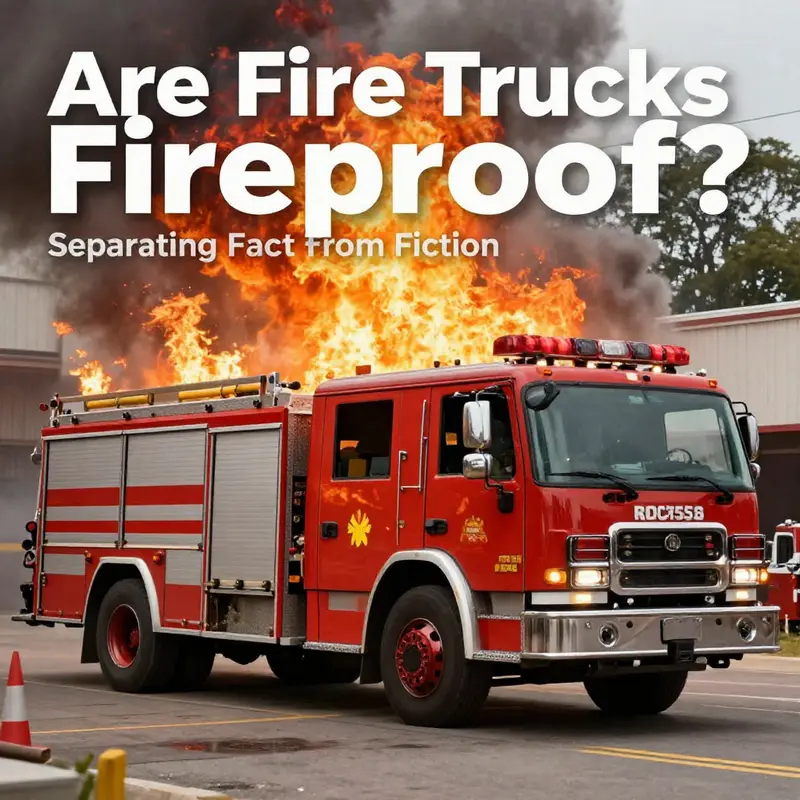
Fire trucks earned their name for function, not immunity. The word fireproof promises a level of invulnerability that no vehicle can deliver. Fire apparatus are built to resist and endure, but their purpose is to confront flames, not to survive them unscathed. When crews arrive at a blaze, time is measured not only in minutes saved but in how quickly they can reposition, deploy equipment, and extract the vulnerable from danger. The equipment must endure heat long enough to accomplish this, yet the metal, hoses, wiring, and seals are all exposed to temperatures and radiant heat that can overwhelm even the best protective design.
Real-world scenarios place these machines in environments where the heat is not a theoretical threat but an immediate, tangible pressure. During wildfires or structural blazes, radiant heat from flames can raise surrounding temperatures dramatically. A cab, engine compartment, or water pump may see sustained heat that softens plastic housings, degrades rubber seals, and strains electrical systems. Direct flame contact can ignite hoses or compromise hydraulic lines. Firefighters work to shield the truck by positioning the vehicle off the main line of fire, using burnover protection during access, and cooling exposed surfaces with water or foam. Yet, these strategies only delay damage and buy time; if flames engulf a structure for extended periods, the vehicle’s critical components can fail, delaying suppression and endangering the crew.
Design features reflect a careful balance between resilience and practicality. Modern apparatus are built with fire-resistant materials. Cab interiors use heat-resistant composites, engine enclosures rely on metals and insulating panels, and hoses are reinforced for higher temperature exposure. Protective coatings reflect radiant heat and minimize absorption; heat shields give firefighters a temporary buffer against embers and direct flame impingement. All of these elements are designed to extend the window in which a truck can operate near the fire line. But they are not invulnerable. Continuous exposure to very high flames can warp panels, melt wiring insulation, and compromise the integrity of water pumps and electrical systems. The design intent is to push back the boundary of heat long enough to create a safer, more effective defense, not to eliminate risk entirely.
Guidelines from major safety organizations emphasize regular maintenance and inspections. NFPA standards call for routine checks of the chassis, pumps, electrical circuits, and protective systems to ensure capability under extreme conditions. Departments follow scheduled service cycles for batteries, alternators, sensors, and hydraulic components, and they document wear that might not be visible in a casual glance. Repeated exposure to heat gradually degrades materials. Elastomer seals dry out, metal fatigue accumulates, coatings erode, and thermal barriers become less effective. The result is not a fragile machine, but a progressively less reliable one if upkeep lapses. This is why the fire service treats the apparatus as a system that must be monitored and refreshed, not as a single shield against flames. The broader takeaway is that reliability arises from ongoing stewardship: meticulous maintenance, thorough inspections, and timely replacements all contribute to keeping a truck capable when the next alarm sounds.
Beyond coatings and shields, the relationship between a truck and fire is a tactical one. Crews use the vehicle as a tool, moving it into positions that minimize exposure while preserving the ability to operate. They keep water, foam, and electrical supplies ready, and they practice rapid extraction when conditions threaten the cab or critical equipment. In training simulations and field experiences, the consensus is clear: heat tolerance has limits, but careful deployment and quick decision-making can keep the truck functional long enough to save lives and property. The trucks’ survival depends as much on crew judgment as on any heat-resistant layer. When flames crackle and embers drift, a well-maintained, properly deployed apparatus remains a lifeline rather than a last resort.
For readers curious about the material science behind fire apparatus, some sources delve into how steel and other metals behave under heat and how different protective strategies perform in real world conditions, such as steel fire apparatus.
Thus, fire trucks are not fireproof, even if they are built to survive long enough to accomplish their mission. Their strength lies in the combination of heat-resistant design, protective technologies, disciplined maintenance, and tactical operation. The ongoing challenge for fire departments is sustaining reliability under tough conditions, which often tests every system from hydraulics to electronics. Understanding these limitations helps communities appreciate the investment in training, regular inspection, and the careful choreography of firefighting operations that keeps crews safe while they work to extinguish danger. For more on the broader context of safety standards and field performance, refer to official guidelines from national safety organizations, and consider how these principles apply as fire services adapt to new challenges and evolving environments. External resource: https://www.nfpa.org
Not Fireproof, but Fortified: The Real-World Resilience of Modern Fire Trucks
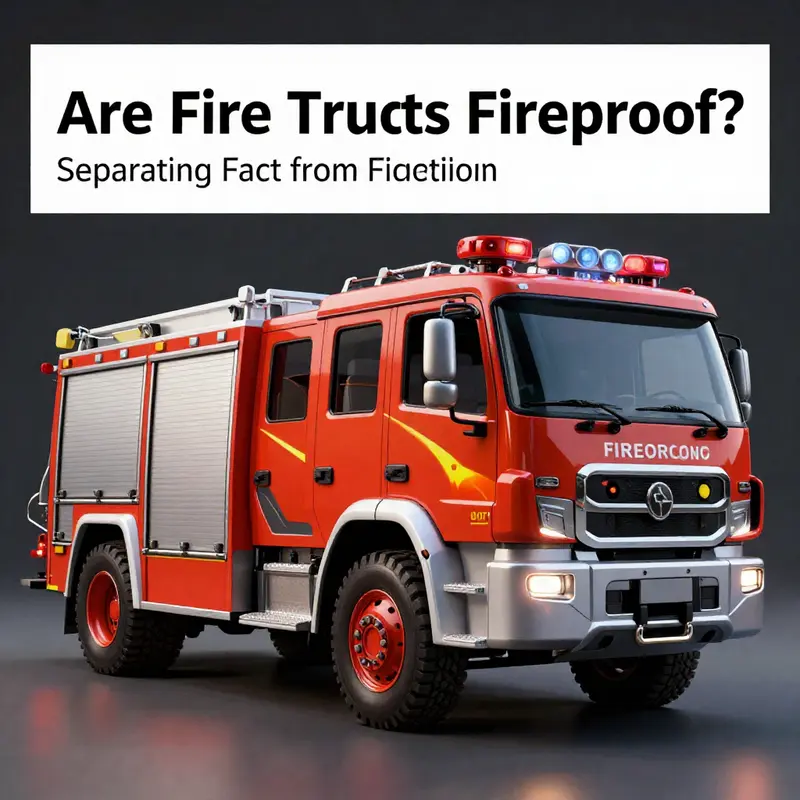
When people ask whether fire trucks are fireproof, the answer is almost always nuanced. They are not, in the literal sense, invulnerable to flames. Yet modern fire apparatus are engineered to endure extreme heat, withstand demanding conditions, and protect their crews long enough to save lives and structure. The distinction matters: fire trucks are designed to survive long enough to do their job, not to ride out a blaze unscathed. This distinction sits at the heart of every design choice, from the materials that line the cab to the way electrical and hydraulic systems are shielded from heat and blast. It also anchors the conversation about future innovations, because every improvement in survivability translates into shorter response times, safer operations, and more reliable performance when the fire ground is at its most unforgiving.
The exterior of a modern fire truck is a carefully calibrated blend of heat resistance and mechanical resilience. The cab, for instance, is constructed with high-performance alloys and composite materials that offer a high temperature tolerance while keeping weight manageable for maneuverability and fuel efficiency. These choices matter on the fire ground, where a vehicle may stand near a structure undergoing flashover or be exposed to radiant heat for extended minutes. Inside the cab, the goal is different but equally critical: to preserve visibility, to maintain the integrity of the controls, and to safeguard the crew as they plan and execute a complex, dynamic operation. Intense heat can compromise dashboards, wiring, and communication systems if not properly managed, so manufacturers increasingly rely on heat-absorbing barriers, reinforced floor plates, and fire-resistant insulation that keeps key systems functioning long enough for firefighters to complete essential tasks.
The protective envelope extends to the engine compartment and the water-forward components that define a fire truck’s core mission. Exterior panels, typically formed from stainless steel alloys and reinforced composites, form a shield that slows heat transfer to the vehicle’s innards. However, even with these protections, prolonged exposure to flames can and does inflict damage. Water tanks, pumps, and hoses are built to endure frequent rough handling and exposure to water and chemical agents, but they are not designed to be flameproof. The reality is twofold: the vehicle’s primary function is to deliver water and equipment where needed, and its ongoing reliability in hostile environments hinges on the deliberate, conservative approach engineers take toward heat management and system redundancy. In practice, this means multiple layers of protection, from thermal barriers to redundant electrical circuits, ensuring that a hot, noisy fire ground does not derail critical operations.
A particularly telling frontier in fire truck resilience is the electrification and hybridization of powertrains. The emergence of electric fire trucks signals a shift toward quieter urban response, reduced emissions, and improved maneuverability in tight city quarters. Battery-powered drives and auxiliary electric motors decrease the load on traditional internal combustion engines, which could be more vulnerable to heat and damage when a vehicle operates close to a blaze or in congested environments. Yet this shift introduces new heat-management challenges. Battery packs can experience thermal runaway if not properly cooled, so manufacturers are designing advanced cooling systems, robust enclosure protections, and rapid fire-suppression mechanisms tailored to energy storage systems. The objective is not to make the vehicle fireproof but to reduce the risk of failure under extreme conditions and to preserve essential functions even when a battery system is stressed.
Beyond the engines and batteries, a growing body of work centers on information and navigation—how to see through smoke, anticipate fire behavior, and execute plans with confidence. Smart technologies are becoming standard features on contemporary rigs. Real-time data from onboard sensors, integrated thermal imaging, and a networked array of drones and city-wide IoT devices create a more complete picture of the fire scene. AI-driven situational awareness helps incident commanders predict fire spread, identify potential structural weaknesses, and optimize route choices to minimize exposure for crews and civilians. These capabilities also reduce the time crews spend exposed to high temperatures by enhancing decision-making and enabling more precise, aggressive actions when every second matters. The aim is to improve survivability of the crew and continuity of operations—the ability to push through the incident, not to dodge heat entirely.
All these advances come with a cautionary reminder: the fire truck itself is not a fire shield. Its primary role remains to bring water, personnel, and equipment to bear quickly and efficiently on the fire. Firefighters live and work in close contact with extreme hazards, and the vehicle is a critical shelter only insofar as it can maintain functional integrity long enough to fulfill its mission. The materials story—metallic alloys, high-temperature composites, intumescent coatings, and advanced insulation—reflects this philosophy. Intumescent coatings are particularly notable because they respond to heat by swelling into a protective, insulating layer that helps keep interior temperatures down and critical systems online during the earliest and most dangerous phases of an incident. The research and development around these coatings illustrates a broader trend: craftsmanship in fire response is increasingly about controlling heat flux, not pretending it doesn’t exist.
If one looks under the surface, the decisions about materials and structure reveal a story about risk management and mission assurance. A closer look at the materials and design choices that shape a fire apparatus can be found on the steel-fire-apparatus page. That resource, though not a blueprint, helps explain how engineers balance strength, weight, and heat resistance. The material strategy is not merely about withstanding heat; it is about maintaining control. A vehicle that remains operable after a near-ignite event can be repositioned, recharged or refilled, and redeployed into the scene, saving crucial minutes that could determine whether a fire is contained before it claims more lives and property. To the communities that rely on these machines, that distinction matters more than a vague claim of invulnerability.
The reality of fire truck resilience also ties directly to safety standards and ongoing maintenance. Fire protection agencies and manufacturers continuously update guidelines to reflect new materials, better protective layers, and refined fabrication techniques. The NFPA and similar bodies emphasize survivability and reliability, not an unrealistic immunity to heat. The changes in standards reinforce a disciplined approach to maintenance, inspection, and operational readiness. They remind operators that resilience is earned through layered protection, routine testing, and a culture that prioritizes crew safety without compromising response effectiveness. As new technologies emerge, they are evaluated through the lens of whether they preserve crew safety, sustain critical functions, and shorten the time between incident ignition and suppression—and not simply whether they make the truck impervious to flame.
In practice, the result is a vehicle that can endure the heat long enough to perform essential tasks—extend pump operations, deploy hoses, and coordinate crews—while preserving the integrity of vital systems. The emphasis on survivability translates into tangible benefits on the street. A truck that can withstand heat for a longer period can facilitate longer attack lines, more effective water application, and better coordination with aerial or ground support. It can also serve as a mobile command post for longer durations, maintaining communications and data streams in the face of intense thermal stress. The integration of thermal protection, energy storage safety, and smart sensing provides a multidimensional defense that helps ensure the apparatus remains a platform for saving lives rather than a casualty of the very fires it fights.
As the landscape of firefighting evolves—with urban densification, climate-driven extremes, and more complex rescue scenarios—the goal remains clear: improve survivability and operational continuity without promising an impossible standard of fireproofing. Fire trucks will continue to be refined so that crews can work in, around, and through fires with greater confidence. The story is less about an absolute shield against flame and more about a layered, intelligent defense that keeps the machine functioning when the heat is at its fiercest. In that sense, fortification, not immunity, defines the path forward. The chapter of how resilient these machines are is ongoing, shaped by materials science, electrical safety innovations, and the expanding role of digital tools on the fireground.
For readers seeking a broader view of standards, materials, and evolving best practices, the NFPA remains a central resource, offering official guidance and ongoing updates to safety benchmarks and engineering requirements. Keeping pace with these developments helps ensure that every fire department can rely on apparatus that perform reliably in the toughest circumstances while prioritizing crew safety and mission success. In the end, the conversation about fire trucks and fireproofing circles back to one pragmatic truth: these vehicles are built to endure, not to endure forever. Their real power lies in how well they protect the people who use them and how effectively they enable firefighters to control a blaze while maintaining the integrity of the systems that support life on the fireground.
External resource: for standards and safety benchmarks, visit the NFPA site at https://www.nfpa.org.
Final thoughts
In conclusion, understanding the question of fire truck fireproofing reveals the remarkable balance between their design to withstand intense conditions and the reality that they are not invincible. Each chapter of our exploration has shown that while fire trucks are built with cutting-edge materials and are engineered for high heat resistance, they remain vulnerable to extreme fire conditions. This knowledge is essential for fire truck enthusiasts, aspiring firefighters, and emergency service professionals alike as it emphasizes the importance of continual innovation and training. As we look to the future, advancements in materials and design promise to enhance the capabilities of these invaluable vehicles, ensuring they remain at the frontline in the battle against fires.