
Fire trucks have evolved dramatically over the years, incorporating advanced technologies to enhance safety and operational efficiency. Among these innovations, integrated camera systems stand out as vital tools used by firefighting teams. These cameras not only assist in navigation but also offer thermal imaging capabilities, interior monitoring, and incident documentation, revolutionizing the way emergency responders operate. As we explore the multifaceted role of cameras in modern fire trucks, each chapter will shed light on their unique contributions to safety, efficiency, and operational preparedness, making a compelling case for their integral presence in today’s firefighting efforts.
Seeing Through Smoke and Space: How Rear and Side View Cameras Steer Fire Trucks Toward Safer Rescues
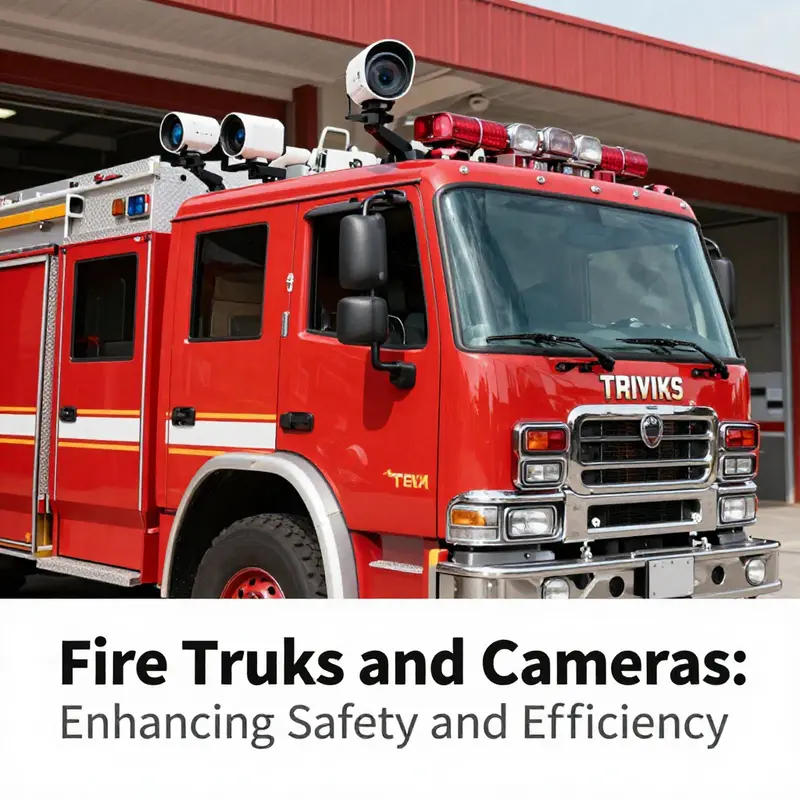
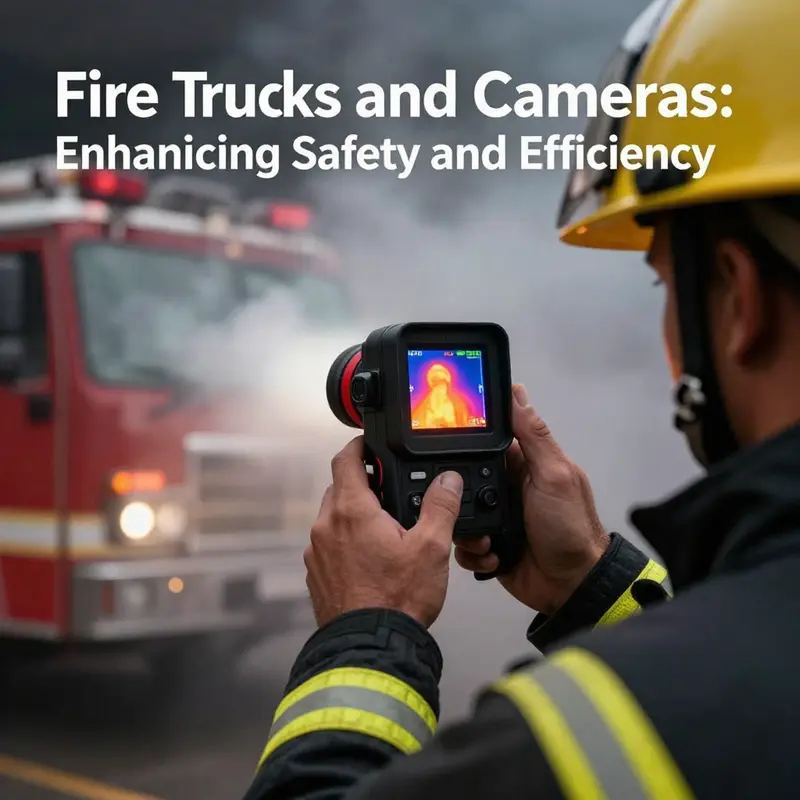
When a fire crew answers a call, the scene is rarely straightforward. Narrow streets, parked vehicles, unstable terrain, and the risk of sudden movements demand precise handling. In this environment, cameras mounted on the vehicle are more than accessories; they are essential tools that extend the operator’s senses. Do fire trucks have cameras? The answer is yes, and the way these cameras are used has reshaped the choreography of emergency response. What began as an aid to convenience has evolved into a core safety mechanism that influences every phase of a mission, from initial approach to final positioning and wrap-up. Rear and side view monitoring is a visible manifestation of this shift. High‑resolution cameras sit at the back and along the sides of the apparatus, stitched into a cockpit of displays that keep the driver and crew aware of what lies beyond glare and the vehicle’s bulk. In the heat of a run, when visibility can vanish behind smoke, glass, and glare, these feeds transform blind spots into real-time awareness. The simple act of backing into a fire lane or aligning a large ladder with a rooftop entrance becomes less guesswork and more guided precision. The cameras project a continuous stream of picture that the operator can interpret at a glance, reducing the need for dangerous adjustments born of uncertainty. It is a quiet revolution in how crews navigate. The benefits are most evident in tight urban corridors and in high-stakes operations where every inch of space counts. When the apparatus must maneuver around obstacles or park in front of a building with limited clearance, the rear and side views provide a 360-degree dialogue between the truck and its surroundings. This constant feed helps prevent contact with hydrants, parked cars, or overhead wires that could endanger the crew. In many departments, the display setup is intuitive, with camera feeds arranged in a simple grid so that learners and veterans alike can orient themselves quickly under pressure. The practicality of these systems doesn’t rest solely on the driver’s skill; it also hinges on the synergy between human judgment and machine feedback. For example, a fire crew might use the rear view to confirm the truck is square in a narrow lane before deploying stabilizers or extending an aerial ladder. Side cameras can aid in positioning as firefighters rush to access a doorway or entry point, ensuring that the vehicle’s width is accounted for in crowded spaces. Beyond the operational edge, the rear and side view cameras contribute to a culture of safety that extends to the entire crew. With a clear line of sight to the vehicle’s immediate environment, supervisors can spot unsafe actions while they’re unfolding and intervene before a misstep becomes an accident. This visibility also supports better coordination with bystanders and incident command, particularly when multiple units converge on a single site. Of course, technology in the cab is only as good as its integration with the rest of the fire apparatus. Cameras must be rugged enough to withstand heat, dust, and vibration; they must perform reliably in rain, smoke, and the glare of emergency lighting; and they must feed data to displays that are easy to read in moving light conditions. The systems are designed with redundancy in mind, so a single camera failure does not leave a critical safety gap. The experience of operating under such conditions is informed by a broader trend toward multi-modal vision in emergency response. In addition to rear and side views, many modern rigs include thermal imaging alongside standard video feeds. Thermal cameras penetrate smoke and darkness by detecting heat signatures, enabling crews to locate victims, identify hotspots, and map the evolution of a fire scene. This dual capability—visible imagery and thermal mapping—gives the operator layers of information that can be cross-referenced in real time. Together, these tools help a crew decide when to advance, when to retreat, and where to focus search efforts with a greater degree of confidence. The interior and exterior surveillance components of some systems extend this reach further still. Interior cameras can monitor crew status, health, and the use of protective equipment, providing a quick check on morale and readiness. Exterior surveillance captures scene conditions, traffic patterns, and evolving hazards at the perimeter of the operation. In dynamic scenes, where conditions change in minutes, having a continuous stream from inside and outside the cab supports better situational awareness and reduces the chance of misinterpretation that could lead to an unsafe action. The value of incident documentation should not be underestimated. Many departments save video from these cameras to review how a scene was managed, to train new personnel, and to assess responses after an incident. The stored footage supports accountability and learning without disrupting the immediate flow of operations. It also creates a tangible record that helps bridge practice and policy. This archival function becomes especially important when large or complicated responses are compared with established training scenarios. The adoption of rear and side view monitoring, paired with thermal imaging and supplemental interior/exterior surveillance, reflects a broader shift in the philosophy of safety on the fire ground. No longer is visibility the sole determinant of a decision; rather, the command team integrates multiple streams of data to guide action. The human eye remains central, but it is now supported by a network of feeds that illuminate risk from angles a single lookout cannot capture. In practice, this means more deliberate driving, better positioning, and fewer improvisations born of uncertain visibility. For readers seeking a deeper dive into how these systems are laid out and operated on modern apparatus, a comprehensive overview is available at firetruck.space/blog/. This resource helps connect the on-the-ground experience with the wider conversations happening in departments around the country, linking day-to-day tactics to ongoing conversations about safety culture and technology integration. The chapter on rear and side view monitoring is not a stand-alone testament to progress; it is a piece of a larger mosaic. It speaks to how a fleet can evolve while remaining faithful to core values: protecting responders, safeguarding the public, and improving outcomes when every second counts. As operations become more complex and resourced incidents more common, the camera-enabled apparatuses that once seemed like luxuries now appear as prerequisites for effective, accountable, and humane emergency response. Looking ahead, the trajectory suggests even more refinement. Improvements in image processing, edge detection, and predictive analytics could translate stream data into even quicker, more precise decisions on scene. Yet the essence of the matter remains: cameras extend the firefighter’s perspective in ways that are gracefully pragmatic, quietly transformative, and increasingly indispensable on the fire ground. External references continue to explore how these systems are engineered, tested, and deployed, reinforcing the view that cameras are integral to contemporary firefighting practice. For those who want to examine the broader research and case studies driving these innovations, see the external resource at https://www.firerescue1.com/fire-trucks-technology/article/24095768/rear-and-side-view-monitoring-systems-for-fire-apparatus.
null
null
Seeing Safely in Smoke: Interior and Exterior Camera Systems on Fire Trucks
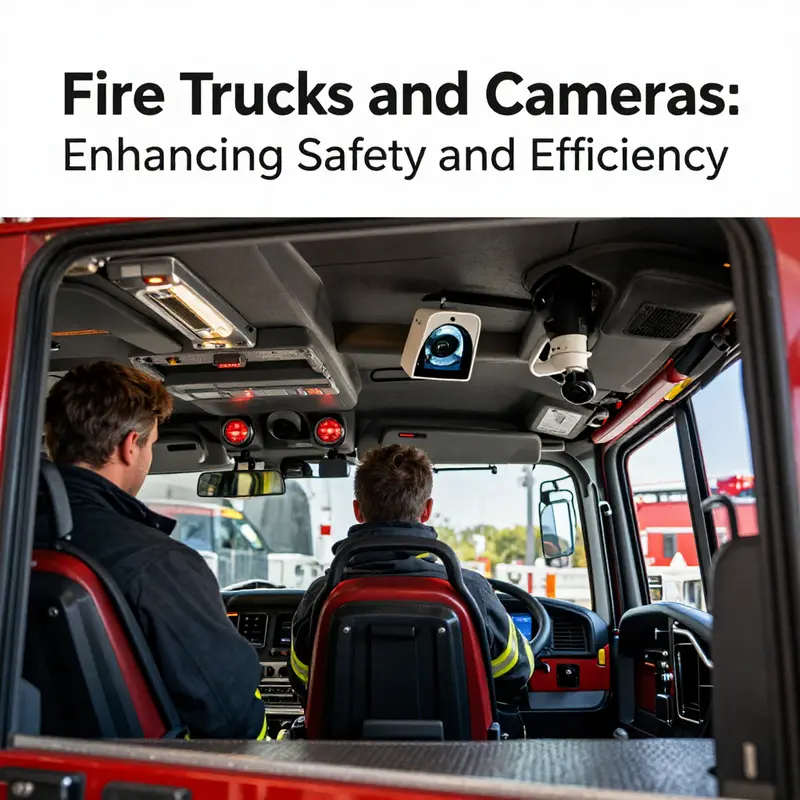
Cameras on fire trucks have evolved from optional add-ons to essential safety and operations tools. In the most dynamic and hazardous environments that firefighters routinely confront, these systems provide a continuous stream of visual data that supports safer driving, more efficient scene assessment, and clearer accountability. The shift toward comprehensive interior and exterior surveillance reflects a broader aim: to preserve crew safety while enhancing the effectiveness of every maneuver, from instinctive lane changes on a crowded city street to calculated, high-stakes operations in smoke-filled structures. The cameras are not merely about recording events for later review; they actively shape decisions in real time and feed a growing culture of learning and improvement across fire departments. This chapter examines how interior and exterior surveillance works in practice, why it matters, and how it fits within the larger arc of modern fire apparatus technology.
Interior surveillance on modern fleets centers on the crew’s behavior, safety compliance, and overall crew status. Inside the cab, high-resolution cameras monitor seat belt usage, harness management, and adherence to standard operating procedures, such as securing gear, maintaining communication discipline, and coordinating movements with audible alarms and crew calls. The footage becomes a resource for training and after-action review, turning individual responses into measurable benchmarks. Such internal visibility also helps supervisors ensure that safety protocols are followed even under fatigue and pressure, which are common on lengthy responses or multi-alarm incidents. The continuity of interior monitoring supports a culture where safety practices are reinforced through observation rather than relied on memory alone.
Exterior surveillance closes the loop between the driver, the incident scene, and the broader transportation network. The exterior system typically provides 360-degree visibility around the vehicle with cameras mounted at strategic points—rear, sides, front, and occasionally on the top or around the ladder area—so drivers can perceive and interpret blind spots that might otherwise compromise positioning, egress, or approach routes. In tight urban environments, this visibility is crucial for navigating narrow streets, alleyways, and campus-like campuses where a single miscalculated turn can threaten pedestrians, other vehicles, or responders. Exterior cameras also document incidents such as collisions, near-misses, or unusual scene activity, turning the truck itself into a reliable witness that can inform investigations and policy improvements. Beyond safety, these cameras contribute to accountability and performance assessment, helping departments understand how driving practices translate into operational outcomes.
An integrated approach often combines standard video feeds with purpose-built imaging that reaches beyond ordinary visual footage. A leading surveillance concept for emergency vehicles merges continuous recording with low-light capability, ensuring clear video even at dawn, dusk, or in smoky conditions. The ability to maintain high-quality footage under harsh firefighting environments expands the scope of what can be learned from each response. When these exterior cameras work in concert with thermal imaging components, crews gain an ability to detect heat signatures through smoke or darkness, locate victims more quickly, and identify hotspots that guide suppression strategies. This thermal layer, while technically a separate modality, is increasingly treated as an extension of the camera system, so crews can rapidly orient themselves with both visible and heat-based information. In high-rise and urban firefighting operations, where visibility is frequently compromised, such integrated vision becomes a decisive factor in safety and success.
The practical benefits of interior and exterior surveillance extend beyond immediate scene management. A recent synthesis of industry findings notes that nearly 70% of new aerial ladder trucks now include integrated camera systems, with a strong emphasis on thermal imaging and panoramic views. That statistic highlights a broader trend: departments recognize that enhanced visibility directly improves operational efficiency and crew safety. When drivers can maneuver with confidence and incident scene leadership can be anticipated with higher predictability, response times can be analyzed with greater precision, and driving performance can be evaluated with a fairness grounded in documented evidence. The cameras thus support a more disciplined fleet management approach, where data from every mission informs maintenance planning, training curricula, and capital investment decisions. The result is not just safer responses but a more accountable and transparent culture that aligns with modern governance expectations in public safety.
Yet the technological benefits are not realized automatically. The true value of interior and exterior surveillance rests on thoughtful integration with human factors, data management, and operational workflows. Dashboards must present information succinctly, without overwhelming the operator amid fast-changing conditions. Clear prioritization—distinguishing vital cues from supplementary context—helps crews maintain focus on driving, scene assessment, and radio communication. Robust storage, data retention policies, and secure handling of footage protect privacy while enabling legitimate reviews for training, audit, or legal scrutiny. Training programs must leverage the footage to reinforce best practices, while also safeguarding crew morale by handling sensitive material with care. In many departments, data governance evolves in tandem with hardware upgrades, ensuring that the camera systems remain reliable under rain, heat, or mechanical vibration, and that they do not become a distraction when every second counts.
The narrative of cameras on fire trucks also ties into broader command and control challenges. As situational awareness becomes more data-rich, the question becomes how to synthesize disparate feeds into a coherent command picture. The best implementations include integrated interfaces that allow incident commanders to gauge crew status, vehicle positions, and scene dynamics at a glance. In this sense, surveillance is not only about recording what happens; it is about supporting decision-making under pressure. This evolution is discussed in continued conversations about overcoming challenges in fire command systems, which emphasizes how surveillance feeds must align with communication workflows, dispatch data, and on-scene coordination to be truly effective. For readers exploring how surveillance fits into comprehensive command strategies, consider the broader discussion found at Overcoming Challenges in Fire Command Systems.
From a policy perspective, the continued adoption of interior and exterior video systems reflects a commitment to transparency and learning. Fire departments increasingly use footage for training new recruits, refining standard operating procedures, and documenting incidents for inquiries or public accountability. When paired with thermal imaging and panoramic video, the capability expands into a more holistic situational awareness toolset. This toolbox supports not just the safety of responders but also the safety of civilians who depend on timely, well-coordinated responses. The resulting cycle—invest, capture data, train, and improve—represents a mature approach to emergency service delivery that aligns with evolving expectations for accountability and continuous improvement.
For readers seeking a practical entry point into these systems, it is helpful to review the broader discussion of how surveillance integrates with command workflows and incident management. The emphasis on interior and exterior coverage shows a convergence of safety, efficiency, and documentation that makes cameras a core feature of modern fire apparatus. While the specifics of hardware and software may vary by department and region, the underlying principle remains consistent: visibility at all angles strengthens every decision and every action taken on the way to, during, and after a response. As communities continue to invest in safer, smarter fire services, interior and exterior surveillance systems on fire trucks will likely become even more commonplace, evolving in step with advances in imaging, processing power, and data analytics.
An external resource offering technical detail on these kinds of systems can be explored here: https://www.yuwei-tech.com/fire-truck-camera-surveillance-system.html. For further reading on how broader command and control challenges intersect with surveillance capabilities, see the internal discussion linked here: Overcoming Challenges in Fire Command Systems.
Eye on the Scene: How Cameras on Fire Trucks Document, Protect, and Improve Emergency Response
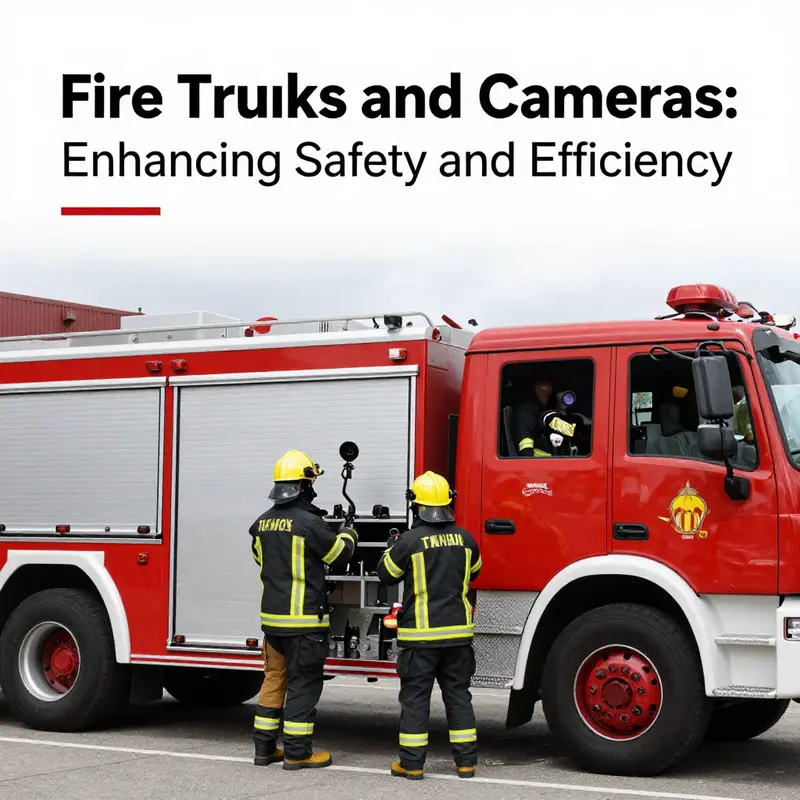
Across today’s fire departments, cameras perched on trucks do more than record the moment a siren wails. They are integrated tools that shape safety, accountability, and learning. From the moment a dispatch rings to the last minutes when the scene is controlled, cameras capture a continuous thread of events, providing a sober, observable record that complements human memory. This is not simply about catching missteps; it is about creating an evidentiary backbone for every stage of an emergency, from the approach to the final overhaul of the incident scene. Modern cameras on fire apparatus have become part of a broader safety and operational technology ecosystem that treats video as a live data stream, not a passive archive. Their presence is increasingly normalized in urban settings, industrial environments, and high-rise configurations where maneuvering a heavy vehicle through constrained spaces or dense smoke demands more than instinct and experience. The resulting footage, when properly managed, becomes a shared resource that can be reviewed, critiqued, and learned from by crews who rely on evidence to refine practice and by leadership seeking to harmonize field reality with written SOPs and standards.
The video ecosystem on a fire truck typically includes exterior cameras positioned to cover rear views, sides, and the cab’s line of sight. These cameras provide critical feedback during reversing maneuvers, ladder placements, and tight street approaches. They enable the driver and crew to see angles that are invisible from the cab mirrors, reducing the risk of collateral damage to property or injury to pedestrians and firefighters. Beyond the practical navigation aids, another tier of vision has grown in importance: thermal imaging integrated into the vehicle’s system. Thermal cameras cut through smoke and darkness, helping crews locate victims, identify active fire sources, and detect hotspots that could reignite. When linked with the truck’s data network, thermal imaging can be synchronized with other feeds to give incident commanders a holistic view of heat dynamics in addition to the visible scene. An even more comprehensive setup may include interior cab cameras that monitor crew status and exterior surveillance that captures scene conditions, traffic patterns, and evolving hazards around the apparatus. Such multi-faceted coverage supports continuous situational awareness and reduces gaps in perception that can occur in the high-stress, fast-moving tempo of emergency response.
For many departments, incident documentation is the primary rationale for adopting this camera infrastructure. The footage acts as an objective witness to actions taken and decisions made, from the moment the alarm is dispatched to when the scene is secured and units are packing up. Post-incident reviews leverage video to assess adherence to standard operating procedures, command decisions, and crew communication. Debriefs gain clarity when participants can rewind a moment, replay it, and compare it with the documented SOPs. In practice, this means that trainers and supervisors can highlight effective coordination, identify miscommunications, and quantify response times or positional errors that may have contributed to delays or safety compromises. The value is equally clear in sensitive situations where questions of proper apparatus positioning or accountability arise; footage provides an impartial reference that can support fair, transparent investigations and protect personnel against unfounded claims.
The legal and liability dimensions of camera footage are inseparable from their operational use. In disputes over negligence or improper conduct, video becomes a compelling form of evidence that helps reconstruct the sequence of events with less ambiguity than memory alone. That does not imply the footage should be available without guardrails. Access, retention periods, and chain of custody protocols are essential to preserve the integrity of recordings and to respect privacy expectations for on-scene bystanders and the firefighting teams themselves. When governed by thoughtful policies, camera footage reduces uncertainty around what transpired and supports accountable investigations that can withstand scrutiny from juries, insurers, and oversight bodies. In parallel, the role of cameras in training cannot be overstated. High-quality incident video becomes a powerful classroom tool. Recruit and veteran crews alike can observe realistic challenges—noise, confusion, shifting incident command priorities, and the balance between rapid action and deliberate risk management. Rehearsals, scenario-based learning, and after-action reviews are enriched by real footage, lending a tone of practical realism that static drills often miss.
The integration of advanced technologies further amplifies the impact of on-truck cameras. Global positioning data can be correlated with video timestamps to map precise locations of actions, while audio recording captures critical radio communications and in-vehicle dialogue that reveals decision-making patterns under pressure. Cloud-based storage and robust security practices enable scalable archival and retrieval, ensuring that footage remains accessible for future training, audits, or research. Some systems pair video with AI-powered analytics that can flag anomalous movements—such as abrupt stops, unusual engine or field-of-view behavior, or patterns that suggest fatigue or distraction—without replacing human judgment. The result is a smarter, more proactive safety culture, where automated insights support proactive risk management and continuous improvement rather than simply documenting what happened.
The 2026 landscape described by industry observers reflects a clear trend: cameras are increasingly viewed as essential, especially in high-stakes operations like aerial ladder deployments in dense urban cores. A Fire Engineering report from 2026 highlights that nearly seven in ten new aerial ladder trucks come equipped with integrated camera systems, with a notable emphasis on thermal imaging and panoramic-view capabilities. This statistic signals a shift from optional add-on to standard operating practice, underlining that visibility—both literal and methodological—directly enhances crew safety and operational effectiveness. The practical implication is that incident documentation and real-time scene assessment reinforce each other: cameras capture what is happening, while advanced imaging and analytics guide what should be done next. This synergy is especially valuable when visibility is compromised by smoke, distance, or complexity, and it supports disciplined, evidence-based action even in evolving, chaotic scenes.
As this chapter expands the conversation about “do fire trucks have cameras?” it is essential to maintain a balanced perspective. Cameras are not perfect substitutes for situational judgment or drill-driven competence. They are force multipliers that extend the crew’s senses, provide a reliable record for accountability, and fuel continuous learning. Proper governance—clear access controls, defined retention, and trained personnel who review footage with a constructive lens—ensures that video serves the public interest while respecting the rights and privacy of responders. The technology is only as good as the processes that govern it, and that means aligning camera usage with training goals, SOPs, and the broader mission of safeguarding lives and property.
For ongoing discussions about camera deployments and field-driven innovations, see the Fire Truck Blog. Fire Truck Blog
Standards and best practices continue to evolve as agencies gain experience with incident documentation and video surveillance. For standards and further reading, refer to NFPA’s guidance on Incident Documentation and Video Surveillance, which outlines the framework for using camera data responsibly and effectively in fire service operations: https://www.nfpa.org/News-and-Research/Research-and-statistics/Fire-Service-Statistics/Incident-Documentation-and-Video-Surveillance.
Seeing Safely: How Camera Technology Transforms Fire Truck Operations and Safety
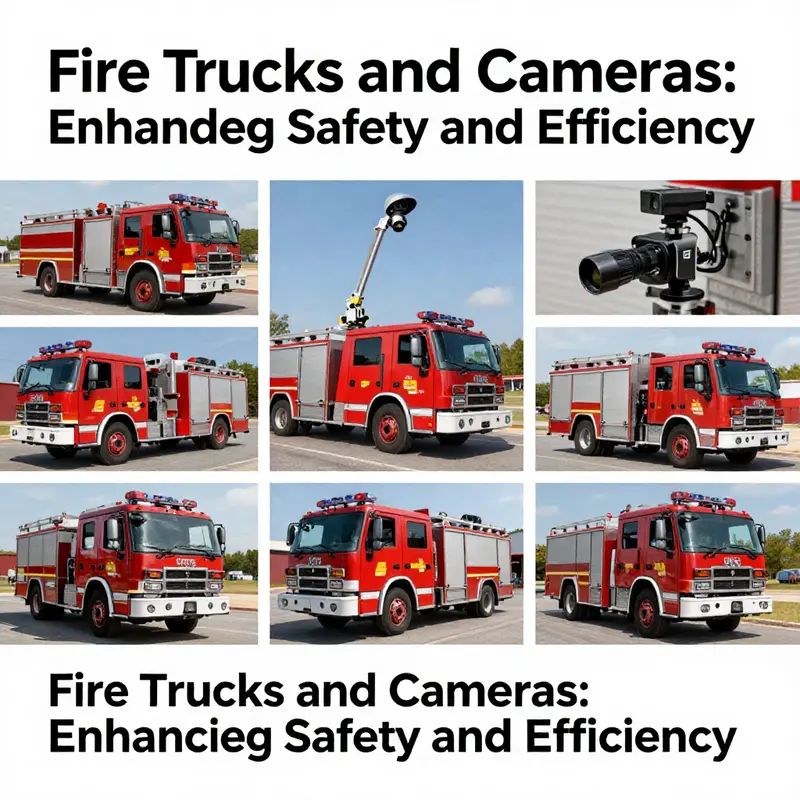
Cameras on fire apparatus are changing how crews see, decide, and act. Forward-facing dashcams, rearview cameras, and 360-degree surround views give the driver real-time situational awareness. Thermal imaging helps reveal hidden heat sources through smoke and darkness. Interior and exterior surveillance interfaces support accountability and training, letting teams review decisions and drills with objective footage. The effect is not only safer driving—it informs unit placement, hose and ladder deployment, and incident command decisions. Studies show meaningful reductions in vehicle collisions when camera systems are in use, and departments increasingly integrate video with dispatch and command to coordinate operations. As data and privacy considerations rise, agencies build governance to protect civil liberties while leveraging footage for learning and accountability.
Final thoughts
Incorporating cameras into fire trucks marks a pivotal advancement in firefighting technology, enhancing navigation, situational awareness, and safety for emergency responders. The diverse functionalities of camera systems, from rear and side monitoring to thermal imaging and incident documentation, contribute significantly to the operational efficiency of firefighting teams. As we continue to embrace technology in the pursuit of safety and effectiveness, it’s clear that cameras will play an indispensable role in the future of firefighting, ultimately saving lives and property.