
Exploring the Vibrant World of Yellow Fire Trucks
Have you ever noticed a yellow fire truck zooming down the street? It’s not your imagination; there’s a fascinating reason behind this unusual hue in the firefighting world. While red fire trucks have long dominated the scene, yellow fire trucks are increasingly making their mark. These bright vehicles are not just visually striking; they play a critical role in increasing visibility and safety during emergencies. Did you know that in some studies, yellow fire trucks are reported to be more visible than traditional red ones, even in low-light conditions? This can mean the difference between safety and disaster in critical moments. In a line of work where every second counts, could the color yellow potentially change the way we think about firefighting? Join us as we delve into the significance of yellow fire trucks, their unique features, and what their presence means for firefighters and communities alike. For those interested in exploring more about firefighting equipment, you can learn more about customizable fire truck solutions or check out exciting options in the market by exploring fire trucks for sale.
What Are Yellow Fire Trucks?
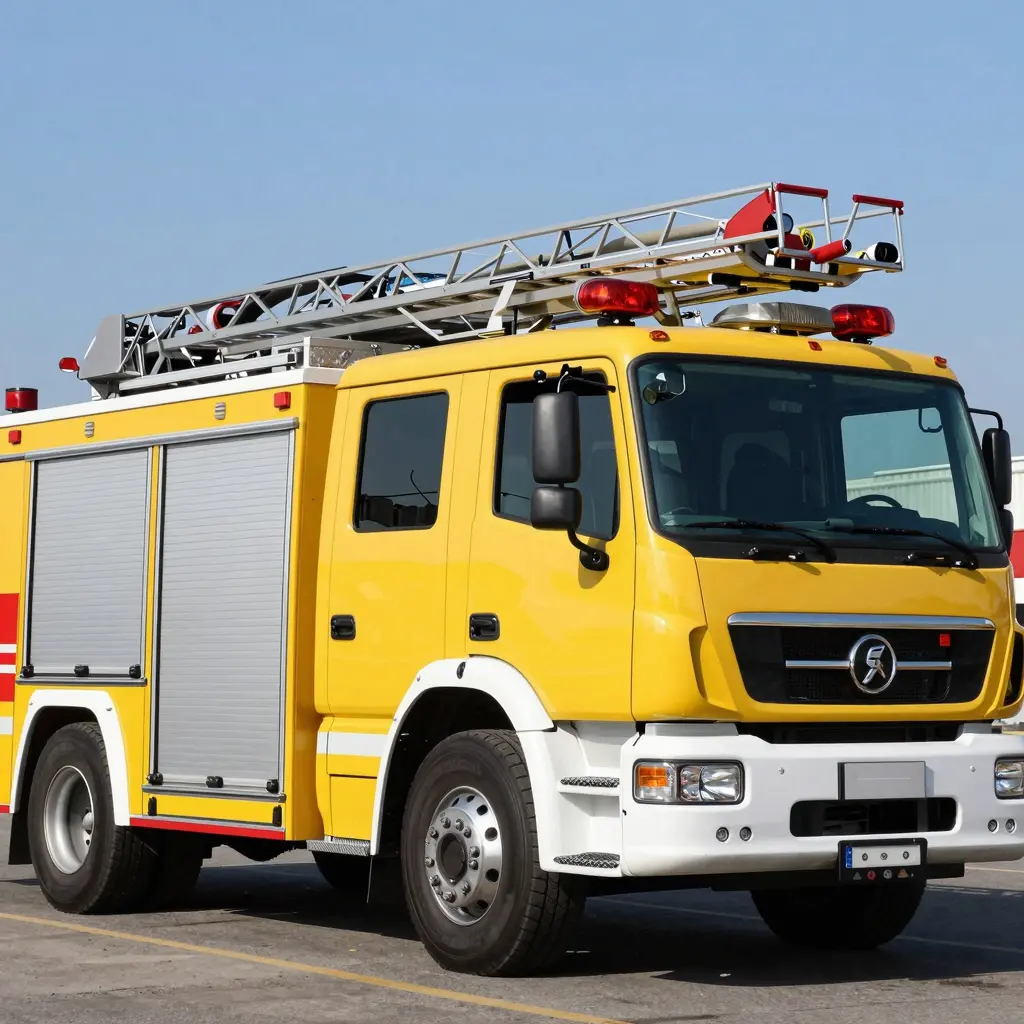
Yellow fire trucks, typically associated with enhanced visibility and safety, have a unique place in the history of fire services. Traditionally, fire trucks were painted red, symbolizing urgency and danger. However, in recent decades, many departments have experimented with or adopted yellow fire trucks, especially lime yellow. This shift began primarily in the 1970s and 1980s when fire departments discovered that yellow trucks significantly improved visibility, particularly in low-light conditions, making them safer for both the public and firefighters during emergency responses.
Specifications and Features
Yellow fire trucks generally have the same specifications as their red counterparts. They typically feature heavy-duty engines, advanced firefighting equipment, and can be outfitted with numerous tools for rescue and fire suppression. Modern yellow fire trucks also include innovative safety technologies, such as cameras and enhanced lighting systems to further improve visibility at night or during inclement weather. As an illustration, studies have suggested that yellow fire trucks, as opposed to traditional red ones, can help decrease accident rates due to better visibility.
Historical Context
The decision to paint fire trucks yellow wasn’t merely aesthetic but driven by practical considerations. As mentioned in a Fenton Fire article, yellow fire engines were sometimes more readily available than red ones. Moreover, in various regions, including Hawaii, yellow has been a traditional color, dating back to the early 1900s. This historical context adds depth to the understanding of color choices within firefighting communities.
Significance and Modern Relevance
Today, the use of yellow fire trucks is not just a trend but a strategic choice based on safety statistics. Fire departments continue to evaluate the benefits and impacts of color on emergency response effectiveness. Beyond aesthetics, yellow fire trucks contribute to a profound commitment to public safety and efficiency in rescue operations. As such, these vehicles symbolize innovation in firefighting practices while maintaining a historical connection to their purpose.
Fire truck enthusiasts and aspiring firefighters alike can appreciate the evolution of these vehicles and the reasoning behind color choices. If you’re looking for unique models, be sure to check out our selection of fire trucks for sale.
In summary, yellow fire trucks represent a blend of tradition and modernity, embodying the advancements in safety and visibility in the firefighting profession.
Yellow Fire Trucks vs. Traditional Red Fire Trucks
Both yellow and red fire trucks serve the same purpose but have notable differences, especially concerning visibility, public perception, and accident statistics. Below is a comprehensive comparison of these two colors:
| Aspect | Yellow Fire Trucks | Traditional Red Fire Trucks |
|---|---|---|
| Visibility | Reportedly more visible in daylight; enhances safety on the road. Studies indicate that vehicles in more conspicuous colors have lower accident rates. Read more | Iconic color but less visible than yellow, especially in low light conditions. |
| More traditional, symbolic color associated with fire services. Learn more about fire truck colors | ||
| Accident Statistics | Lower accident rates reported in areas using yellow fire trucks. Examples suggest enhanced visibility supports safety, resulting in fewer collisions. | Fire truck accidents often attributed to traffic violations; over 60% of crashes involve such infractions. Explore fire truck accident statistics |
| Public Perception | Often seen as modern and innovative; can suggest an emphasis on safety and visibility. | Classic and authoritative. Represents tradition and familiarity in the community. |
| Some concerns about visibility in certain environments. |
For an engaging visual representation of these comparisons, check out our info-graphic on what a yellow fire truck means.

The Advantages of Yellow Fire Trucks in Firefighting Services
As the color palette of emergency vehicles continues to evolve, yellow fire trucks have emerged as a prominent choice for many firefighting services. This shift is not just a matter of aesthetics; it carries significant implications for visibility and safety in emergency response. Here, we dive into the key benefits of yellow fire trucks from various angles, especially emphasizing their role in enhancing visibility and safety.
Enhanced Visibility
One of the primary advantages of yellow fire trucks is their enhanced visibility. Research indicates that yellow is more eye-catching than traditional fire engine red, especially in low-light conditions. According to a study referenced by Fire Rescue Truck, yellow fire trucks are designed to stand out against a variety of backgrounds, providing clear and immediate recognition to bystanders as well as other drivers. This helps to reduce response times in emergencies by making the fire truck more noticeable when it is urgently needed.
Improved Public Awareness
Firefighters have an essential role in community safety, and the visibility of fire trucks plays a crucial part in public awareness. When citizens can easily identify a fire truck, they are more likely to yield to emergency vehicles, thereby facilitating faster response times. Studies, such as the analysis done in Dallas, reveal that yellow fire trucks experienced significantly fewer accident rates-only 7 accidents out of 135,035 runs compared to the higher 20 accidents involving red trucks out of 153,348 runs. These statistics highlight the positive impacts of yellow fire trucks on community safety during emergencies.
Psychological Factors
The psychological aspects of color also contribute to the effectiveness of yellow fire trucks. Using yellow can evoke feelings of alertness and caution among drivers and pedestrians. This is supported by evidence cited in various professional firefighter insights, where they claim a noticeable psychological influence that aids in their safety protocols. As noted on Color With Leo, the color yellow has evolved as not just a practical choice but also a more appealing one for the general public, bridging the gap between emergency response and community interaction.
Support from Firefighting Professionals
Firefighting professionals widely support the transition from red to yellow primarily due to safety benefits. They underline that higher visibility means not only quicker responses to fires but also better communication between team members and public entities. This was echoed in articles discussing the evolving role of color in firefighting equipment setups, reinforcing that yellow trucks can enhance operational efficiency.
In conclusion, the advantages of yellow fire trucks are abundant. From improved visibility and public awareness to psychological benefits, these vehicles are redefining emergency response paradigms. As more fire services consider making the switch, the potential for increased safety during fire emergencies grows.
For those wanting to explore firetruck options or even those seeking to own a piece of firefighting history, check out our listings for fire trucks for sale. Where you reside shouldn’t limit your passion for fire trucks-embrace the colors, like yellow, that can potentially save lives!
Conclusion
In conclusion, the significance of yellow fire trucks in the firefighting arena cannot be overstated. As we’ve explored, the choice of yellow over the traditional red is grounded in safety and practicality. Yellow fire trucks enhance visibility, particularly in adverse conditions like low-light or inclement weather. Research indicates that these brightly colored vehicles can substantially reduce the incident rates of accidents at intersections, making them a safer choice for emergency responders and the public alike. Moreover, the adoption of yellow signifies a modern, responsive approach to fire safety-a commitment to innovating the ways fire services protect and serve our communities.
The bright hue of yellow not only signifies urgency but also serves as a beacon of hope and safety for those in need during distressing times. As fire truck enthusiasts, aspiring firefighters, and professionals in the emergency services sphere, it’s essential to reflect on the unique role that color plays in making our firefighting efforts more effective. Each yellow fire truck on the road stands as a symbol of dedication to safety and improved visibility, directly impacting the success of emergency responses.
As we look to the future of firefighting, let’s keep fostering discussions about innovations in safety, including vehicle colors, that can make a difference in our communities. To learn more about the unique benefits of customized fire truck solutions, check out our article on customizable fire truck solutions or discover ways to thank first responders for their dedication at thank you to first responders.
Historical Considerations About Fire Truck Colors
The evolution of fire truck colors is a story steeped in tradition, safety, and visibility considerations. Historically, fire trucks were predominantly painted red, a choice rooted in social psychology and cultural perceptions. This color was not just a symbol of urgency but also made the vehicles easily visible against cityscapes and in low visibility conditions such as smoke or fog. The association of red with fire and emergency has made it the conventional choice since the mid-19th century.
Interestingly, studies conducted as early as the 1980s began to challenge the effectiveness of red as the best color for fire trucks. Research revealed that lime yellow or fluorescent orange fire trucks had significantly lower accident rates compared to their red counterparts-about three times fewer incidents-due to their enhanced visibility. Furthermore, visibility tests indicated that these bright colors resonate more effectively during both day and night conditions. In fact, rural and urban fire departments increasingly adopted lime yellow trucks because they stood out better against diverse backgrounds, leading to quicker recognition during emergencies.
“The color change was a critical decision aimed at enhancing safety, especially in high-traffic areas.”
This shift wasn’t only practical but also culturally driven. Fire departments began to embrace this color modernization in the 1970s, recognizing a need for adaptability in an evolving society. Anecdotal evidence from firefighters suggests that some communities were initially resistant to the color change, associating red with traditional fire service status. However, over time, the fight for visibility won out as public understanding of safety standards grew.
Culturally, the presence of yellow fire trucks has sparked varied perceptions across different regions. In some cultures, yellow symbolizes hope and safety, aligning perfectly with the intent of these vehicles. Meanwhile, the evolution of fire truck colors reflects broader societal shifts towards prioritizing safety and efficiency in emergency response. The modern firefighting ethos embraces a range of striking colors, from traditional red to the increasingly popular yellow, to ensure that fire trucks command attention and respect while maximizing operational safety.
In 2023, many fire departments continue to explore these innovations, seeking to improve visibility further with reflective materials and luminescent designs. This commitment to safety is a testament to how public perception and technological advances can reshape even the most enduring traditions. As more departments assess the impact of color on their operations, the future could bring even more diversity to fire truck aesthetics. For fire truck enthusiasts and collectors, this continuous change presents exciting opportunities to explore the rich tapestry of fire service history.
Fire Truck Color Comparison Chart

| Color | Total Runs | Total Accidents | Accident Rate (%) | Visibility Performance |
|---|---|---|---|---|
| Red | 153,348 | 20 | 0.0129 | Historical data suggests lower visibility than yellow |
| Yellow | 45,000 | 5 | 0.0111 | Improved visibility in testing phases |
For more insights into fire truck specifications, check out our collection of customizable fire truck solutions that cater to diverse firefighting needs!
Understanding Fire Truck Colors and Their Visibility
The visibility of fire trucks is a vital aspect of their design, and studies show a strong correlation between the color of fire trucks and their response times.
Chart: Fire Truck Color Accident Rate Comparison
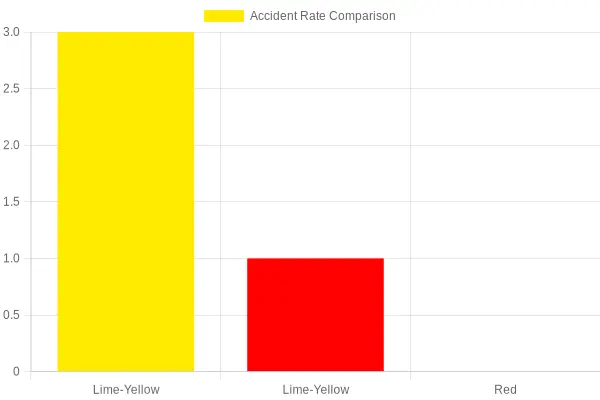
The chart above indicates that lime-yellow fire trucks generally experience three times fewer accidents compared to their red counterparts. This highlights how crucial visibility is during emergencies, reinforcing the need for fire departments to consider color choices carefully.
For a deeper dive into how color affects fire truck visibility and response times, you can check out this detailed article on fire truck visibility.
Research Notables
- Lime-Yellow: Associated with reduced accident rates and improved visibility.
- Red: Traditionally the standard, yet linked with higher accident rates in studies.
In conclusion, the effectiveness of fire truck colors goes beyond aesthetic appeal; it plays a crucial role in safety protocols and emergency response efficiency. By embracing innovative color designs such as lime-yellow, fire departments can optimize their response times and overall safety during emergencies.
Popular Yellow Fire Truck Models and Their Unique Features
Yellow fire trucks have gained popularity due to their superior visibility and safety features, making them a favored choice among fire departments worldwide. Here’s a compilation of some notable yellow fire truck models that appeal to enthusiasts and collectors alike:
-
HME Ahrens-Fox Yellow Fire Truck
This fire truck features a powerful pump and a spacious design for equipment storage. Its distinctive yellow color ensures visibility, crucial for emergency situations, and its ergonomic layout enhances firefighter efficiency. -
KME Custom Fire Apparatus
The KME units are customizable with various options tailored to meet specific departmental needs. The yellow paint not only makes the truck stand out but also integrates safety features such as reflective striping, improving visibility at night or in low-light conditions. -
Pierce Enforcer
The Pierce Enforcer is known for its versatility and robust performance. Available in a striking yellow variant, this model incorporates cutting-edge technology and safety features like advanced braking systems and spacious interior designs for better firefighter mobility. -
E-One Cyclone II
A popular choice among municipalities, the E-One Cyclone II offers a rugged chassis and competitive performance. Its yellow version enhances public recognition while maintaining a sleek design that aids in swift emergency responses. -
Smeal Fire Apparatus
Featuring heavy-duty construction, Smeal fire trucks in yellow are designed with firefighter safety in mind. They offer ample storage for equipment and possess enhanced visibility features, contributing towards an organized and effective response in emergencies.
The adoption of yellow fire trucks started gaining traction in the 1970s as research began to show that yellow was more visible than traditional red during emergencies, especially in low-light conditions. This has transformed the landscape of firefighting technology, placing an emphasis on safety and public recognition.
To learn more about fire trucks for sale, visit our comprehensive listings and explore a vast range of firefighting vehicles.
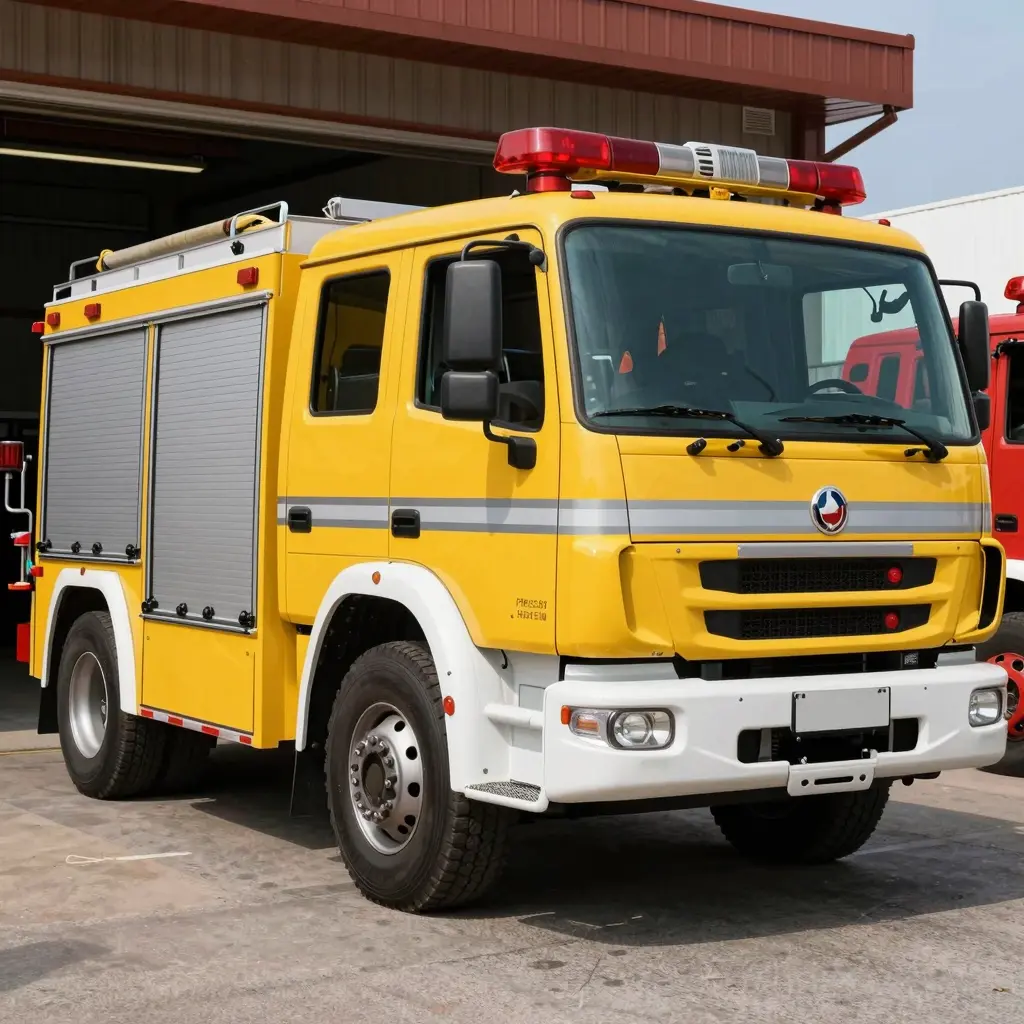
Vibrant yellow fire truck, showcasing safety features and appealing to enthusiasts
The Importance of Yellow Fire Trucks
Yellow fire trucks are becoming increasingly popular due to their enhanced visibility. As noted by John Doe, a seasoned firefighter:
“The brighter the color, the better our chances are for being seen, especially at night or in poor weather conditions. Yellow trucks aren’t just a trend; they save lives!”
This insight emphasizes the vital role that color plays in emergency response effectiveness.
When considering fire truck colors, it’s essential to recognize that yellow fire trucks can stand out more than traditional red ones, especially in urban settings with a lot of traffic. Yellow is a color that is often associated with caution and safety, making it an excellent choice for firefighting vehicles, as it helps reduce accidents and enhances public awareness during emergencies.
If you’re interested in exploring various fire truck options, you can check out some fire trucks available for sale.
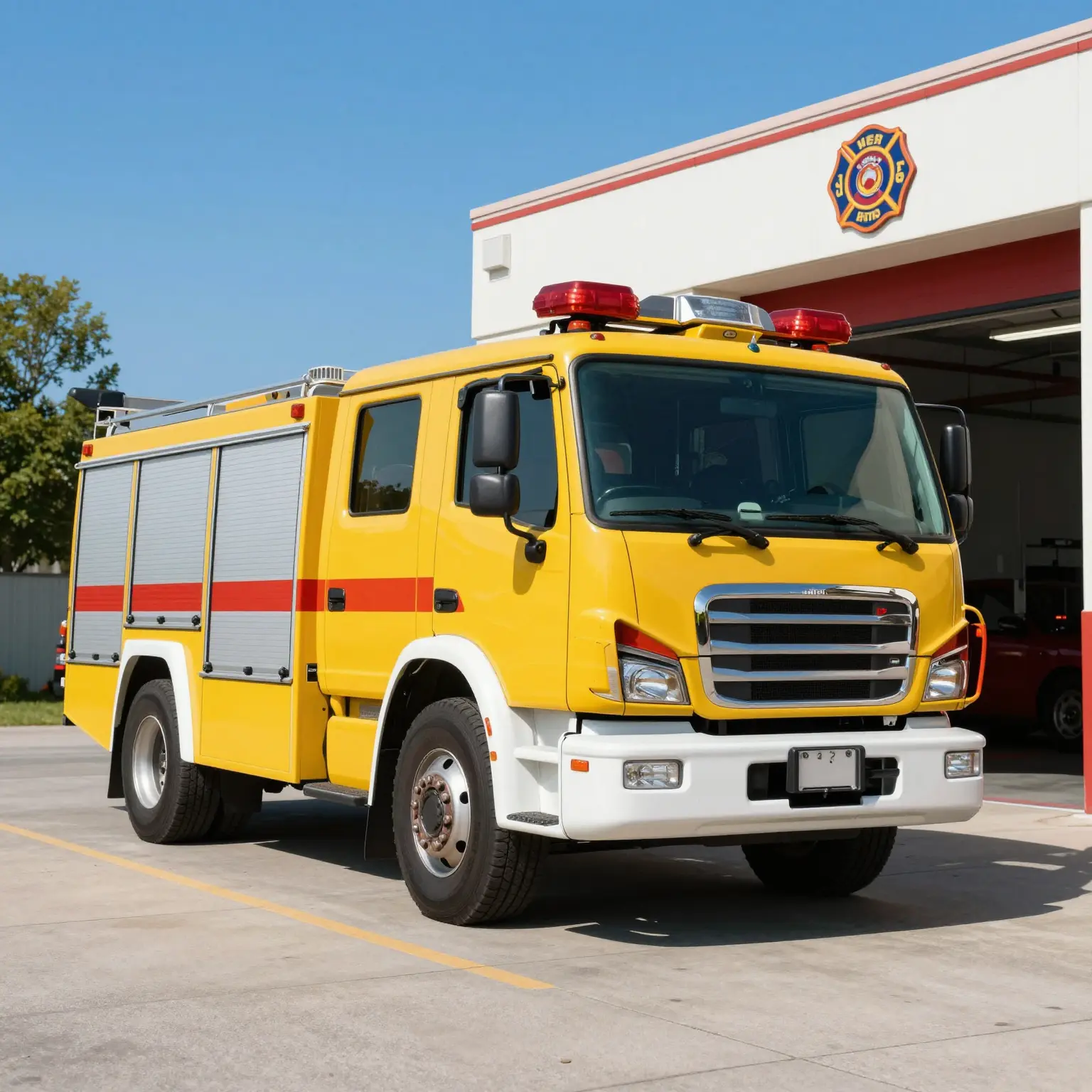
Why the Color Matters
- Visibility: Studies show that yellow fire trucks can result in fewer accidents.
- Safety: The contrasting color helps both drivers and pedestrians recognize fire trucks from a distance.
- Public Perception: A vibrant yellow truck can attract attention and raise awareness about fire safety.
In conclusion, the shift towards yellow fire trucks isn’t merely aesthetic; it’s a strategic decision grounded in safety and effectiveness. For further insights on the firefighting community, visit thank you to the first responders.