
Introduction to Fire Truck Water Sources
Every firefighter knows that water is the lifeblood of firefighting operations. But have you ever wondered where do fire trucks get water? For fire truck enthusiasts and aspiring firefighters, understanding the intricacies of fire truck water sources is not just a matter of curiosity-it’s essential knowledge that can mean the difference between safety and disaster.
Water plays a crucial role in extinguishing fires, and its importance is captured in the fire triangle, which highlights its necessity for cooling and suppressing flames. Without a reliable firefighting water supply, even the most advanced fire engines would struggle to combat blazes effectively. Fire trucks are engineered to harness water from various sources, including onboard tanks, hydrants, and natural bodies of water. Each methodology has its advantages and nuances, making it an exciting topic for collectors and professionals alike.
From urban landscapes to rural settings, the access and management of water sources greatly influence firefighting tactics. Thus, whether you are an enthusiast, a future firefighter, or a seasoned emergency services professional, delving into the functionality and sources of water in firefighting is key to appreciating this vital aspect of fire service. Join us as we explore how fire trucks efficiently tap into water supplies during emergencies, ensuring we are always ready to tackle flames head-on!
Where Do Fire Trucks Get Water?
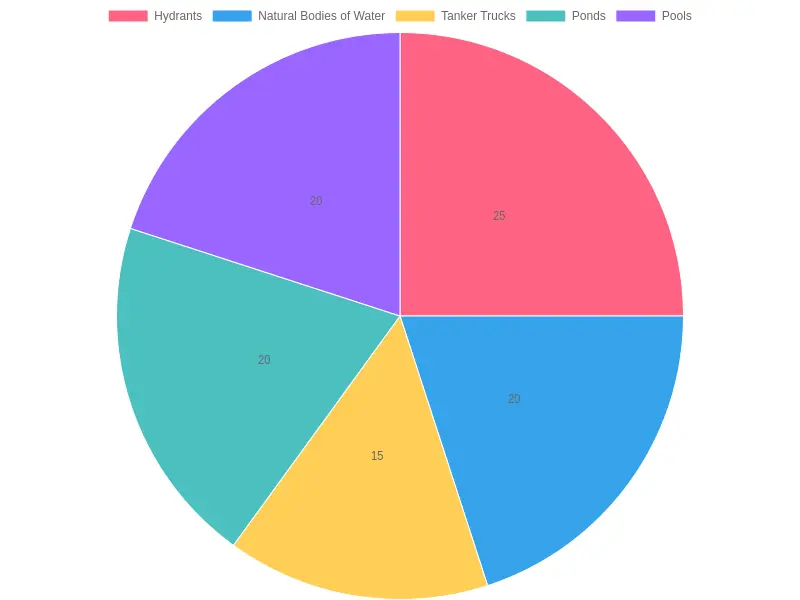
Fire trucks need a reliable source of water to battle flames effectively. Here’s a fun and informative list of common water sources used by fire trucks, perfect for young aspiring firefighters and fans alike!
-
Hydrants
Public fire hydrants are the primary source of water for fire trucks in urban areas. They allow firefighters to quickly refill their tanks, providing immediate access to water where it’s needed most. -
Natural Bodies of Water
Lakes, rivers, and streams are excellent sources of water, especially in rural or less developed areas. Firefighters can draft water from these sources using specialized equipment, ensuring they can tackle larger fires safely. -
Tanker Trucks
Tanker trucks are mobile water sources. They transport large amounts of water to the fire scene when traditional hydrants or natural sources are unavailable, ensuring firefighting efforts continue smoothly. -
Ponds
Local ponds can provide water, but they often require additional equipment to access. Firefighters are trained to draft water from ponds using hoses, ensuring they’re always prepared in any situation. -
Pools
Swimming pools can be a quick emergency water source, especially in densely populated urban areas. Firefighters can draw water from pools when necessary, demonstrating their adaptability and quick thinking in emergencies.
Fire trucks utilize these various sources to ensure they are prepared to fight fires at any moment. You can learn more about fire trucks for sale to see these amazing vehicles in action!
Municipal water systems are the unsung heroes behind the quick and efficient response of fire trucks during emergencies. When every second counts, fire hydrants play an essential role in ensuring that firefighters have immediate access to the water they need to combat blazes. This intricate infrastructure is designed to deliver sufficient hydrant pressure and flow, which can drastically affect firefighting success.
How Municipal Water Supply Works
Municipal water systems consist of a vast network of pipes, pumps, and reservoirs designed to transport water from its source to homes, businesses, and critical infrastructure like fire hydrants. The pressure in these systems is meticulously maintained to ensure reliable access. Typically, the hydrants operate at pressures ranging between 150 to 200 PSI, which allows fire trucks to connect efficiently and extract large volumes of water quickly. This pressure is crucial, especially during large-scale emergencies where high flow rates are necessary to effectively douse flames.
Fact: During the 2020 wildfires in Los Angeles, firefighters expressed concerns regarding hydrant accessibility, highlighting the vital role municipal water systems play during critical responses. Learn more.
The Role of Fire Hydrants
Fire hydrants serve as critical access points for emergency services. Positioned strategically across urban and rural landscapes, their design includes multiple outlets that allow several hoses to connect simultaneously. Proper maintenance and regular hydrant pressure testing are essential to ensure these systems function optimally when needed. Regular testing helps identify any issues that might compromise water flow due to corrosion, infrastructure decay, or low water pressure.
Moreover, understanding hydrant functionality is vital for aspiring firefighters and community leaders. Each hydrant operates based on the municipal water system’s integrity, making it important for municipalities to invest in robust infrastructure. Read about hydrant testing to understand the protocols that keep these lifesaving resources in peak condition.
Infrastructure Challenges
Municipal water systems are often aging, and many face challenges in maintaining adequate pressure during peak demand periods, particularly in emergencies. The construction and maintenance of these systems are crucial for ensuring they meet the operational demands during major fires or natural disasters. For instance, inadequate hydrant pressure was highlighted during the wildfires that swept through various communities, where firefighters struggled with insufficient water availability from hydrants due to pressure drops caused by overtaxed municipal systems.
Conclusion
Fire hydrants, tied intricately to municipal water supply systems, embody the lifeblood of firefighting efforts. Their effective functioning relies on meticulously crafted infrastructure, strategic placement, and rigorous maintenance practices. Whether you are a fire truck enthusiast, an aspiring firefighter, or an emergency services professional, understanding this essential component of firefighting is crucial for effectively handling fire emergencies and ensuring community safety.
For those interested in seeing the practical applications of these systems, checking out the latest fire truck models in action can offer a glimpse of how vital water access is to the firefighting process. If you are considering enhancements for your fire response team, explore our customized fire truck solutions designed to improve emergency capabilities.
| Water Source | Availability | Volume Capacity | Response Speed | Typical Use Scenarios |
|---|---|---|---|---|
| Hydrants | Urban areas, accessible at all times | ~1,000 GPM (gallons per minute) | Immediate to 5 minutes | Residential fires, urban firefighting, initial response |
| Tanker Trucks | Rural areas, requires transport | 1,000 to 3,000 gallons | 10-20 minutes | Areas without hydrants, large wildfires, remote locations |
| Natural Water Bodies | Varies (lakes, rivers, ponds) | Variable (up to millions of gallons) | Depends on distance | Wildland firefighting, water retrieval in emergencies |
| Ponds | Often seasonal, variable restrictions | Approximately 100,000 gallons | 5-15 minutes | Rural fires, access to water during droughts |
| Pools | Private or community-owned; limited access | 10,000 to 30,000 gallons | 10-15 minutes | Small fires in residential areas, emergencies in urban settings |
Key Takeaways
- Fire hydrants are highly effective in urban settings, providing quick access to large volumes of water.
- Tanker trucks are vital for regions that lack hydrants, allowing for rapid water transport.
- Using natural water sources significantly increases volume capacity but can introduce delays based on accessibility.
- Ponds and pools are excellent supplementary sources, especially in emergencies, but may not always be reliable or readily accessible.
These various sources demonstrate that while fire hydrants are typically the go-to option in urban areas, the combination of each source plays an essential role in effective firefighting strategies. For more insights on the equipment firefighters use, you might want to learn more about customizable fire truck solutions.
“A reliable firefighting water supply is crucial; without it, firefighters are effectively just spectators in emergency situations. Accessible water sources play a critical role in firefighting efforts.”
- International Institute for Sustainable Development (ICLR)
In the realm of firefighting, the importance of a reliable water supply cannot be overstated. Firefighters depend on immediate access to high volumes of water to combat flames effectively. From extinguishing house fires to tackling wildfires, ample water sources enable responders to act quickly and efficiently. The strategic planning of these resources ensures that fire trucks can deploy swiftly and confidently, knowing they have the essential tools to protect lives and property. Without sufficient water availability, the effectiveness of firefighting operations diminishes significantly, jeopardizing the safety of both firefighters and the communities they serve. For those interested in fire trucks for sale, understanding water supply systems is essential.
Tanker Trucks and Alternative Water Sources
When fire hydrants are unavailable, tanker trucks and alternative water sources such as pools and ponds become critical assets for firefighting operations. Tanker trucks are specially designed vehicles that carry thousands of gallons of water, and they are particularly useful in rural areas where access to traditional water sources is limited. They can transport water from distant bodies, ensuring firefighters have the necessary resources to combat flames effectively.
Logistics of Using Tanker Trucks
Logistical Challenges: In many rural or less-developed areas, fire hydrants may be few or even nonexistent. In such scenarios, fire departments rely on the following:
- Tanker Trucks: Equipped with large water tanks, these trucks can fill up from municipal water sources or natural bodies before arriving on-site.
- Alternative Water Sources: Pools, ponds, and streams can serve as refill points, allowing firefighters to keep their tanks full without relying solely on hydrants.
Scenarios Needing Tankers: Imagine a wildfire spreading rapidly near a small community. Firefighters might receive reports of hydrants running dry due to high demand or disconnects in the water supply. They can deploy tanker trucks to transport water from local pools or larger reservoirs quickly.
The Role of Alternative Water Sources
Alternative water sources can provide vital support in effectively managing fire situations. Here are a few points that illustrate their importance:
- Accessibility: Pools and ponds are often more accessible in rural neighborhoods, allowing for swifter water sourcing when every second counts.
- Cost-Effective Solutions: Utilizing local water bodies can save communities on costs related to water supply, avoiding additional hydrant installations while still meeting firefighting demands.
- Dual-Use Hydrant Systems: Some communities install dry hydrants in ponds for firefighting purposes, ensuring that both recreational needs and emergency responses are met effectively.
While the use of tanker trucks and alternative sources is essential, they also require appropriate handling and strategy. Firefighters are trained in how to maximize these resources efficiently to ensure a seamless response to emergencies, regardless of the availability of fire hydrants.
For detailed insight into firefighting logistics, you can learn more about rural firefighting strategies. For additional training resources, check out the functions of firefighters.

Average Water Flow Rates from Firefighting Sources
Understanding the efficiency and reliability of water sources is crucial for firefighters. Here’s a breakdown of average flow rates from various sources:
| Source | Water Source | Flow Rate (GPM) |
|---|---|---|
| Hydrants | Fire Hydrant | 500 – 1,000 GPM |
| Tanker Trucks | Tanker Trucks | More than 500 GPM |
| Ponds | Ponds | Average around 300 GPM |
| Pools | Pools | Average 22 to 96 GPM |

Fire hydrants generally provide a robust supply, making them the go-to choice during emergencies. Tanker trucks are essential when hydrants are not accessible. Ponds offer a reliable flow rate, especially in rural areas, while swimming pools provide the least amount of water flow for firefighting purposes. Learn more about water sources used in firefighting.
Conclusion with Call to Action
In conclusion, understanding where fire trucks get their water is essential knowledge for firetruck enthusiasts, aspiring firefighters, and emergency service professionals. It highlights the critical role water sources play during firefighting efforts, whether it’s from hydrants, tankers, or natural water bodies. Each method has its advantages, contributing to the efficiency of fire response teams combating flames and saving lives.
As you dive deeper into the world of firefighting, don’t forget about elevating your ride experience with top-quality gear for your motorcycle. At Summit Fairings, we offer premium motorcycle fairings designed for durability, style, and performance. Ready to stand out on the road? Explore our customizable options and make your ride uniquely yours! Embrace confident customization and transform your motorcycle into a reflection of your passion.
Let’s celebrate the heroes who fight fires and honor their legacy by supporting their craft and enhancing our own rides!