
Fire trucks are an integral part of firefighting, working tirelessly to protect lives and property. But have you ever wondered where these powerful machines refuel when they’re not battling flames? This article dives into the crucial fueling infrastructure that keeps fire trucks on the road, examines the logistics involved during emergency operations, and discusses the different fuel types used in these life-saving vehicles. Each chapter will help illuminate not just the practical aspects of fueling fire trucks but will also inspire a deeper appreciation for the systems supporting firefighters in the field.
Fueling the Front Lines: The Hidden Infrastructure That Keeps Fire Engines Ready
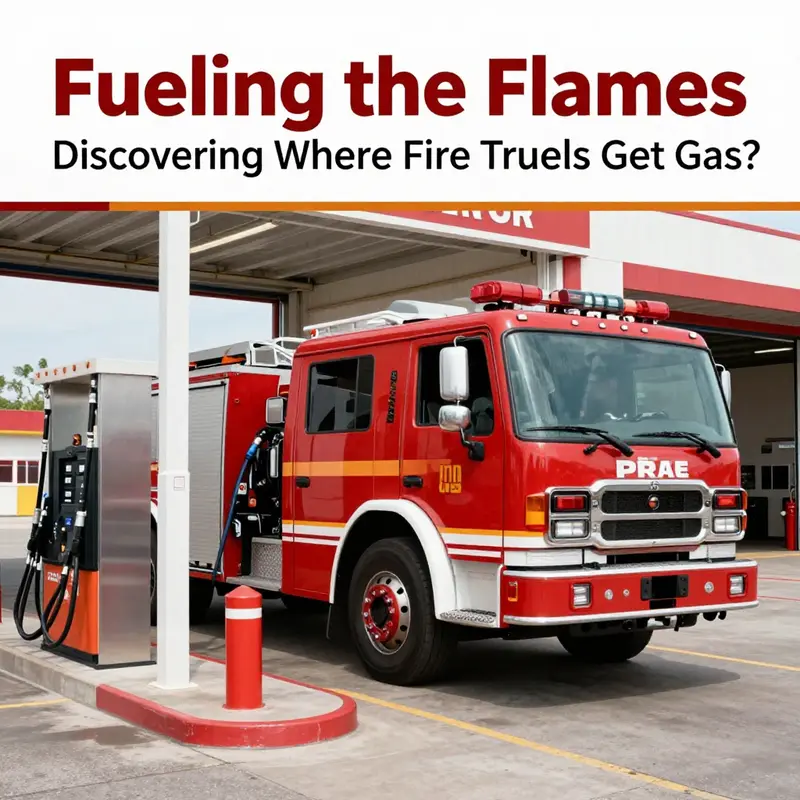
Fueling the front lines is not a spectacle of high speed and flashing lights; it is a disciplined, meticulously engineered process that ensures fire engines can leave the station the moment a siren begins. In many ways, the fuel supply system for firefighting equipment resembles a thoughtfully designed circulatory network: it must deliver energy where and when it is needed, while minimizing delays, maximizing safety, and preserving the integrity of every gallon. The chapter of fueling is therefore a chapter about reliability under pressure, a topic that sits quietly behind every dramatic call and every decisive maneuver at a blaze or a collision. The majority of fire apparatus rely on diesel engines, a choice rooted in decades of tradeoffs among energy density, torque, cold-weather performance, and the brutal realities of long shifts on the road. Diesel’s heft and efficiency make it the practical fuel for the urban fire station that houses dozens of engines and apparatus designed to haul ladders, water, gear, and personnel into unknown environments at a moment’s notice. When a truck pulls into a bay and the nozzle hums to life, it is usually the diesel stored and dispensed at that site that powers the equipment that will save lives. Because seconds count, the fueling infrastructure at the station—its tanks, pumps, meters, and control systems—belongs to the core architecture of emergency response. It is not an afterthought; it is the spine that holds the fleet intact during the most demanding shifts. The emphasis on on-site fueling aligns with the broader philosophy of readiness that governs how communities plan, equip, and deploy their fire services. A station’s fueling system is designed to be fast, secure, and auditable. It is designed to withstand the strain of back-to-back incidents, to maintain fuel quality, and to provide a predictable, traceable record of every gallon that enters a tank and every gallon that leaves it. In practical terms, this means underground diesel storage tanks feeding a network of high-flow dispensers, with spill containment, ventilation, and environmental safeguards woven into the daily operations. The tanks are typically sized to accommodate a fleet’s daily rhythm, and they are monitored continuously to prevent contamination or theft, to detect leaks, and to ensure that the fuel is what the department expects it to be. The proximity of the fueling island to the vehicle bays is not a matter of convenience; it is a response to the dynamics of urgent deployment. A unit that must roll in seconds cannot be slowed by a walk across a station lot to a distant pump. The layout is therefore optimized for proximity and speed, while still honoring safety codes, fire codes, and the broader regulatory framework that governs fuel handling in public facilities. The fueling area is a controlled space, with dedicated safety zones and trained personnel who oversee every transfer. The pumps themselves are calibrated and tested regularly, and the meters are cross-referenced against the station’s inventory records. In many departments, this record-keeping is more than accounting; it is the backbone of asset management, enabling supervisors to correlate fuel use with incidents, maintenance, and the very rhythms of city life. The goal is to ensure that no engine leaves the bay under-provisioned, and that none arrives back from a run with a load beyond what is needed for the next assignment. The on-site system also supports resilience during outages. In regions where the electrical grid is unreliable, or where storms can disrupt the normal power supply, a backup generator or an alternate power source keeps the fueling pumps operational. This small but critical feature prevents situations in which fuel cannot be delivered because the pumps are offline during a weather event that itself might precipitate a surge in incident demand. The reliability imperative extends beyond the station boundary. Fire departments maintain relationships with commercial fuel suppliers to provide redundancy and to bridge capacity gaps during unusual events—such as when a large-scale incident or a regional training exercise depletes the normal on-site inventory or when local distribution networks are stressed by weather, road closures, or infrastructure damage. In these cases, specialized tanker trucks, equipped to carry multiple fuels and to operate under strict safety protocols, may deliver diesel, gasoline, kerosene, or biofuels to designated staging points near fire facilities. The logistics around such deliveries are governed by contracts and standard operating procedures designed to minimize disruption to response times while ensuring fuel quality and regulatory compliance. The balance between on-site storage and off-site deliveries is a strategic one. Departments weigh the cost of larger underground tanks against the reliability that a robust delivery schedule provides. They consider factors such as space constraints on a fire station campus, the availability of secure areas for a mobile refueling unit, and the stability of fuel prices over the course of a fiscal year. In many urban jurisdictions, the station’s fuel depot is connected to the city’s wider fleet management ecosystem. It is not unusual for fire stations to be co-located with municipal fuel depots or vehicle service garages, a synergy that creates efficiencies in maintenance, testing, and refueling. Such proximity can reduce the turnaround time for a truck returning from a call or a training exercise, because fuel can be drawn from a nearby, trusted source without requiring a long drive to a commercial outlet. The operational benefits extend to the training ground as well. Firefighters and support personnel engage in regular drills that include fueling procedures, with emphasis on safety, accuracy, and speed. The procedure is straightforward in principle: the unit is guided into the fueling lane, the operator confirms the vehicle’s identification, the correct fuel grade is selected, and the transfer begins. The steps are designed to minimize the risk of spills, static discharge, or vapor buildup, and the required protective equipment and containment measures are observed as part of the training. The crew also learns to monitor for signs of fuel contamination, water in the line, or issues with the pump that could affect performance in the middle of an emergency. The attention to fuel quality is not solely a matter of equipment longevity; it is also about engine reliability. Fuel that contains water, sediment, or contaminants can cause injector problems, clogs, and reduced performance under the high-throttle demands of a fast, high-load response. Clamping down on such risks is part of what makes the fueling system a critical element of each apparatus’s readiness. When a department expands or modernizes its fleet, the fueling plan evolves as well. Newer engines may feature improved fuel filters, more precise metering, and digital monitoring that offers real-time visibility into system health and inventory levels. The station may adopt a more granular approach to inventory management, tracking fuel by tank, by dispenser, and by vehicle, and integrating this data with maintenance records, fuel cards, and incident logs. Even this level of sophistication remains mindful of the human element—the technicians who operate the pumps, the safety officers who enforce discipline in the fueling area, and the.dispatchers who ensure that fuel supply aligns with the shifting demands of an urban landscape. In remote or rural communities, the fueling equation can be more dynamic still. The basic principle endures—fuel must be available where and when it is needed—but the logistics may shift toward partnerships with nearby commercial facilities or the use of mobile refueling units that can stage close to the scene of a major incident or near a training site that is far from the home base. In such settings, the department’s procurement and logistics teams may arrange for regular deliveries that keep storage within safe limits while still meeting the surge requirements that emergencies can impose. These arrangements are often coordinated with other public fleets, sharing the cost and streamlining compliance while maintaining strict safety standards. The broader picture includes the role of third-party fuel transporters who move diesel and other fuels from depots to local facilities. These providers bring specialized expertise in handling flammable liquids, with features such as spill containment systems, double-walled tanks, and advanced leak detection. The presence of these transportation networks ensures that even if a station experiences a temporary disruption in supply, the fleet remains operational through alternative paths and temporary storage. In this sense, the fuel network is a distributed, adaptive system that can respond to the peculiarities of a city’s geography, economy, and climate. It is designed to protect readiness, not to maximize convenience for the fuel vendors, and it operates with the discipline that characterizes emergency services. It is also a reminder that fire protection is not a solitary act; it is a community-wide effort requiring cooperation among municipal agencies, private contractors, and the dedicated professionals who manage and operate the fueling infrastructure. All of this is the quiet architecture that enables the louder, more visible aspects of firefighting—the sirens, the ladder climbs, the water streams, and the patient rescues—to unfold with confidence. The end result is a system in which a fire truck can be on the road within moments of a call, carrying the power to push water under pressure, to deliver tools, and to keep crews safe as they maneuver through streets and alleys toward risk and rescue. It is a system that prizes redundancy, safety, and efficiency, and it is continually refined through training, after-action reviews, and the steady march of technological improvements in fuel handling and fleet management. For readers who want a deeper dive into the technical specifics of how fuel is dispensed and carried through distribution networks, a standard reference on the equipment and safety practices used in these operations can be found in professional resources that detail the components of fuel-dispenser tank trucks and the standards that govern their operation. External resources provide a grounded complement to this strategic overview, helping to illuminate the practical realities of tanker design, transfer procedures, and regulatory compliance. See the external resource below for a technical perspective that complements the narrative here. To explore more about the broader context of firefighting logistics and related topics, you can read more in the FireTruck.space blog. FireTruck.space blog
External reference: Inside Gas Dispenser Tank Truck: Technical Details, Standards, and Applications for Professionals. https://www.tanktruck.com/technical-details-gas-dispenser-tank-truck/
Fueled for the Frontline: Fueling Logistics Behind Fire Trucks in Major Incidents
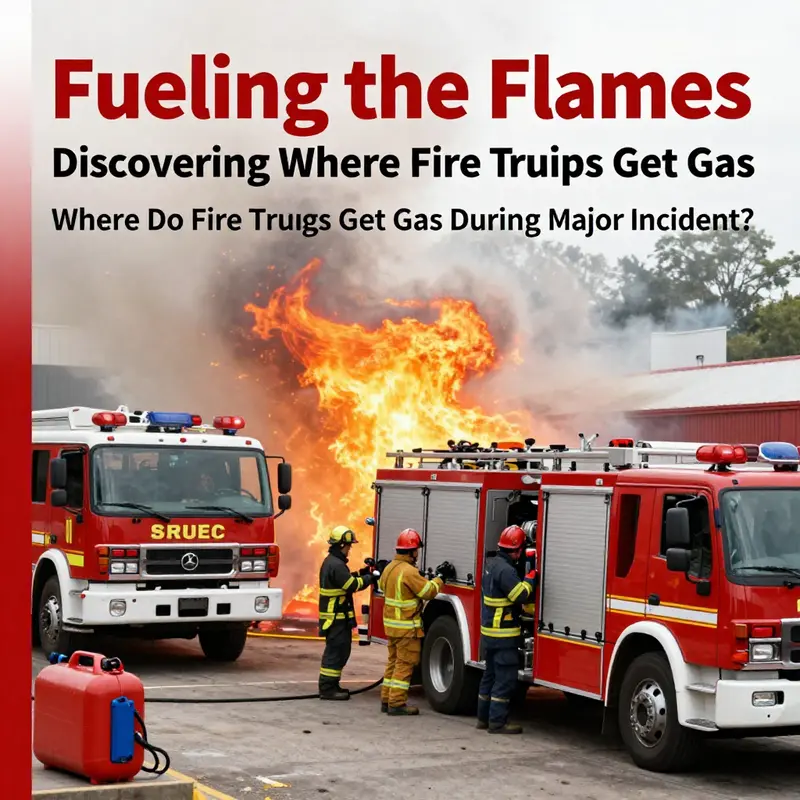
Fuel is the quiet partner in every siren call. It sits in tanks tucked beneath or behind cab and chassis, and it becomes the difference between a frontline response that arrives in seconds and one that loses precious minutes. Fire departments treat fueling as a core element of readiness, just as they treat dispatch protocols, equipment maintenance, and crew safety. The fueling ecosystem is built to withstand the highest demands while preserving safety, speed, and reliability. At its most fundamental level, a fire truck runs on diesel, with gasoline used in some older or specialty vehicles. But the real story unfolds in the logistics that keep those engines turning when the need is urgent and the tempo is relentless. The typical picture is one of controlled, planned, and scalable operations that can move from routine daily refueling to a robust, emergency-centric network when incidents scale up.
In ordinary times, most fire departments house fueling equipment at the station itself. Large, secure tanks hold diesel for the bulk of the fleet, and technicians dispense fuel through protected fueling bays designed to minimize spill risk and exposure to heat and ignition sources. This arrangement makes sense: it minimizes downtime, enables rapid top-ups between calls, and keeps the fleet ready for immediate deployment. The fueling system is integrated with the station’s overall operations, much as maintenance schedules are, so that a truck returning from a run can be fueled, checked, and prepared for the next mission without question. The design usually accounts for routine demand—enough supply to run the shift, with a little extra to cover peak periods or training sessions. When a system is designed with redundancy, the fueling process becomes less a logistical hurdle and more a seamless extension of readiness. In short, the station is a fueling hub, a controlled environment where safety protocols, fuel inventory, and deployment status align to sustain rapid response.
Yet major incidents do not respect the rhythm of normal days. When an incident blooms into a multi-alarm structure fire, a large wildfire, or a regional-scale emergency, thefueling plan has to scale in real time. Pre-planned fueling logistics rise to the forefront. Urban departments often maintain dedicated depots near or at the station or at emergency hubs strategically positioned to minimize truck travel time between the incident scene and fuel sources. These depots hold steady supplies of diesel and, if needed, gasoline for older apparatus or specialty vehicles. They are stocked not just with fuel but with the equipment that makes refueling safe and efficient: spill containment kits, dispensing nozzles designed to reduce static electricity, grounding cables, absorbent mats, and trained personnel who understand both the technical and safety aspects of fueling in a live incident environment. In practice, a well-orchestrated fueling operation during a major incident looks like a well-practiced choreography, with supply lines, just-in-time deliveries, and clear lines of communication between the incident command, the fueling coordinators, and the crews on the front lines.
A key reality of this work is redundancy. Relentless planning ensures that there are multiple paths to fuel. Some departments operate centralized fueling points at the fire station or at nearby emergency hubs, stocked with diesel or other fuels based on the fleet’s needs. In parallel, mobile fueling units, often organized through contractors or mutual-aid arrangements, stand ready to deliver fuel directly to the scene or to staging areas where engines are parked during a long incident. This mobile capability is particularly valuable when the incident footprint expands beyond the immediate vicinity of a base station, or when access routes to the base are compromised or congested by the emergency itself. The level of detail in these plans is striking: the number of trucks, the rate at which they consume fuel under peak operations, the forecasted duration of the incident, the anticipated replenishment windows, and the contingencies should a primary source become unavailable. In many systems, fuel is not simply stored and dispensed; it is tracked with real-time accuracy through inventory management practices that align with the broader logistics picture, a practice that mirrors the meticulous record keeping in supply and equipment maintenance.
Within the operational theater, there is also a strong emphasis on safety and environmental protection. Spill prevention and response capabilities accompany every fueling operation because fuel is both a flammable commodity and a potential environmental hazard. Drivers receive training on grounding and bonding procedures to eliminate static discharge, and fueling points include protective measures like berms, containment dikes, or dedicated drainage channels to keep runoff from entering waterways or storm systems. The fueling process is designed to minimize ignition sources, with ignition controls and hot-work restrictions observed during fueling activities. Crews are reminded of the need to maintain clear vehicle paths, to avoid blocking access routes for other responding units, and to coordinate with incident command to prevent fueling from interfering with firefighting operations. In a high-stress environment, those safeguards act as a kind of quiet backbone for the physical act of filling tanks.
Even the types of fuel used can become a strategic decision during major incidents. Diesel remains the backbone for most apparatus because it provides higher energy density and a favorable safety profile for large engines. Some fleets retain gasoline for a limited set of older or specialty vehicles, or for training devices that require a different fuel profile. More recently, many urban departments have begun to embed flexible fuel strategies that consider hybrid technology and evolving energy-efficient systems. Hybrid and more efficient engines extend how long a fleet can operate before refueling becomes necessary, which in turn reduces the energy burden on the fueling network during long operations. When fleets include such technologies, planners factor their reduced consumption into fuel provisioning, ensuring reserves and mobilized supplies align with the actual needs on the ground.
The human dimension of fueling during major incidents is just as important as the technical side. A dedicated fueling supervisor or a small team may be assigned to manage the refueling logistics, identify the closest supply points, and coordinate with the incident command to align fuel deliveries with the evolving scene. These coordinators act as the connective tissue between the responders on the street and the fuel supply chain behind the lines. During an extended operation, crews may rotate through refueling cycles to minimize fatigue and ensure that no one unit becomes a bottleneck. Mutual-aid arrangements across neighboring jurisdictions expand the pool of available refueling assets, including additional diesel supplies, mobile refuelers, and even temporary staging areas designed to speed re-energizing of engines. The goal is to keep engines, ladder trucks, and other essential apparatus with enough fuel to sustain continuous operations, while ensuring that fueling events do not interrupt firefighting or rescue tasks.
For those exploring the practical layout of these systems, it is helpful to think of fueling in layers. The first layer is the station-based fueling, where the majority of routine replenishment takes place. The second layer consists of pre-positioned reserves and depots that equipment can be routed to during a large-scale response. The third layer is the mobile fueling capability—the fleets of tanker units and mobilized staff who can bring fuel to staging areas or to the edge of the incident. A well-designed operation keeps these layers interlocked, so fuel can move quickly where it is needed and frequently enough to keep up with demand. The process is not simply about filling tanks; it is about maintaining a consistent tempo of response, a tempo that matches the urgency of the incident and the critical need to arrive on scene ready to operate.
In addition to physical fuel stores, attention turns to the data that informs every fueling decision. Real-time fuel level monitoring, fuel consumption tracking, and predictive fuel planning help the command staff anticipate replenishment windows and avoid gaps in capability. The most effective fueling operations run on information tailored to the fleet’s unique operating profile—the mix of engine types, the typical daily mileage, and the anticipated intensity of activity during a given incident. When this information is integrated with route planning, dispatch guidance, and sheltering strategies for responders at risk from heat or smoke, fueling becomes another axis of operational effectiveness. The result is a system that maintains readiness across a spectrum of demands, from a routine shift handover to a prolonged, high-intensity incident.
For curious readers seeking a closer look at how these principles are applied in practice, many departments publish their fueling philosophies and case studies in public-facing formats. These resources provide insight into how teams balance safety, speed, and reliability, and they illustrate how a well-functioning fueling network supports rapid, comprehensive response. If you want to explore a broader discussion that connects fueling logistics with the wider world of emergency response planning, you can read more on the Fire Truck Space blog, which offers reflections on equipment management, response readiness, and the human factors that keep fleets prepared in the face of danger. Fire Truck Space blog
A crucial element of any major-incident plan is the integration of fueling with the incident command structure. Fueling is not an isolated activity; it is folded into the operational timeline, the incident action plan, and the safety officer’s oversight. The fueling schedule must be coordinated with water supply, apparatus positioning, air management, and the deployment of specialized teams such as search and rescue or hazardous materials responders. As crews advance toward the fire or other hazards, the fueling plan adapts, offering additional reserves at strategic points and reconfiguring lines of supply to avoid congestion at choke points. This synergy guarantees that the engines carry sufficient fuel to sustain mission-critical operations, while also protecting responders from the hazards of overexertion and fatigue that can accompany long, multi-mission campaigns.
The environmental dimension also governs how refueling is conducted during a major incident. In the field, containment and cleanup are non-negotiable. Fuel spillage has the potential to cause secondary fires, contaminate soil and water, and create long-term environmental burdens. The response to potential spills is treated with the same seriousness as extinguishing a blaze. Teams practice rapid spill containment, implement secondary containment barriers, and coordinate post-incident recovery with environmental authorities. These measures prevent fuel-related incidents from compounding the initial emergency and demonstrate that readiness includes stewardship of the landscape and communities the responders serve.
The endgame of this complex choreography is reliability. The public expects fire units to arrive ready to work, with enough fuel to sustain the operations needed to save lives and property. The fueling system, from on-site station tanks to mobile refueling units and remote depots, exists to guarantee that reliability. It is a system built on redundancy, safety, and adaptive planning. It is a system that foresees contingencies and trains to meet them. It is a system that respects the fact that every minute matters in a crisis and that the fuel used in those minutes is as critical as the water and the teams delivering it. For readers who want to dive deeper into the practicalities and policy foundations that shape these decisions, the official guidelines and standards managed by the National Fire Protection Association offer a comprehensive, publicly available framework for fueling practices during extended emergencies. They provide a backdrop against which departments design their own fueling architectures and test them under stress so that what works in theory also works when incidents flare up in the real world. https://www.nfpa.org/
Fuel on the Front Lines: How Fire Trucks Get Gas and Power the Rapid Response Engine

When people think of a fire truck, they picture the water cannon, the flashing lights, and the brave crews racing toward danger. What often stays unseen is the steady supply chain that keeps the engine, pumps, and hydraulics alive from the moment the squad leaves the station until the last ember is tamed. Fire trucks don’t burn the fuel they fight; instead, they burn diesel to power engines, pumps, and a host of auxiliary systems that must respond instantly when a call comes in. The way these vehicles are fueled is a marriage of logistics, safety, and engineering designed to ensure that a unit is always ready to roll, with a full tank and full confidence in its performance. In practical terms, fueling is less about a single pump at a roadside stop and more about a carefully choreographed routine that secures a steady supply of high-quality diesel, guards against contamination and waste, and minimizes downtime during shift changes or large-scale deployments. It is a quiet but essential component of emergency readiness, the kind of detail that makes the difference between a rapid response and a delayed one.
Most fire departments rely on fueling arrangements that keep the majority of calls from slipping into the realm of delay. The backbone of this arrangement is a dedicated fueling infrastructure at or near the fire station. In many departments, the station itself houses a fueling bay or a centralized depot with bulk storage tanks, designed specifically for apparatus fuel management. The fueling system is paired with a contract or regular arrangement with local fuel suppliers, often arranged to deliver diesel in a way that aligns with the station’s operational tempo. High-volume firefighting equipment requires a fuel supply that is not only reliable but also consistently clean and of the right specification for heavy-duty diesel engines. In practical terms, this means grade diesel that meets established standards and is compatible with the long life and high torque requirements of modern fire apparatus. The storage and handling conditions are equally critical; bulk diesel is kept in secure tanks, monitored for level and temperature, and protected from contamination and theft. Onboard, the apparatus carry substantial fuel reserves—typically ranging from about 100 to 300 gallons, depending on the vehicle’s class, its role, and the operational demands anticipated by that department. Those reserves are a hedge against the delays that could arise if a truck had to refuel during a critical incident or a high-stakes drill.
This arrangement is not merely about filling tanks. It is about a broader philosophy of readiness. Diesel engines offer a combination of durability, torque, and efficiency that aligns well with the heavy-duty needs of emergency response. The engines provide strong low-end torque, which translates into fast, decisive acceleration when a unit carries the weight of water, hoses, and responders. This capability is vital for navigating city streets with urgency while maintaining the stability needed to operate pumps and winches under pressure. Diesel engines also endure the stress of repeated, intense use—an important factor given the cycle of long operational stretches followed by rapid redeployments. Older or smaller apparatus that once relied on gasoline have largely given way to diesel, in part due to safety considerations and the superior performance profile diesel engines bring to fireground operations. The choice of fuel is thus not arbitrary; it is a reflection of how the department intends to sustain its mission over time, in multiple shifts, across varying terrains and weather. In many ways, the fuel itself becomes a strategic asset in the fight against fire, and the systems that manage it—storage, delivery, testing, and documentation—form a critical layer of risk management and reliability.
A typical fueling cycle begins well before a station call. Crews perform pre-checks, confirming that each vehicle has a suitable level of fuel for anticipated operations. In the event a unit completes a run with an exhausted tank, it can be refueled at the station’s dedicated bays, where the process is integrated with post-incident procedures. The refueling is designed to be fast but thorough: engines are shut down, grounding and safety steps are observed, and fueling personnel follow strict procedures to avoid contamination and spills. The environment is controlled, with spill containment and proper ventilation, because diesel—and any incidental kerosene or fuel additives—can pose environmental and safety risks if mishandled. The quality of the fuel is checked through standard practices, and any anomalies in labeling, storage temperature, or delivery documentation are addressed promptly. The result is a predictable, repeatable process that minimizes the risk of fuel-related issues that could compromise a mission’s timing or the engine’s performance.
Despite the clarity of this routine, there are moments when fueling needs extend beyond the station walls. Large-scale incidents, extended operations, or specialized training exercises can require units to refuel away from their home base. In such circumstances, the logistics become more complex. Commercial fueling at public stations is feasible, but it introduces potential delays and security concerns that make it less desirable for immediate response units. To preserve rapid response times, many departments rely on mobile fueling services or on-site contractor support during extended deployments. In practice, this means pre-arranged mobile refueling teams that can deliver diesel to the field or to staging areas with the required safety controls. The deployment of mobile fueling is part of a broader strategy to keep units in service, especially during sustained firefighting efforts or multi-unit operations that stretch resources and time. Even with mobile options, the reliance on a secure, tested supply chain remains clear: diesel delivered through vetted channels, with the right quality and documentation to prevent fuel degradation and contamination.
Fueling away from the station also calls attention to the broader logistics surrounding the apparatus. The fuels used are not the same substances as those involved in firefighting operations themselves. The water kept on board in large, pressurized tanks is not the fuel; it is the tool. The fuel, typically stored in separate compartments, powers the pump machinery, hydraulics, lighting, and onboard computers that manage communications and monitoring. The distinction matters because it underscores the discipline around what is stored where and how it is managed. Firefighters do not fill their water tanks with fuel; they fill their diesel reservoirs to ensure the engine, pumps, and generators have the energy to sustain mission-critical functions. This separation is a deliberate safety feature: it prevents cross-contamination, reduces the risk of accidental mixing of flammable liquids, and keeps the firefighting payload focused on water, foam concentrates, and other suppressants rather than fuel handling.
In addition to the core engine fuel, the firefighting ecosystem has its own specialized consumables—foam concentrates, dry chemical agents, and aqueous film-forming foams (AFFF), for example—that can be stored in dedicated compartments and released through rapid-discharge systems. These components are designed to work in concert with the engine’s power supply but remain separate from the fueling process. The principle is safety: keep separate systems for propulsion and firefighting agents to avoid hazardous interactions and ensure predictable performance of both the vehicle and its equipment. While the main fuel system is robust and widely understood, the broader supply chain—fuel, foam, and other suppression aids—depends on careful inventory management, maintenance, and regulatory compliance. The ability to keep a fleet stocked and ready hinges on accurate tracking of stock levels, timely deliveries, and tight control of where fuel and agents are stored, inspected, and dispensed.
As technology evolves, departments have begun experimenting with alternatives to traditional diesel for certain roles. Hybrid electric configurations and compressed natural gas (CNG) options provide opportunities for quieter operations, reduced emissions, or urban-duty deployments. These approaches, however, remain niche in most full-size fire apparatus fleets. They function well for specific missions, such as patrol or auxiliary support duties in dense urban environments, but diesel continues to dominate for the main response fleet because it offers the most reliable balance of torque, durability, and runtime under the stresses of wildfire suppression, high-rise firefighting, or heavily resourced urban incidents. The shift toward alternative fuels, where it occurs, is incremental and strategic, aimed at reducing long-term operating costs, improving air quality in dense neighborhoods, or meeting local energy goals. It is not, at this stage, a wholesale replacement of the diesel-powered workhorse that carries water, pumps, and hoses into danger.
The practical implications of fueling practices reach beyond the workshop. They touch on training, maintenance planning, and even the design of the station itself. When new apparatus arrive, engineers and fleet managers consider fuel system requirements in tandem with weight distribution, pump capacity, and range. The fueling infrastructure must be able to support peak demand as crews rotate through shifts, respond to multiple calls, and conduct drills that test all systems under load. That is why the typical station includes not just tanks and pumps but also monitoring and control systems that log fuel usage, track inventory, and flag anomalies. These digital tools help maintain a live picture of readiness: which units are full, which require service, and which are due for a safety check. The end result is a steady rhythm of movement—engineer, operator, and fuel attendant working in harmony to guarantee that when a siren sounds, a truck can surge forward with the confidence that its powertrain and pumps will perform exactly as designed.
Into this rhythm comes a reminder of a broader safety culture that governs the handling of all flammable liquids. The same discipline that guides the handling of water and foam is applied to the fuel itself. Refueling is a controlled process with dual controls and trained personnel who understand static electricity, spill response, and the potential for fuel vapors to accumulate. The goal is to prevent incidents during fueling as much as to prevent fuel outages on the fireground. Common-sense practices—such as ensuring the engine is off, grounding the equipment, prohibiting ignition sources nearby, and securing hoses and fittings—become second nature to crews. The way a department conceptualizes and trains for this process—how it documents deliveries, how it schedules refueling windows, and how it coordinates with shift-change routines—reflects a deeper commitment to reliability and safety. The public result is a fleet that remains ready to answer the call, with the fuel to carry heavy loads across urban streets and rural lanes alike, to push through thick smoke, and to sustain life-saving operations far from the station.
In examining these fueling realities, it is useful to keep sight of the standards and guidelines that shape day-to-day practice. The National Fire Protection Association (NFPA) provides a framework for how departments manage their fuel systems, storage, and safety protocols. While the precise procedures will vary by department, the overarching goal remains the same: ensure a consistent, safe, and reliable fuel supply that can withstand the demands of modern emergency response. The NFPA guidelines emphasize quality control, the integrity of storage facilities, and the need for routine inspections and maintenance. They also underscore the importance of documenting fuel use and keeping a clear chain of custody for all materials that support operations. By adhering to these standards, departments reduce the risk of fuel-related failures at the worst possible times and strengthen the overall reliability of the fleet. For readers seeking a broader regulatory backdrop, the NFPA site offers a wealth of information about fire protection systems, fueling safety, and maintenance best practices that inform local policies and station-level procedures alike.
The fueling story of fire apparatus is, at its core, a story of readiness. It is about ensuring that the engine powering the pump and the hydraulic systems that move hoses and nozzles are supplied with a dependable source of energy that mirrors the dependability of the crew behind them. It is about balancing the immediacy of response with the long-term needs of maintenance, safety, and environmental stewardship. It is about a network of stations, depots, suppliers, and sometimes mobile fueling teams that all work in concert to prevent a single variable—fuel availability—from becoming a bottleneck on the incident ground. And it is about recognizing that what happens when the siren sounds is built on countless small, careful choices long before, in the quiet moments of fueling, testing, and training.
For readers seeking more practical glimpses into how fueling is managed in the field, some departments publish practical notes and training insights that illuminate the day-to-day realities behind these routines. If you are exploring how these practices translate into on-the-ground operations, you can visit the Fire Truck Space blog for extended discussions and case studies that illuminate fueling logistics, station planning, and fleet management. firetruck.space/blog/
In short, fire trucks get gas where it makes the most sense for rapid response: at or near the fire station, in a controlled, well-documented, safety-conscious environment designed to deliver high-quality diesel with minimal downtime. When out on the road or on a distant incident, the same principles guide mobile and remote fueling efforts—always with safeguarding protocols, redundancy in supply, and a relentless focus on keeping the fleet ready for the next call. The result is not just a vehicle that can drive; it is a vehicle that can surge forward, connect with a pump, lay down a stream, and save lives, all because a carefully managed fuel supply keeps the engine turning and the mission alive. The diesel that powers these machines is more than energy; it is a quiet commitment to reliability, safety, and service under the most demanding conditions.
External resource for standards and guidelines: https://www.nfpa.org
Final thoughts
Understanding where fire trucks get gas not only sheds light on the operational efficiency of firefighting but also highlights the importance of preparedness in emergency scenarios. It’s not just about the fire trucks being ready; it’s about having a robust fuel system that supports these critical first responders. The intricate networks of dedicated fueling stations, along with the ability to adapt during major incidents, ensure that firefighters can continue their heroic work swiftly and effectively. This knowledge undoubtedly enhances our appreciation for the ongoing efforts that go into maintaining the highest levels of readiness in emergency services.