
The Fascinating Evolution of Fire Trucks
Fire trucks have a storied and captivating history that reflects humanity’s relentless battle against fire. From the rudimentary hand-drawn carts of the 17th century, equipped merely with a manual pump, to the sophisticated machines we rely on today, the evolution of the fire truck is nothing short of remarkable. Early inventors, including figures like Joseph G. Marshall, played pivotal roles in the development of these lifesaving vehicles, leading to the creation of steam-powered engines in the mid-1800s by visionaries such as John W. La France. Each era brought technological advancements, introducing innovations like aerial ladders and hydraulic systems, transforming the fire truck into an indispensable resource for firefighters. Today’s fire trucks are not just vehicles; they are a beacon of safety and a symbol of our community’s commitment to protecting lives. In this article, we will explore the history of fire trucks and celebrate the inventors and innovations that have shaped their journey. Join us as we dive into this fascinating world, celebrating those who bravely fight fires and the machines that support them. You can also explore our range of fire trucks for sale and discover more about significant models like the American LaFrance fire engine!
Key Milestones in the Invention of Fire Trucks
The evolution of fire trucks is a fascinating journey that highlights the innovation and technology in firefighting. Below, we outline key milestones that guided the development of these essential emergency vehicles:
-
Ancient Firefighting Methods (Before 300 BC): Early firefighting efforts included buckets, hand pumps, and ladders used by firefighters in ancient civilizations like Rome and Greece.
-
The Hand-Drawn Fire Engine (circa 1700s): The first organized fire company in London introduced hand-drawn fire engines, which were pulled by men or horses. This marked the transition from manual methods to more organized firefighting efforts.
-
Steam-Powered Fire Engines (1850s): The introduction of steam-powered fire engines by the mid-19th century allowed for faster and more efficient firefighting, significantly increasing water pressure and volume to combat larger blazes.
-
Motorized Fire Engines (1900s): The early 20th century saw the advent of gasoline-powered fire trucks, making them more efficient than their horse-drawn predecessors. This evolution was crucial in responding quickly to emergencies.
-
Aerial Firefighting Vehicles (1940s): The development of aerial firefighting methods utilizing aircraft for water bombing represented a significant technological leap, especially useful for fighting wildfires.
-
Modern Fire Trucks (2000s and beyond): Today’s fire trucks are equipped with advanced technologies, including GPS systems, hydraulic tools, and onboard water supply systems, improving response times and effectiveness in emergency situations.
These milestones reflect the innovative spirit within firefighting history, leading us to the sophisticated fire trucks we have today. For those interested in learning more about customizable fire truck solutions, or viewing some options for fire trucks for sale, there’s a lot more to explore!
Comparing Early Fire Trucks
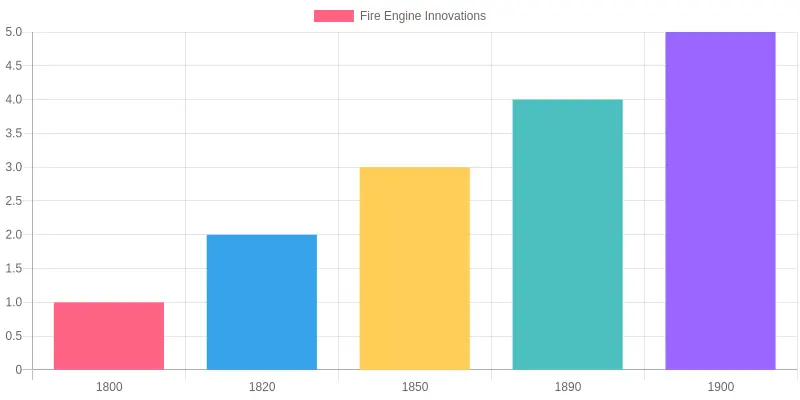
Fire trucks have evolved significantly over the years, reflecting advances in technology and the changing needs of firefighting teams. Below is a table that compares early fire trucks from the 1800s and 1900s, highlighting the inventors, types, and key features of each:
| Year | Inventor | Type | Features |
|---|---|---|---|
| 1800 | George Manby | Hand-Pumped Fire Engine | First portable fire engine; manual operation; used to combat small fires. |
| 1820 | Shadrach W. Cummings | Steam-Powered Engine | First steam fire engine; increased water output; reduced manpower for operation. |
| 1850 | James B. Eads | Horse-Drawn Engine | Pulled by horses; faster deployment; combined pumping capacity with larger water tanks. |
| 1890 | American LaFrance | Horse-drawn Steamer | Enhanced steam technology; capable of longer distances; larger steam capacity. |
| 1900 | G.M. Renshaw | Motorized Fire Apparatus | First motorized engines; significantly quicker response times; reduced reliance on horses. |
This table illustrates how fire trucks transitioned from hand-pumped engines to advanced motorized vehicles, revolutionizing the firefighting experience.
For more on current options available for fire vehicles, check out customizable fire truck solutions for today’s needs.
The transition from horse-drawn to motorized trucks marked a significant improvement in speed, efficiency, and the technical capabilities of fire services, showcasing the evolution of firefighting technology.
The Innovator of the First Motorized Fire Truck
The world of firefighting transformed dramatically in the early 20th century with the inception of the first motorized fire truck, thanks to the visionary, L. D. H. “Carl” Johnson. At a time when horse-drawn fire apparatus ruled the streets, the need for more effective and responsive firefighting solutions became evident. Fire departments were hampered by slow transportation and limited capacity; thus, the idea to harness the power of the internal combustion engine was born.
Carl Johnson embarked on this innovative journey in 1905, creating a prototype that marked the dawn of modern firefighting technology. The motorized fire truck allowed firefighters to reach emergencies faster, carrying more equipment and personnel than traditional horse-drawn vehicles. This momentous shift not only enhanced response times but also revolutionized the firefighting landscape, paving the way for advancements in fire safety and emergency services.
As urban areas began growing intensely, the significance of a motorized fire truck became increasingly clear. The innovations it introduced included not just quicker transport but also improved capability and efficiency in extinguishing fires. Motorized fire trucks enabled more effective deployment of firefighting crews and equipment, making it possible to tackle larger and more complex urban blazes.
Significance of the Invention
The introduction of the motorized fire truck symbolized a critical evolution in firefighting, transitioning from traditional methods to advanced firefighting equipment. This advancement led to the development of various specialized firefighting vehicles, including aerial ladder trucks and rescue units, addressing the specific needs of modern emergencies.
Today, the legacy of Carl Johnson’s invention is evident in fire departments worldwide, which utilize increasingly sophisticated motorized fire apparatus to protect communities. As advancements continue with hybrid and electric fire trucks, the groundwork laid by early innovators like Johnson remains vital to ongoing improvements in emergency response and safety protocols.
To learn about different models of fire trucks available from fire trucks for sale or explore customizable firefighting vehicles, consider visiting our pages that detail modern innovations in fire safety.
“Fire trucks have always been the backbone of effective firefighting. They are not just vehicles; they are the embodiment of hope and rescue during emergencies. The evolution of fire trucks over the years reflects our commitment to protecting life and property as well as the incredible bravery of the men and women who operate them.”
- Chief Fire Officer John Smith
This sentiment echoes the essential role that fire trucks play in our firefighting efforts and serves to inspire future generations to uphold this noble profession. Learn more about the evolution of fire trucks.
Chart of Advancements in Fire Truck Technology
Here is a chart illustrating key advancements in fire truck technology over the decades, showcasing innovations in various aspects such as water pumps, vehicle design, capabilities, and emergency response systems.

This chart depicts the evolution of technology, highlighting how improvements have enhanced fire trucks’ effectiveness in emergency situations. For more information about modern fire trucks, check out our range available for sale.
Modern Fire Trucks: A Leap Forward in Firefighting Technology
Modern fire trucks are marvels of engineering, designed to meet the ever-evolving demands of firefighting and rescue operations. Their features and capabilities set them distinctly apart from their predecessors, making them indispensable to contemporary fire services.
Key Features of Modern Fire Trucks
-
Advanced Pumping Systems
Many modern fire trucks come equipped with high-capacity pumps that can deliver substantial volumes of water at various pressures. These advanced systems often include onboard foam systems, enabling firefighters to combat different types of fires effectively, such as oil or chemical fires. -
High-Tech Communication Systems
Unlike traditional fire trucks, modern models feature integrated communication systems that facilitate seamless coordination between the crew and dispatch services. These systems often encompass digital radios, satellite phones, and real-time data sharing capabilities, significantly improving operational efficiency. -
Onboard Technology
Modern fire trucks incorporate state-of-the-art technology, including GPS and advanced navigation systems, which assist in routing firefighters quickly to emergency scenes. Many also utilize thermal imaging cameras that allow for locating hotspots in smoke-filled environments, enhancing safety and efficacy during operations. -
Enhanced Safety Features
Safety is paramount in firefighting, and modern fire trucks are equipped with a myriad of safety features designed to protect both firefighters and civilians. This includes automatic stabilization systems for ladders, built-in safety harnesses, and advanced temperature sensors that alert firefighters to dangerous conditions. -
Customizable Solutions
Manufacturers offer a variety of customizable fire truck solutions tailored to the specific needs of different regions and emergency scenarios. This adaptation is especially important in evolving markets and developing nations, where unique challenges may arise.
Comparisons with Traditional Fire Trucks
To illustrate the advancements in fire truck technology, consider the following table:
| Feature Category | Traditional Fire Trucks | Modern Fire Trucks |
|---|---|---|
| Pumping Systems | Manual pumps, small water tanks | High-capacity pumps, automatic systems |
| Communication Technology | Basic radios, signals | Advanced digital radios, satellite phones |
| Onboard Technology | Basic tools and equipment | Advanced navigation systems, drones |
| Safety Features | Limited safety gear | Comprehensive safety features, thermal imaging, GPS |
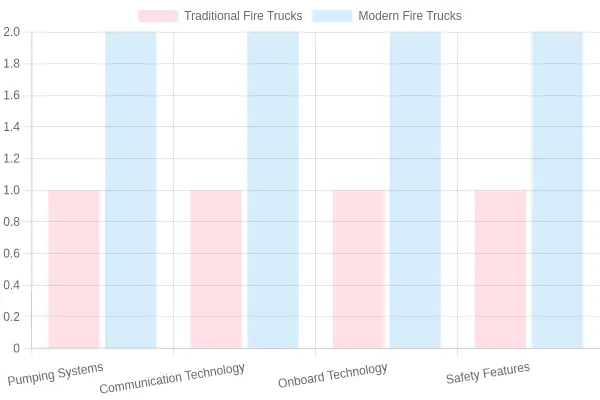
As we can see, the leap from traditional to modern fire trucks is characterized by enhancements in nearly every aspect, from pumping capabilities to safety features and advanced technological integrations. Firefighters today benefit from these technological advancements, which ultimately translate to better safety and more effective emergency responses.
For those looking to purchase modern firefighting equipment, explore our selection of fire trucks for sale.
Conclusion: The Importance of Fire Trucks in Firefighting
Fire trucks are not just vehicles; they are the lifeblood of firefighting efforts, playing a crucial role in saving lives and protecting property. From their humble beginnings as horse-drawn carriers to the advanced, multi-functional machines we see today, fire trucks have evolved dramatically. Their capacity to transport firefighters, water, and specialized equipment makes them invaluable during emergencies. Moreover, every historical advancement in fire truck technology demonstrates our commitment to enhancing safety and efficiency in tackling fires.
We invite you to explore the rich history and evolution of these remarkable machines for yourself. You can learn more about the types of fire trucks and their unique functions here. Additionally, for those interested in acquiring a fire truck, consider checking out our selection at Summit Fairings-where quality meets reliability. Dive deep into the fascinating world of fire trucks and discover why they are so crucial to our communities!
Explore Summit Fairings for Your Motorcycle Needs!
Are you a motorcycle enthusiast looking to enhance your ride? At Summit Fairings, we understand that good looks and aerodynamic efficiency are just as important as performance. Customizing your motorcycle with premium fairings can transform its aesthetic appeal while also improving its handling and performance.
Why Choose Summit Fairings?
- Quality Materials: Our fairings are made from durable, high-quality materials to ensure longevity and resilience against wear and tear.
- Custom Designs: You can choose from a wide range of designs and colors, allowing you to personalize your motorcycle to match your style.
- Enhanced Performance: Properly designed fairings not only enhance the look of your bike but can also reduce drag, leading to better speed and fuel efficiency.
- Expert Support: Our knowledgeable team is here to assist you at every step, ensuring you find the perfect fit for your motorcycle.
Don’t miss out on the opportunity to take your motorcycle to the next level! Visit Summit Fairings today and discover our wide selection of motorcycle fairings that merge functionality with style. Your ride deserves nothing less than the best!
Take Action Now! Transform your motorcycle experience with Summit Fairings – where performance meets personalization!