
In the high-stakes world of firefighting, every second counts, and the culture that underpins fire response can be the difference between life and death. Fire response culture encompasses the beliefs, practices, and values within a department that prioritize safety and efficient operational strategies. It is not just about having protocols in place; it is about fostering an environment where safety is a shared commitment, particularly at the leadership level.
When fire chiefs and officers exemplify safe practices and advocate for a proactive culture, they set the tone for their teams. The statistics reveal a concerning reality: while nearly all firefighters consider themselves to be safe, many feel their departments fall short on delivering the necessary support and training. This gap underscores the pivotal role of leadership in cultivating an atmosphere of accountability and continuous improvement in safety measures.
As we delve into the nuances of fire response culture, it becomes clear that enhancing safety starts with intentional leadership and a commitment to transform safety values into actionable behaviors.
When a department’s members feel their chief and officers consistently act in line with safety messaging, culture moves from words to action.
The Importance of Safety Culture in Firefighting
Cultivating a robust safety culture within fire departments is vital, as it not only impacts the well-being of firefighters but also the safety of the communities they protect. A safety culture encompasses the values, practices, and beliefs that prioritize safety in operations and decision-making. It fosters an environment where safety is a shared commitment among all members of the department.
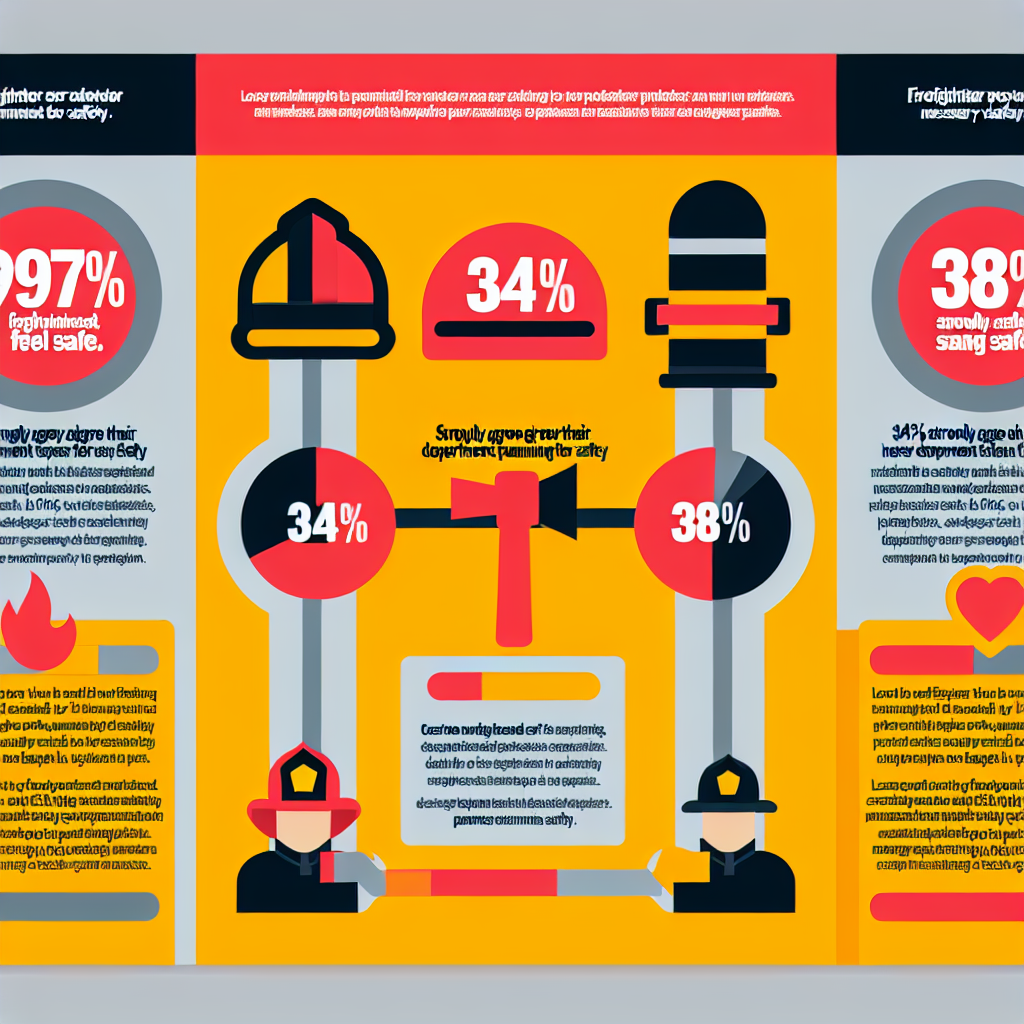
Statistics reveal a significant gap between personal safety perceptions and departmental support. Although an impressive 97% of firefighters view themselves as safe in their duties, only 34% strongly agree that their department is genuinely committed to safety. This inconsistency highlights a crucial disconnect that must be addressed. It raises concerns about the adequacy of training and resources provided, as only 38% of firefighters strongly feel that their department delivers necessary safety training, while 43% generally agree, leaving room for improvement.
Firefighter safety culture is directly influenced by leadership. When chiefs and officers exemplify diligent safety practices and maintain clear safety messaging, they set a tone that permeates the organization. This creates an environment of trust and accountability, encouraging firefighters to prioritize safety in all operations. Furthermore, encouraging open communication regarding safety concerns empowers team members, fortifying a culture where everyone feels responsible for not only their safety but their colleagues’ as well.
Ultimately, an effective safety culture is essential for maintaining morale, enhancing job performance, and minimizing risks. Departments that prioritize safety culture can expect to see improved operational readiness and a stronger commitment from firefighters to uphold safety standards. Investing in a profound commitment to safety culture will yield dividends in the form of enhanced service and reduced incidents on the job.
Key Points:
- Safety culture impacts firefighters’ well-being and community safety.
- There is a significant gap between personal safety perceptions and departmental support.
- Only 34% of firefighters strongly agree on their department’s commitment to safety.
- Leadership plays a crucial role in shaping safety culture and practices.
- Open communication regarding safety concerns strengthens teamwork and accountability.
- Effective safety culture improves morale, job performance, and operational readiness.
Key Statistics on Firefighter Safety Perceptions
Understanding the perceptions of firefighter safety is crucial for improving safety culture within fire departments. Here are the key statistics that highlight the current sentiments among firefighters regarding their safety and departmental commitment:
- Safety Perception: An impressive 97% of firefighters feel safe while performing their duties. This figure indicates a strong belief among firefighters in their personal safety, which is essential for maintaining morale and operational effectiveness.
- Departmental Commitment to Safety: Despite the high personal safety perception, a mere 34% strongly believe their department is committed to safety. A further 57% generally agree with this statement, while 8% express disagreement. This discrepancy suggests a potential gap in perceived support from leadership.
- Training Adequacy: Only 38% of firefighters strongly agree that their departments provide adequate safety training. Meanwhile, 43% generally agree, and 12% disagree, indicating another area where departments can improve to better support their team.
Overall, these statistics underline a concerning disconnect between individual safety perceptions and the perceived support from their departments. Many firefighters rely on their personal experiences rather than organizational assessments to judge safety, which can lead to increased risks in the field.
Departments must foster a culture that not only emphasizes safety training but also demonstrates a robust commitment to firefighter well-being. By addressing the training gaps and enhancing departmental safety perceptions, fire departments can improve overall safety culture and operational effectiveness.
Leadership’s Role in Safety Culture
Leadership is fundamental in shaping the safety culture within fire departments. Chiefs and officers play a crucial role by consistently modeling safe practices, which encourages members at all levels to adopt similar behaviors. Their prioritization of safety sets a paramount standard that influences all operational elements within the department. A visible commitment to safety helps bridge the gap between personal perceptions of safety and the overall departmental culture.
Effective leaders engage in regular safety training and discussions, which signal to firefighters that safety is a continuous priority rather than just a formal requirement. By fostering a culture of accountability, leaders empower their teams to take ownership of safety outcomes. When leaders hold themselves and their teams responsible for safety, it cultivates an environment where everyone feels encouraged to voice concerns related to safety.
Transparent communication about safety protocols and regular feedback loops are essential for reinforcing safety practices across the department. Open dialogue allows for adjustments based on real experiences, creating a learning culture that avoids placing blame. In contrast, neglecting these leadership responsibilities can have severe consequences. A deteriorating safety culture can lead to increased incidents and accidents, fostering mistrust among team members and diminishing their commitment to safety practices.
Ultimately, proactive leadership is vital for cultivating a robust safety culture that not only prioritizes the well-being of firefighters but enhances operational efficacy as well.
Comparison of Safety Culture Perspectives Among Departments
| Department | Commitment to Safety | Training Received | Agreement on Safety Messaging | Unsafe Behaviors Portrayal |
|---|---|---|---|---|
| Fire Department A | 34% Strongly Agree | 38% Strongly Agree | 57% Generally Agree | 12% Disagree |
| Fire Department B | 40% Strongly Agree | 45% Strongly Agree | 50% Generally Agree | 10% Disagree |
| Fire Department C | 38% Strongly Agree | 42% Strongly Agree | 54% Generally Agree | 15% Disagree |
| Fire Department D | 30% Strongly Agree | 35% Strongly Agree | 58% Generally Agree | 8% Disagree |
This table illustrates the varying levels of commitment to safety, training received, and agreement on safety messaging across different fire departments. By examining these statistics, it becomes evident where departments excel or need improvement in fostering an effective safety culture.
The Impact of Training and Readiness on Safety Culture
In the demanding field of firefighting, effective training and readiness are crucial components that directly influence the overall safety culture within fire departments. Training is not just a procedural obligation; it is a fundamental pillar that shapes perceptions and reinforces the commitment to safety among firefighters. When departments prioritize thorough training programs, they empower their personnel to act decisively and safely in high-pressure situations.
Recent data reveals that only 38% of firefighters strongly agree their departments provide the necessary training for safety, although 43% generally agree. This statistic reflects a significant portion of firefighters who identify training as a potential area of improvement. Moreover, the FOCUS survey, a recognized assessment tool used across over 500 departments, shows strong correlations between perceived training adequacy and injury reduction. This evidence underscores the importance of focused training initiatives in cultivating a safety-oriented mind-set.
Additionally, perceptions of training correlate closely with organizational efficacy. When firefighters feel adequately prepared through consistent and relevant training programs, there is a greater likelihood that they will adopt safer practices during emergencies. Leadership plays a critical role here; when leadership demonstrates a commitment to training, it fosters a culture of readiness that permeates the department. On the contrary, inadequate training leads to lowered morale and increased risks, compromising both firefighter safety and community well-being.
Training also contributes to cultivating trust within the department. Firefighters are more likely to support safety protocols and practices when they believe their training prepares them for the challenges they face in the field. In summary, enhancing training and readiness is not just about compliance; it relates fundamentally to the fabric of safety culture—creating an environment where every firefighter feels equipped to meet the demands of their role safely and effectively.
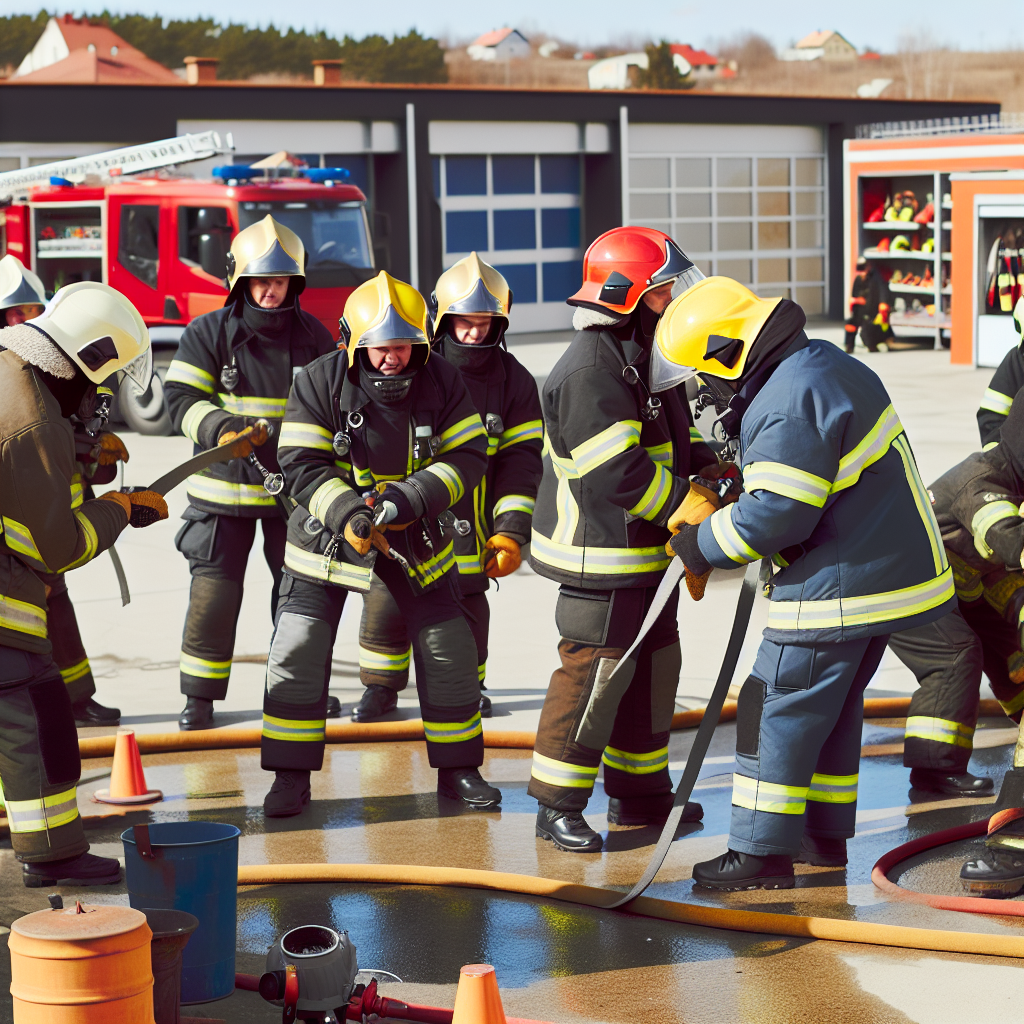
Image of a group of firefighters participating in hands-on training and drills, showcasing camaraderie and commitment to safety.
Conclusion
In conclusion, fostering a strong safety culture within fire departments is not only beneficial but essential for ensuring the safety of firefighters and the communities they serve. The statistics reveal a significant disparity between personal safety perceptions and the perceived commitment to safety by departments, with only 34% of firefighters strongly believing in their department’s dedication to safety. This highlights the urgent need for enhanced leadership and training.
Leaders play a pivotal role in shaping the safety culture; when they demonstrate unwavering commitment to safe practices and prioritize comprehensive training programs, they empower their teams and create an environment of trust and accountability. With only 38% of firefighters confident in the adequacy of training provided, it is clear that departments must invest in continuous learning and improvement to bridge these gaps.
Ultimately, a robust safety culture is a critical foundation for effective operations in firefighting. Not only does it enhance both individual and collective readiness, but it also fosters a sense of responsibility among team members for their own safety and that of their colleagues. By prioritizing safety culture, fire departments can significantly reduce incidents, improve morale, and ensure they are equipped to respond effectively in high-pressure situations. A proactive approach to safety is not just an operational priority; it is a moral imperative that safeguards lives and strengthens community trust in their fire services.
As you reflect on the importance of enhancing safety culture in your fire department, we invite you to share your experiences and strategies in fostering a safety-first environment. How does your department approach safety training and communication? What leadership strategies have you found effective? Your insights could inspire others in the fire service community to adopt best practices and reinforce our collective commitment to safety. Let’s engage in a constructive dialogue to strengthen safety culture across the board!
Key Takeaways for Enhancing Fire Response Culture and Safety
- Prioritize Leadership Commitment: Fire chiefs and officers must consistently model safe practices, demonstrating that safety is a shared value and a priority in all operations.
- Enhance Communication: Establish transparent communication channels that allow for open dialogue about safety concerns and protocols among all department members.
- Invest in Training: Ensure that all firefighters receive comprehensive training that aligns with current safety protocols, emphasizing continuous learning and readiness to handle emergencies effectively.
- Assess Departmental Support: Conduct regular assessments to gauge firefighters’ perceptions of their department’s commitment to safety, identifying areas needing improvement.
- Foster Accountability: Encourage a culture of accountability where all team members feel responsible for their safety and the safety of their colleagues, leading to proactive behavior.
- Build Trust: Create an environment of trust where firefighters feel their training prepares them for real-life challenges, reinforcing their commitment to safety protocols.
To bridge the understanding of how leadership shapes this ambiance, we now turn to a comparison of safety culture perspectives among different departments.
In the high-stakes world of firefighting, every second counts, and the culture that underpins fire response can be the difference between life and death. Firefighter safety culture encompasses the beliefs, practices, and values within a department that prioritize safety and efficient operational strategies. It is not just about having protocols in place; it is about fostering an environment where safety is a shared commitment, particularly at the leadership level. When fire chiefs and officers exemplify safe practices and advocate for a proactive culture, they set the tone for their teams. The statistics reveal a concerning reality: while nearly all firefighters consider themselves to be safe, many feel their departments fall short on delivering the necessary support and training. This gap underscores the pivotal role of leadership in cultivating an atmosphere of accountability and continuous improvement in safety measures. As we delve into the nuances of firefighter safety culture, it becomes clear that enhancing safety starts with intentional leadership and a commitment to transform safety values into actionable behaviors.
Conclusion
In conclusion, fostering a strong firefighter safety culture within fire departments is not only beneficial but essential for ensuring the safety of firefighters and the communities they serve. The statistics reveal a significant disparity between personal safety perceptions and the perceived commitment to safety by departments, with only 34% of firefighters strongly believing in their department’s dedication to safety. This highlights the urgent need for enhanced leadership and training.
Leaders play a pivotal role in shaping the safety culture; when they demonstrate unwavering commitment to safe practices and prioritize comprehensive training programs, they empower their teams and create an environment of trust and accountability. With only 38% of firefighters confident in the adequacy of training provided, it is clear that departments must invest in continuous learning and improvement to bridge these gaps.
Ultimately, a robust safety culture is a critical foundation for effective operations in firefighting. Not only does it enhance both individual and collective readiness, but it also fosters a sense of responsibility among team members for their own safety and that of their colleagues. By prioritizing firefighter safety culture, fire departments can significantly reduce incidents, improve morale, and ensure they are equipped to respond effectively in high-pressure situations. A proactive approach to safety culture is not just an operational priority; it is a moral imperative that safeguards lives and strengthens community trust in their fire services.
As you reflect on the importance of enhancing firefighter safety culture in your fire department, we invite you to share your experiences and strategies in fostering a safety-first environment. How does your department approach safety training and communication? What leadership strategies have you found effective? Your insights could inspire others in the fire service community to adopt best practices and reinforce our collective commitment to safety. Let’s engage in a constructive dialogue to strengthen safety culture across the board!
Additional Resources on Safety Culture in Firefighting
For those looking to deepen their understanding of safety culture in firefighting, consider exploring the following key studies and articles:
- Moving FOCUS: The Fire Service Organizational Culture of Safety survey – From research to practice (2020) – This study details the FOCUS survey results assessing safety culture in over 35,000 firefighters across 1,000 departments, emphasizing leadership’s role in using data to prevent injuries.
- Preventing Firefighter Injuries and Casualties by Examining the Culture of Safety (2012) – Funded by FEMA, this research develops a survey to measure safety climate in fire departments, showcasing the importance of leadership in valuing safety and accountability.
- Safety training in context: technical, cultural and political factors affecting its design, delivery and transfer (2023) – This article discusses the factors influencing safety training in high-risk workplaces, highlighting leadership’s influence on effective safety training.
- The relationship among safety leadership, risk perception, safety culture, and safety performance: Military volunteer soldiers as a case study (2023) – This study shows that safety leadership significantly enhances safety performance, with implications for training programs.
- Exploring the criteria and factors affecting firefighters’ resilience: A qualitative study (2022) – This qualitative analysis identifies managerial leadership and specialized training as key factors in enhancing firefighters’ resilience and safety culture.
- Intel Brief: Chiefs set the tone for safety culture (2025) – Fire chiefs influence safety culture by modeling practices and promoting a shared value of safety among firefighters.
- Measure your fire department’s safety culture with FOCUS 3.0 (2024) – This overview discusses how fire chiefs can use the FOCUS survey to improve safety culture and predict outcomes like injuries and burnout.
- Support for safety in the fire service: a test of reciprocal causality for safety motivation (2022) – This study highlights how fire chiefs can enhance organizational support for safety, influencing motivation and reducing incidents.
- Firefighter Safety: Fire Leaders’ Perspectives – Insights from fire leaders on promoting safety culture within their departments.
These resources provide a broad understanding of how safety culture can be improved through effective leadership and training in fire departments.