
Understanding the price range of fire trucks is crucial for fire enthusiasts, aspiring firefighters, and emergency services professionals alike. Fire trucks are not just vehicles; they symbolize safety, bravery, and swift response to emergencies. But how much does a fire truck cost? From small to medium water tank models to high-performance all-terrain trucks and specialized vehicles equipped with cutting-edge technology, the costs can vary significantly. In this exploration, we will outline key considerations that affect pricing, delve into specialized equipment, and scrutinize the market dynamics impacting the costs of these essential vehicles for fire departments and municipalities. Join us on this journey as we dissect the costs and ultimately reflect on their importance to firefighting and emergency response.
The Price of Readiness: How Small and Medium Fire Trucks Shape Budgets, Services, and Public Safety
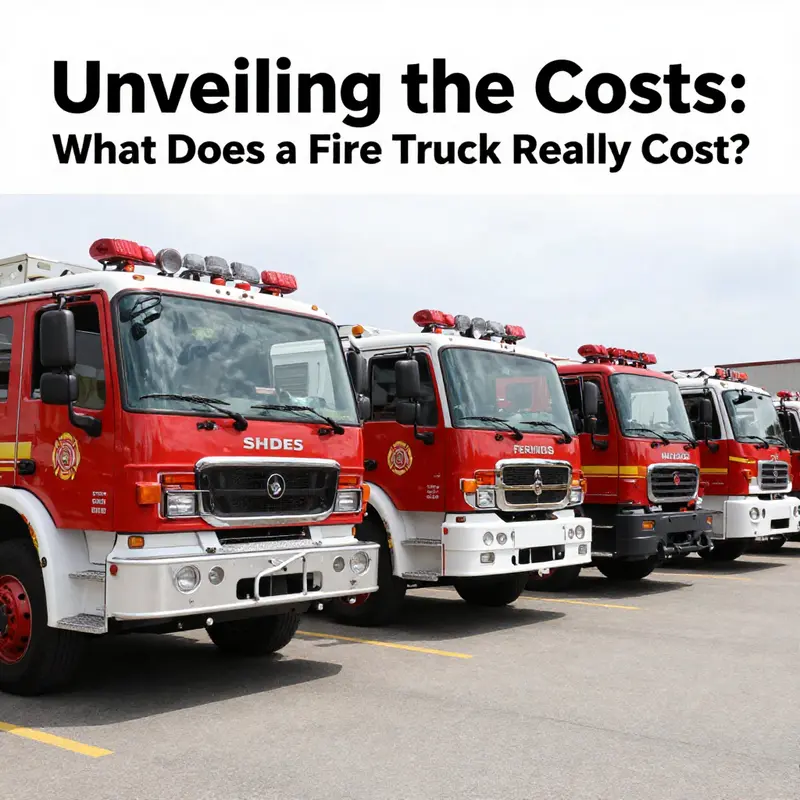
Every fire department faces a core tension: how to obtain the right equipment to protect communities without compromising financial stability. The cost of small to medium fire trucks sits at the heart of that balance. These vehicles, often the backbone of urban and suburban response, come in a range of sizes and configurations that directly influence their price. The market reflects that reality. A compact water-tank unit, typically designed with modest tank capacities, can be priced from roughly twenty-six thousand dollars to just under forty thousand dollars, depending on the exact tank size and how the chassis and body are configured. For departments weighing a modest water supply against weight, maneuverability, and ease of maintenance, those numbers are a starting point. A common reference point in this segment is around four thousand to five thousand liters of water capacity; a five thousand liter option sits in the upper end of that initial band, around thirty-six to forty thousand dollars. Those figures are not just sticker prices; they encode decisions about how fast a department can respond with meaningful water reserves, how often the vehicle will be deployed in densely populated areas, and how easily it can operate on streets with tight turning radii or limited access.
Beyond the compact end of the spectrum, departments contemplating higher water capacity or more versatile roles begin to see the price curve rise accordingly. Small to mid-size water-tank units with larger tanks or more robust configurations can push well toward the mid-forty-thousand range, creeping into the fifty-thousand zone as option sets expand. In practical terms, this means a department with a mid-sized community or a mixed-response footprint faces a simple arithmetic problem: what level of immediate water supply is necessary for the community’s risk profile, and how much can be allocated to purchase upfront while preserving funds for training, maintenance, and eventual replacement? The answer is rarely one number; it is a negotiated trade-off shaped by risk, geography, and budget cycles.
The conversation evolves when departments consider heavier or more capable small to medium trucks designed for all-terrain use or higher performance. These units are built to handle off-road access, challenging terrains, or higher-volume operations in urban peripheries. They are not merely bigger versions of the base model; they incorporate upgraded drivetrains, reinforced suspensions, and specialized equipment mounts that can handle a broader set of duties. Price points in this category typically begin around the fifty-two thousand to fifty-eight thousand dollar range, reflecting the added capability. The higher end of the spectrum there marks the point at which a department is buying into a platform that can sustain more demanding operational conditions while still remaining within a practical size class for certain geographies. For agencies prioritizing foam suppression, rapid deployment, or extended reach in smaller urban corridors, these platforms can be particularly attractive, even as they require careful projection of the ongoing costs associated with operation and upkeep.
Foam-capable variants, designed to enhance suppression in certain scenarios, further illustrate the price-ability dynamic within the smaller to medium segment. Starting points in this subcategory often sit around seventy-seven thousand five hundred dollars, a figure that reflects additional tanks, foam concentrates, nozzles, and deployment systems. The presence of foam equipment represents a meaningful capability boost, enabling certain firefighting conditions to be addressed more effectively. However, it also means higher purchase costs, more complex maintenance, and the need for personnel training focused on foam handling and application. When a department weighs foam versus plain water operations, it weighs not only initial expenditure but the longer-term implications for cost per incident, turnover of foam supplies, and the potential for faster incident containment in foam-supported applications.
If a department’s risk assessment points toward the need for specialized systems beyond foam, water cannons, aerial devices, or integrated foam suppression can drive the price beyond the six-figure threshold for some configurations. Customized or imported units with advanced suppression capabilities and longer service life can exceed one hundred thousand dollars, a level that pushes the decision from the realm of standard procurement into strategic capital planning. In those cases, the department is not merely purchasing a vehicle; it is acquiring a platform that will influence how it trains its crews, staffs its fleet, and coordinates with other responders during large incidents. The decision then becomes a conversation about life-cycle value, not just the sticker price.
Within this spectrum of options, the market also accommodates smaller, more transportable solutions often labeled as mini or compact fire trucks. These units may sit in a price belt that ranges from roughly fifty thousand up to one hundred fifty thousand dollars, a wide spread that mirrors differences in size, capacity, and equipment customization. For a community weighing a shallow water duty cycle and tight urban corridors, a smaller platform can offer a practical balance between upfront cost and operational flexibility. For others, the higher end of the mini-class becomes attractive when the vehicle is intended to perform a broader set of duties, require more sophisticated pump packages, or represent a first-responder unit in more challenging environments where rapid access is critical. For departments with larger risks—say, dense urban cores with complex road networks—a 5-ton class truck might be contemplated. These units, designed to provide robust performance in structural firefighting and water-tumping roles, come with higher price tags that reflect the added power, weight, and safety systems needed to meet stringent standards. The investment in these platforms signals a commitment to readiness, but it also necessitates careful budgeting for the long arc of ownership, including spare parts, tires, and systematic testing of pumps, hoses, and safety equipment.
The financial considerations extend far beyond the initial purchase. Budget constraints, the needs of the community, and the potential for increased efficiency and safety all intersect here. A department must weigh not only the upfront cost but the ongoing expenses that accumulate over the vehicle’s life. Fuel consumption, insurance, routine maintenance, repair costs, and the inevitable equipment upgrades all shape the true price of ownership. Maintenance planning is essential; a fleet that runs regularly in a high-usage environment will incur more frequent wear on pumps, hoses, and pumps’ seals, which translates into higher lifecycle costs. Training also forms a major line item. Crews need instruction on the new vehicle’s handling, pump operations, foam systems, and electronic control interfaces. The more sophisticated the configuration, the more extensive the training requirement becomes. All of this must be folded into a multi-year budget that anticipates replacement cycles, inflation, and potential shifts in incident patterns within the community.
The literature surrounding modern firefighting technology highlights a notable trend: the emergence of electric fire trucks for urban and suburban settings. Electric propulsion and integrated battery systems promise lower operating costs over time, reduced maintenance requirements, and quiet operation. The environmental benefits, including reduced emissions and improved community relations, align with broader municipal sustainability goals. Yet the transition to electric platforms introduces new cost dynamics—battery technology, charging infrastructure, and grid considerations—that can affect both upfront pricing and ongoing expenses. For some departments, the shift toward electrified small to medium trucks may offer a favorable balance of total cost of ownership, while for others it remains a longer-term strategic objective tied to funding and infrastructure readiness. A related development, electric wildland engines, emphasizes nimble design, torque characteristics, and minimal ecological impact in forested or grassland environments. These innovations suggest that the economics of firefighting vehicles will continue to evolve, potentially softening some of the financial barriers to acquiring modern, capable equipment in the years ahead.
To make sense of all these options, departments increasingly adopt a total-cost-of-ownership approach. That framework encourages buyers to look beyond the sticker price and evaluate lifecycle value, depreciation, resale potential, and end-of-life costs. It also invites scrutiny of supplier reliability, service networks, and the availability of spare parts. In practice, this means comparing the long-term expense of procuring and operating a fleet across different configurations, including the costs of pumps, alarms, and specialized firefighting tools that accompany each vehicle. It also means evaluating the risk of obsolescence and the potential benefits of modular or upgradable platforms that can adapt to evolving standards and mission profiles. The market itself supports this approach. Suppliers differentiate by offering flexible configurations, various material packages, and optional equipment; bulk or multi-vehicle orders can unlock favorable pricing, a factor many departments must leverage when planning multi-year capital programs. In such cases, a coordinated regional purchase or a shared-service arrangement can yield meaningful economies of scale, reducing per-unit costs while increasing fleet interoperability.
For departments seeking practical guidance, the path forward often blends careful risk assessment with a disciplined procurement strategy. Start with a clear definition of community risk—call volume, fire density, industrial or residential mix, and the geography that shapes response times. Then translate that risk picture into a vehicle specification that balances water capacity, pump performance, and maneuverability. A smaller unit with a four-thousand to five-thousand liter capacity might be ideal for steady response in suburban neighborhoods, while a more robust platform with higher torque and all-terrain capability can extend reach into hilly or uneven terrain. The decision is never purely technical; it is deeply political and administrative. It involves board approvals, grant opportunities, and collaborations with neighboring jurisdictions to fund a fleet that remains mission-ready without overburdening taxpayers.
Organizations contemplating their next purchase should also consider current market liquidity and procurement terms. The price ranges cited in industry literature reflect variations in shipping costs, payment terms, and optional equipment that departments may select in a given program. Understanding these levers helps a department forecast total project costs and align them with capital plans. For a practical sense of market configuration and available listings, many departments turn to the broader marketplace for new and customized units. A simple online search of current listings can reveal a spectrum of configurations, from compact water-tourers to all-terrain platforms, and even specialized foam-equipped units. If you want a direct route to browse options in a single place, you can explore the listings here: fire trucks for sale.
Ultimately, the choice of a small to medium fire truck is not a solitary procurement decision. It is a strategic investment that affects public safety, departmental readiness, and long-term fiscal health. The price tag is one piece of a larger equation that includes maintenance planning, training regimes, and the ability to adapt to changing risk landscapes. As technology evolves, the economics of ownership may shift, but the core principle remains constant: purchase decisions must align with the needs of the community and the capacity of the department to sustain both the vehicle and its people over many years. This alignment requires thoughtful budgeting, credible cost projections, and a willingness to explore innovative financing and partnering options that ensure every dollar reinforces faster, safer, and more reliable emergency response. It is through this disciplined, futures-minded approach that departments can secure the right mix of small to medium fire trucks—vehicles that deliver the essential balance of reach, resilience, and responsibility that modern fire protection demands.
External reference: https://www.alibaba.com/product-detail/Mini-Fire-Fighting-Truck-Price-Hot-Sale_1600438724968.html
Internal resource for further exploration: fire trucks for sale
Pricing All-Terrain Fire Trucks: Balancing Cost, Capability, and Critical Response
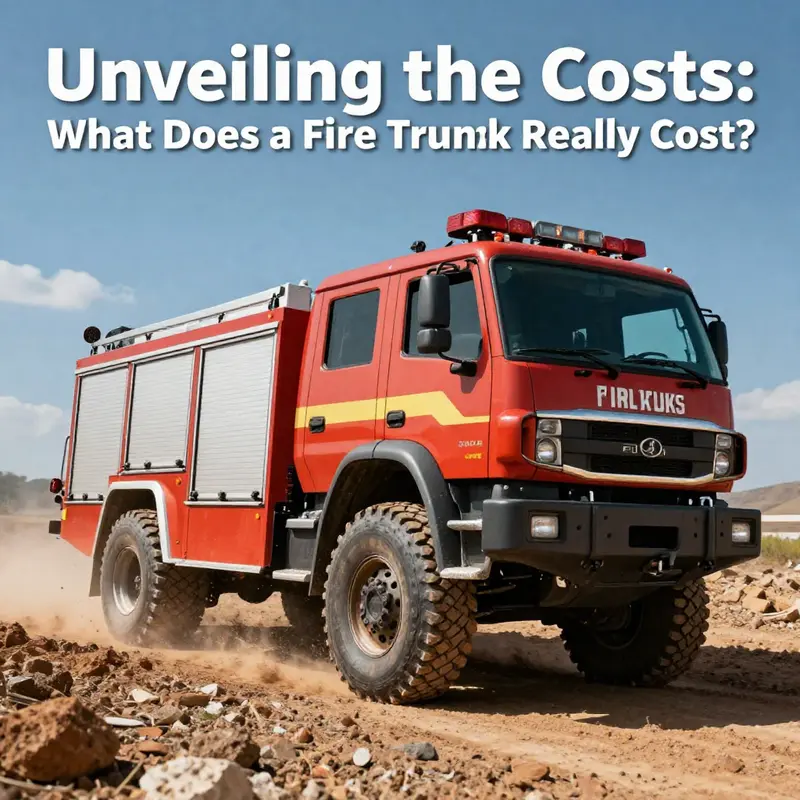
When a fire service contemplates its fleet for terrain-challenged missions, the sticker price on a vehicle is only the starting point. The real cost story runs deeper, because the value a machine delivers in life-saving moments is defined by how well it can operate where ordinary engines falter. All-terrain fire trucks are built to survive and perform in rough terrain, steep grades, muddy tracks, and forested or mountainous environments. In those contexts, price is tied to capability, reliability, and the speed with which responders can reach and control a scene. A well-chosen all-terrain platform can mean the difference between a fast, decisive attack and a drawn-out battle against time and terrain. The cost, in other words, is a reflection of the mission profile the vehicle is designed to support, not merely a number on a catalog page.
The price range for these specialized machines varies widely because the configurations span a broad spectrum of capability. Core differences start with the drivetrain, which can be a compact four-wheel-drive chassis or a heavier six-wheel, all-wheel configuration intended to handle steeper grades and softer surfaces. Engine power matters too: more horsepower helps a unit negotiate rough terrain while carrying heavy equipment and water supplies. The pumping and water system defines how quickly responders can begin suppression, how long they can sustain it, and what kinds of firefighting challenges the platform is equipped to meet. A compact off-road unit might carry a modest water reserve and a standard pump; a larger, more capable model could include a higher-volume pump, a bigger water tank, and a supplementary foam system to address different fire classes. Add in specialized safety features, reinforced chassis work, and off-road assist technologies such as enhanced traction control and improved ground clearance, and the price scales upward accordingly. Even materials play a role. Bodies engineered for harsh outdoor conditions, corrosion resistance in wet environments, and reinforced suspension systems contribute to longevity and performance but push costs higher. In practice, the most durable configurations require careful design choices and robust manufacturing standards, both of which carry a premium but pay dividends in uptime and mission readiness.
From a market perspective, the most straightforward all-terrain configurations lie in a broad mid-range band. A compact, off-road firefighter vehicle with a moderate water tank and standard pump capacity typically represents a practical baseline for rural and remote departments. When the configuration grows to include greater engine power, larger water tanks, higher pump capacities, and sometimes a foam suppression system, the price moves into a higher bracket. If a department opts for even more ambitious arrangements—such as a 6×6 drivetrain, greater payload, or a more sophisticated onboard system—the sticker price can push toward six figures. In some cases, larger or more specialized configurations that incorporate advanced firefighting systems, real-time monitoring, or enhanced on-board safety gear can exceed one hundred thousand dollars and reach well into the two-hundred-thousand-dollar range depending on the precise mix of features and the extent of customization. It is also common to see a broad spread in the marketplace because suppliers price configurations differently, and because regional factors such as shipping, import duties, and local labor costs influence the final quote. When customization is requested, the quoted price often includes installation, commissioning, and the terms of after-sales support and warranties, further widening the total cost of ownership.
Yet numbers alone cannot capture the full value these machines bring. All-terrain fire trucks unlock access to places where standard engines cannot reach—forests, mountains, marshy backroads, and flood-prone rural zones. This capability translates into real-time life-saving potential. Responders can begin suppression sooner, access remote structures, and maneuver through challenging terrain with greater confidence. In many cases, a higher-capacity pump and a larger water reserve translate into longer attack windows and fewer interruptions to the operation. The presence of off-road features, rugged engineering, and robust safety systems also enhances crew safety and operational efficiency. Real-time data tools, where included, help incident command make faster, better-informed decisions about water application, foam usage, and terrain management. The value is not merely the sum of a few headline specifications; it is the sum of reliability, reach, and responsiveness under demanding conditions. When a vehicle can reliably traverse a muddy lane to reach a scene and sustain suppression without constant batching of additional units, the entire incident response network operates with greater cohesion. In this sense, the price tag becomes a calculated investment in speed, safety, and resilience for both the responders and the communities they serve.
Cost considerations also extend beyond the initial purchase. Maintenance costs, spare parts availability, and the strength of service networks influence the true cost of ownership. In remote regions, shipping logistics, lead times, and on-site support shape the long-term economics of owning and operating an all-terrain fleet. A smaller, lighter chassis may have a lower upfront price but could incur higher maintenance frequencies if it operates in harsh fields where wear becomes a regular challenge. Conversely, a more rugged platform with a longer service life and easier access to parts can deliver lower lifetime costs despite a higher initial outlay. Departments must balance the immediate need for response capability with the expected lifecycle costs, including routine maintenance, parts availability, and the ability to source skilled technicians familiar with off-road firefighting configurations. This balancing act often governs procurement strategies, prompting phased acquisitions that align with budgets while allowing field testing and risk assessment over time. In the end, the most cost-effective choice is the one that keeps the fleet ready for action when called, with predictable maintenance windows and minimal downtime—the kind of reliability that translates directly into improved outcomes on the ground.
For decision-makers, the path to a prudent purchase often begins with a market scan that frames what is realistically available within a given budget and geography. It helps to compare core metrics in common terms: horsepower, pump capacity (often expressed in liters per minute or gallons per minute), water tank volume, and the scope of the on-board firefighting system, including foam. This currency makes it easier to weigh the trade-offs between flexibility, capacity, and weight. It also clarifies how much of the mission can be covered by a single platform versus what will require a fleet with complementary capabilities. In markets where broader availability exists, buyers may find a wide range of configurations with varied degrees of customization. A practical strategy is to anchor discussions in the essentials first, then assess the incremental value of add-ons such as enhanced control interfaces, advanced monitoring, dual-purpose foam systems, or expanded crew protection features. The process is not about chasing the latest gadgetry; it is about aligning the vehicle’s capabilities with the terrain realities and incident profiles a department realistically expects to face over the life of the asset. For those exploring options, a visit to a local listing of available machines can provide a tangible sense of what configurations look like and what budgets typically accompany them. As you review the market, you can consult and compare, for example, the kinds of off-road, foam-enabled, or water-rich configurations that are commonly traded in your region. If you want to explore current regional options, you can browse available listings at Fire Trucks for Sale, which offers a snapshot of what is on offer in the market and can help frame a realistic budget and feature set.
The decision to invest in an all-terrain fire truck should always be grounded in operational need. In practical terms, a vehicle designed to thrive in forested, mountainous, or flood-prone terrain would pair a sturdy four-wheel or six-wheel drive with a dependable mid-range water capacity and a reliable pump. It would balance horsepower with a compact footprint to preserve agility in tight spaces, while still delivering sufficient water and basic foam capabilities. The budget would cover not only the purchase price but also the installation of any specialized controls, training for operators, and a maintenance plan that anticipates wear and tear from rugged use. In tighter-budget environments, departments may opt for a leaner baseline that preserves core capabilities—rapid access, reliable suppression, and safe operation—while keeping an eye on essential durability. In more expansive procurement programs, agencies may select higher-capacity units with extended service life and more advanced monitoring systems. The incremental gains in response time, situational awareness, and decision support can ripple through the incident command structure, amplifying the entire firefighting operation’s effectiveness. Across these scenarios, the unifying reality remains clear: the value of an all-terrain fire truck lies not only in its ability to reach a fire but in its capacity to sustain effective response under demanding conditions. The price tag should be read as an investment calibrated to deliver practical, life-preserving outcomes when terrain challenges threaten to slow or derail mission objectives. For those seeking deeper context on current market offerings, a representative supplier listing can provide a frame of reference and help normalize expectations as procurement progresses. External resources can illuminate how price aligns with configuration, geography, and delivery terms, offering a broader sense of the market landscape.
For readers who want to explore a central marketplace option, consider reviewing the general listings at Fire Trucks for Sale to gauge available configurations and approximate price ranges within your region. This resource helps translate the broader market signals into concrete procurement targets and supports credible negotiations with suppliers. External perspectives on the market, including supplier catalogs and regional pricing, are valuable for understanding how a given configuration’s capabilities map to mission needs and budget realities. External resources can further illuminate how different firefighting configurations perform in practice, and they provide a grounded sense of the trade-offs inherent in any major fleet purchase. In the end, the best outcome is a balanced decision that delivers dependable access to challenging terrains, robust suppression capabilities, and reliable service support—so that when the call comes, the response is swift, safe, and effective. External resource: https://www.alibaba.com/product-detail/All-Terrain-Fire-Truck-4×4-Off-Road-Rescue-Vehicle_62979289862.html?spm=a2700.19129226.0.0.5f8c4b7eHkIYyT
Beyond the Hose: The Price of Specialized Fire Trucks and the Technologies That Drive Emergency Response
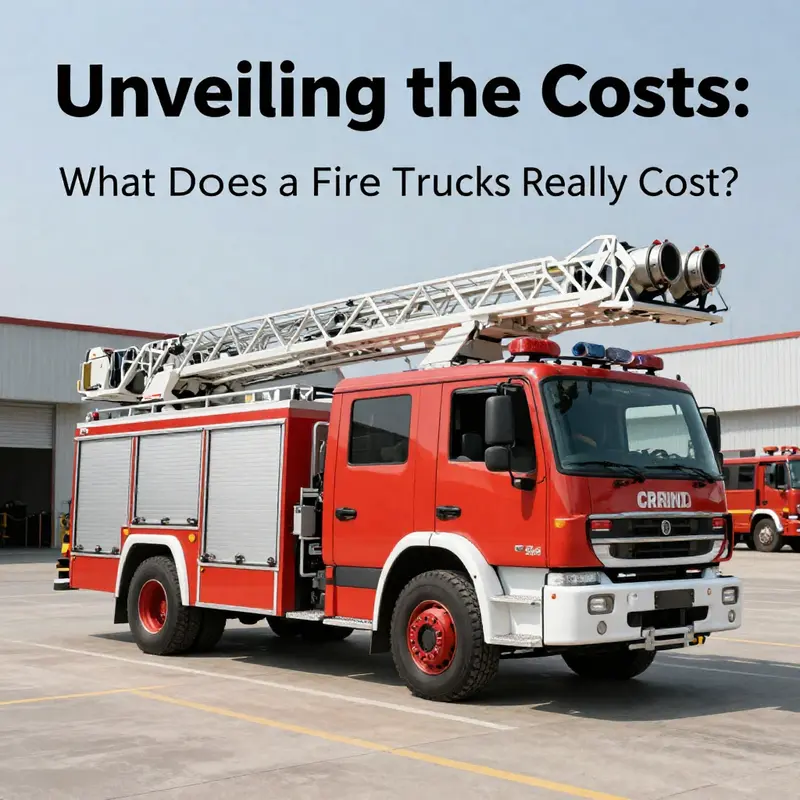
Specialized fire trucks sit at the far edge of the market, not merely because they carry more water or ladders, but because they embed a convergence of propulsion systems, storage configurations, and response technologies that must function in extreme conditions. These vehicles are engineered for tasks that go beyond quick water deployment. They transport specialized foams, carry hazardous-material response gear, and often navigate rough terrain or collapsed roadways while keeping vital equipment accessible and ready. The result is a price tag that reflects both the breadth of equipment and the precision of engineering. When buyers consider these machines, they are not just purchasing a pump unit; they are investing in a platform that can be configured for rapid deployment, long-term reliability, and compliance with varying environmental standards across regions.
Price signals among specialized trucks illustrate the spectrum of capabilities. At the entry end, a compact, high-capacity variant with an 8,000 to 10,000-liter tank and a robust storage layout can command roughly the mid‑twenty‑thousands to the high‑thirties of dollars, depending on the exact tank shape, cab configuration, and onboard systems. In practical terms, buyers are choosing between compact cargo spaces designed to hold a wide array of rescue tools and larger enclosures intended for more complex firefighting arrays or rapid foam deployment systems. The variation in this segment reflects a core principle: every additional feature or larger payload translates into a larger investment. A substantially larger storage area may offer room for rapid-access foam canisters, hazardous materials containment, or extra spare parts, but it also pushes the price higher because it often requires reinforced chassis, more powerful hydraulics, and more elaborate certification workflows.
For off‑road and high‑mobility needs, the market tends to push prices upward as soon as the vehicle transitions from standard pavement operation to rugged terrain. An all‑terrain, four‑wheel‑drive configuration designed to deliver 10 tons of equipment and personnel typically ranges from the mid‑fifties to the upper‑fifties of thousands of dollars. The engineering challenge here lies in integrating drivetrain robustness, ground clearance, and traction with a dependable water pump and foam system. When buyers specify off‑road drivetrains, they are often weighing the cost of a more complex suspension and transfer case against the risk of stranded equipment in remote incident scenes. In many markets, tough terrain also elevates maintenance costs and spare‑parts availability, which in turn influences lifetime ownership cost and total cost of ownership calculations.
Another tier exists for foam‑specialized or water‑foam combinations, designed to extend attack capabilities in challenging environments or chemical/hazmat incidents. These models commonly start around the mid‑to‑upper‑fifties of thousands of dollars and can surpass a hundred thousand dollars when customers request additional fortress‑like foam infrastructure, aerial components, or high‑volume water cannons. The pricing delta here is driven by several intertwining factors: the amount of foam concentrate stored on the vehicle, the foam delivery system’s precision and range, and the integration of monitoring and control systems that ensure foam compatibility with different hydrant networks and nozzle geometries. When a truck is configured to carry different foam blends or to handle specialized foam concentrates for specific incident typologies, the procurement team must account for bulk packaging, extended maintenance cycles, and certification checks that guarantee the materials do not degrade vehicle components.
Across these variants, the role of specialized equipment cannot be overstated. A unit with a larger water tank, say 8,000 liters, paired with a high‑pressure foam system, can be optimized for rapid knockdown in large or high‑risk structures. If the same vehicle adds an aerial platform, an advanced water cannon, or a dedicated hazmat cabinet, the price climbs further still. These features are not optional luxuries; they fundamentally change how quickly responders can act and how safely they can operate in degraded environments. The potential return on investment is measured not only in gallons or liters per minute but in the reduced response times, improved containment outcomes, and safer on‑scene workflows for firefighters who must manage volatile substances and high‑rise risks.
Custom configurations—from the choice of engine horsepower to the arrangement of rescue compartments—play a decisive role in cost. Engine power in these specialized off‑road and high‑capacity models commonly ranges from roughly 251 to 400 horsepower, a broad band that correlates with payload, traction, and hill‑climb performance. Higher power can translate into faster acceleration at speed and enhanced capability to traverse uneven terrain while carrying heavy equipment. Yet more power also means heavier drivetrains, more fuel consumption, and a longer delivery time for certain export markets where engine calibration and emissions certification add layers to the procurement process. In some markets, the emphasis shifts toward meeting emission standards such as Euro‑5 or equivalents, which can shape both the components chosen and the testing regime before a vehicle can be cleared for service.
The lifecycle cost considerations extend beyond sticker prices. Many buyers accrue ongoing expenses related to maintenance, spare parts, and after‑sales support. A robust after‑sales network helps minimize downtime, a critical factor when a truck must be deployed on a moment’s notice. Buyers frequently seek warranties that cover key parts for at least a year, and they may push for extended coverage on pumps, valves, and electronic control systems that coordinate complex spray patterns or foam dosing. In the end, the total cost of ownership for specialized trucks often hinges on the availability of rapid parts supply, the ability to source trained technicians, and the cost of shipping components across borders when a vehicle is serving remote or multi‑jurisdictional regions.
The purchasing decision for a specialized vehicle also reflects a broader strategic calculus. Some buyers prioritize a modular approach—one chassis that can be re‑configured with new tool mounts, additional foam stations, or upgraded nozzles as incident patterns evolve. Others opt for a turnkey configuration optimized for a niche mission profile, such as urban hazmat response or high‑rise foam suppression. In both paths, the financial planning must accommodate the reality that some configurations are easier to justify on a cost‑per‑response basis, while others are defended by the strategic communication of capability—showing commissioners that the fleet can handle evolving threats with a single, adaptable platform. For readers exploring the options in this space, a comprehensive overview of customized firefighting vehicles, including how a developing region can balance diverse terrain and budget constraints, offers valuable context. comprehensive customized firefighting vehicles for developing countries meeting diverse terrain and budget constraints
In practical terms, buyers should expect to engage in a multi‑layered negotiation. Initial quotes typically reflect base chassis, core pump module, standard water capacity, and a few essential features. When the project evolves into a fully specialized vehicle, the quotes incorporate advanced features such as dedicated foam systems, high‑capacity water cannons, secure hazmat compartments, and, in some markets, aerial platforms or high‑lift ladders. The negotiation often extends to after‑sales terms, including spare‑parts packages, technician training, and scheduled maintenance windows that align with the department’s operational tempo. The complexity of these conversations underscores why buyers frequently request quotes from multiple suppliers, compare total cost of ownership, and weigh the reliability of the supplier’s after‑sales network as part of the final decision.
External market dynamics add another layer of consideration. International buyers may encounter additional costs tied to shipping, insurance, duties, and currency fluctuations. In some cases, a seemingly favorable price can be offset by import fees or extended lead times, turning a low upfront quote into a more expensive long‑term commitment. Conversely, buyers seeking rapid deployment across borders may benefit from suppliers who offer pre‑certified, Euro‑compliant configurations with shorter lead times. The decision, then, is rarely about the sticker price alone; it is about the alignment of a vehicle’s capabilities with the department’s response profiles, maintenance ecosystems, and fiscal planning cycles.
For readers seeking a sense of the market’s breadth, consider the external listings that illustrate the diversity of specifications and pricing in this segment. While product names and branding vary, the underlying economics follow recognizable arcs: smaller, highly configured units sit in the mid‑thirties of thousands; rugged, off‑road platforms with robust foam systems push toward the upper fifties; and ultra‑specialized configurations, with premium features and custom builds, can cross the six‑figure threshold when imported or tailored for unique environments. Such data points remind us that the cost of a specialized fire truck is less about a single number and more about a spectrum of capabilities, reliability, and return on investment for the communities they serve. External reference for market listings and specifications: https://www.alibaba.com/product-detail/Brand-New-Fire-Truck-10000-Liter-Water_1600482239834.html
Pricing in the Line of Duty: Economic and Geopolitical Currents Shaping Fire Truck Costs
Prices for fire trucks are not static numbers inked on a catalog page. They rise and fall under a complex interplay of market forces, logistical realities, and strategic decisions made by buyers and manufacturers alike. In the simplest terms, a fire truck is a highly specialized utility vehicle. Yet its price is a moving target, driven by the vehicle’s size, configuration, and the level of technology it carries. When a department considers what to purchase, it must weigh the upfront cost against the broader financial picture, including maintenance, parts availability, and the vehicle’s expected service life. The sticker price is only the first line in a ledger that can extend over decades, and that ledger is written in the language of supply chains, macroeconomics, and geopolitics as much as in steel and hydraulics. Within this broader context, we can map the typical price bands and then explore the forces that push those numbers up or down over the years.
At the most fundamental level, fire trucks come in distinct families, each aligned with a different mission profile. Small to medium water tankers, designed to shuttle significant water loads to the scene and supplement on-site suppression, tend to occupy the lower end of the price spectrum. Their costs commonly span roughly from the mid-twenty-thousands to the upper forties-thousands, depending on tank capacity and configuration. A representative 4,000 to 15,000-liter range might sit in the mid-to-high thirties of thousands, with specific tank size and equipment layout nudging the figure toward the lower or upper edge of that band. The variability within this category is tightly tied to how much water the unit can carry, how the pump is specified, what firefighting tools are integrated, and how much customization the customer requires for ignition systems, alarms, and crew comfort. Even in this relatively leaner segment, the cost is a function of both the component quality and the anticipated operating environment.
Stepping up into heavier, more capable platforms—those built for off-road performance or large urban districts—the price range expands considerably. All-terrain or high-performance models with four or more wheels designed to handle rough terrain or higher water and foam capacities move into a higher bracket. A 4×4 high-capacity platform, capable of traversing challenging terrain and delivering robust water flow, typically falls in the low-to-mid fifty-thousands, while models on the larger end of capabilities can push toward the mid-to-upper fifty-thousands. When a vehicle transitions into a six-wheel or higher configuration, especially if it includes specialized suppression media like foam systems or advanced electronic controls, the price can jump even higher. It is not unusual to see foam-equipped, all-terrain units in the upper tens of thousands to the low hundreds of thousands, particularly when the design calls for sophisticated pumps, multi-mode foam delivery, and rugged drivetrains intended for extreme duty conditions. The presence of a foam system, reinforced safety features, and enhanced operator interfaces all contribute to this stepped increase in price.
Across all categories, there are still more expensive pathways. Specialized vehicles that come equipped with advanced systems—such as water cannons designed for controlled high-volume discharge, tall aerial ladders for extended reach, or integrated foam suppression tailored to industrial fire scenarios—can exceed the six-figure mark, especially when customized or imported. In these cases, the engineering scope is broad: performance-critical hydraulics, multiple power take-offs, electronic control units with mission-specific software, and corrosion-resistent materials, all chosen to meet exacting municipal or industrial standards. The more complex the mission profile, the more the unit must be tuned to deliver reliability under diverse operating conditions, and that tuning comes with a higher price tag.
But price is not only a function of the vehicle’s design. The quote often reflects a bundle of options and contingencies that can swing the overall cost. Buyers frequently consider pumps, alarms, communication equipment, lighting, securing devices, and firefighting tools that must be mounted and tested before delivery. Shipping costs, import duties, warranty terms, and after-sales support all feed into the final price. In markets where domestic manufacturing capacity is limited or where trade and logistics face friction, lead times lengthen and freight or currency volatility can tilt the bottom line. It is also common for buyers to negotiate bulk terms for multiple units, where per-unit prices decline with scale but the total investment remains substantial.
To understand why prices can rise even as economies grow, it helps to consider the broader economic climate. In markets experiencing GDP growth and rapid infrastructure development, demand for public safety equipment tends to rise in step with urban expansion and modernization programs. Governments that push for upgraded emergency response capabilities often place multi-year procurement plans on the table, sometimes compressing delivery schedules for strategic reasons. In such environments, suppliers may face tighter production windows or capacity constraints, which can push quoted prices upward, especially for specialized or custom configurations. When city regions accelerate capital projects or when disaster resilience becomes a policy priority, the pressure to equip fire services with advanced, reliable hardware intensifies. This dynamic is most visible when orders for high-performance or multi-purpose platforms surge, and manufacturers respond with pricing structures that reflect both the scale of demand and the premium that comes with securing scarce production slots.
On the geopolitical side, tensions and disruptions ripple through every corner of the supply chain that supports fire truck manufacturing. Engines, electronic systems, and specialized materials are sourced globally; any interruption in those supply streams can delay production and elevate costs. Trade restrictions, sanctions, and regional conflicts have a real impact on delivery schedules and the availability of critical components. When a part must be replaced or redesigned to meet new regulatory or environmental standards, costs rise, and so do the timelines for completion. Currency fluctuations can also alter the price that a buyer pays, especially in markets that rely heavily on imported components or finished vehicles. When the cost of raw materials such as steel, aluminum, and rubber trends upward due to broader market volatility, those price signals pass through to manufacturers and, ultimately, to buyers.
The market context remains nuanced even as the aggregate trajectory points upward. Analysts have estimated the global fire truck market at roughly USD 11.05 billion in 2023, with a steady outlook toward 2030 as natural disasters and urbanization create new demand for more capable, multifunctional platforms. This growth occurs within an environment of ongoing economic uncertainty and geopolitical volatility, which tends to exert upward pressure on prices. The expansion is driven in large part by a push for vehicles that can address industrial fires, wildfires, and complex urban emergencies with integrated systems that reduce response times and increase situational awareness. These capabilities—while game-changing on the ground—come with added engineering complexity and higher upfront costs. Yet for many agencies, the value proposition remains compelling: faster, more effective response translates into fewer losses and lower long-term costs in terms of damage, downtime, and public safety outcomes.
For procurement leaders, price is only one axis of decision-making. A prudent approach balances the immediate budget against long-term total cost of ownership. Early ordering, diversified supplier sourcing, and strategic stockpiling of common components can mitigate the risk of price spikes or supply disruptions. It is also critical to align specifications with actual operational needs, avoiding over-specification that can inflate costs without delivering commensurate benefits. In regions with diverse terrain and climate challenges, the ability to customize for a particular emergency profile—while maintaining a reasonable maintenance footprint—becomes a key differentiator in cost effectiveness. That balance often requires a collaborative planning process across municipal, regional, and national levels, ensuring that procurement decisions reflect both current priorities and scalable capabilities for the future.
For readers seeking more current-market context and concrete inventory options, the landscape is continually evolving. In practice, many departments and purchasers consult catalogs and marketplaces that curate available trucks for sale, balancing price against capacity, reliability, and service proximity. If you are exploring options, you can find a broad mix of listings and educational content in sections dedicated to fire trucks for sale, which help buyers compare features and costs across different vehicle classes and configurations. fire trucks for sale.
In summation, the price of a fire truck reflects more than the steel and hydraulics it contains. It mirrors the health of economies, the resilience of supply chains, and the strategic choices that public safety agencies make to protect communities. The most affordable option may deliver adequate capability for a smaller district, while larger cities or industrial sites may justify the premium for advanced platforms that reduce risk and accelerate response in high-demand environments. As the market continues to evolve toward more versatile and autonomous operations, buyers should anticipate both incremental price increases and opportunities to realize long-term savings through standardization, modular design, and robust after-sales support. For those looking to delve deeper into market dynamics, the broader external analyses provide a structured view of how macro trends translate into the price points seen in today’s market.
External resource for further reading: https://www.marketresearchfuture.com/reports/fire-truck-market-18976
Budgeting for Fire Trucks: Financial Foundations and Risk in Municipal Fleet Management
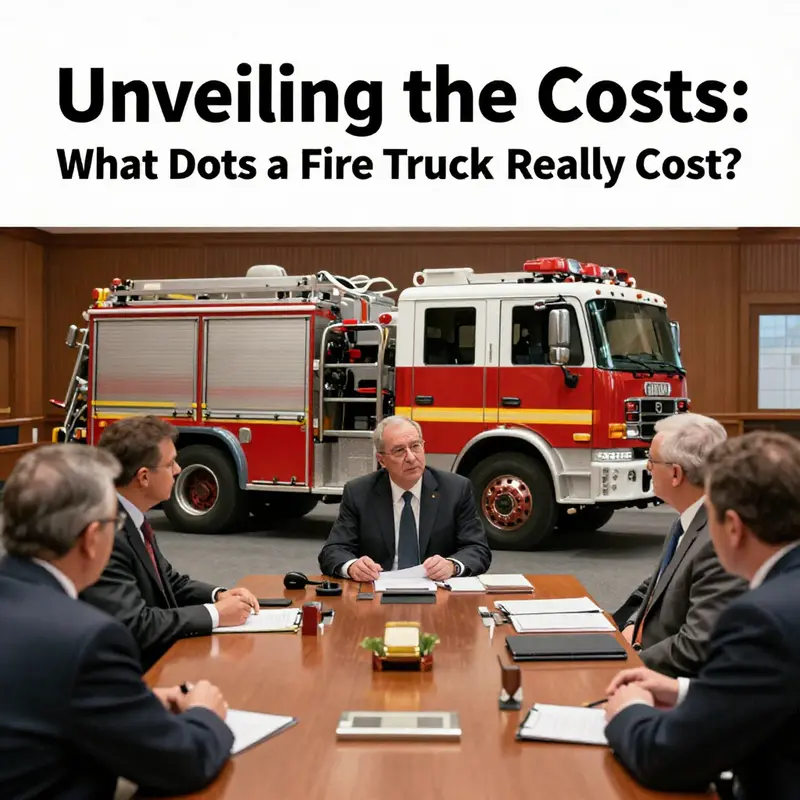
Budgeting for fire trucks is less a single price tag than a disciplined practice of forecasting, balancing, and sustaining a fleet that must perform when every second counts. Fire services operate on a paradox: emergency response is priceless, yet the apparatus that makes those responses possible carries a concrete, measurable cost. The upfront purchase price of a fire truck is only the most visible slice of a much larger pie. A well-constructed budget looks past the sticker price to account for the ongoing costs of ownership, the penalties of downtime, and the uncertainties that accompany evolution in technology, regulations, and demand. In this sense, the discipline is not merely about buying vehicles; it is about building a financial framework that preserves readiness, safety, and public trust over the long horizon of the department’s service life. As such, budgeting becomes a strategic instrument that shapes how a community protects itself, responds to crises, and leverages its capital for maximum effect.
As of early 2026, the market displays a broad spectrum of configurations that translate into equally broad price ranges. Small to mid-size water tank units, configured for standard urban response, typically sit in a range from roughly $26,000 to $39,800. The exact figure depends on tank capacity, combined with basic features and the chosen chassis. Larger tanks or more sophisticated configurations push the price upward within that band, and a representative 5,000-liter model can land toward the upper end. For departments prioritizing off-road capability or higher payloads, all-terrain or high-capacity chassis—commonly rated in the 4×4 or 6×6 category—command higher starting points. A 4×4, about 10-ton class truck, commonly travels from around $52,500 to $57,850, depending on drive train quality, pumping capacity, and optional equipment. And when a department seeks multi-role capability—foam suppression, integrated ladders, enhanced water cannons, or advanced mitigation systems—the initial price can climb toward or beyond $100,000, with the final tag determined by the exact mix of systems, certifications, and customization.
Yet even these figures capture only the tip of the total cost of ownership. A comprehensive budget must anticipate ongoing fuel usage, routine maintenance, and replacement parts. Fuel costs follow usage intensity. Fire apparatus are designed for high-output performance, which, in the field, translates to repeated accelerations, idling during long drills, and substantial pump operations during incidents. All of these patterns influence fuel consumption, and a department’s annual fuel bill becomes a predictable, recurring line item that compounds over the years. Maintenance is the steady backbone of reliability. Regular inspections, lubrication, tire and brake service, pump testing, and electronics diagnostics require not only a steady cash flow but also a reliable supply chain for parts and a skilled workforce capable of performing specialized work. The cost of maintenance is highly sensitive to the quality and availability of components, the time needed for repairs, and the logistics of service after purchase. A robust preventive maintenance program can reduce the risk of on-scene failures and the indirect costs that accompany downtime, yet it requires budgeting discipline to ensure parts inventories, technician hours, and service contracts align with expected use.
Regulatory and safety frameworks add another layer of ongoing expense. Many jurisdictions mandate regular inspections and certifications to meet safety and regulatory standards. The costs here can range from a few hundred to a few thousand dollars per vehicle per cycle, depending on local rules and the complexity of the apparatus. Inspections are not merely a compliance exercise; they are a shield against sudden, unplanned failures that could compromise public safety or trigger 대to extraordinary repair costs. In parallel, technological upgrades—new communication interfaces, diagnostic capabilities, diagnostic tools, and firefighting equipment updates—are increasingly common. These upgrades keep hardware compatible with evolving standards, improve interoperability with other agencies, and extend the useful life of the fleet. A thoughtful budget accounts for a capex line for upgrades and a separate maintenance line to integrate the new systems smoothly.
The trajectory of vehicle life also drives long-term financial planning. Most departments think in cycles: acquisition, operation, and eventual replacement. The lifecycle planning question is not merely when to retire a unit, but how to optimize performance, reliability, and the total cost of ownership across its 15-to-25-year span. Replacement cycles must consider residual value, reliability metrics, and the operational impact of aging vehicles on incident response. This is where strategic budgeting becomes a balancing act. On one side sits the imperative of maintaining a mission-ready fleet; on the other, the reality of finite budget envelopes and competing public priorities. A prudent approach uses lifecycle cost analysis to compare scenarios—whether to upgrade a vehicle’s systems incrementally or to accelerate replacement with an updated, more capable platform. The aim is to minimize downtime and avoid the heavy emergency costs that accompany unexpected failures.
A practical budgeting mindset also recognizes the variability across the market. Prices can be influenced by supplier dynamics, shipping costs, currency fluctuations, and the availability of optional equipment or specialized configurations. Public finance processes, with their procurement rules and multi-year planning horizons, often magnify these fluctuations. Because fleet decisions are rarely one-off, departments benefit from aggregating demand, which can improve price leverage through bulk purchasing or cooperative procurement arrangements. Cooperative strategies can yield meaningful unit-cost savings and reduce the administrative burden of multiple, separate acquisitions. In parallel, thoughtful cost control requires transparent communication with policymakers and the public about trade-offs: higher upfront costs may deliver lower total ownership costs, but trade-offs in features, speed of deployment, and maintenance needs must be clearly understood and documented.
For those evaluating current options, it is worth exploring the broader market and the availability of used or refurbished units, alongside brand-new configurations. Market intelligence supports better forecasting and more accurate long-range budgeting. If a department needs a quick reference to available inventories, an accessible entry point is the fleet marketplace page that aggregates current listings. For example, a page dedicated to fire trucks for sale provides a practical snapshot of what is on the market and at what price points, helping finance committees calibrate their requests against real-world constraints. This approach ties the budgeting exercise to tangible, near-term opportunities while still anchoring decisions in long-range fiscal planning. See the market listing here: fire trucks for sale.
Beyond the numbers, a disciplined budgeting framework relies on data, not anecdotes. The National Fire Protection Association (NFPA) provides critical guidance on maintenance, reliability, and safety, underscoring that regular upkeep and timely replacements are essential for maintaining readiness and protecting the public. While the exact figures will vary by jurisdiction and fleet mix, the principle remains consistent: preventive maintenance, informed investment in upgrades, and a well-timed replacement cycle together determine the department’s ability to respond swiftly and safely. For readers seeking a deeper, data-driven perspective, the NFPA’s Annual Fire Apparatus Report 2023 offers a comprehensive resource on how apparatus management, maintenance, and replacement trends translate into real-world outcomes. External resource: https://www.nfpa.org/News-and-Research/Data-research-and-publications/Fire-Department-Management-and-Operations/Equipment-and-Apparatus-Management/Annual-Fire-Apparatus-Report-2023
In sum, budgeting for fire trucks cannot be reduced to a single price tag. It requires a holistic view that encompasses initial acquisition, ongoing fuel and maintenance costs, inspections, upgrades, and the long arc of replacement. It means recognizing that a $30,000, $50,000, or $100,000 unit is only the visible edge of a larger financial story—one that unfolds across years of duty, risk, and resilience. The right budget, built on transparent assumptions and aligned with performance metrics, ensures that crews stay equipped, incidents are managed effectively, and communities receive the protection they expect whenever alarm bells ring. For municipalities and fire services, that is the essence of preparedness translated into balance sheets: reliable equipment, ready response, and financial stewardship that stands up under pressure.
Final thoughts
The investment in fire trucks is a reflection of a community’s commitment to safety and emergency response. Understanding the costs associated with these vital vehicles—from small but versatile fire trucks to specialized models equipped with the latest technology—enables better budgeting and procurement strategies for fire departments. As you engage in discussions about the future of firefighting, remember that the right fire truck can make all the difference in saving lives and property. In making these investment decisions, consider the long-term value and impact of each model on your community’s safety infrastructure.