
In the realm of emergency management, the effectiveness of a response can mean the difference between chaos and order, life and death. Unified command and communication are not just terms defined in textbooks; they represent the backbone of successful disaster response efforts. When crises strike, immediate coordination among various agencies is essential to mitigate impacts and ensure public safety.
As multiple disciplines converge—law enforcement, fire services, emergency medical services, and other crucial entities—the need for a seamless communication strategy becomes paramount. Each agency must not only understand their individual roles but also comprehend the bigger picture to facilitate real-time information exchange. This collaborative approach enhances decision-making, optimizes resource allocation, and ultimately leads to more effective interventions.
Emergency response technologies have transformative potential, ensuring that we are better prepared for the unexpected through the integration of these tools that enhance our ability to manage crises effectively.
The forthcoming discussion explores pivotal advancements in enhancing unified command and communication, highlighting strategies and technologies that are transforming the landscape of emergency management, ensuring that we are better prepared for the unexpected.

In the sphere of emergency management, multi-agency collaboration is essential for effectively navigating crises. When emergencies arise, it is imperative that law enforcement, fire services, emergency medical services (EMS), and emergency management agencies operate in concert. The quote,
“Effective response demands seamless coordination between law enforcement, fire, EMS and emergency management.”
underscores the necessity of such collaboration. This is not merely about sharing information; it involves creating a unified command structure that enables real-time decision-making and operational harmony.
Effective communication strategies are critical in bridging potential communication gaps between agencies. Implementing real-time collaboration tools can enhance this connection, ensuring that information flows smoothly and actionable insights are shared swiftly. By establishing recognized roles and responsibilities, agencies can collectively respond to incidents with a clarity of purpose, which enhances public safety outcomes. Furthermore, engaging in regular joint training exercises fosters a culture of cooperation and trust, enabling personnel to work efficiently in high-pressure scenarios.
Ultimately, investing in multi-agency collaboration translates to a more robust emergency management framework, resulting in strengthened community resilience against disasters. Emphasizing this cooperative spirit not only safeguards lives but also enhances the efficacy of day-to-day operations among involved agencies.
| Communication Tool | Features | Usability |
|---|---|---|
| Slack | Channels, direct messaging, file sharing | Easy to use, great for quick communication |
| Microsoft Teams | Video conferencing, document sharing, chat | User-friendly, integrates with Office Suite |
| Zoom | Video conferencing, breakout rooms, recording | Highly regarded for video quality, simple UI |
| Signal | End-to-end encryption, secure messaging | Straightforward, emphasizes privacy |
| Group chats, voice calls, video calls | Very accessible, widely used | |
| Discord | Voice channels, community support, live chats | Great for informal collaboration |
Strategies for Improving Communication During Crises
Effective communication among agencies during emergencies is crucial for fostering coordination and ensuring a swift response. Proven strategies for enhancing communication include the establishment of Unified Command Structures, where representatives from multiple agencies collaborate to create a cohesive response framework. This approach has been demonstrated in various scenarios, such as the COVID-19 pandemic, where the lack of unified messaging often hampered effective crisis management. Agencies like the Centers for Disease Control and Prevention (CDC) exemplified the success of this strategy through their Crisis and Emergency Risk Communication (CERC) framework, which emphasizes pre-crisis partnerships and consistent terminology among organizations (CDC).
Another key strategy involves adopting Interoperable Communication Systems. Following lessons learned from historic emergencies, such as the 9/11 attacks and Hurricane Katrina, agencies recognized the necessity for compatible communication technologies. Establishing liaison officer programs helps facilitate effective cross-agency communication, allowing for real-time information sharing (HSAJ).
Moreover, implementing Joint Information Centers (JICs) fosters coordinated public messaging. The 2017 Las Vegas shooting response showcased successful collaboration among various law enforcement agencies and hospitals through a JIC, ensuring consistent and timely information dissemination to the public (IAEM).
Investing in regular training exercises creates familiarity with emergency protocols and strengthens relationships across agencies, ultimately enhancing operational efficiency during crises. Each of these strategies contributes to a robust framework for crisis communication, ensuring that installations and personnel are well-prepared for unforeseen challenges.
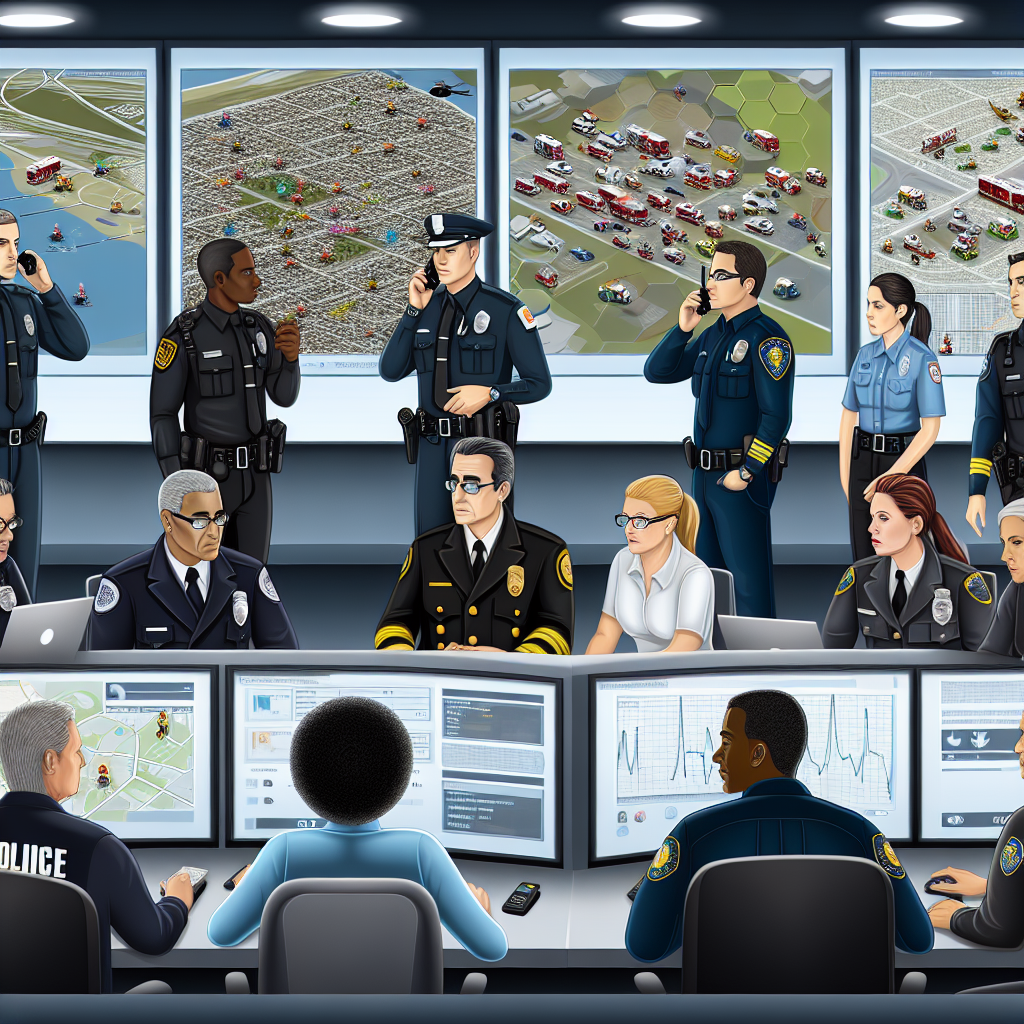
The Role of Technology in Emergency Management Communication
Technology plays a pivotal role in enhancing unified command and communication in emergency management. During the recent webinar, participants noted how integrated communication platforms enable seamless coordination among multiple agencies during crises. The use of cloud-based systems provides real-time situational awareness, shared resource tracking, and interoperable communications, which are essential for executing unified command structures effectively.
For instance, the introduction of AI-powered crisis management tools has significantly improved response efficiency—automating resource allocation and optimizing communication flows to reduce decision-making times by over 35%. Moreover, the feedback from attendees highlighted their satisfaction with new webinar technologies that use immersive simulations and interactive features for training purposes. This level of engagement has been shown to enhance knowledge retention, with 92% of users expressing positivity about these cutting-edge tools.
These advancements not only facilitate better information sharing among agencies but also minimize communication gaps that can hinder response efforts. Participants emphasized that leveraging technology in emergency responses ensures that agencies can effectively work together, thereby strengthening overall public safety and crisis response outcomes.
Overall, technology is revolutionizing the landscape of emergency management by supporting collaboration and streamlining communication in critical situations.


For additional insights into the strategies and technologies enhancing unified command and communication in emergency management, consider exploring these resources:
- Stronger Together: Advancing Unified Command and Communication Webinar – A webinar providing strategies for improving crisis response through communication.
- 5G and Technology Enhancements in Emergency Management – Article discussing how 5G technology is being integrated into emergency management communication systems to enhance response effectiveness.
- Intergovernmental Cooperation in Emergency Response – Discusses cooperation between emergency management departments and technological integration.
- Real-Time Technology Applications in Emergency Management – Examines the impact of real-time technology in streamlining communication during crises.
These references elaborate on the evolving technology landscape within emergency management, showcasing how various tools and strategies promote effective communication and collaboration during emergencies.
“The emphasis on a single, unified message across all agencies was eye-opening. It eliminates confusion and builds public trust.”
— Attendee feedback from the Crisis Communication & Unified Command Webinar
This testimonial reflects the critical importance of unified messaging in enhancing collaboration during emergencies. It supports the strategies discussed in our article on the necessity of effective and real-time communication among diverse agencies.
In conclusion, the future of unified command and communication in emergency management looks promising as advancements continue to reshape our approach to crisis response. The importance of effective collaboration among different agencies cannot be overstated; achieving a cohesive response during emergencies is vital for maintaining public safety and minimizing impacts.
Key strategies discussed, such as establishing unified command structures, implementing interoperable communication systems, and fostering joint information centers, provide a clear roadmap for enhancing coordination among agencies. As illustrated in the recent advancements in communication technologies, the integration of disparate systems into unified platforms is becoming essential. The development of real-time resource visualization tools, mobile data collection systems, and enhanced security protocols will significantly reduce fragmentation and promote a more efficient response framework.
Moreover, flattened command structures and grassroots communication initiatives are becoming a reality in various regions, fostering better real-time coordination. The emphasis on a unified message across agencies not only alleviates confusion in the public domain but also builds trust in emergency management organizations.
As we look toward the future, continuous improvements in technology, along with a commitment to training and inter-agency collaboration, will ensure that emergency services are well-equipped to face the challenges ahead. With a strong focus on unified command practices, we can cultivate resilient communities prepared to respond effectively to crises, ultimately safeguarding lives and property across the board.
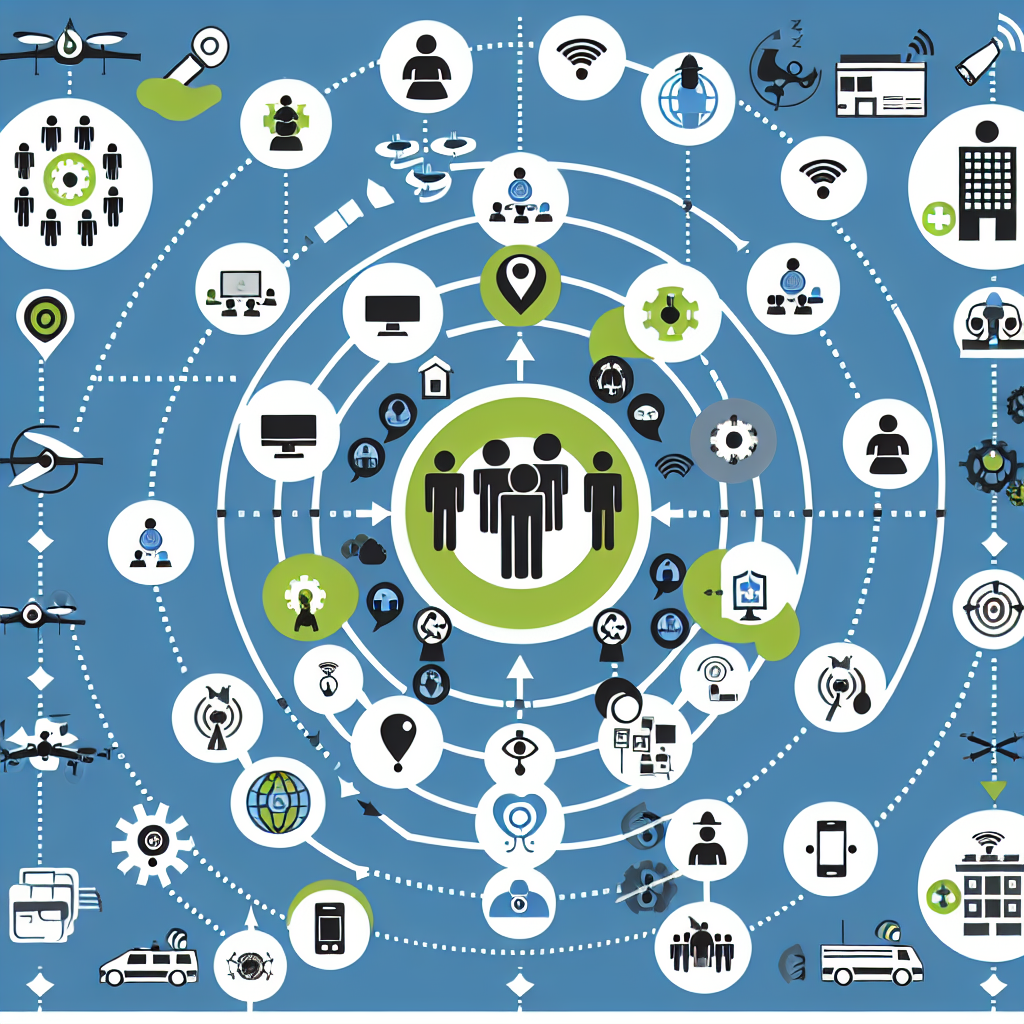
| Communication Strategy | Section 3: Importance of Multi-Agency Collaboration | Section 4: Role of Technology in Emergency Management Communication |
|---|---|---|
| Key Focus | Emphasizes cooperation among first responders | Highlights technology’s role in improving communication |
| Main Strategies | Unified command structure, real-time collaboration tools | Integrated platforms, AI-powered tools |
| Expected Outcomes | Enhanced public safety outcomes | Improved efficiency and reduced decision-making times |
| Examples | Holistic training exercises, cross-agency drills | Cloud-based communication, real-time awareness tools |
| Challenges Addressed | Communication gaps, operational disarray | Fragmented response efforts, information silos |
Stay informed about the latest advancements in emergency management and communication strategies. Subscribe to our newsletter for regular updates, expert insights, and comprehensive resources designed to enhance your understanding and effectiveness in crisis response.
Don’t miss out – join our community today!