
Safety Culture in Fire Service
In the realm of fire service, the concept of safety culture is pivotal for the well-being of firefighters and the operational effectiveness of departments.
Statistics reveal alarming insights, showing that only 34% of firefighters strongly agree their department demonstrates a commitment to safety. Leadership plays a crucial role in shaping the safety culture of fire departments. Leaders set the tone that safety is not just a checklist item but a core value in daily operations. As noted by influential voices in the field,
“Total readiness starts at the top,”
indicating the importance of alignment between safety messaging and actions at all leadership levels.
Interestingly, despite 97% of firefighters viewing themselves as safe, only 38% feel that their department effectively provides training for safety. Thus, a commitment to fostering a robust safety culture is imperative, requiring deliberate action from leadership to instill a sense of shared responsibility across all ranks.
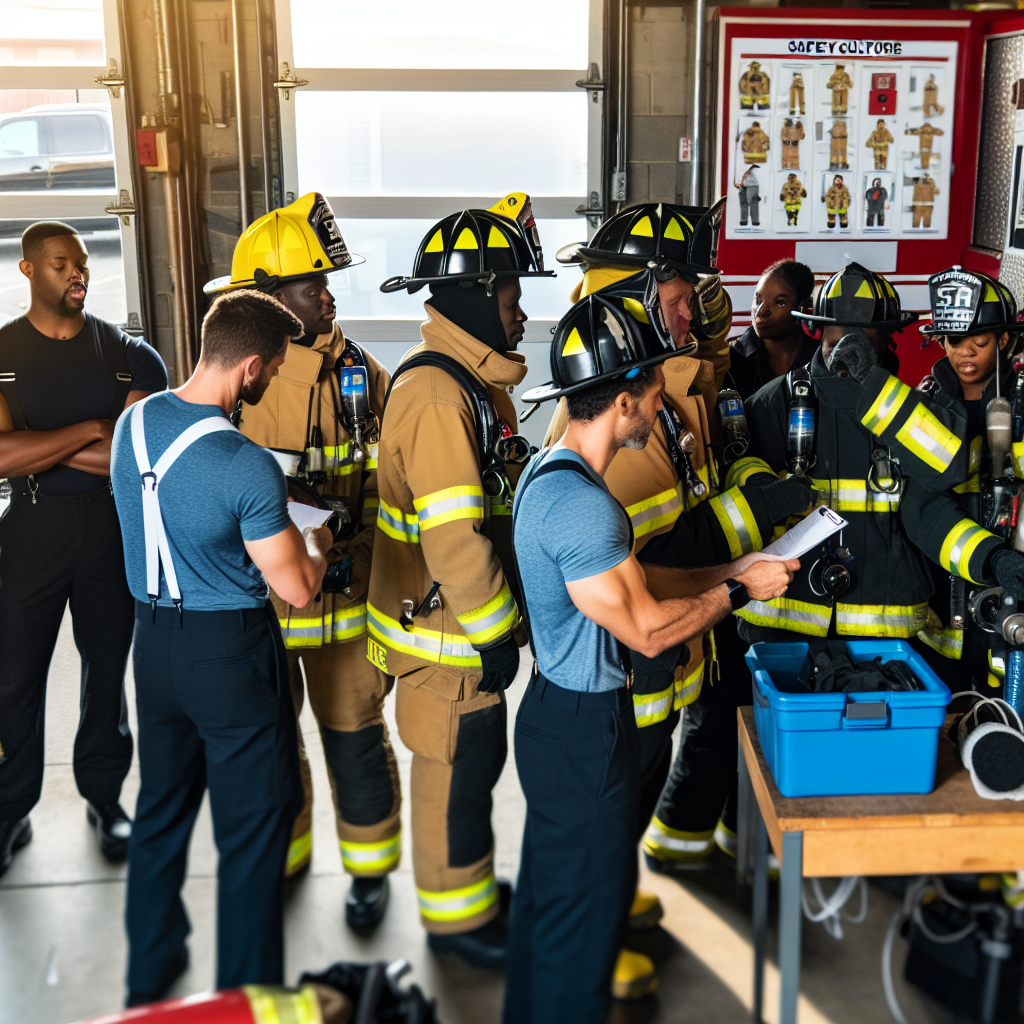
Chiefs Set the Tone for Safety Culture
The article highlights the essential role of fire department leadership in fostering a strong safety culture. Here are the key insights discussed:
- Leadership Drives Safety Culture: The commitment of fire chiefs to model safe practices and to invest in training can significantly influence the safety mindset within their departments. When safety practices start at the top, they can trickle down through all levels of the organization, embedding safety as an ingrained value rather than a superficial checkbox.
- Survey Findings: Recent data from the “What Firefighters Want 2025” survey reveal some concerning trends regarding firefighters’ perceptions of safety in their departments:
- While 97% of firefighters believe they are safe, there is a gap between self-perception and the perceived departmental commitment to safety.
- Only 34% strongly agree that their department effectively demonstrates a true commitment to safety, with 57% expressing general agreement.
- Regarding training, only 38% strongly believe their department provides sufficient safety training, indicating a need for improvement.
- Recommendations for Enhancing Safety Culture: The article provides several actionable recommendations for chiefs to cultivate a stronger safety culture:
- Regularly assess daily safety practices and ensure that safety protocols are actively enforced during operations.
- Increase visibility by being present at training sessions and daily operations to demonstrate commitment.
- Conduct anonymous surveys to assess perceptions of safety leadership and training adequacy.
- Communicate the rationale behind decisions to bolster the perceived commitment to safety among the staff.
- Recognize and celebrate those who exemplify exceptional safety practices within the department.
By adopting these practices, fire department leaders can create an environment where safety is not just paramount, but is viewed as a collective responsibility among all members. As emphasized in the article, when safety becomes a shared value, it leads to a more effective and resilient fire service.
Recent statistics regarding firefighters’ perceptions of safety cultures reveal critical insights into the dynamics within fire departments. The Fire Service Organizational Culture of Safety (FOCUS) survey, which involved over 500 fire departments and 70,000 firefighters, indicated that safety culture perceptions differ notably among various department types. Here are some key findings:
- Management Commitment: Over 70% of fire department leaders emphasize the importance of consistent enforcement of safety policies. Furthermore, 72% of leaders reported that safety policies are regularly reviewed and updated, which is crucial in maintaining a strong safety culture.
- Perceptions of Safety Training: Approximately 64% of leaders align their practices with safety best practices, yet a significant gap exists. While firefighters may feel personally safe (97%), only 34% strongly agree that their department demonstrates a commitment to safety, highlighting a discrepancy that needs to be addressed.
- Comparison by Department Type: Combination and volunteer departments often report higher levels of perceived management commitment to safety compared to career departments. This suggests a varied safety culture perception based on the department type, with volunteer firefighters generally feeling more supported by management.
The findings underline the necessity for fire department leaders to actively engage in shaping and supporting a culture of safety. By understanding these statistics, leadership can take deliberate actions to address gaps and enhance the safety culture within their teams, ensuring a safer and more effective operational environment for all firefighters.
| Statistic | Agree Percentage |
|---|---|
| Firefighters who view themselves as safe | 97% |
| Firefighters who strongly agree that their department demonstrates a commitment to safety | 34% |
| Firefighters who strongly agree that their department provides necessary training | 38% |
| Firefighters who generally agree with departmental safety commitment | 57% |
| Firefighters who generally agree on safety training provision | 43% |
The Importance of Training in Safety Culture
Training is a cornerstone of safety culture in fire departments, directly influencing operational readiness and firefighter well-being. Comprehensive training programs equip firefighters with the necessary skills to perform their duties safely and effectively. As noted in a study, “Safety training is essential to promoting safety knowledge, skills, and behaviors and is a key element in successful organizations.” [getd.libs.uga.edu]
The significance of training is underscored by its impact on reducing line-of-duty injuries and fatalities. A report highlights that inadequate training can lead to high-risk behaviors, emphasizing the need for proper education to mitigate such risks. [iafc.org]
Incorporating safety into every aspect of training is vital. The National Volunteer Fire Council emphasizes that “Safety must be incorporated into each and every training evolution,” ensuring that safe practices become ingrained habits. [nvfc.org]
Leadership plays a crucial role in fostering a safety culture through training. Active participation by department leaders in training sessions demonstrates a commitment to safety and sets a standard for the entire department. As highlighted, “True fire service leaders are cultivating a training culture… They aren’t just scheduling training. They’re active participants in that training.” [firerescue1.com]
In summary, robust training programs are fundamental to developing a strong safety culture within fire departments, leading to enhanced firefighter safety and more effective emergency response.

The Role of Fire Chiefs in Influencing Safety Culture
Fire chiefs play a pivotal role in shaping and maintaining a strong safety culture within their departments. Their leadership directly influences operational priorities, training, and the overall mindset toward safety among firefighters.
Setting the Standard
A fire chief’s commitment to safety sets the tone for the entire department. As highlighted in the words of Darryl Jones, “Culture does not evolve by accident.” When fire chiefs model safe practices and uphold high standards, they create an expectation that safety is not merely a policy but a core value embraced across all ranks. This approach fosters an environment where every operational decision and training exercise is viewed through the lens of preventing harm.
Investment in Training
The significance of comprehensive training cannot be overstated. When a fire chief invests in ongoing training, it reflects a commitment to safety that resonates throughout the organization. Greg Friese aptly put it: “When safety becomes a value rather than a checkbox, it influences everything.” This perspective encourages firefighters to take safety seriously, understanding that it is integral to their daily responsibilities.
Communication of Safety Priorities
Clear communication from fire chiefs regarding safety priorities is essential. Regularly reinforcing safety messaging—through meetings, training, and departmental communications—ensures that safety remains at the forefront of all operations. Leaders who actively communicate safety principles help to create a culture where all members feel accountable for their safety and that of their colleagues.
Feedback Mechanisms
Implementing effective feedback mechanisms allows fire chiefs to create a culture of improvement and accountability. Engaging firefighters in discussions about safety protocols and encouraging open dialogue helps identify areas for enhancement. An environment that values feedback fosters trust and encourages firefighters to speak up about safety concerns without fear of repercussions.
Conclusion
In summary, fire chiefs are instrumental in cultivating a safety culture that balances effective risk management with the mission of serving the community. Through proactive leadership, continuous learning, and fostering an inclusive environment, they ensure that safety remains a core value within the fire service. By setting high standards, investing in training, and effectively communicating safety priorities, fire chiefs can lead their departments toward a robust culture of safety, ultimately enhancing both operational readiness and firefighter well-being.
Conclusion
The significance of a robust safety culture in fire departments cannot be overstated. As we have explored throughout this article, safety culture is the bedrock upon which firefighter well-being and operational effectiveness are built. While most firefighters perceive themselves as safe, many recognize gaps in their departments’ commitment to safety and training. These discrepancies highlight the urgent need for fire departments to take a proactive stance in nurturing an environment where safety is not only prioritized but ingrained in the everyday practices of all personnel.
Fire chiefs and leadership teams must champion safety initiatives by modeling safe behaviors, investing in comprehensive training programs, and creating open lines of communication. Engaging all members in discussions around safety helps reinforce the shared responsibility for maintaining a culture that values safety above all. Remember, a culture does not evolve by accident; it requires deliberate actions and commitment from every level within the department.
In actioning this commitment, consider the following steps:
- Assess and Refresh Safety Practices: Conduct inventories of safety practices and solicit feedback from firefighters regarding improvements or gaps.
- Evaluate Training Programs: Ensure that safety training is routine, relevant, and accessible, providing firefighters with the tools necessary to perform their duties safely.
- Create Recognition Programs: Celebrate safety milestones and individuals who demonstrate exemplary commitment to safety, reinforcing a culture of appreciation.
- Empower Employees: Encourage team members to report safety concerns without fear and provide constructive feedback that can lead to actionable improvements.
By embracing these approaches and fostering an environment where safety is a shared value, fire departments will not only enhance the safety of their personnel but also improve the effectiveness of their operations. Take charge of your safety culture today and lead by example; the commitment to safety starts with you!
Safety Culture in Fire Departments
In the realm of fire service, the concept of safety culture in fire departments is often regarded as a pivotal factor that influences not only the well-being of firefighters but also the operational effectiveness of departments. With startling statistics revealing that only 34% of firefighters strongly agree their department demonstrates a commitment to safety, it becomes evident that leadership plays a crucial role in shaping this environment. Fire department leaders, particularly the fire chief, set the tone for a culture where safety is not merely a checklist item but a genuine value woven into the fabric of daily operations. As one influential voice in the field stated, “Total readiness starts at the top.” This quote encapsulates the idea that when safety messaging aligns with actions at all leadership levels, the transition from words to practice is both effective and meaningful. Moreover, the results from surveys indicate that while 97% of firefighters view themselves as safe, a concerning 38% feel that their department effectively provides the necessary training for safety. It’s clear that a commitment to fostering a robust safety culture is imperative and requires deliberate action from leadership to instill a shared responsibility across all ranks.
The Importance of Training in Safety Culture
Training is a cornerstone of safety culture in fire departments, directly influencing operational readiness and firefighter safety. Comprehensive training programs equip firefighters with the necessary skills to perform their duties safely and effectively. As noted in a study, “Safety training is essential to promoting safety knowledge, skills, and behaviors and is a key element in successful organizations.” [getd.libs.uga.edu]
The significance of training is underscored by its impact on reducing line-of-duty injuries and fatalities. A report highlights that inadequate training can lead to high-risk behaviors, emphasizing the need for proper education to mitigate such risks. [iafc.org]
Incorporating safety into every aspect of training is vital. The National Volunteer Fire Council emphasizes that “Safety must be incorporated into each and every training evolution,” ensuring that safe practices become ingrained habits. [nvfc.org]
Leadership plays a crucial role in fostering a safety culture through training. Active participation by department leaders in training sessions demonstrates a commitment to safety and sets a standard for the entire department. As highlighted, “True fire service leaders are cultivating a training culture… They aren’t just scheduling training. They’re active participants in that training.” [firerescue1.com]
In summary, robust training programs are fundamental to developing a strong safety culture within fire departments, leading to enhanced firefighter safety and more effective emergency response.
In the realm of fire service, the concept of safety culture is not just pivotal for firefighters’ well-being but is also crucial for ensuring the operational effectiveness of entire departments. Alarmingly, statistics reveal that only 34% of firefighters strongly agree that their department demonstrates a genuine commitment to safety. This indicates a significant gap that needs addressing.
Leadership plays a critical role in shaping a safety culture; hence, leaders must set the tone that safety is not merely a checklist item, but rather a core value that influences daily operations. As highlighted by influential voices in the field, “Total readiness starts at the top”—this assertion underlines the necessity for alignment between safety messaging and the actions taken by leadership.
Interestingly, despite 97% of firefighters perceiving themselves as safe, only 38% express confidence that their department effectively supports them with adequate training. This discrepancy emphasizes the need for renewed commitment from leadership to cultivate a robust safety culture, which requires a shift towards instilling a sense of shared responsibility across all ranks.
The Importance of Training in Safety Culture
Training stands as a cornerstone of a positive safety culture in fire departments, influencing both operational readiness and firefighter safety. Comprehensive training programs are essential, as they provide firefighters with the skills necessary to conduct their responsibilities safely and effectively. A pertinent study concludes that “Safety training is essential to promoting safety knowledge, skills, and behaviors and is a key element in successful organizations.” [getd.libs.uga.edu]
The importance of training is underscored by its correlation with reducing line-of-duty injuries and fatalities. Reports show that inadequate training may precipitate high-risk behaviors, reinforcing the urgent need for proper education to mitigate these risks. [iafc.org]
For training to be effective, safety must be integrated into every aspect. The National Volunteer Fire Council stresses that “Safety must be incorporated into each and every training evolution,” which ensures that safe practices become ingrained habits among firefighters. [nvfc.org]
Leadership’s active participation in training plays a crucial role in fostering this environment. When department leaders are present and engaged during training sessions, it demonstrates unwavering commitment to safety and sets a strong precedent for the entire department. According to experts, “True fire service leaders are cultivating a training culture… They aren’t just scheduling training. They’re active participants in that training.” [firerescue1.com]
In summary, implementing robust training programs is fundamental to nurturing a strong safety culture within fire departments. This, in turn, enhances firefighter safety and improves overall emergency response effectiveness.