
In emergency situations, the ability to respond effectively can mean the difference between life and death. Unified command and robust communication strategies are paramount for the success of any crisis response effort. The increasing complexity of emergencies, whether they stem from natural disasters, public safety threats, or health crises, necessitates a seamless collaboration between various agencies, including law enforcement, fire services, emergency medical services (EMS), and emergency management personnel.
Despite the recognition of these needs, current challenges remain, particularly in bridging communication gaps that often hinder timely and coordinated responses. As emergency situations unfold, the urgency for real-time collaboration becomes more evident, emphasizing the necessity for an integrated approach to command and communication that not only respects the strengths of each agency but also fosters a unified, streamlined response to crises.
This approach becomes increasingly critical as we work towards enhancing situational awareness and ensuring public safety in our communities.
In emergency situations, the ability to respond effectively can mean the difference between life and death. Unified command and robust communication strategies are paramount for the success of any crisis response effort. The increasing complexity of emergencies, whether they stem from natural disasters, public safety threats, or health crises, necessitates a seamless collaboration between various agencies, including law enforcement, fire services, emergency medical services (EMS), and emergency management personnel. Despite the recognition of these needs, current challenges remain, particularly in bridging communication gaps that often hinder timely and coordinated responses. As emergency situations unfold, the urgency for real-time collaboration becomes more evident, emphasizing the necessity for an integrated approach to command and communication that not only respects the strengths of each agency but also fosters a unified, streamlined response to crises. This approach becomes increasingly critical as we work towards enhancing situational awareness and ensuring public safety in our communities.
“When crisis hits, no single agency can go it alone.”
The Importance of Unified Command in Crisis Response
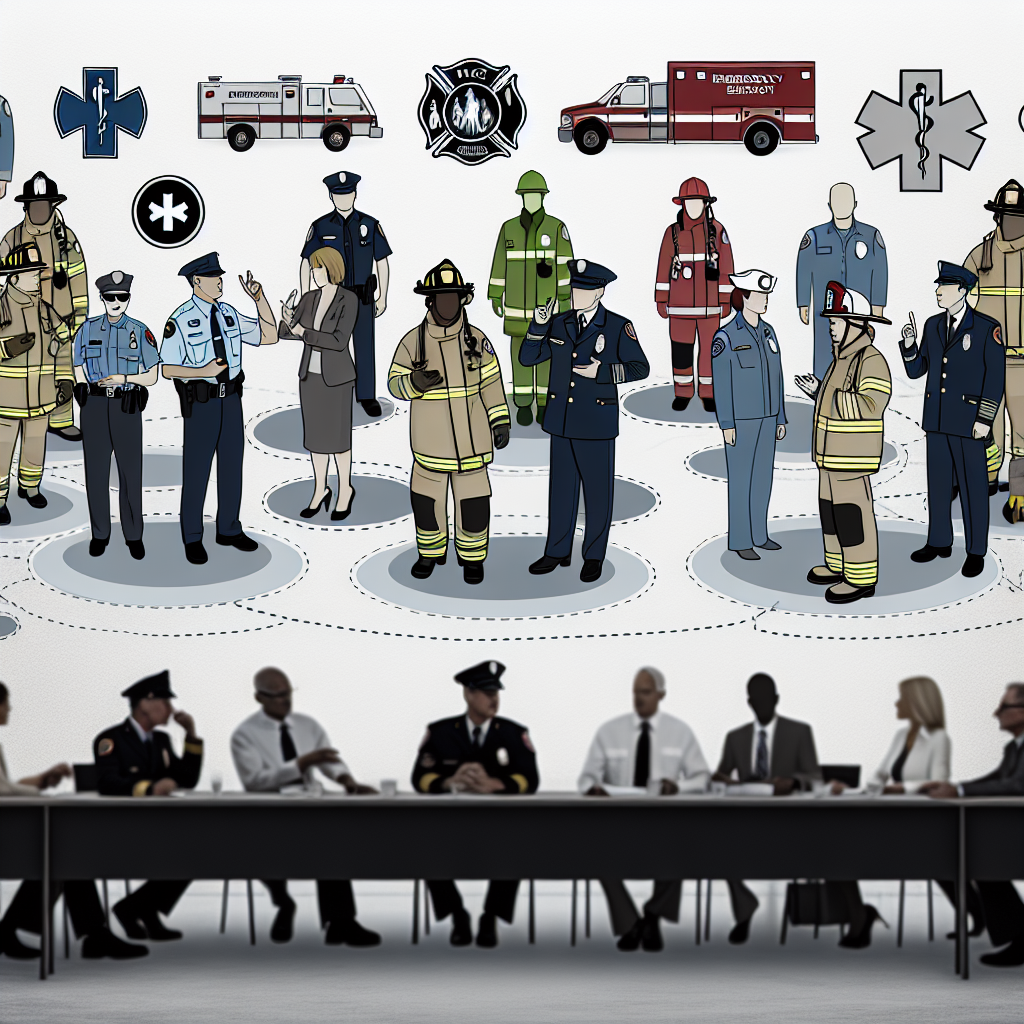
Unified command is crucial during a crisis. It helps different emergency response agencies work together and communicate better. With unified command, law enforcement, fire services, emergency medical services (EMS), and emergency management can all operate under a single system. This reduces confusion and streamlines efforts when a crisis arises.
Having a collaborative approach is especially important in large emergencies. Clear communication helps teams make quick decisions and allocate resources effectively. Studies show that events managed through unified command lead to better situational awareness and quicker responses. This structure promotes sharing information and resources, which ultimately enhances public safety and builds trust in emergency services.
When agencies collaborate, they capitalize on each other’s strengths. This teamwork leads to more effective outcomes. Thus, unified command is not just necessary for operations; it is fundamental to effective crisis management.
| Agency | Roles and Responsibilities |
|---|---|
| Law Enforcement | Enforces laws, maintains public order, conducts investigations, assists in crowd control, and provides security. |
| Fire Services | Responds to fires, rescues individuals in danger, provides emergency medical services, and manages hazardous situations. |
| Emergency Medical Services (EMS) | Provides pre-hospital emergency medical care, transports patients to medical facilities, and coordinates with hospitals. |
| Emergency Management | Plans for emergency situations, coordinates among agencies, manages resources and communications, and leads recovery efforts. |
Communication Gaps Between Agencies
In the realm of emergency management, effective communication between agencies is vital for a prompt and coordinated response. Unfortunately, several significant communication gaps persist that can severely influence crisis outcomes. One primary challenge is the technological disparity between different agencies. Often, responders operate on incompatible communication systems, which can hinder the free flow of information. For example, during Hurricane Ida in 2021, responders faced considerable delays in communication due to differing radio systems, causing critical delays in rescue efforts [c-at.com].
Additionally, there is frequently a lack of standardized communication protocols. This was painfully evident during Hurricane Katrina, where poor communication between local and federal agencies led to slow response times and a lack of situational awareness, ultimately impacting the effectiveness of the emergency response [pmc.ncbi.nlm.nih.gov]. Resource constraints further exacerbate these issues, as many agencies struggle to obtain advanced communication tools necessary for effective coordination. Limited funding can restrict the acquisition of essential technology, which is critical in time-sensitive situations [c-at.com].
The ramifications of these communication gaps are serious. Delays in response time were starkly highlighted during the 2021 Amazon warehouse tornado in Edwardsville, Illinois, where operational difficulties due to incompatible communication systems slowed rescue efforts and complicated survivor assistance [c-at.com]. In Australia, the devastating bushfires of 2019-2020 also saw disjointed communication tools among responders cause critical delays and poor decision-making, leaving communities vulnerable [c-at.com].
To overcome these challenges, implementing unified command structures can enhance coordination across agencies. The recent webinar titled “Stronger Together: Advancing Unified Command and Communication” emphasized the significance of seamless collaboration to bolster situational awareness and mitigate communication gaps [police1.com]. Adopting interoperable communication systems and conducting regular joint training can also facilitate better cooperation. Ultimately, addressing these communication barriers is crucial for improving emergency response effectiveness, thereby saving lives and minimizing the adverse effects of disasters.
Communication Gaps Illustration
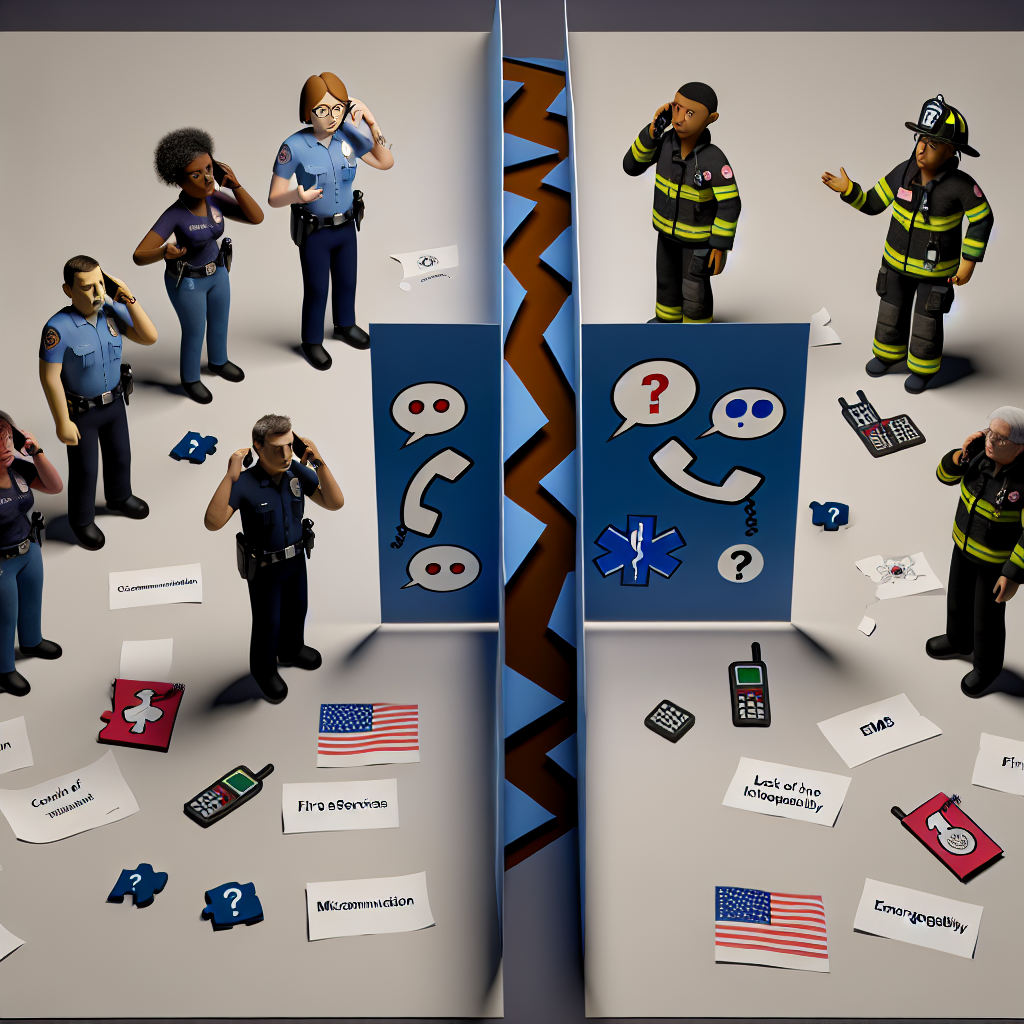
Illustration depicting the communication gaps between emergency response teams, such as law enforcement, fire services, EMS, and emergency management, highlighting barriers that affect crisis scenarios.
Interoperable Communication Technologies
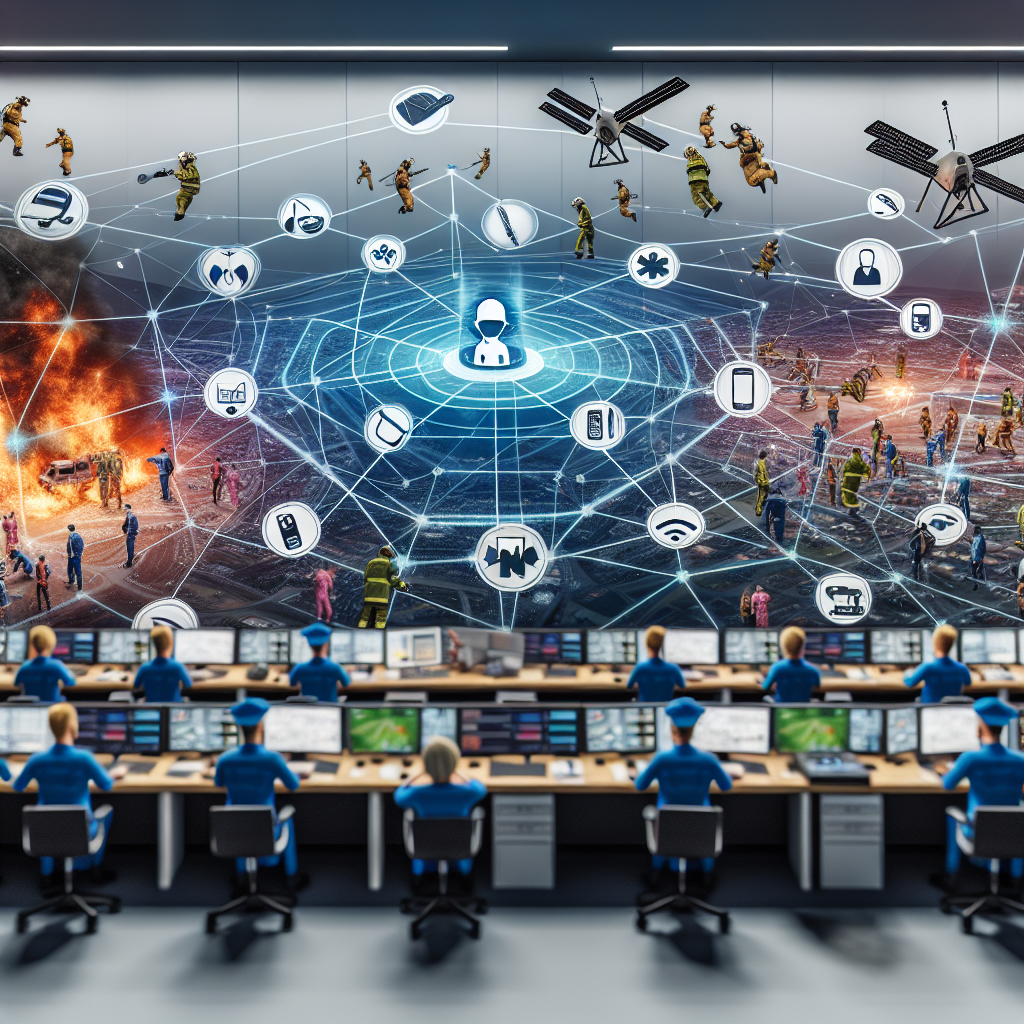
Visual representation of interoperable communication technologies in emergency response, showcasing the tools used by various agencies to enhance collaboration during crises.
User Adoption of Interoperable Communication Technologies
User adoption of interoperable communication technologies among emergency services is critical for effective crisis response. Data from the SAFECOM Nationwide Survey reveals that 94% of public safety organizations engage in emergencies requiring interoperable communications with external agencies. Nonetheless, a significant challenge remains, as 43% of these organizations report an inability to establish interoperable communications within the first hour during large-scale incidents [CISA]. This statistic underscores the urgent need for cohesive communication systems amidst the complexities of emergency scenarios.
Unified communication systems present various benefits that enhance operational effectiveness during emergencies:
- Enhanced Situational Awareness: Integrating voice, text, video, and data facilitates real-time information sharing, thus informing decision-making processes and expediting response efficiency [GovTech].
- Improved Coordination and Collaboration: A common communication framework promotes seamless interaction among law enforcement, fire services, and emergency medical staff, lessening chances for miscommunication and enabling coordinated efforts [C2Platforms].
- Reduced Response Times: Streamlined information flow allows for quick sharing of updates and promotes timely assistance, which is crucial in emergency situations [C2Platforms].
- Enhanced Resource Allocation: Real-time data on resource availability enables effective personnel and equipment deployment to areas needing the most attention [C2Platforms].
- Increased Safety: Effective communication systems enhance the safety of first responders, as robust networks equipped with user safety features ensure they can call for help when necessary [GovTech].
By prioritizing the implementation of unified communication systems, emergency services can overcome interoperability challenges, leading to more effective coordinated responses and improved community safety.
Conclusion
In the ever-evolving landscape of emergency response, the significance of unified command cannot be overstated. As we’ve explored, adopting unified command structures not only enhances communication across various emergency services but also leads to improved situational awareness, faster response times, and more efficient resource allocation. By bridging the communication gaps that often hinder effective action during crises, agencies can work together more seamlessly, demonstrating the true strength found in collaboration.
The benefits of unified command—ranging from enhanced safety for responders to better community outcomes—clear illustrate the necessity for each agency to prioritize interoperability. It is imperative that law enforcement, fire services, EMS, and emergency management continue to foster relationships built on trust, cooperation, and shared goals. As we face ever-prevalent challenges in our communities, let us commit to ongoing collaboration and ensure that every response is a unified effort, ultimately fostering resilience in the face of adversity.
“Effective response demands seamless coordination between law enforcement, fire, EMS and emergency management.”
Upcoming Webinar: Stronger Together: Advancing Unified Command and Communication
Date: November 4, 2025
Time: 1 p.m. ET | 12 p.m. CT | 10 a.m. PT
Target Audience: This webinar is curated for public safety leaders, including personnel from law enforcement, fire services, emergency medical services (EMS), and emergency management. It is particularly suited for those involved in multi-disciplinary response operations who are looking to enhance their collaboration and communication during critical incidents.
Purpose: The main objective of the webinar is to tackle the challenges posed by fragmented systems and communication gaps that often arise in public safety responses. Participants will learn strategies to strengthen situational awareness and overcome communication barriers, enabling multi-disciplinary teams to respond effectively and with clarity. Key areas of focus will include best practices for establishing unified command principles, building secure communication channels across agencies, and leveraging real-time collaboration tools to improve daily operations and crisis response. The session features insights from experienced leaders in the field, providing practical takeaways for attendees to implement in their operations.
Sign up here to learn how to advance your agency’s response capabilities and foster stronger collaboration in emergency situations: Webinar Registration.
| Agency | Response Time (minutes) | Roles and Responsibilities |
|---|---|---|
| Law Enforcement | 10 | Enforces laws, maintains public order, conducts investigations, assists in crowd control, and provides security. |
| Fire Services | 8 | Responds to fires, rescues individuals in danger, provides emergency medical services, and manages hazardous situations. |
| Emergency Medical Services (EMS) | 6 | Provides pre-hospital emergency medical care, transports patients to medical facilities, and coordinates with hospitals. |
| Emergency Management | 12 | Plans for emergency situations, coordinates among agencies, manages resources and communications, and leads recovery efforts. |
Enhanced Evidence Supporting Unified Command and Communication
To further substantiate the claims made regarding unified command and effective communication in emergency response, recent studies provide comprehensive insights:
-
Human-AI Use Patterns for Decision-Making in Disaster Scenarios: A Systematic Review
Source: arXiv
Date: September 15, 2025
Summary: This systematic review analyzed 51 studies on Human-AI collaboration in disaster management, noting that integrating AI systems enhances situational awareness and response efficiency, emphasizing the importance of adaptive systems. -
Improving the Response to Disasters by Enhancing the Incident Command System
Source: Australian Journal of Emergency Management
Date: January 2024
Summary: This study investigated the effectiveness of the Incident Command System (ICS) in multi-agency responses, leading to the development of a framework for better coordination and communication. -
Use of Incident Command System for Disaster Preparedness: A Model for an Emergency Department COVID-19 Response
Source: Disaster Medicine and Public Health Preparedness
Date: June 2021
Summary: This article highlights the ICS’s role in organizing an emergency department’s response, ensuring improved communication and resource utilization. -
Integrating Disaster Response Tools for Clinical Leadership
Source: Western Journal of Emergency Medicine
Date: January 2025
Summary: The paper proposes combining various disaster management frameworks to enhance decision-making and coordination in emergency services. -
Coordination During Multi-Agency Emergency Response: Issues and Solutions
Source: ResearchGate
Date: April 2011
Summary: Research discusses the need for unified command to address coordination challenges between military and civilian agencies during emergencies, enhancing response efficiency.
These studies aggregate evidence supporting the implementation of unified command structures, highlighting their role in facilitating effective communication and improving overall disaster response outcomes.