
In today’s fast-paced world, it is more important than ever to recognize the dedication of our first responders. Firefighters, EMTs, and police officers are always ready to serve our communities. National First Responders Day on October 28 reminds us to express our gratitude and connect with these heroes.
Taking a moment to thank them strengthens community ties. This appreciation honors their sacrifices and highlights the relationship between first responders and the people they protect. By fostering a culture of gratitude, we create a supportive environment that enhances our community’s well-being and shows our heroes that their efforts are valued and appreciated.
11 Meaningful Ways to Say Thank You to First Responders
Expressing gratitude to our first responders is not just a one-time event, but rather a continuous effort that strengthens community ties and acknowledges the sacrifices they make each day. Here are 11 practical ways to show your appreciation for firefighters, EMTs, and police officers:
-
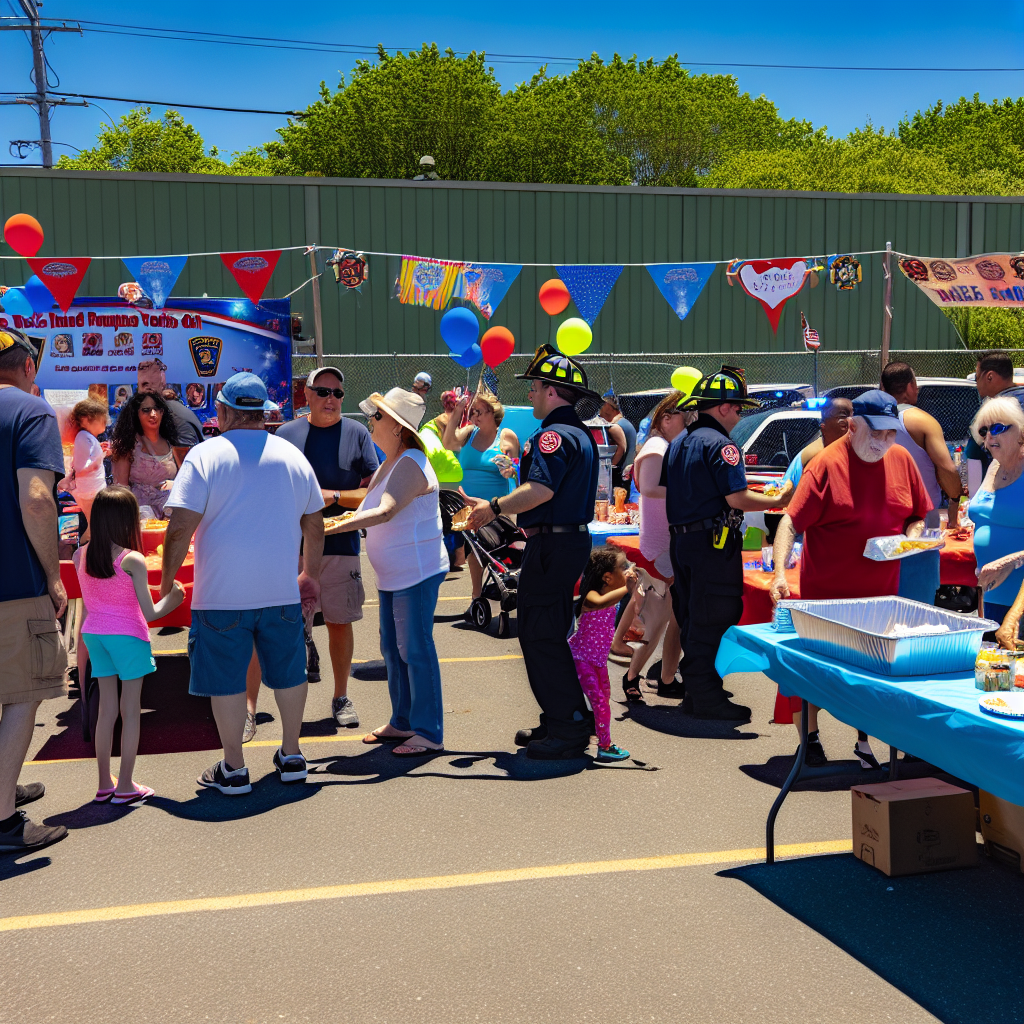
Organize Appreciation Events
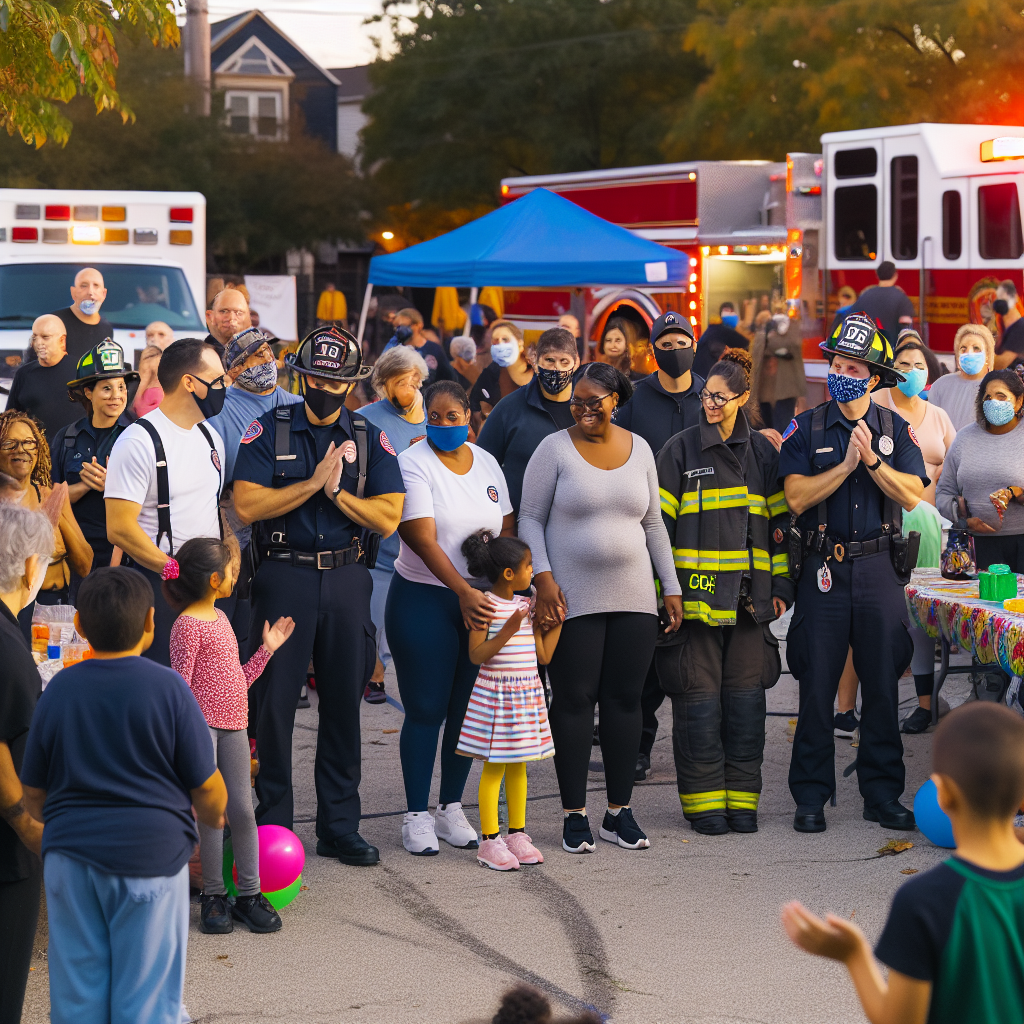
Host community gatherings such as cookouts, parades, or open houses at local fire stations or police departments. These events allow community members to interact with first responders, build relationships, and show their gratitude in a fun and engaging environment.
-
Write Personal Thank-You Notes
A handwritten note can make a profound impact. Encourage community members, especially children, to write notes or draw pictures thanking first responders for their dedication. Collect and deliver these notes to local fire and police stations.
-
Create Supportive Community Programs
Establish programs that focus on the well-being of first responders. This could include mental health resources, stress relief workshops, or fitness programs that promote their physical and mental wellness.
-
Participate in Charity Events
Join forces with local organizations to host fundraising events that benefit first responders. Proceeds can go towards equipment, wellness programs, or scholarships for their families. Involvement in these events reinforces community support.
-
Launch a Donation Drive
Organize a drive to collect supplies that first responders may need, such as snacks, drinks, or personal care items. This practical approach shows that the community cares about their comfort and well-being during and after long shifts.
-
Set Up a Community Scholarship
Consider establishing a scholarship program for the children of first responders pursuing higher education. This not only aids their families financially but also demonstrates community commitment to supporting those who serve.
-
Host Open Houses
Invite the community to local fire and police stations for open house events. Here, responders can showcase their work and equipment, helping the public to understand their roles while allowing for direct interaction.
-
Create a Public Awareness Campaign
Utilize social media platforms to share stories and testimonials about the positive impact of first responders in your community. Highlight their contributions to remind everyone of their value and dedication.
-
Offer Professional Discounts
Encourage local businesses to offer discounts or special promotions to first responders. This recognition strengthens community support and fosters goodwill while benefiting the businesses involved.
-
Volunteer as a Community
Organize community volunteering efforts where citizens can assist first responders in their work, such as preparing meals or organizing supplies at fire and police stations. This involvement builds appreciation through shared experiences.
-
Create a Recognition Wall
Designate a space in the community, such as a park or public building, to display pictures and stories of local heroes. This wall serves as a lasting tribute to first responders, making their contributions a permanent part of the community’s identity.
Through these thoughtful actions, we can ensure that our first responders feel valued and acknowledged not just on National First Responders Day, but throughout the year. By expressing gratitude consistently, we strengthen the bonds between our community and the heroes who keep us safe.
National First Responders Day, observed each year on October 28, serves as a vital reminder to appreciate the unwavering dedication and sacrifices made by our firefighters, EMTs, and police officers. This day not only acknowledges their invaluable service but also prompts essential conversations about the need for ongoing support and gratitude from the communities they protect.
It’s crucial to cultivate a culture where appreciation for our first responders extends far beyond this singular day. Such ongoing gratitude can take shape through community interactions like volunteering, organizing dedicated events, and ensuring access to mental health resources—all actions that strengthen the bond between responders and the publics they serve.
When gratitude transitions from a special observance to a consistent practice, first responders feel valued and recognized, contributing to a stronger, safer community where admiration for their efforts is both visible and frequent. Remembering that our heroes deserve recognition every day for their remarkable contributions is essential for fostering a supportive environment for those who keep us safe.
| Initiative Name | Description | Potential Impact on Community Ties |
|---|---|---|
| Community Appreciation Events | Organize cookouts, parades, or open houses to engage with first responders and show gratitude. | Strengthens connections through direct interaction and shared experiences. |
| Thank-You Notes Program | Collect handwritten notes from community members to deliver to local fire and police stations. | Personalizes gratitude and builds a sense of community among participants. |
| Mental Health Resource Initiatives | Establish programs focusing on mental health and wellness for first responders. | Enhances the well-being of responders, fostering stronger ties with the community. |
| Charity Fundraising Events | Partner with local organizations to raise funds for first responders’ needs. | Promotes community involvement and support for responders’ families. |
| Supply Donation Drives | Organize drives to collect supplies such as snacks and personal care items for responders. | Demonstrates community care and solidarity, reinforcing local support. |
| Scholarship Programs | Create scholarships for children of first responders pursuing higher education. | Provides financial support, showing long-term commitment and care. |
| Open House Days | Invite the public to local fire and police stations to learn about the work and equipment. | Fosters understanding and appreciation, building trust in public services. |
| Public Awareness Campaigns | Use social media to share stories highlighting first responders’ contributions. | Enhances community pride and appreciation for local heroes. |
| Professional Recognition Discounts | Encourage local businesses to offer discounts for first responders. | Fosters goodwill between businesses and first responders, enhancing community ties. |
| Volunteer Opportunities | Organize community volunteer efforts to assist first responders in their work. | Builds teamwork and connection among community members and responders. |
| Recognition Wall Projects | Designate public spaces to showcase stories and photos of local first responders. | Creates lasting recognition and reinforces community appreciation. |
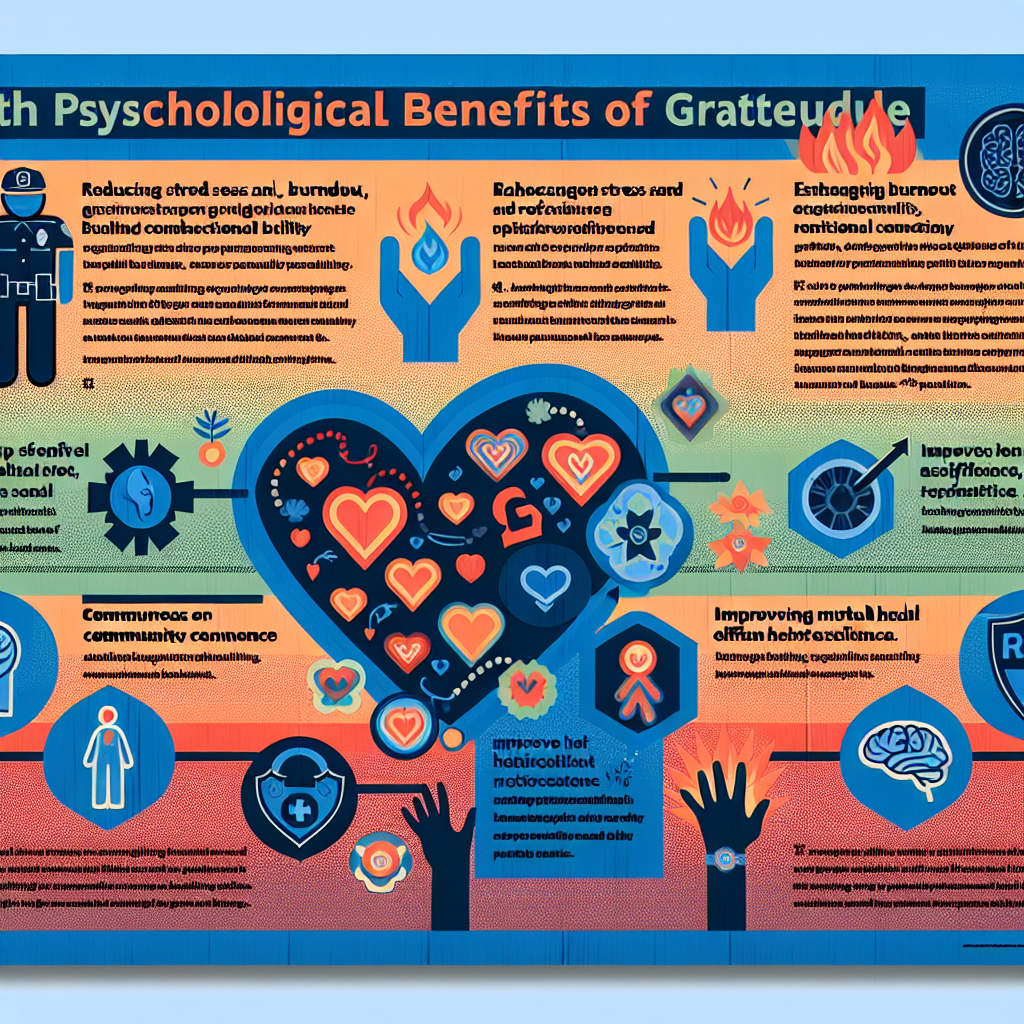
Psychological Benefits of Gratitude for First Responders
Gratitude is a powerful emotion that not only enhances personal relationships but also improves mental health, particularly in high-stress professions like that of first responders. Expressing gratitude can lead to a notable shift in mindset, helping first responders feel valued and supported in their challenging roles. As articulated by many experts, “Small, steady acts of gratitude help them feel seen, supported, and valued.”
-
Reducing Stress and Burnout
Research shows that gratitude interventions can significantly lower stress levels and reduce burnout, especially in work environments that demand a high emotional toll. A systematic review highlighted that maintaining gratitude through simple activities, such as keeping gratitude journals or writing thank-you notes, can effectively decrease feelings of stress and depression among employees in various fields, including healthcare. This is particularly relevant for first responders, who are routinely exposed to high-pressure situations and traumatic events. The emotional exhaustion faced by these individuals is a concerning issue that can be mitigated through cultivating gratitude. For further reading, check out studies on gratitude and mental health and benefits of gratitude interventions. -
Enhancing Emotional Resilience
Expressing gratitude also contributes to building emotional resilience, allowing first responders to better cope with adversity. A study involving 1,575 healthcare workers revealed that participating in gratitude letter-writing interventions led to improvements in emotional well-being, thereby reducing emotional exhaustion and increasing subjective happiness. This mirrors the experiences of first responders, whose roles require them to navigate emotional and physical challenges daily. By acknowledging their efforts, gratitude can serve as an essential tool for emotional recovery and resilience. Studies emphasizing these effects include a comprehensive meta-analysis available here. -
Fostering a Sense of Community
Gratitude cultivates stronger relationships not only between first responders and the communities they serve but also among the responders themselves. Engaging in gratitude practices, like community appreciation events, reinforces their connections with one another, creating a supportive network that understands the unique stressors associated with their jobs. The more connected they feel, the better equipped they are to face challenges together. -
Impact on Mental Health
A growing body of research suggests that gratitude correlates with improved mental health outcomes. For instance, studies indicate that consistent gratitude practices can lead to lower rates of depression and anxiety. While specific studies on first responders are limited, the applicability of these principles to their profession is clear. An article in Firehouse magazine emphasized that practicing gratitude may help first responders in developing resilience, countering the adverse effects of trauma, and fostering a sense of belonging and support within their workplaces. Additional insights can be found in articles on gratitude’s impact on stress and gratitude as a coping mechanism.
Conclusion
Gratitude interventions have shown promise in supporting mental health in high-stress environments, including those faced by first responders. Through the continuous practice of gratitude, first responders can bolster their emotional resilience, reduce stress, and foster a positive work culture that not only recognizes their sacrifices but also helps them thrive in their critical roles. By cultivating a culture of gratitude, we enhance the well-being of not just individual responders but the entire community they serve.
Conclusion
In summary, the need for continuous gratitude and support for our first responders cannot be overstated. They dedicate their lives to protecting our communities, often facing immense pressure and danger. National First Responders Day serves as an important reminder, but appreciation should not be confined to a single day. Instead, it must be a consistent practice that fosters community ties while showing respect for their unyielding efforts. The various methods of expressing gratitude—such as organizing community events, writing personalized thank-you notes, and providing mental health resources—are vital in strengthening the relationship between first responders and the communities they serve.
Moreover, cultivating a culture of gratitude and support significantly enhances the overall safety and well-being of our neighborhoods. As we engage in acts of appreciation and maintain open lines of communication with our first responders, we contribute to building a stronger, more resilient community. As the adage goes, small, steady acts of kindness can have profound effects; this is especially true in the context of recognizing the sacrifices these heroes make daily. Let us commit to celebrating their contributions not just on National First Responders Day but throughout the year to ensure they feel valued, acknowledged, and supported. Together, we can strengthen the bonds within our community and enhance the safety of all its members.
Join Us in Supporting Our First Responders
Now is the time to take action and show our support for the heroes who dedicate their lives to keeping our communities safe. The well-being of first responders is linked not only to their personal resilience but also to the strength of the communities they serve. Every small action counts, and together we can make a significant difference.
- Get involved in local events. Participate in gatherings that honor our first responders, such as cookouts, parades, or open houses at fire stations and police departments. These events not only provide a platform for expressing gratitude but also foster meaningful connections between responders and community members.
- Volunteer your time. Join hands with local organizations to lend a helping hand in various initiatives, whether it’s preparing meals, organizing fundraisers, or simply offering your skills for their benefit. Your participation sends a message that our responders are valued and supported.
- Contribute to fundraising efforts. Help raise funds for essential resources that first responders need, like mental health programs or equipment. Every dollar counts and helps enhance their capabilities and support systems.
- Write a note of appreciation. A simple thank-you note can uplift the spirits of those who often face the toughest situations. Encourage your family and friends to participate and deliver these heartfelt messages to your local responders.
- Promote awareness. Use your voice and social media platforms to educate others about the invaluable service that first responders provide. Share their stories, recognize their contributions, and celebrate their successes.
By engaging in these activities, you become a crucial part of a community that values and strengthens its bonds with those who protect and serve. Remember, every effort matters, and together we can cultivate a culture of appreciation and support for our first responders, not just on National First Responders Day, but every day of the year.
User Adoption Data Summary for Community Support Initiatives
Research on community support initiatives for first responders reveals compelling evidence about their effectiveness in enhancing mental health, community engagement, and perceptions of support. Here are the key findings:
- Mental Health Initiatives: Programs focused on normalizing conversations about mental health are crucial. They significantly reduce stigma surrounding psychological health issues among first responders, leading to improved help-seeking behaviors. Effective practices include the establishment of support systems both before and after retirement, which play a vital role in promoting their mental well-being.
- Community Cohesion: Studies indicate that perceived cohesion within first responder organizations correlates positively with psychological health. When first responders feel a sense of unity and support amongst their peers, they are better equipped to cope with occupational stressors. Initiatives aimed at fostering this cohesion not only enhance individual resilience but also strengthen trust and safety in the community.
- Community Engagement Programs: Engagement initiatives, such as the Behavioral Crisis Response program in Minneapolis, show how community involvement can enhance trust and improve perceptions of safety among residents. These initiatives contribute to better overall health outcomes and increased satisfaction regarding emergency services.
- Perceived Support: Surveys and assessments reveal that many first responders are eager to take part in initiatives designed to boost their wellness through programs focusing on stress management, physical fitness, and resilience training. This willingness reflects a strong desire for substantive support within their communities.
Overall, these findings underscore the critical impact of community support initiatives. They greatly improve the mental health and well-being of first responders while enhancing the relationships between responders and the communities they serve, fostering a cycle of engagement and support that benefits all stakeholders.
Join Us in Supporting Our First Responders
Now is the time to take action and show our support for the heroes who dedicate their lives to keeping our communities safe. The well-being of first responders is linked not only to their personal resilience but also to the strength of the communities they serve. Every small action counts, and together we can make a significant difference.
Get involved in local events.
Participate in gatherings that honor our first responders, such as cookouts, parades, or open houses at fire stations and police departments. These events not only provide a platform for expressing gratitude but also foster meaningful connections between responders and community members.
Volunteer your time.
Join hands with local organizations to lend a helping hand in various initiatives, whether it’s preparing meals, organizing fundraisers, or simply offering your skills for their benefit. Your participation sends a message that our responders are valued and supported.
Contribute to fundraising efforts.
Help raise funds for essential resources that first responders need, like mental health programs or equipment. Every dollar counts and helps enhance their capabilities and support systems.
Write a note of appreciation.
A simple thank-you note can uplift the spirits of those who often face the toughest situations. Encourage your family and friends to participate and deliver these heartfelt messages to your local responders.
Promote awareness.
Use your voice and social media platforms to educate others about the invaluable service that first responders provide. Share their stories, recognize their contributions, and celebrate their successes.
By engaging in these activities, you become a crucial part of a community that values and strengthens its bonds with those who protect and serve. Remember, every effort matters, and together we can cultivate a culture of appreciation and support for our first responders, not just on National First Responders Day, but every day of the year.
SEO Keywords for Mental Health Resources
Incorporating specific keywords related to mental health resources enhances the reach and relevance of our content related to first responders. By focusing on the phrase “mental health resources for first responders,” we can attract more readers seeking valuable information. This keyword emphasizes the importance of mental health support tailored specifically for those in high-pressure professions like emergency services.
Other relevant keywords include “mental health support for firefighters,” “mental health assistance for EMTs and police officers,” and “wellness programs for first responder mental health.” By embedding these keywords within our content, particularly in sections discussing community programs and support initiatives, we make it easier for those in need to find the resources they require while also improving our search engine ranking.
This strategic approach not only connects first responders with essential support but also strengthens community awareness around mental health issues pertinent to this dedicated group.