
Mental readiness in the fire service is more than an abstract concept; it is a vital component of operational success and firefighter safety. As first responders face increasingly complex and traumatic situations, the need for a strong mental framework becomes paramount. Being mentally prepared not only enhances decision-making and performance but also serves as an essential bulwark against the psychological challenges that firefighters encounter in the line of duty. Mental readiness creates a culture that prioritizes mental health, equipping firefighters with the tools they need to manage stress, prevent burnout, and mitigate the risks associated with substance misuse and suicide. It is crucial for departments to recognize that mental readiness is foundational to safe and effective performance. With nearly 65% of firefighters reporting concerns about their mental health, the importance of supportive systems and proactive mental health literacy cannot be overstated. By fostering this environment, fire service leaders can ensure that their crews are not only operationally ready but also mentally equipped to handle the intense pressures of their roles.
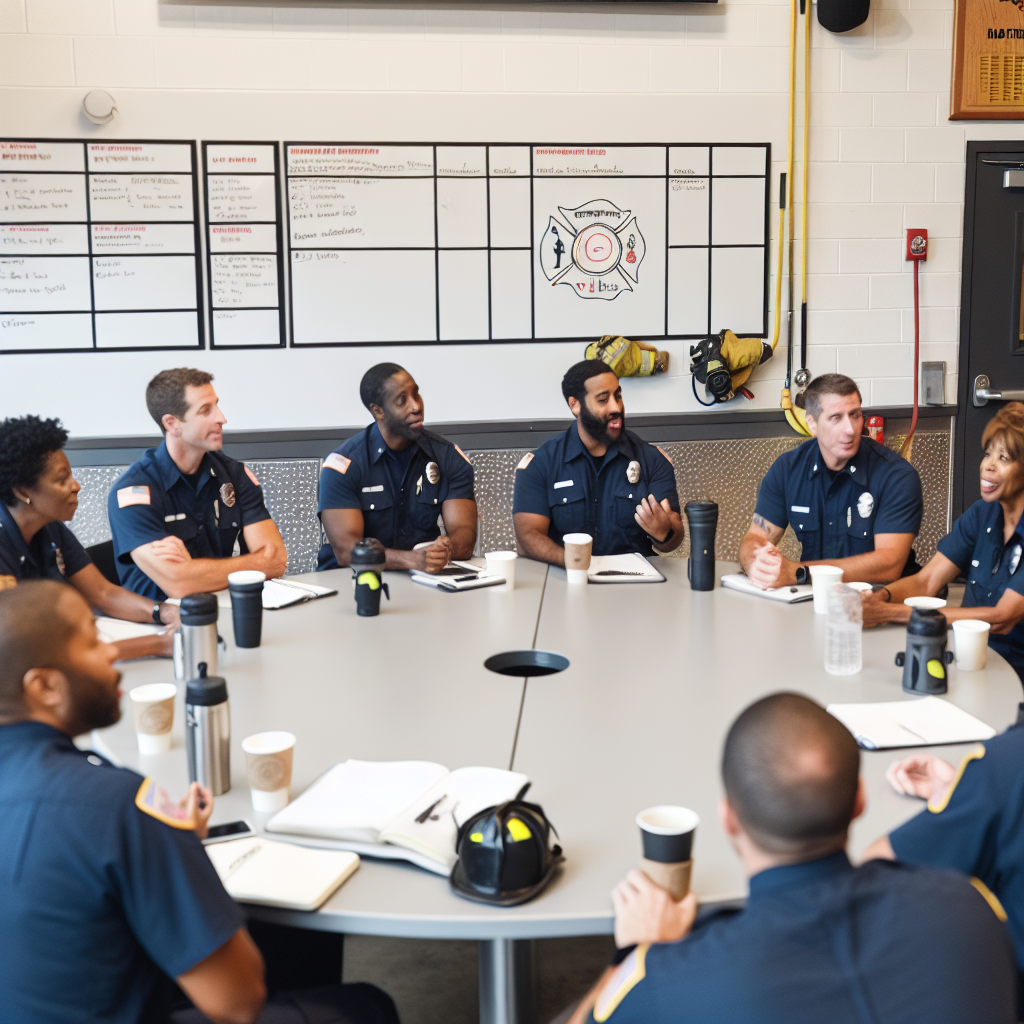
A diverse group of firefighters engaged in a team meeting, discussing mental readiness strategies. This image showcases a professional atmosphere, highlighting the importance of teamwork and mental health in the fire service.
Importance of Firefighter Mental Health Initiatives
Mental readiness plays a critical role in effective firefighting, affecting both safety and operational efficiency. Firefighters face demanding and often traumatic situations that require not just physical preparedness but a strong mental framework. Studies show that mental preparedness is foundational to safe, effective, and sustainable performance in the fire service.
Many firefighters frequently confront life-threatening scenarios, which can lead to psychological stress. Approximately 20% of firefighters suffer from post-traumatic stress disorder (PTSD), a rate comparable to military veterans, highlighting the urgent need for mental health resources in the fire service.
Additionally, there is a significant stigma attached to mental health issues within the fire service. Many firefighters hesitate to seek help out of fear of judgment, which can exacerbate their mental health struggles and impair operational effectiveness. Addressing this stigma and fostering a supportive environment is vital for enhancing the willingness of firefighters to discuss their mental well-being.
Integrating mental readiness training into standard firefighting programs is essential. Such training can equip firefighters to recognize stress signs in themselves and their colleagues, allowing for early intervention. Implementing peer support networks further strengthens camaraderie, enabling firefighters to share coping strategies and experiences.
By promoting mental readiness, departments can not only safeguard the well-being of their personnel but also enhance response capabilities, ensuring that firefighters can perform optimally under pressure. Embracing mental wellness as a core value is key to building a resilient and effective firefighting culture.
| Comparison Metric | Traditional Approaches | Proactive Support Systems |
|---|---|---|
| Focus | Reactive measures after incidents occur | Preventative strategies addressing mental health risks |
| Training | Limited mental health training available | Comprehensive programs teaching mental health literacy |
| Help-seeking Culture | Stigmatized and discouraged | Encouraged and normalized, focusing on resilience |
| Support Mechanisms | Minimal peer support, often based on hierarchy | Peer support networks fostering open communication |
Mental Health Challenges in the Fire Service
Firefighters routinely encounter high-stress situations that can profoundly affect their mental health. The following statistics illustrate the mental health challenges prevalent within this profession:
-
Post-Traumatic Stress Disorder (PTSD):
- Approximately 22% of firefighters are likely to meet the criteria for PTSD during their career, significantly higher than the 6% prevalence in the general population. Many firefighters are exposed to multiple traumatic events early in their careers, averaging around nine events within their first three years.
-
Burnout and Emotional Exhaustion:
- Research indicates that 62% of firefighters experience burnout, contributing to decreased job satisfaction and effectiveness. Nearly half report feelings of emotional exhaustion, a critical indicator of burnout that threatens their overall mental well-being.
-
Depression and Anxiety Disorders:
- Approximately 12% of firefighters experience clinical depression, with rates soaring to 24% among those working in disaster-prone areas. Around 10% face anxiety disorders, reflecting the mental strain associated with their role.
-
Suicidal Thoughts and Substance Misuse:
- Firefighters are at heightened risk for suicidal ideation, with estimates suggesting 15-20% have contemplated suicide. Additionally, 43% of firefighters screened positive for alcohol misuse, which is often linked to PTSD symptoms.
-
Barriers to Seeking Help:
- Despite the significant mental health challenges faced, only about 30% of firefighters seek professional help. Stigma remains a barrier, with 60% of firefighters reluctant to seek assistance for fear of career repercussions.
These statistics highlight the urgent need for effective mental health support strategies in the fire service. Recognizing and addressing these challenges is essential to fostering a culture of mental readiness, ensuring that firefighters are not only physically prepared but also mentally equipped to handle the pressures of their demanding roles.
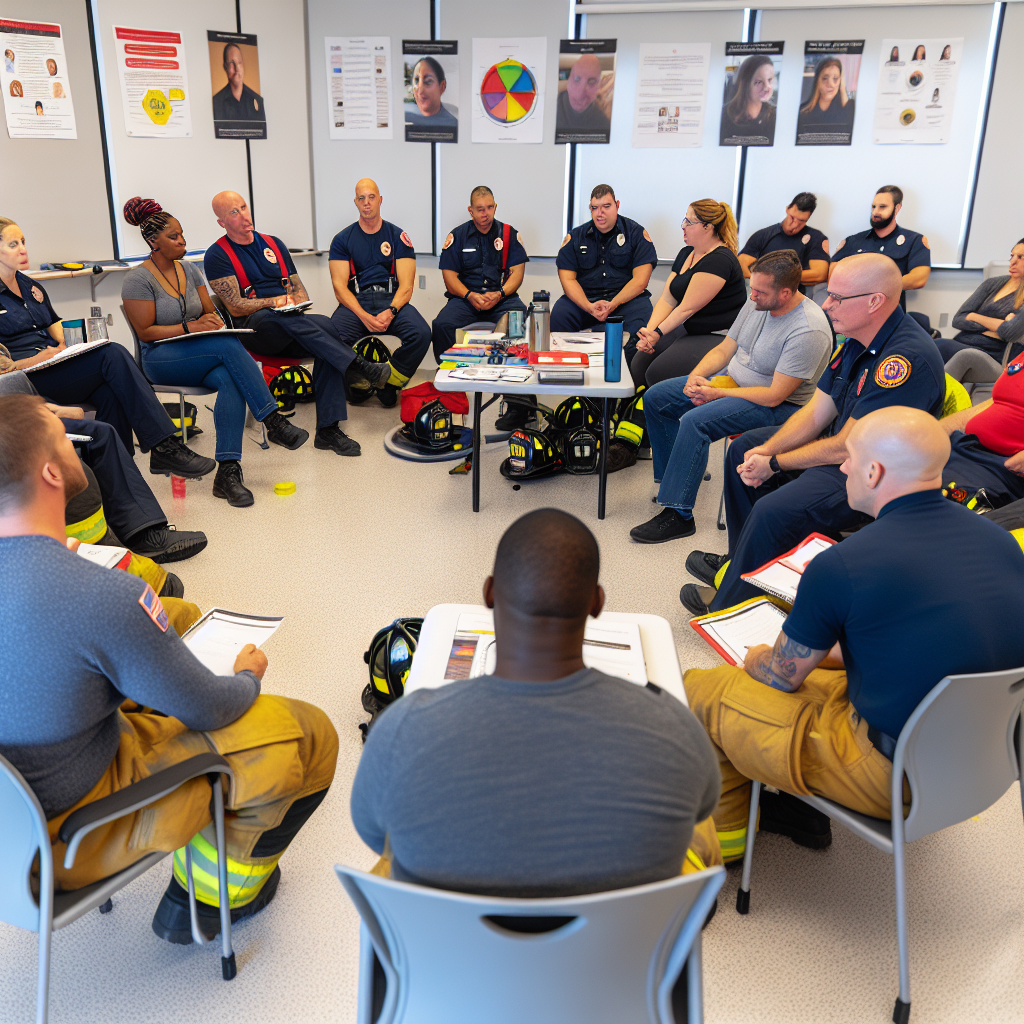
A firefighter participating in mental health training or wellness activities, illustrating the importance of training and proactive support systems.
Strategies for Fostering Mental Readiness Among Fire Service Leaders
Fostering mental readiness within fire service crews requires actionable strategies led by fire service leaders. Drawing insights from Dr. Jaime Brower and David Baker, here are key approaches that can be implemented:
-
Implementing Structured Mental Health Training:
Integrating ongoing mental health and resilience training into firefighter development programs is crucial. This training should cover recognizing signs of stress, coping mechanisms, and enhancing overall mental health literacy, empowering firefighters with the knowledge to manage their well-being. -
Creating Trust and Open Communication:
Establishing a supportive culture where firefighters feel comfortable discussing mental health concerns is essential. Leaders should encourage open dialogues about mental health challenges to normalize seeking help, promoting an environment where vulnerability is seen as strength rather than weakness. -
Establishing Peer Support Networks:
Implementing peer support systems helps nurture camaraderie among firefighters. These networks allow personnel to share experiences and coping strategies, facilitating trust and understanding within the team, which can be vital in times of stress. -
Promoting Wellness Initiatives:
Regularly scheduled wellness workshops and activities can reinforce the significance of mental health. These initiatives can emphasize relaxation techniques, physical health maintenance, and other mental wellness practices, contributing to a holistic approach to firefighter readiness. -
Evaluating and Enhancing Support Systems:
Departments should routinely assess their mental health support mechanisms. By ensuring that resources like counseling services and access to mental health professionals are readily available, departments can help firefighters feel more secure in seeking necessary aid, breaking down barriers related to stigma.
By implementing these strategies, fire service leaders can help cultivate a culture of mental readiness that prioritizes both firefighters’ safety and performance, leading to a more resilient and effective service.
In conclusion, mental readiness is an essential pillar in the fire service that cannot be overlooked. As we have discussed, the psychological challenges that firefighters face are significant and are exacerbated by the demands of the job. Prioritizing mental preparedness is not merely beneficial; it is foundational to ensuring the safety and effectiveness of fire service operations. Departments that embrace proactive support systems and integrate mental health training into their protocols will see improved performance, resilience, and overall well-being among their personnel.
It is imperative for fire service leaders to dismantle the stigma surrounding mental health and foster an environment where open communication and peer support are encouraged. Firefighters should feel empowered to seek help and engage in conversations about mental wellness, recognizing that these steps are vital for both personal and operational success. By making mental wellness a core component of operational readiness, we can enhance not only our response capabilities but also the lasting effectiveness of our heroes on the front lines.
We call on all fire departments to take immediate action: prioritize mental health initiatives, integrate mental preparedness into training, and create supportive environments where firefighters can thrive mentally and emotionally. The time for change is now. Let’s ensure that our firefighting teams are equipped not only physically but mentally, fortifying their ability to face all the challenges that come their way.
As we conclude this exploration of mental readiness in the fire service, we invite you to reflect on your own experiences. What strategies has your department employed to foster mental readiness among firefighters, and how have these impacted the mental health of your team? Share your thoughts and stories below to help create a supportive community discussion on this vital topic.
In the Reader Engagement section, consider exploring additional resources on mental health in the fire service. A reputable source to check is the National Fallen Firefighters Foundation, which provides comprehensive insights and support for the mental well-being of firefighters. Learn more about firefighter mental health here. This resource outlines the importance of addressing mental health challenges and offers various treatment programs available for first responders.
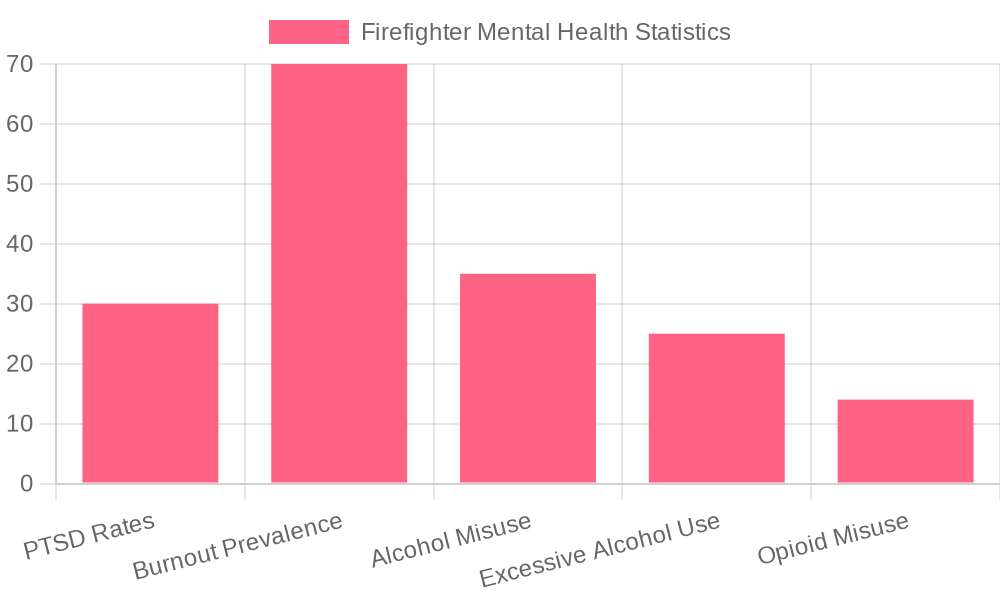
A bar graph illustrating the mental health statistics among firefighters, including PTSD rates, burnout prevalence, alcohol misuse, excessive alcohol use, and opioid misuse. This visual representation highlights the pressing mental health challenges faced by firefighters.