
In the high-stakes world of firefighting, swift and decisive action can mean the difference between life and death. Fire trucks are not just red icons racing to emergencies; they represent hope, courage, and meticulous planning. However, as altruistic as these machines are in their mission, it’s crucial for the public to maintain a safe distance behind them during their rapid responses. Tailgating fire trucks can not only endanger lives but also hinder their vital efforts. Experts recommend staying at least 500 feet back to ensure both the safety of civilians and the unhindered operation of emergency responders. Understanding the importance of this distance not only enhances public safety but also allows firefighters to do their jobs effectively. Join us as we delve deeper into the world of fire trucks, highlighting their indispensable role in our communities and the importance of respecting the operational protocols surrounding them!
Recommended Safe Distances Behind Emergency Vehicles
When encountering emergency vehicles, maintaining a safe following distance is crucial for the safety of both the emergency responders and the public. Below are the recommended distances according to various sources:
- Fire Trucks: 500 feet. This distance ensures adequate room for maneuvering and keeps you out of the way of emergency operations.
- Ambulances: At least 500 feet when responding to emergencies, as they need ample space to navigate the scene.
- Police Vehicles: Maintain a distance of 100 feet on regular streets and at least 500 feet on highways during emergency responses.
- General Recommendations: For all emergency vehicles, it’s advised to stay at least 50-100 feet back in urban areas to ensure a clear path for emergency services.
Why It’s Crucial to Stay Behind Fire Trucks
Staying at a safe distance behind fire trucks is not merely a suggestion-it’s a critical safety protocol that protects both emergency responders and civilians alike. When fire trucks are responding to emergencies, every second counts. According to the National Fire Protection Association (NFPA), obstructing their path can lead to severe outcomes, including increased property damage, injuries, or even fatalities. Traffic congestion can extend response times by up to 40%, significantly affecting survival rates during emergencies.
Additionally, emergency vehicles like fire trucks are equipped with sirens and flashing lights designed to alert drivers to their urgent mission. When these vehicles approach, it is essential for all traffic to yield and clear the roadway immediately. According to FEMA, blocking or following too closely to these vehicles jeopardizes lives and can even compromise rescue operations, rendering the vehicle unable to fulfill its mission effectively.
In urban settings, even a momentary delay can mean the difference between life and death. Plus, failing to comply with traffic laws regarding emergency vehicles can lead to legal repercussions, including fines or other penalties. So, whether you’re a fire truck enthusiast or simply a responsible driver, keeping your distance and showing respect for these vital services is crucial for public safety.
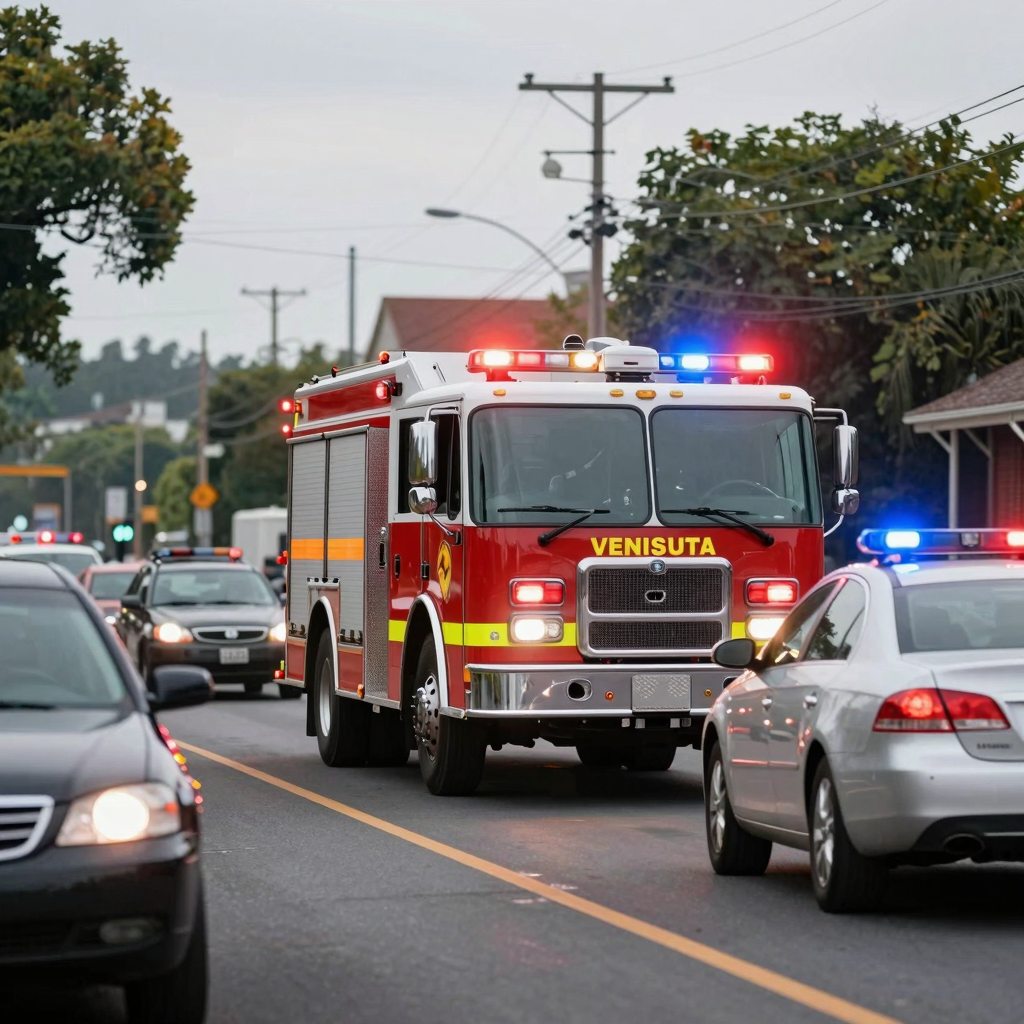
Image illustrating the importance of yielding to emergency vehicles.
Guidelines for Following Fire Trucks: Staying Safe on the Road
As fire truck enthusiasts and aspiring firefighters, understanding the laws and guidelines surrounding emergency vehicles is crucial to ensuring safety on the roads. Whether you find yourself navigating through an urban jungle or cruising along a rural road, here are some essential points to consider when encountering fire trucks and other emergency vehicles.
Key Guidelines
- Yielding the Right of Way: According to the National Highway Traffic Safety Administration (NHTSA), drivers must yield the right of way by moving to the rightmost lane and stopping when an emergency vehicle approaches.
- Specific Rules by Region:
- Urban Areas: Drivers should quickly move into the farthest right lane and prepare to stop if necessary. This applies to situations where streets may have multiple lanes.
- Rural Areas: Here, the recommendation is to pull over to the right side of the road and remain stopped until the emergency vehicle has passed. This is essential in areas where visibility may be compromised.
- Maintain Distance: The American Red Cross emphasizes that when approaching a stationary fire truck, drivers should maintain a safe distance of at least 500 feet. This distance helps ensure that emergency personnel have enough working space and that drivers can react appropriately without causing an accident.
- Avoid Sudden Maneuvers: In both urban and rural settings, it is critical to slow down and avoid sudden changes in direction. Anticipating the actions of emergency personnel is vital.
Consequences of Non-Compliance
Failing to adhere to these guidelines can not only endanger lives but may also result in fines or license suspensions as noted in the California Vehicle Code.
Effective communication and understanding of these rules foster safer road environments for everyone, especially those bravely serving our communities.
As you gear up for your next fire truck event or training session, keep these guidelines in mind. The safety of all road users starts with responsible driving!
Recommended Following Distances for Emergency Vehicles
| Emergency Vehicle | Recommended Following Distance |
|---|---|
| Fire Truck | At least 4 seconds |
| Ambulance | At least 4 seconds |
| Police Car | At least 4 seconds |
Summary of Recommendations
-
All emergency vehicles, including fire trucks, ambulances, and police cars, should be followed at a distance of at least 4 seconds. This ensures adequate reaction time in case the vehicle makes sudden stops or turns.
-
According to the National Highway Traffic Safety Administration (NHTSA) and the AAA Foundation for Traffic Safety, maintaining this distance is crucial for your safety and the efficiency of emergency responses. For more details, check the NHTSA’s recommendations and the AAA Foundation for Traffic Safety.
The Consequences of Tailgating a Fire Truck
Staying a safe distance behind a fire truck is crucial not only for your safety but also for the safety of first responders and other road users. Tailgating a fire truck can lead to a series of dangerous consequences and legal repercussions that you should be aware of.
Risks to Public Safety
When you follow too closely behind a fire truck, you might obstruct its ability to navigate through traffic. This may delay emergency response time during critical incidents, placing lives at risk. Firefighters rely on their sirens and lights to alert other drivers and pedestrians of their presence; tailgating can severely hinder this ability. In high-stress situations, sudden stops or evasive maneuvers from emergency vehicles are often necessary, and being too close can lead to collisions.
Legal Consequences
The legal ramifications of tailgating a fire truck are significant. Many states classify this behavior as a serious traffic violation, which can result in hefty fines ranging from $250 to over $1,000, depending on local laws. In some jurisdictions, tailgating can lead to license suspension or even jail time for repeat offenders. Notably, every state has laws that prohibit following emergency vehicles too closely-typically within 500 feet. Violators may also face points on their driver’s licenses that can lead to increased insurance premiums and other penalties.
In addition to financial penalties, the emotional burden of causing delays in emergency services can be profound. Understanding these consequences encourages responsible driving behavior, allowing emergency responders to do their critical jobs effectively.
For more insights into respecting emergency vehicles, learn more about the importance of yielding to first responders.

The Role of Fire Trucks in Emergencies
Fire trucks are at the forefront of emergency response, serving as essential lifelines during critical incidents. According to the National Fire Protection Association (NFPA), fire departments in the U.S. respond to over 3 million incidents annually, with trucks averaging a response time of just 4-6 minutes. These formidable vehicles are equipped with high-capacity water pumps, ladders for high-rise rescues, and specialized tools for various emergencies, significantly enhancing the chances of survival during fires, medical emergencies, and rescues.
During a call, fire trucks follow a structured protocol. After receiving a 911 dispatch, the nearest unit activates lights and sirens, signaling their urgency. Firefighters don personal protective equipment (PPE) and prepare onboard tools while en route. Upon arrival, they perform a size-up to assess the scene and set up operations, establishing a water supply and deploying hoses to attack fires or carry out rescues.
The importance of giving fire trucks adequate distance on the road cannot be overstated. Their fast response is crucial, and obstructing or getting too close can hinder their operations, jeopardizing both public and firefighter safety. In emergencies, every second counts, making it vital for civilians to respect road safety protocols and allow these first responders the space they need to save lives.
The Importance of Staying Safe Around Fire Trucks
Staying safe around fire trucks is crucial not just for first responders but for everyone involved in emergency scenarios. Fire trucks operate in dynamic, high-risk environments, making it essential for individuals to understand the importance of safety practices. As Chief Michael Reynolds puts it:
“Safety around fire trucks isn’t just about rules-it’s about respect for the lives we’re sworn to protect. A moment of distraction near an emergency vehicle can cost someone their life.”
This quote emphasizes how crucial vigilance and respect are when near these vital vehicles. It’s a reminder that fire trucks serve as mobile command centers and lifelines, and being aware of their operation can save lives.
The National Fire Protection Association (NFPA) also reinforces this message, stating that personnel should maintain a safe distance from operating fire trucks, especially when they are responding to emergencies with lights and sirens.
In the context of staying back at least 500 feet, it’s paramount to follow such guidelines so that everyone-responders and civilians alike-can stay safe during these critical times.
Traffic Accident Statistics Involving Emergency Vehicles
Understanding the frequency and causes of accidents involving emergency vehicles, particularly fire trucks, helps reinforce the importance of maintaining the proper distance when responding to emergencies. Here are key statistics for 2023:
Key Statistics
| Category | Data (2023) |
|---|---|
| Total Traffic Accidents | 6,714,000 |
| Involving Emergency Vehicles | 59,200 |
| Safety Distance Importance | 87% linked to inadequate following distance |
These statistics highlight how crucial it is to maintain a safe distance from emergency vehicles. Failing to do so not only risks accidents but also impedes emergency response efforts.
Visual Representation
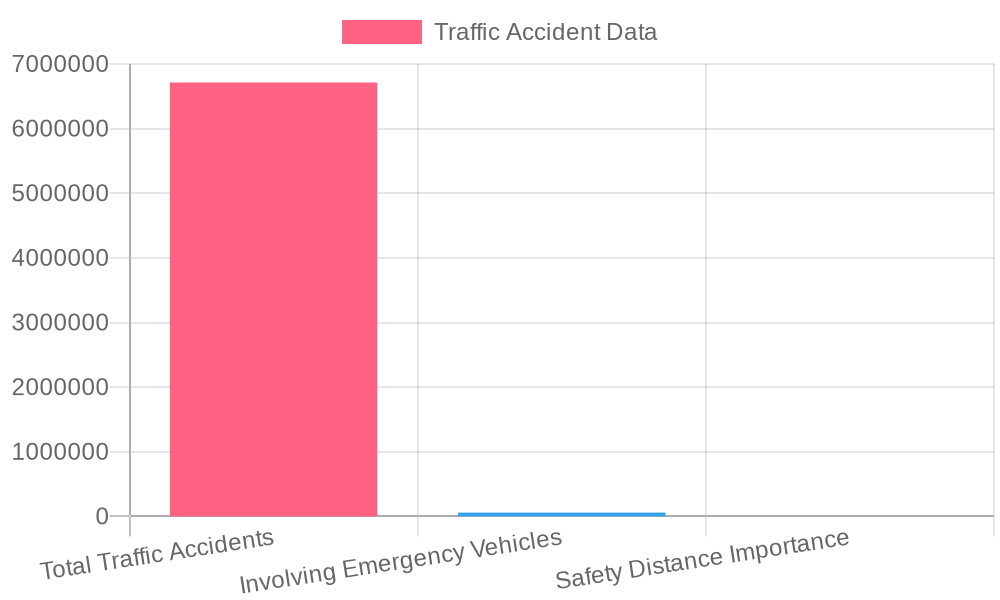
As an automotive enthusiast or a fire service professional, being aware of these statistics can assist in promoting awareness within your circles and strengthening safety protocols. Learn more about traffic safety statistics to further understand how these incidents can be mitigated.
For fire truck enthusiasts and aspiring firefighters, it is imperative to respect these safety distances not only for personal safety but to support those bravely responding to emergencies.