
For fire truck enthusiasts, collectors, young aspiring firefighters, and seasoned emergency services professionals, understanding the ownership of Pierce Fire Trucks isn’t just a matter of corporate lineage—it’s a deep dive into a legacy of craftsmanship and innovation. Owned by the Oshkosh Corporation since its acquisition in 1996, Pierce Fire Trucks has made significant contributions to fire safety and equipment technology, which resonate with the passionate community it serves. Each chapter will explore the intricacies of Pierce’s ownership structure, the historical context of its acquisition, Oshkosh Corporation’s pivotal role, and its market presence, shaping a comprehensive tale of pride and reliability in firefighting equipment.
Integrated Power: The Ownership and Evolution of Pierce Fire Trucks Within Oshkosh Corporation
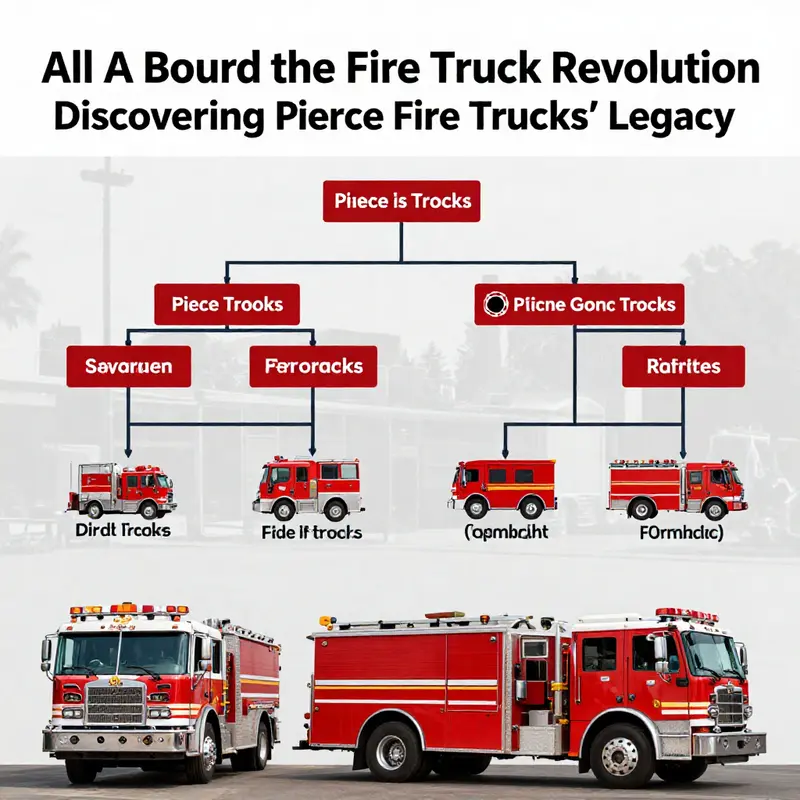
Ownership structures in the fire apparatus industry rarely sit still long enough to become mere footnotes. They reflect strategic choices, market pressures, and the evolving ambitions of companies that supply life-safety equipment to communities around the globe. The story of Pierce Fire Trucks, a prominent North American manufacturer known for its robust chassis integration and hydraulic systems, sits squarely within this pattern. Today, Pierce is positioned as a wholly owned subsidiary operating under the umbrella of Oshkosh Corporation, a global producer of specialty vehicles and vehicle components. This arrangement is not simply a matter of corporate housekeeping. It shapes how Pierce designs, manufactures, and brings its products to market, while preserving a distinctive brand voice that customers rely on when making critical decisions about fire protection and municipal services. The ownership dynamic, at its core, is about balancing independence with the advantages of scale and financial resilience. It is this balance that allows Pierce to push the boundaries of performance in areas like chassis integration and system coordination, even as it leverages Oshkosh’s expansive distribution network and deep research and development capabilities. The result is a pathway that respects Pierce’s heritage of customer-centric innovation while threading it into a larger, more diversified corporate portfolio that spans defense, municipal, and specialty vehicle markets.
The publicly stated narrative of Pierce’s ownership centers on a simple, enduring fact: Pierce Manufacturing Inc. operates as a wholly owned subsidiary of Oshkosh Corporation. Oshkosh, traded on the public markets, has long cultivated a portfolio approach to its business lines, bringing together a family of brands that serve the needs of government, industry, and transportation sectors. The relationship matters because it signals to customers that Pierce will continue to hold its brand identity and operate with a familiar level of autonomy in key operational areas, even as capital, risk management, and strategic guidance flow from the parent company. This is not a superficial branding exercise. It translates into real differences in how design decisions are funded, how new technologies are tested, and how the products are brought to market across continents. The ownership structure therefore acts as a fulcrum, enabling Pierce to innovate with confidence while aligning with Oshkosh’s broader mission to deliver reliable, high-performance vehicles for demanding environments.
Historical context matters when discussing ownership, because it helps explain why the current arrangement feels both natural and practical to customers, employees, and investors. The detailed research results describe the acquisition timeline with nuance, noting that the incorporation of Pierce into Oshkosh’s family occurred as a milestone event and that the integration occurred with a careful eye toward preserving Pierce’s brand identity and customer relationships. The narrative sometimes appears as a tension between independence and integration. On one hand, Pierce maintains its own leadership, its own engineering culture, and its own customer interface in ways that matter for day-to-day operations, service, and support. On the other hand, the backing of Oshkosh brings financial depth, global procurement scale, and a more expansive manufacturing footprint. The juxtaposition is not about diluting Pierce’s unique strengths; it is about reinforcing them through a more robust, diversified platform. In that sense, the ownership structure acts as a strategic bridge that connects Pierce’s legacy of hands-on, customer-focused engineering with Oshkosh’s capacity to invest in next-generation technologies and to access markets that might otherwise be out of reach.
From an engineering standpoint, the implications of this ownership model are tangible. Pierce continues to focus on innovations that improve how fire apparatus perform in real-world emergencies. The integration of chassis, pump systems, and hydraulic components remains at the heart of the product development process, but the resources available through Oshkosh allow for more rigorous testing, higher quality standards, and more extensive supply chains. In practice, this means Pierce can pursue enhancements that require longer timelines or larger development runs—activities that are often cost-prohibitive for smaller, independent manufacturers. The parent company’s global footprint helps Pierce to synchronize manufacturing with demand cycles, reduce lead times through smart procurement, and maintain a steady cadence of updates to meet evolving code requirements and customer expectations. The net effect is a product development environment that remains anchored in Pierce’s engineering ethos while gaining the leverage of Oshkosh’s broader industrial platform. This is not merely about scale; it is about disciplined investment, cross-brand learning, and a shared commitment to reliability under pressure.
For customers and end users, the practical upshot of this ownership structure is a sense of continuity paired with access to enhanced capabilities. Pierce’s day-to-day operations retain the familiarity of a known partner—someone who understands the nuances of municipal procurement, the realities of service lifecycles, and the need for rapid, dependable support in the field. Yet beneath that familiar surface lies a more resilient supply chain and a more versatile set of production options. Oshkosh’s financial strength supports a broader testing regime, more robust quality assurance, and the ability to scale production in response to large municipal orders or national defense-related programs that require specialized vehicle components. In industries where downtime is measured in hours and the cost of failure is measured in lives saved, the capacity to marry reliability with adaptability becomes a decisive competitive advantage. Pierce’s ownership by Oshkosh helps crystallize that advantage by aligning engineering discipline with disciplined capital allocation, a combination that makes it easier to pursue innovations without compromising the critical commitments customers place on performance and longevity.
The governance side of the ownership equation offers another layer of nuance. As a subsidiary, Pierce operates with a governance framework designed to protect brand integrity while enabling agile decision-making at the product level. This often translates into a clear delineation of responsibilities where Pierce maintains control over design, customer engagement, and after-sales service approaches, while Oshkosh provides strategic oversight, risk management, and capital planning. Investors and stakeholders look for correlations between ownership structure and performance metrics such as on-time delivery, field service response, and the ability to maintain compliance with evolving regulatory standards. The narrative that emerges is one of responsible stewardship: a parent company that does not overshadow the brands it houses but rather reinforces them with best-in-class processes, diversified revenue streams, and a robust capital framework. In turn, Pierce can focus on what it does best—engineer dependable, capable fire apparatus that respond to the diverse demands of cities and counties, with a steady eye on the long horizon of fleet renewal cycles and the shifting priorities of municipal budgets.
This integration also fosters a kind of strategic resilience that is increasingly prized in the public-safety equipment sector. Through Oshkosh, Pierce can access a broader network of suppliers, which reduces vulnerability to single-source disruptions. The ability to anticipate demand and coordinate production across a family of brands creates efficiencies that cascade down to customers in the form of more predictable lead times and steadier warranty support. Moreover, Oshkosh’s experience across defense and civilian markets infuses Pierce with knowledge about high-stakes requirements, performance testing, and reliability under extreme conditions. While the core of Pierce’s identity remains rooted in its tradition of engineering excellence and durable design, the association with Oshkosh expands the horizon of what is possible in a field where standards are high and the consequences of failures can be profound.
The story also speaks to a broader industry trend: the consolidation of capabilities around a few large, diversified players who can sustain long product life cycles with substantial investment. In markets that demand long lifespans, standardized interfaces, and continuous improvements in safety and efficiency, a parent company can provide the muscle needed to fund ongoing modernization cycles. Pierce benefits from that by maintaining its brand autonomy and its customer-first approach while plugging into Oshkosh’s manufacturing excellence and global distribution network. The combined effect is a form of organizational synergy that preserves the best of both worlds: the intimate, local knowledge and service culture that customers trust, and the scale, stability, and R&D energy that come from being part of a global leader. This synergy is not abstract; it translates into tangible outcomes for fire departments and emergency responders who rely on well-built apparatus that can be serviced promptly, supported by a centralized parts supply, and updated to meet evolving safety and environmental standards.
Readers who want to place this ownership story in a wider context may look to industry narratives and commentary that describe how consolidation has reshaped relationships between manufacturers and end users. While the core facts about Pierce’s ownership are straightforward—the brand operates under a larger parent with a dedicated subsidiary structure—the implications reach beyond corporate charts. They touch the cadence of product introductions, the geographic reach of service networks, and the resilience of fleets that communities rely upon during crises. In that sense, ownership is not a dry line on a company balance sheet. It is a living arrangement that shapes how engineers approach trade-offs between weight, maneuverability, payload, and safety; how procurement teams negotiate with suppliers; and how municipal buyers plan for the future against the backdrop of fiscal realities. The interplay of autonomy and integration, therefore, becomes a critical lens through which customers judge value, performance, and trust.
For readers seeking a broader perspective on industry dynamics and ongoing conversations about how these systems evolve, there is value in turning to thought leadership and practical analyses offered by industry-focused outlets. The Firetruck.Space blog, for example, provides context on how market participants discuss trends in technology, procurement, and service delivery. Such reflections can illuminate how ownership structures influence decision-making at the municipal level and how they inform vendors’ responsiveness to shifting demand. Access to the broader conversation helps keep the focus on outcomes rather than organizational trivia, reminding us that the ultimate measure of ownership is the quality of the service and the reliability of the equipment when it matters most. You can explore these insights at the Firetruck.Space Blog, which offers a range of perspectives on industry topics and case studies that complement the ownership narrative discussed here. https://firetruck.space/blog/
In sum, the ownership of Pierce Fire Trucks within Oshkosh Corporation embodies a deliberate balance. It preserves Pierce’s identity and close-knit customer relationships while enabling investment, risk-resilience, and a broader platform from which to innovate. The acquisition, whether dated in official records as the 2013 milestone or discussed in earlier overviews as an implied transition, represents more than a change in ownership. It marks a strategic alignment that supports Pierce’s mission to deliver durable, technically capable fire apparatus within a framework that rewards long-term thinking and steady execution. The resulting structure is not a single, static label but a dynamic arrangement shaped by the needs of customers, the tempo of regulatory changes, and the demands of a world where public safety equipment must perform when every moment matters. For those who want to verify the corporate scaffolding behind this narrative, the Oshkosh Corporation website provides the official context for how Pierce fits into a diversified family of vehicle brands. External reference: https://www.oshkoshcorp.com
Legacy in Ownership: Tracing the Acquisition and Care of Pierce Fire Trucks Under Oshkosh
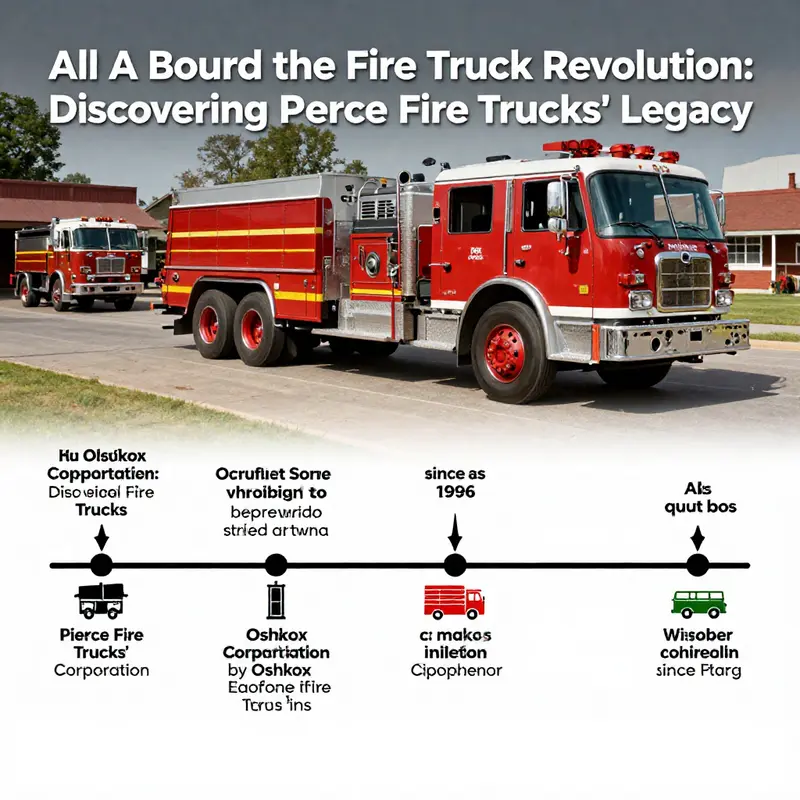
Ownership in the world of emergency apparatus rarely unfolds in a straight line, and the Pierce Fire Trucks story sits at the intersection of engineering heritage and corporate strategy. The brand built a reputation for rugged, reliable apparatus designed to perform under pressure, and that reputation did not vanish when ownership changed. In 1996, Oshkosh Corporation, a Wisconsin-based manufacturer known for its emphasis on specialty vehicles, completed a purchase that would realign the competitive landscape of municipal and industrial firefighting equipment. The terms of that deal brought Pierce into a portfolio renowned for durability, logistical efficiency, and a global reach. From that moment onward, Pierce functioned as a wholly owned subsidiary within the Oshkosh umbrella, a status that would shape decision-making at every tier, from product planning rooms to the field service network.
To understand why this matters, one must appreciate the broader contours of Oshkosh’s business at the time of acquisition. Oshkosh had already built a portfolio that spanned military vehicles, construction equipment, and other purpose-built platforms. Its approach to manufacturing emphasized specialization rather than mass-market redundancy. Firefighting apparatus, with their combination of hydraulics, safety features, and rugged bodies, fit neatly within that strategic posture. The alignment was more than a financial arrangement; it represented an intent to preserve Pierce’s engineering heritage while leveraging Oshkosh’s resources to scale up production, standardize procurement, and extend distribution channels. The corporate leadership, in turn, saw an opportunity to stabilize Pierce’s supply chain, invest in advanced chassis and body systems, and ensure compliance with evolving standards across different jurisdictions.
From a governance perspective, becoming a wholly owned subsidiary meant that Pierce remained a distinct brand in the minds of customers and dealers, while its operations answered to the parent company’s financial and strategic priorities. The ownership structure preserved continuity in engineering teams and customer liaison channels, which mattered a great deal to departments that rely on long-term maintenance contracts, spare parts availability, and predictable service cycles. In practice, that meant Pierce could maintain the look and feel of its legacy design language—the features that firefighters learned to expect on familiar rigs—while benefiting from Oshkosh’s procurement scale and warranty administration. The combination of brand continuity and corporate discipline helped the company ride through market fluctuations that characterized municipal fleet spending in the late 1990s and early 2000s. It also allowed Pierce to pursue incremental innovations without losing the trust of departments that valued the tradition of reliable performance.
One of the enduring questions for observers is what ownership means in the day-to-day experience of customers and frontline departments. Ownership might seem like a distant corporate fact, but it translates into practical advantages that operators can feel in the depot and on the call. For instance, a production line backed by a parent company with a broad family of specialized vehicles can share components, technologies, and testing protocols across different product lines. This means faster implementation of safety enhancements, more robust supply chains, and more systematic dealer training. In the field, that translates into more consistent refurbishment options, easier access to spare parts, and a service network that understands the demands of municipalities and volunteer departments alike. The design language of Pierce wearers and the feel of the controls on a panel might carry the quiet stamp of Oshkosh’s engineering philosophy—an emphasis on durability, maintainability, and operator safety. Yet the brand maintains its own identity where it matters most: the relationships built with fire chiefs, engineers, and rescue teams who know the silhouette, weight distribution, and driving dynamics of their preferred apparatus.
The importance of corporate ownership for a line like Pierce also surfaces in how the company navigates global markets. When a firm sits under a parent with international manufacturing capabilities, it gains access to a world-spanning supply network and opportunities to tailor products for regional requirements. This is particularly relevant in markets that demand custom solutions to address terrain, climate, or funding constraints. The Oshkosh network offers a platform for coordination of chassis, pump packages, body construction, and completion processes that can be adapted to local regulations without reinventing the wheel for every new order. The result is a more versatile product family that can meet a wider array of dispatch needs while preserving the reliability and serviceability that departments have come to expect.
This evolution does not erase the brand’s legacy but instead reframes it within a larger corporate story. Pierce’s historical identity—built on engineering precision, a strong field performance record, and a track record of durability—persists as a touchstone for customers. The integration within Oshkosh ensures that the brand can respond to modern procurement cycles, including the increasingly common requirement for lifecycle planning, resale value, and end-of-life parts support. In municipal fleets, where replacement decisions may span a decade or more, ownership structure matters because it influences the availability of training resources, maintenance programs, and the continuity of the dealer network. It is these practical factors that often decide whether a department will invest in a new chassis of a given brand or opt for a different configuration that promises lower total cost of ownership. By anchoring Pierce within Oshkosh, the company could leverage the parent’s global reach to deliver consistent, supported fleets across multiple municipalities, a factor that becomes more meaningful as departments look toward long-range capital planning.
Crucially, the story of ownership is also a story of accountability and accountability mechanisms. A parent corporation with a public listing or a broader industrial footprint tends to maintain robust governance practices, compliance programs, and financial reporting standards. This includes formal performance reviews, audits, and continuous improvement initiatives that can translate into more predictable outcomes for customers. The advantage is not simply in the dollars that come from centralized procurement. It is in the discipline that ensures product quality remains at the heart of every fabrication, every after-sales service interaction, and every upgrade performed to keep fleets compliant and safe. The long arc of the Pierce-Oshkosh relationship, then, is a case study in how ownership arrangements can influence a legacy brand’s ability to modernize without sacrificing the trust built with generations of firefighters.
For readers who want a succinct snapshot of this corporate alignment, the broader context can be found in industry histories that chart how specialized vehicle manufacturers converge under larger umbrellas. A concise historical overview can be accessed through the FireTruck.Space blog, which offers an accessible narrative on how brands integrate into parent portfolios while preserving a recognizable market identity. This resource helps connect the dots between a corporate acquisition and the tangible differences that frontline users might notice on a daily basis, from maintenance practices to dealer support networks. The broader point is that ownership is not just a ledger entry. It is a mechanism that shapes the user experience in the field and the strategic choices behind product development.
As we move through the chapter, it becomes clear that the implications of being part of Oshkosh extend beyond branding. The parent company’s focus on specialized and mission-critical platforms means that Pierce can draw on shared engineering resources, quality assurance processes, and a culture of rigorous testing. The shared standards across Oshkosh’s family of brands translate into a common language of reliability, safety, and performance. For departments deploying fleets across climate zones—from the northern cities that demand winterization to the subtropical regions that push cooling and corrosion resistance—this standardized but adaptable approach can result in more consistent performance and a smoother procurement experience. The manufacturing footprint associated with a large parent company also supports economies of scale, enabling improvements in production efficiency without compromising on the bespoke details that fleets often require. The challenge for any legacy brand within a corporate portfolio is to maintain a distinctive voice for its customers while embracing the efficiencies of the broader system. The Pierce lineage, guided by Oshkosh’s governance and capital, has navigated that balance for more than two decades.
From a storytelling perspective, the ownership chapter does not stand alone. It sits at the intersection of design heritage, procurement realities, and service ecosystems that sustain fleets over the long term. Pierce’s engineers, designers, and field technicians have benefited from being part of a wider network that shares testing protocols and safety updates, even as they continue to tailor components for municipal needs. Dealers and service centers—key access points for end users—often operate with the reassurance that the parent company’s scale provides parts availability, standardized training, and consistent quality assurance practices. In practice, this translates into fewer delays, more predictable service windows, and greater confidence when a city council approves a multi-year fleet modernization plan.
The historical acquisition narrative also invites readers to consider the broader market context in which such deals occur. The 1990s and early 2000s saw a wave of consolidation among manufacturers of specialized vehicles, driven by the desire to share engineering risk, optimize procurement, and align operations with the evolving demands of public-sector buyers. While the specifics of any single acquisition can be intricate, the underlying logic remains consistent: combine expertise, stabilize supply, and extend the geographic reach of trusted platforms. The ownership arrangement for Pierce under Oshkosh embodies this logic, offering a blueprint for how long-standing brands can maintain their distinctive value propositions while benefiting from the scale and discipline of a parent company.
In telling this story, it is essential to remember the human layer—the crews who choose, operate, and maintain these machines each day. A brand’s heritage matters to the men and women who rely on it. They are less concerned with corporate charts and more with predictable maintenance schedules, accessible spare parts, and the sense that the equipment will perform when it matters most. Ownership by a larger organization does not erase that sense of continuity. Instead, it creates a framework in which the brand’s proven attributes can be preserved and amplified through shared resources, standardized processes, and a global service network. For city fleets, volunteer departments, and rescue squads that have leaned on Pierce for decades, that continuity is a kind of tacit contract: a promise that the equipment will not let them down, even as new technologies arrive and procurement realities shift.
As this chapter closes, the reader should come away with a clear sense of how a historical acquisition sits at the core of a brand’s present capabilities. The Pierce lineage, under the Oshkosh umbrella, demonstrates how a strategic ownership decision can harmonize tradition with modernization. It is a story about stewardship as much as it is about market strategy—a tale of maintaining a trusted brand identity while harnessing the efficiencies and reach of a corporate powerhouse. The result is not a single moment in corporate history but a continuing journey: a reminder that the name on the side of a fire engine carries more than a logo. It carries a history of collaboration across engineering teams, service networks, and the communities that rely on these life-saving machines every day. The historical acquisition that brought Pierce into the Oshkosh fold remains a touchstone for understanding how ownership shapes not only what a brand is, but what it can become in a world that demands speed, reliability, and resilience.
External reference: https://www.oshkoshcorporation.com/about-us
Under Oshkosh’s Wing: How a Global Carrier Shapes Pierce Fire Trucks for a Safer, More Reliable Fire Service
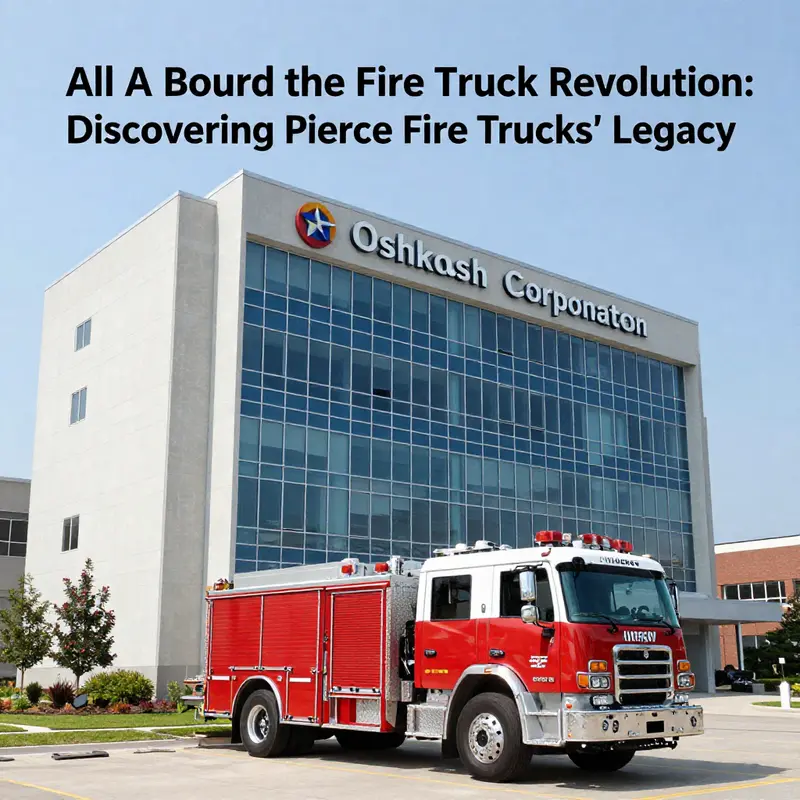
In the sphere of public safety manufacturing, ownership can be as consequential as design. The story of Pierce Fire Trucks within the Oshkosh Corporation is a testament to how strategic parentage can influence not just who makes the trucks, but how they are conceived, built, and supported across the world. Since a pivotal acquisition in the mid-1990s, Pierce has operated as a distinguished subsidiary within a much larger portfolio of heavy-duty vehicles. The effect of that relationship ripples through every facet of Pierce’s business—from engineering philosophy and manufacturing discipline to market reach and service networks. It is a story not merely of a business arrangement, but of a collaborative engine that powers the performance firefighters rely on in the most demanding moments. The ownership structure matters because it shapes long-range investments, standards of quality, and the tempo at which innovations move from drawing board to fire scene.
The turning point is well documented: in 1996, Oshkosh Corporation acquired Pierce, a move described by industry watchers as strategic in its intent to anchor leadership in fire protection equipment within a broader, diversified platform. This is not simply a matter of financial backing; it is about access to a global operating framework that supports Pierce’s engineering ambitions and production scale. As a subsidiary under Oshkosh, Pierce benefits from a shared fabric of resources—ways to source materials, routes to market, and a common language of safety and reliability that travels across continents. The parent company’s reach translates into tangible advantages: steadier supply chains, more robust capital for research and development, and the assurance that Pierce can weather demand fluctuations with a steadiness that smaller, standalone manufacturers often cannot sustain. In the cockpit of a fire apparatus program, where every component—from chassis geometry to structural integrity—must harmonize, that steadiness translates into speed and certainty on the ground.
To understand the operational implications of the Oshkosh-Pierce relationship, it helps to picture how the two organizations share a common engineering backbone without erasing Pierce’s own identity. Pierce maintains its well-regarded reputation for innovation and quality, a brand narrative that has resonated with fire departments across the United States and internationally. Yet beneath that brand identity lies a strategic architectural advantage: the ability to design and assemble fully integrated vehicle systems within an ecosystem that already prioritizes rugged performance, real-world durability, and meticulous safety standards. Rather than relying on off-the-shelf chassis or disjointed subsystems sourced from multiple suppliers, the combined approach leverages Oshkosh’s scale and manufacturing discipline to create a tightly coupled, purpose-built platform. The result is a fire apparatus whose chassis, body, and specialized safety systems were conceived in concert, tested against rigorous standards, and validated for consistent performance in the field. This integrated approach stands out as a differentiator in a market where compatibility and reliability directly impact response times and, ultimately, lives saved.
The engineering philosophy that underpins Pierce’s products is inseparable from the parent company’s broader capabilities. Oshkosh brings a breadth of expertise in heavy-duty vehicle platforms, engineering rigor, and a global development pipeline that accelerates iteration while maintaining strict quality controls. In practical terms, this means Pierce’s design teams can pursue innovations with the confidence that they have access to a scalable manufacturing framework, a robust supplier base, and centralized processes that ensure conformity with safety and regulatory standards around the world. The integration is not about homogenizing Pierce into a generic platform; it is about enabling Pierce to realize its distinct vision through the leverage of a larger, highly specialized engineering and manufacturing ecosystem. The synergy lies in marrying Pierce’s intimate knowledge of municipal fire apparatus with Oshkosh’s proficiency in vehicle architecture, testing, and systems integration. The collaboration fosters a cycle of improvements where field feedback informs design refinements, which in turn are executed with speed and precision across a global network.
A core element of this dynamic is the emphasis on fully integrated chassis and body systems. In the realm of fire apparatus, architecture matters. A vehicle that can be quickly deployed, maintained, and upgraded in the field hinges on how well its subsystems are engineered to work together as a single, cohesive unit. The Oshkosh-Pierce combination has prioritized that holistic approach, ensuring that every new development considers not only the immediate function of a component but its compatibility with the entire platform. This systems integration supports safer operation, easier maintenance, and longer service life, reducing downtime for departments and keeping engines on the road where they are needed most. It also enhances predictability in performance across a broad spectrum of duty cycles, from routine inspections to high-intensity emergency responses, a stability that is particularly valued by fire chiefs and procurement officers who must balance cost, performance, and reliability over a multi-decade lifecycle.
The breadth of Oshkosh’s manufacturing footprint—an asset in any industrial landscape—plays a crucial role in Pierce’s ability to serve both large metropolitan departments and smaller rural communities. The parent company’s extensive global network provides access to a diverse supplier ecosystem, manufacturing hubs, and logistics channels that can deliver on complex orders with a level of efficiency difficult to achieve in a standalone operation. For Pierce, this translates into more predictable lead times, streamlined procurement, and the capacity to scale production in response to shifting budget cycles or emergency demand. The alignment with Oshkosh’s supply chain discipline helps reduce adversities that once complicated the delivery of highly specialized firefighting equipment: volatile commodity prices, variable lead times, and the challenge of coordinating multiple specialized sub-suppliers. In short, the parent company’s scale and process maturity help Pierce keep its commitments to customers while maintaining a clear focus on product excellence and service.
Beyond the tangible mechanics of manufacturing and supply chains, the Oshkosh-Pierce relationship also informs the service and support ecosystem that accompanies every new apparatus. Fire departments depend not only on a truck’s initial performance but on a dependable network for parts, maintenance, and upgrades as needs evolve. Oshkosh’s global presence helps Pierce extend its reach—through regional service centers, trained technicians, and standardized maintenance practices—so departments can keep their apparatus in service with minimal downtime. This is a crucial competence, because a well-maintained fleet translates into quicker response times and, ultimately, better outcomes for the communities served. The continuity afforded by the parent organization’s resources also supports training initiatives, safety programs, and documentation standards that ensure consistent operator experience and predictable maintenance routines across municipalities of different sizes and missions.
The ownership arrangement also feeds into how Pierce navigates the evolving demands of municipal procurement. Fire departments today face heightened expectations around safety features, environmental performance, and lifecycle costs. They require partners capable of offering not only robust products but also long-term support and adaptive solutions as standards and technologies evolve. By operating within Oshkosh’s overarching framework, Pierce can pursue a future-focused agenda that emphasizes modularity, upgrade pathways, and lifecycle planning. Departments can anticipate that their investment remains relevant over time, with opportunities to incorporate new capabilities without sacrificing the core reliability that underpins trust in the fleet. This strategic alignment helps Pierce defend its competitiveness while staying true to the core values that have defined the brand for decades: durability, practicality, and a relentless commitment to public safety.
Even as Pierce maintains its distinctive voice and engineering identity, the corporate umbrella of Oshkosh provides a level of financial stability that supports long-range planning. Budget cycles in public procurement can be unpredictable, and agencies face competing priorities when it comes to capital equipment. A parent company with diversified revenue streams and a sustained investment capacity can weather market fluctuations more gracefully, ensuring that Pierce can continue to innovate and deliver without compromising the reliability of ongoing production. This balance—between independence in product development and stability in execution—helps preserve Pierce’s reputation as a trusted partner to firefighters while embedding it within a financially resilient platform that can fund ambitious projects, collaborations, and international expansion when opportunities arise.
The cultural and organizational alignment between Pierce and Oshkosh also merits attention. An alliance of this kind relies on shared commitments to safety, quality, and ethical manufacturing. It requires cultivating a workforce capable of operating at the intersection of high-stakes engineering and public service. When a company serves communities that rely on its products in emergencies, every design choice carries a weightier implication. Within the Oshkosh portfolio, Pierce benefits from a set of common policies and practices—the discipline of quality assurance, the rigor of regulatory compliance, and the discipline of continuous improvement—that reinforce the integrity of every truck that leaves the factory floor. Meanwhile, Pierce preserves its culture of innovation, drawing from Oshkosh’s data-driven approach to troubleshooting, performance benchmarking, and after-action learning from field experiences. The result is a workplace where engineers, technicians, and designers can push for better solutions while adhering to a robust framework that assures their work will endure in demanding conditions.
This narrative of ownership is not a mere corporate footnote; it is a lived instrument of capability for the customers Pierce serves. Fire departments operating in sprawling urban networks, remote rural districts, or complex multi-agency environments require equipment that can be trusted to perform. The Oshkosh-Pierce relationship aims to deliver that trust by combining Pierce’s municipal-firecraft emphasis with Oshkosh’s engineering scale and operational discipline. It is a partnership built not on abstraction but on shared performance benchmarks, on a risk-aware approach to product development, and on the conviction that the best solutions emerge when a brand with a storied history in public-safety equipment sits within a company whose remit spans the most demanding heavy-duty platforms in the world. The result is a vehicle that embodies the strengths of both entities: the intimate understanding of municipal firefighting needs and the systemic capability to deliver a thoroughly engineered, field-ready platform across diverse geographies and climatic conditions.
For readers who want to explore related reflections on how corporate ownership or portfolio strategy shapes specialized manufacturing, a broader discussion can be found in the FireTruck.Space blog, which offers narratives about how market structures influence design decisions, service networks, and the delivery of mission-critical equipment. FireTruck.Space blog.
From an external vantage point, the corporate identity that underpins Pierce is anchored in Oshkosh Corporation’s broader strategy and governance. The official corporate perspective emphasizes a long-standing commitment to building a leading, diversified portfolio of mission-critical vehicles and equipment, underpinned by a global manufacturing and engineering footprint. This context helps illuminate why Pierce, though distinctly branded and focused on municipal fire apparatus, benefits from being part of a larger system that prizes quality, reliability, and adaptability. The relationship is grounded in shared standards, coordinated product development plans, and a collaborative approach to safety and regulation adherence that resonates with customers who must rely on every piece of equipment during a crisis. The ownership, then, is not simply a corporate form; it is a living framework that supports Pierce’s capacity to innovate, scale, and serve communities around the world with confidence.
External resource: https://www.oshkoshcorporation.com
Under Oshkosh’s Wing: The Market Presence of Pierce Fire Trucks in North America
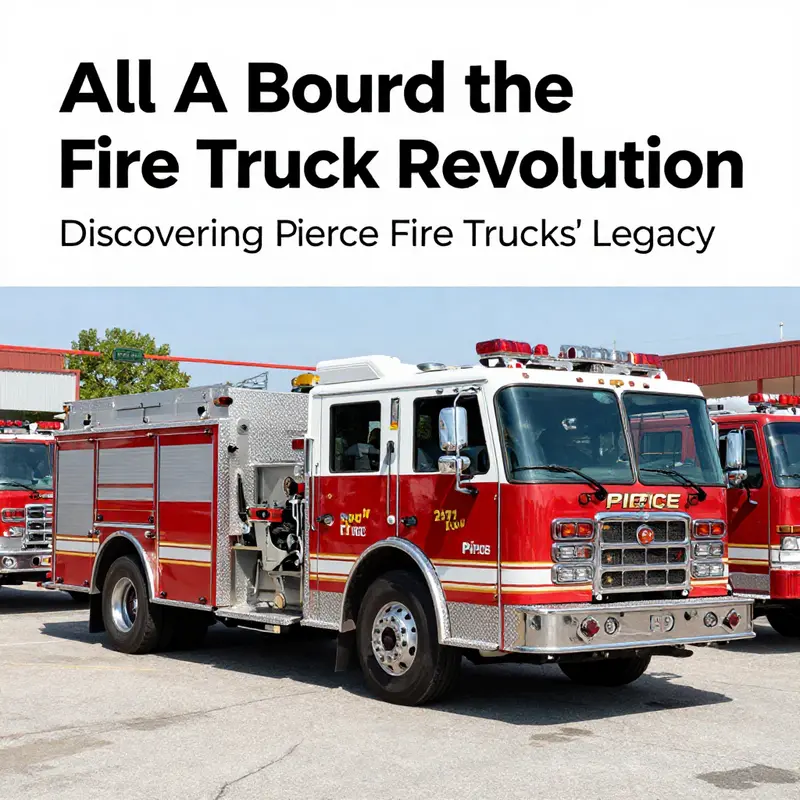
The story of Pierce Fire Trucks is, at its core, a story of ownership shaping presence. Since 1996, when the brand joined the portfolio of a diversified maker of specialty and military vehicles, its status in the North American firefighting landscape has been defined not only by engineering and service but by the strategic sway of an organized corporate family. The chapter today traces how ownership has influenced Pierce’s market footprint, how it has preserved a time-honored reputation while accelerating into new technologies, and how it remains a central reference point for municipal and rural fire departments across the continent. This is a chapter about the tension between tradition and transformation, and how a single corporate relationship can steer a brand’s reach, trust, and practice in a field where fast response and reliability are everything.
From the outset, the brand that operates under this umbrella has been synonymous with resilience and craftsmanship. Its lineage, dating back to mid-century innovations, rests on a deliberate decision to blend familiar commercial chassis with purpose-built emergency response capabilities. That approach—owning the narrative of how a fire apparatus is built, tested, and deployed—has contributed to a market presence that is not merely about selling wheels and compartments but about delivering turnkey solutions that departments can integrate into daily operations with confidence. The ownership structure matters here because it provides a backbone: a shared engineering ecosystem, a common supply chain, and a long horizon for research and development that smaller, stand-alone firms might struggle to sustain.
The market influence exercised by Pierce, within the broader Oshkosh organization, shows up in several relational ways. First, there is access to a deep reservoir of engineering talent and manufacturing discipline that translates into consistent quality across the product line. A longstanding compilation of know-how—ranging from chassis integration to vehicle electrification strategies—enables Pierce to stay competitive in a market that prizes reliability as much as rugged capability. Departments across urban cores and rural districts alike benefit from this reliability, because it translates into predictable maintenance cycles, faster turnarounds when service is required, and a fleet that performs under varying conditions—from freezing winters to arid, high-heat regions. The result is a market presence defined by trust cultivated over decades, reinforced by a parent company that understands the mission-critical nature of fire apparatus on the frontline.
An enduring thread in Pierce’s market narrative is the insistence on innovation as a continuous discipline rather than a sporadic achievement. The corporation that houses Pierce has supported a culture that treats innovation as an operating principle, not a marketing line. This is reflected in the history of using commercial vehicle components as the core of emergency response designs—an approach that unlocked economies of scale and a broader set of chassis options long before the current push toward electrification. It also meant a shift from one-off bespoke orders to a more scalable, engineered-to-order paradigm, enabling departments to pick configurations that align with local realities—terrain, call volume, infrastructure, and budget realities. It is this pragmatic versatility that broadens Pierce’s appeal across the North American market, allowing it to serve municipalities large and small while maintaining a shared standard of quality that customers can rely on during the most testing moments of a crisis.
Today’s market narrative also benefits from the practical demonstration of capabilities in real-world deployments. Take, for example, the strides in electric propulsion for emergency response fleets. In a time when many cities are rethinking fleet sustainability and resilience, Pierce’s electric solutions—built on a robust, scalable platform—appear in service with notable agencies and urban centers. The deployments underscore more than a technological pivot; they signal a broader industry shift toward sustainable emergency response. Agencies that adopt these new platforms do so with the confidence that the underlying engineering rigor remains intact even as the vehicle type evolves. This is not a niche experiment; it is a marker of how ownership can press a legacy brand toward the future while preserving the operational assurances that first responders rely on every day.
What does this mean for market position? In the North American arena, Pierce sits among the leaders in a competitive field that includes other well-known manufacturers. The brand’s staying power is evidenced by widespread adoption across a spectrum of departments—from major city fire services with frequent, large-scale dispatches to smaller towns that rely on dependable, configurable apparatus. The breadth of the product portfolio—covering conventional fire response, specialized rescue, and support roles—ensures that agencies with unique demands can find a configuration that fits without forcing compromises. The ability to tailor units to diverse needs is a hallmark of the market presence forged by the current ownership structure. It is not just about producing fire trucks; it is about shaping a fleet that can integrate smoothly with local command structures, training regimens, and maintenance ecosystems.
This integration extends into how Pierce frames its branding and service commitments. The brand identity remains anchored in values that fire departments prize: reliability, performance, and a willingness to innovate in ways that provide tangible benefits to crews in the field. Even as technology introduces new layers of capability—telemetry, digital command interfaces, and modular equipment layouts—the focus on practical usability, ergonomic design, and serviceability keeps Pierce relevant across generations of fire apparatus users. In this sense, ownership acts as a stewardship role, ensuring that a century’s worth of reputation can be carried forward while new generations of firefighters are invited to participate in the evolution.
Within the market landscape, the competitive frame is clear. Pierce operates alongside other top manufacturers in North America, including peers that offer similar ranges of products and service models. The ongoing pressure to deliver more capable, more efficient, and more durable equipment means that the market presence is not a static measure but a dynamic tournament of technology and logistics. The parent organization’s broader commitments to research and development, supply chain resilience, and global manufacturing scale empower Pierce to push ahead on multiple fronts at once. It is this synergy—between a storied brand and a system designed to amplify its strengths—that helps explain why Pierce remains a go-to option for departments seeking comprehensive, reliable, and forward-looking fleets.
Accessibility and adoption across departments of varying sizes further crystallize the brand’s market footprint. In many communities, Pierce apparatus have become part of the everyday fabric of emergency response; their visibility in parades, training exercises, and public events reinforces public confidence in local responders. This visibility translates into recurring demand: repeat orders, upgrades, and expansion of already-deployed fleets as urban development and population growth demand more capable equipment. The breadth of the lineup—while avoiding the limitations of a one-size-fits-all approach—ensures that agencies do not feel compelled to sacrifice specificity for scale. This balance between customization and reliability is a decisive factor in market positioning, and it is precisely the outcome of a corporate approach that values both heritage and forward momentum.
For readers who may be exploring current market options or seeking to understand the practical realities of fleet planning, it is useful to recognize how a brand’s market presence translates into the day-to-day decision-making of departments. The ability to rely on a partner that can deliver on lead times, provide consistent factory support, and offer a broad ecosystem of compatible components is a non-trivial factor in budgeting and readiness. In many cases, the question is not simply which unit is best on paper, but who can stand behind a fleet as it evolves over years of service—updating wiring harnesses, integrating new safety features, and ensuring that spare parts and service networks remain accessible. In this respect, ownership that aligns with a comprehensive manufacturing and service network can be a decisive competitive advantage, helping the brand maintain its status as a trusted vendor across the continent.
The chapter would be incomplete without acknowledging how the market presence translates into practical procurement and utilization decisions for departments that face budget cycles and political scrutiny. Agencies must balance upfront costs with lifecycle expenses, and the assurance that a long-standing manufacturer stands behind a vehicle through its entire service life provides a degree of financial and operational stability that many buyers seek. The parent company’s broader manufacturing footprint means that Pierce can leverage shared components and process improvements, potentially reducing total cost of ownership over time and delivering predictable maintenance schedules—an essential factor in maintaining readiness for 24/7 emergency response work.
For those who want to situate this narrative in a more tangible way, consider exploring current vehicle listings and fleet options online in the marketplace where fire apparatus are discussed and traded. A representative doorway into that world can be found here: https://firetruck.space/fire-trucks-for-sale/. This link provides a sense of how departments and fleets frame their needs, what configurations tend to be in demand, and how the market responds to shifts in technology, policy, and funding. It is not a substitute for direct engagement with manufacturers, but it offers a practical window into how a market presence translates into choices on the ground.
The overarching theme remains clear: a strong ownership structure can sustain a market-leading presence by providing continuity, scale, and a platform for responsible experimentation. The brand’s legacy in innovation, combined with the parent company’s manufacturing discipline, positions it well to respond to evolving requirements in North American emergency services. With sustainability becoming a more central criterion for fleet upgrades, the ability to offer electrified or hybrid options—while maintaining a backbone of proven mechanical reliability—will continue to shape how departments evaluate and adopt new apparatus. The market, in short, rewards not just what a vehicle can do today but what a manufacturer can support tomorrow.
External reference for further context on the brand’s history and governance can be found at the official site of the brand’s parent and legacy name: https://www.piercemfg.com/.
Final thoughts
Understanding who owns Pierce Fire Trucks reveals more than just corporate outlines; it unveils a rich narrative of dedication to firefighting that transcends mere business. The legacy of Pierce as a key player in fire safety and effectiveness, empowered under the umbrella of Oshkosh Corporation, inspires a sense of pride among enthusiasts and professionals alike. Whether you’re admiring the engineering excellence or envisioning your future in the firefighting realm, the story of Pierce Fire Trucks continues to captivate and motivate the next generation of fire heroes.