
Fire trucks are more than just emergency vehicles; they are essential tools in saving lives and protecting property. As fire truck enthusiasts, aspiring firefighters, and seasoned emergency services professionals know, understanding the manufacturers behind these vital machines is key to appreciating their capabilities and advancements. This exploration highlights renowned manufacturers from the West, particularly the innovative giants of the USA, alongside the rapidly scaling and increasingly sophisticated producers from China. Each chapter will illuminate aspects of global fire truck production, from the brands that stand out for their quality to the unique advantages offered by Chinese manufacturers, as well as the types of vehicles designed for specific firefighting applications.
Global Pioneers in Fire Truck Manufacturing: A Unified Tale of Innovation, Reliability, and Scale
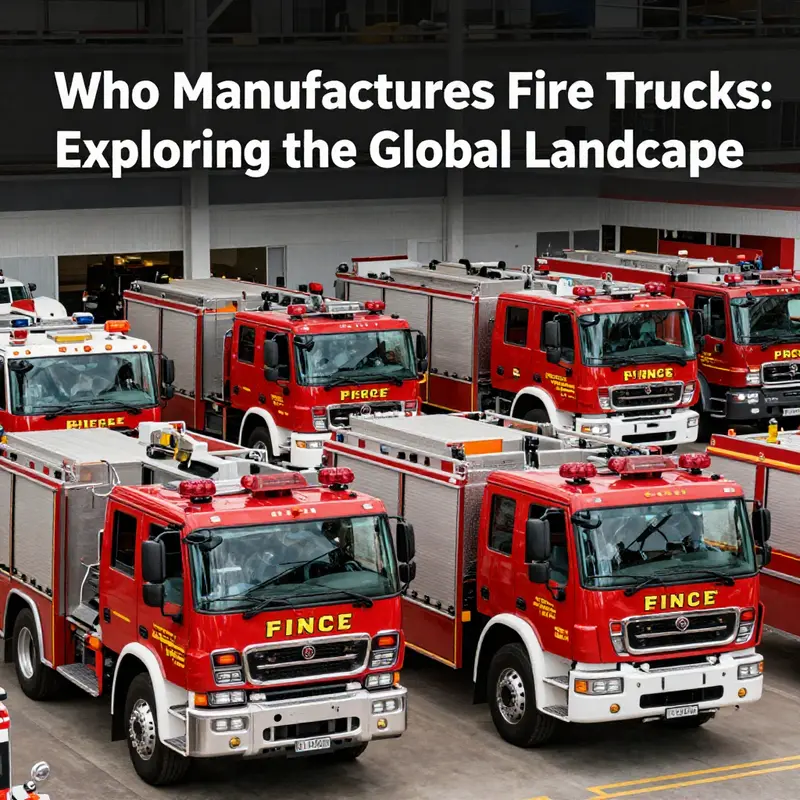
The global landscape of fire truck manufacturing embodies a rich tapestry of innovation, engineering excellence, and economic scale. This intricate ecosystem spans continents and ties together the legacy of established Western manufacturers with the rising technical capabilities of rapidly expanding Chinese producers. Manufacturers from the United States, Europe, Asia, and beyond have dedicated decades to refining their craft, resulting in vehicles that not only satisfy rigorous international standards but also address the ever-evolving demands of modern emergency services.
A hallmark of this global arena is the unyielding commitment to safety and reliability. In markets like North America, manufacturers have long held the belief that every innovation should translate into genuine improvements in operational safety, operator comfort, and mission efficiency. Companies such as Pierce Manufacturing, renowned for their finely tuned ergonomic designs and integrated smart firefighting technologies, have set the standard for what municipal fire departments expect from their fire apparatus. Similarly, E-ONE has advanced the field with its focus on specialized vehicles – from high-reach aerials to wildland fire engines – that leverage lightweight materials, energy-efficient designs, and advanced rollover and visibility systems to empower firefighters in challenging scenarios.
The narrative of excellence is not confined to these North American innovators. In Europe, companies like Rosenbauer International AG and Magirus GmbH have long been celebrated for their precise engineering and high-performance vehicles that meet the diverse needs of urban centres, industrial sites, and rural regions. In the Nordic and German markets, traditions of excellence and a keen eye for mechanical refinement have culminated in fire apparatus that integrate state-of-the-art safety features with robust, reliable powertrains. Swedish manufacturer Volvo Trucks, for instance, has dedicated efforts toward ensuring that even the most demanding fire-fighting vehicles combine durability with a proven track record of performance. Across the globe in Japan, Morita Holdings Corporation leverages its precision engineering to manufacture vehicles that excel in regions where terrain and climate challenge conventional designs. This unparalleled diversity of perspective and expertise fortifies the industry and reassures end users of the inherent qualities embedded in every apparatus.
A particularly striking aspect of the contemporary fire truck manufacturing dialogue is the emergence of Chinese suppliers as vital players on the world stage. Chinese manufacturers have leveraged consolidated industrial zones, state-of-the-art supply chains, and rigorous government policy to not only increase output but also to rapidly incorporate advanced technologies into their designs. In regions such as Hubei Province, where Suizhou City has become synonymous with a high concentration of fire apparatus production, companies such as Chengli Special Automobile Co., Ltd. operate in vast, vertically integrated facilities that span hundreds of thousands of square meters. These facilities manage every stage of production, from chassis fabrication to vital performance testing, thereby ensuring rapid turnaround and consistent quality. Meanwhile, manufacturers in Shandong Province complement these expansive operations by honing their engineering capabilities and developing export networks that meet stringent international regulations such as ISO and EU standards. This dual-pronged approach of scale and technical precision positions Chinese suppliers as formidable competitors in both domestic and global markets.
What emerges from this synthesis of regional strengths is a highly competitive and innovative industry where legacy manufacturers and emerging producers continuously push one another towards new technological horizons. The focus today is as much on operational efficiency as it is on introducing novel design approaches. For example, many modern fire apparatus incorporate real-time diagnostics and automated control systems that not only improve safety in the field but also optimize fuel consumption and reduce overall maintenance costs. This fusion of advanced digital integration with mechanical tenacity represents the spirit of the industry—a blend of tradition and innovation that carries significant implications for both operational performance and economic sustainability.
The evolution of fire trucks has been closely correlated with advancements in material science, robotics, and digital diagnostics. As the vehicles become more complex, the need for robust after-sales support, comprehensive service packages, and ongoing training becomes pronounced. Buyers, especially in the competitive B2B market segment, are encouraged to rigorously assess quality certifications, including ISO, CE, and NFPA compliance, before finalizing procurement decisions. The emphasis is not only on upfront cost but also on the total cost of ownership—a calculation that takes into account maintenance expenses, fuel efficiencies, and the expected service life of the apparatus. In many cases, these factors drive decision-makers to favor manufacturers that provide reliable customer service and a strong network of regional service centers, mitigating downtime and ensuring that vehicles remain mission-ready.
Embedded in this dynamic market is also the need for customization. Fire services worldwide face unique challenges based on local geography, urban density, and the specific emergencies they encounter. In response, manufacturers have adopted flexible design strategies that allow for the rapid reconfiguration of vehicles. Whether it is a specialized wildland fire engine meticulously designed to navigate off-road conditions or an urban high-rise unit complete with extendable ladders and rapid deployment pumps, adaptability remains a central theme. This emphasis on customization extends beyond physical configuration to the integration of automated systems, efficient design layouts, and modular components that can be updated as technology evolves. Such adaptability is especially significant for newer suppliers looking to prove their mettle on the international stage.
Technological progression in the fire truck sector is not happening in isolation; it is firmly tied to broader industrial transformations. Advances in automated welding, CNC machining, and precision hydraulic testing have become standard in modern production facilities, ensuring that components conform to both national and international quality benchmarks. This industrial shift is particularly visible in the heavy machinery industries of China, where automated production lines drive efficiency while maintaining accuracy and quality control. As many of these facilities evolve, the gap between established Western quality systems and emerging Chinese manufacturing processes continues to narrow. The result is a marketplace where fire apparatus from diverse origins meet a high standard, giving procurement professionals more choices and a clearer lens through which to evaluate total performance and value for money.
Strategic sourcing in 2026 is defined by a careful balance between upfront affordability and long-term operational benefits. Buyers are increasingly urged to perform comprehensive cost-benefit analyses that include not just the initial purchase price but also the subsequent costs associated with upgrades, maintenance, and the potential for future technological improvements. Global manufacturers now offer diverse product lines that cater to distinct operational niches, whether they are designed for densely populated urban areas with narrow streets or rugged outdoor environments that demand durable, all-terrain capabilities. In making these decisions, clients must also gauge the local presence of manufacturers—a factor that has become increasingly important as many Chinese suppliers establish regional service centers in areas such as Africa, Southeast Asia, and Latin America.
While characteristics such as quality certification and modular design are essential, it is the human element that ultimately validates the success of these apparatus in the field. Fire truck design integrates not merely advanced materials and digital systems but also a deep understanding of firefighters’ needs. Emphasis is placed on operator comfort, easy-to-access controls, and intuitive layouts that can be mastered quickly in high-pressure situations. Manufacturers invest significantly in research and development to ensure that on-board diagnostics, automated systems, and emergency response features are seamlessly integrated. This dedication to human factors design is underscored by testimonials from fire departments around the world, demonstrating that the most technologically advanced vehicles are most effective when designed with end-user experience at their core.
When we step back and view the industry as a cohesive whole, it becomes evident that the fire truck manufacturing sector is a microcosm for global industrial collaboration and innovation. Companies in Europe continue to refine designs with exacting standards, while American and Japanese manufacturers balance tradition with modernity. Concurrently, Chinese manufacturers bring to the table a level of production scale that ensures competitive pricing and rapid delivery, even as they continue to refine their quality control processes. Together, these diverse participants create a multifaceted marketplace that offers buyers both proven reliability and the promise of continual innovation. In a world where emergency services are the first line of defense against crisis, the ability to procure dependable, technologically advanced equipment is of paramount importance.
In the midst of rapid technological change, the industry has also seen the development of specialized vehicles that cater to distinct operational needs. For example, fire truck vans come in several forms—ranging from forest service trucks designed for wildland firefighting, equipped with rugged off-road capabilities and specialized lighting, to urban high-rise units that pack extendable ladders and advanced water pump systems for towering city structures. These vehicles are designed with the understanding that emergency response strategies must adapt to varying local challenges. The design of each type of apparatus is driven by detailed real-world insights provided by firefighting professionals and risk analysis teams. Consequently, whether facing a sprawling industrial fire in a remote location or a high-rise blaze in a densely populated metropolis, fire departments have access to engineered solutions that are as unique as the challenges they face.
This seamless integration of continuous innovation is reinforced by collaborative knowledge exchanges across borders. Trade shows, international safety audits, and digital workshops have become platforms where manufacturers share insights and collectively raise industry standards. Such initiatives have contributed greatly to the standardization of features like automated pump controls, ergonomic operator designs, and smart diagnostics systems, which have in turn elevated the overall reliability and performance of fire apparatus worldwide. These collaborative efforts underline a fundamental reality: that the success of fire truck manufacturing is not solely measured through economic metrics, but through the lives that are saved and the communities that are protected by these machines.
For stakeholders seeking deeper insights into this landscape, there is rich content available that details how customization and technological integration drive improved performance and efficiency. Detailed discussions and guides on the subject of comprehensive, customized firefighting vehicles can be found in various resources like those offered on platforms discussing customized solutions tailored for developing countries. In one notable perspective, manufacturers have showcased how fire apparatus can be optimized to meet specific operational challenges while staying within budget constraints. This blend of affordability and high performance is a critical consideration for procurement teams aiming to maximize their operational budgets while ensuring their vehicles remain state-of-the-art.
Throughout this global narrative, it is important to reiterate that while specification sheets, certifications, and technological innovations are crucial, the ultimate goal is to support those who risk their lives every day to protect others. These vehicles are not just mechanical constructs but reliable partners in the field, designed to deliver unmatched performance in moments of crisis. The remarkable evolution of fire truck manufacturing stands as a testament to the power of innovation, collaboration, and determination. By meticulously balancing cutting-edge technology with functional design and by embracing the challenges imposed by diverse operating environments, manufacturers worldwide have honed an expertise that is both timeless and ever-evolving.
The journey of these fire apparatus manufacturers reveals that the secret to sustainable innovation lies in a holistic approach—one that understands the significance of customization, rapid technological adaptation, and a comprehensive support ecosystem. Decision-makers in the procurement arena are thus encouraged to weigh the benefits of long-term reliability against immediate performance metrics. They should consider both the tangible and intangible benefits of partnering with manufacturers who have invested not only in machinery but in the continuous betterment of safety, efficiency, and community resilience.
In conclusion, the world of fire truck manufacturing is a vibrant and evolving field where legacy and innovation intersect. As global market dynamics shift and new actors rise, the collective commitment to high standards, operational flexibility, and rapid technological integration remains the cornerstone of the industry. For those interested in exploring more about the influence and evolution of these remarkable vehicles, additional details can be found on the website of Oshkosh Corporation. This journey is not just about vehicles—it is about forging a future where every fire apparatus is a reliable ally in protecting lives and property, embodying the relentless drive toward excellence in every emergency response scenario.
From Suizhou to the Global Fleet: China’s Fire-Truck Manufacturing Scale, Cost, and Capability
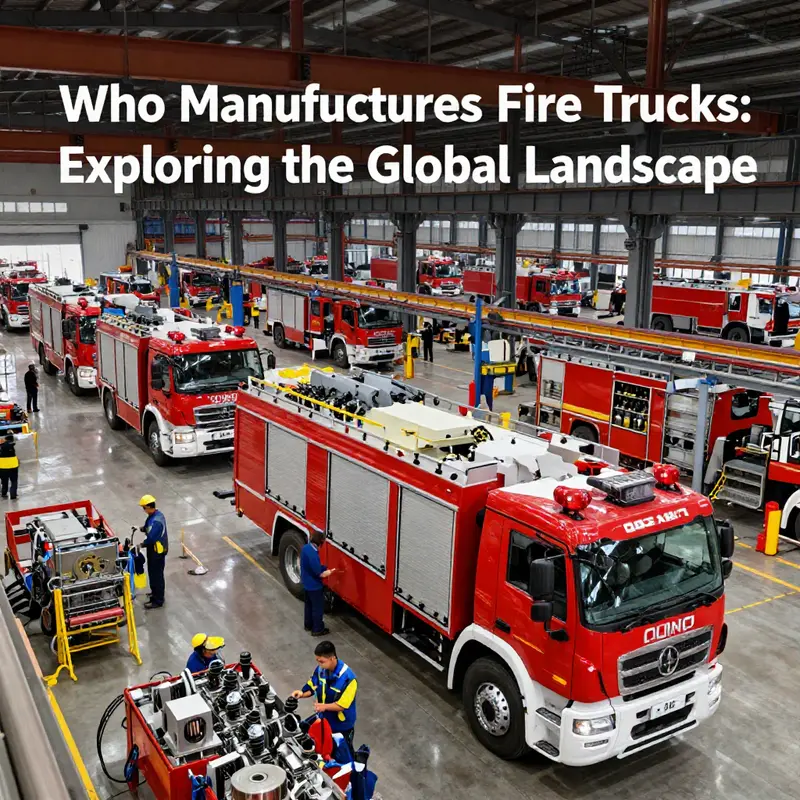
Across the global fire-truck market, the question of who manufactures the machines that stand between a city street and a blaze is more nuanced than it first appears. Western brands remain the benchmark for innovation, reliability, and long service life. Municipal buyers prize tested safety systems, ergonomic cabins, and the ability to integrate with smart firefighting technology. Yet the rise of large, scale-driven production in China has shifted the procurement landscape. By 2026, buyers must weigh the legacy reputations of established manufacturers against the practical benefits of a domestic supply chain capable of rapid delivery, diverse configurations, and robust service networks. The market now favors a spectrum of strengths rather than a single, dominant story. In this evolving context, scale, cost, and capability no longer sit in separate camps; they converge to redefine how fleets are imagined, sourced, and sustained.
China’s emergence as a dominant force in fire-truck production has become a defining feature of the global market. The domestic industry is not dispersed evenly but concentrated in key manufacturing hubs that create a dense, interconnected ecosystem. In the heart of central China, Suizhou earns the designation of the country’s special-vehicle capital. In this single cluster, more than seventy percent of the nation’s fire-apparatus producers operate, giving rise to a tightly coordinated supply chain of pumps, ladders, chassis components, and electronics. This concentration yields a distinctive advantage: the capacity to orchestrate full-cycle development within a single, integrated footprint. Chassis fabrication, bodywork, testing, and final assembly can occur under one roof, allowing tight quality control and rapid iteration. For procurement teams, the outcome is speed and predictability, even when orders vary from a single unit to a full-fleet deployment. The Suizhou cluster also creates a powerful feedback loop: rapid design changes feed directly into the supply chain, shortening time-to-market for new configurations and enabling fleets to adapt to shifting hazard profiles.
Beyond Suizhou, Shandong Province plays a complementary role by reinforcing engineering rigor and expanding export networks. The region’s manufacturers are increasingly oriented toward international standards, with ISO and EU-regulatory practices becoming more commonplace. This shift matters on two levels. First, it lowers the barrier for buyers who seek global compatibility across a mixed fleet. Second, it broadens the range of markets that Chinese suppliers can confidently serve. The integration of formal testing regimes with a high-volume manufacturing backbone creates a credible path for departments and governments seeking cost-effective solutions that still meet rigorous safety and performance benchmarks. In essence, the domestic production platform moves closer to the international expectations that historically governed Western procurement decisions, expanding the set of viable options for a wide spectrum of agencies.
One of the most compelling advantages of sourcing from these producers is customization flexibility. Chinese manufacturers have refined their development workflows to accommodate a broad array of mission profiles. The same factory can handle an airport crash unit, an urban firefighting platform, a rural brush engine, and a mid-sized aerial platform, each with its own pump curves, ladder lengths, and payload configurations. This modular approach reduces the need for bespoke, one-off builds that drive up both cost and lead time. Departments gain the ability to tailor equipment to geography, climate, and operational tempo without paying a prohibitive price premium. The emphasis on modular design also means upgrades—such as electronics suites and pump lines—can be implemented with relatively simple retrofits, shortening the upgrade cycle and keeping fleets sharply aligned with evolving emergency response strategies. In practice, customization becomes a matter of swapping modules rather than reconstructing the entire vehicle, which translates into tangible savings in both time and budget.
Scale follows customization, and scale translates into cost discipline. The large factories that serve Suizhou’s ecosystem leverage automation to reduce variability and drive unit costs downward. Automated welding lines, CNC fabrication, and centralized testing laboratories create repeatable processes that meet international quality expectations while maintaining a competitive price tag. The result is a persuasive value proposition for agencies looking to modernize a broad fleet without sacrificing reliability. A well-integrated supply chain further supports price stability, as components—from pumps to ladders—are sourced from a network of regional suppliers who understand the local terrain and regulatory context. The cost advantage is not merely about cheaper parts; it is about a holistic, end-to-end capability that keeps fleets ready and responsive in the field.
Despite this progress, capability depth remains a distinct axis of evaluation. In the most extreme platforms—those that tower above a hundred meters—the world’s leading makers retain a notable advantage. They rely on decades of specialized engineering, aerospace-grade materials, and highly sophisticated control systems. Domestic producers, aware of this gap, have prioritized targeted breakthroughs that bridge the distance with cost-efficient solutions. In recent years, a leading domestic manufacturer unveiled a 113-meter high-reach platform, signaling a deliberate push into the top tier of capability. Another major domestic producer demonstrated a 78-meter model that depended on imported dynamic-balancing technology, illustrating how foreign expertise can complement domestic know-how without erasing cost benefits. The trajectory is clear: domestic players are expanding their reach, learning from global leaders, and pushing upward to offer higher-end platforms while preserving the competitive price structure that remains central to their appeal.
This dynamic is reinforced by policy and market signals. Government support for export-oriented heavy machinery helps sustain a broad, regional manufacturing footprint. Investments in automation and talent development underpin a stable pipeline of skilled labor, while incentives for infrastructure and logistics strengthen the means to move heavy vehicles from factory floors to distant markets. Urban growth and the spread of tall, complex buildings amplify demand for high-performance fleets that can operate in congested centers and rough terrain alike. Domestic manufacturers respond with iterative improvements—tightening hydraulic reliability, standardizing testing procedures, and building regional service footprints to minimize downtime in far-flung markets. The net effect is a more resilient supply chain that can weather currency swings, trade tensions, and shifting municipal budgets while continuing to push the envelope on what a fire truck can do.
For buyers navigating 2026 procurement, the landscape offers a refined set of decision criteria. Quality certification remains a non-negotiable baseline. ISO, CE, and NFPA-aligned standards provide assurance that a vehicle will perform as intended under demanding conditions. After-sales support becomes a differentiator, not a luxury. Spare-parts availability, technical service access, and focused training determine whether a fleet stays mission-ready across its life cycle. Total cost of ownership has moved to the center of the conversation. Agencies must balance the upfront price with maintenance costs, fuel efficiency, and expected lifespan. An efficient fleet that runs smoothly and requires less downtime often costs less in the long run, even if the initial payment is higher. Moreover, a growing number of suppliers maintain regional service centers in Africa, Southeast Asia, and Latin America, enabling faster repairs and more predictable maintenance in developing markets. These factors shape how buyers adjudicate Western innovation against the scale-driven value proposition of domestic producers.
The equilibrium in 2026 is nuanced. Western brands retain advantages in safety systems, ergonomic design, and long-standing municipal partnerships. They lead in advanced diagnostics, real-time pump control, and integrated smart features that support centralized maintenance and predictive servicing. Yet domestic producers are sharpening their own strengths. They offer rapid development cycles, a breadth of configurations, and the logistical agility that comes with large-scale manufacturing and local supply chains. The best procurement strategies blend the two: adopting mature safety architectures where they matter most, while embracing the cost discipline, customization flexibility, and regional service networks that domestic plants can deliver at scale. In practice, this means a fleet built for today’s operations may also be adaptable for tomorrow’s needs, ready to evolve with new standards, new building typologies, and new emergency-response paradigms.
For readers seeking a pathway through this evolving landscape, a practical example exists in the realm of comprehensive, customized firefighting vehicles for developing countries meeting diverse terrain and budget constraints. This resource discusses how flexible design and regional production networks can align with varied terrain, climate, and fiscal realities. See more at this internal resource: comprehensive-customized-firefighting-vehicles-for-developing-countries-meeting-diverse-terrain-and-budget-constraints.
In sum, the question of who manufactures fire trucks is no longer a simple dichotomy between Western prestige and Chinese cost. It is a dynamic, global ecosystem where scale, capability, and service networks intersect with design ingenuity and regulatory alignment. China has built a formidable platform for standard and mid-range vehicles, delivering cost efficiencies and rapid customization that meet a broad spectrum of municipal needs. At the same time, Western manufacturers continue to push the envelope where high-end performance and integrated digital systems matter most. The path forward for buyers is to mix and match strengths, leveraging the best of both worlds to assemble fleets that are not only dependable today but adaptable for the emergencies of tomorrow. As markets continue to integrate more tightly and regional service footprints expand, the balance will keep shifting toward a more interconnected world of fire-truck manufacturing, where geography, policy, and technology come together to redefine what it means to protect a city in crisis. External standards reference: https://www.iso.org
Beyond the Price Tag: The Rising Advantage of Chinese Fire Truck Manufacturers in a Global Market
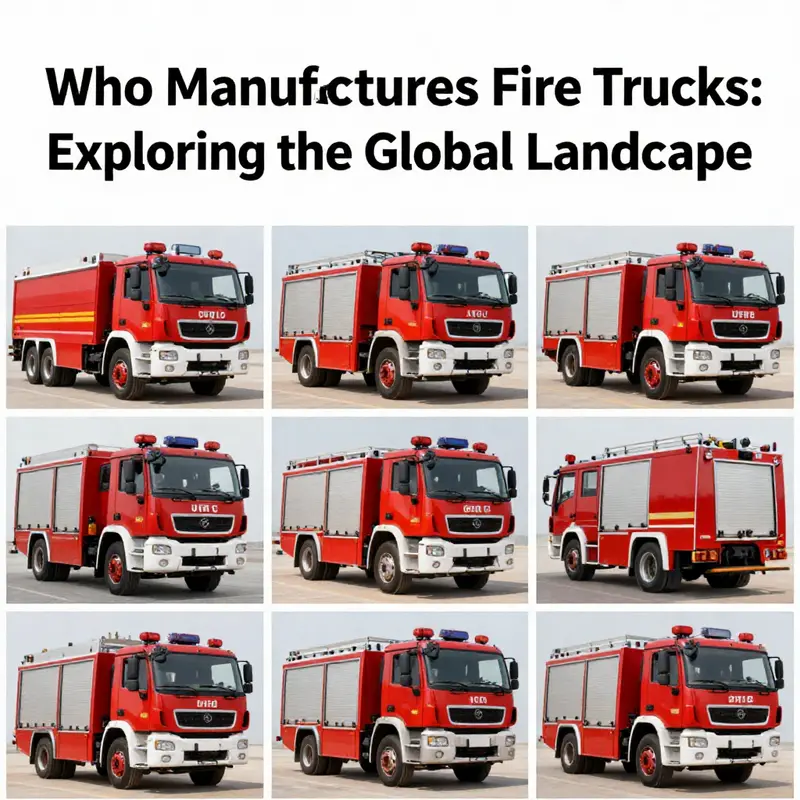
Across the global landscape of fire apparatus procurement, buyers increasingly balance tradition and transition. Western brands have long been associated with durability, refined safety systems, and rigorous testing, delivering apparatus that perform reliably in demanding municipal service. Yet a new axis of competition has emerged: Chinese manufacturers that combine scale, cost discipline, and improving technical sophistication with expanding international reach. For procurement teams evaluating options in 2026, the question is not only who makes fire trucks, but how a given supplier integrates cost efficiency, customization, and ongoing support into total value. The Chinese segment of this industry has evolved from being a low-cost alternative to a credible source of advanced, adaptable fleets, capable of serving diverse duty cycles from dense urban cores to rugged rural frontiers. Reading this shift through the lens of advantages helps explain why many buyers are rethinking conventional sourcing, especially when the objective is to field fleets that meet strict safety and performance standards while harnessing a favorable total cost of ownership over the vehicle’s life cycle. The conversation begins with cost, but it quickly broadens to capabilities, resilience, and the capability to scale supply in ways that align with contemporary departmental demands and public budgeting realities.
Cost is the most immediate and measurable dimension of the Chinese manufacturing advantage. In many cases, the price spread between high-end Western units and domestically produced Chinese designs is substantial enough to alter procurement calculus. When a single, premium Western aerial unit approaches a seven-figure price, it creates a budgetary pressure that can reverberate across a department’s fleet plan, maintenance reserves, and funding cycles. By contrast, Chinese suppliers have organized their operations around cost-efficient processes, modular architectures, and flexible production schedules that can accommodate both trial orders and larger fleet deployments with predictable timelines. This does not imply a race to the bottom on performance. Rather, it reflects a strategic focus on cost controls that do not sacrifice essential safety, reliability, or basic capability. The result is an option set that offers meaningful cost certainty, enabling decision-makers to optimize fleet composition without compromising essential operational requirements.
A parallel advantage lies in the scale and depth of China’s domestic market. The country has built an ecosystem that combines large-volume production with an integrated supply chain for core components—pumps, chassis integration, hydraulics, and bodywork. This concentration supports faster iteration cycles and tighter quality control, both of which matter to end users who rely on punctual repairs, readily available spare parts, and service infrastructure. In practice, that scale translates into shorter lead times, open-book pricing for bulk orders, and the ability to run pilot programs that de-risk larger purchases. The ecosystem is anchored by substantial production capacity and robust labor pools, which means that even customized configurations can move through manufacturing lines with speed and consistency. Buyers who value speed to delivery and consistent build quality find these advantages particularly persuasive when planning multi-year fleet refresh cycles.
A key dimension of the Chinese manufacturing story is rapid technological advancement and widening capability. The narrative is no longer solely about cost; it now includes the acceleration of engineering practices, automation, and testing rigor. Modern production floors are outfitted with automated welding lines, CNC fabrication, and increasingly sophisticated testing laboratories that validate hydraulic pumps, loading systems, and structural integrity. This level of automation does more than reduce unit costs; it enhances repeatability and traceability, two attributes that matter to buyers who demand consistent performance across dozens or hundreds of field units. Alongside automation, ongoing modernization in cab design, payload optimization, and energy efficiency is reshaping how these trucks perform under real-world conditions. Rather than a static export-oriented model, Chinese manufacturers are building capabilities that align with international standards, including ISO certification and CE-compliant components, which helps their products compete credibly in global markets.
Equally important is the way these manufacturers are positioning themselves for international growth. The global market is increasingly receptive to Chinese offerings that can meet or exceed benchmark specifications while delivering compelling TCO profiles. These suppliers have begun to emphasize not just the vehicle itself but the entire ecosystem around it: spare parts supply, regional service networks, warranty coverage, and customer training. The result is a more comprehensive value proposition that resonates with public agencies seeking predictable maintenance costs and reliable uptime. Regional service centers, often established in Africa, Southeast Asia, and Latin America, shorten downtime and build confidence among buyers who might previously have leaned toward more geographically proximate traditional suppliers. The net effect is a broader confidence in Chinese manufacturing as a viable global option, not merely as a cost-saving alternative.
Beyond price and proximity, customization remains a central advantage. Chinese manufacturers have structured their operations to accommodate a spectrum of mission profiles—from forest and rural fire engines to urban aerial platforms. Their design philosophy supports flexible configurations, enabling units to be tailored for airport operations, industrial plants, or remote communities with limited access. The capability to tailor features—payload, water/foam capacity, pump performance, chassis integration, and even cabin ergonomics—without forcing a long, costly design cycle can be a decisive factor for departments with unique or constrained operating envelopes. For buyers whose procurement goals include rapid deployment and fleet standardization across diverse terrains, this flexibility is a meaningful differentiator. It is also complemented by a willingness to work with clients at the early stages of specification to translate field requirements into manufacturable, tested configurations. The result is an option set that supports agile procurement, enabling agencies to field purpose-built units without sacrificing the benefits of scale that come from mass production.
A practical corollary to customization is the broader ecosystem surrounding the product. The most effective sourcing partnerships extend beyond the chassis and pump package to include training, parts availability, and ongoing maintenance planning. In this regard, Chinese manufacturers have begun to emphasize after-sales support as a core capability. They offer training programs for operators and technicians, remote diagnostics to monitor critical systems, and transparent maintenance schedules that help departments optimize uptime. The combination of on-site training, access to spare parts through regional hubs, and digital tools that support diagnostics integrates well with the shift toward data-informed maintenance regimes. This is particularly valuable for agencies operating in hard-to-reach regions, where downtime translates into visible public risk and operational cost. By investing in service infrastructure, suppliers reinforce the long-term value of their products and reduce life-cycle risk for buyers who must manage complex fleets over many years.
All of these factors come together most clearly when a buyer weighs total cost of ownership. Upfront price is a meaningful start, but the real decision hinges on how the chassis performs over time, how maintenance costs compare with anticipated wear, and how quickly a department can replace components as standards evolve. A Chinese option that offers competitive reliability, predictable maintenance costs, and a proven ability to meet evolving safety and regulatory criteria can yield superior TCO even when initial sticker prices are similar to those of higher-cost imports. The combination of scale, integration, and continuous improvement helps explain why some buyers appoint a longer horizon for their investment, calculating the savings that accrue through longer service life, reduced downtime, and easier sourcing of compatible parts across a broad network.
Embedded within this broader value proposition is a developing recognition of compliance and risk management. Agencies in many regions require adherence to international standards or local regulatory frameworks as a condition of deployment. Chinese manufacturers have responded by aligning development programs with ISO processes and, where necessary, European or other regional certifications. This alignment is not simply a box-ticking exercise; it directly influences the ease with which a fleet can be deployed in multinational contexts, supported by cross-border service agreements and shared spare parts logistics. In today’s procurement environments, where risk management and auditability are part of the requirements, the ability to demonstrate robust, pre-tested configurations and traceable quality control becomes more than a selling point—it becomes a baseline expectation.
Interwoven with these technical and logistical considerations is a strategic sense of market positioning. The domestic Chinese market, backed by strong industry policy and export-oriented incentives, has created an environment in which scale and continuous improvement are not incidental but structural. The result is a class of manufacturers that can deliver both breadth and depth: broad product families tailored to different mission profiles, coupled with deep engineering and manufacturing expertise that enable rapid adaptation to changing requirements. This is not simply about lowering prices; it is about delivering a holistic package that includes design agility, manufacturing discipline, and service continuity—elements that translate into dependable fleets and steady availability of parts and expertise long after the sale is completed. For buyers, the sum of these elements is not merely a purchase decision but a strategic partnership that aligns with fiscal realities, risk management, and mission readiness.
To make sense of this evolving landscape, buyers should consider a structured approach to supplier evaluation that prioritizes not just initial cost, but also the durability of the supply chain and the reliability of after-sales ecosystems. Quality certifications—ISO, and where applicable CE or NFPA equivalents—should be part of the evaluation rubric, not decorative checkboxes. Likewise, the presence of regional service centers and the breadth of the spare-parts network should influence vendor ranking. Training programs for personnel, supported by digital diagnostics and remote monitoring tools, can markedly reduce lifecycle downtime and extend the useful life of each asset. When these elements cohere, procurement decisions reflect not only the immediate fiscal advantages but also the long-term resilience of the department’s fleet and its ability to respond to emergencies with confidence.
For readers seeking deeper, field-ready guidance on how these capabilities translate into real-world configurations, there is a resource that synthesizes the practical considerations of deploying customized fleets in developing contexts. It delves into how flexible design, reliable supply chains, and regional support networks come together to deliver high-value, cost-conscious solutions. The discussion emphasizes the importance of tailoring vehicle choices to terrain, duty cycles, and budget constraints, while maintaining alignment with international safety and performance benchmarks. This broader perspective helps frame why Chinese manufacturers are increasingly viewed as credible partners for international procurement, particularly for agencies that seek scalable, locally supported, and cost-efficient firefighting solutions. For readers exploring this pathway, see the comprehensive customized firefighting vehicles for developing countries meeting diverse terrain and budget constraints.
In sum, the rising advantage of Chinese fire truck manufacturers in a global market rests on a composite of price discipline, industrial scale, rapid technology adoption, and an expanding, capability-rich ecosystem that supports end-to-end value. These strengths do not erase the importance of quality control, regulatory compliance, and reliable after-sales service; rather, they reframe how those factors are delivered. The domestic market’s depth fuels a virtuous cycle of innovation and efficiency, while the export orientation strengthens a buyer’s negotiating position and diversification options. For public agencies and private fleets alike, the central question shifts from “Who makes fire trucks?” to “Who can deliver a durable, fully supported fleet that meets our terrain, duty, and budget realities—and do so consistently over time?” The emerging answer points toward a new balance of cost, capability, and collaboration, with Chinese manufacturers occupying a rapidly expanding, credible lane in the global firefighting apparatus landscape.
Application-Specific Fire Truck Vans in Action: Matching Design to Incident, Terrain, and Risk
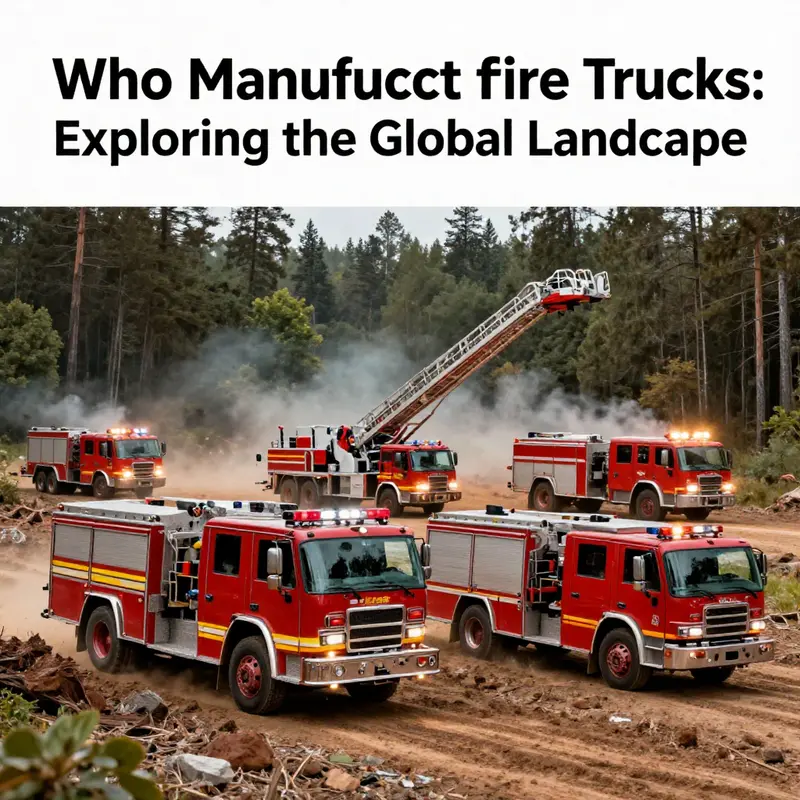
Application-specific fire truck vans are not generic workhorses repurposed for every scene. They are purpose-built tools that translate operational demands into form, function, and resilience. In the current global market, where the firefighting landscape is shaped by a mix of durable Western practice and scale-driven Chinese manufacturing, these vans embody a decisive shift toward modular, mission-tailored fleets. They illustrate how designers and builders translate distinct threats into vehicle architecture, from off-road response in forested or rural regions to rapid urban rescue on tight streets, and from airport safety zones to sensitive industrial environments. The result is a spectrum of vehicles that share a philosophy of relentless adaptability: the right chassis, the right pump, the right water supply, and the right protective and sensing technologies that keep crews safe while maximizing the chances of success at every incident. The chapter that follows traces how these vans came to exemplify the broader production landscape and why procurement in 2026 demands precisely this kind of alignment between threat, terrain, and technology.
To understand why these vehicle types matter, it helps to start from the global context. In Western markets, manufacturers have long emphasized durability, operator comfort, and integration with intelligent systems. A fleet built around these principles prioritizes ergonomics, predictable maintenance, and real-time diagnostics that keep equipment available when emergencies strike. In parallel, Chinese producers—especially those clustered in large industrial hubs—have demonstrated the ability to scale production, customize at pace, and deploy cost efficiencies that expand options for municipal buyers and regional agencies alike. The resulting mix means a buyer can pursue vehicles that are highly specialized for a specific duty cycle or decide to scale up with modular platforms that can be adapted across regions and incident typologies. What emerges is a decision toolkit where the core question is not simply about a single specialized unit but about how to assemble a fleet whose components reinforce each other in the field.
One prominent application class is the wildland fire truck van. These vehicles are designed for rural and forested terrains where traditional engines may struggle to traverse uneven ground, steep slopes, or long transects to reach water sources. The engineering impulse here is to deliver self-sufficiency and mobility. A typical wildland van carries a portable water supply that can reach up to roughly five hundred gallons, a pump system capable of drafting from natural sources such as lakes or streams, and a robust four-wheel-drive chassis with off-road suspension. The equipment list is intentionally lean and rugged: Pulaski tools, McLeod rakes, chainsaws, and compact, easily accessible rescue gear. Navigation and communication are treated as vital components, with integrated GPS and robust radio systems designed to function where cell coverage is unreliable. In the field, those features translate into a vehicle that can arrive, set up quickly, and begin effective suppression before larger apparatus can arrive from a distant urban center. While these vans lack the water capacity and throughput of structural engines, their agility and autonomy allow rural departments and national parks to manage seasonal wildfires with a tighter, more nimble response pattern. This is where the modular approach to design becomes most tangible: a base platform that can be equipped with a water tank, preferred pumps, and core firefighting tools, then reconfigured for other duties as demand shifts through the year.
Urban environments present a contrasting but equally demanding challenge. Aerial fire truck vans—vehicles that carry telescopic or articulating ladders capable of extending well over a hundred feet—are indispensable in high-rise districts. The modular logic here emphasizes reach, rapid deployment, and integrated attack capability. On board, these vans typically carry water tanks and pump systems for immediate attack, along with specialized tools for roof operations, ventilation, and entry. Advanced safety features—such as enhanced cab visibility, rollover protection, and refined ergonomic layouts—are prioritized to support operators working at height or within complex rescue scenarios. The trade-offs are clear: ladder length, vehicle width, and turning radius constrain maneuverability in dense urban networks, yet the payoff is a platform that can breach upper floors, support vertical rescues, and couple with ground crews in coordinated suppression efforts. The design ethos is to maximize leverage at elevation while preserving crew safety, visibility, and control during a high-stakes, time-critical operation.
A third application thread centers on aircraft rescue and firefighting capabilities. In airport settings, the demand curve for specialized response is distinct: rapid acceleration, long-range reach, and the ability to douse aircraft fires with substantial suppression capacity while navigating airside operations. Vans engineered for aviation safety typically feature rapid-fire water delivery with dual or multiple turret options, large onboard water and foam tanks, and all-wheel drive plus reinforced suspensions to negotiate uneven runways. They can achieve high speeds and deliver rapid onset suppression for aircraft incidents, where seconds matter and access to the most hazardous locations may be constrained by airfield geometry or the presence of jet fuel. While the upfront cost and training requirements for these platforms are substantial, they are often justified by the critical nature of aviation safety and the potentially enormous consequences of a delayed response. This class of van clarifies a core procurement principle: align performance envelope with aviation risk profiles, and you create resilience that travels with the incident rather than waiting for the next fire truck to arrive.
In addition to these specialized response profiles, a newer and increasingly influential category centers on high-pressure water mist technology. This approach uses fine water sprays to absorb heat, displace oxygen, and suppress fires with far less water than conventional methods. The environmental and operational benefits are meaningful in settings where water damage must be minimized, such as data centers, museums, and certain industrial facilities. Vehicles designed around water mist capabilities must still deliver rapid access, robust pump pressure, and reliable delivery mechanisms, but they gain a distinct advantage in sensitive environments where traditional tactics risk collateral damage or downtime. These vans illustrate how technological innovation can redefine the boundaries of what is feasible in a compact chassis, emphasizing efficiency, reduced runoff, and enhanced visibility for crews operating under smoky or opaque conditions. The deployment of such vans is a reminder that modern fleets are not merely about larger tanks or higher reach; they are about delivering the right suppression modality to the right scene with precision and discipline.
The market response to these demands has been shaped by the advantages of Chinese manufacturing in particular. In regions with intense cost pressures or tight delivery timelines, Chinese suppliers have demonstrated that they can marry customization with scalable production. This does not imply a one-size-fits-all approach. Instead, it signals a capability to deliver full-cycle development—from chassis fabrication through testing to final integration—within integrated production ecosystems. The clustering of manufacturers in specific provinces enables a dense, responsive supply chain for components like pumps, ladders, and safety testing labs. The result is a set of options that can be tuned to meet international standards, including ISO and EU regulations, which broadens the export potential of these vans and expands the footprint of affordable, purpose-built firefighting solutions across different regions.
From the buyer perspective, the decision framework for 2026 hinges on several factors that extend beyond the raw capacity of a single vehicle. First, the quality and certification of components matter. Buyers increasingly look for ISO, CE, or NFPA compliance to ensure the rigors of field performance and safety are met. Second, after-sales support is pivotal. Availability of spare parts, access to technical service, and training programs for operators and maintenance staff determine the long-term value of a vehicle. Third, total cost of ownership remains central. While upfront price is important, fuel efficiency, maintenance frequency, and expected lifespan ultimately shape the financial calculus. Finally, local presence matters. A supplier with regional service centers can dramatically reduce downtime, which is a decisive factor for municipal or regional fleets that operate at scale and cannot afford extended outages.
This procurement logic dovetails with an important practical reality: the growing emphasis on modular and adaptable platforms. The simplest way to interpret this trend is to see the modern fire truck van as a chassis that can be configured to address a spectrum of incident types. A single base platform can host a portable water system for a wildland mission, a modular ladder module for urban rescue, or a compact high-pressure mist pack for industrial sites. Such versatility is not just a matter of future-readiness; it translates into real-world efficiency. Departments can pilot a van in one context, then retool the same model for another duty cycle without incurring the full costs of a new build. The idea is to convert a single procurement decision into a portfolio strategy, where the fleet evolves in response to changing risk profiles, population growth, and climate-driven incident patterns.
What does this mean for frontline decision-making in 2026? It means agencies should evaluate not only current needs but also latent demand across terrain and incident types. Rural and national park services may prioritize wildland and light-rescue capabilities, while metropolitan areas will lean toward high-rise and aerial reach with robust life-safety systems. Airports and industrial campuses demand rapid-response units with specialized control systems and resilience against the most hazardous materials. In practice, the selection process benefits from a disciplined scoring of mission fit, maintenance access, and lifecycle costs. It also benefits from recognizing the value of a regional footprint—service centers that can deliver spare parts quickly, train crews effectively, and coordinate with local authorities to ensure interoperability across neighboring jurisdictions. This is particularly relevant in markets where export-oriented manufacturing and regional distributors shape the availability of both new and used equipment. The modern buyer does not simply sequence a single purchase; they engineer a fleet strategy that aligns with emergency management priorities, funding cycles, and the evolving threat landscape.
Within this broader context, one practical entry point is to examine how specific vehicle types map to the most common incident patterns in a given jurisdiction. Urban high-rise districts, with their distinctive access challenges, call for high-reach platforms integrated with efficient attack capabilities and strong crew protection. Rural areas facing seasonal wildfires benefit from lightweight, self-sufficient vans capable of rapid deployment to water sources and rough terrain. Airports require fast, highly mobile responders that can confront aircraft incidents decisively, while industrial and critical-infrastructure sites demand tactical versatility paired with precise control of water and foam delivery. The common thread across these scenarios is the alignment of capability to risk; only then can a fleet deliver consistent, reliable performance across the entire spectrum of emergencies a community might face.
For buyers navigating this field, a practical suggestion emerges. Start with a clear statement of priorities for the most frequent incident types, then evaluate how a modular platform can be tailored to those duties. Consider whether a given vendor can support quick reconfiguration as needs shift, whether the certification and testing processes align with your regional standards, and whether service networks are positioned to minimize downtime during critical peak periods. If a department contemplates expanding into specialized vans, it is reasonable to seek partners that offer not only equipment but also training and field support that keeps crews proficient in the most demanding environments. In this sense, procurement becomes a collaborative, long-term planning exercise rather than a single event anchored in price alone.
To further connect readers with practical market options while keeping the discussion anchored in the realities of gear selection, readers can explore the broader market through established online marketplaces that specialize in new and pre-owned firefighting equipment. These platforms often present a range of application-specific vans, including models designed for wildland, urban aerial, ARFF-style operations, and niche high-pressure mist configurations. The emphasis in these channels is on value, availability, and the confidence that comes from buying into a platform with a proven field track record. For readers looking to dive into current listings, the market is robust and continually evolving, reflecting both demand and the ongoing push toward more capable and cost-effective solutions that can serve diverse communities.
As buyers weigh their options, the broader narrative remains clear: application-specific fire truck vans represent a sophisticated synthesis of terrain-aware engineering, modular production, and a global supply ecosystem that rewards both scale and customization. The right vehicle for one jurisdiction may not be the same as for another, but the underlying design principles—adaptability, reliability, and safety—provide a consistent framework for evaluating those choices. The market is no longer a binary decision between a single, oversized engine and a tiny, underpowered response unit. It is a spectrum of purpose-built platforms that can be matched to the cadence of daily duties, seasonal peaks, and the unpredictable character of emergencies. In this light, the future of fire truck procurement rests on the ability to align threat, terrain, and technology in a disciplined, locally grounded strategy that can adapt as quickly as the incidents themselves.
For readers curious to explore options in the market, including new and pre-owned units, the landscape offers a range of pathways. You can browse inventories through dedicated portals that aggregate listings across regions and vendor types, then filter by mission profile to identify vans suited to your department’s needs. When engaging with suppliers, emphasize a shared focus on training and after-sales service as much as on initial specifications. The vehicles are only as effective as the people who operate and maintain them, and a strong support network sustains performance between annual inspections and field deployments. This holistic view—balancing capability, maintenance, and training with the realities of terrain and incident types—is what ultimately determines whether a given application-specific van will deliver on its promise when it matters most.
In sum, application-specific fire truck vans illustrate how modern fleets translate diverse threats into tailored, field-ready solutions. They reflect a market that values modular design, scalable production, and a global mix of production hubs that can deliver both cost efficiencies and high standards of safety and performance. They remind us that the most effective firefighting strategy is not simply a single tool but a carefully composed set of vehicles, each chosen for its strengths in the environments it will confront. This approach does not reduce the complexity of fire response; it acknowledges it and builds a fleet that can respond decisively, wherever the incident may occur. Buyers who adopt this perspective will be well positioned to assemble a resilient, responsive, and economical fleet that serves communities today and remains adaptable for the challenges of tomorrow. For readers seeking concrete browsing options, see the market page linked here: fire trucks for sale.
External resource for further reading on specialized aviation and high-end response capabilities can be found here: https://www.foamfirefightingtruck.com/arff-vehicles.
Final thoughts
The realm of fire truck manufacturing is expansive and diverse, with a rich blend of innovation, reliability, and cost-effectiveness shaping the industry. Understanding the key players from both the West and China equips fire truck enthusiasts, aspiring firefighters, and professionals with the knowledge to make informed decisions. As the industry continues to evolve, staying updated on advancements and trends will be crucial for anyone passionate about firefighting and emergency services.