
The story of fire trucks is a rich tapestry woven through centuries of innovation and bravery. From the rudimentary designs of the early 16th century to the advanced vehicles we rely on today, the evolution of fire trucks is a testament to human ingenuity and the relentless pursuit of safety. This article will take you on a journey through five pivotal chapters in fire truck history, highlighting key developments that have shaped firefighting as we know it. Each chapter unveils the monumental milestones that transformed simple horse-drawn carriages into the powerful machines that serve as the backbone of firefighting efforts today.
From Augsburg’s First Fire Carriage to a Global Icon: Tracing the 1518 Birth of Fire Trucks
The Dawn of a New Era in Firefighting
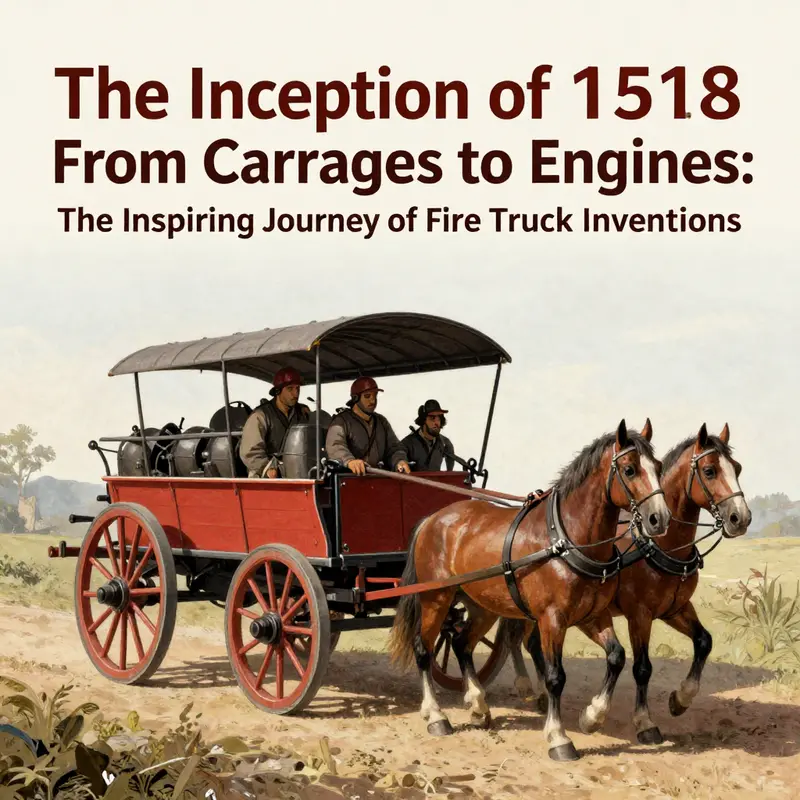
In 1518, in the historic city of Augsburg, Germany, an innovation emerged that would lay the groundwork for modern firefighting: the invention of the first known fire-fighting vehicle. At a time when cities were susceptible to destructive fires and urban life depended on rudimentary safety methods, this groundbreaking contraption—crafted by the skilled metalworker Antonius Bratner—brought with it a promise of improved public safety and a chance to combat conflagrations with unprecedented efficiency. Bratner’s creation, essentially a fire carriage fitted with a large manual pump, was designed not for speed or technological complexity but to address a pressing need for a systematic and mobile approach to fire control.
At its core, this device featured a robust pump capable of delivering water to douse emerging fires before they could spiral out of control. The pump was mounted on a wheeled carriage, a design chosen for its mobility and the ability to redeploy resources quickly in times of crisis. Operating through a clever system of levers, the pump required the physical effort of human laborers. The usage of levers to generate the necessary pressure exemplified the ingenuity of early engineering, as it translated manual strength into an effective means of combating building blazes. Horsepower was also an important factor, as the carriage itself was pulled by horses, lending an early glimpse into how animal power would complement human innovation in enhancing urban safety.
This initial invention did not instantly lead to a sweeping transformation in fire defense; rather, it signified the emergence of a new concept—fire protection that could move and adapt as emergencies unfolded. The device stood out as one of the earliest instances where firefighting equipment was conceived as a dedicated, specialized vehicle. Unlike static manual pumps or buckets passed hand-to-hand, Bratner’s machine was designed to be on the move, tackling an ever-changing urban landscape with an innovative blend of mobility and mechanized action. Despite the rudimentary nature of the pump compared to the advanced systems in use today, it marked a critical departure from earlier, less systematic methods of fighting fires.
Legacy Beyond Augsburg: The Catalyst of Urban Firefighting Evolution
While the birth of this fire carriage in 1518 was crucial, the broader impact of the invention was felt more strongly in the decades and even centuries that followed. In an era when cities were growing rapidly yet lacked sophisticated safety infrastructures, the Augsburg invention demonstrated that a dedicated firefighting vehicle was not only feasible but necessary. The concept laid the foundation for future innovations that would eventually transform firefighting from an ad hoc, manual process into an organized, mechanical, and coordinated field of public service.
The initial design, with its manually operated pump driven by human power via levers, inevitably encountered limitations. It functioned well in an era when technology was constrained by the available mechanical and material sciences. Nonetheless, its introduction represented an important early step that inspired later developments. Over the next century, cities continued to struggle with devastating fires, and the shortcomings of rudimentary systems became apparent. It was these challenges that spurred further experimentation and led to enhancements such as hand-cranked pump fire engines mounted on traditional horse-drawn carriages—a significant evolution that began to hint at the potential for combining human ingenuity with mechanical assistance.
One of the critical moments that underscored the importance of evolving firefighting technology was the Great Fire of London in 1666. The catastrophic blaze, which ravaged large parts of the city and left thousands homeless, created a global imperative to develop more reliable and effective firefighting apparatuses. London’s encounter with devastation underscored the vital need for rapid response and better-equipped vehicles to face the unpredictable nature of urban fires. In response, the experience from past innovations like Bratner’s fire carriage laid the groundwork for further technological experimentation in fire prevention and control.
In the wake of the Great Fire, advancements were made to improve not just mobility but also the efficiency of the pumps. Fire engines began to incorporate hose systems, allowing water to be delivered over greater distances. Although the early images of such equipment still featured horse-drawn carriages and manual operation, the design principles of Bratner’s invention carried forward, influencing subsequent generations of firefighting equipment. The emphasis was on leveraging technology to reduce the time between the detection of a fire and the effective response, a principle that would guide many of the future developments in the field.
The early 16th-century invention in Augsburg can be seen as the progenitor of a long lineage of firefighting vehicles. The concept evolved over time to incorporate innovations like steam power and, eventually, internal combustion engines—a journey that transformed bulky, manually operated apparatuses into the dynamic, motorized fire trucks that are recognized today. Each successive development built on the concept that Bratner had introduced: a specialized, mobile unit able to confront the unpredictable nature of urban fires with increasing precision and power. In this evolutionary continuum, the invention in 1518 not only signaled a shift from static defenses to dynamic response but also laid a cultural and technological foundation that would influence countless innovations in public safety.
The significance of this historical turning point can best be appreciated when viewed against the backdrop of societal change. In a time when municipal governance was just beginning to take responsibility for urban safety, the creation of a dedicated fire-fighting vehicle symbolized a new commitment by civic leaders to protect lives and property. The fire carriage of Augsburg was more than a clever piece of engineering; it embodied the emerging concept of organized service, where preparedness and timely action were essential to mitigating disaster. The urban environment, with its close-knit quarters and volatile construction methods, demanded a new form of communal resilience—a principle that resonates in the fire services of the modern era.
Central to understanding the legacy of this invention is the recognition that technological progress is rarely an isolated event. The innovation in Augsburg influenced not only subsequent designs within Europe but also set an example for cities worldwide. As urban centers around the globe grappled with fire hazards, they adapted Bratner’s ideas to fit local conditions. This cross-pollination of ideas over centuries underscores how one inventive spark can kindle profound changes on an international scale. The evolution from the manually operated fire carriage to the sophisticated fire trucks of the current era is a direct consequence of early innovations that challenged established limits and imagined new possibilities.
Although the technology has dramatically advanced over the ensuing centuries, modern fire trucks owe much to the pioneering spirit and foundational design philosophies of the 1518 creation. Today’s fire apparatus are the products of continuous innovation, a lineage that began with a simple yet profound concept: bringing mobility and mechanization to a field that had long relied on static, manual methods. That pivotal moment in Augsburg not only demonstrated the practical value of a mobile fire-fighting unit but also inspired a long history of relentless pursuit of excellence in public safety.
For those intrigued by historical milestones and the evolution of firefighting technology, exploring the early adoption of mobility in fire defense reveals a narrative of resilience and continual improvement. Every subsequent upgrade, from steam power to gasoline-driven engines and beyond, stands on the shoulders of that initial breakthrough. The fire carriage of Augsburg remains a symbol of innovation—a reminder that great progress often starts with a simple, determined idea. Moreover, this innovation is inseparably linked to the broader story of urban development, where responding to crises with creative solutions has been a recurring theme throughout history.
The ripple effect of Bratner’s 1518 invention also serves as a case study in how technical solutions can influence societal change. Cities that embraced the concept of organized firefighting found themselves better equipped to manage disasters, ultimately saving lives and preserving cultural heritage. This story of evolution is a crucial ingredient in understanding how modern fire trucks have become emblematic of commitment to public safety and responsive governance. The initial design was not simply about putting water on fire—it was about instilling hope, resilience, and assurance in communities threatened by the unpredictable nature of disaster.
In reflecting on this early chapter of invention, one also appreciates the synergy between human ingenuity and the challenges of urban living. The manual pump and wheeled carriage of 1518 were designed at a time when technology was rudimentary; yet, they revealed a profound understanding of the necessity for adaptability and rapid response in crisis situations. This interface between technology and human endeavor continues to be a defining characteristic of fire service innovations.
Over time, the story of fire trucks has expanded from a single localized invention into a global narrative of progress and adaptation. The journey from the modest fire carriage of Augsburg to the advanced fleet seen in cities around the world today is replete with lessons in innovation, perseverance, and community spirit. Each step in the evolution of fire-fighting vehicles reflects the persistent drive to protect lives and property—a drive that began in the early 16th century and continues to resonate with every new technological breakthrough.
For readers interested in a broader perspective on how safety innovations have historically evolved, a visit to the firefighting history blog offers detailed insights and further reading on the subject. The story of fire trucks, starting from their humble beginnings in Augsburg to their dynamic role in modern emergency services, is a testament to centuries of dedication to public safety and technological progress.
For additional historical context and detailed information about Antonius Bratner and his pioneering contribution, please refer to the detailed account available at BBC History.
A Journey Through Time: The Remarkable Evolution of Fire Trucks from Human Muscle to Mechanical Prowess
Firefighting has always been a race against time, a struggle to protect lives and property from the ravages of unexpected flame and smoke. The history of fire trucks—a vital component of any urban safeguarding strategy—is a testament to human ingenuity and the ever-evolving nature of technology. This chapter explores the gradual and deliberate evolution that took us from primitive, human-powered pump carts to sophisticated, internal combustion engine-driven apparatus, illustrating just how innovative minds have shaped the modern fire truck.
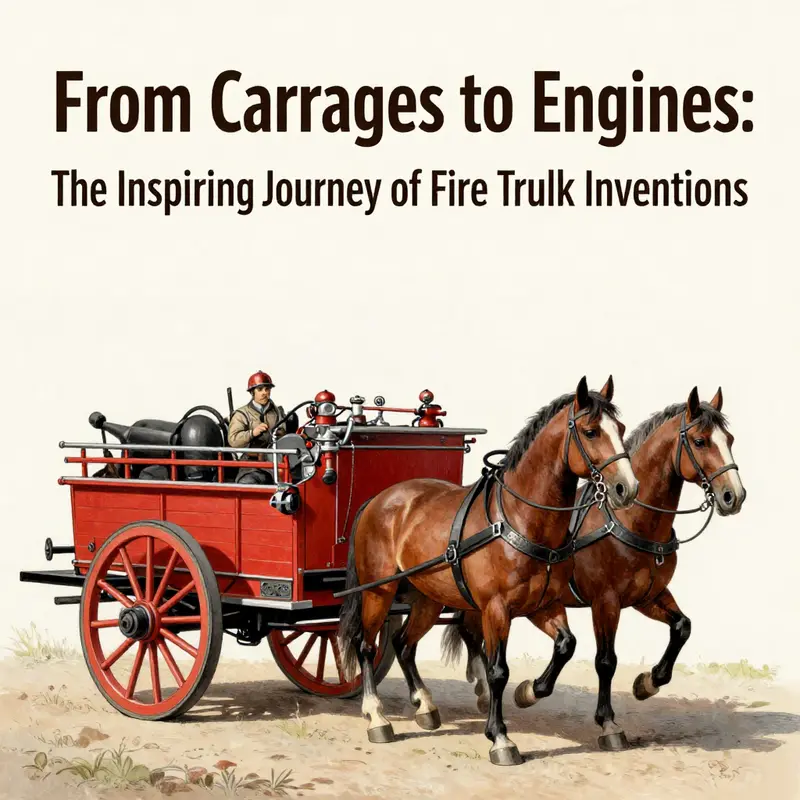
In the early days where communities relied solely on bucket brigades and rudimentary methods of quenching early fires, the need for specialized equipment was paramount. In 1518, the first known fire-fighting vehicle emerged from Augsburg, Germany, crafted by Antoni Braßner. What began as a simple pump mounted on a cart, harnessed by human power through levers and pulled by horses, laid the foundational model for later mechanical innovations. While primitive by today’s standards, this early invention demonstrated that even basic tools could be adapted to meet the life-saving demands posed by urban conflagrations.
As centuries unfolded, cities grew denser and fires grew more destructive. One cannot mention the evolution of fire trucks without acknowledging the Great Fire of London in 1666—a defining moment that spurred monumental changes in fire-fighting strategies. In the wake of this urban disaster, hand-cranked pump fire engines began appearing on horse-drawn carriages. These fire engines may seem archaic; however, they represented a critical turning point in the history of fire protection. The hand-crank systems, though requiring human effort to generate water pressure, enhanced the response time in battle against excessive flames. They epitomized a period of transition, where reliance on purely manual efforts was beginning to give way to mechanization.
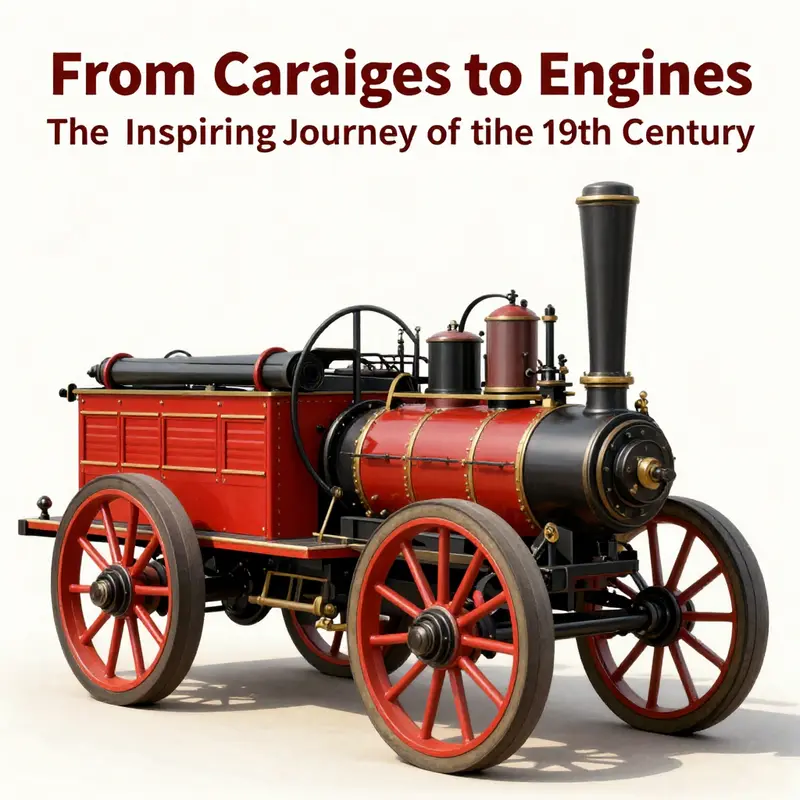
The 19th century heralded a significant innovation in the realm of fire protection with the introduction of steam-power. In 1829, the world saw the debut of the first steam-powered fire engine in London, crafted by the visionary engineer John Breswick. This steam engine, characterized by a 10-horsepower double-cylinder mechanism, heralded the era of mechanical propulsion. Even though these steam-driven machines were still drawn by horses, they set a new benchmark in firefighting technology. Steam power greatly improved both water pressure and flow rate, allowing for a more effective response to rapidly intensifying fires. Despite their heavy build and complex operation—including an extended setup time before engagement—steam-powered engines marked a decisive step away from labor-intensive methods, as they offered a glimpse into a future where fire-fighting might be determined more by engineering than by raw physical strength alone.
With the advent of the industrial revolution and an increasing understanding of internal combustion, engineers and inventors began experimenting with more efficient propulsion systems. The transition from steam to hand-cranked gasoline engines came during the latter part of the 19th century, setting the stage for what is now recognized as the modern fire truck. One of the landmark achievements was made in 1901 when the Royal Caldicot Company in Liverpool, England constructed the first internal-combustion engine-driven fire truck. Despite its slow pace and notorious backfiring—earning it the nickname “Pissin’ Annie”—this fire engine embodied a crucial leap forward. It signified the practical abandonment of cumbersome and unpredictable steam engines in favor of faster, more reliable, and easily deployable solutions.
The mechanical revolution in fire apparatus did not stop with the internal combustion engine; it set in motion a progression towards ever more advanced systems. Throughout the early 20th century, fire trucks continued to evolve rapidly, integrating improvements in engine design, pump efficiency, and mobility. In this period, fire trucks gradually shed their reliance on animal power altogether, embracing the full capabilities of motorized transport. The streamlined design and increased reliability allowed fire departments to respond more quickly and effectively to emergencies, a transformation that undoubtedly saved countless lives and minimized property damage.
Modern fire trucks are now marvels of engineering that integrate an array of sophisticated technologies. Advanced onboard systems, including high-capacity pumps, hydraulic ladders, integrated communications, and specialized rescue tools, combine to form the backbone of today’s urban and rural emergency response units. Despite this leap in technology, the legacy of early hand-cranked engines and steam-powered innovations continues to be celebrated. These pioneering designs are not merely historical footnotes; they are the conceptual underpinnings of the modern firefighting apparatus, each stage embodying lessons of resilience and ingenuity that inspired engineers to think beyond the limitations of their times.
One can appreciate the transformation of fire trucks as an evolutionary tale where each innovation built upon, and ultimately surpassed, its immediate predecessor. Early fire-fighting vehicles, with their limited water carriage and reliance on human power, were part of a larger narrative that chronicled the human desire to tame the seemingly uncontrollable forces of nature. In a way, each breakthrough—from the pump cart of the 16th century to the steam-powered marvels of the 19th century—was a direct response to the urgent demands of urban safety. The challenges inflicted by increasingly catastrophic fires compelled inventors to explore novel ways of fighting back the flames, turning the field of fire protection into a dynamic arena of experimentation and progress.
The interplay between technological advancement and the behavior of urban populations created an environment in which fire apparatus could flourish. As cities expanded, so too did the scale of fires, and the corresponding complexity of urban infrastructure necessitated more capable fire-fighting vehicles. The heavy, labor-intensive designs of early fire trucks gradually gave way to more agile and reliable machines that not only saved precious time but also offered improved operational safety. This transformational period stands as a vivid example of how science and practical necessity converge to create innovations that drastically alter the modern urban landscape.
Historical records often highlight significant moments that redefined fire-fighting. The evolution from horse-drawn apparatus to motorized vehicles is more than just a technical achievement; it reflects a shift in human mindset regarding risk, responsibility, and the vitality of community resilience. In this context, the story of fire trucks is inseparable from the broader narrative of societal progress. The relentless pursuit of speed and efficiency in fire-fighting is mirrored in many other fields, where the pressure to safeguard life and property has driven the invention of tools and technologies that, at one time, might have seemed like science fiction.
As we consider the vast improvements made over the centuries, it is also important to note the role of interdepartmental knowledge and shared expertise. Local fire departments, engineers, and innovators all played crucial roles in refining fire apparatus. Today, communities benefit from a legacy of accumulated wisdom that dates back to those initial pump carts, as they continue to adapt emerging technologies to meet the growing demands of modern life. For those interested in delving deeper into the technical improvements in fire apparatus over time, the comprehensive insights available on the fire truck blog provide an in-depth look at these challenges and triumphs explained in historical detail here.
In retrospect, the historical evolution of fire trucks from rudimentary, human-powered vehicles to mechanically advanced, hand-cranked engines offers invaluable lessons for modern practitioners. It is a chronicle where necessity drove invention, and where each technical breakthrough provided the scaffolding upon which the next innovation was constructed. This journey is a tribute to the perseverance of firefighters and the engineers who, throughout the centuries, have marched alongside them. Their collective efforts have transformed firefighting from a desperate last resort into a sophisticated science that continues to evolve, driven by an unwavering commitment to protect the public.
Today, as we inspect and appreciate the modern fire truck—a marvel of technology designed to combat fire using precision and power—we are reminded of the humble origins from which it grew. The progression from a simple pump on wheels to a modern, integrated emergency response machine exemplifies the evolution of human creativity under extreme pressure. While technology continues to advance at a breathtaking pace, the core philosophy remains the same: to provide a rapid, reliable, and robust defense against the ever-threatening force of fire. Such is the legacy of early innovators whose work, forged in the crucible of disaster and trial, has endured and advanced into the modern era.
For those seeking to explore further the detailed timeline of these evolutionary advancements, additional external historical records such as those provided by the National Fire Protection Association (NFPA) offer a valuable resource. Their timeline at NFPA’s Fire Apparatus Evolution continues the story, ensuring that the lessons of the past remain as relevant and inspirational as ever.
In sum, the transition of fire trucks from basic, human-powered carts to the highly specialized, engine-driven vehicles of today is a journey marked by incremental improvements, moments of dramatic innovation, and a relentless pursuit of better solutions. It is a path paved by countless individuals committed to the cause of fire protection—a legacy that continues to evolve and inspire future generations of engineers, firefighters, and urban planners alike. The evolution of fire trucks is not merely about the machinery, but rather about the triumph of resourcefulness and the enduring spirit of innovation that has always defined our approach to overcoming adversity.
Steam Ignition: Revolutionizing 19th-Century Firefighting
The 19th century bore witness to a groundbreaking transformation in firefighting that centered on the adoption of steam power. Urban centers were expanding rapidly as industrialization surged and city populations grew. In earlier centuries, fire suppression had depended on human muscle and simple mechanical systems that often fell short when fires threatened entire neighborhoods. However, the introduction of steam-powered fire trucks shifted that balance dramatically. These early innovations emerged from a time of critical need, when manual pumps and horse-drawn carriages could hardly compete with the fast-evolving requirements of modern urban life.
The origins of steam-powered fire engines can largely be traced to a vision of mechanizing labor that had long been discussed among engineers and civic leaders. Prior to their introduction, firefighting was a labor-intensive task, relied on volunteer brigades armed with hand-cranked pumps and basic water-carriage systems carved out of centuries-old traditions. With the advent of the Industrial Revolution, pressing concerns regarding fire safety led innovators to experiment with steam as an energy source. Steam engines began to find their place not only in locomotives and mills, but also in specialized vehicles designed to combat flames. They brought with them a potent new ability to force water against the heat of advancing blazes and deliver it over greater distances. In doing so, they laid a firm foundation for modern emergency response apparatus.
This era of innovation was marked by a shift in both design and operational philosophy. The steam engine, bulky yet powerful, required a level of engineering precision that was new to firefighting. Mechanics and operators were now expected to understand the workings of boiler systems and gauge pressure readings accurately. These machines harnessed 10 horsepower or more from a double-cylinder steam engine that powered large, formidable pumps. In practice, the steam engine’s output translated into the ability to push water forcefully through pipes and fire hoses. Firefighters could now confront fires that threatened to engulf entire districts, reaching upper floors of multistory buildings with water jets that far exceeded the capabilities of manual pumps. The use of steam, therefore, was more than an upgrade in mechanics—it symbolized a revolution in safety and civic responsibility.
The operational challenges of steam-powered fire trucks were significant, yet they were overcome with ingenuity and perseverance. The early steam engines demanded a crew that not only manned the fire apparatus but also maintained the correct pressure and temperature for optimal function. Skilled engineers were as much a part of the firefighting unit as were the brave men who waded into danger. Fuel and water supplies needed precise management during emergencies, and every minute counted in the mobilization process. Despite the cumbersome nature of these vehicles, municipalities saw them as essential investments because they enabled a more coordinated and forceful response. The complexity in operation only underscored the determination of cities to embrace technological advancement and save lives. In many cases, the introduction of these systems spurred entire communities to invest in better training, resources, and maintenance procedures.
Beyond functionality, the visual impact of steam-powered fire trucks captured public imagination like no other technological advancement in the field. Historically, fire apparatus were painted in hues that were dictated by available materials or regional tastes. With steam engines, however, the color red assumed a distinctive symbolic and practical importance. Not only did red provide a striking contrast against the urban environment, but it also conveyed a sense of urgency and heroism that resonated with citizens. Many fire departments painted their machines red, not simply as a protective measure against the elements, but also to ensure high visibility amid chaotic emergencies. This color choice has endured across centuries, linking modern trucks to their storied past even as technology advanced. The red exterior became synonymous with bravery and service, a visual shorthand for the readiness of a community to confront disaster head-on.
Within the bustling environment of the 19th century, the advent of steam-powered fire trucks also catalyzed broader societal shifts. For one, these innovations necessitated a new professional class within municipal services. The blend of technical acumen and practical bravery became the standard for modern first responders. Municipal budgets, once strained by the costs of maintaining outmoded equipment, began allocating resources to sophisticated, mechanized systems that promised faster, more effective firefighting. Over time, the public came to regard these steam-powered machines as both technological marvels and symbols of civic pride. A community was now defined not only by its capacity to grow but also by its commitment to protecting that growth from the dangers of uncontrolled fire. This shift in mindset laid the groundwork for later advances as fire departments evolved into complex organizations, integrating training programs that stressed both technical expertise and rapid response scenarios.
Although fire engines powered by steam represented a quantum leap in firefighting capability, they were not immune to the challenges of their era. Mechanical breakdowns, the necessity for thorough maintenance routines, and the requirement for a steady supply of fuel and water often delayed the rapid deployment of these machines. However, the promise inherent in their design spurred continued experiments and refinements. Most early steam trucks were horse-drawn, meaning that the fusion of animal power and steam was itself an interim solution. Yet, each hurdle encountered inspired incremental improvements. Engineers introduced design modifications that stabilized boilers, increased pump efficiency, and even improved safety measures for the crew. Through persistence and trial, the combination of steam technology and traditional firefighting practices began to create a robust platform for future developments in emergency response.
The influence of these early fire engines extended well beyond the technical realm. They played a crucial role in shaping the perceptions of public safety and emergency readiness across entire nations. As municipalities began to adopt steam-powered fire trucks, they also revised their emergency protocols to ensure a smoother interface between technology and on-the-ground action. The often unpredictable nature of fires meant that any advantage could be decisive in saving lives and property. The presence of a dependable, powerful machine provided a psychological boost to both firefighters and the general public, reinforcing the belief that no fire was insurmountable when faced with modern technology. Communities coordinated drills, and civic institutions started symbolizing innovation as the foundation for a safer society. This era of steam-driven machines in urban landscapes became a testament to the blend of rugged determination and scientific progress.
Even as the technology of the day had its limitations, the legacy of steam-powered fire trucks became deeply embedded in cultural and technological traditions that persist in modern firefighting. The distinct appearance of these engines and the technical breakthroughs they achieved served as a blueprint for later innovations. The pioneering spirit behind these machines inspired further development that eventually led to internal combustion engine-driven fire trucks in the early 20th century. The shift from steam to combustion was a natural progression, one that was deeply influenced by the lessons learned during the steam era. For instance, the early challenges of managing a bulky engine and coordinating a skilled crew provided concrete insights into how future power sources could be better harnessed. This iterative process of innovation set the stage for creating vehicles that could respond faster, operate more reliably, and navigate the increasingly complex urban landscape.
An interesting facet of this journey was the continual interplay between form and function. As cities demanded technology that was both effective and enduring, engineers paid close attention to the aesthetics of fire apparatus. The decision to paint many fire trucks in a vivid red did not arise by accident. Red was chosen because it was not only attention-grabbing but also because it embodied the fiery spirit of the mission. The design and mechanical prowess merged seamlessly, and each new design iteration was both a technical breakthrough and a cultural statement. This balance of efficiency and visual impact has survived throughout the decades. For enthusiasts interested in the evolution of fire trucks, insights can be gleaned from early demonstrations of robust designs later refined in the creation of more specialized units. For example, readers might explore the extensive developments in body construction and mechanical durability through explanations found in articles about modern steel fire apparatus, which echo many of the challenges and triumphs of the steam era.
The transformative impact of steam-powered fire trucks did not end with their technical superiority. They also informed the processes of community engagement and the prioritization of public safety in ways that went beyond mere machinery. The introduction of steam technology signified a turning point in public funding and the standardization of emergency services. City leaders began to see the value of investing in well-equipped fire departments that could respond with both precision and power. Moreover, these advancements prompted new training methodologies, greater collaboration between various emergency units, and the development of maintenance routines that ensured the longevity of each mechanical marvel. Such systemic changes were essential for modernizing urban infrastructure, reinforcing the idea that technological progress must be accompanied by organizational reform.
Looking back at the evolution of firefighting equipment, the 19th-century innovations remain an inspiring chapter of history. The steam-powered truck symbolizes the convergence of engineering, civic duty, and creative problem-solving. Its introduction changed the way cities thought about fire risks and safety measures. This era encouraged communities to adopt technology that reduced vulnerability and increased the speed and efficiency of emergency responses. Over the decades, lessons learned from the steam era have influenced every subsequent generation of firefighting equipment. They remind us that even the most cumbersome machinery can pave the way for future breakthroughs if championed by visionary leaders and a committed public. For those interested in a deeper exploration of this transformative period, a comprehensive review can be found in an article by Smithsonian Magazine, which captures the spirit and ingenuity of the age.
In summary, the steam-powered fire truck emerged as a beacon of innovation during an era when traditional firefighting methods were rapidly being outgrown by the needs of expanding cities. This transformation was not merely about replacing horses with steam engines; it was about redefining public safety. The impressive power and reliability of these vehicles set new standards in emergency response. They demanded a new level of technical proficiency and operational coordination, thereby fostering a culture of rigorous training and continuous improvement. Their striking red appearance, symbolic of both danger and resilience, created an enduring icon in urban mythology. It is clear that the evolution of the fire truck is best understood as a multi-faceted journey that blends mechanical innovation with societal advancement. Today, as modern fire apparatus continue to evolve, the lessons from the steam era remain a groundwork blueprint, ever reminding us how necessity drives invention and technology that protects communities.
From Horsepower to Engine Power: The 1901 Revolution in Fire Truck Design
A New Era of Firefighting
The evolution of fire trucks is a riveting journey that mirrors the progress of technology and society over centuries. The transformation from primitive, horse-drawn apparatus to mechanized behemoths powered by internal combustion engines marked a revolution that reshaped emergency services and urban safety. In the early 20th century, particularly in 1901, the introduction of motorized fire engines brought forward an era where rapid response and increased reliability were no longer a luxury but a necessity for saving lives and property. This chapter delves into the pivotal moment when the internal combustion engine began to replace traditional methods, transforming fire-fighting technology forever.
Before this milestone, fire-fighting efforts were hampered by the limitations of animal-powered and steam-driven systems. Early apparatuses, dating back to 1518 with the ingenious fire carriage in Augsburg, Germany, relied heavily on human and animal power. These rudimentary designs, while innovative for their time, could not cope with the increasing complexities of urban fires. The Great Fire of London in 1666 further exposed the weaknesses of the hand-cranked, horse-drawn pump engines. Later, in 1829, the introduction of the steam-powered fire engine in London marked an important step towards mechanization, yet it still relied on horses for movement. The limitations of these earlier systems were acute: the reliance on animal strength and human labor made them slow and less efficient in an era where cities were rapidly growing and the risk of large-scale fires was ever-present.
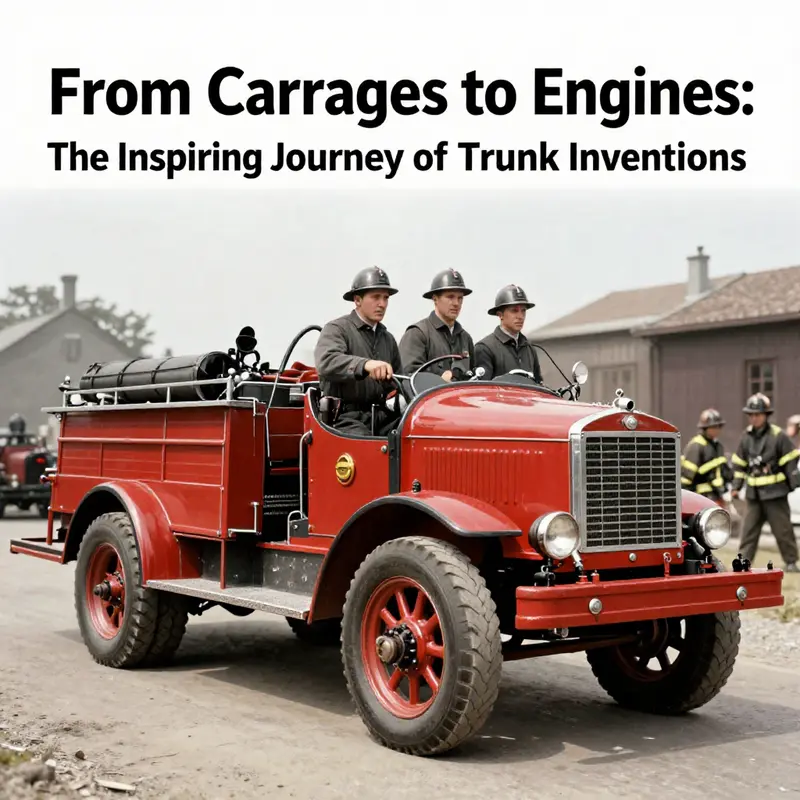
The breakthrough came with the advent of internal combustion engines. In 1901, engineers and fire service innovators began to harness the power of gasoline-powered mechanisms to redesign fire-fighting vehicles. This new technology offered several significant advantages. The internal combustion engine not only provided greater power and reliability, but it also dramatically improved the speed and overall responsiveness of fire trucks. The shift from steam or animal power to engine power meant a reduction in the time it took for fire fighters to reach a blaze, a factor that could mean the difference between minor damage and catastrophic loss. Moreover, these engines were capable of delivering a steadier and more powerful performance, allowing pumps to operate under much higher pressure and deliver more water in critical moments.
One of the earliest and most demonstrative examples of this technological innovation was seen with the installation of an internal combustion engine in a fire truck by the American firm that capitalized on these emerging ideas. This vehicle, powered by a gasoline engine, set a precedent and laid the foundation for a new generation of fire trucks. Unlike their predecessors, these motorized fire engines could carry heavier loads and navigate urban landscapes without the constraints imposed by animal power. The engines, with their improved reliability and efficiency, made it possible for fire departments to reimagine their strategies and equipment designs. The leap forward in performance also addressed critical challenges such as maintenance limitations and the inherent unpredictability of relying on animal strength, particularly during harsh weather conditions or in densely populated areas.
As internal combustion engines began to gain prominence, the design of fire trucks had to evolve to integrate the new technology seamlessly. The incorporation of these engines meant that vehicles could be designed with a focus on speed, stability, and efficiency. Prior models had relied heavily on the physical stamina of horses and the labor-intensive process of manually operating the water pump. In contrast, the mechanized systems allowed for quicker refueling, reduced crew fatigue, and more robust hydraulic systems. This period saw an increase in the standardization of fire trucks as fire brigades across different cities started to adopt technologies that ensured consistency, reliability, and high performance. The changes were not merely technical; they had deep implications for the strategies employed by fire services, allowing them to tackle fires more effectively and with greater coordination.
The adoption of internal combustion engines also symbolized a period of rapid industrial innovation. In parallel with advancements in transportation, urban infrastructure was undergoing significant changes. New roads, bridges, and urban planning initiatives created a conducive environment for faster emergency responses. The internal combustion engine was not just a replacement for the trusted old methods—it was a revolutionary tool that redefined the operational capabilities of fire departments. It allowed for a rethinking of protocols: routes could be optimized based on the increased speed of motorized vehicles, and the capacity to carry more sophisticated equipment ensured that fire crews were better prepared for the wide range of emergencies they faced. In this context, automobile technology and the evolution of fire trucks were not isolated developments; they were intertwined narratives of progress that transformed cities and the safety of their citizens.
Behind this narrative of technological triumph were the practical challenges that engineers and fire departments had to overcome. The early gasoline-driven fire engines were often codenamed with colorful nicknames due to their quirks in operation. For example, some of these pioneering machines were humorously referred to by names that highlighted their performance issues and the growing pains of early internal combustion design. Despite these challenges, the incremental improvements were undeniable. Each iteration built upon the lessons learned from its predecessors. This iterative process was fueled by a relentless pursuit of efficiency, where each design modification sought to not only enhance the engine’s performance but also its integration into the overall fire-fighting strategy.
The impact of the internal combustion engine on fire apparatus extended well beyond its mechanical benefits. It fostered a spirit of modernization among fire departments, encouraging the re-evaluation of training, maintenance, and operational protocols. Firefighters had to adjust to new operational tempos as motorized trucks could reach the scene of a fire in a fraction of the time that horse-drawn carriages required. The transition demanded not only mechanical adjustments but also a psychological shift. Crews gradually learned to trust a machine over the traditional methods honed over centuries. This trust was solidified through continuous improvements in design and engineering, which eventually led to more uniformity in how fire trucks were built and maintained.
As the new technology began to prove its worth on the urban stage, cities began to recognize the immense value of motorized emergency response vehicles. Municipal funding and public support started shifting towards more advanced technologies, paving the way for further research and development in the field. Manufacturers began to prioritize engine reliability and ease of maintenance as vital features in their design philosophies. Over time, this focus on continuous improvement laid a robust foundation for the fire trucks we see today—a legacy that can trace its roots back to that transformational year of 1901. Even now, while modern fire trucks integrate cutting-edge electronics and complex systems, the primary objective remains the same: to save lives and property as swiftly and efficiently as possible.
This pivotal era in fire-fighting history can be linked to modern trends in fire apparatus design. The internal combustion engine not only brought speed and power but also set the stage for further innovations, including improved communication systems, better navigation aids, and more robust water pumping capabilities. In modern times, when investigating vintage models or even contemporary apparatus designs, enthusiasts and professionals alike draw inspiration from that early 20th-century prototype. If one is intrigued by the legacy of historical fire engines and wishes to explore vintage designs, the article on vintage fire engine models provides an enlightening look into the transition from early mechanical fire trucks to more refined motorized versions.
Over the decades that followed the introduction of the internal combustion engine, fire trucks have continued to evolve. The innovations that began in 1901 did not remain static; each subsequent generation of fire apparatus built upon the advancements of the past. The design philosophies established during this period stressed the importance of rapid deployment and mechanical robustness—a balance that modern fire trucks continue to maintain. It is fascinating to see how the principles established over a century ago persist in the design and function of today’s vehicles, highlighting a timeless commitment to improving emergency response capabilities.
The impact of the internal combustion engine was not limited to mechanical prowess alone. Socially and culturally, the motorized fire truck became a symbol of progress and modernity. The presence of these vehicles in urban centers acted as a reassuring sign that cities were committed to not only growth but also to the protection of their inhabitants. Over time, the sight of a fast-approaching fire truck infused communities with confidence in the public services dedicated to their safety. At a time when technological advancements were reshaping every aspect of daily life, the fire truck stood out as a quintessential representation of modern innovation—a machine that combined the engineering achievements of its day with the noble objective of service and protection.
The progression from the cumbersome, animal-reliant models to the nimble and robust motorized fire truck is a testament to human ingenuity and determination to overcome challenges. Although the internal combustion engine came with its own set of hurdles initially, its eventual perfection spurred improvements in safety protocols, logistics, and vehicle design that have endured through subsequent decades. Innovations in engine design quickly spread through fire departments around the world, gradually transforming the landscape of emergency services in many urban centers. This landmark moment in 1901 set off a chain of events that ultimately redefined not only fire-fighting technology but also the broader context of emergency response systems.
For additional historical insights and a deeper understanding of the evolution of these lifesaving machines, one may refer to the comprehensive resource on the subject provided by Fire Engineering at History of Fire Trucks. The journey from horse-drawn pump carts to advanced motorized fire engines is a narrative of persistent innovation, risk-taking, and an unwavering commitment to public safety—a legacy that continues to influence the design and operation of fire trucks in cities around the globe.
In summary, the introduction of the internal combustion engine in 1901 signified more than just a change in power sources for fire trucks—it heralded the dawn of an era in which technology, efficiency, and swift emergency response became the pillars of modern fire-fighting. This dramatic transformation not only saved lives by reducing response times but also set in motion a series of innovations that continue to define the capabilities of contemporary fire-fighting apparatus.
From Horse-Drawn Carriages to Smart Cities: The Transformative Journey of Fire Truck Innovation
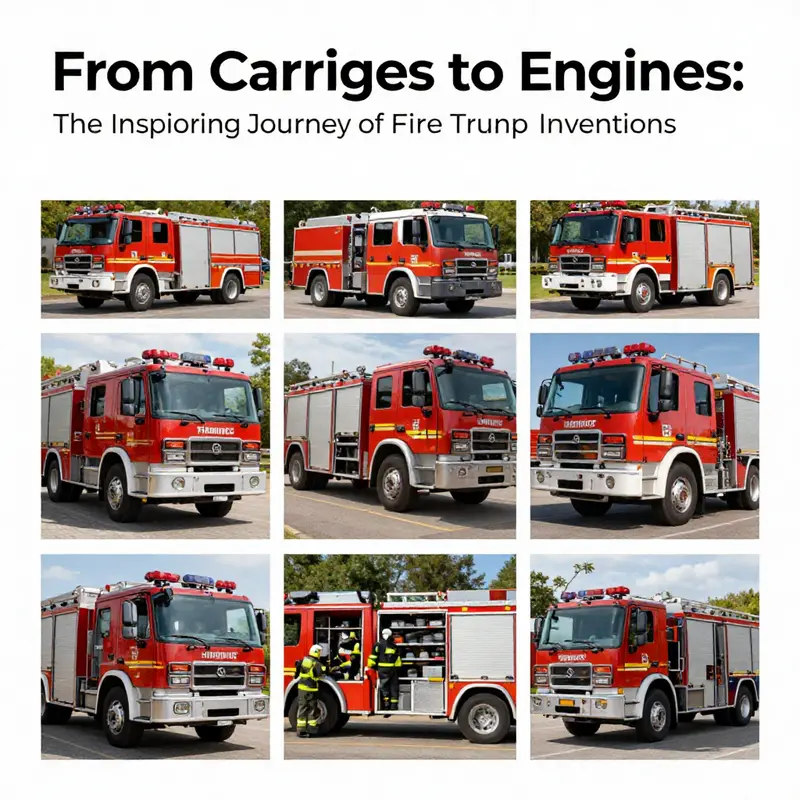
From the modest beginnings of a manually operated cart in 1518 in Augsburg, Germany, the story of fire trucks is one of continuous innovation and adaptation that has not only saved countless lives but also shaped the evolution of urban landscapes around the world. Early on, fire-fighting was a laborious undertaking. Craftsman Antoni Braßner’s invention, essentially a large pump mounted on a horse-drawn cart, laid the groundwork for what would eventually become a central figure in emergency management. This early fire carriage, despite its limitations, was revolutionary for its time, suggesting that even the simplest ideas can spark a legacy of technological progress.
Over the ensuing centuries, particularly as cities grew and challenges became more complex, the need for more efficient and reliable firefighting apparatuses took center stage. The catastrophic Great Fire of London in 1666 provided a harsh lesson in the importance of timely and effective intervention. In the wake of the disaster, inventors and engineers revisited the concept of rapid response. The era saw hand-cranked pump fire engines, which were still reliant on the power of horses and human labor, yet they represented a decisive step forward. Engineers and craftsmen began to appreciate that the key to battling devastating fires lay in reducing response times and increasing the capacity to deliver water to burning structures. These early efforts, though rudimentary, underscored an understanding that urban safety could be greatly enhanced by technological progress and coordinated emergency services.
As the industrial revolution took hold in the 19th century, the synthesis of novel mechanical ideas with established fire-fighting practices ushered in an era of transformation. A monumental leap occurred in 1829, when London witnessed the debut of the first steam-powered fire engine, developed by engineer John Breswick. This innovation was not merely about replacing human muscle but symbolized the inception of mechanized emergency response. The steam-powered engine harnessed the strength of a 10-horsepower, double-cylinder mechanism, which significantly increased the pump’s efficiency. Even though these machines were still horse-drawn, the integration of steam power marked the start of translating industrial technology into life-saving applications. The success of the steam-powered fire engine instilled confidence in the idea that progressive improvements could uniquely address problems once considered insurmountable.
The dawn of the 20th century carried a promise of further improvements. Perhaps the most resonant advancement came in 1901 with the introduction of the first internal-combustion engine-driven fire truck, built by the Royal Caldicot Company in Liverpool, England. Although the machine was far from perfect—famously nicknamed “Pissin’ Annie” due to its slow pace and tendency to backfire—it nevertheless signaled a watershed moment in the evolution of emergency vehicles. This innovation underscored the potential of motorized response, inaugurating an era where speed and reliability became foundational to firefighting. The incremental improvements following this period have continued to change how firefighters approach emergencies, enabling rapid mobilization and improved water capacity, the latter ensuring that greater volumes of water could be delivered to extinguish blazing infernos more swiftly.
Beyond the evident technical and performance gains, the evolution of fire trucks has had a profound societal impact. The transition from manually powered carriages to advanced motorized vehicles has redefined public safety protocols and urban planning. Cities began to realize that investments in effective emergency infrastructures were not merely public expenditures but rather essential measures that contributed to long-term urban resilience and growth. As urban centers expanded, the safe and efficient management of emergencies became a critical service that underpinned societal progress. By decreasing the scale of property damage and dramatically enhancing the rate of life-saving interventions, modern fire trucks have become an indispensable element of urban life. They are a testament to the idea that engineering innovation can drive profound societal benefits.
An equally compelling aspect of fire truck evolution is the symbolic significance of their iconic red color. Initially chosen for its high visibility and contrasting impact against dark urban backdrops, the hue of fire trucks has evolved into a universal emblem of urgency and protection. The color red, with its rich historical associations and immediate visual appeal, plays an important psychological role. It communicates the critical nature of the mission undertaken by firefighters: to confront danger head-on and provide reassurance amid chaos. In many communities, the sight of a red fire truck rolling down the street instills a sense of relief and security. This enduring tradition has influenced not only the practical design of emergency vehicles but also the broader cultural portrayal of rescue services.
Modern advancements in technology have spurred discussions about the future of fire-fighting apparatuses, and these developments are as promising as they are exciting. The current focus is on enhancing performance, sustainability, and integration with emerging smart city infrastructures. One of the central themes shaping future innovations is the shift toward more sustainable energy sources. Manufacturers and engineers are exploring electric and hybrid fire trucks, whose reduced emissions and improved efficiencies address growing environmental concerns while maintaining high performance. Such initiatives are expected to redefine the operational realities of fire services in the coming decades.
In tandem with sustainability efforts, a wave of technological integration is transforming how fire trucks operate. Smart integration of onboard computer systems, which allow for real-time incident mapping and precise route optimization, ensures that emergency response times continue to improve. This level of sophistication means that modern fire trucks are now not only mobile pumping stations but also high-tech command centers that can relay critical situational data instantaneously. This evolution is a reflection of broader trends in emergency management and urban safety, where digital transformation is steadily becoming the norm. For those interested in exploring how mental preparedness and technological excellence merge in the field of emergency response, further insights can be found in an article on mental readiness in fire service available at this internal resource.
Alongside performance and intelligence, the development and refinement of materials used in fire truck construction are pivotal. Advances in composite and high-durability materials have not only improved the resistance and longevity of the vehicles but have also enhanced the safety of firefighters. Fire trucks now feature reinforced structures designed to withstand high temperatures and heavy impacts, ensuring that safety protocols are met even in the most challenging conditions. This continual reassessment of technological capabilities and material science remains foundational to creating vehicles that offer maximum efficiency and protection.
Looking further into the future, the possibility of integrating autonomous technologies into fire vehicles raises intriguing questions. The potential for unmanned fire trucks, initially deployed for transporting essential equipment or providing preliminary support in low-risk scenarios, could revolutionize the way emergency services are structured. Such systems would work in synergy with crewed vehicles, enhancing overall operational efficiency while reducing risks during hazardous missions. The integration of autonomous features could allow for an even faster and more coordinated response, bridging the gap between initial detection and subsequent intervention.
This journey from manually powered pumps to technologically sophisticated vehicles encapsulates how each innovation has built upon previous successes and learnings. The evolution of fire trucks clearly demonstrates the critical interplay between technological progress and urban safety needs. From the bravery of those who piloted early horse-drawn carriages in narrow streets to the engineers who designed multi-functional, high-tech vehicles today, each milestone reflects an underlying commitment to safeguarding communities and preserving lives.
Reflecting on this storied progression, it becomes evident that the narrative of fire truck invention is deeply intertwined with the broader history of human innovation. Every breakthrough, from the introduction of steam power to the adoption of internal combustion technology, and now the emerging era of digital connectivity and sustainable energy, highlights our relentless endeavor to improve resilience in the face of disaster. This evolution has not only redefined emergency response but has also catalyzed modern urban development by ensuring that cities can grow safely and sustainably. The historical context provides us with a roadmap that demonstrates both the resilience of human ingenuity and the imperative need for continued advancement in emergency services.
The comprehensive improvements realized through motorization, newer materials, and advanced design paradigms have sparked transformations that still resonate today. At every stage of its evolution, the fire truck has symbolized a commitment to survival, safety, and progress. It has provided tangible proof that effective design and engineering can profoundly affect everyday life and the very fabric of community structure. As fires became less a death sentence and more a manageable hazard, the trust placed in these vehicles grew. With each technical innovation, fire trucks not only adapted to changing times but also anticipated future needs – a legacy that inspires ongoing advancements today.
For those who wish to delve deeper into the historic milestones and technological shifts that have defined the evolution of fire apparatus, additional insights can be gleaned by visiting an external resource dedicated to the history of fire protection from the National Fire Protection Association at NFPA’s History of Fire Protection.
In essence, the timeline of fire truck invention is a rich narrative of human endeavor that mirrors our collective pursuit of safety, efficiency, and progress. It embodies lessons on the importance of adaptability and highlights the necessity of combining tradition with innovation to meet the ever-evolving challenges of modern society. As we stand on the brink of another technological revolution, the legacy of past innovations serves as both an inspiration and a benchmark for the future. The enduring spirit of progress ensures that fire trucks will continue to evolve, reinforcing their crucial role in protecting communities and shaping the resilient cities of tomorrow.
Final thoughts
The journey of fire trucks from their humble beginnings to the powerhouse machines we see today highlights the incredible evolution of firefighting technology. Each innovation—whether it was the first hand-cranked engines or the switch to motorized vehicles—has played a pivotal role in enhancing our ability to combat fires and save lives. As we look ahead, the future promises even more advancements, ensuring that firefighters will be equipped with cutting-edge tools to safeguard our communities. The legacy of fire trucks is intertwined with the spirit of resilience and dedication, inspiring generations of firefighters and enthusiasts alike to continue this proud tradition of service and innovation.