
When blazing infernos threaten lives and property, fire trucks stand at the ready, equipped with their most potent asset: water. How much water does a fire truck hold? This question, often overlooked in the realm of firefighting logistics, is vital for enthusiasts, aspiring firefighters, and emergency services professionals alike. Understanding water capacity isn’t just an academic exercise but is essential for tactical effectiveness during operations. Each chapter will delve into the intricacies of water storage on fire trucks, beginning with an overview of capacities, exploring influencing factors, practical operational efficiency, comparisons across fire truck types, and concluding with illuminating case studies that spotlight diverse scenarios.
Sizing the Lifeline: How Water Capacity Shapes Fire Truck Effectiveness
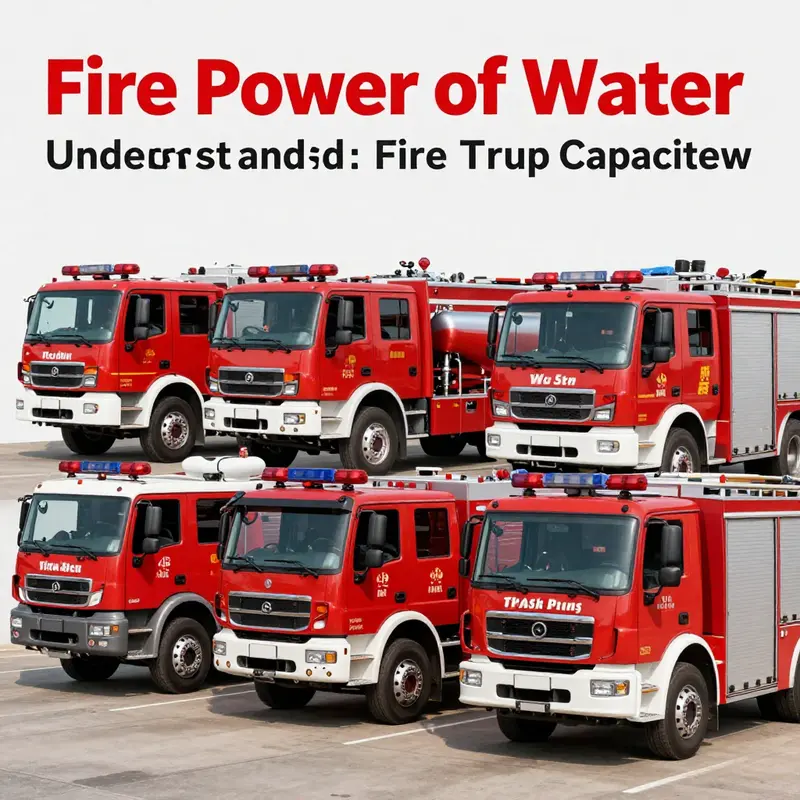
Water is the raw material of fire response, but its value is not simply the amount carried on a truck. The question, how much water does a fire truck hold, leads to a tighter, more practical inquiry: how does a given capacity translate into real-world effectiveness on the fireground? The answer depends on the vehicle’s mission, terrain, and the sequence of actions firefighters must undertake from arrival to extinguishment. Water capacity exists in a dynamic relationship with pump capacity, drafting potential, and the availability of hydrants or natural sources. In the broadest sense, capacity is not a single number but a design choice that balances weight, maneuverability, and the likelihood of sustained flow. For urban high-rise incidents, rapid access and high-pressure delivery matter as much as the total volume on board. For distant wildfires or industrial sites, the ability to find and extract water from a lake, river, or pond becomes as critical as the tank’s size. In this sense, the capacity a fire truck carries is a strategic asset, shaped by the environments in which responders operate and the kinds of fires they are most likely to encounter. As a rule of thumb, the larger the capacity, the longer a team can operate in a passive water delivery mode before needing to replenish, provided there is a reliable source nearby or a constant supply via water tenders or a hydrant network. Yet even within a single fleet, different models optimize for different priorities. A few core patterns emerge when we compare wildland, aerial, foam-focused, and standard urban configurations. Wildland fire truck vans designed for rural and forested terrain typically feature portable tanks that hold up to about 500 gallons, which is roughly 1,893 liters. This amount suits initial attack in remote areas where access to hydrants is limited and off-road capability matters more than continuous large-volume discharge. Drafting capabilities are often a built-in feature these units rely on, allowing them to pull water from natural sources like lakes or streams when the closest water source is not within reach of a hydrant. The trade-off is clear: more water on board would slow the vehicle or increase weight, so the balance favors mobility and accessibility over maximum tank size. For responders, that means a vehicle ready to begin suppressive work almost as soon as it reaches the scene, with the option to replenish from a water source or to shuttle water from a nearby supply point as needed. The same logic behind limited on-board volume applies when considering larger, more urban-oriented platforms that still prioritize rapid response. Aerial fire truck vans—in other words, ladder or platform trucks tasked with vertical reach and urban rescue—usually carry onboard tanks ranging from about 500 to 1,000 gallons, equivalent to roughly 1,893 to 3,785 liters. These tanks are paired with high-pressure pump systems intended to begin attack operations immediately upon arrival, especially at mid- to high-rise scenes where the first crew must establish water flow quickly and sustain it while additional resources arrive. The emphasis here is on a fast, reliable first pulse of water and foam or other agents, rather than the longest possible continuous stream from a single fill. The numbers reflect a design philosophy that prioritizes vertical reach, hose length, and pump performance that can deliver water at high pressure over a daunting distance. Then there are specialized applications, such as foam or foam-concentrate tankers designed to suppress fires involving flammable liquids. These configurations may push total onboard capacities higher, with typical foam tanks around 8,000 liters, or approximately 2,113 gallons. The purpose-built nature of these vehicles means they often incorporate double-wall tanks and interstitial spaces to prevent leaks, support safety during transport of hazardous materials, and provide environmental protection in the event of a spill. The double-wall construction, while more expensive, enhances containment and reduces the risk of contamination, a consideration that matters when foam concentrates are involved and when the tank must travel through sensitive environments. The capacity choices here are not merely about more water; they are about preserving the integrity of the cargo and minimizing environmental risk if an incident occurs during transit or deployment. Across all these configurations, the relationship between tank size and pumping duration matters. A smaller unit might deliver water for a couple of minutes at a high rate, as measured by a pump that could run at 20 to 40 liters per second. This translates to 1,200 to 2,400 liters of water delivered in a continuous burst, depending on how long the pump can sustain operation and how the operator manages nozzle work, pressure, and flow. The practical implication is that a truck’s stated capacity is a starting point, not the sole determinant of its firefighting effectiveness. The actual impact on a fire scene emerges from how that capacity is managed under pressure. Every engine crew must translate onboard volume into a sequence of actions: a rapid knockdown at the perimeter, a controlled escalation to expose more water if needed, and coordination with other units that may shuttle in additional water or assist with hose lines and elevated streams. In urban landscapes, where streets and hydrant networks can shape response, the integration of onboard capacity with external water sources becomes a crucial skill. The optimal fleet design recognizes that water is rarely a universal constant; it is a resource that moves—between onboard tanks, thirsting hydrants, and the drafting points supporting a sustainable attack. The decision to equip a fire truck with a particular capacity level is a strategic dialogue among municipal planners, rescue teams, and fire chiefs. It weighs factors such as building density, typical incident types, response times, and the availability of water tenders or hydrants. While a 500-gallon wildland unit and a 1,000-gallon urban ladder truck might appear similar at a glance, they embody different philosophies about risk, terrain, and the tempo of firefighting. The environmental and regulatory frame adds another layer. Agencies must ensure that tanks and their contents comply with safety and environmental regulations, including leak prevention and spills management. In the case of foam or other firefighting concentrates, double-wall designs and robust containment systems reduce the chance of environmental release, aligning equipment performance with broader safety standards. This is not an abstract exercise; it defines the practical realities crews face when arriving on scene. The choice of water capacity influences how many lines can be operated simultaneously, how long a team can sustain a steady stream, and how quickly they can transition from preventive to aggressive tactics. It also shapes the logistics of the incident command post, where decisions about water supply, staging areas, and fill points must align with the capabilities of the trucks on the ground. For readers who want to visualize the market and the options that exist in contemporary fleets, a quick look at current configurations and supply channels can be instructive. Fire-truck markets reflect a spectrum of needs, from compact units designed for tight urban streets to large-capacity vehicles built to support prolonged operations at industrial sites or remote terrain. Those exploring existing configurations might consult marketplace resources that catalog different models and their water handling capabilities, offering a practical sense of how capacity translates into field performance. See the market options here: Fire Trucks for Sale. The breadth of choices demonstrates that capacity is not a single metric but a composite of tank size, pump rate, draftability, and the speed with which water can be replenished. In the end, capacity is a proxy for resilience on the fireground. It signals how long crews can keep initial compression on a fire, how quickly they can establish control, and how flexibly they can adapt to evolving conditions. The most effective fleets align water capacity with the realities of their service areas, the kinds of incidents they most often face, and the logistics of water supply in those environments. They also remain mindful of cost, weight, and maintenance, recognizing that a larger tank adds payload that can affect vehicle handling and fuel efficiency, while a smaller tank demands more frequent replenishment and closer coordination with water supply units. The conversation about fire truck water capacity is ultimately a discussion about strategic readiness: how much water is enough to stabilize a scenario without sacrificing maneuverability or risking bottlenecks at the water source. When teams prepare for a particular jurisdiction, they test these trade-offs through exercises that simulate real incidents, ensuring that the chosen mix of tank size, pump capability, and drafting potential yields predictable, confident performance under pressure. As standards evolve and new technologies emerge, this balancing act will continue to adapt, ensuring that the water lifeline remains robust, responsive, and aligned with safeguarding lives and property. For more detailed standards and specifications guiding these decisions, consult authoritative sources such as the NFPA. https://www.nfpa.org/
Why Fire Trucks Carry the Water They Do: Design, Duty, and Operational Trade‑Offs
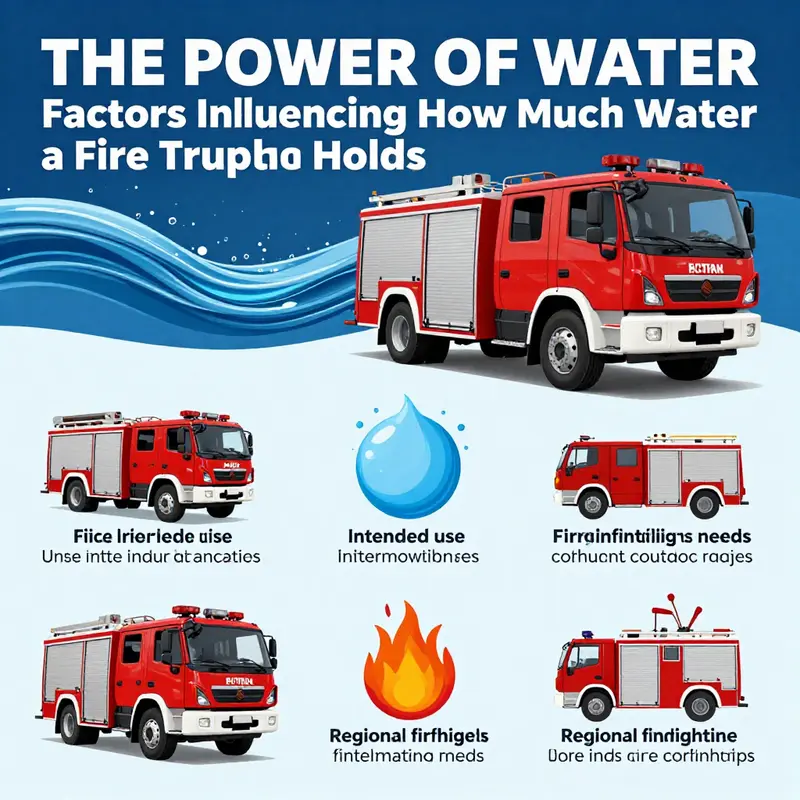
Why fire trucks carry specific amounts of water depends on design choices, mission needs, and practical limits. Water capacity is not arbitrary. It is the product of careful trade-offs between weight, speed, pump performance, crew safety, and the environment the vehicle serves. A pumper built for dense urban neighborhoods will look and behave differently than a rural tanker meant to operate far from hydrants. This chapter explains the forces that shape onboard water volume and why two trucks that look similar can carry very different amounts.
At the core is the type of apparatus and its intended mission. Engines used for urban response focus on getting firefighters and tools to a scene quickly. They usually have modest tanks, often in the 500 to 1,000 gallon range. That is enough for an initial attack until a hydrant is connected. By contrast, apparatus assigned to airports, industrial complexes, or remote districts carry much larger stores. Those vehicles may hold thousands of gallons to support prolonged operations when supply sources are distant or unreliable. Specialized units may integrate foam concentrate systems or twin tanks to handle different hazards. The mission profile determines the baseline requirement for water quantity.
Vehicle size and weight limits are powerful constraints. Water is heavy: one gallon weighs about 8.34 pounds. Each additional hundred gallons increases curb weight substantially. Manufacturers must balance tank volume with chassis ratings and axle loads. Overloading harms brakes, suspension, and steering. It also increases stopping distance. Regulatory weight limits at federal and state levels restrict maximum payloads on public roads. Designers therefore size tanks to stay within safe, legal thresholds while meeting operational goals. Where larger volume is needed, departments choose heavier chassis or dedicate a separate tanker for shuttle operations.
Operational strategy and local infrastructure influence decisions heavily. In cities with dense hydrant networks, departments emphasize pump capacity and hose lines over huge onboard tanks. A smaller tank supports a rapid knockdown until hydrant supply is established. In rural districts, the opposite holds true. Without nearby hydrants, apparatus must be self-sufficient for longer periods. That drives larger tanks and often a different tactical approach, such as drafting from local sources or running water shuttle operations.
Tank size also responds to response tempo and crew expectations. Shorter response times reduce the need for large onboard volumes. Where mutual aid agreements and water tenders can arrive quickly, departments may opt for medium-sized tanks plus reliable support. Areas prone to large-scale, fast-spreading fires often prefer bigger onboard stores to bridge the time before reinforcements arrive.
Standards and codes provide a baseline. National consensus standards recommend minimum tank sizes and configurations for different types of pumpers. These standards align expectations among manufacturers, departments, and inspectors. They ensure a minimum capability for common tasks and provide guidance when departments draft specifications. Following these recommendations helps a department avoid under- or over-specifying its apparatus.
Pump performance and hose layouts change how much water is effective. A high-capacity pump can move water from distant sources quickly. That reduces the reliance on onboard volume. However, pumps are only useful if a supply source exists. For initial attack, nozzle flow rate matters more than tank volume alone. A truck with a modest tank but strong pump and well-designed hose deployment can deliver an effective firefighting stream for the first critical minutes. Conversely, a truck with a huge tank but limited pump capacity may carry many gallons that cannot be deployed optimally.
Foam systems add complexity. Some hazards require foam concentrate mixed with water. Foam tanks and proportioning equipment occupy space that might otherwise hold plain water. Departments weigh the need for foam against available volume. For certain industrial risks, additional foam capacity is indispensable. In other cases, a department will rely on portable foam trailers or mutual aid to meet those needs.
Material choices and tank design affect usable capacity. Steel tanks are durable and repairable, but they add weight. Composite tanks reduce weight but may raise maintenance or repair concerns for some fleets. Baffles inside tanks prevent fluid surge during rapid maneuvers. Those baffles slightly reduce total usable volume but improve vehicle stability. The shape of the tank affects how much can be carried within a given frame rail spacing. Innovations in tank fabrication let designers squeeze more capacity into a given footprint while maintaining safety.
Operational considerations extend beyond the truck itself. Water resupply strategies influence the tank size chosen. Some departments use a combination of tanker shuttles, static reservoirs, and hydrant networks to maintain supply. Others invest in relay pumping capabilities to move water over long distances. The chosen strategy affects how much water a single truck must carry to be effective during the first phase of an incident.
Maintenance, corrosion, and longevity also impact capacity decisions. Tanks exposed to corrosive agents or frequent agitation require more robust materials and coatings. Departments often prefer materials and designs that ease inspection and cleaning. That can influence the internal layout and therefore the available water volume. Reliable servicing keeps the tank safe and ensures the intended capacity remains available throughout the vehicle’s life.
Maneuverability and response safety are practical forces shaping tank size. A heavily loaded vehicle may not access narrow streets or steep grades safely. Departments responding in dense, historic neighborhoods must prioritize compactness and agility. That frequently leads to smaller onboard tanks and a heavier reliance on hydrants and mutual aid. Conversely, in open rural landscapes, maneuverability concerns are different, and larger tanks become feasible.
Cost and lifecycle economics matter. Bigger tanks cost more upfront and add to long-term wear on drivetrains. Fuel consumption rises with heavier loads. Departments evaluate the total cost of ownership when specifying tank size. Sometimes investing in a specialized water tender for high-volume needs is more economical than equipping every pumper with a large tank. Cost decisions interact with local risk profiles and budget realities.
Interoperability with neighboring departments also plays a role. Mutual aid agreements and shared incident command practices can shift the responsibility for water supply among several agencies. Where neighboring jurisdictions agree to provide tanker support, individual pumpers can carry less water without compromising overall coverage. That allows for a fleet mix tuned to local partnerships and combined response plans.
Finally, modern procurement trends emphasize modularity. Departments increasingly ask for apparatus that can adapt to changing missions. Removable inserts, interchangeable foam modules, and configurable tank partitions let a single chassis serve multiple roles. This modular approach reduces the need to choose a fixed, single-purpose tank size for the vehicle’s entire life.
The choices that determine a fire truck’s water capacity are practical and strategic. They balance weight, mobility, pump power, hazard type, and local infrastructure. Understanding those trade-offs clarifies why capacities vary so widely across apparatus types. For departments, the goal is not simply to maximize gallons. It is to match capacity to mission in a way that ensures safety, efficiency, and long-term serviceability.
For readers interested in the materials and construction approaches that influence tank behavior, see this discussion of steel fire apparatus. For a technical treatment of heavy-duty fire truck performance and practical applications, consult this industry resource: https://www.fireengineering.com/technical-articles/exploring-heavy-duty-fire-truck-performance-composition-and-practical-applications/.
null
null
null
null
Real-World Loads: How Fire Truck Water Capacity Shapes Response Across Scenarios
Real-World Loads: How Fire Truck Water Capacity Shapes Response Across Scenarios
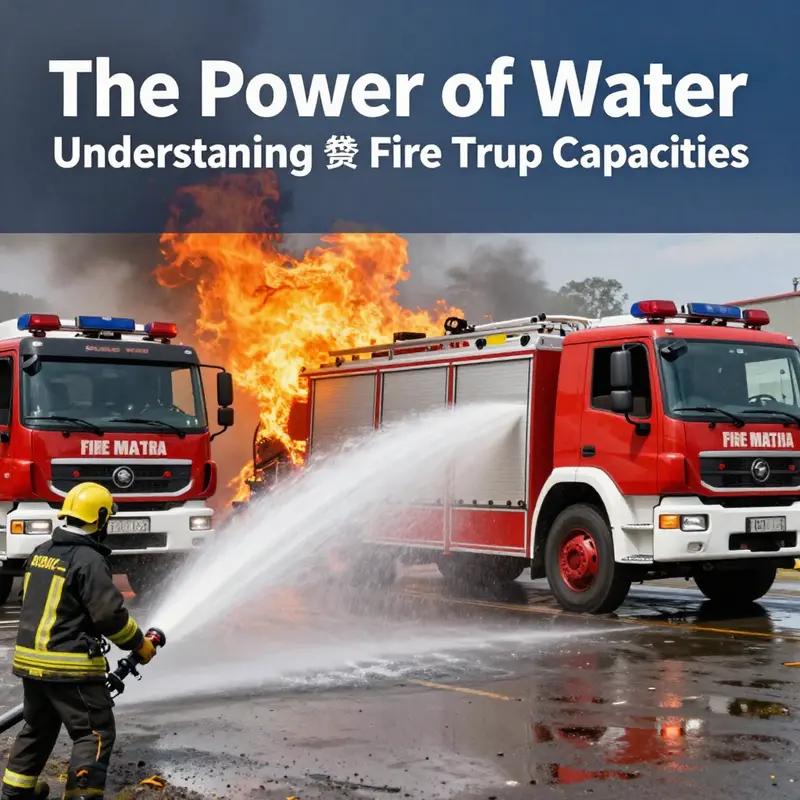
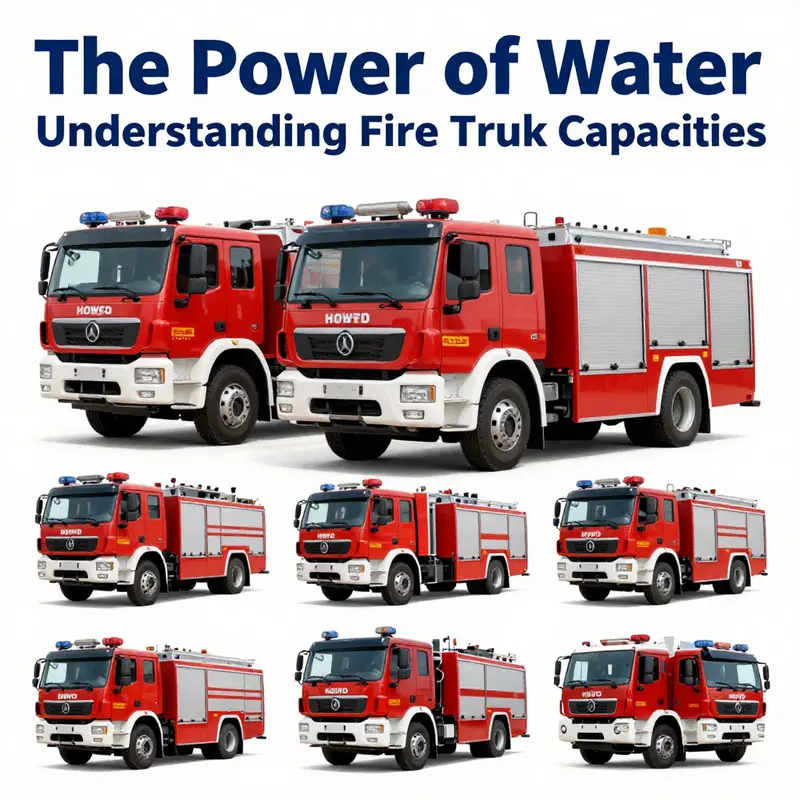
Understanding how much water a fire truck holds is not just a specification. It directly shapes tactics, logistics, and outcomes at emergencies. Different vehicles carry water for different reasons. Some are built to start an initial attack. Others exist to shuttle supply into areas without hydrants. Still others prioritize reach or maneuverability over onboard reserves. Examining real-world scenarios reveals how capacity affects decisions on-scene, and why departments configure fleets the way they do.
In residential structure fires, pumpers with modest tanks are the workhorses. These rigs commonly carry between 500 and 1,000 gallons. That amount gives crews a measurable window to hit the fire before tapping into a municipal supply. The tank supplies hose lines during the first, critical minutes. If hydrants lie nearby, the pumper’s goal is rapid connection and sustained high-pressure flow. If hydrants are absent, that same tank becomes a finite resource. Commanders then weigh whether to commit interior teams or instead prioritize defensive streams until more water arrives. The pumper’s pump rating also matters. A truck may have the capacity to deliver several hundred gallons per minute. That rate determines how fast the onboard supply will drain. Consequently, capacity alone does not tell the whole story; delivery rate and refill options matter equally.
High-reach units, such as ladder trucks, demonstrate a different compromise. These vehicles often carry less water, typically under 500 gallons, because their primary function is elevated access, rescue, and master-stream placement. On tall buildings, an aerial device may supply a stream from a height not easily achieved from street-level lines. The smaller tank reflects that role. When an aerial must sustain a long-duration exterior attack, it will depend on pumper support or hydrant flow. The coordination between ladder and pumper units shows how capacity integrates into a larger system. One truck supplies reach. Another supplies volume and pressure. The combined capability determines how long a high-volume attack can continue.
In rural and wildland settings, the story changes again. Many inhabited areas lack reliable hydrants. There, tankers or tenders carry thousands of gallons. Units designed for rural responses might carry 1,000 to over 3,000 gallons. When called to brush or interface fires, these vehicles form the water backbone of the operation. They either shuttle water from fill sites to the point of attack, or they sit as local reservoirs while pumpers draft water into attack lines. Tanker shuttle operations require critical planning: fill-site proximity, turnaround times, and the number of tankers needed to maintain a continuous flow. In rugged terrain, access time grows and supply times lengthen. The overall water delivered to the fireline can vary widely depending on travel distance and the speed of refilling cycles.
Wildfire suppression often relies on coordinated logistics. Multiple tankers and air resources may be staged to support line crews. Each tanker’s capacity affects refill frequency and the total throughput of water into the system. In many large incidents, relay pumping extends reach beyond a hydrant’s effective pressure. In relay setups, pumpers and portable tanks work together to sustain flow over miles. Here, individual tank size is secondary to the system’s throughput. The goal becomes continuous supply rather than a single vehicle’s reserve.
Smaller, more maneuverable brush trucks and rapid intervention vehicles serve niche roles. They carry smaller tanks—sometimes a few hundred gallons or a few hundred liters—but they compensate with speed, off-road capability, and quick-attack tactics. For a small wildfire or a vehicle fire on a roadside, a compact unit arriving quickly can often prevent escalation. The limited water supply is acceptable, because the unit’s mission is swift suppression until larger resources arrive.
The operational effect of onboard water is also driven by flow demands from hose lines. Interior attacks on structure fires may require multiple lines flowing between 150 and 300 gallons per minute each. A 1,000-gallon tank empties quickly under such demand. Conversely, a defensive master stream might use 500 gallons per minute or more. The math becomes immediate: a 1,000-gallon tank flowing 250 gallons per minute lasts four minutes. That calculation informs command decisions on tactics and resource ordering.
Departments tailor their fleets to their risk profile. Urban systems with abundant hydrants often favor pumpers optimized for pressure and hose load, rather than massive onboard tanks. Rural districts invest more in larger tankers and portable water infrastructure. Some communities blend both approaches, adding compact tankers for hard-to-reach spots and heavy tankers for long shuttles. Specialized apparatus can be configured with foam systems or compressed-air foam modules. These additions change effective suppression capacity without strictly increasing water volume. Foam expands the efficacy of limited water, allowing crews to cover more area per gallon.
Mutual aid agreements and pre-planned logistics also reflect capacity realities. When several nearby departments pool resources, they effectively increase the total water available on scene. Planning often specifies the number and type of tankers needed for likely scenarios. In many cases, a single large incident triggers tanker task forces or tenders brought in from neighboring jurisdictions. This approach recognizes that no single vehicle can handle all contingencies. Fleet composition becomes a practical answer to local hazards.
Practical case examples help. In a suburban structure fire with nearby hydrants, a pumper’s 750-gallon tank gives enough time to get a reliable water supply onto lines. In a rural barn fire, a similar tank would quickly be exhausted. There, two tankers of 2,000 gallons each might perform shuttles to maintain supply until the fire is controlled. On a multi-acre wildland fire, relay pumping and portable ponding points may be necessary, with dozens of tanker trips per hour to sustain frontline crews. In a vehicle fire on a remote road, a small brush unit with a 300-gallon tank and quick access may extinguish the blaze before an extensive operation is required.
Choosing vehicle capacity also involves trade-offs in weight, maneuverability, and cost. Larger tanks add weight and may reduce off-road capability. They also increase wear on roads and bridges in certain jurisdictions. Departments weigh these factors against the need for volume. Where budgets are constrained, customized, cost-effective apparatus options exist to bridge capability gaps while addressing diverse terrain and budget constraints. These tailored vehicles can optimize water capacity, pump performance, and chassis selection to meet real needs. For departments considering such options, researching specialized manufacturers and designs is valuable. For examples of tailored approaches that balance capacity, terrain, and budget, see comprehensive customized firefighting vehicles for developing countries.
Finally, standards and guidelines inform planning. Operational standards advise on minimum supply needs, and training emphasizes planning for refill cycles and relay operations. Those standards help departments match apparatus capabilities with realistic operational expectations. For a concise reference on recommended practices and standards, consult the National Fire Protection Association: https://www.nfpa.org
Final thoughts
The capacity of water a fire truck holds may seem like a technical detail, but it is a cornerstone of effective firefighting. As we have explored, the varying water capacities across different trucks, influenced by numerous factors, play a pivotal role in emergency response strategies. By understanding these elements, firetruck enthusiasts, aspiring firefighters, and professionals can appreciate the complex orchestration behind firefighting operations. Carrying the right amount of water leads to life-saving responses that can mean the difference between devastating loss and community safety. Whether you’re part of the team or simply passionate about these incredible machines, knowing how much water a fire truck holds can enhance your understanding of firefighting as a vital public service.