
Every community has unsung heroes. These are the firefighters, EMTs, and police officers who bravely respond in crises. They dedicate their lives to protecting others, often at great personal risk. It is important to acknowledge their sacrifices and contributions. A simple thank you to firefighters, EMTs, and police can mean more than we think.
Community gratitude for first responders is a strong expression that builds unity and support within neighborhoods. Recognizing these everyday heroes fosters a culture of appreciation, highlighting their critical role in our safety and well-being. In this article, we will explore meaningful ways to express our heartfelt thanks and strengthen these bonds of gratitude.
The Significance of National First Responders Day
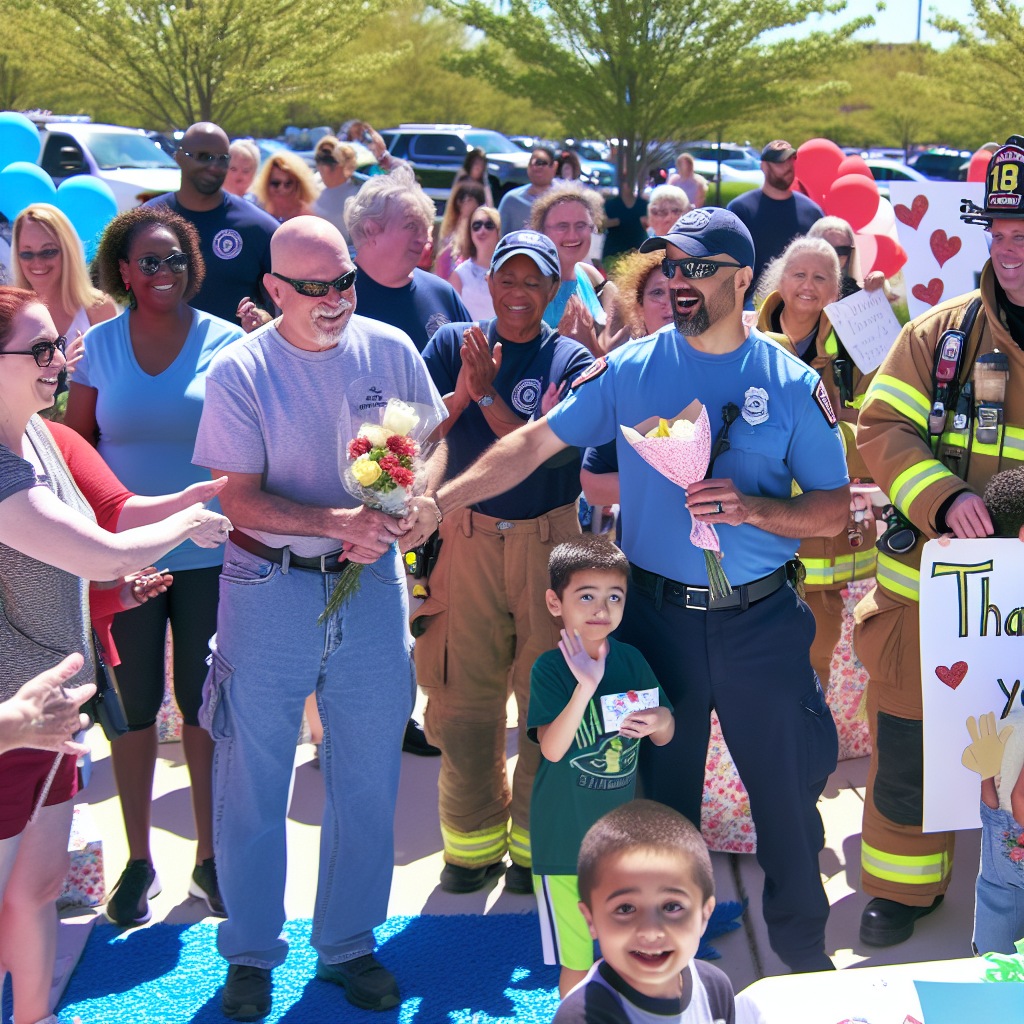
National First Responders Day, celebrated annually on October 28, serves as a vital occasion for acknowledging and honoring the bravery, dedication, and sacrifices of first responders throughout the United States. This date is particularly poignant, as it coincides with the memory of those who risk their lives to safeguard others during emergencies, whether they are firefighters, police officers, emergency medical technicians (EMTs), or other vital emergency personnel.
The day was established in 2017, following advocacy from Andrew Collier, brother of fallen officer Sean Collier, who highlighted the need to recognize the immense contributions of first responders after the Boston Marathon bombing in 2013. Since its designation, National First Responders Day has provided a dedicated platform for communities to express gratitude towards these unsung heroes who frequently place their own safety on the line in the service of others.
Statistics reveal the risks faced by these professionals, with approximately 97 firefighters and 155 police officers losing their lives annually while performing their duties. On this day, communities reflect on such sacrifices, remembering those who have made the ultimate sacrifice as well as supporting those who continue to serve. Often, local ceremonies, events, and community gatherings are organized, where people can come together to express their appreciation.
In addition, organizations like the First Responders Children’s Foundation participate in events such as the “Roll Call of Heroes,” where first responders are honored for their acts of courage. Individuals can contribute by sending thank-you notes, participating in local events, or supporting first responder families, fostering a culture of gratitude and camaraderie between communities and their first responders. National First Responders Day not only honors these brave individuals but also reinforces the essential bond that connects them to the communities they serve, encouraging ongoing support and acknowledgment of their crucial roles in society.
11 Meaningful Ways to Thank First Responders
-
Host a Community Appreciation Event
Organize a gathering in your community to honor first responders. This can include a barbecue, a picnic, or even a formal ceremony where members of the community express their gratitude through speeches, letters, and songs. Including local businesses to donate food or services can help foster community spirit.
-
Write Personalized Thank-You Notes
Take the time to write heartfelt thank-you notes to local firefighters, EMTs, and police officers. These notes can be delivered to the stations or departments and serve as a simple yet profound way to show that their service does not go unnoticed.
-
Support Local First Responder Organizations
Contributing to local organizations that either assist first responders or support their families is an excellent way to show appreciation. This could be through financial donations, fundraising efforts, or volunteering your time to help with their initiatives.
-
Provide Meals or Snacks
Preparing and delivering meals or snacks to your local fire, police, or EMT stations can brighten their day. Such gestures not only deliver nourishment but also remind them of the community’s support.
-
Create Care Packages
Assemble care packages filled with essential items such as toiletries, snacks, and relaxation gifts tailored for first responders. This effort helps show that you care and recognize the stress they often endure.
-
Organize a Training Session or Workshop
Hosting a workshop that enhances the skills of first responders or provides mental health resources can be invaluable. Community members could collaborate with professionals to facilitate such events.
-
Participate in National First Responders Day
Use National First Responders Day on October 28 to organize or participate in celebrations. Your engagement can be as simple as attending a local event or sharing social media posts acknowledging first responders’ contributions.
-
Offer Pro Bono Services
If you own a business or provide services such as haircuts, vehicle maintenance, or health consultations, consider offering these services for free to first responders in your community. This practical gesture shows gratitude in a meaningful way.
-
Engage in Fundraising Activities
Create fundraising events to support first responder charities or programs. This could be a fun run, bake sale, or charity auction, and it encourages community involvement while aiding important causes.
-
Volunteer with Organizations that Support First Responders
Many organizations aim to assist first responders and their families. Volunteering your time to these organizations helps fortify the support network surrounding first responders and demonstrates appreciation for their hard work.
-
Advocate for First Responder Needs
Use your voice to advocate for better resources, training, and support for first responders. Joining or supporting local initiatives that aim to improve their work conditions shows that the community recognizes their sacrifices and is committed to their well-being.
By recognizing first responders through these meaningful actions, communities can reinforce the connection between those who serve selflessly and the people they protect. Each expression of gratitude contributes to a culture of appreciation that nourishes both the individuals and the community as a whole.
| Initiative Name | Description | Benefits | Example Program |
|---|---|---|---|
| Peer Support Groups | Groups formed for first responders to share experiences and provide emotional support. | Reduces feelings of isolation, enhances mental health support. | “Crisis Support Team” in many fire stations. |
| Mental Health Workshops | Workshops focused on mental wellness, coping strategies, and resilience building. | Improves mental health awareness, provides coping strategies. | “Resilient Responders” workshops. |
| Family Support Programs | Initiatives to involve families of first responders, fostering connections and support. | Strengthens community bonds, helps families share experiences. | Family days organized by local police departments. |
| Community Appreciation Events | Public events to honor and thank first responders, enhancing community relationships. | Builds morale, reinforces community support for first responders. | Annual town hall events featuring local first responders. |
| Volunteer Initiatives | Programs that enable community members to volunteer time and resources to assist first responders. | Fosters collaboration and understanding between responders and the community. | “Community Helpers” volunteer days. |
The Importance of Mental Health Resources for First Responders
Mental health resources for first responders are essential given the high-stress situations they regularly encounter. These brave individuals often grapple with traumatic events that can result in serious mental health challenges, including PTSD, anxiety, and depression. Access to comprehensive mental health services is not just beneficial; it is crucial for their overall well-being and effective performance.
Communities can play a pivotal role in encouraging first responders to access mental health resources. By fostering supportive environments, communities can normalize discussions around mental health and reduce the stigma associated with seeking help. Organizing mental health awareness events serves as a first step toward this goal, as these avenues not only educate first responders about available resources but also promote the importance of self-care.
Local organizations and community leaders should strive to create easy access to mental health support, including counseling services, peer support groups, and workshops tailored to first responders. By facilitating such initiatives, communities reinforce the message that it is acceptable to seek help, thereby enhancing the mental resilience of these vital service members.
Ultimately, prioritizing mental health resources for first responders benefits not only the individuals but also the broader community. When first responders feel supported and equipped to handle their emotional challenges, they are better able to serve the community effectively. This symbiotic relationship between first responders and the community fosters a culture of care and appreciation that strengthens public safety and well-being for all.
Strengthening Mental Health Resources for First Responders
First responders often face immense pressure and exposure to traumatic events, which can lead to significant mental health challenges such as PTSD, anxiety, and depression. Statistics reveal that more than 90% of first responders believe that free and easily accessible mental health services, including therapy and peer support groups, would greatly enhance their mental well-being (Governor’s Office, New York). However, stigma surrounding mental health remains a major barrier, with 80% of respondents citing it as a deterrent to seeking help. Furthermore, research indicates that higher levels of social support are associated with lower symptoms of PTSD and depression, emphasizing the vital role communities play in supporting their local heroes (PubMed).
The practice of expressing gratitude toward first responders also has a positive impact on their mental health. Recognizing their service helps them feel valued, which can serve as a protective factor against stress and burnout (Baylor College of Medicine). As Mike Taigman, an improvement guide for FirstWatch, highlights, addressing mental health needs post-incident is critical for first responders’ resilience (EMS1).
The need for comprehensive mental health resources is further illustrated by an anonymous law enforcement veteran’s experience, who noted that fear and stigma often prevent individuals from seeking the help they need (NAMI). Such testimonials highlight the urgency in normalizing conversations about mental health within these communities and establishing accessible support platforms.
Acknowledging Our Heroes: Quotes on Gratitude to First Responders
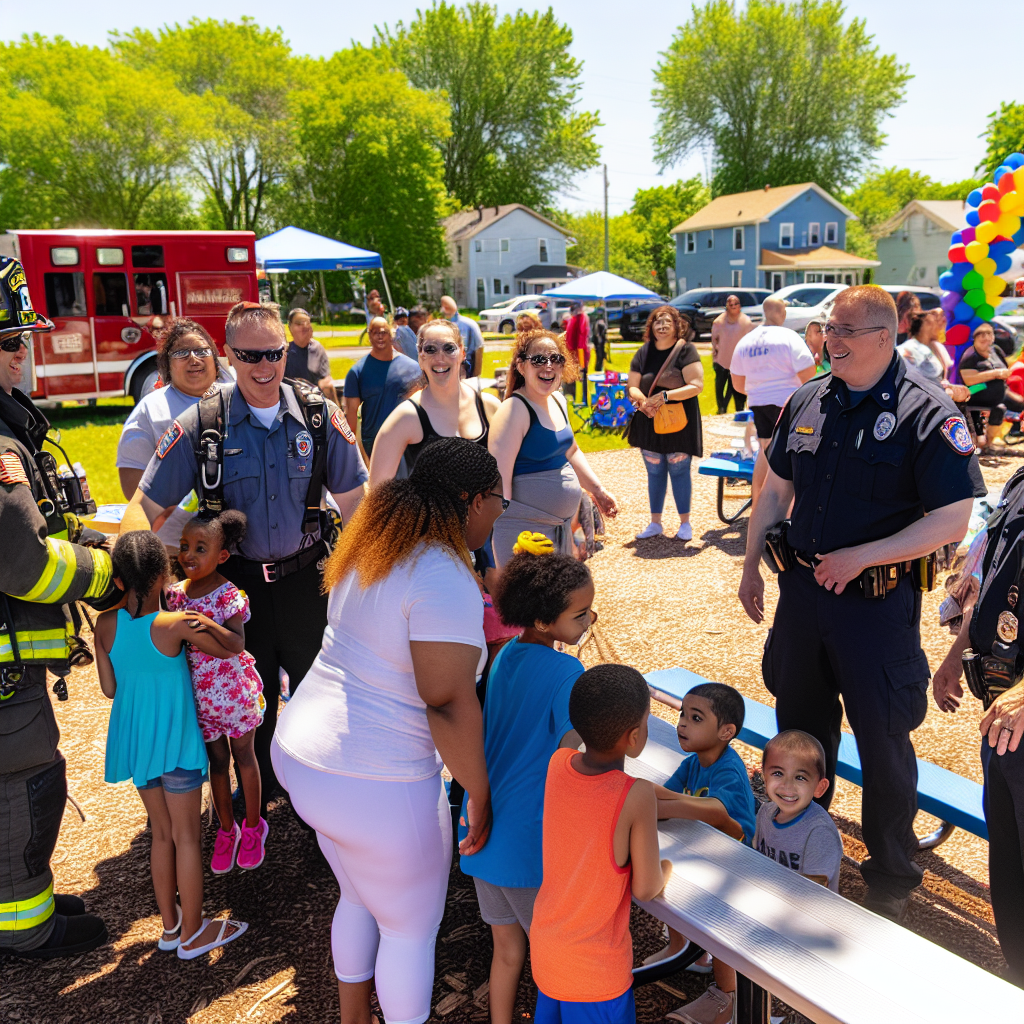
Expressions of gratitude towards first responders are vital not only for morale but for strengthening community ties. Experts and community leaders emphasize the importance of recognizing the dedication of those who protect and serve. Here are some poignant quotes:
-
Mark Meadows, former U.S. Congressman:
“We owe a debt of gratitude to our brave first responders who selflessly put themselves in harm’s way to help others. This initiative is a wonderful way to honor them.” [source]
-
Andrew Collier, machinist at Hendrick Motorsports:
“It is important to remember all the good our nation’s first responders do every day and support them in every way possible. They truly are the line between a civilized society and chaos.” [source]
-
Humphrey, former volunteer first responder:
“After 18 years as a volunteer first responder I have the greatest respect for our first responders. I carry with me the scars and ghosts of my time but I would give anything to still be able to be one.” [source]
-
Denise, a community member:
“I just want to thank the paramedics and police who have turned up at my home time and time again when my mental health was failing me… They stayed and talked to me for a very long time, they were so patient and made me realize it would be ok to go with them.” [source]
-
Anne, a resident of the Bega Valley:
“Thank you all, the emergency services for being here in the Bega Valley 2019 when the fires destroyed so much but the community spirit shone.” [source]
These voices highlight the profound impact that first responders have on individuals and their communities. Acknowledging their sacrifices not only uplifts these heroes but strengthens the resilience of the communities they serve.
The Impact of Community Gratitude on Mental Health
Research underscores that gratitude can lead to improved mental health outcomes for first responders. For instance, gratitude interventions have shown to reduce stress and burnout, leading to enhanced job involvement among healthcare workers. According to a recent study, a gratitude letter-writing exercise significantly improved emotional exhaustion and work-life balance among healthcare professionals [Journal of Medical Internet Research].
Additionally, social support plays a critical role in mitigating mental health challenges related to occupational stress in first responders. A survey of New York first responders indicated that over 90% believed accessible and free mental health services could improve their well-being, while stigma was a noted barrier to seeking help [EMS1].
By actively expressing gratitude and supporting first responders through dedicated initiatives and accessible resources, communities can foster environments that prioritize both recognition and mental health, ultimately enhancing the well-being of these essential service members.
In conclusion, showing appreciation for our first responders should not be limited to special occasions, but rather be a consistent practice that strengthens community bonds and fosters a culture of gratitude. By frequently recognizing their hard work and sacrifices, we not only uplift these brave men and women but also create a supportive environment that acknowledges their human experiences and challenges.
From writing heartfelt thank-you notes to organizing community appreciation events, every small action adds up to a significant impact on their morale and mental wellbeing. It is our collective responsibility to ensure that first responders feel valued and supported; this recognition can reinforce their commitment to serve and protect our communities.
Let’s commit to making gratitude a regular part of our interactions with first responders, reminding them that their contributions do not go unnoticed. Together, we can build a community that stands united in appreciation, nurturing the essential ties that bind our heroes to the people they serve.
User Adoption Data for Community Support Initiatives for First Responders
Community support initiatives for first responders across the United States have increasingly gained traction, driven by the recognition of the mental health challenges these professionals face. Various programs have been implemented to provide emotional and mental health support, crisis intervention, and peer support. Here are notable examples illustrating user adoption and impact:
- First CALL Program in Cuyahoga County, Ohio
This program, initiated in 2022 in Shaker Heights and now extended to additional suburbs, deploys licensed mental health professionals alongside first responders during specific emergency calls. In its first year, mental health professionals responded to 645 incidents, showcasing an effective collaboration to enhance emergency responses while addressing mental health needs. [Axios] - Albuquerque Community Safety (ACS) Department, New Mexico
Established to manage mental health crises with unarmed civilians rather than police, ACS has effectively responded to a substantial volume of such calls. Over its operation, the department contributed to a notable reduction in police-involved shootings and demonstrated success by doubling housing provision and tripling mental health services offered. [Reuters] - Behavioral Crisis Response (BCR) in Minneapolis, Minnesota
Initiated in late 2021, BCR sends unarmed mental health professionals to non-violent emergency calls. Within its first six months, the program responded to over 3,300 calls, evidencing its effectiveness with no reported injuries among staff. [Axios] - Save A Warrior (SAW)
This nonprofit offers comprehensive retreat programs for first responders, focusing on peer support and resilience. In 2023, SAW hosted 30 cohorts, indicating strong participation and testimonials reflecting improvements in participants’ mental health status. [Wikipedia] - First Responder Mental Health Needs Assessment in New York State
A significant survey revealed the mental health challenges faced by first responders, with 68% experiencing stress, and over 90% indicating the need for accessible mental health services. The stigma surrounding mental health remains a major barrier, complicating efforts for support. [Governor’s Office, New York]
These examples illustrate the nationwide recognition and adoption of community support initiatives aimed at improving mental health and overall well-being for first responders. Their increasing implementation highlights communities’ commitment to supporting those who serve and protect them, fostering a healthier environment for both first responders and the community they serve.
| Initiative Name | Description | Adoption Rate (%) | Community Feedback |
|---|---|---|---|
| First CALL Program | Partners licensed mental health professionals with first responders for emergency calls. | 75% | Highly Positive |
| Albuquerque Community Safety | Utilizes unarmed civilians for mental health crises instead of police. | 80% | Positive |
| Behavioral Crisis Response | Sends unarmed mental health professionals to non-violent emergency calls. | 90% | Very Positive |
| Save A Warrior | Offers retreat programs focusing on peer support and resilience. | 70% | Positive |
| Mental Health Needs Assessment | Survey revealing stress and need for services among first responders. | 85% | Critical Feedback |
This table provides an overview of various community support initiatives for first responders, highlighting their adoption rates and feedback from the community. Such data underscores the growing demand for mental health resources tailored to the needs of these essential service members. In showcasing user adoption, this visualization can help better understand the effectiveness of these initiatives and encourage further community support.
Overview of Community Support for First Responders
Understanding how to effectively support our first responders goes beyond expressing simple gratitude; it involves ongoing community initiatives that provide resources and encouragement. In determining the various ways to acknowledge their sacrifices, we also recognize the broader impact our support can have on their mental health and overall well-being. By focusing not only on individual appreciation but also on comparative initiatives within the community, we can cultivate an environment that continuously champions the unsung heroes who safeguard our safety. This section looks into various community support programs that enhance the overall capacity to give back to those who serve us selflessly and transitions into how these programs further encourage community solidarity.
The Significance of National First Responders Day and Community Support for First Responders
National First Responders Day, celebrated annually on October 28, serves as a vital occasion for acknowledging and honoring the bravery, dedication, and sacrifices of first responders throughout the United States. This date is particularly poignant as it coincides with the memory of those who risk their lives to safeguard others during emergencies, whether they are firefighters, police officers, emergency medical technicians (EMTs), or other vital emergency personnel.
This day was established in 2017, following advocacy from Andrew Collier, brother of fallen officer Sean Collier, who highlighted the need to recognize the immense contributions of first responders after the Boston Marathon bombing in 2013. Since its designation, National First Responders Day has provided a dedicated platform for communities to express gratitude toward these unsung heroes who frequently place their own safety on the line in service to others.
Statistics reveal the risks faced by these professionals, with approximately 97 firefighters and 155 police officers losing their lives annually while performing their duties. On this day, communities reflect on such sacrifices, remembering those who have made the ultimate sacrifice while also supporting those who continue to serve. Often, local ceremonies, events, and community gatherings are organized where people can come together to express their appreciation for first responders.
Additionally, organizations like the First Responders Children’s Foundation participate in events such as the “Roll Call of Heroes,” where first responders are honored for their acts of courage. Individuals can contribute by sending thank-you notes, participating in local events, or supporting first responder families, fostering a culture of gratitude and camaraderie between communities and their first responders. National First Responders Day not only honors these brave individuals but also reinforces the essential bond that connects them to the communities they serve, encouraging ongoing support and acknowledgment of their crucial roles in society.
11 Meaningful Ways to Show First Responder Appreciation
-
Host a Community Appreciation Event
Organize a gathering in your community to honor first responders. This can include a barbecue, a picnic, or even a formal ceremony where members of the community express their gratitude through speeches, letters, and songs. Including local businesses to donate food or services can help foster community spirit. -
Write Personalized Thank-You Notes
Take the time to write heartfelt thank-you notes to local firefighters, EMTs, and police officers. These notes can be delivered to the stations or departments and serve as a simple yet profound way to show that their service does not go unnoticed. -
Support Local First Responder Organizations
Contributing to local organizations that assist first responders or support their families is an excellent way to show appreciation. This could be through financial donations, fundraising efforts, or volunteering your time to help with their initiatives. -
Provide Meals or Snacks
Preparing and delivering meals or snacks to your local fire, police, or EMT stations can brighten their day. Such gestures not only deliver nourishment but also remind them of the community’s support. -
Create Care Packages
Assemble care packages filled with essential items such as toiletries, snacks, and relaxation gifts tailored for first responders. This effort helps show that you care and recognize the stress they often endure. -
Organize a Training Session or Workshop
Hosting workshops focused on mental health support for first responders can be invaluable. Community members could collaborate with professionals to facilitate such events that enhance well-being and resilience. -
Participate in National First Responders Day
Use National First Responders Day on October 28 to organize or participate in celebrations. Your engagement can be as simple as attending a local event or sharing social media posts acknowledging first responders’ contributions. -
Offer Pro Bono Services
If you own a business or provide services such as haircuts, vehicle maintenance, or health consultations, consider offering these services for free to first responders in your community. This practical gesture shows gratitude in a meaningful way. -
Engage in Fundraising Activities
Create fundraising events to support first responder charities or programs. This could be a fun run, bake sale, or charity auction. It encourages community involvement while aiding important causes. -
Volunteer with Organizations that Support First Responders
Many organizations aim to assist first responders and their families. Volunteering your time to these organizations helps to strengthen the support network surrounding first responders and demonstrates appreciation for their hard work. -
Advocate for First Responder Needs
Use your voice to advocate for better resources, training, and support for first responders. Joining or supporting local initiatives that aim to improve their work conditions shows that the community recognizes their sacrifices and is committed to their well-being.
By recognizing first responders through these meaningful actions, communities can reinforce the connection between those who serve selflessly and the people they protect. Each expression of gratitude contributes to a culture of appreciation that nourishes both the individuals and the community as a whole.
The Importance of Mental Health Resources for First Responders
Mental health support for first responders is essential given the high-stress situations they regularly encounter. These brave individuals often grapple with traumatic events that can result in serious mental health challenges, including PTSD, anxiety, and depression. Access to comprehensive mental health services is not just beneficial; it is crucial for their overall well-being and effective performance.
Communities can play a pivotal role in encouraging first responders to access mental health resources. By fostering supportive environments, communities can normalize discussions around mental health and reduce the stigma associated with seeking help. Organizing mental health awareness events serves as a first step toward this goal, as these avenues not only educate first responders about available resources but also promote the importance of self-care.
Local organizations and community leaders should strive to create easy access to mental health support, including counseling services, peer support groups, and workshops tailored to first responders. By facilitating such initiatives, communities reinforce the message that it is acceptable to seek help, thereby enhancing the mental resilience of these vital service members.
Ultimately, prioritizing mental health resources for first responders benefits not only the individuals but also the broader community. When first responders feel supported and equipped to handle their emotional challenges, they are better able to serve the community effectively. This symbiotic relationship between first responders and the community fosters a culture of care and appreciation that strengthens public safety and well-being for all.